



There's a noise in the old house, an object that disappears and then reappears, a coin found on the floor. In Naples...
Latest posts
-
 'O Munaciello: the legend, the mischief and the coins under the pillowRead more
-
 How to choose your T-shirt size (and make it last): the Tattà® guideRead more
Sizes, fabrics and prints explained plainly, with the honesty of someone who really wears 'a maglietta' (Neapolitan...
-
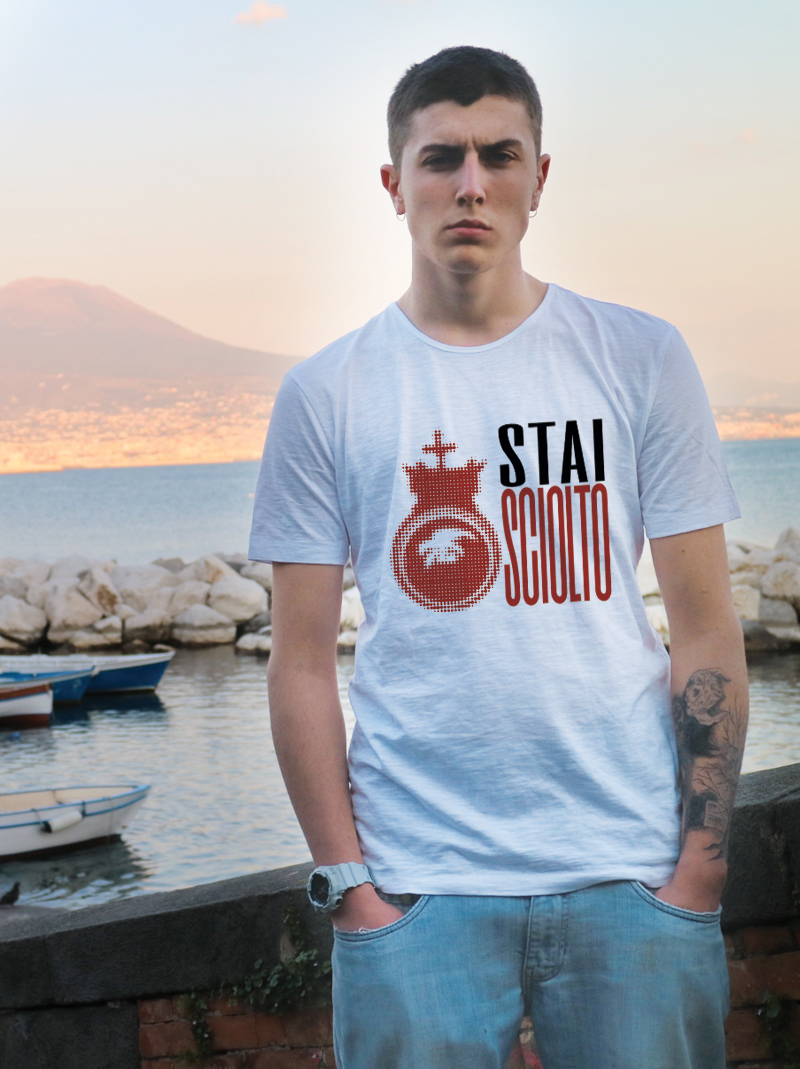 Original Neapolitan graduation gift: ideas for the graduate (him and her)Read more
In Naples, a graduation is never a private affair: it's a neighbourhood celebration. Here's how to choose an original...
-
 Asso 'e mazze: meaning and history of the Neapolitan ace of clubsRead more
The strongest card on the green table becomes, in Naples, the most elegant way to say who really calls the shots....
-
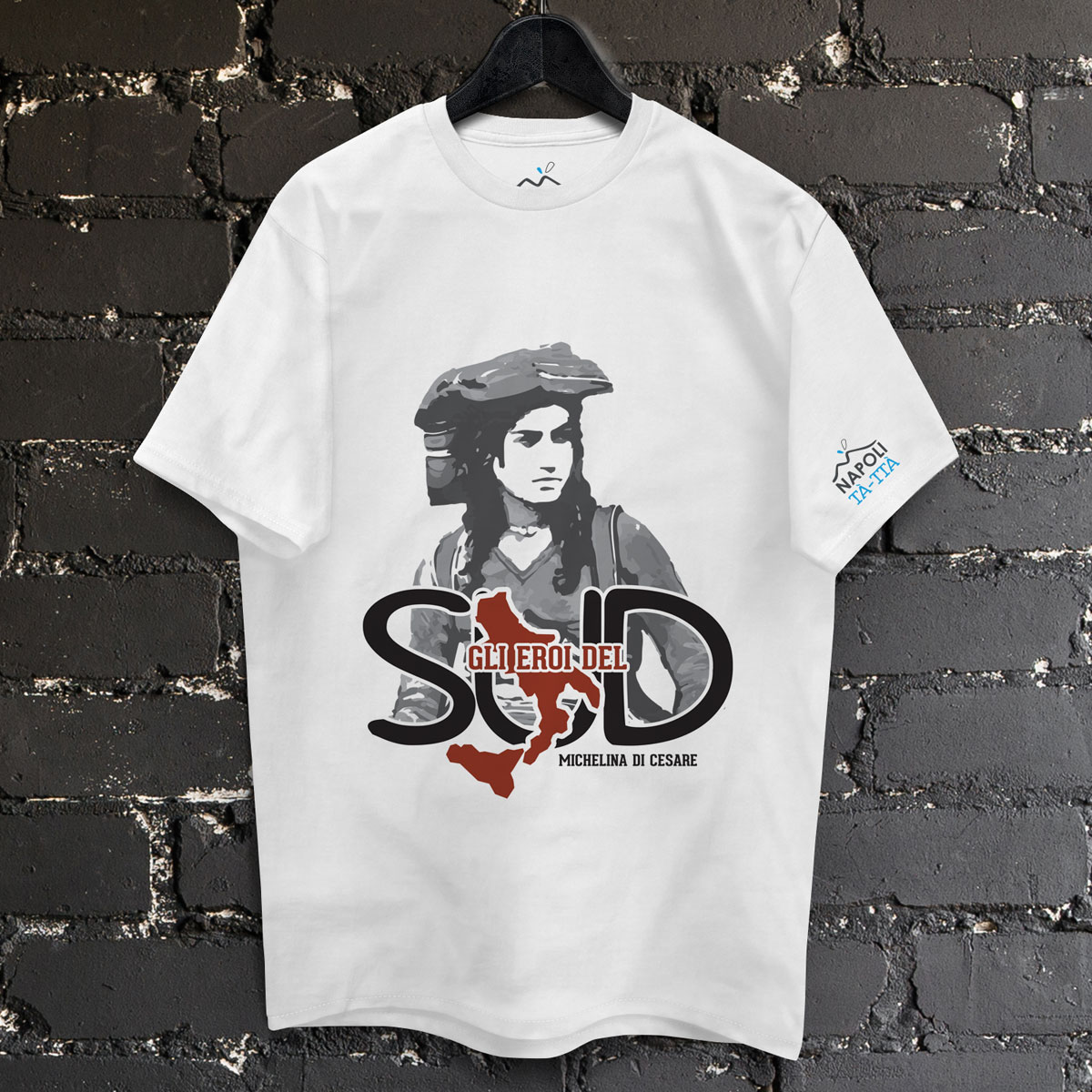 Michelina Di Cesare, the brigantessa who defied a kingdomRead more
Born poor in Terra di Lavoro, Michelina Di Cesare chose the maquis and the rifle against a newly united Italy. A...
-
 Neapolitan Hoodies: The Autumn 2026 Style GuideRead more
When the air turns crisp, in Naples people don't just reach for a hoodie: they reach for a piece of identity. Here's...
-
 Maradona Stadium: City Council allocates €50 million for Euro 2032Read more
The City Council has allocated €50 million for the redevelopment of the Diego Armando Maradona stadium, ahead of...
-
 Pizza Maxima 2026: Franco Pepe Is Once Again Best Pizzeria in ItalyRead more
At the fifth edition of Pizza Maxima, the Oscars of Italian pizza, Franco Pepe confirms his title as Best Pizzeria in...
-
 ‘L’acqua è poca e ‘a papera nun galleggia’: what it meansRead more
When the means are few, so is the result. Let's discover the most realistic Neapolitan saying there is.
-
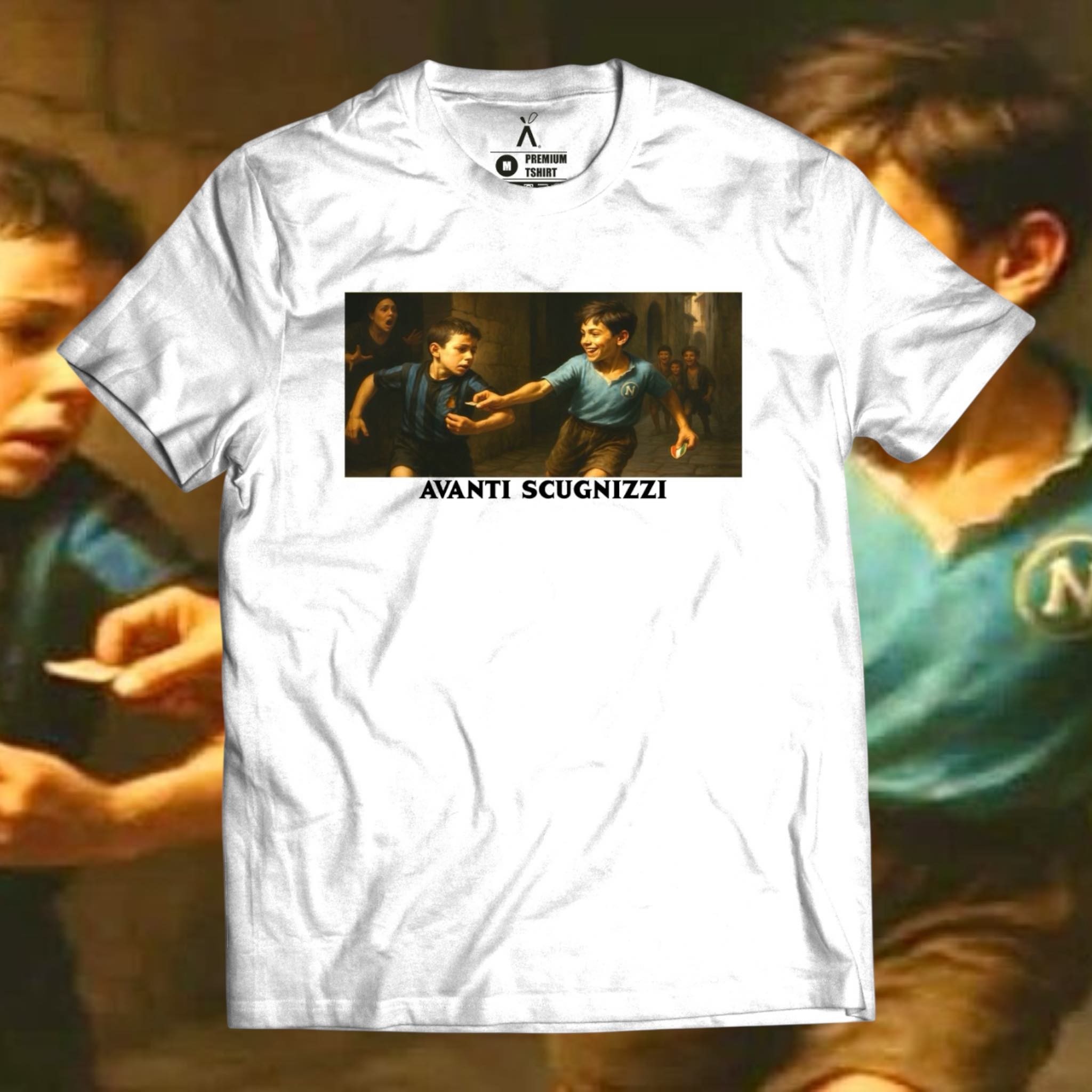 Avanti Scugnizzi: the story of the year's most loved T-shirtRead more
One word, ‘scugnizzo’ (Neapolitan street kid), and it holds the whole of Naples inside it. We tell you how the year's...
Blog categories
Search in blog
Archived posts
How to choose your T-shirt size (and make it last): the Tattà® guide
In Naples there's a saying that grandmothers would bring out whenever someone turned up in a shirt that was too tight: "meglio largo ca strinto" (better loose than tight), meaning better comfortable than constrained. It wasn't just a matter of style, it was a philosophy of life. Because a T-shirt isn't something you wear once and forget: it's the thing you put on Saturday to go out, Sunday for coffee, and even Tuesday when you don't feel like thinking. It has to fit you well, it has to last, and above all it mustn't let you down after three washes.
So let's talk about it properly, without the usual catalogue spiel. Here we try to explain how to choose the right T-shirt size, how to tell if the cotton is the honest kind, and how to look after prints so they stay vivid for years, instead of melting away like ice cream on Ferragosto (Italy's mid-August holiday).
How to choose your T-shirt size without getting it wrong
The first mistake everyone makes is guessing by eye. "I'm a size M," someone says, only to discover that brand A's M is brand B's L. Sizes aren't a universal law, they're more like ragù (Neapolitan meat sauce) recipes: every household has its own. That's why the safest approach isn't to trust the letter, but the actual measurements.
All you need is a tailor's tape measure, or failing that the yellow DIY kind, and ten minutes of patience. Here's what to measure:
- Chest width: take a T-shirt that fits you well, lay it flat on a table and measure from one armpit to the other. Double that number to get the circumference. Compare it with the product's size chart.
- Length: from the highest point of the shoulder, near the neck, down to the bottom hem. If you like a T-shirt that covers well and hangs softly, add a few extra centimetres here.
- Shoulder: from one seam to the other, across the top. More than any other measurement, this decides whether a T-shirt "hangs right" on you or looks borrowed.
Once you have your numbers, jot them down somewhere on your phone. They become your passport: every time you buy online, instead of guessing, you can check. It's less romantic than trying things on in a shop, we know, but it saves you returns, swearing, and T-shirts left in the wardrobe with the tag still on.
Unisex fit: comfortable for everyone, awkward for no one
Most of our T-shirts have a unisex fit, and that's a deliberate choice, not laziness. The unisex cut is designed to hang straight and even, without pulling in the wrong places. It works well on different body shapes and leaves you free to decide the style.
The trick is simple: if you love the oversized look, the comfy one that makes you look like you've just hopped off your scooter with your jacket slung over your shoulders, size up. If you prefer a slimmer, more fitted line, size down. There's no right or wrong, only what you like. A T-shirt should tell your story, not restrict you. Take a look at the whole collection in the Tattà® T-shirts section and picture how you'd wear it: it's the best way to work out which size is right for you.
Cotton: why not all of it is the same
Here we get to the heart of the matter, because a T-shirt is only as good as the fabric it's made from. Cotton can feel all the same when you touch it in a shop, but after a month of real wear you see the difference between the honest kind and the kind that saves you money today only to cost you tomorrow.
Good jersey cotton can be recognised by a few concrete things. First, the weight: more grams per square metre generally means a thicker, less see-through fabric that holds its shape. A T-shirt that's too light might feel fresh and comfortable at first, but it tends to lose its shape, go baggy ("spanzarsi", as we'd say in Naples) around the neck, and become shiny where it rubs.
Second, the hand feel, meaning how the fabric responds to touch: it should be soft but substantial, neither rough nor plasticky. Third, the stitching: look at the neckline and the hems. Double stitching that's even and close together is the signature of a T-shirt built to last. The neckline in particular is every T-shirt's weak point: if it's well made, it always bounces back into shape; if it's poorly made, it soon goes loose and tired-looking.
The same logic applies, multiplied, to hoodies: there, the fabric works even harder, keeping you warm, pulled on and off a thousand times. In the Tattà® hoodies section you'll find pieces designed to see you through this city's damp winters, where the cold is never dry and gets right into your bones.
How to wash printed T-shirts so they last for years
This is where it's all decided. You can buy the most beautiful T-shirt in the world, but if you mistreat it on the very first wash it's like pouring your coffee down the sink: a crying shame. The print, especially a quality one, needs just a few simple but precise bits of care.
- Always turn the T-shirt inside out before putting it in the washing machine. With the print on the inside, it's protected from rubbing against other clothes and the drum. This is rule number one, and on its own it can add years to the life of the design.
- Wash at low temperatures, around 30 degrees. Water that's too hot is the enemy of colours and fabric alike: it shrinks them and fades them. Cold water cleans perfectly well and is kind to the garment.
- No bleach and no harsh fabric softeners. Bleach eats away at colours, and too much softener can leave a film that dulls the print. A gentle detergent is more than enough.
- Avoid a harsh spin cycle. Too many revolutions put strain on the fibres and seams. A moderate spin dries the garment enough without crumpling everything.
For drying, our grandmothers' advice remains unbeatable: air-dry, in the shade. Direct sunlight, the fierce July kind on the balcony, is glorious for us but merciless on colours: it washes them out. Hang the T-shirt inside out, ideally flat or on a wide hanger that won't pull the shoulders out of shape, and let it breathe. If you really must use a tumble dryer, keep it on low heat: excessive heat is the number one cause of cracked prints.
And ironing? Gently, the way you'd iron something you care about
Ironing a printed T-shirt isn't complicated, as long as you don't treat the print like a floor to be polished. There's only one rule and it's non-negotiable: never put a hot iron directly on the print. Always iron from the inside out, and if you absolutely must go over the front, place a cotton cloth between the iron and the design. Medium heat, and no steam blasted treacherously onto the graphic.
Do all this, and you'll have a T-shirt that stays beautiful wash after wash. And that's the whole point: a garment that's well cared for isn't an expense you repeat every season, it's a companion for the road. It becomes the T-shirt your friends recognise, the one you wear with an affection that disposable things will never give you.
If this has made you want to find the right one, take your time measuring, write down your numbers, and come have a look at Tattà®'s T-shirts and hoodies: choose your size with your head, your design with your heart, and then look after it well, because beautiful things, like important relationships, last if you take care of them.
Posted in:
Product Stories
Related posts
-
Avanti Scugnizzi: the story of the year's most loved T-shirt
One word, ‘scugnizzo’ (Neapolitan street kid), and it holds the whole of Naples inside it. We tell you how the year's...Read more
-
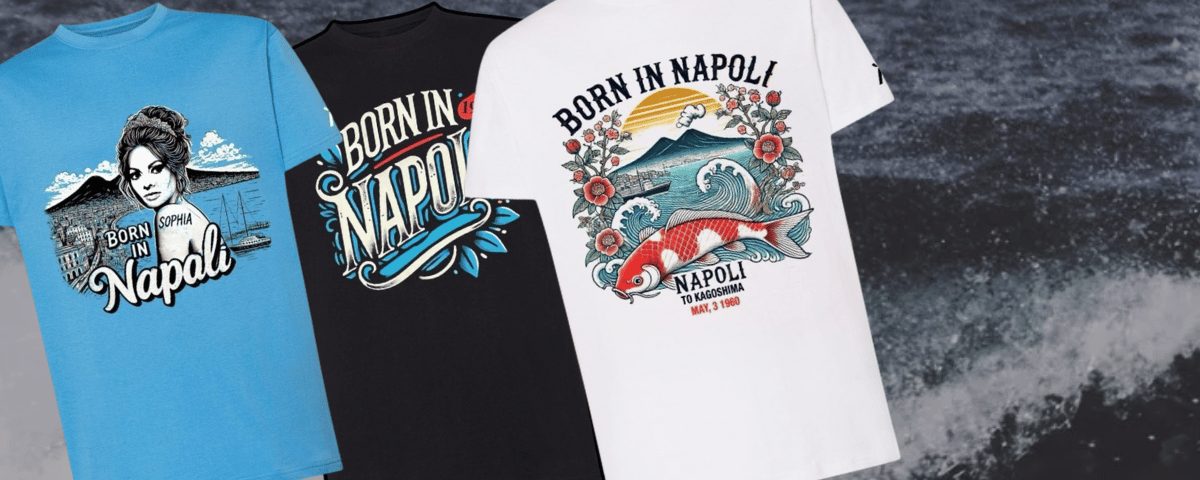 Where to find the best Naples T-shirts?
Where to find the best Naples T-shirtsRead more
-
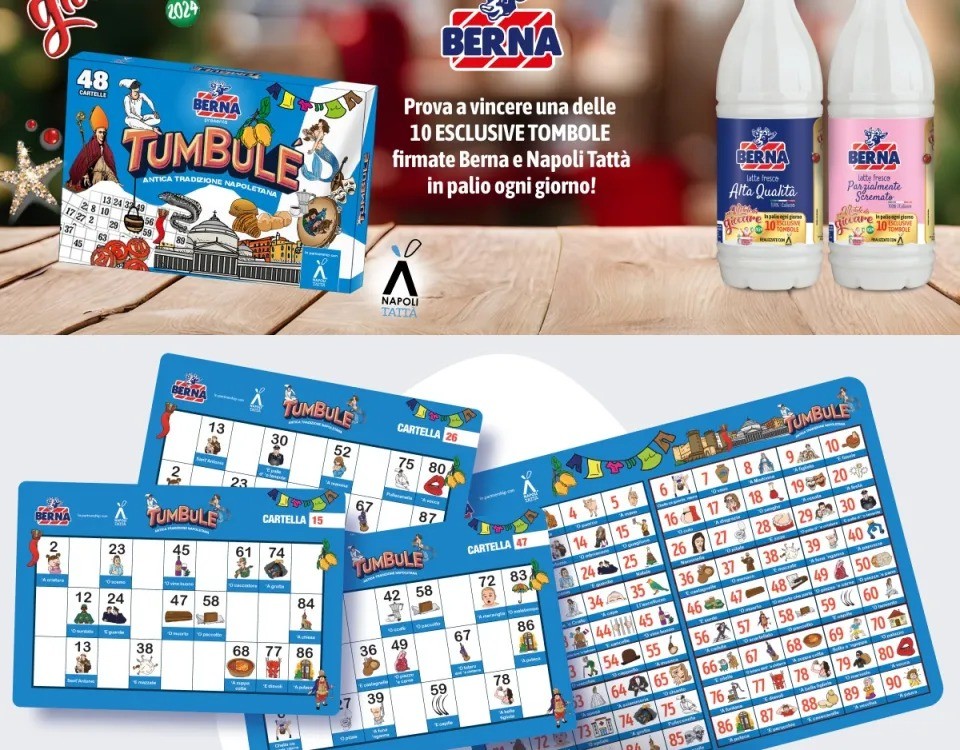 Tumbulé: Napoli Tattà creates the new tombola for Latte Berna
Read more
-
 From Napoli Tattà to Tattà® Shop
From a fashion and design brand, Napoli Tattà®, to Tattà® Shop, a marketplace dedicated to entrepreneurs from the SouthRead more
-
 Rose Villain wears the ironic t-shirt with the word “pret” at Sanremo
Rose Villain had a hilarious moment at the Sanremo Festival 2025: just before stepping on stage for her evening...Read more
Leave a comment