



Quando l'aria si fa frizzantina, a Napoli non si tira fuori solo la felpa: si tira fuori un pezzo di identità. Ecco...
Latest posts
-
 Felpe napoletane: la guida allo stile dell'autunno 2026Read more
 -
 Maradona Stadium: City Council allocates €50 million for Euro 2032Read more
The City Council has allocated €50 million for the redevelopment of the Diego Armando Maradona stadium, ahead of...
-
 Pizza Maxima 2026: Franco Pepe Is Once Again Best Pizzeria in ItalyRead more
At the fifth edition of Pizza Maxima, the Oscars of Italian pizza, Franco Pepe confirms his title as Best Pizzeria in...
-
 ‘L’acqua è poca e ‘a papera nun galleggia’: what it meansRead more
When the means are few, so is the result. Let's discover the most realistic Neapolitan saying there is.
-
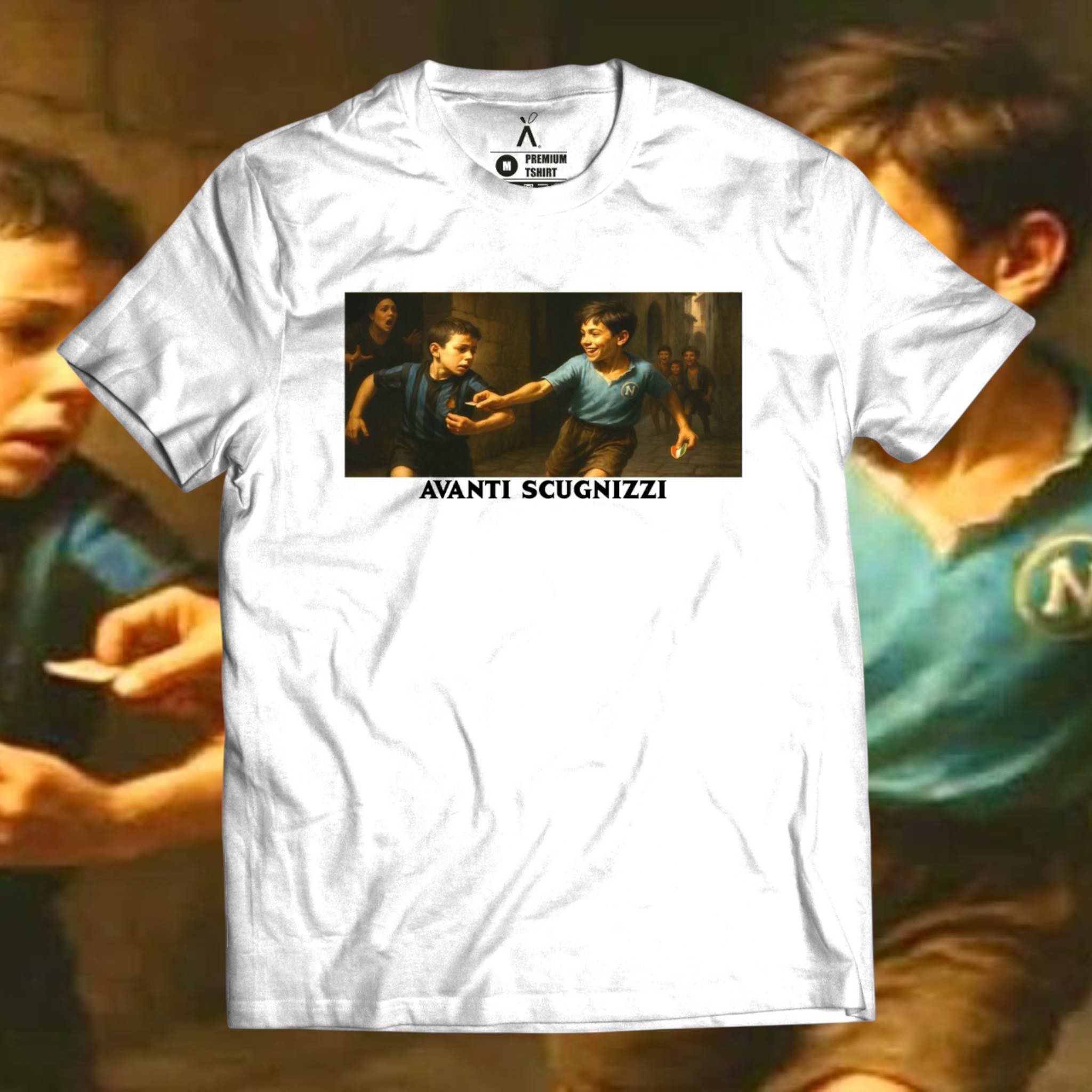 Avanti Scugnizzi: the story of the year's most loved T-shirtRead more
One word, ‘scugnizzo’ (Neapolitan street kid), and it holds the whole of Naples inside it. We tell you how the year's...
-
 'Chi chiagne fotte a chi ride': what it means and why it's truer than everRead more
At the market, at the counter, in the family: there's always someone who complains and gets more. It's the sharp...
-
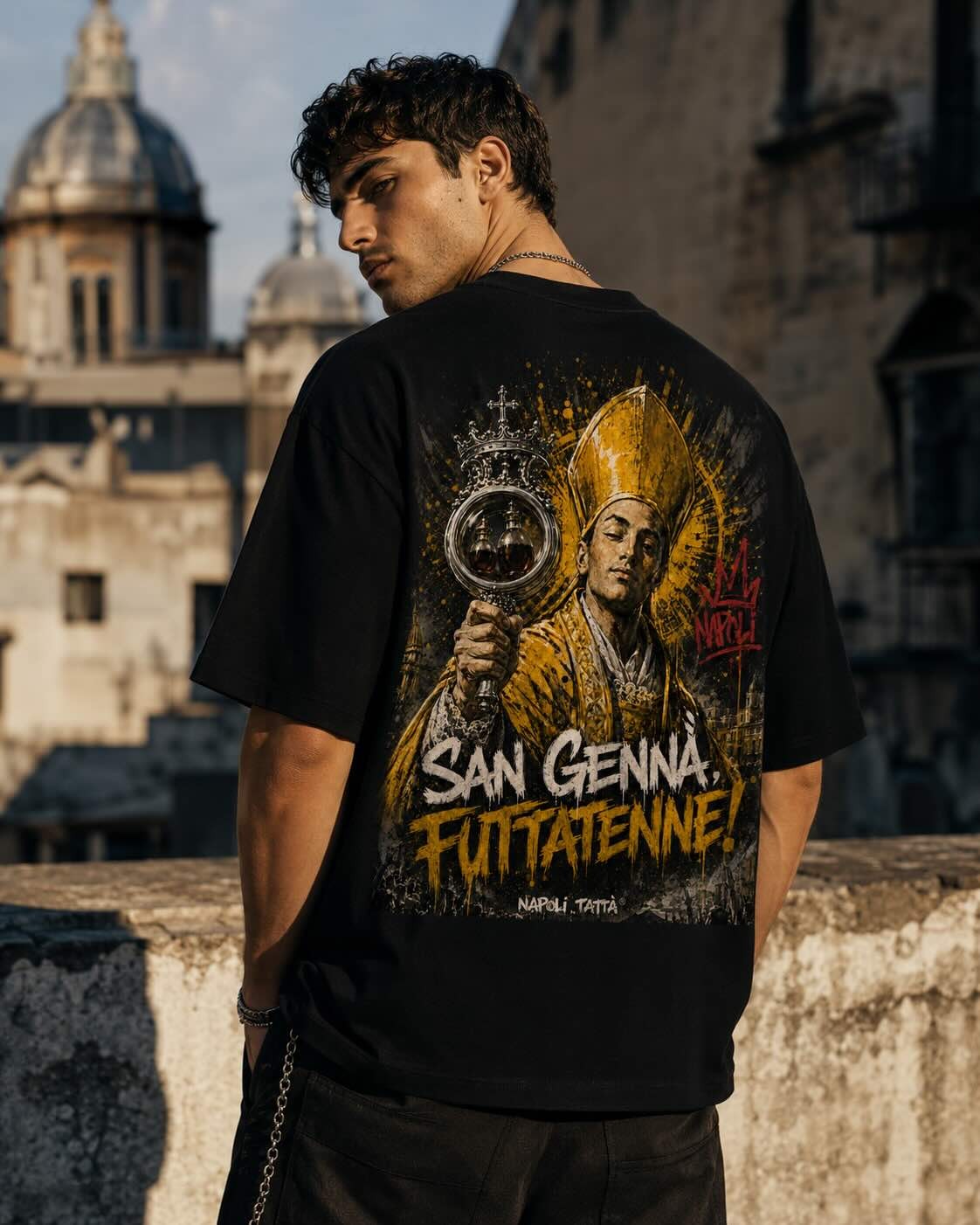 San Gennà, futtatenne! (Saint Januarius, don't worry about it!) San Gennaro, 19 September and the patron saint's t-shirtRead more
Who San Gennaro was, the miracle of the blood that liquefies, and the feast on 19 September. Plus that close,...
-
 'O purpo se coce int'a ll'acqua soja: what it means (o purpo se coce meaning)Read more
Someone has wronged you, and instead of reacting, you wait in silence with a smile? Here's the Neapolitan proverb...
-
 Cazzimma: meaning, origin and why it can't be translatedRead more
There's a word that explains everything in Naples and can't be translated into any language. It's called cazzimma,...
-
 Who is Minollo? Totoro speaks NeapolitanRead more
He's not an animal, and he wasn't born in Naples. But like everyone who passes through here, he stayed.
Blog categories
Search in blog
Archived posts
‘L’acqua è poca e ‘a papera nun galleggia’: what it means
End of the month, your wallet's crying, and that brilliant idea you had in your head starts deflating like a punctured air mattress. Your uncle looks at you, spreads his arms and pronounces: «L'acqua è poca e 'a papera nun galleggia» (there's not enough water, and the duck can't float). And deep down, you already know he's right. It's one of those phrases that in Naples puts a full stop to any discussion, with a mix of resignation and wisdom.
What it means
«L'acqua è poca e 'a papera nun galleggia» (there's not enough water, and the duck can't float) simply means that with few means, you can't achieve much. If the raw material is missing — money, time, resources, energy — you can't expect a great result. You have to make do, take stock of the situation and scale back your expectations.
The image is disarmingly clear: if there's little water in a tub, the duck can't manage to float, it touches the bottom and stays there, stuck. It's a saying that's almost never offensive: more than a reproach, it's a clear-eyed observation, often said with a bittersweet smile. It doesn't attack the person, it attacks the circumstances. Sometimes it's also used ironically or self-deprecatingly, to elegantly justify a plan that can't get off the ground.
Where it comes from
Like many folk proverbs, this expression was born from the direct observation of everyday life, long before anyone thought to write it down anywhere. The most widespread theory is that it's a domestic, rural metaphor: the duck, the water animal par excellence, becomes here the symbol of something that needs minimum conditions to function. Take away the water, and the duck, however capable, isn't going anywhere.
There's no certain date nor an author to whom the phrase can be attributed: it's oral wisdom, passed down from mouth to mouth, from courtyard to courtyard. According to some, it belongs to that great family of Mediterranean proverbs that use water, sea and animals to talk about the toil of living. What's certain is that it found fertile ground in Naples, because it recounts, with a light touch, a truth that's often not so light: when the conditions aren't there, there's no point kidding yourself.
How ‘l'acqua è poca e la papera non galleggia’ is used
It's a phrase to bring out at just the right moment, when you want to close a discussion with realism. Here are a few examples:
- «Vulevo aggiustà 'a machina, ma l'acqua è poca e 'a papera nun galleggia.» (I wanted to fix the car, but money's tight and I just can't manage it.)
- «Cu chillu poco 'e tiempo ca tenevo, l'acqua era poca e 'a papera nun galleggiava.» (With the little time I had, the means were few and I couldn't get anything done.)
- «Nun è ca nun voglio aiúrtà, ma pure a me l'acqua è poca e 'a papera nun galleggia.» (It's not that I don't want to help, but I'm short on means myself.)
- «Pigliammo 'e ferie a giugno? Guarda, l'acqua è poca e 'a papera nun galleggia proprio.» (Shall we take holidays in June? Look, with what we've got, forget about it.)
And a little dialogue, the kind you hear all the time:
- – «Allò, facimmo 'sta festa 'e cumpleanno 'nfaccia ô mare?» (So, shall we have this birthday party by the sea?)
- – «Magari! Ma stu mese l'acqua è poca e 'a papera nun galleggia: facimmo 'na pizza e simmo cuntienti.» (If only! But this month we're short on cash: let's have a pizza and be happy with that.)
Why we put it on a T-shirt
Because it's a philosophy of life, not just a proverb. In Naples, people know how to celebrate even when «l'acqua è poca» (there's not enough water), they know how to laugh even on rough days, and this phrase is the most elegant and ironic way of saying «I'll make do, but with style». It's cheerful resignation, back-alley wisdom, and whoever wears it declares they've got their feet firmly planted on the ground (or rather, on the bottom of the tub).
That's why we chose it for our unisex T-shirt «L'acqua è poca»: a shirt that draws a smile from whoever reads it and instantly brings to mind the rest of the phrase. We design it with love, thinking of those who face their days with self-irony and never take themselves too seriously. It's the perfect garment for anyone who wants to wear a little piece of that folk wisdom you can breathe in the air in Naples.
Putting it on a T-shirt means carrying around a way of looking at life: when things aren't going your way, instead of despairing, you spread your arms and smile. And that, believe us, is already half of staying afloat.
If you liked this saying, there are plenty more waiting just for you. Take a look at our Naples and dialect collection and find the phrase that suits you best.
Posted in:
Neapolitan Spirit
Related posts
-
'Chi chiagne fotte a chi ride': what it means and why it's truer than ever
At the market, at the counter, in the family: there's always someone who complains and gets more. It's the sharp...Read more
-
San Gennà, futtatenne! (Saint Januarius, don't worry about it!) San Gennaro, 19 September and the patron saint's t-shirt
Who San Gennaro was, the miracle of the blood that liquefies, and the feast on 19 September. Plus that close,...Read more
-
'O purpo se coce int'a ll'acqua soja: what it means (o purpo se coce meaning)
Someone has wronged you, and instead of reacting, you wait in silence with a smile? Here's the Neapolitan proverb...Read more
-
Cazzimma: meaning, origin and why it can't be translated
There's a word that explains everything in Naples and can't be translated into any language. It's called cazzimma,...Read more
-
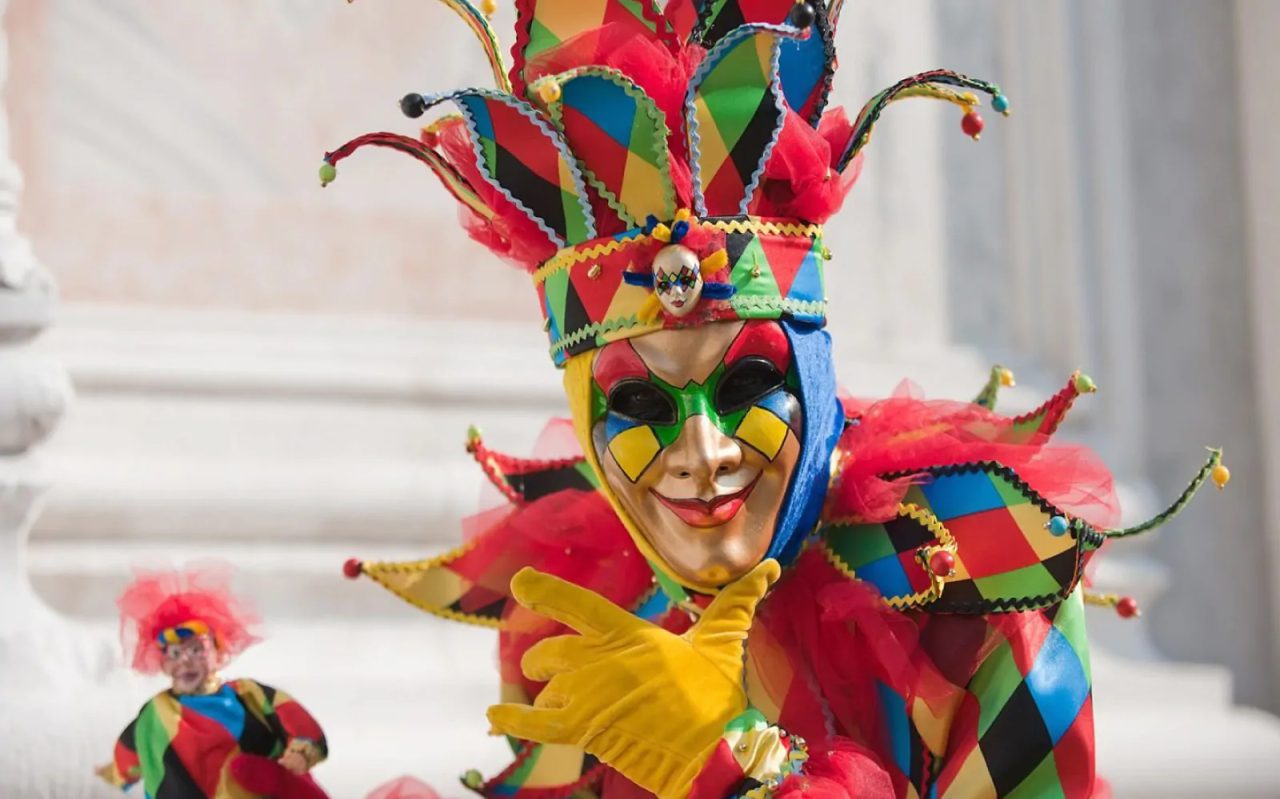 Carnival in Campania Between Culture and Tradition
This cultural phenomenon has roots in classical tradition, but in Napoli it has been interpreted in light of the...Read more
Carnival in Campania Between Culture and Tradition
This cultural phenomenon has roots in classical tradition, but in Napoli it has been interpreted in light of the...Read more
Leave a comment