



In Naples, a graduation is never a private affair: it's a neighbourhood celebration. Here's how to choose an original...
Latest posts
-
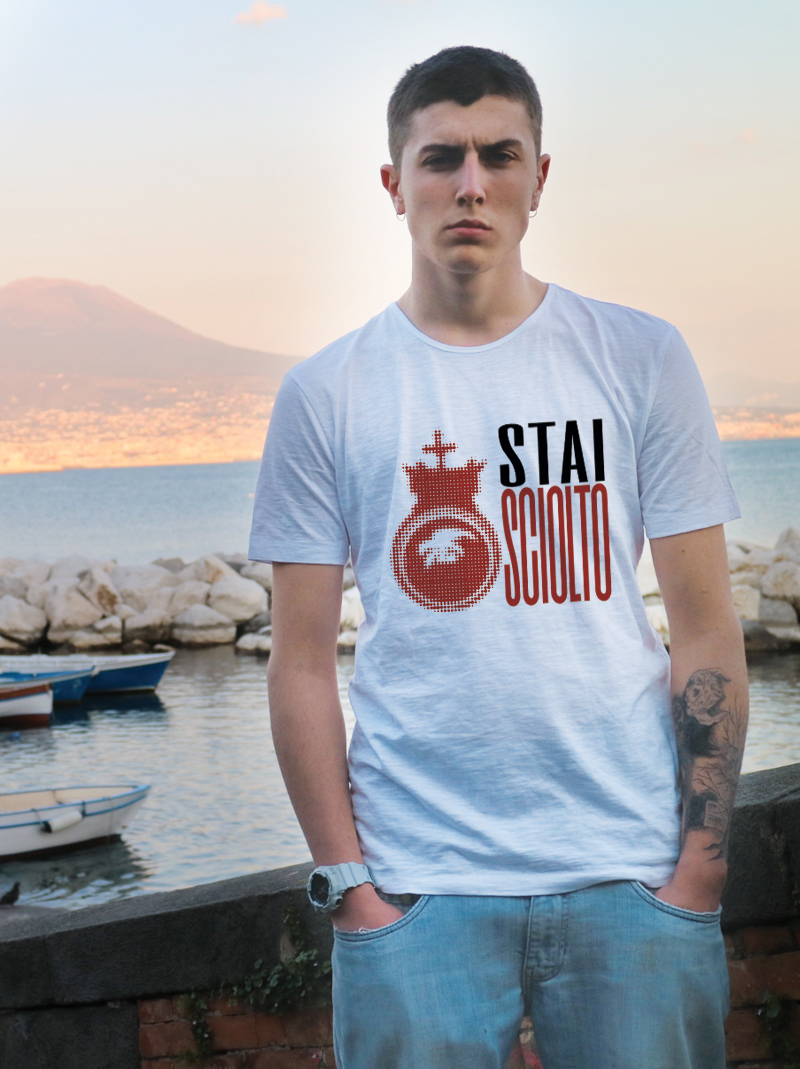 Original Neapolitan graduation gift: ideas for the graduate (him and her)Read more
-
 Asso 'e mazze: meaning and history of the Neapolitan ace of clubsRead more
The strongest card on the green table becomes, in Naples, the most elegant way to say who really calls the shots....
-
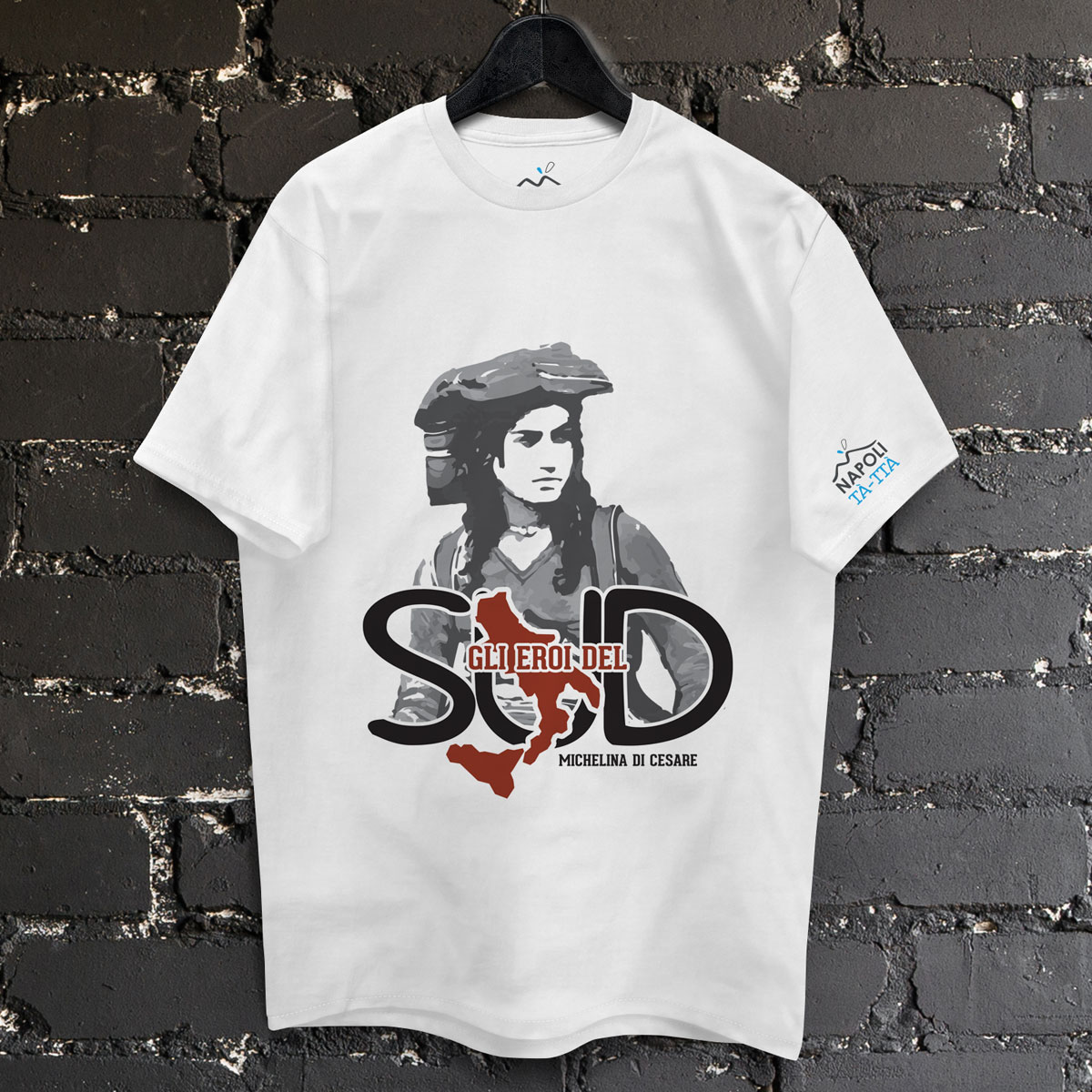 Michelina Di Cesare, the brigantessa who defied a kingdomRead more
Born poor in Terra di Lavoro, Michelina Di Cesare chose the maquis and the rifle against a newly united Italy. A...
-
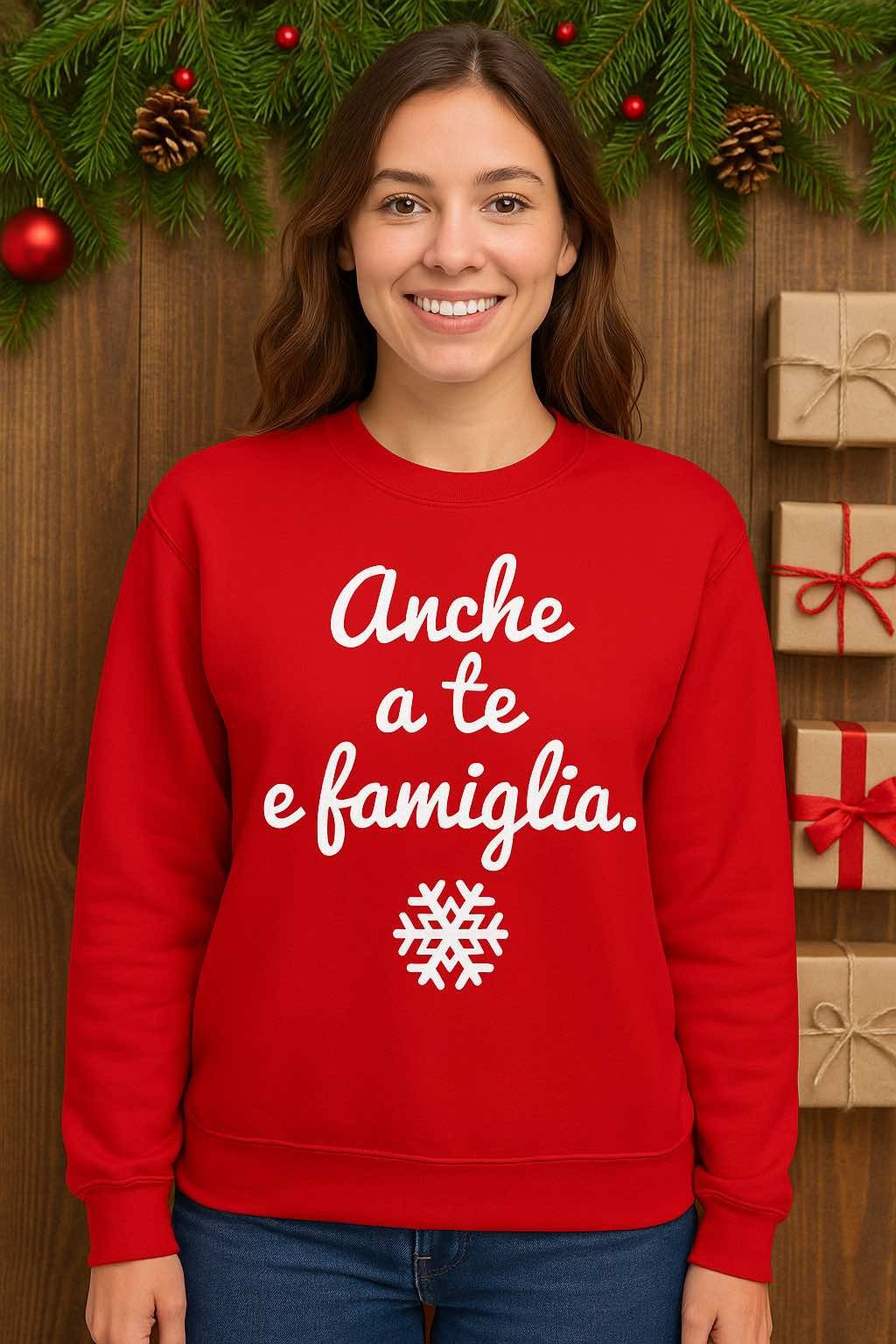 Neapolitan Hoodies: The Autumn 2026 Style GuideRead more
When the air turns crisp, in Naples people don't just reach for a hoodie: they reach for a piece of identity. Here's...
-
 Maradona Stadium: City Council allocates €50 million for Euro 2032Read more
The City Council has allocated €50 million for the redevelopment of the Diego Armando Maradona stadium, ahead of...
-
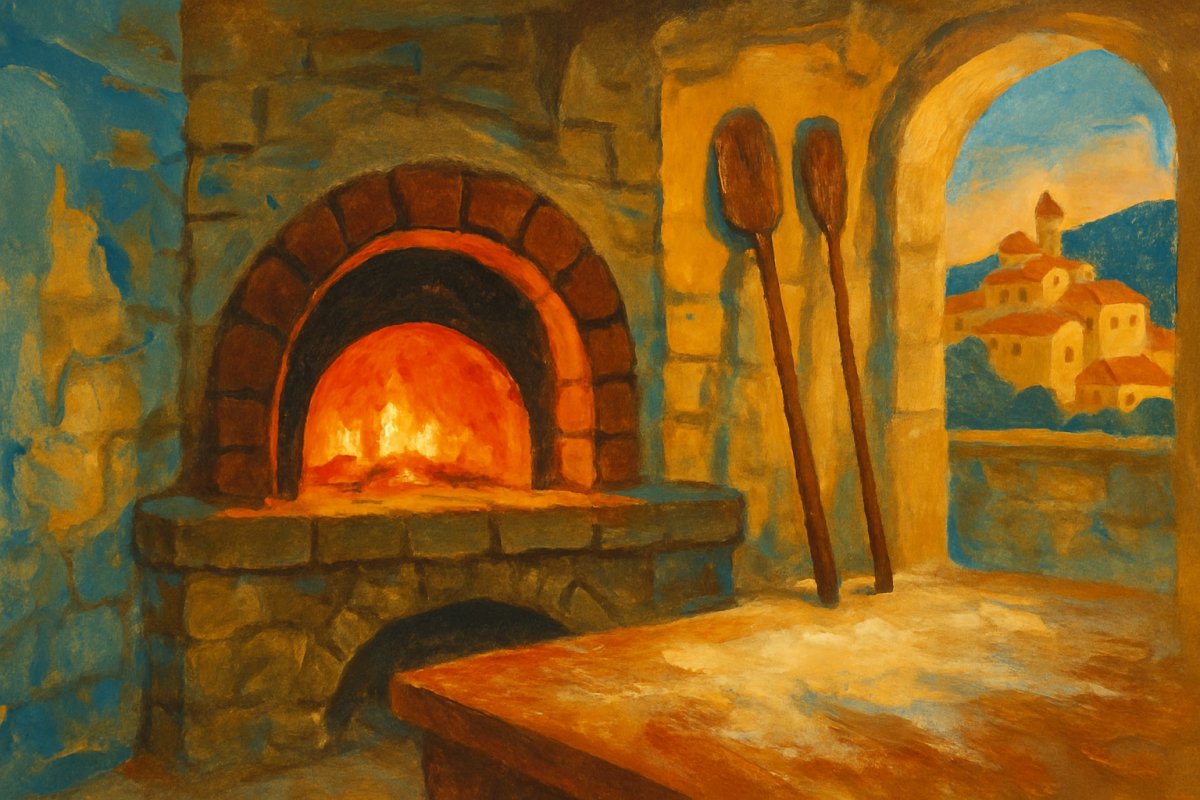 Pizza Maxima 2026: Franco Pepe Is Once Again Best Pizzeria in ItalyRead more
At the fifth edition of Pizza Maxima, the Oscars of Italian pizza, Franco Pepe confirms his title as Best Pizzeria in...
-
 ‘L’acqua è poca e ‘a papera nun galleggia’: what it meansRead more
When the means are few, so is the result. Let's discover the most realistic Neapolitan saying there is.
-
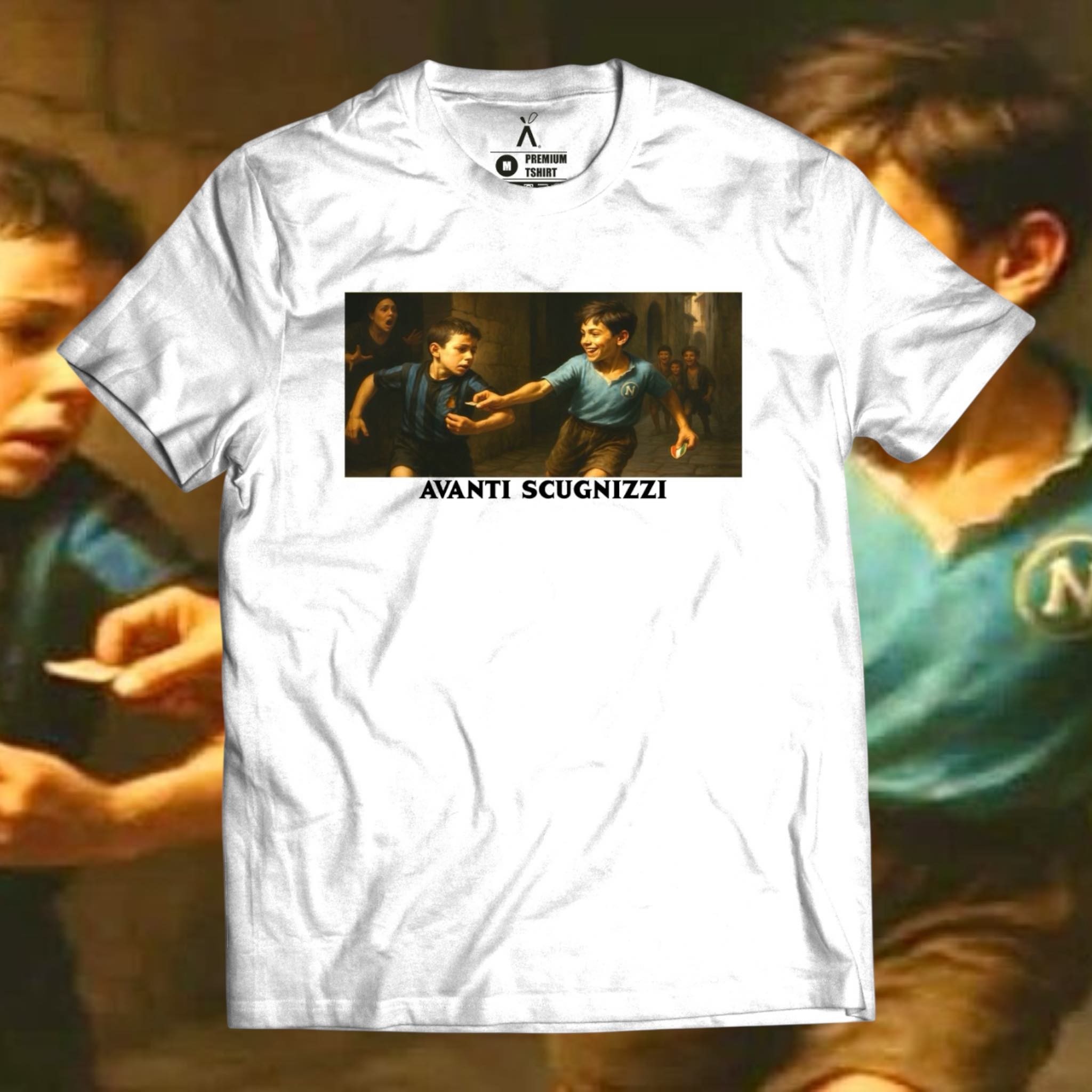 Avanti Scugnizzi: the story of the year's most loved T-shirtRead more
One word, ‘scugnizzo’ (Neapolitan street kid), and it holds the whole of Naples inside it. We tell you how the year's...
-
 'Chi chiagne fotte a chi ride': what it means and why it's truer than everRead more
At the market, at the counter, in the family: there's always someone who complains and gets more. It's the sharp...
-
 San Gennà, futtatenne! (Saint Januarius, don't worry about it!) San Gennaro, 19 September and the patron saint's t-shirtRead more
Who San Gennaro was, the miracle of the blood that liquefies, and the feast on 19 September. Plus that close,...
Blog categories
Search in blog
Archived posts
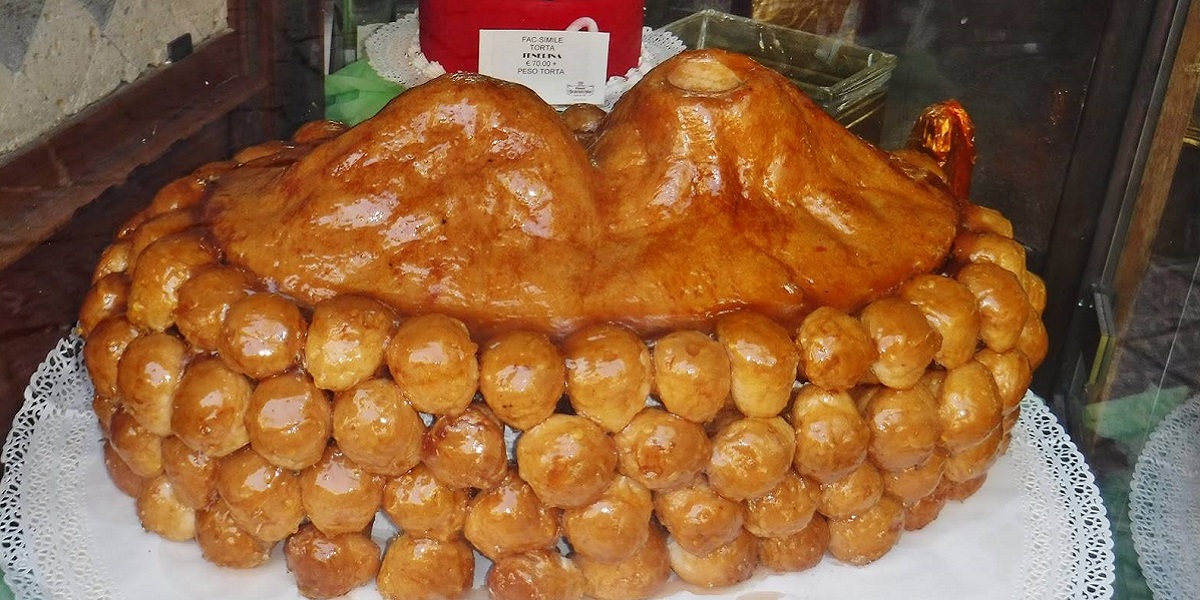
Babà: what's its story and where can you eat the best ones?
It's a leavened baked dessert, originally from Poland, as mentioned, and called babka ponczowa. Later, French pastry chefs gave it the name baba, which was, finally, transformed by Neapolitans into "babà".
by Alessia Giannino
The babà, even though it has Polish origins, is considered a symbol of Neapolitan pastry-making.
The origins
The invention of the babà dates back to the Polish king Stanisław Leszczyński, who liked to invent new recipes but who, having no teeth, couldn't eat overly hard or dry sweets, such as the gugelhupf, originally from Alsace. To soften this dessert, he decided to soak it in syrup, giving life to what is, today, the ancestor of the babà. Another story also tells that the king, after a series of failed attempts, once threw a batch of this dessert against a cupboard, breaking a bottle of rum, which ended up soaking it; tasting it, the sovereign found it, at last, excellent.
The mushroom shape of this delight for the palate is owed to Nicolas Stohrer, the famous pastry chef who arrived in Paris with Maria, the Polish sovereign's daughter: indeed, still today, in the French capital, desserts similar to the babà are offered. In the 19th century, the master Brillat-Savarin invented a liqueur that pairs well with fruit salads; the Julien brothers thus had the idea of enclosing them in a babà brushed with apricot jam, giving life to the Babà Savarin.
As for the earliest Neapolitan sources, finally, they date back to 1836, when the chef Angeletti wrote a culinary manual, including the recipe for babà, prepared with raisins and saffron. Little by little, these ingredients were lost due to commercial pastry-making, but new variants were born, such as those with custard and sour cherry.
Today, in Naples, the babà is an institution.
The pastry shops where you can enjoy the best babà
Sfogliatella Mary - This pastry shop is tiny and is located inside the Galleria Umberto I. It's famous for its sfogliatelle (shell-shaped pastries), but also for its babà: indeed, in the small display window you'll find different types, from the plain ones to those soaked in syrup, through to chocolate ones and fruit ones. A riot of colours, which always attracts a great many tourists and not only.
Where: Galleria Umberto I, 66.
Pasticceria Capparelli - For anyone crossing the historic centre, a stop at Capparelli is a must. The babà here are enormous compared to those of other pastry shops, the dough is excellent and the dessert is golden just right and soaked to perfection. Besides the classic one, here too you can find different types. A sweet break for anyone visiting the historic centre.
Where: Via Tribunali, 325/327 and
Via Carbonara, 39, 80139 Naples NA
Antico Forno Attanasio - Famous for its sfogliatelle, but the babà here aren't to be messed with either. Soft and fragrant, they're soaked in rum impeccably. You often risk finding a long queue, due to the location, because travellers very often want to take Neapolitan sweets with them... but it's absolutely worth it.
Where: Vico Ferrovia, 1.
Scaturchio - This is one of the most renowned pastry shops in Naples, known by the many tourists who arrive in the city every day. Famous for the ministeriale (a chocolate cake invented by the pastry shop's founder), it also offers a superb babà: you simply can't miss trying it. Scaturchio is also the inventor of the babà shaped like Vesuvius, which has become one of its strong points. Today there are several branches: in the historic centre, in Vomero, in Posillipo and the most recent one, in Piazza Amedeo.
Where: Via San Domenico Maggiore, 19/ Via Luca Giordano, 79/Via Orazio, 143/Piazza Amedeo, 8.
Posted in:
Neapolitan food
Related posts
-
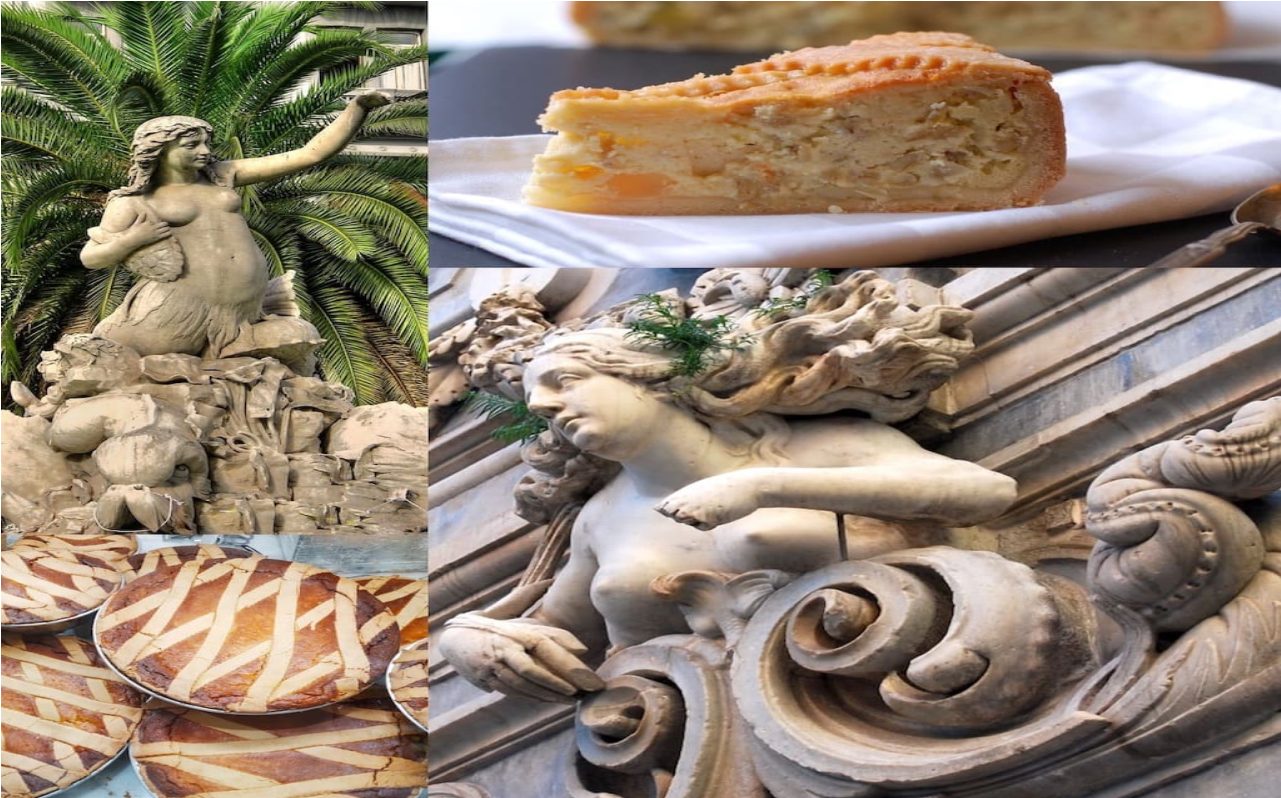 Pastiera Napoletana: Between History and Legend
The story of the Neapolitan pastiera has its roots in a fascinating tale that blends mythology and tradition.Read more
-
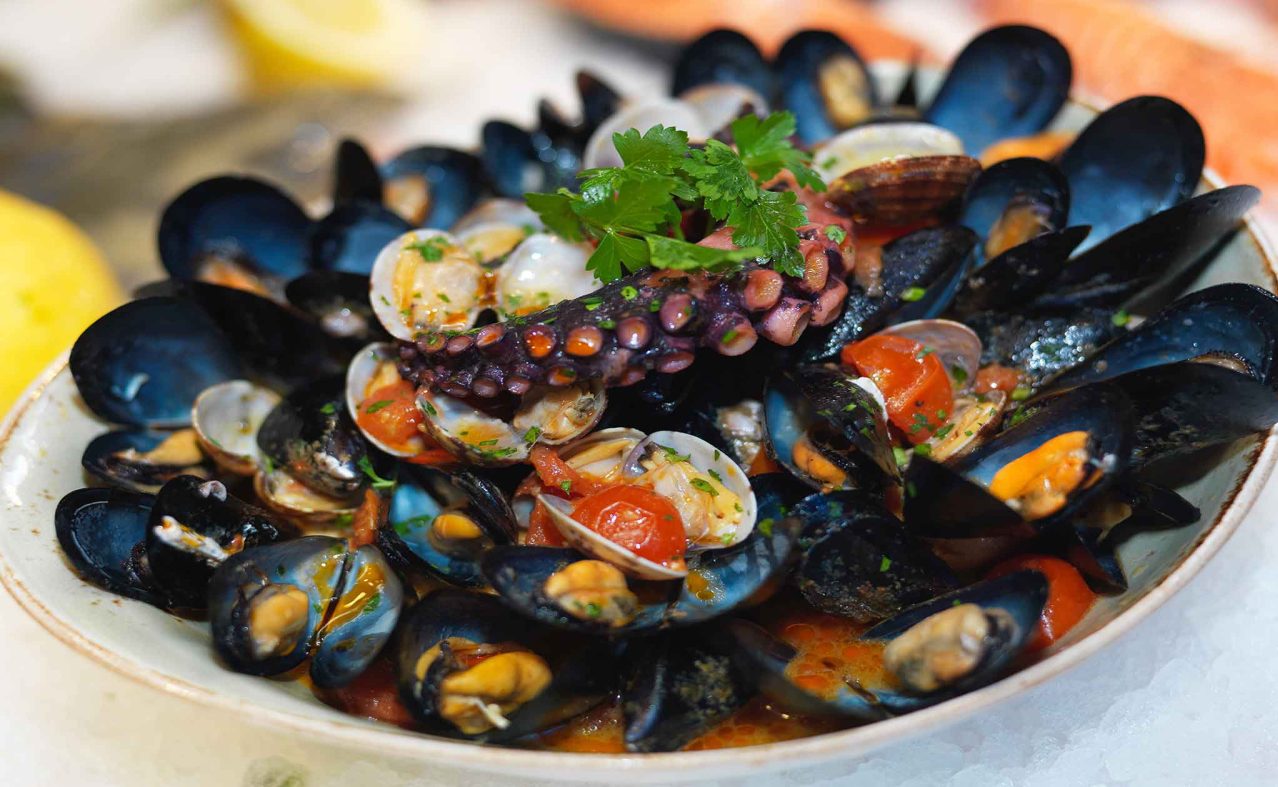 Mussel soup, a Holy Thursday tradition
Mussel soup on Holy Thursday: a dish with centuries-old tradition, impossible not to try.Read more
-
 Places to eat from Campitello to Piedimonte
The culinary treasures found across the enchanting Matese territory, from Campitello to Piedimonte, are simply not to...Read more
-
 The best coffees in Naples
In Naples you'll find the bars that make the city's finest coffee, served hot, sweet, but not too sweet.Read more
-
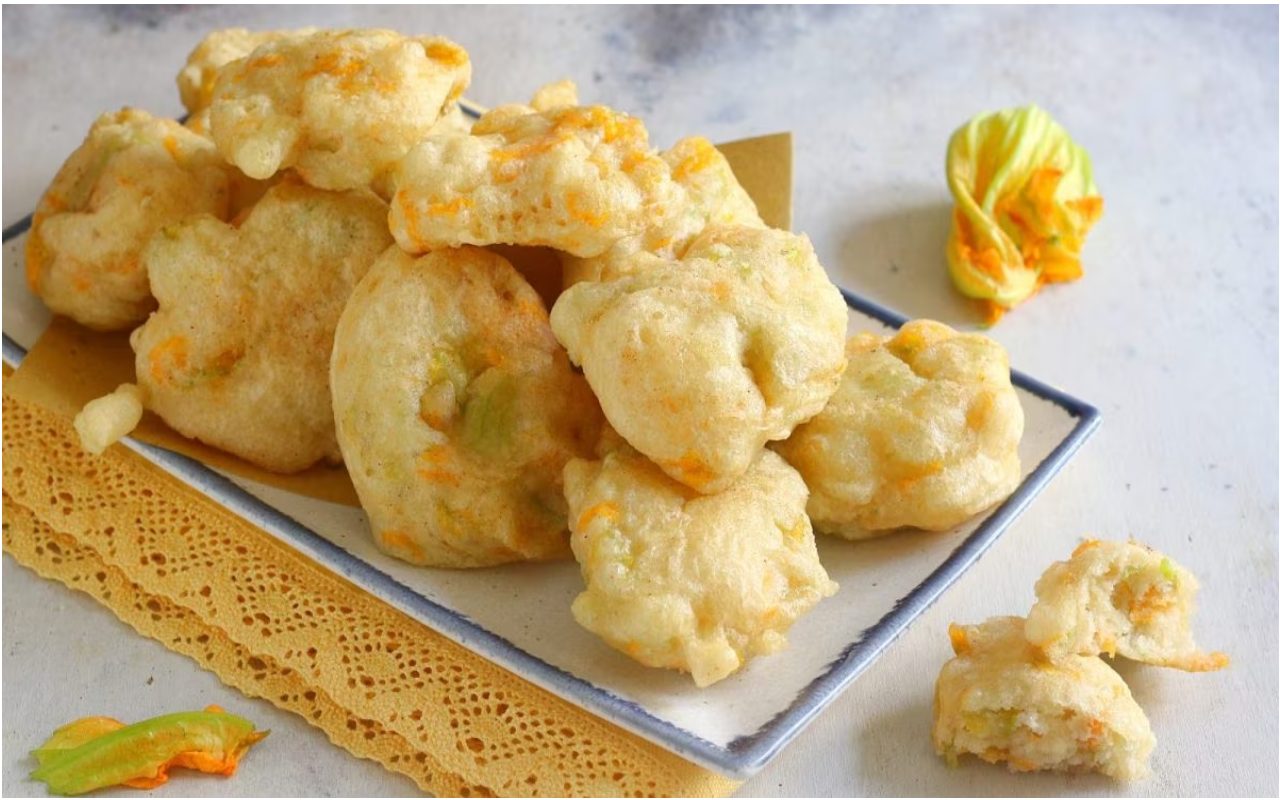 Courgette Flower Fritters (Frittelle di ciurilli)
Frittelle di sciurilli are a delicious, irresistible starter made from courgette (zucchini) flowers dipped in batter...Read more
Leave a comment