



In Naples, a graduation is never a private affair: it's a neighbourhood celebration. Here's how to choose an original...
Latest posts
-
 Original Neapolitan graduation gift: ideas for the graduate (him and her)Read more
-
 Asso 'e mazze: meaning and history of the Neapolitan ace of clubsRead more
The strongest card on the green table becomes, in Naples, the most elegant way to say who really calls the shots....
-
 Michelina Di Cesare, the brigantessa who defied a kingdomRead more
Born poor in Terra di Lavoro, Michelina Di Cesare chose the maquis and the rifle against a newly united Italy. A...
-
 Neapolitan Hoodies: The Autumn 2026 Style GuideRead more
When the air turns crisp, in Naples people don't just reach for a hoodie: they reach for a piece of identity. Here's...
-
 Maradona Stadium: City Council allocates €50 million for Euro 2032Read more
The City Council has allocated €50 million for the redevelopment of the Diego Armando Maradona stadium, ahead of...
-
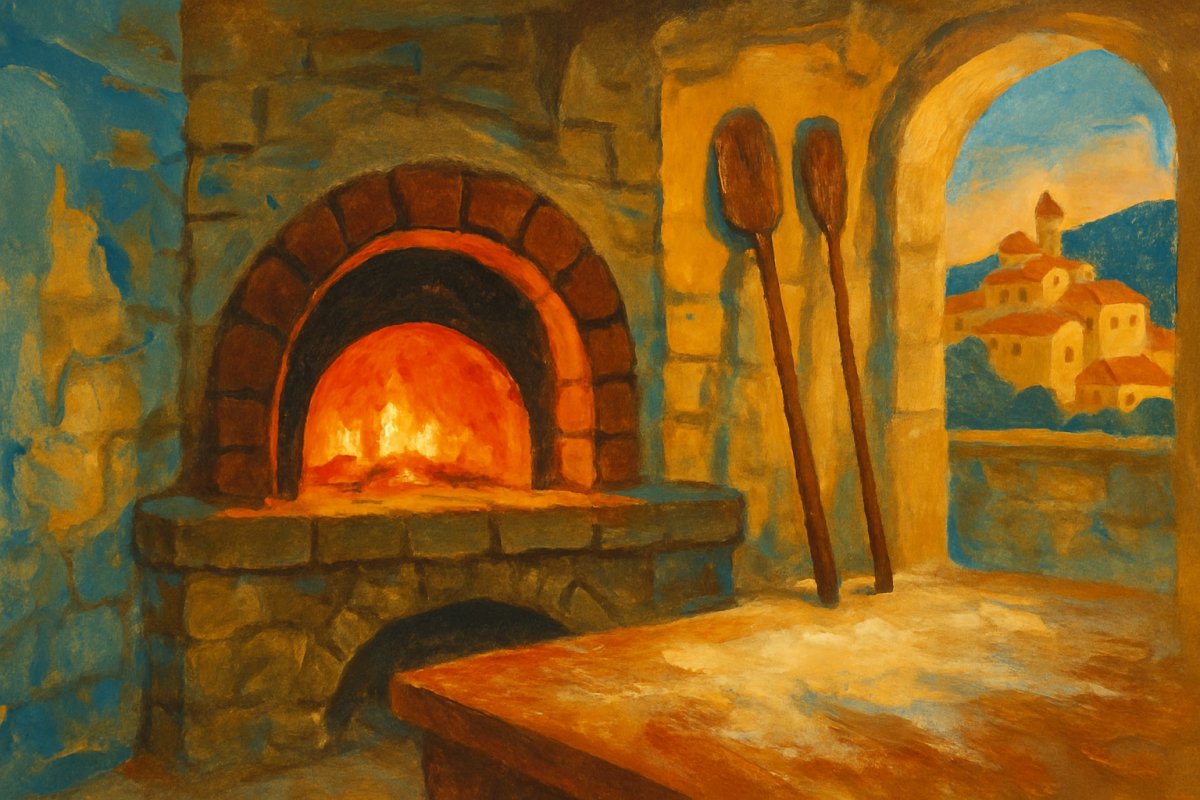 Pizza Maxima 2026: Franco Pepe Is Once Again Best Pizzeria in ItalyRead more
At the fifth edition of Pizza Maxima, the Oscars of Italian pizza, Franco Pepe confirms his title as Best Pizzeria in...
-
 ‘L’acqua è poca e ‘a papera nun galleggia’: what it meansRead more
When the means are few, so is the result. Let's discover the most realistic Neapolitan saying there is.
-
 Avanti Scugnizzi: the story of the year's most loved T-shirtRead more
One word, ‘scugnizzo’ (Neapolitan street kid), and it holds the whole of Naples inside it. We tell you how the year's...
-
 'Chi chiagne fotte a chi ride': what it means and why it's truer than everRead more
At the market, at the counter, in the family: there's always someone who complains and gets more. It's the sharp...
-
 San Gennà, futtatenne! (Saint Januarius, don't worry about it!) San Gennaro, 19 September and the patron saint's t-shirtRead more
Who San Gennaro was, the miracle of the blood that liquefies, and the feast on 19 September. Plus that close,...
Blog categories
Search in blog
Archived posts

Limoncello: guardian of Campania's flavours (recipe)
It's also impossible not to be struck by how the towns, their heritage and their scents manage to be fully translated into the culinary products they have to offer. The emblem of this bond between flavour and territory is undoubtedly limoncello, the typical liqueur of the Sorrento peninsula made from lemons.
by Chiara Scaramella
Travelling any route through the lands of Campania, it's impossible not to be captivated by the stunning views and ancient culture that these places offer to anyone who treads their soil.
It's also impossible not to be struck by how the towns, their heritage and their scents manage to be fully translated into the culinary products they have to offer. The emblem of this bond between flavour and territory is undoubtedly limoncello, the typical liqueur of the Sorrento peninsula made from lemons. This alcoholic drink is hugely successful and has, in fact, become a fundamental product of the Campania economy, both for its delicious flavour and because just one sip is enough to bring back memories of the coastline's scents and images of its lemon groves perched over the sea.
Origins, between history and myth
This sweet liqueur was traditionally born around the turn of the twentieth century, and many areas of Campania lay claim to being its birthplace, especially Sorrento, Amalfi and Capri.
The Neapolitan “yellow liqueur” is so famous and so bound up with tradition that its history even sinks its roots into myth: it's said, in fact, that it was none other than the father of all the Gods, Zeus, who gave a mere mortal, son of the land of the sirens, the ancient recipe for preparing the drink. Others claim instead that the sweet liqueur was first prepared inside a monastery, to delight the palates of the monks between one prayer and the next. A final theory tells that the fishermen of the villages along the Amalfi Coast used to drink an alcoholic lemon beverage on cold mornings to fortify themselves.
Although the dispute over the birthplace of the “yellow liqueur” between Amalfi, Capri and Sorrento is a fierce one, and although this question will probably never be settled, it must be said that Capri was the first to register the limoncello trademark. It was, in fact, on this very island that, in 1988, Massimo Canale began producing limoncello following his grandmother's old recipe, and following its success, registered the trademark.
Recipe

The recipe for the typical lemon liqueur may seem simple, but it is extremely tied to tradition, which is why so many variations exist. The greatest difference to be found between the various versions certainly lies in the raw ingredient: the gold of the Sorrento peninsula, the lemons.
True Campania limoncello is recognisable because it is made exclusively with PGI lemon varieties from Campania (Protected Geographical Indication); however, there are two schools of thought regarding the type of lemon to use. Some claim that the femminiello from Sorrento should be used, also known as the “Sorrento oval” for its shape. This medium-to-large lemon variety has a fairly thick, citrine-yellow peel rich in essential oils; its flesh, meanwhile, is straw-yellow in colour and differs from that of the Amalfi lemon due to its acidity.
Another school of thought holds instead that the limoncello recipe should use “sfusati amalfitani” or “Amalfi Coast lemons”, which differ from their Sorrento “citrus” relatives in organoleptic characteristics and growing methods. The peel of these typical lemons, which grow sheltered from cold winds thanks to the Monti Lattari mountain range, is a pale yellow, rich in essential oils and terpenes that give it its characteristic scent. Inside, the flesh is juicy and much less acidic than that of the Sorrento femminielli, with few seeds.
The second point of debate over limoncello concerns the degree of ripeness of the lemons: this is because a yellow fruit, and therefore a fully ripe one, will produce a rather sweet drink, whereas, on the contrary, when the lemon is still unripe, appearing greenish in colour, it will produce a liqueur with a more sour and slightly bitter flavour. It all depends on the fact that different stages of ripeness correspond to different concentrations of carotenoids, phenolic substances and essential oils and, consequently, different organoleptic characteristics.
One thing, however, that everyone agrees on when it comes to preparing limoncello is that only PGI lemons should be used, and above all lemons that have not been treated with chemical products.
Despite all the discussion over methods and the best raw ingredients to use, then, the recipe more or less always follows the same steps.
INGREDIENTS
- 1 litre of alcohol;
- 1 litre of water;
- 10 medium-sized lemons;
- 600 grams of sugar.
METHOD
First, wash and dry the lemons thoroughly, taking care not to rub them, so as not to spoil the fruit's fragrance.
Next, using a potato peeler, peel the citrus fruits and place the peel you've just obtained into a litre of ethyl alcohol. The peel must not be cut or crushed, to avoid producing a liqueur with an overly tannic flavour.
The peel should then be left to infuse in a container for a minimum of 10 days (maximum 40), depending on how dense you want the final product to be.
Once the infusion period is over, the peel is removed and a litre of water with 600g of sugar is added to the solution, which will have previously been boiled and then left to cool.
Finally comes the filtering stage, in which, with the help of a sieve, all the remaining bits of peel found in the liqueur must be removed.
Once preparation is complete, you move on to bottling and, no less importantly, to storing it in the freezer, so that, whenever the occasion calls for it, it can be enjoyed!
This is exactly the recipe for the drink that has won over palates the world over, so much so that it's even imitated across the ocean, in the United States, where, however, since Californian rather than PGI Campania lemons are used, the drink cannot be called true Limoncello, but can only be classed as a distant relative.
Posted in:
Neapolitan food
Related posts
-
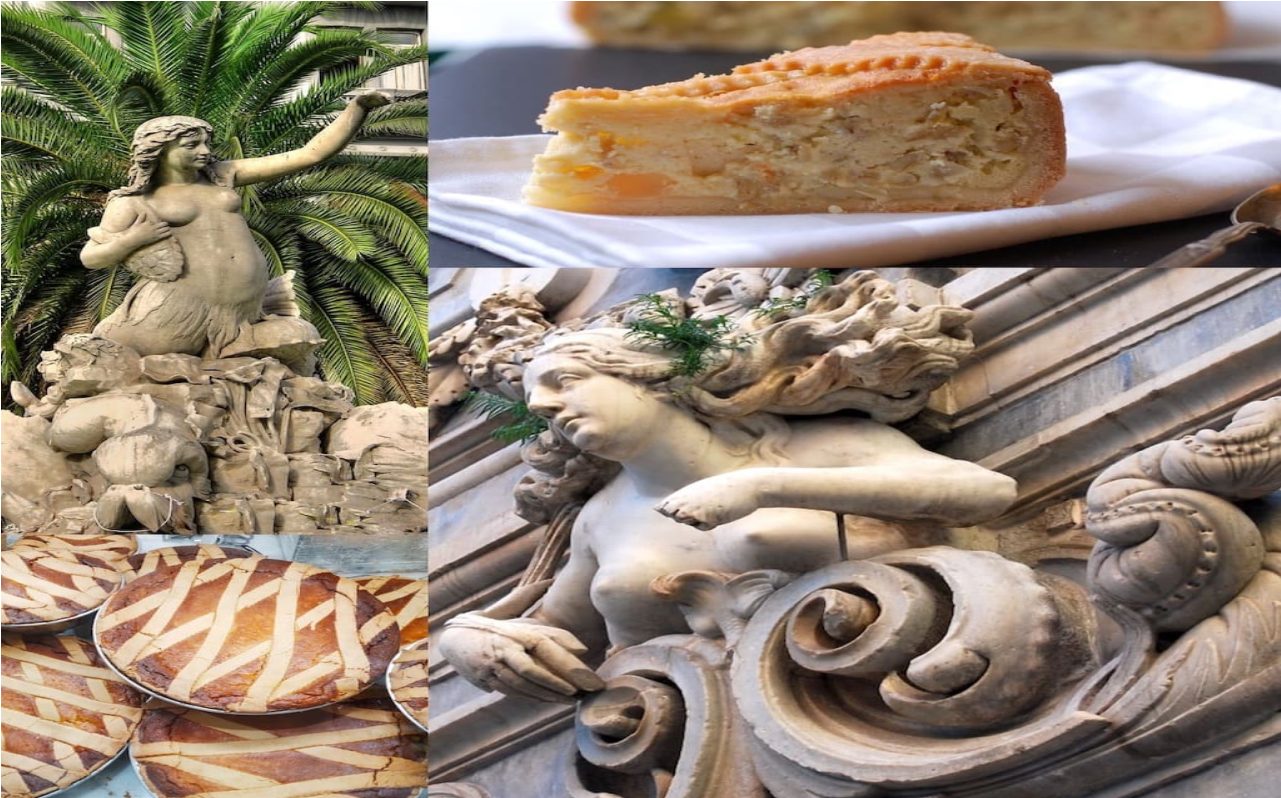 Pastiera Napoletana: Between History and Legend
The story of the Neapolitan pastiera has its roots in a fascinating tale that blends mythology and tradition.Read more
-
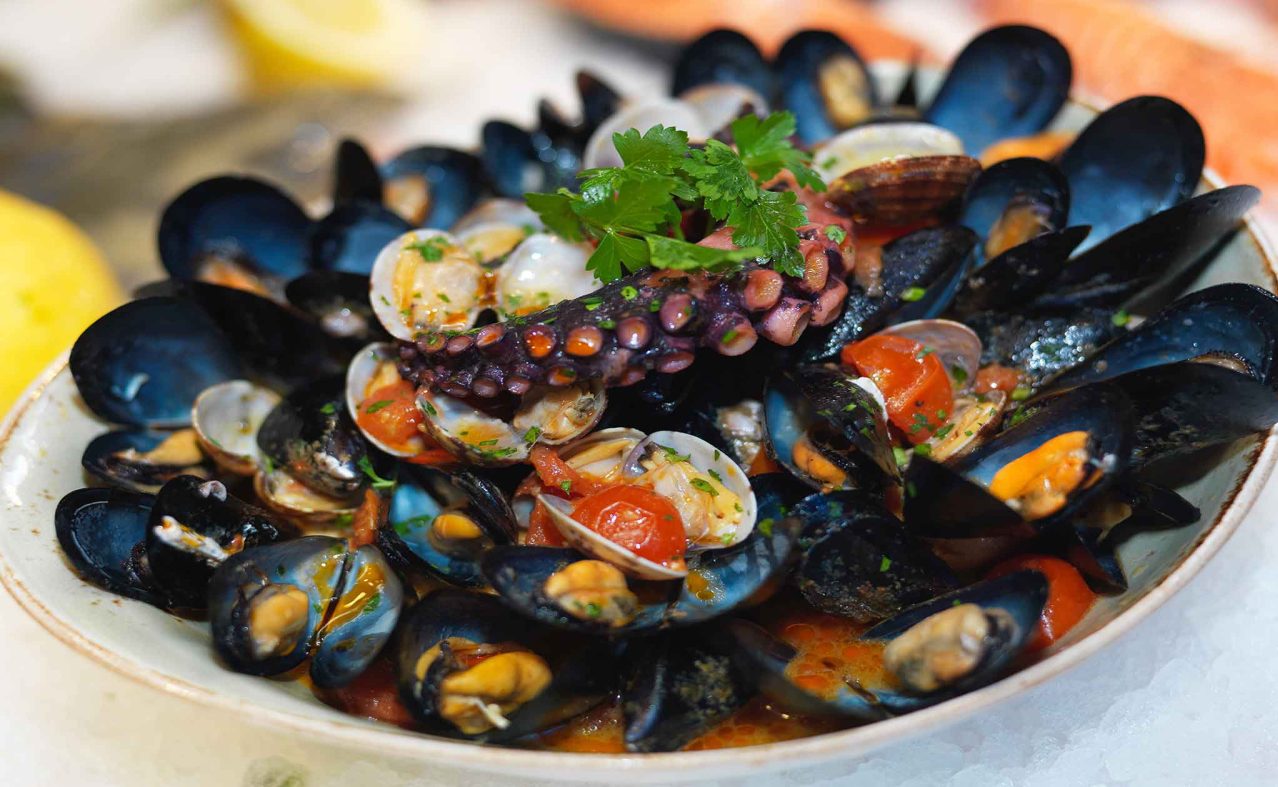 Mussel soup, a Holy Thursday tradition
Mussel soup on Holy Thursday: a dish with centuries-old tradition, impossible not to try.Read more
-
 Places to eat from Campitello to Piedimonte
The culinary treasures found across the enchanting Matese territory, from Campitello to Piedimonte, are simply not to...Read more
-
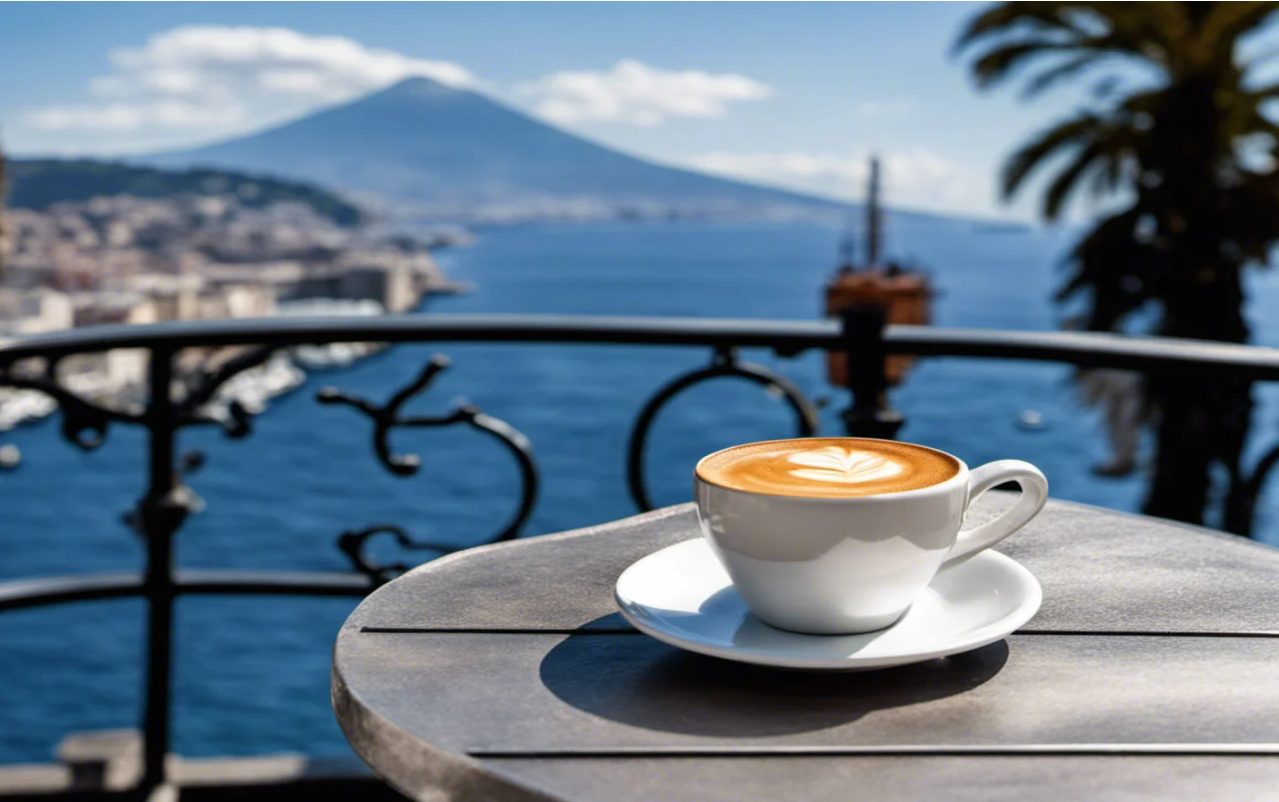 The best coffees in Naples
In Naples you'll find the bars that make the city's finest coffee, served hot, sweet, but not too sweet.Read more
-
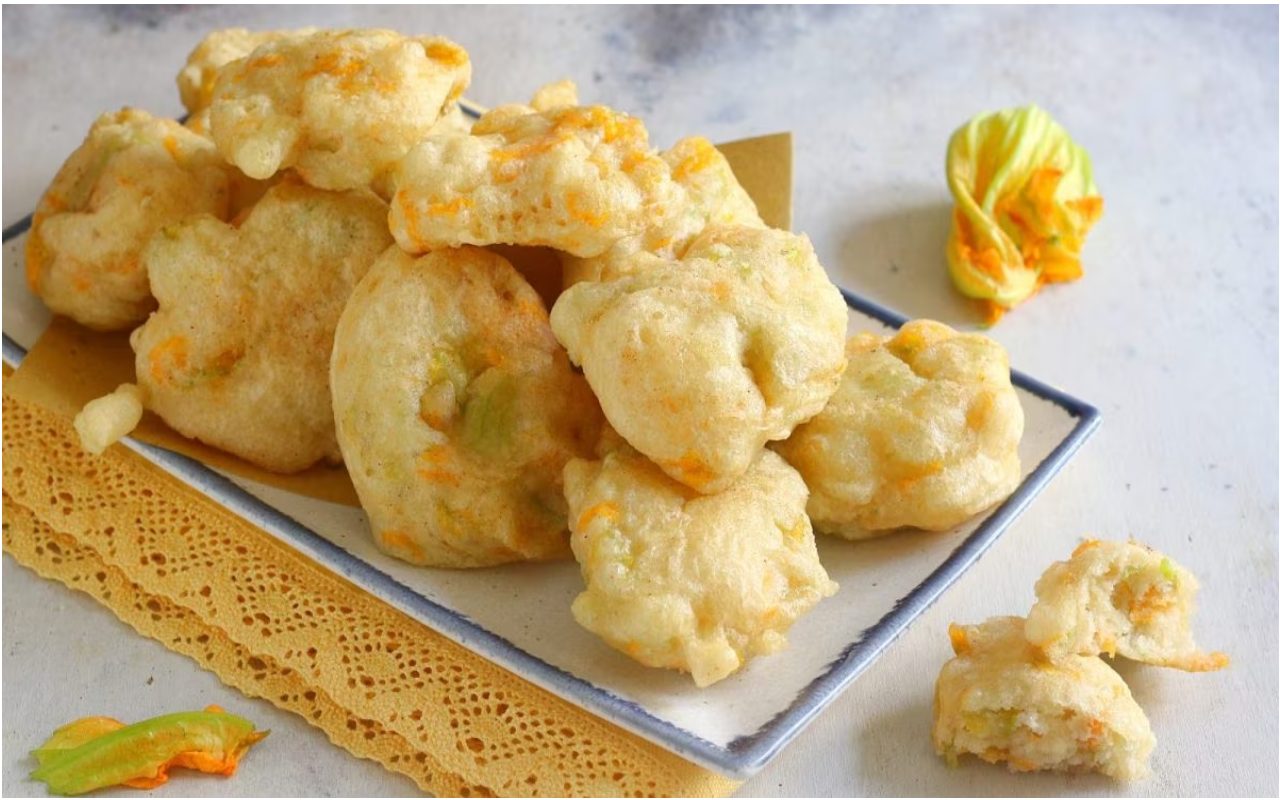 Courgette Flower Fritters (Frittelle di ciurilli)
Frittelle di sciurilli are a delicious, irresistible starter made from courgette (zucchini) flowers dipped in batter...Read more
Leave a comment