



Born poor in Terra di Lavoro, Michelina Di Cesare chose the maquis and the rifle against a newly united Italy. A...
Latest posts
-
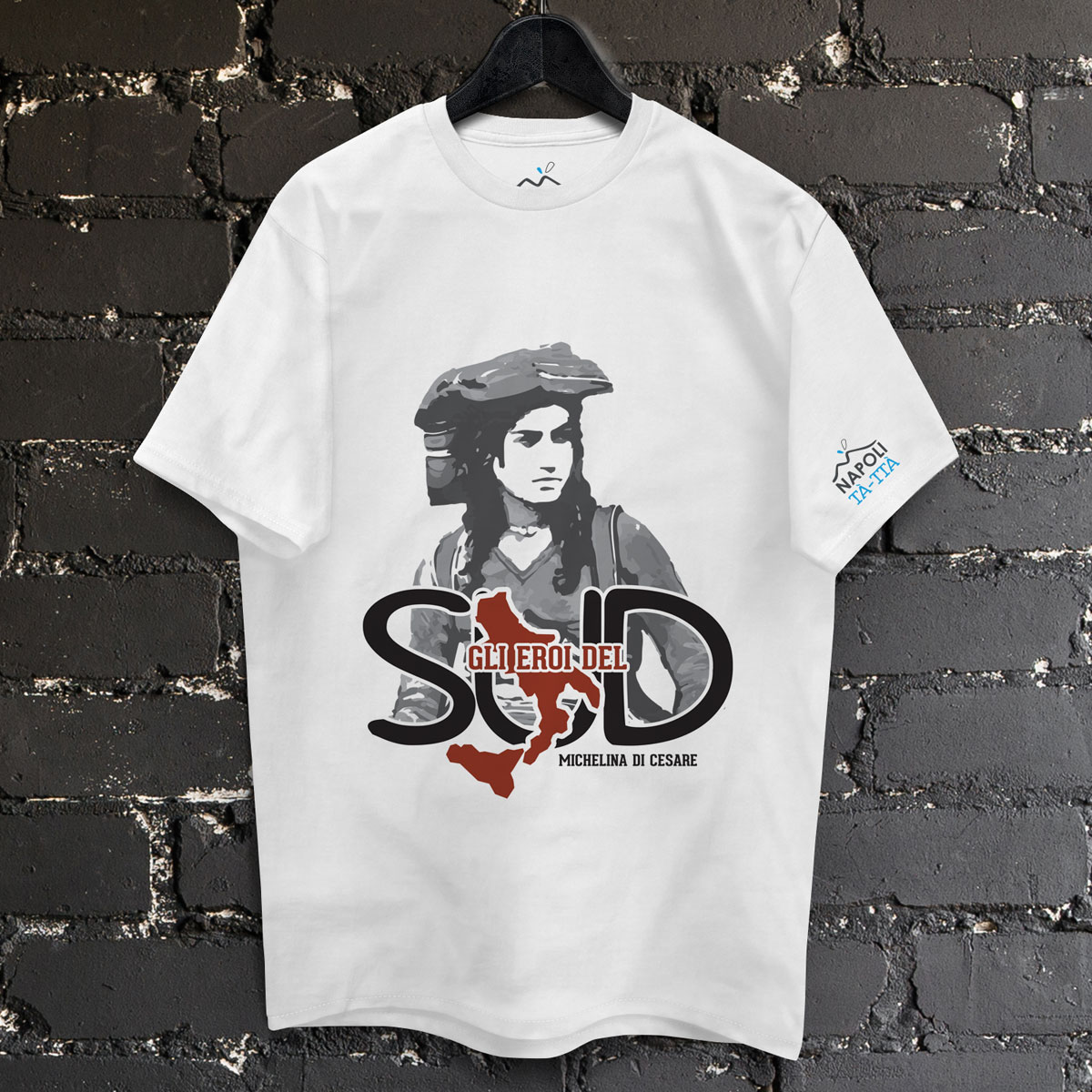 Michelina Di Cesare, the brigantessa who defied a kingdomRead more
-
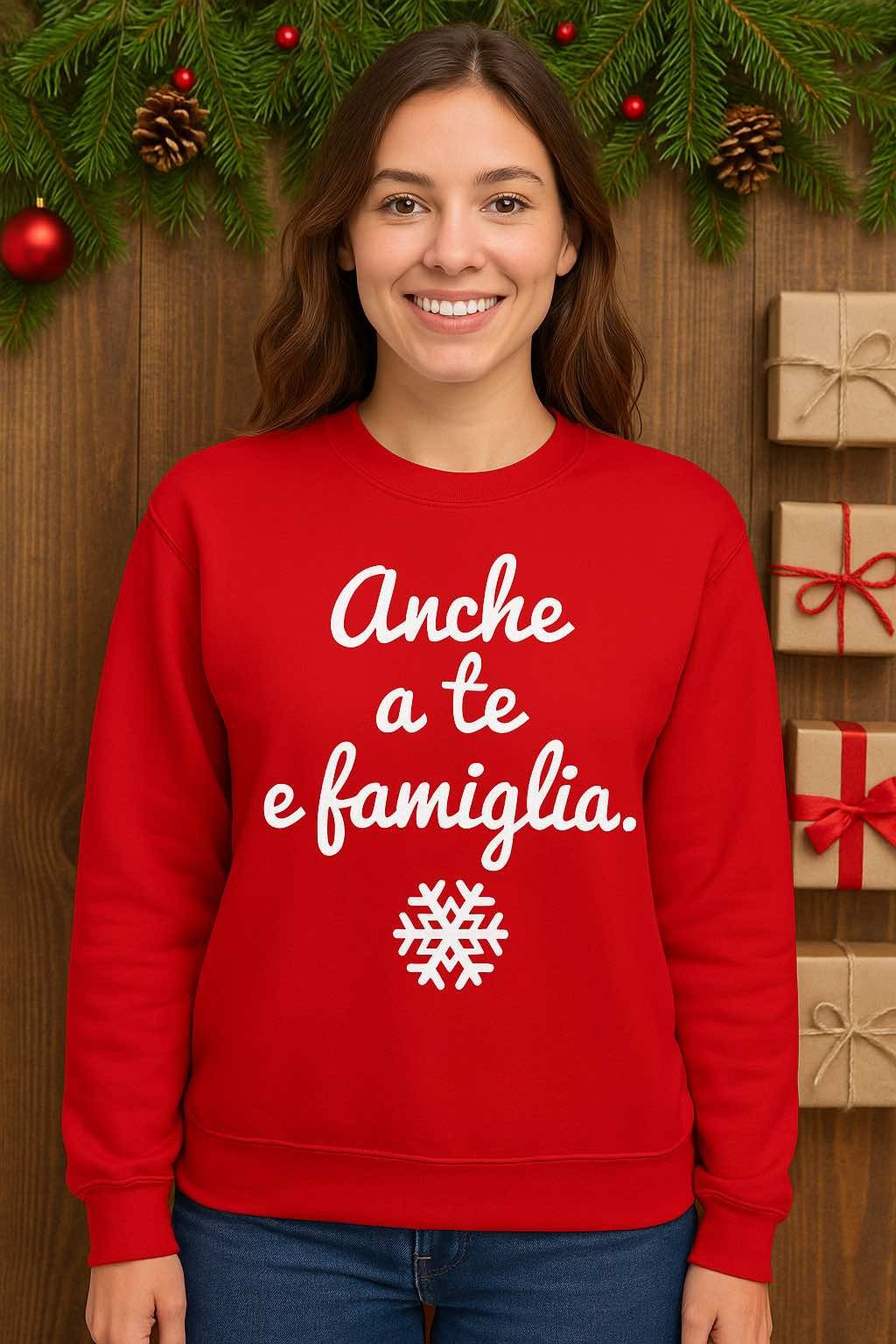 Neapolitan Hoodies: The Autumn 2026 Style GuideRead more
When the air turns crisp, in Naples people don't just reach for a hoodie: they reach for a piece of identity. Here's...
-
 Maradona Stadium: City Council allocates €50 million for Euro 2032Read more
The City Council has allocated €50 million for the redevelopment of the Diego Armando Maradona stadium, ahead of...
-
 Pizza Maxima 2026: Franco Pepe Is Once Again Best Pizzeria in ItalyRead more
At the fifth edition of Pizza Maxima, the Oscars of Italian pizza, Franco Pepe confirms his title as Best Pizzeria in...
-
 ‘L’acqua è poca e ‘a papera nun galleggia’: what it meansRead more
When the means are few, so is the result. Let's discover the most realistic Neapolitan saying there is.
-
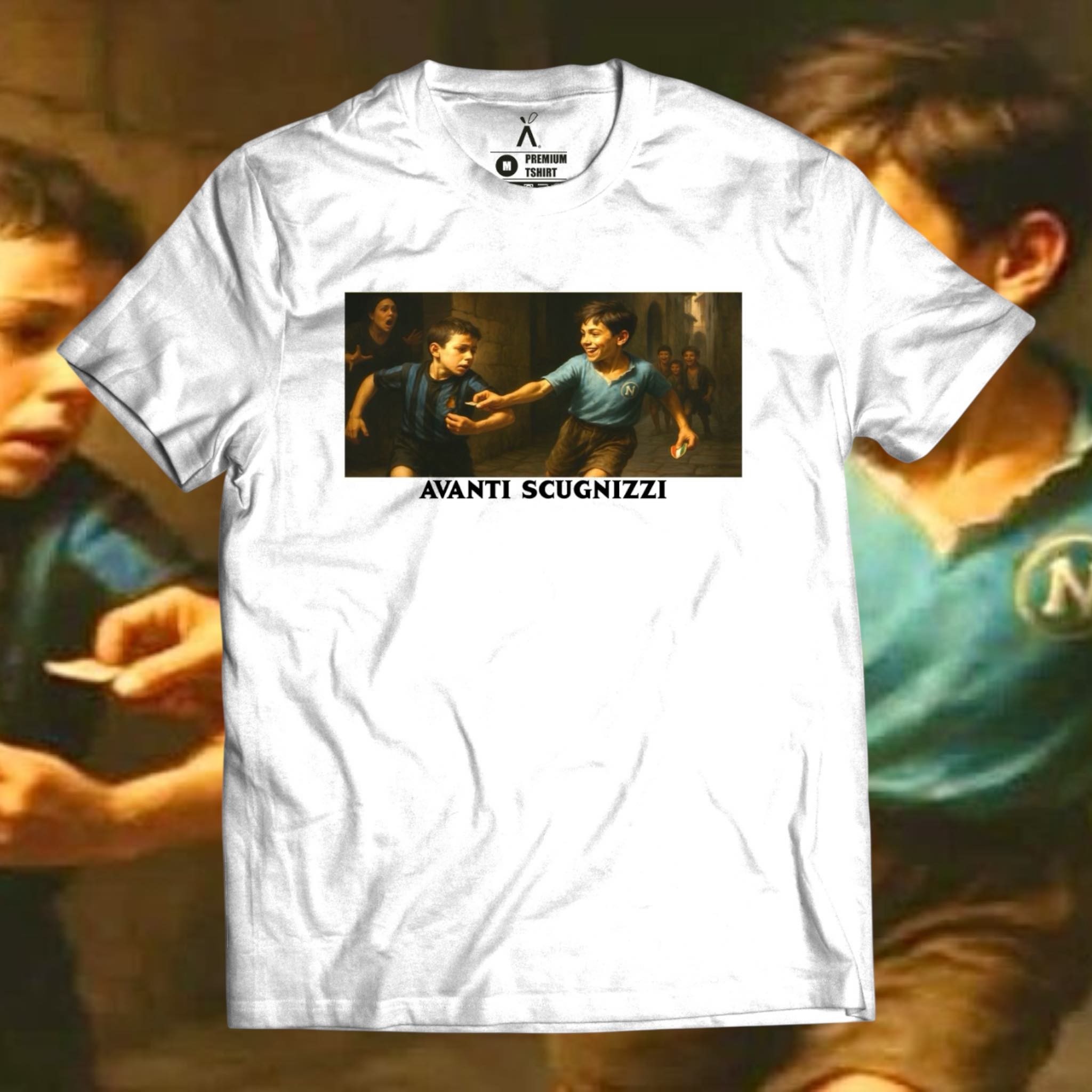 Avanti Scugnizzi: the story of the year's most loved T-shirtRead more
One word, ‘scugnizzo’ (Neapolitan street kid), and it holds the whole of Naples inside it. We tell you how the year's...
-
 'Chi chiagne fotte a chi ride': what it means and why it's truer than everRead more
At the market, at the counter, in the family: there's always someone who complains and gets more. It's the sharp...
-
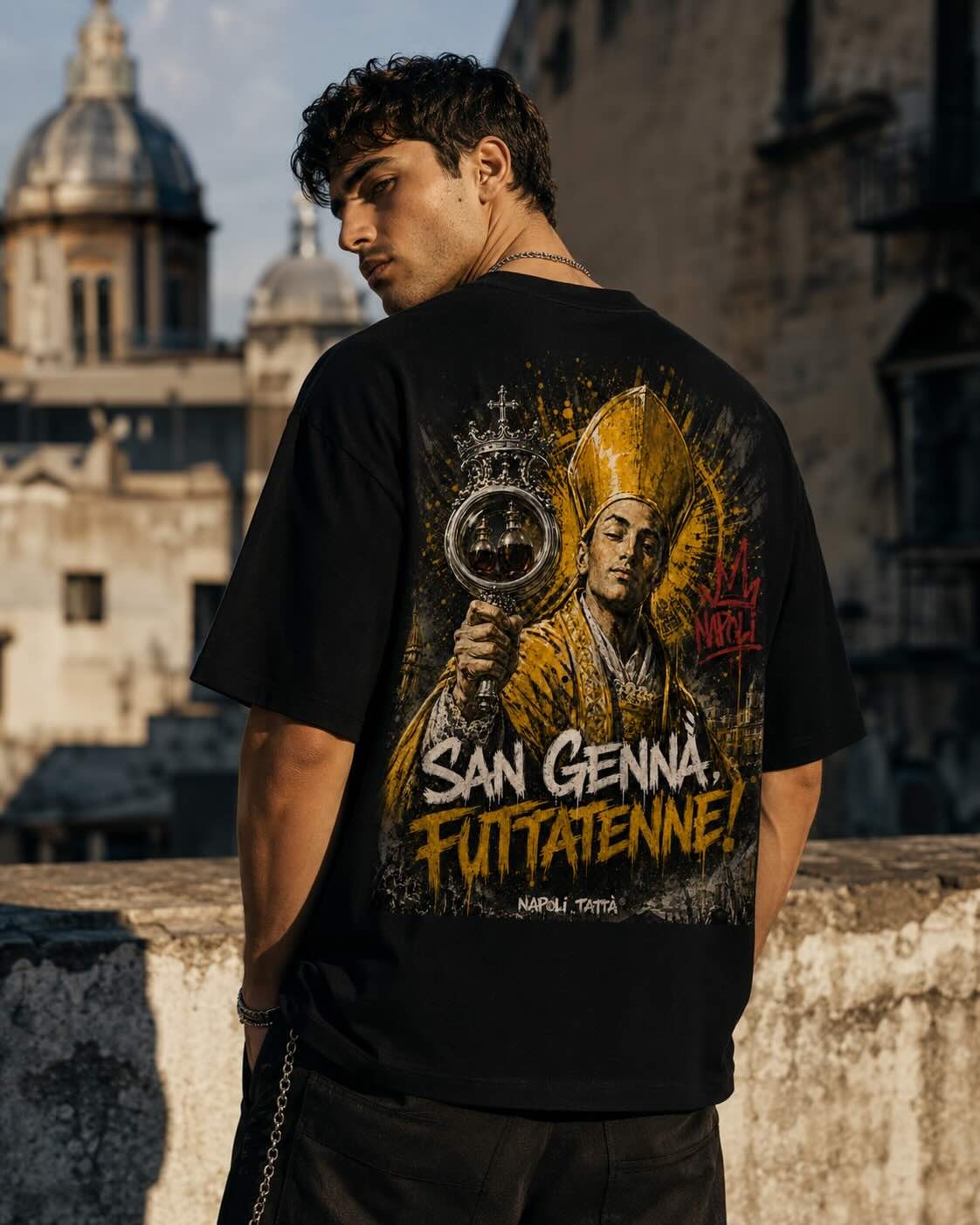 San Gennà, futtatenne! (Saint Januarius, don't worry about it!) San Gennaro, 19 September and the patron saint's t-shirtRead more
Who San Gennaro was, the miracle of the blood that liquefies, and the feast on 19 September. Plus that close,...
-
 'O purpo se coce int'a ll'acqua soja: what it means (o purpo se coce meaning)Read more
Someone has wronged you, and instead of reacting, you wait in silence with a smile? Here's the Neapolitan proverb...
-
 Cazzimma: meaning, origin and why it can't be translatedRead more
There's a word that explains everything in Naples and can't be translated into any language. It's called cazzimma,...
Blog categories
Search in blog
Archived posts

“Va’ a vasà ‘o pesce ‘e San Rafèle” (Go and kiss Saint Raphael’s fish)
On 24 October, the Catholic Church celebrates Saint Raphael, the archangel known for his role in the "Libro di Tobia" (Book of Tobit). In Naples, there is a church dedicated to this saint in the Materdei district. Built in 1759 in the Baroque style, the church is adorned with eighteenth-century frescoes depicting the events described in the biblical story of Tobit and Sarah, as well as Saint Raphael as the "medico di Dio" (God's physician), a meaning derived from his name, since "Rafa'el" in Hebrew means "God has healed". The church of Materdei has borne witness for centuries to a folk rite linked to the story of Tobit and Saint Raphael, one that is not widely known. According to the Book of Tobit, during Tobit's journey along the River Tigris, he is attacked by a fish. The archangel Raphael, who accompanies him, urges him not to flee but to seize the fish by the head. Tobit follows the angel's advice, overcomes the creature and extracts its gall, heart and liver. He later marries Sarah in Ecbatana. Saint Raphael is often depicted holding fish, or assisting Tobit during his struggle with the fish, as illustrated in the 1625 painting by the artist Pieter Pietersz Lastman. In Naples, where sacred and profane traditions intertwine, there exists a custom that blends pagan elements with Christian devotion. Infertile women and girls hoping to find a husband would kiss a fish kept in a basket, symbolising the fish of Saint Raphael. The sea, seen as a source of fertility, and the fish, a Christian symbol, became linked through this custom. Despite the implicit sexual innuendo in the phrase "va’ a vasà ‘o pesce ‘e San Rafèle" (go and kiss Saint Raphael's fish), until a few decades ago it was used as a compliment for attractive girls (in Neapolitan, "pesce" — fish — is also slang for "penis"). This practice is also mentioned by an anonymous author in 1868 in the song "Italiella" (a nickname for young Italy), which refers to the wife of Victor Emmanuel who, unable to give an heir to the throne, turned to Saint Raphael and eventually managed to give birth to the future king. Although this ancient tradition is little known nowadays, it is likely that some people still keep it alive, or turn to Saint Raphael for help, just as they do with other saints. So why shouldn't single women give it a try? It might just be worth it!
From the South, with love — Shop
 |
Napoli Tattà® 'O purpo se coce — T-shirt A Neapolitan proverb that tastes of the sea and of wisdom. Like the story of San Rafèle, this saying too belongs to the real Naples. 20,00 € Shop now → |
Posted in:
Neapolitan Spirit
Related posts
-
Michelina Di Cesare, the brigantessa who defied a kingdom
Born poor in Terra di Lavoro, Michelina Di Cesare chose the maquis and the rifle against a newly united Italy. A...Read more
-
‘L’acqua è poca e ‘a papera nun galleggia’: what it means
When the means are few, so is the result. Let's discover the most realistic Neapolitan saying there is.Read more
-
'Chi chiagne fotte a chi ride': what it means and why it's truer than ever
At the market, at the counter, in the family: there's always someone who complains and gets more. It's the sharp...Read more
-
San Gennà, futtatenne! (Saint Januarius, don't worry about it!) San Gennaro, 19 September and the patron saint's t-shirt
Who San Gennaro was, the miracle of the blood that liquefies, and the feast on 19 September. Plus that close,...Read more
-
'O purpo se coce int'a ll'acqua soja: what it means (o purpo se coce meaning)
Someone has wronged you, and instead of reacting, you wait in silence with a smile? Here's the Neapolitan proverb...Read more
Leave a comment