



In Naples, a graduation is never a private affair: it's a neighbourhood celebration. Here's how to choose an original...
Latest posts
-
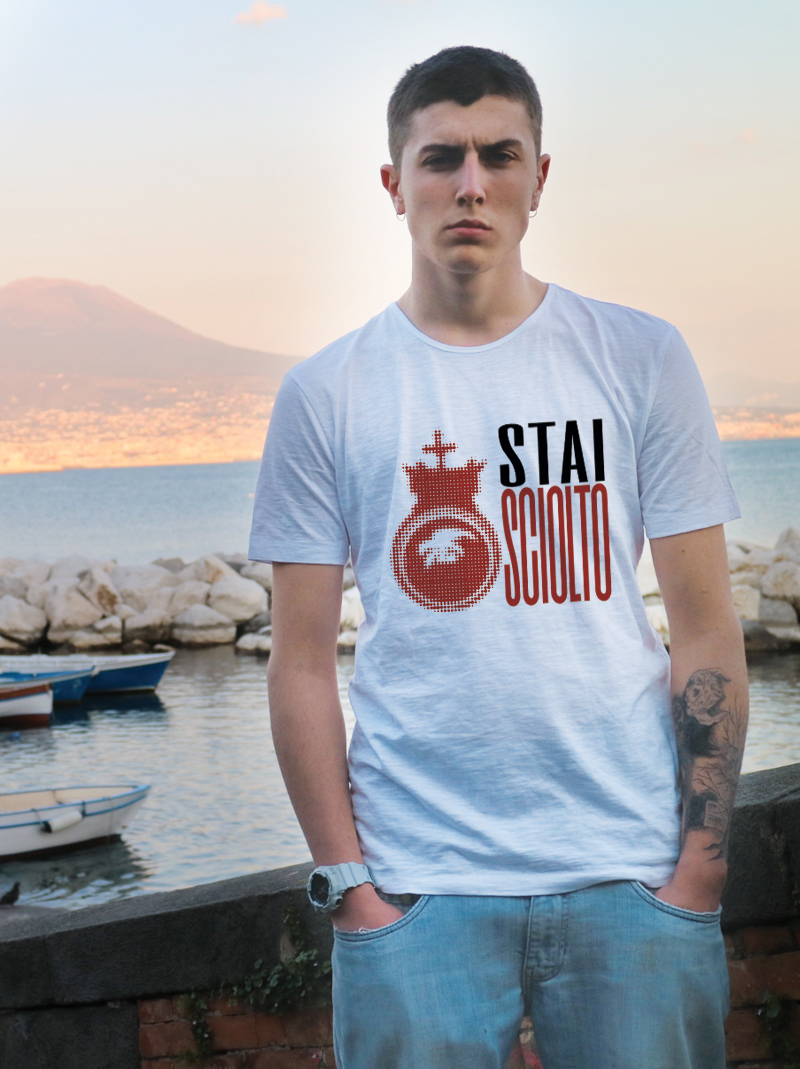 Original Neapolitan graduation gift: ideas for the graduate (him and her)Read more
-
 Asso 'e mazze: meaning and history of the Neapolitan ace of clubsRead more
The strongest card on the green table becomes, in Naples, the most elegant way to say who really calls the shots....
-
 Michelina Di Cesare, the brigantessa who defied a kingdomRead more
Born poor in Terra di Lavoro, Michelina Di Cesare chose the maquis and the rifle against a newly united Italy. A...
-
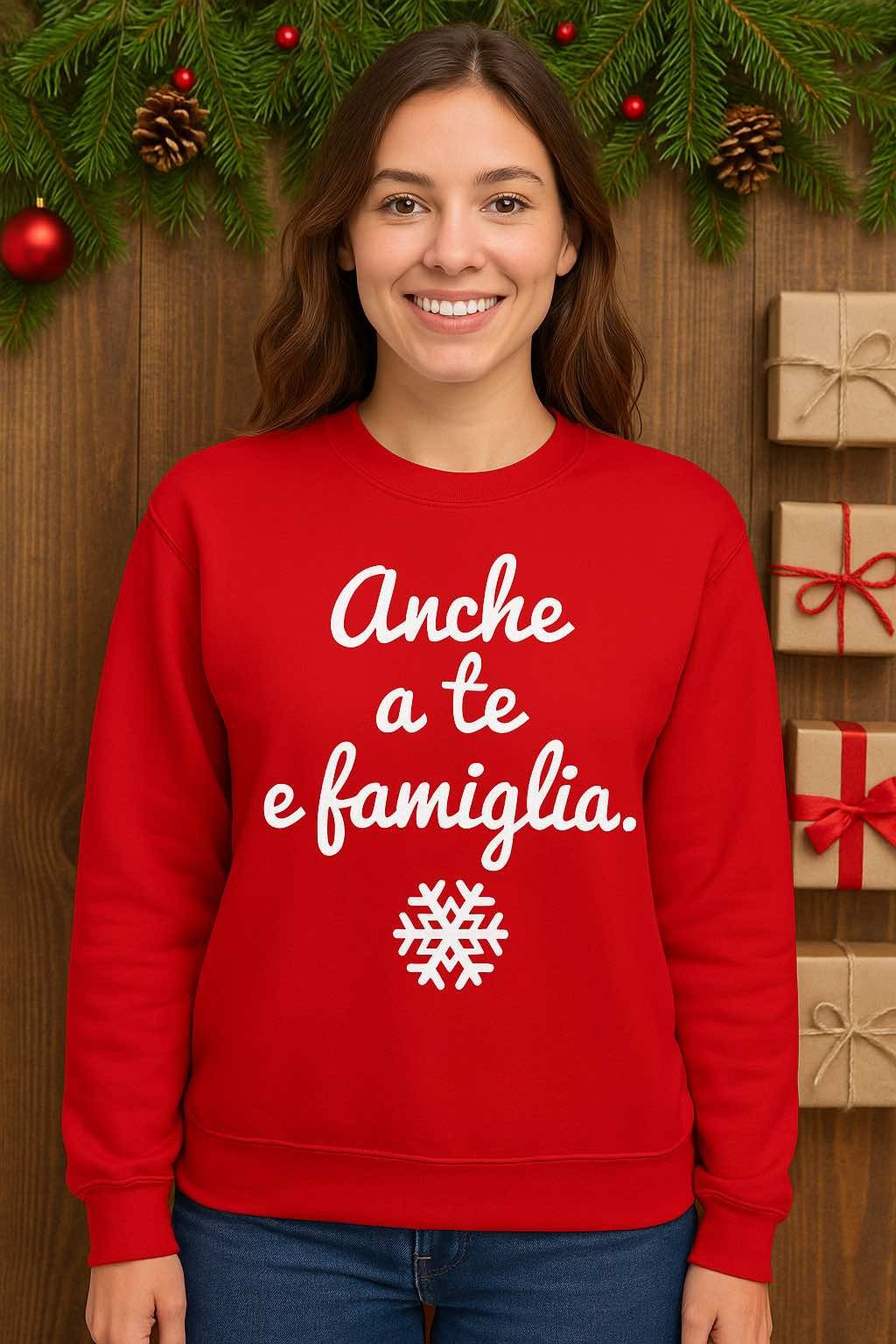 Neapolitan Hoodies: The Autumn 2026 Style GuideRead more
When the air turns crisp, in Naples people don't just reach for a hoodie: they reach for a piece of identity. Here's...
-
 Maradona Stadium: City Council allocates €50 million for Euro 2032Read more
The City Council has allocated €50 million for the redevelopment of the Diego Armando Maradona stadium, ahead of...
-
 Pizza Maxima 2026: Franco Pepe Is Once Again Best Pizzeria in ItalyRead more
At the fifth edition of Pizza Maxima, the Oscars of Italian pizza, Franco Pepe confirms his title as Best Pizzeria in...
-
 ‘L’acqua è poca e ‘a papera nun galleggia’: what it meansRead more
When the means are few, so is the result. Let's discover the most realistic Neapolitan saying there is.
-
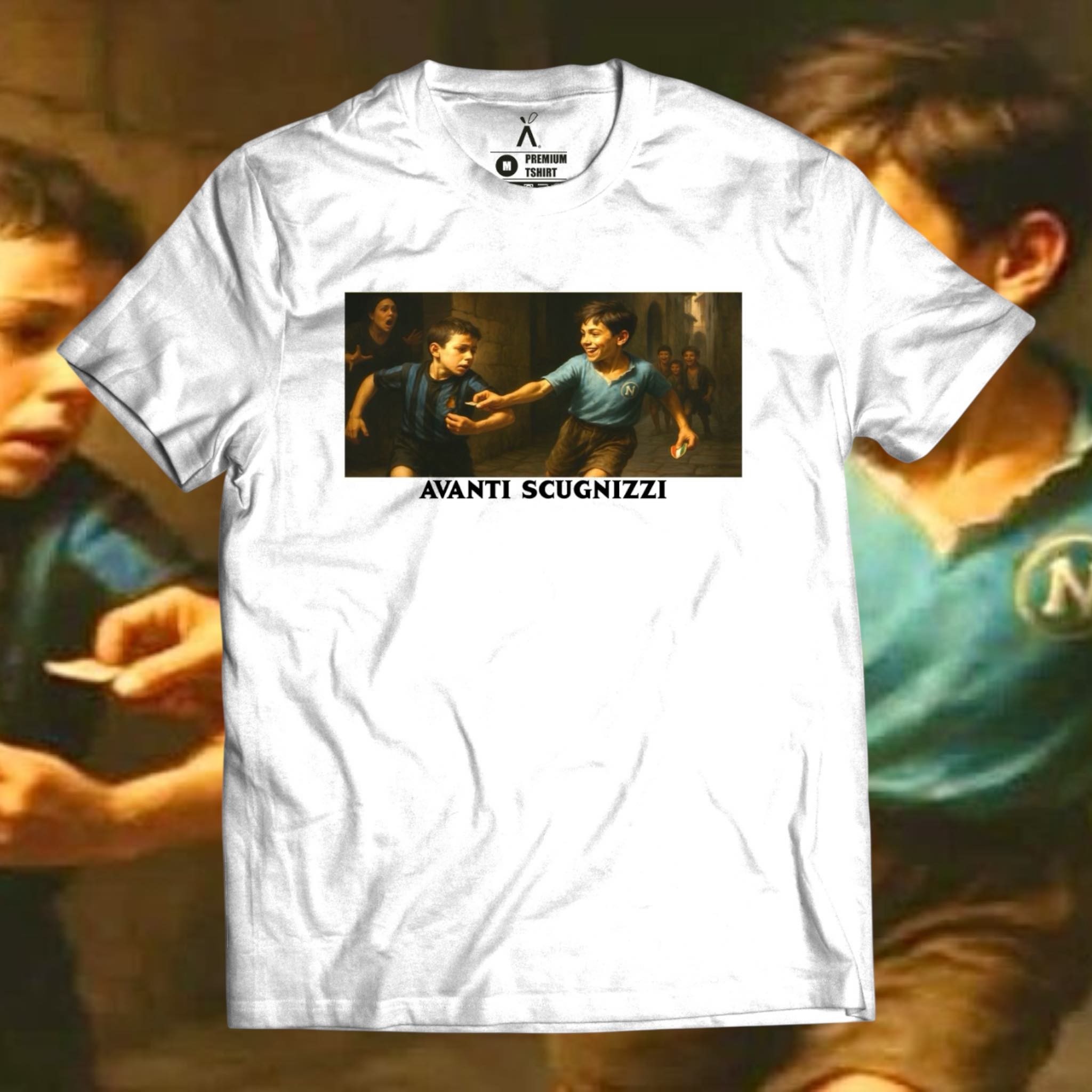 Avanti Scugnizzi: the story of the year's most loved T-shirtRead more
One word, ‘scugnizzo’ (Neapolitan street kid), and it holds the whole of Naples inside it. We tell you how the year's...
-
 'Chi chiagne fotte a chi ride': what it means and why it's truer than everRead more
At the market, at the counter, in the family: there's always someone who complains and gets more. It's the sharp...
-
 San Gennà, futtatenne! (Saint Januarius, don't worry about it!) San Gennaro, 19 September and the patron saint's t-shirtRead more
Who San Gennaro was, the miracle of the blood that liquefies, and the feast on 19 September. Plus that close,...
Blog categories
Search in blog
Archived posts
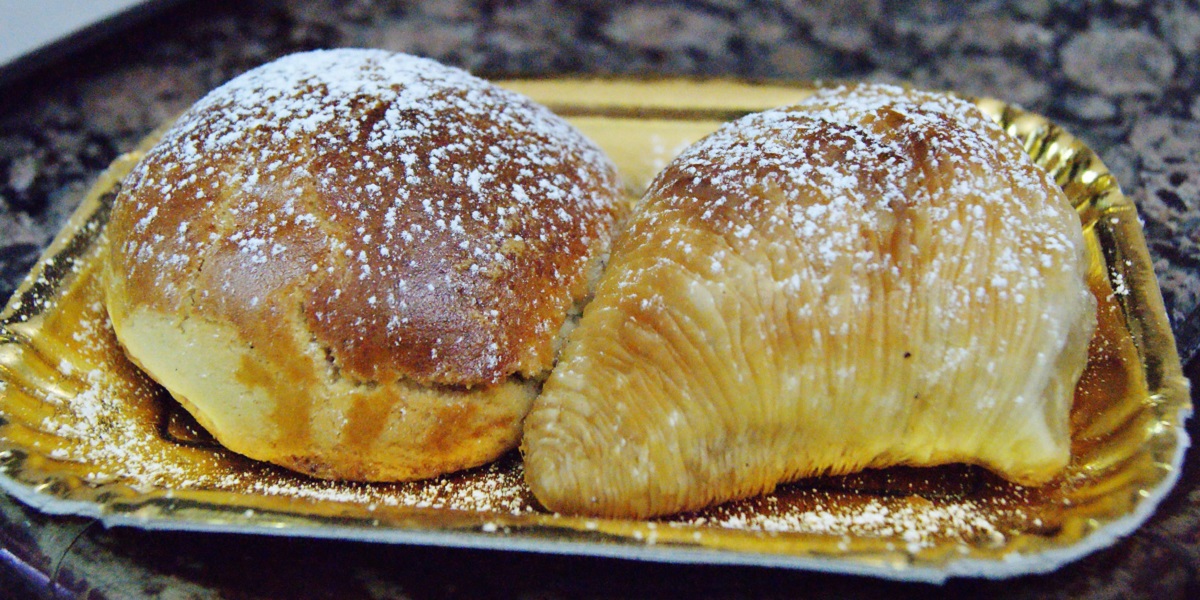
The history of the Neapolitan sfogliatella: where to eat the best ones?
Neapolitan culinary tradition has made a remarkable contribution to Italian gastronomic culture: just think of pizza, pastiera or sfogliatella, the quintessential symbol of Naples.
by Silvia Semonella
But how was this pastry born, and what are its origins?
A poem dedicated to it goes:
“Tra Amalfi e Positano, mmiez’e sciure
nce steva nu convent’e clausura.
Madre Clotilde, suora cuciniera
pregava d’a matina fin’a sera;
ma quanno propio lle veneva‘a voglia
priparava doie strat’e pasta sfoglia.
Uno ‘o metteva ncoppa,e l’ato a sotta,
e po’ lle mbuttunava c’a ricotta,
cu ll’ove, c’a vaniglia e ch’e scurzette.
Eh, tutta chesta robba nce mettette!
Stu dolce era na’ cosa favolosa:
o mettetteno nomme santarosa,
e ‘o vennettene a tutte’e cuntadine
ca zappavan’a terra llà vicine.
A gente ne parlava, e chiane chiane
giungett’e’ recchie d’e napulitane.
Pintauro, ca faceva ‘o cantiniere,
p’ammore sujo fernette pasticciere.
A Toledo nascette ‘a sfogliatella:
senz’amarena era chiù bona e bella!
‘E sfogliatelle frolle, o chelle ricce
da Attanasio, Pintauro o Caflisce,
addò t’e magne, fanno arrecrià.
So’ sempe na delizia, na bontà!” (a Neapolitan dialect poem recounting how Sister Clotilde created the pastry in a convent between Amalfi and Positano, and how the innkeeper Pintauro later brought it to Naples and turned it into the famous sfogliatella).
So we find ourselves around 1600, between Furore and Conca dei Marini, on the magnificent Amalfi Coast, in the enclosed convent of Santa Rosa. Here, on a day like any other, one of the nuns, Clotilde, decided to find a way to make use of leftover semolina soaked in milk. She thought of mixing it all with ricotta, candied fruit and lemon liqueur, wrapping the filling in a sheet of pastry shaped like a hood (recalling a monk’s cowl) and baking it. The pastry, which also began to be sold to the local people in exchange for a few coins, was given the name Santarosa and .
This delicacy, in fact, arrived in Naples a good 200 years later, in the early 1800s (precisely in 1818), thanks to the famous pastry chef Pasquale Pintauro, who at the time was simply an innkeeper, owner of a tavern on Via Toledo.
It is not known how Pintauro came to have the original recipe but, once he had it, he turned his tavern into a workshop and decided to devote himself to the art of pastry-making, also reworking the recipe of the nuns from the Santa Rosa convent: he did away with the custard and sour cherries and made the pastry thinner, removing the monk’s cowl shape and giving it the shell-like form that has made it famous the world over.
Today, sfogliatella comes in two varieties, frolla and riccia, but a tasty Santarosa can still be enjoyed in its birthplace, on the coast.
The best sfogliatelle in the city
Pintauro itself, on Via Toledo, is one of the best pastry shops where you can enjoy a fragrant sfogliatella, along with many other famous pastry shops around the city.
Definitely worth trying too are those from the famous Pasticceria Mary, whose only historic branch is in the Galleria Umberto, and those from Carraturo at Porta Capuana, another cornerstone of Neapolitan pastry-making tradition.
Also very famous are the sfogliatelle from Sfogliatelab, located in Piazza Garibaldi, which also offers the delicious sfogliacampanella, a cross between sfogliatella and babà.
Finally, definitely worth mentioning are those from the Antico Forno delle Sfogliatelle Calde dei Fratelli Attanasio, near Naples Central Station, from Pasticceria Bellavia, which has several branches across the city, and from Scaturchio, a historic pastry shop in the old town centre, once frequented by figures of the calibre of Totò and Eduardo de Filippo, with its only branch in Piazza San Domenico Maggiore.
All that's left to do is choose!
Posted in:
Neapolitan food
Related posts
-
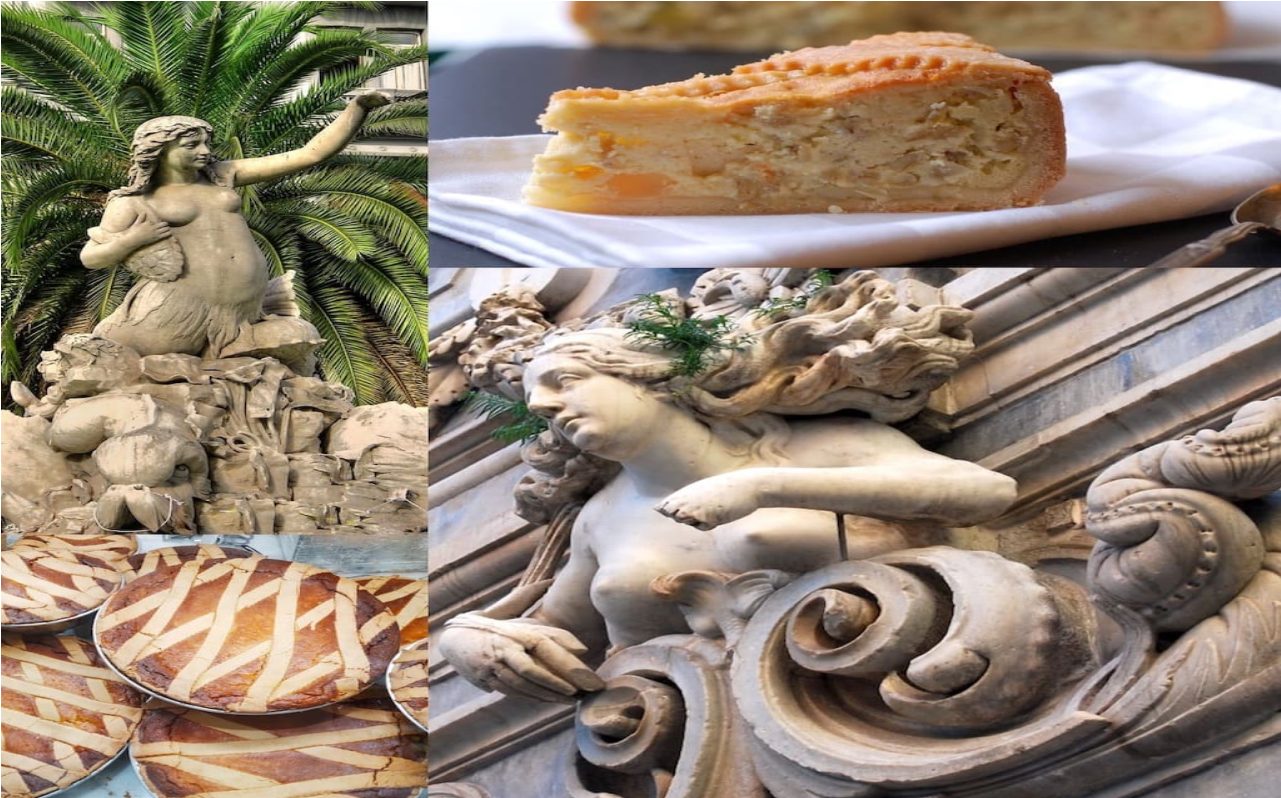 Pastiera Napoletana: Between History and Legend
The story of the Neapolitan pastiera has its roots in a fascinating tale that blends mythology and tradition.Read more
-
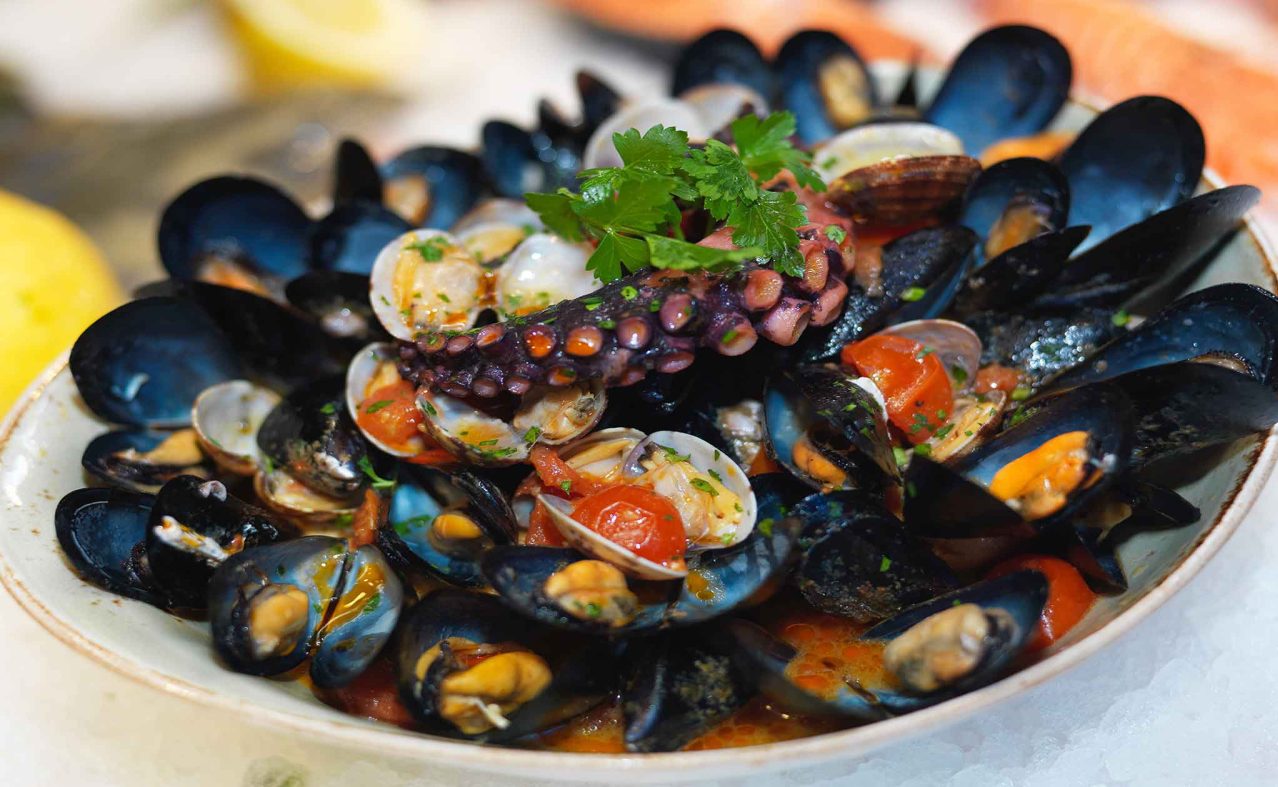 Mussel soup, a Holy Thursday tradition
Mussel soup on Holy Thursday: a dish with centuries-old tradition, impossible not to try.Read more
-
 Places to eat from Campitello to Piedimonte
The culinary treasures found across the enchanting Matese territory, from Campitello to Piedimonte, are simply not to...Read more
-
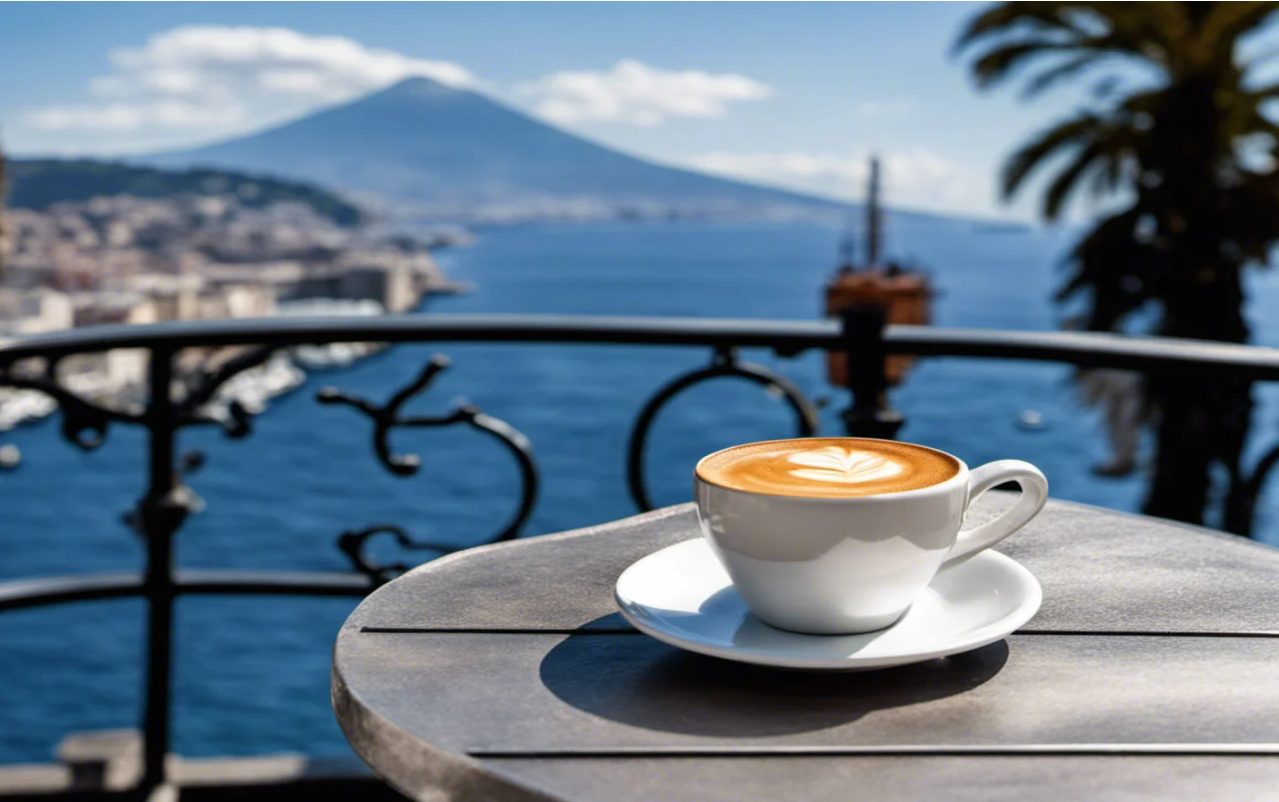 The best coffees in Naples
In Naples you'll find the bars that make the city's finest coffee, served hot, sweet, but not too sweet.Read more
-
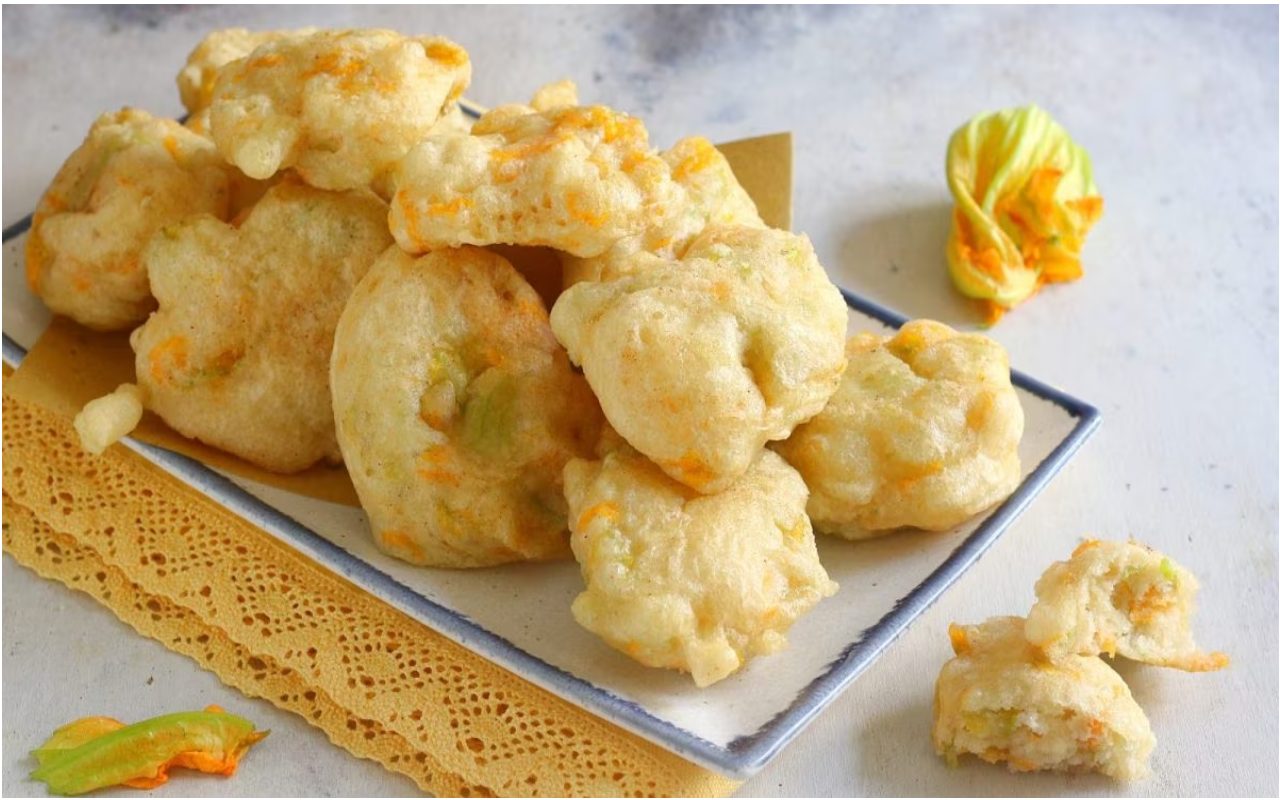 Courgette Flower Fritters (Frittelle di ciurilli)
Frittelle di sciurilli are a delicious, irresistible starter made from courgette (zucchini) flowers dipped in batter...Read more
Leave a comment