



Born poor in Terra di Lavoro, Michelina Di Cesare chose the maquis and the rifle against a newly united Italy. A...
Latest posts
-
 Michelina Di Cesare, the brigantessa who defied a kingdomRead more
 -
 Neapolitan Hoodies: The Autumn 2026 Style GuideRead more
When the air turns crisp, in Naples people don't just reach for a hoodie: they reach for a piece of identity. Here's...
-
 Maradona Stadium: City Council allocates €50 million for Euro 2032Read more
The City Council has allocated €50 million for the redevelopment of the Diego Armando Maradona stadium, ahead of...
-
 Pizza Maxima 2026: Franco Pepe Is Once Again Best Pizzeria in ItalyRead more
At the fifth edition of Pizza Maxima, the Oscars of Italian pizza, Franco Pepe confirms his title as Best Pizzeria in...
-
 ‘L’acqua è poca e ‘a papera nun galleggia’: what it meansRead more
When the means are few, so is the result. Let's discover the most realistic Neapolitan saying there is.
-
 Avanti Scugnizzi: the story of the year's most loved T-shirtRead more
One word, ‘scugnizzo’ (Neapolitan street kid), and it holds the whole of Naples inside it. We tell you how the year's...
-
 'Chi chiagne fotte a chi ride': what it means and why it's truer than everRead more
At the market, at the counter, in the family: there's always someone who complains and gets more. It's the sharp...
-
 San Gennà, futtatenne! (Saint Januarius, don't worry about it!) San Gennaro, 19 September and the patron saint's t-shirtRead more
Who San Gennaro was, the miracle of the blood that liquefies, and the feast on 19 September. Plus that close,...
-
 'O purpo se coce int'a ll'acqua soja: what it means (o purpo se coce meaning)Read more
Someone has wronged you, and instead of reacting, you wait in silence with a smile? Here's the Neapolitan proverb...
-
 Cazzimma: meaning, origin and why it can't be translatedRead more
There's a word that explains everything in Naples and can't be translated into any language. It's called cazzimma,...
Blog categories
Search in blog
Archived posts
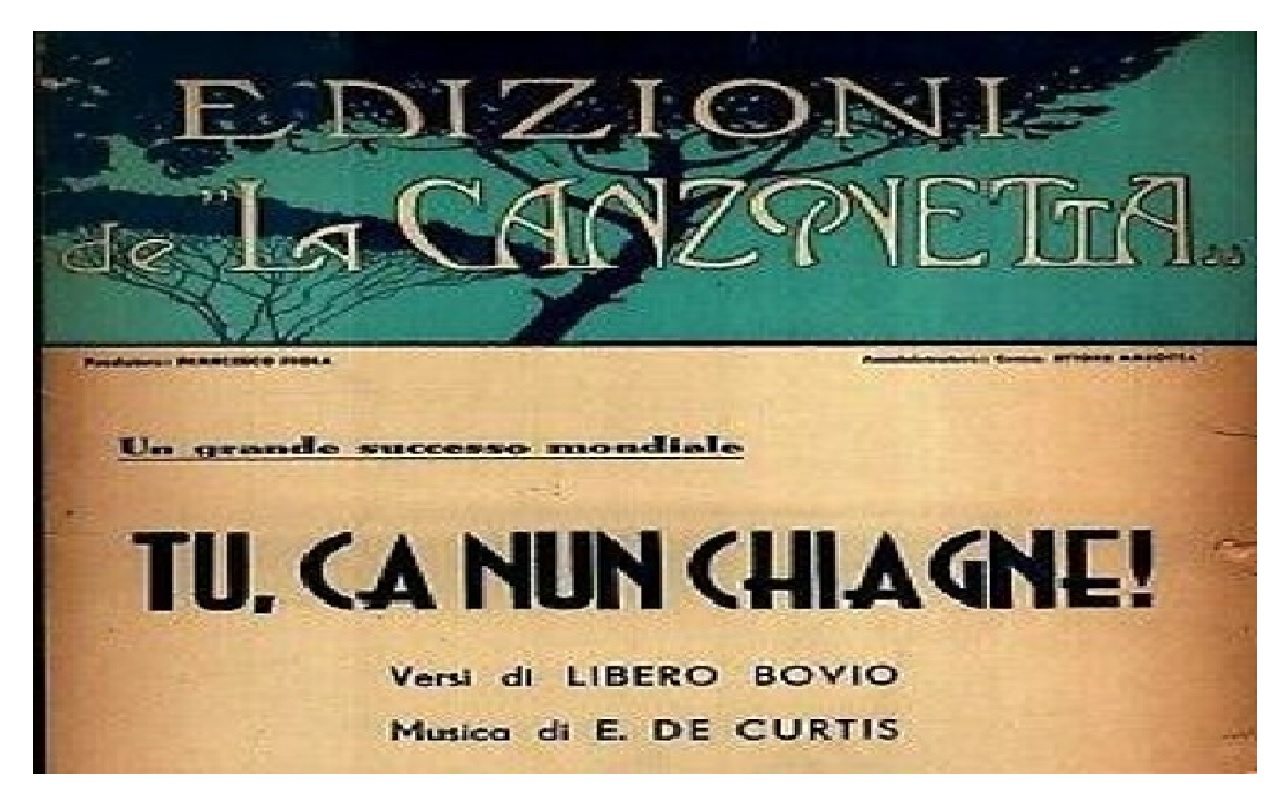
Tu ca nun chiagne (You who don't cry)
The song, translated literally as "Tu ca nun chiagne" (You who don't cry), captures the heart-wrenching despair of a lost love and the hope of finding new love in life.
"Tu ca nun chiagne" is one of the most iconic Neapolitan songs, one that has enchanted generations of listeners with its deep emotion and haunting melody. Written by Libero Bovio and set to music by Ernesto De Curtis back in 1915, this song stands as a moving testament to the passion and soul of the Neapolitan people.
The song, translated literally as "Tu ca nun chiagne" (You who don't cry), captures the heart-wrenching despair of a lost love and the hope of finding new love in life. Bovio's penetrating words and De Curtis's touching melody intertwine to create a musical masterpiece that stirs deep emotion in anyone who listens to it.
Through its words steeped in melancholy and hope, "Tu ca nun chiagne" has captured the essence of the human condition and the eternal struggle between joy and sorrow. Its relevance endures over time, touching the hearts of those who have known love and loss, and who understand the beauty and sadness of life itself.
The song has been performed and reinterpreted by numerous artists over the years, a testament to its lasting influence and indelible impact on Neapolitan and Italian musical culture. It has become a kind of anthem of Naples, encapsulating the essence of the Neapolitan soul and carrying forward its message of hope and resilience through the generations.
Posted in:
Neapolitan songs
Related posts
-
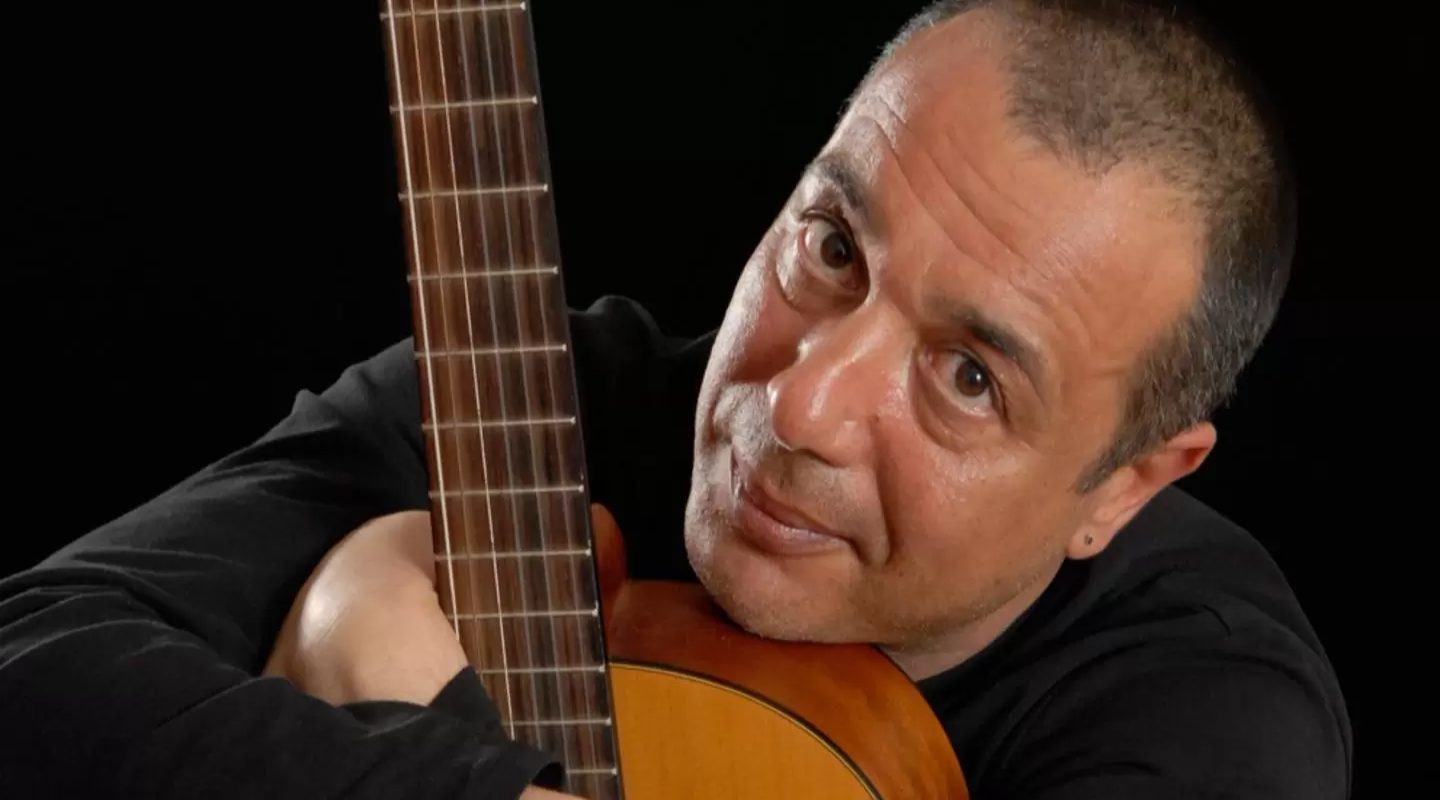 Federico Salvatore, Poet of Neapolitan Music
Every word, every verse he wrote and sang was the fruit of deep reflection, shaped by popular culture and great...Read more
Federico Salvatore, Poet of Neapolitan Music
Every word, every verse he wrote and sang was the fruit of deep reflection, shaped by popular culture and great...Read more -
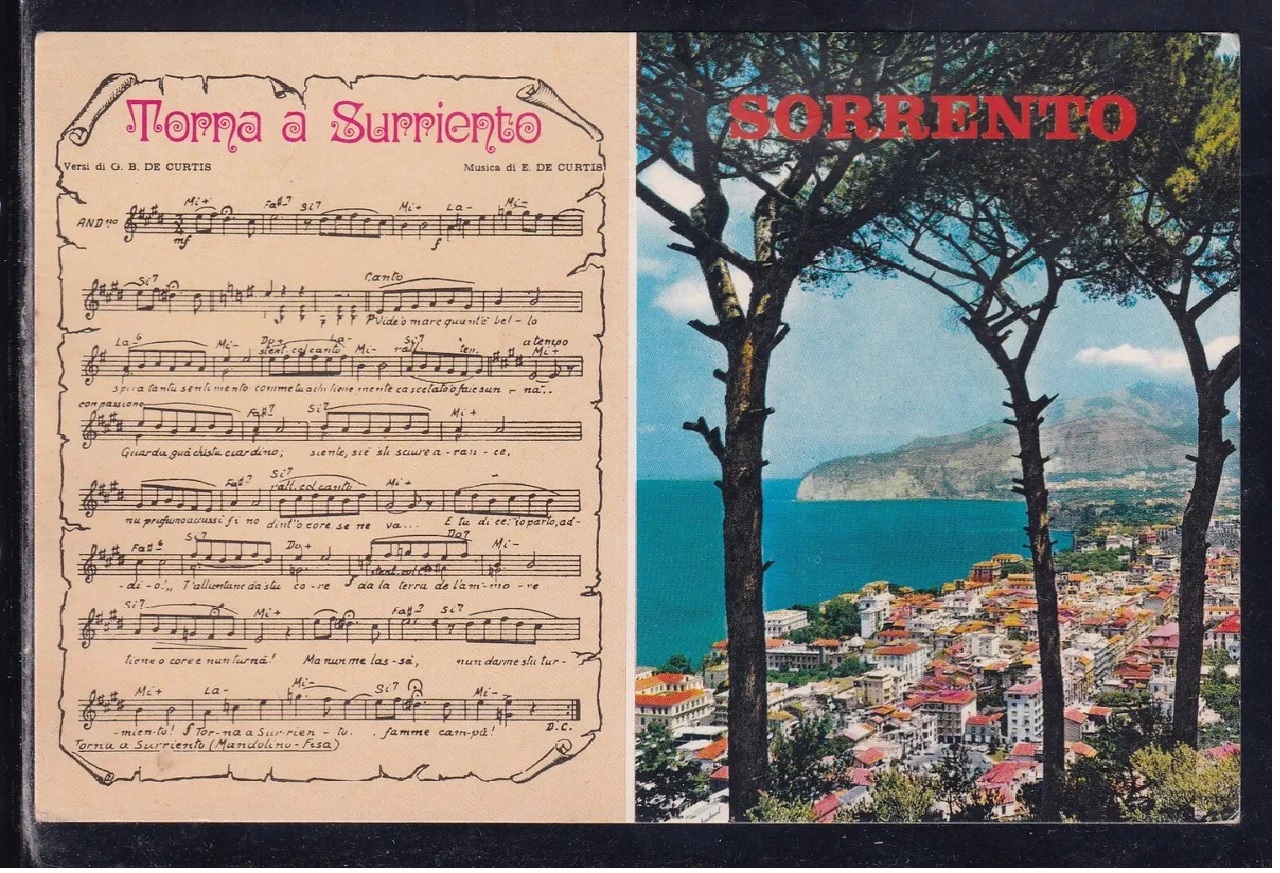 Torna a Surriento
The song, composed by Ernesto De Curtis with lyrics by his brother Giambattista De Curtis back in 1902, was an...Read more
Torna a Surriento
The song, composed by Ernesto De Curtis with lyrics by his brother Giambattista De Curtis back in 1902, was an...Read more -
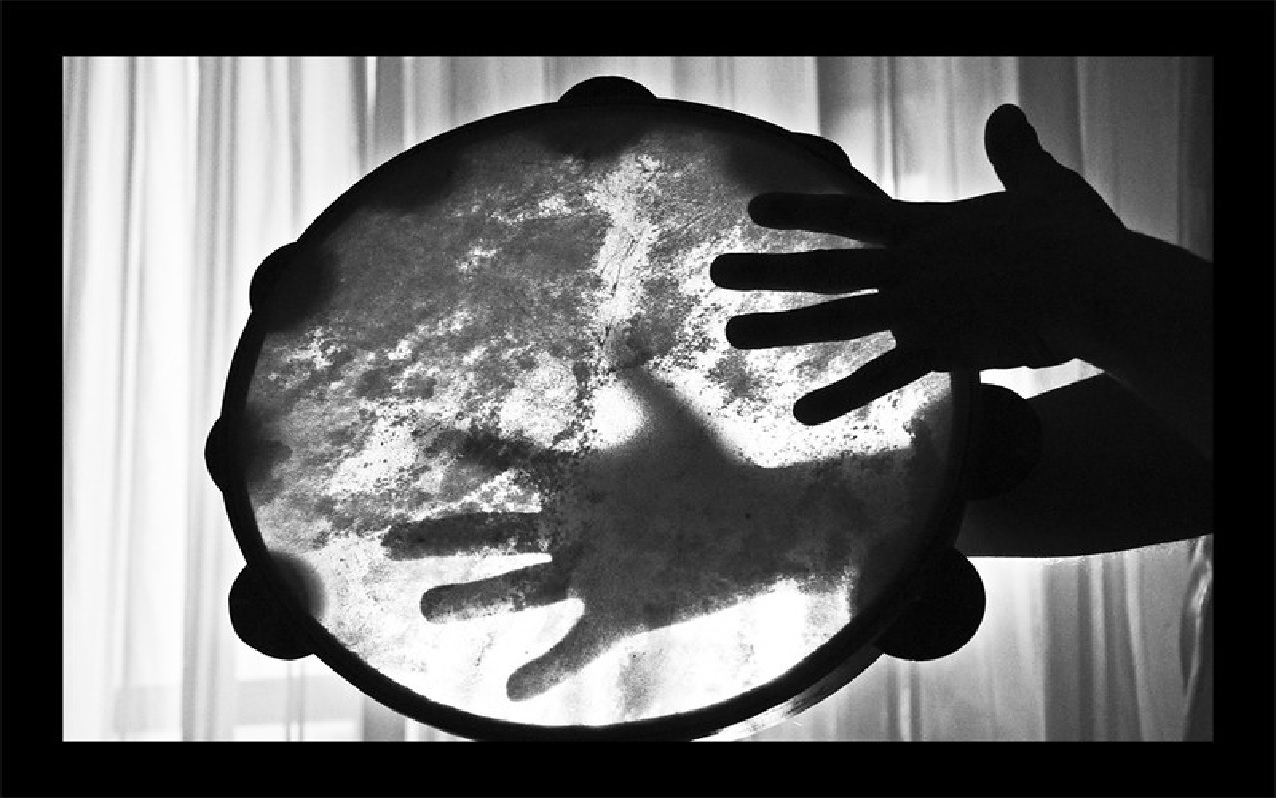 Tammurriata Nera
The song Tammurriata Nera is an anthem to resistance and to the fight against social injustice. Its story is rooted...Read more
Tammurriata Nera
The song Tammurriata Nera is an anthem to resistance and to the fight against social injustice. Its story is rooted...Read more -
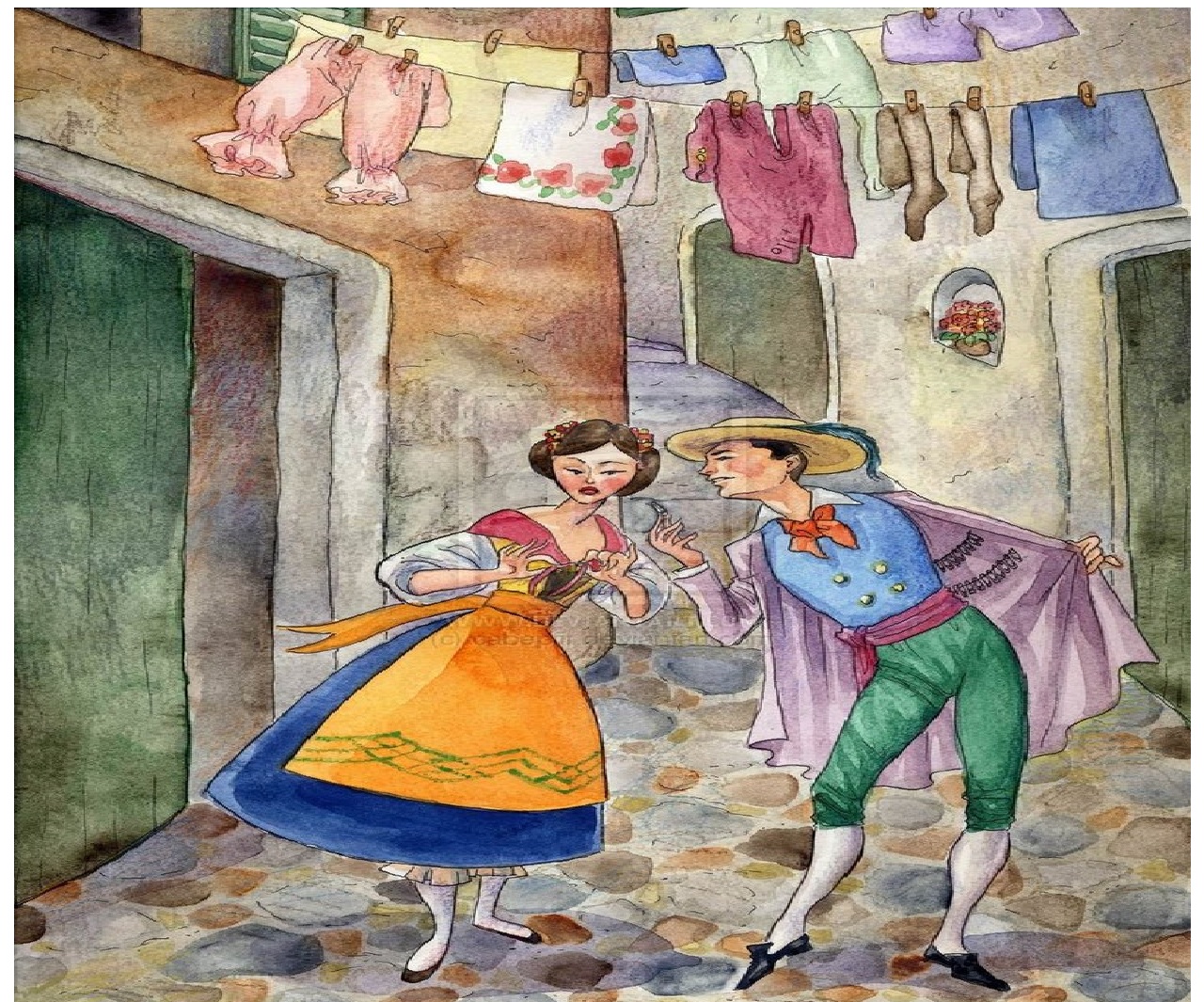 'E Spingule francese
The lyrics of 'E Spingule Francese' (‘The French Pins’) reflect the aching nostalgia of a lost love. The song tells...Read more
'E Spingule francese
The lyrics of 'E Spingule Francese' (‘The French Pins’) reflect the aching nostalgia of a lost love. The song tells...Read more -
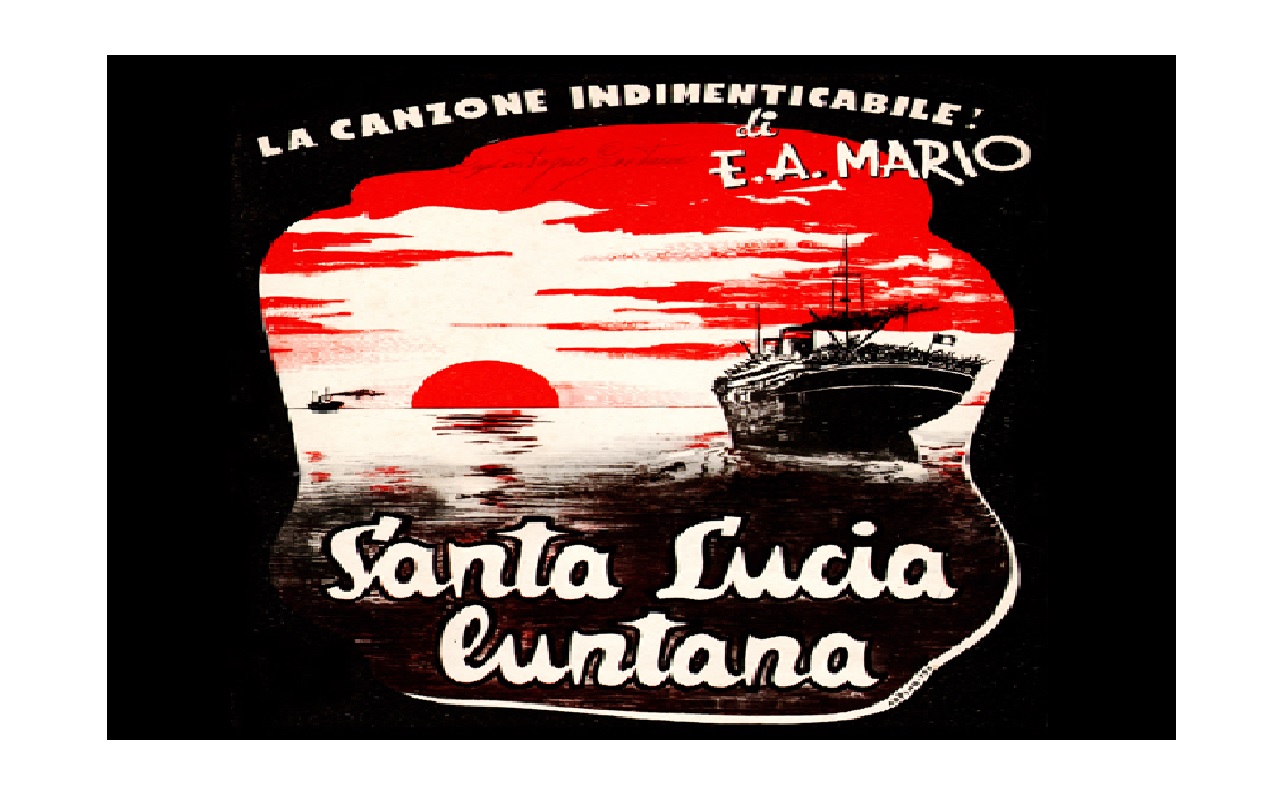 Santa Lucia Luntana
This masterpiece of Neapolitan music is a hymn to nostalgia, sweet melancholy and love for one's homeland, striking a...Read more
Santa Lucia Luntana
This masterpiece of Neapolitan music is a hymn to nostalgia, sweet melancholy and love for one's homeland, striking a...Read more
Leave a comment