



In Naples, a graduation is never a private affair: it's a neighbourhood celebration. Here's how to choose an original...
Latest posts
-
 Original Neapolitan graduation gift: ideas for the graduate (him and her)Read more
-
 Asso 'e mazze: meaning and history of the Neapolitan ace of clubsRead more
The strongest card on the green table becomes, in Naples, the most elegant way to say who really calls the shots....
-
 Michelina Di Cesare, the brigantessa who defied a kingdomRead more
Born poor in Terra di Lavoro, Michelina Di Cesare chose the maquis and the rifle against a newly united Italy. A...
-
 Neapolitan Hoodies: The Autumn 2026 Style GuideRead more
When the air turns crisp, in Naples people don't just reach for a hoodie: they reach for a piece of identity. Here's...
-
 Maradona Stadium: City Council allocates €50 million for Euro 2032Read more
The City Council has allocated €50 million for the redevelopment of the Diego Armando Maradona stadium, ahead of...
-
 Pizza Maxima 2026: Franco Pepe Is Once Again Best Pizzeria in ItalyRead more
At the fifth edition of Pizza Maxima, the Oscars of Italian pizza, Franco Pepe confirms his title as Best Pizzeria in...
-
 ‘L’acqua è poca e ‘a papera nun galleggia’: what it meansRead more
When the means are few, so is the result. Let's discover the most realistic Neapolitan saying there is.
-
 Avanti Scugnizzi: the story of the year's most loved T-shirtRead more
One word, ‘scugnizzo’ (Neapolitan street kid), and it holds the whole of Naples inside it. We tell you how the year's...
-
 'Chi chiagne fotte a chi ride': what it means and why it's truer than everRead more
At the market, at the counter, in the family: there's always someone who complains and gets more. It's the sharp...
-
 San Gennà, futtatenne! (Saint Januarius, don't worry about it!) San Gennaro, 19 September and the patron saint's t-shirtRead more
Who San Gennaro was, the miracle of the blood that liquefies, and the feast on 19 September. Plus that close,...
Blog categories
Search in blog
Archived posts
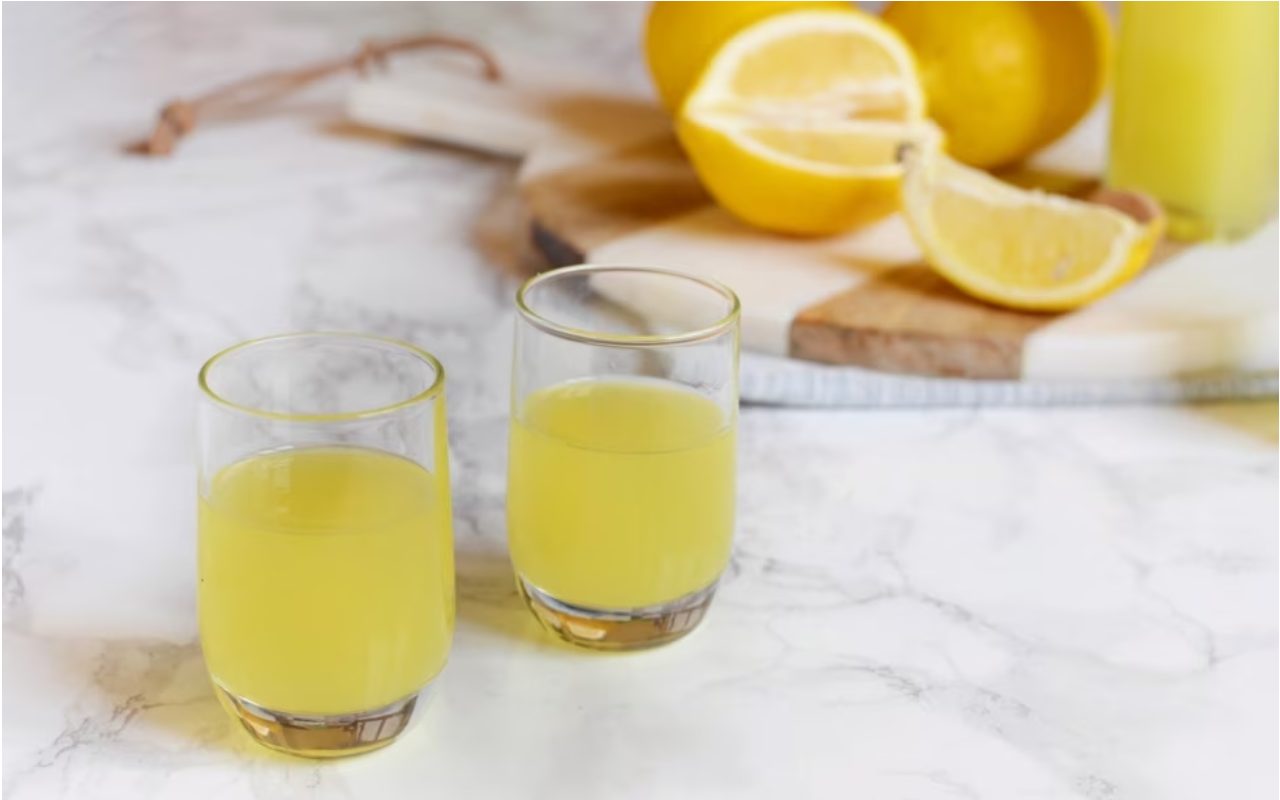
Limoncello from the Amalfi Coast: A Unique Liqueur
Limoncello is a liqueur symbolic of the Amalfi Coast, famous the world over. Fresh and fragrant, it is made by macerating lemon peel in alcohol. As well as being served after meals as a "digestivo" (after-dinner liqueur), it is also often used to make desserts and creams.
INGREDIENTS
- 500 ml of 95% alcohol
- 600 ml of water
- 6 unwaxed lemons
- 500 g of sugar
The famous limoncello, one of Campania's prestigious Protected Geographical Indication (PGI) products, has won worldwide renown, spreading to every corner of the planet. To earn the title of authentic limoncello, the lemons must be grown on the Amalfi coastline, between Vico Equense and Massa Lubrense, or come from the enchanting island of Capri. The intense scent and unmistakable taste of this exquisite liqueur can be attributed solely to the extraordinary quality of the lemons grown in this beautiful stretch of Italian territory. Making limoncello is a task that can easily be done at home too. The lemons must be natural and untreated, with the peel carefully washed and left to infuse together with the alcohol for at least six days in a hermetically sealed jar. Once ready, limoncello, along with other varieties of homemade liqueurs such as nocino (walnut liqueur), can be kept for a long time in well-sealed bottles, preferably in the fridge. It is ready to be enjoyed chilled or added to the classic lemon sorbet, giving it an irresistible touch of freshness. As well as being enjoyed as a digestivo, limoncello is also perfect for soaking a birthday cake, giving it a unique flavour, or for flavouring a delicious cream, such as the famous lemon curd. Try out the versatility of this extraordinary liqueur and let its vibrant taste bring life to all your culinary creations.
HOW TO MAKE: LIMONCELLO
 1To make limoncello, be sure to wash and scrub the lemons well. Peel them carefully, making sure to remove the white pith, which would make the liqueur bitter

 2Place the peel in a bowl or jar and cover with alcohol. Seal with an airtight lid and leave to rest at room temperature, away from light, for around 6 days. Prepare the syrup by bringing the water to the boil and dissolving the sugar in it

 3Using a strainer, filter the alcohol in which you macerated the lemon peel and combine it with the water and sugar syrup, mix well and pour the resulting liqueur into glass bottles to be kept in the fridge.
 1Serve your limoncello always well chilled.
Posted in:
Neapolitan food
Related posts
-
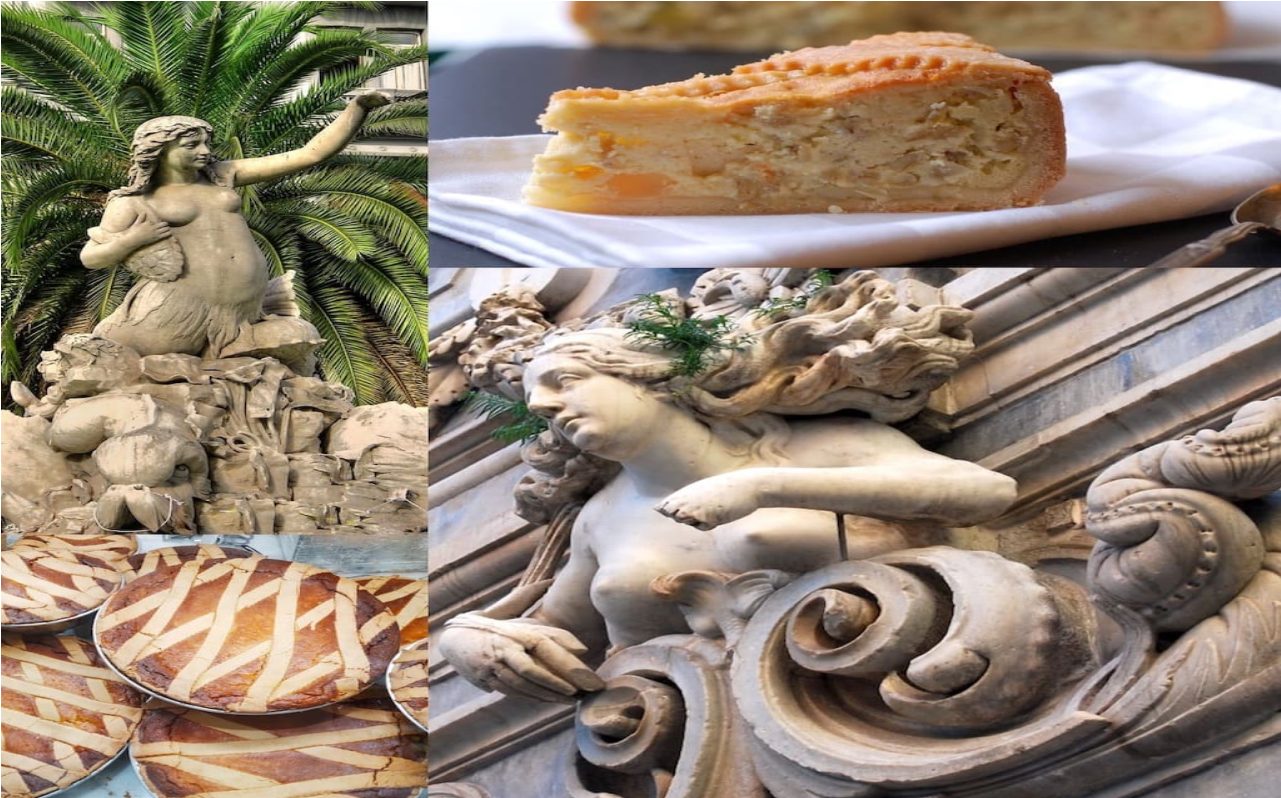 Pastiera Napoletana: Between History and Legend
The story of the Neapolitan pastiera has its roots in a fascinating tale that blends mythology and tradition.Read more
-
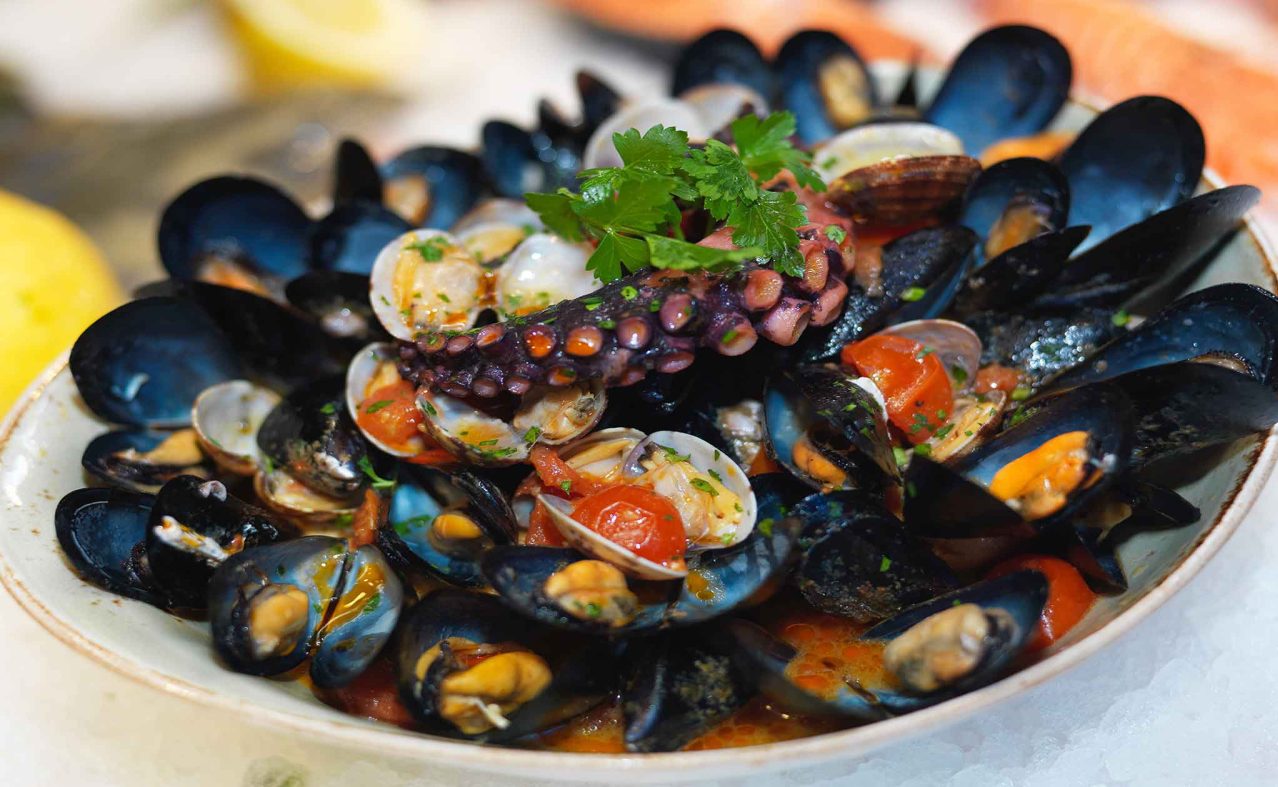 Mussel soup, a Holy Thursday tradition
Mussel soup on Holy Thursday: a dish with centuries-old tradition, impossible not to try.Read more
-
 Places to eat from Campitello to Piedimonte
The culinary treasures found across the enchanting Matese territory, from Campitello to Piedimonte, are simply not to...Read more
-
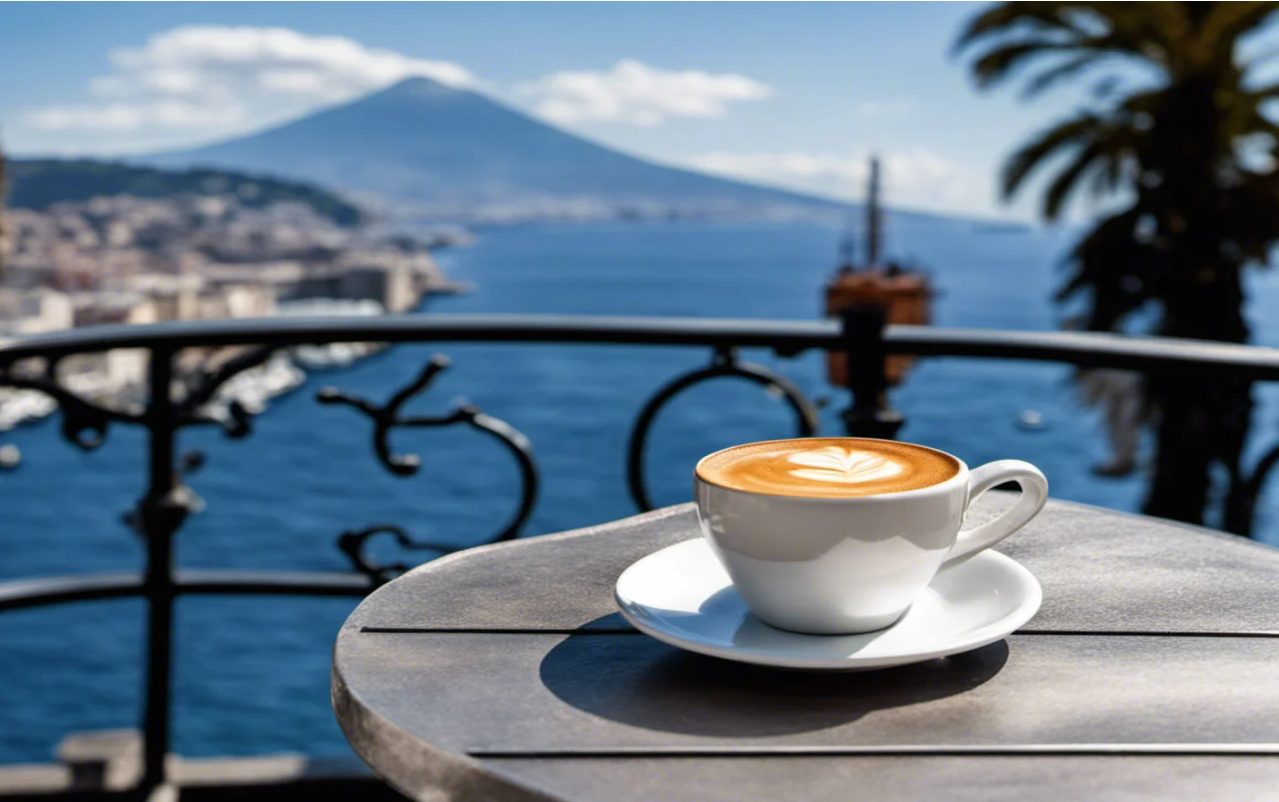 The best coffees in Naples
In Naples you'll find the bars that make the city's finest coffee, served hot, sweet, but not too sweet.Read more
-
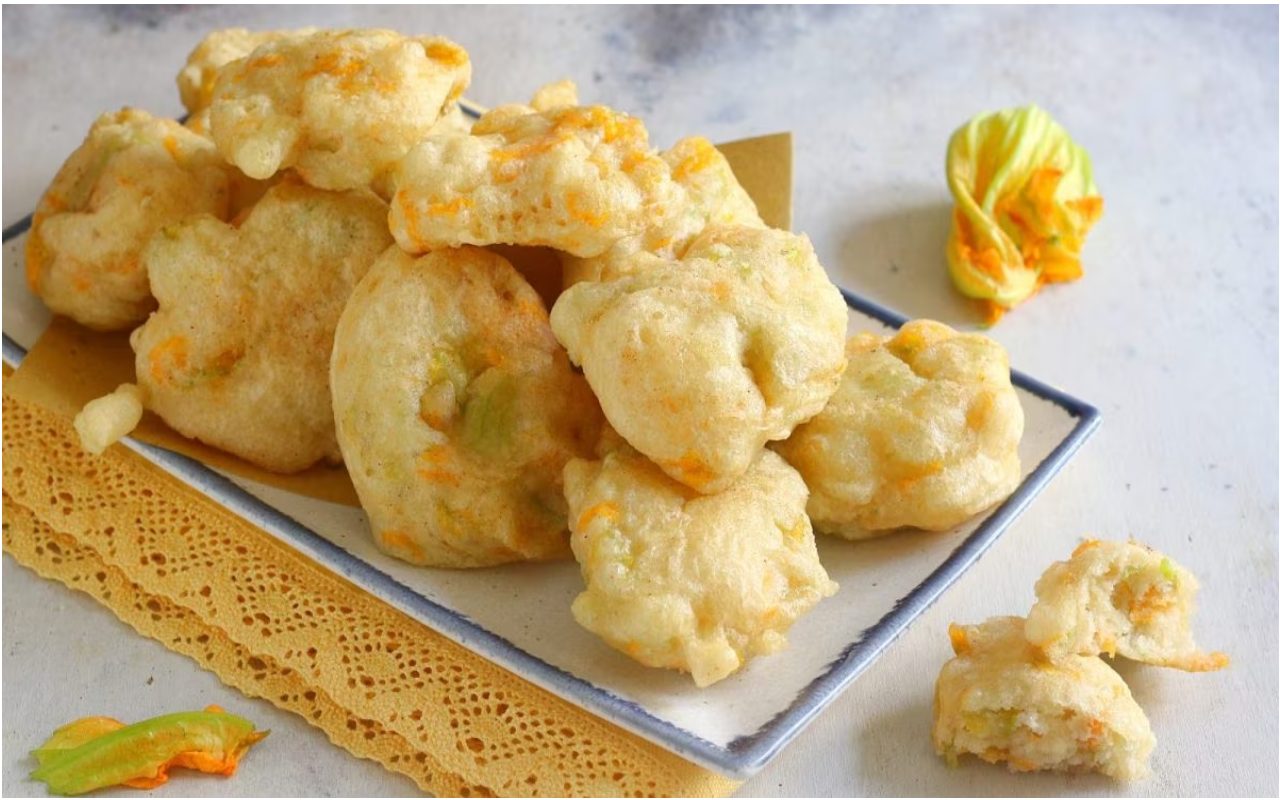 Courgette Flower Fritters (Frittelle di ciurilli)
Frittelle di sciurilli are a delicious, irresistible starter made from courgette (zucchini) flowers dipped in batter...Read more
Leave a comment