



In Naples, a graduation is never a private affair: it's a neighbourhood celebration. Here's how to choose an original...
Latest posts
-
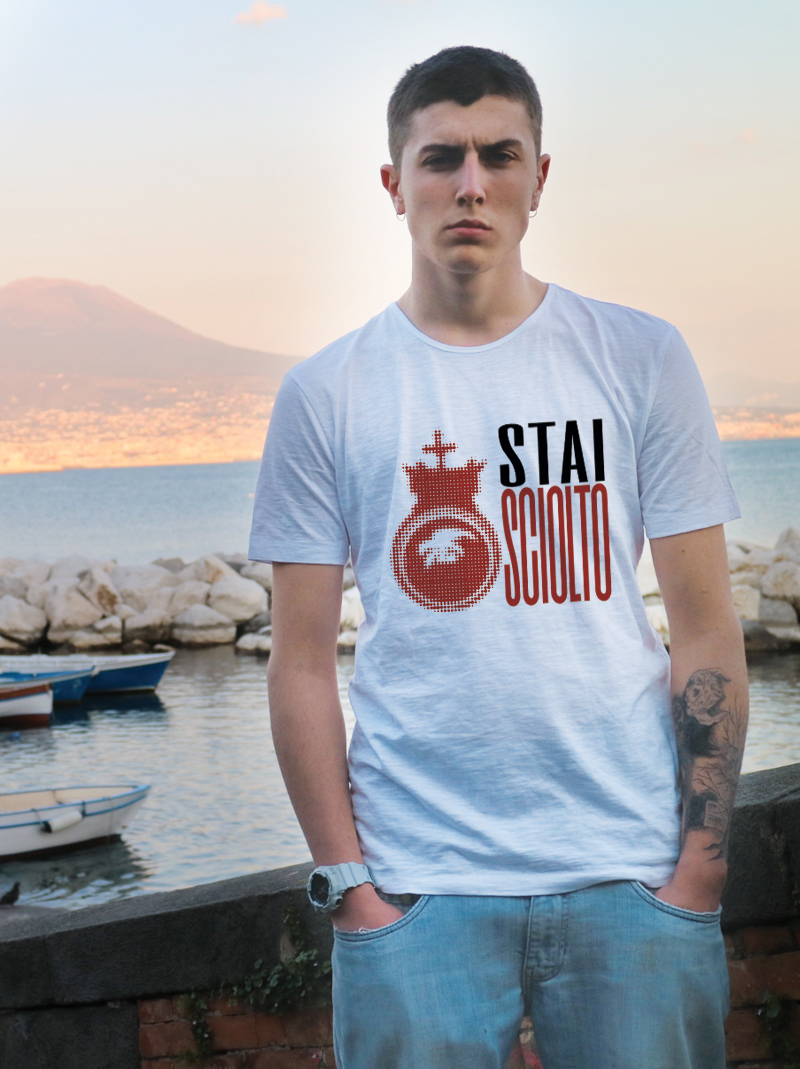 Original Neapolitan graduation gift: ideas for the graduate (him and her)Read more
-
 Asso 'e mazze: meaning and history of the Neapolitan ace of clubsRead more
The strongest card on the green table becomes, in Naples, the most elegant way to say who really calls the shots....
-
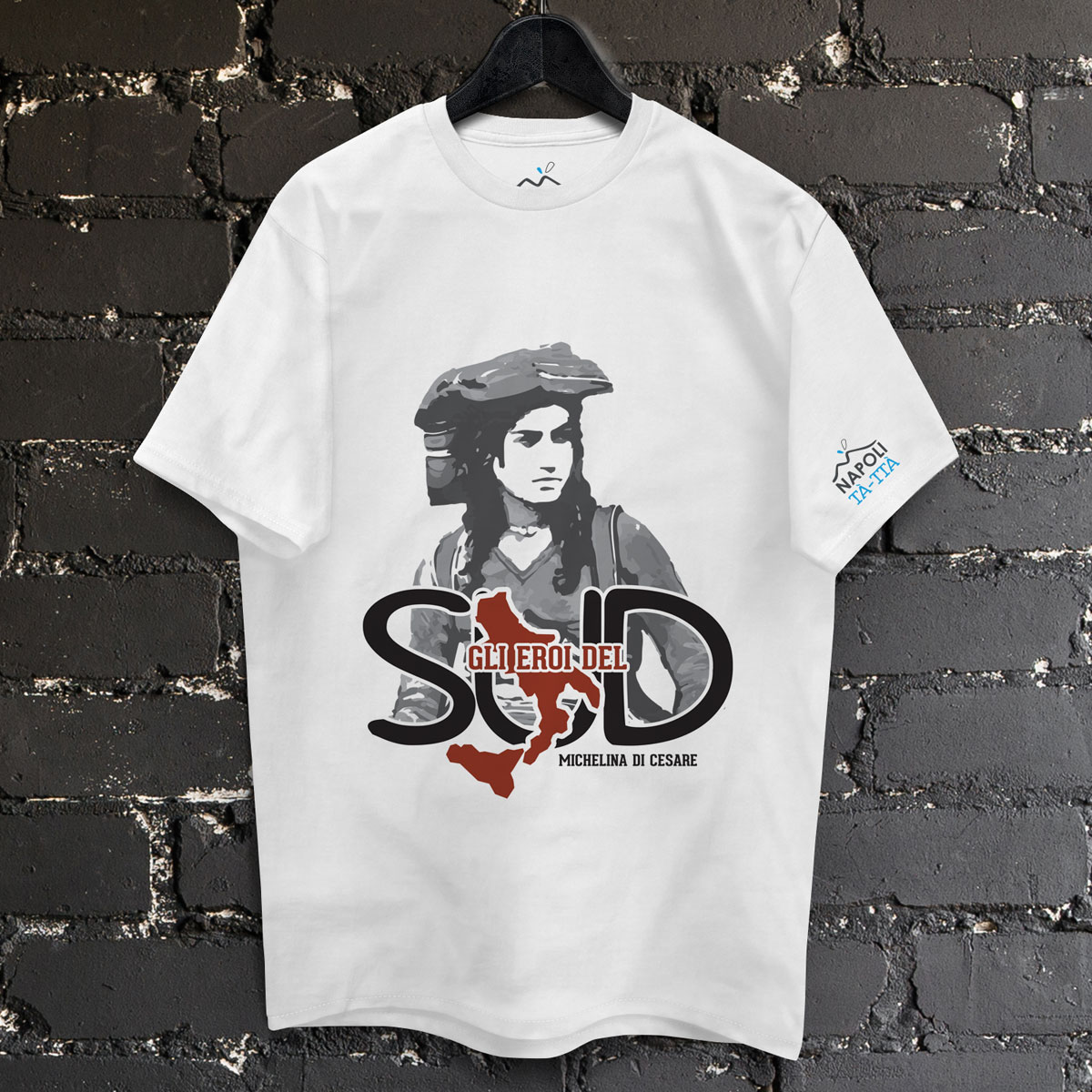 Michelina Di Cesare, the brigantessa who defied a kingdomRead more
Born poor in Terra di Lavoro, Michelina Di Cesare chose the maquis and the rifle against a newly united Italy. A...
-
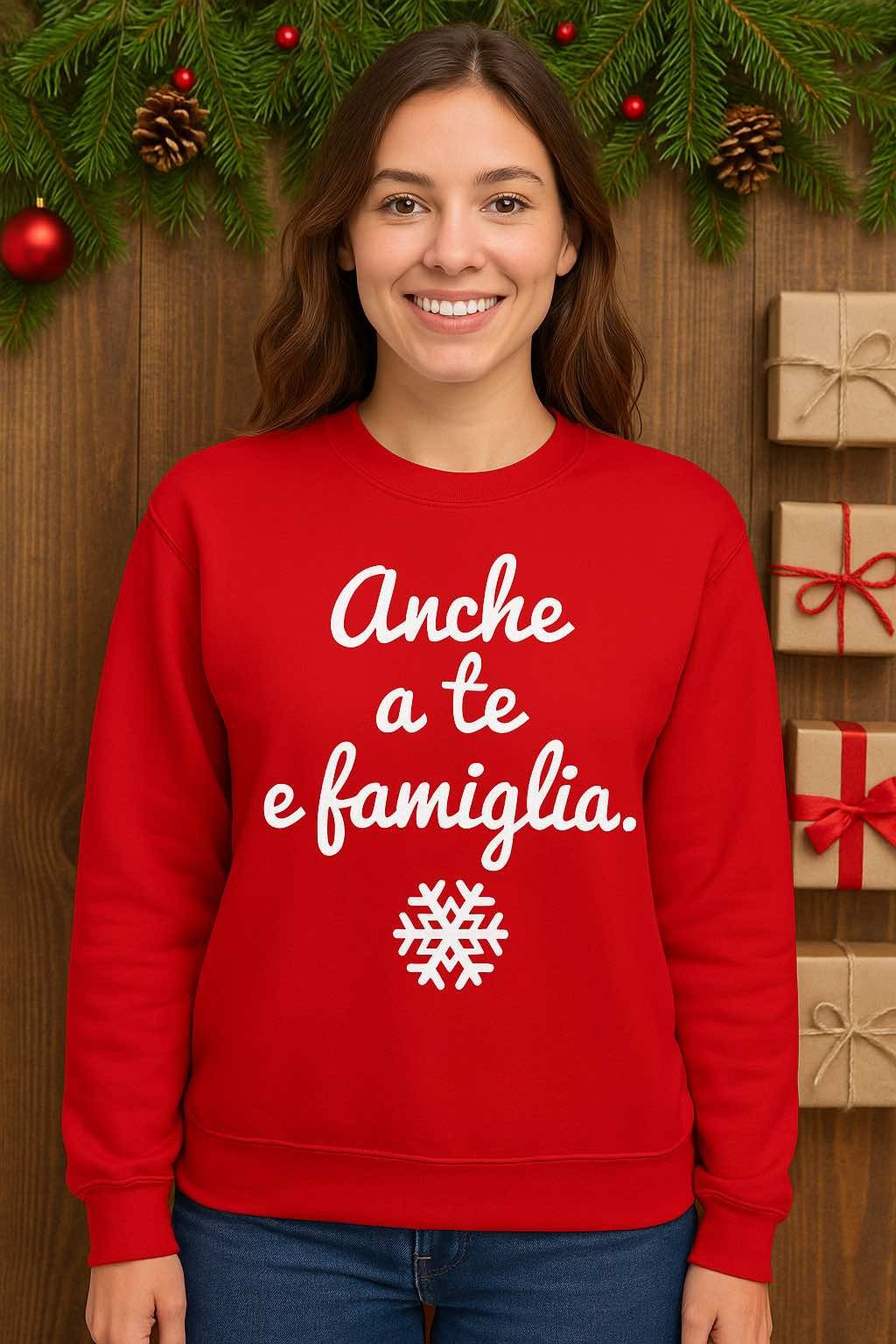 Neapolitan Hoodies: The Autumn 2026 Style GuideRead more
When the air turns crisp, in Naples people don't just reach for a hoodie: they reach for a piece of identity. Here's...
-
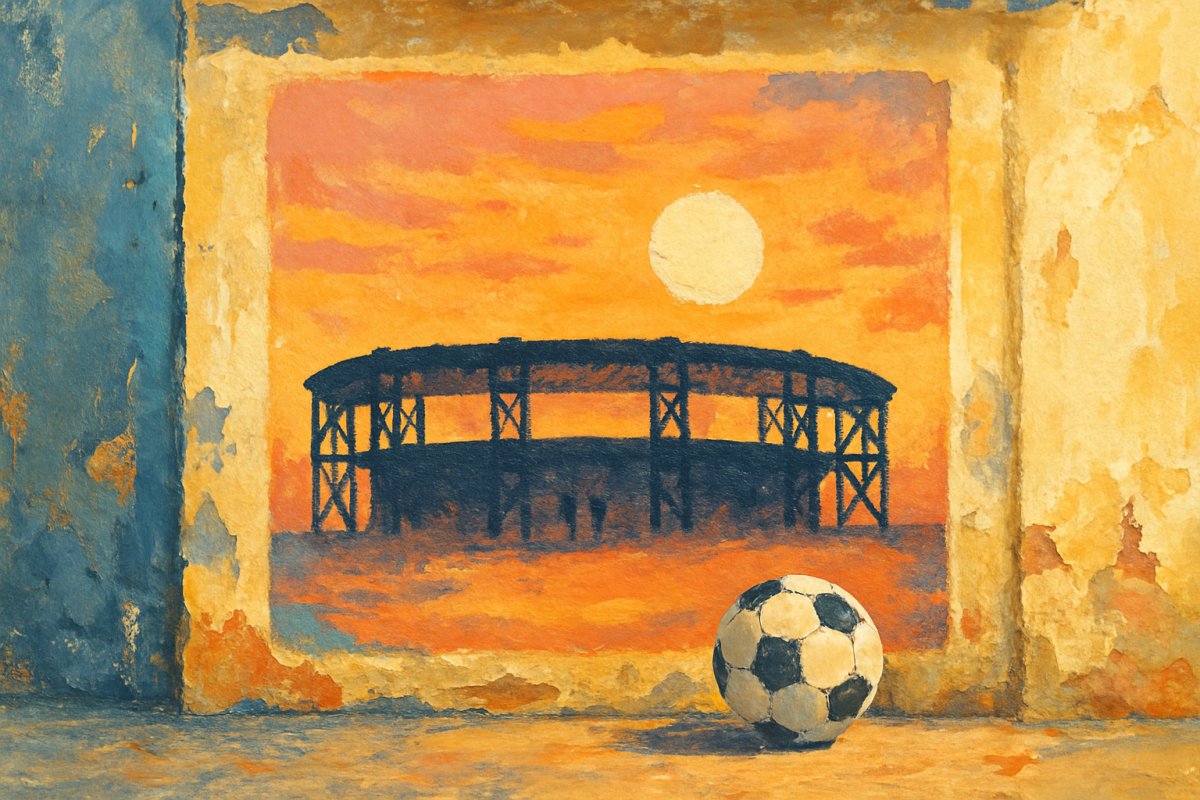 Maradona Stadium: City Council allocates €50 million for Euro 2032Read more
The City Council has allocated €50 million for the redevelopment of the Diego Armando Maradona stadium, ahead of...
-
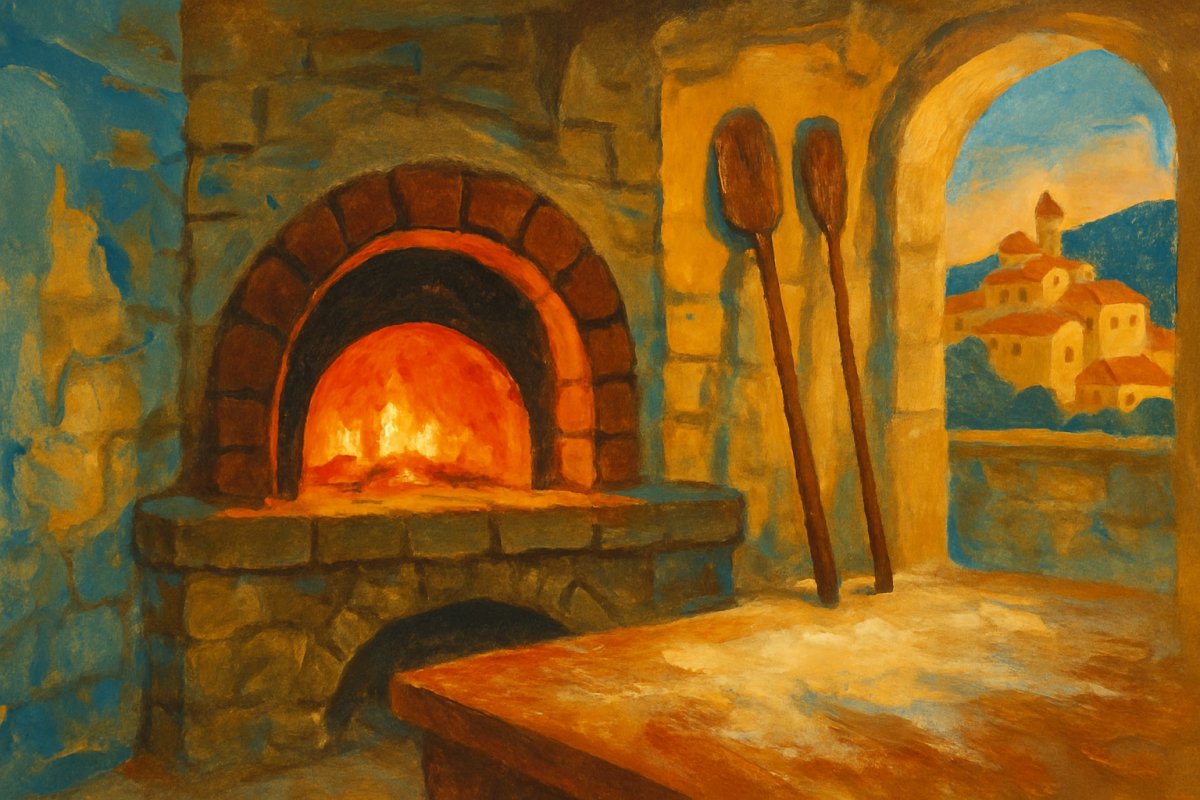 Pizza Maxima 2026: Franco Pepe Is Once Again Best Pizzeria in ItalyRead more
At the fifth edition of Pizza Maxima, the Oscars of Italian pizza, Franco Pepe confirms his title as Best Pizzeria in...
-
 ‘L’acqua è poca e ‘a papera nun galleggia’: what it meansRead more
When the means are few, so is the result. Let's discover the most realistic Neapolitan saying there is.
-
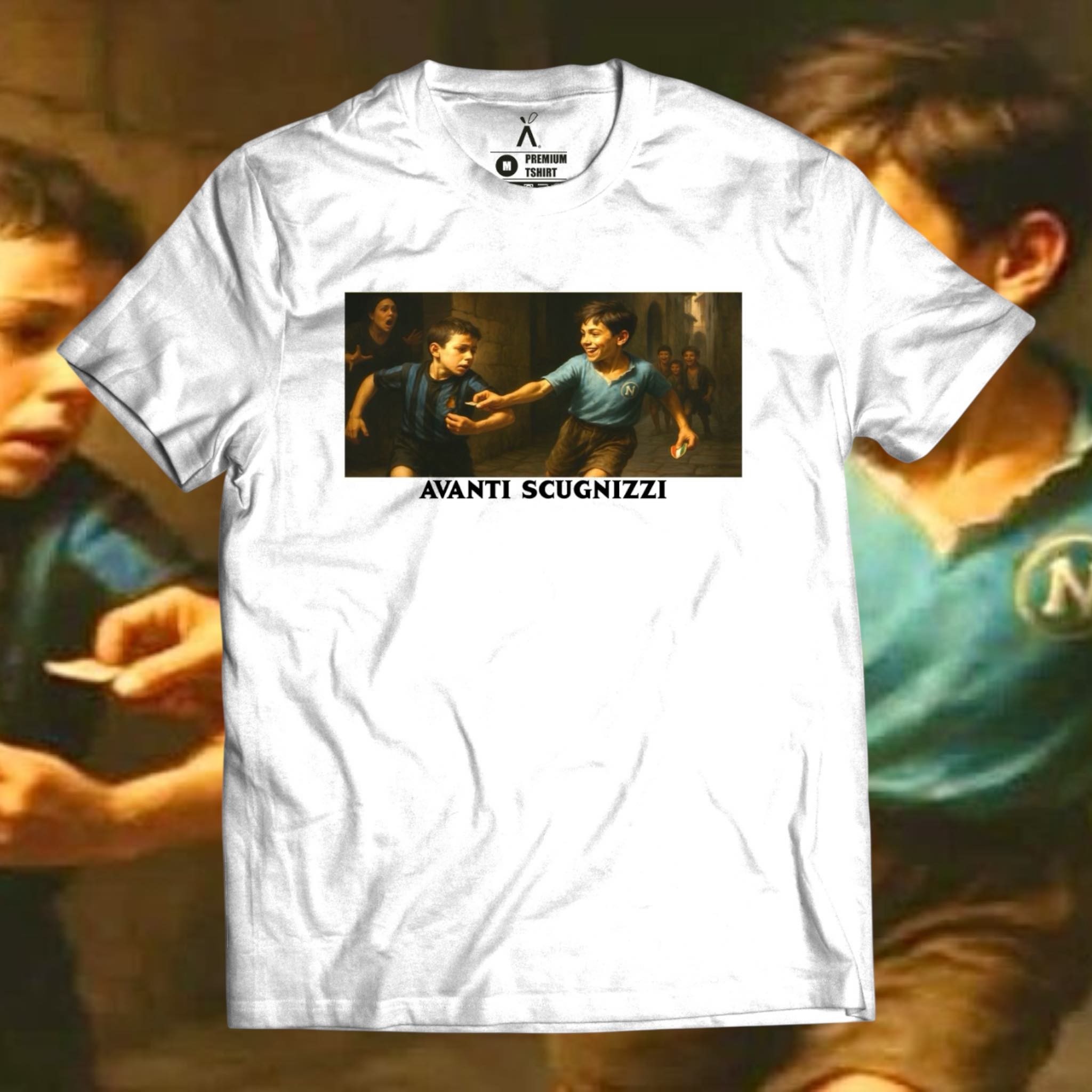 Avanti Scugnizzi: the story of the year's most loved T-shirtRead more
One word, ‘scugnizzo’ (Neapolitan street kid), and it holds the whole of Naples inside it. We tell you how the year's...
-
 'Chi chiagne fotte a chi ride': what it means and why it's truer than everRead more
At the market, at the counter, in the family: there's always someone who complains and gets more. It's the sharp...
-
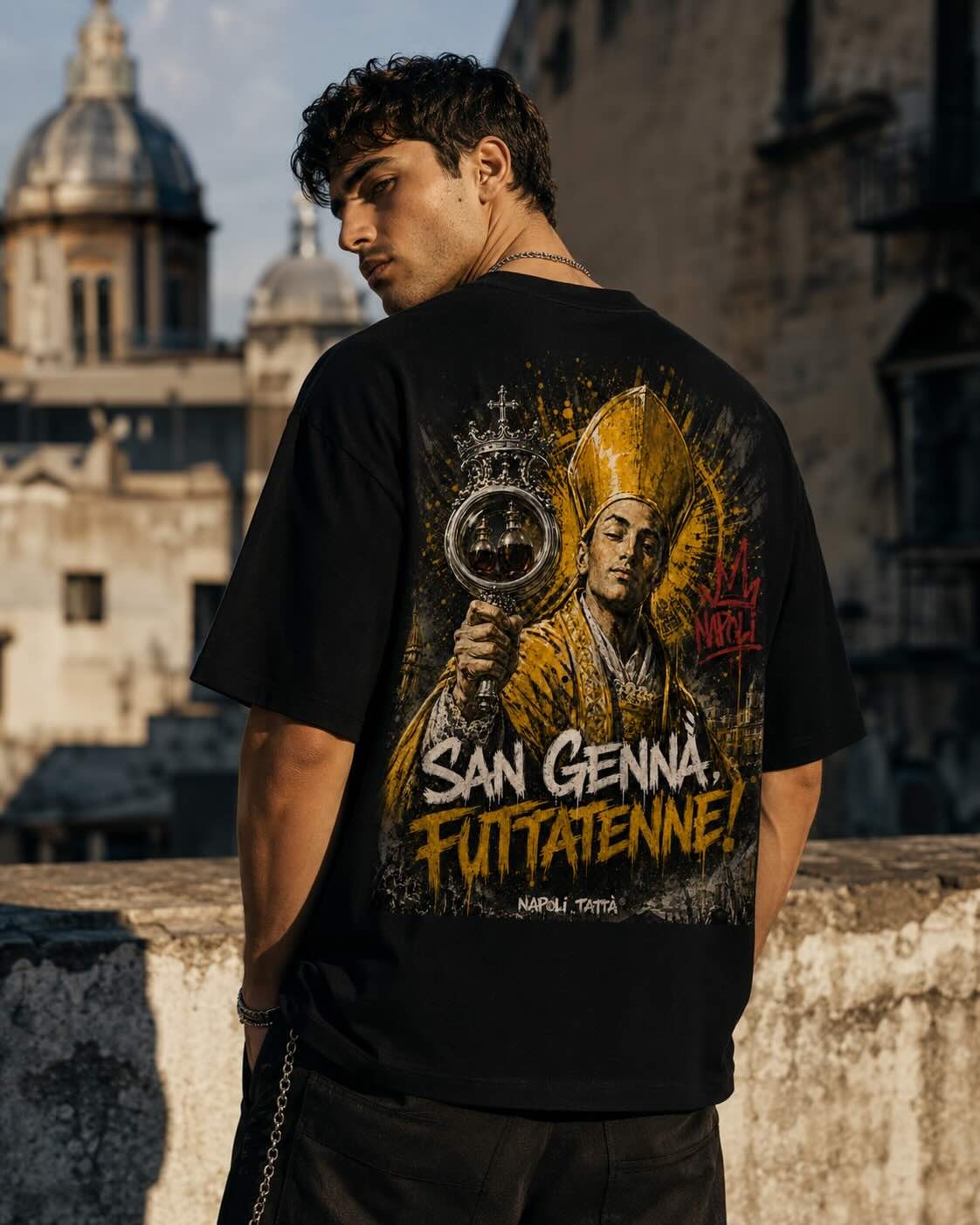 San Gennà, futtatenne! (Saint Januarius, don't worry about it!) San Gennaro, 19 September and the patron saint's t-shirtRead more
Who San Gennaro was, the miracle of the blood that liquefies, and the feast on 19 September. Plus that close,...
Blog categories
Search in blog
Archived posts
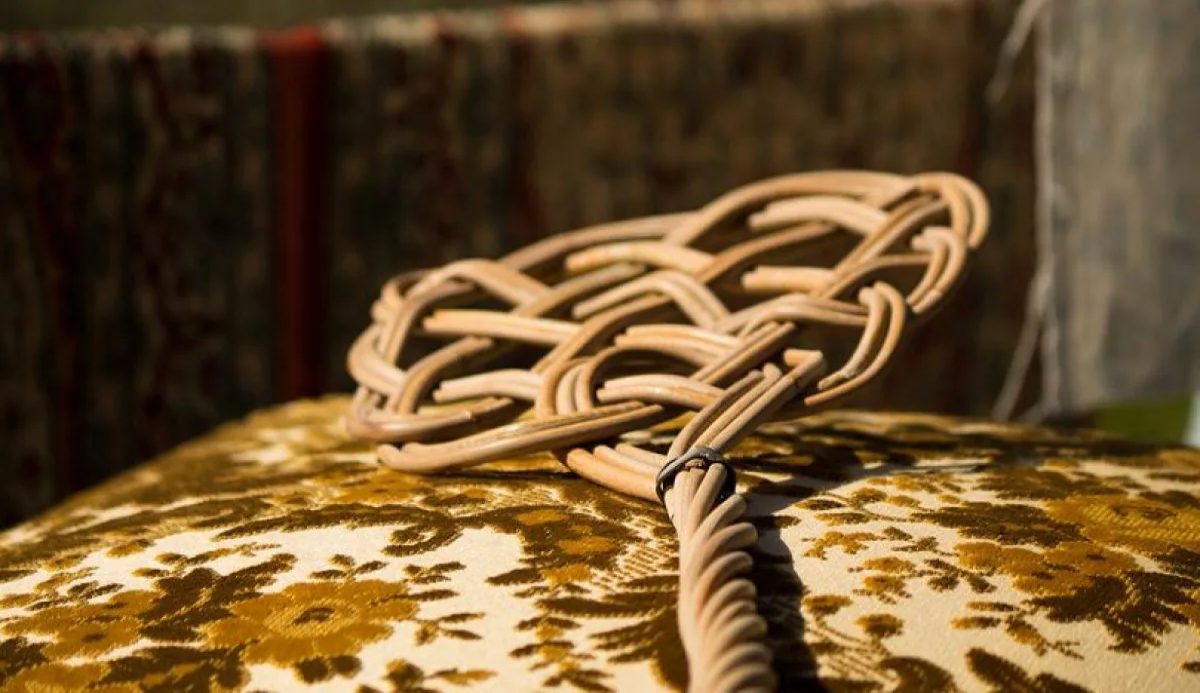
Mazze e panelle fanno 'e figli belli (Sticks and bread rolls make for good children)
The Neapolitan proverb "panell' senza mazz fann e' figl pazz" (bread rolls without the stick make for spoilt children) has been passed down through generations. This message is well known to many people, not only within Italy's borders, and, surprisingly, has very ancient origins, dating back to the Old Testament. This shows how proverbs are keepers of wisdom passed down from generation to generation.
The famous proverb "mazze e panelle fanne 'e figli belli" (sticks and bread rolls make for good children) represents the perfect blend of popular wisdom and experience, able to express a universal truth through metaphors and wordplay. This maxim, translated and shared in many dialects, is a fine example of how proverbs embody collective wisdom. But where does this famous saying come from? It is thought to be very ancient, perhaps even dating back to the Old Testament.
Indeed, popular proverbs embody an intrinsic truth, expressed in simple, direct language that is, in fact, rich in nuance and semantic-rhetorical layers. Popular sayings are the encyclopaedia of our values, an ever-ready and direct answer to the uncertainties of everyday life. In the case of the "mazze e panelle" proverb, the truth is clear: raising a child well is a complex practice that requires love and affection, but which must never do without the right dose of firmness.
The Neapolitan saying "mazz'e panell' senza mazz fann'e' figl' 'e pazz" (bread rolls without the stick make for foolish children) makes it clear that indulgence and permissiveness cannot be a parent's prerogative, in a world that requires us to be prepared to face life's hardships and pitfalls too. Getting children used, from an early age, to accepting not only rewards but also punishments is essential for raising them properly.
The wisdom of the famous Neapolitan proverb "mazze e panelle fanne 'e figli belli" is not only the heritage of the Neapolitan people. Variants of this saying can also be found in other regions of central and southern Italy, which combine, through metaphor and symbolism, the firmness and discipline of the "mazza" (stick) with the love and cuddles of the "panelle" (bread rolls). It is therefore no surprise that English also has a version of the proverb, "spare the rod and spoil the child", which underlines the importance of not being too permissive with one's children. It is possible that the popular practice of this proverb, present in so many different cultures, is the most authentic testimony of a shared cultural root. Indeed, the Book of "Proverbs" in the Old Testament represents the origin of this maxim, which has been passed down through the Christian world to the present day.
Posted in:
Neapolitan Spirit
Related posts
-
Asso 'e mazze: meaning and history of the Neapolitan ace of clubs
The strongest card on the green table becomes, in Naples, the most elegant way to say who really calls the shots....Read more
-
Michelina Di Cesare, the brigantessa who defied a kingdom
Born poor in Terra di Lavoro, Michelina Di Cesare chose the maquis and the rifle against a newly united Italy. A...Read more
-
‘L’acqua è poca e ‘a papera nun galleggia’: what it means
When the means are few, so is the result. Let's discover the most realistic Neapolitan saying there is.Read more
-
'Chi chiagne fotte a chi ride': what it means and why it's truer than ever
At the market, at the counter, in the family: there's always someone who complains and gets more. It's the sharp...Read more
-
San Gennà, futtatenne! (Saint Januarius, don't worry about it!) San Gennaro, 19 September and the patron saint's t-shirt
Who San Gennaro was, the miracle of the blood that liquefies, and the feast on 19 September. Plus that close,...Read more
Leave a comment