



In Naples, a graduation is never a private affair: it's a neighbourhood celebration. Here's how to choose an original...
Latest posts
-
 Original Neapolitan graduation gift: ideas for the graduate (him and her)Read more
-
 Asso 'e mazze: meaning and history of the Neapolitan ace of clubsRead more
The strongest card on the green table becomes, in Naples, the most elegant way to say who really calls the shots....
-
 Michelina Di Cesare, the brigantessa who defied a kingdomRead more
Born poor in Terra di Lavoro, Michelina Di Cesare chose the maquis and the rifle against a newly united Italy. A...
-
 Neapolitan Hoodies: The Autumn 2026 Style GuideRead more
When the air turns crisp, in Naples people don't just reach for a hoodie: they reach for a piece of identity. Here's...
-
 Maradona Stadium: City Council allocates €50 million for Euro 2032Read more
The City Council has allocated €50 million for the redevelopment of the Diego Armando Maradona stadium, ahead of...
-
 Pizza Maxima 2026: Franco Pepe Is Once Again Best Pizzeria in ItalyRead more
At the fifth edition of Pizza Maxima, the Oscars of Italian pizza, Franco Pepe confirms his title as Best Pizzeria in...
-
 ‘L’acqua è poca e ‘a papera nun galleggia’: what it meansRead more
When the means are few, so is the result. Let's discover the most realistic Neapolitan saying there is.
-
 Avanti Scugnizzi: the story of the year's most loved T-shirtRead more
One word, ‘scugnizzo’ (Neapolitan street kid), and it holds the whole of Naples inside it. We tell you how the year's...
-
 'Chi chiagne fotte a chi ride': what it means and why it's truer than everRead more
At the market, at the counter, in the family: there's always someone who complains and gets more. It's the sharp...
-
 San Gennà, futtatenne! (Saint Januarius, don't worry about it!) San Gennaro, 19 September and the patron saint's t-shirtRead more
Who San Gennaro was, the miracle of the blood that liquefies, and the feast on 19 September. Plus that close,...
Blog categories
Search in blog
Archived posts
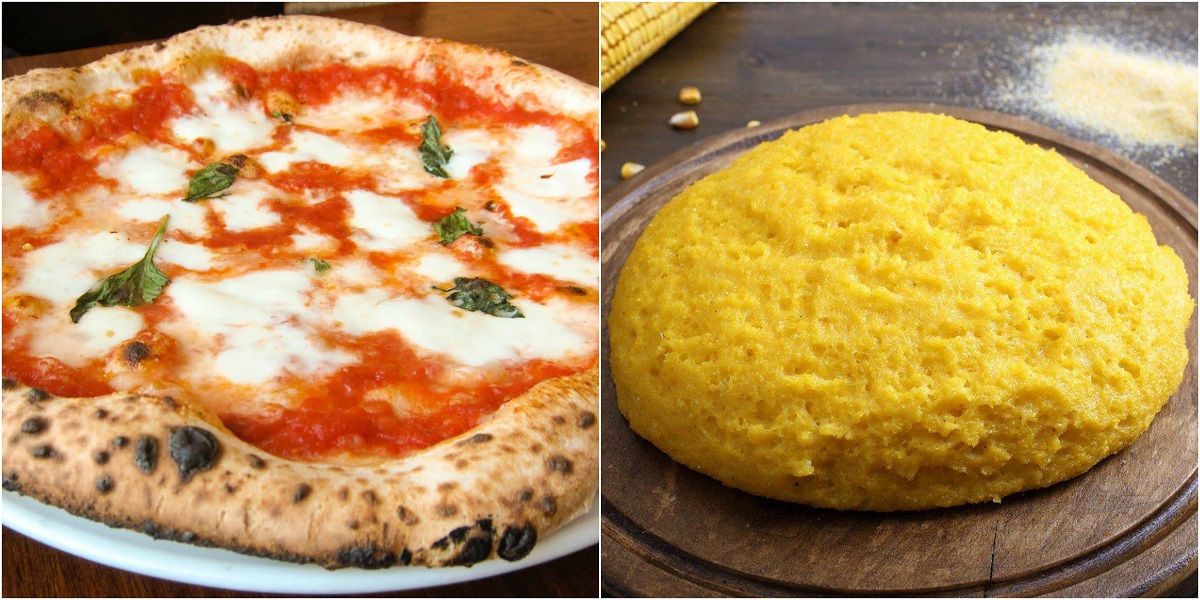
Pizza VS Polenta
Every region, as we know, has its own typical dishes, symbols of tradition, but two, in particular, have become synonymous, respectively, with Southern and Northern Italy: we're talking about pizza and polenta.
by Silvia Semonella
Pizza
Recently added by Unesco to the list of "World Heritage" traditions, together with the art of Neapolitan pizza-makers, pizza is known throughout the world and is the symbol of the South and, in particular, of the city of Naples. It consists of a dough, usually made from flour and water, which is rolled out and topped with tomato, mozzarella and other ingredients, then baked in a wood-fired oven.
The etymology of the name "pizza" is said, by some, to derive from pinsa (from the Neapolitan language), the past participle of the Latin verb pinsere, or from the verb "pansere" (meaning to pound, crush, press), which in turn is borrowed from pita (Mediterranean and Balkan), of Greek origin; according to this latter theory, the word would derive from Hebrew, Arabic and the Greek πίτα.
The origin of pizza is mysterious and, according to the earliest written records, the word was first used in the city of Gaeta, in 997.
Although it's now a product enjoyed almost all over the world, pizza is a dish originating from Neapolitan cuisine. The best-known variety is certainly the Margherita, topped with tomato, mozzarella (in the traditional recipe, not buffalo mozzarella but fior di latte) fresh basil, salt and oil.
Tradition has it that, in June 1889, to honour the Queen of Italy, Margherita di Savoia, the chef Raffaele Esposito of the Pizzeria Brandi invented a dish which he named precisely Pizza Margherita. Tomato, mozzarella and basil represented the same colours as the Italian flag. The philologist Emanuele Rocco, in the second volume of the book “Usi e costumi di Napoli e contorni descritti e dipinti” (Customs and traditions of Naples and its surroundings, described and illustrated) by Francesco De Bourcard, published in 1858, wrote about various topping combinations with different ingredients:
“Le pizze più ordinarie, dette coll'aglio e l'oglio, han per condimento l'olio, e sopra vi si sparge, oltre il sale, l'origano e spicchi d'aglio trinciati minutamente. Altre sono coperte di formaggio grattugiato e condite collo strutto, e allora vi si pone disopra qualche foglia di basilico. Alle prime spesso si aggiunge del pesce minuto; alle seconde delle sottili fette di mozzarella. Talora si fa uso di prosciutto affettato, di pomidoro (pomodoro), di arselle, ec. Talora ripiegando la pasta su se stessa se ne forma quel che chiamasi calzone.” (The most ordinary pizzas, called garlic and oil, are topped with oil, and sprinkled over with, besides salt, oregano and finely chopped garlic cloves. Others are covered with grated cheese and seasoned with lard, with a leaf or two of basil placed on top. To the first, small fish are often added; to the second, thin slices of mozzarella. Sometimes sliced ham is used, or tomatoes, or clams, etc. Sometimes the dough is folded over itself to form what is called a calzone.)
Polenta
Polenta, on the other hand, is an ancient dish of Italian origin made from cereal flour.
A dish fairly widespread throughout Italy, it was certainly, for a very long time, the staple food of people's diets in certain northern alpine, pre-alpine, lowland and Apennine areas of Lombardy, Veneto, Piedmont, Valle d'Aosta, Trentino, Emilia-Romagna, Tuscany, Umbria, Lazio, Marche and Friuli-Venezia Giulia. The term "polenta" derives from the Latin puls, a kind of spelt polenta (in Latin far, from which "farina", meaning flour, is also derived) which formed the basis of the diet of ancient Italic peoples. The Greeks, on the other hand, usually used barley.
All of this, of course, was before the arrival of maize, introduced into Europe after the discovery of America.
The most common variety in Europe is the so-called “yellow polenta”, made from maize, which is cooked in a large pot, in boiling water, stirred continuously for at least an hour.
Usually stone-ground, it is served covered with a cloth and there are several variants: polenta alla carbonara, made with maize flour, pork, bacon and grated cheese, typical of the Marche region, polenta taragna, white polenta, made with flour from Biancoperla maize, which is, indeed, white in colour, polenta e osei (polenta with small birds), polenta cropa, polenta uncia, polenta e bruscitti, made with chopped meat, typical of the Varese area and upper Milan region, buckwheat polenta, frascatula and Sardinian polenta.
Polenta taragna is typical of Valtellina and Lecco, but also of the Brescia and Bergamo areas, and its name derives from the tarai (tarell), a long stick used to stir it inside the copper pot in which it is prepared. Made with a mixture of flours, including buckwheat flour, it therefore has a typically dark colour, unlike yellow polenta.
Polenta e osei, finally, is perhaps the best-known version. Typical of the Bergamo area, it is characterised by being served alongside birds commonly found in the local plains, such as pheasants. The variant with rabbit or braised and roasted meats is also very popular.
Posted in:
Neapolitan food
Related posts
-
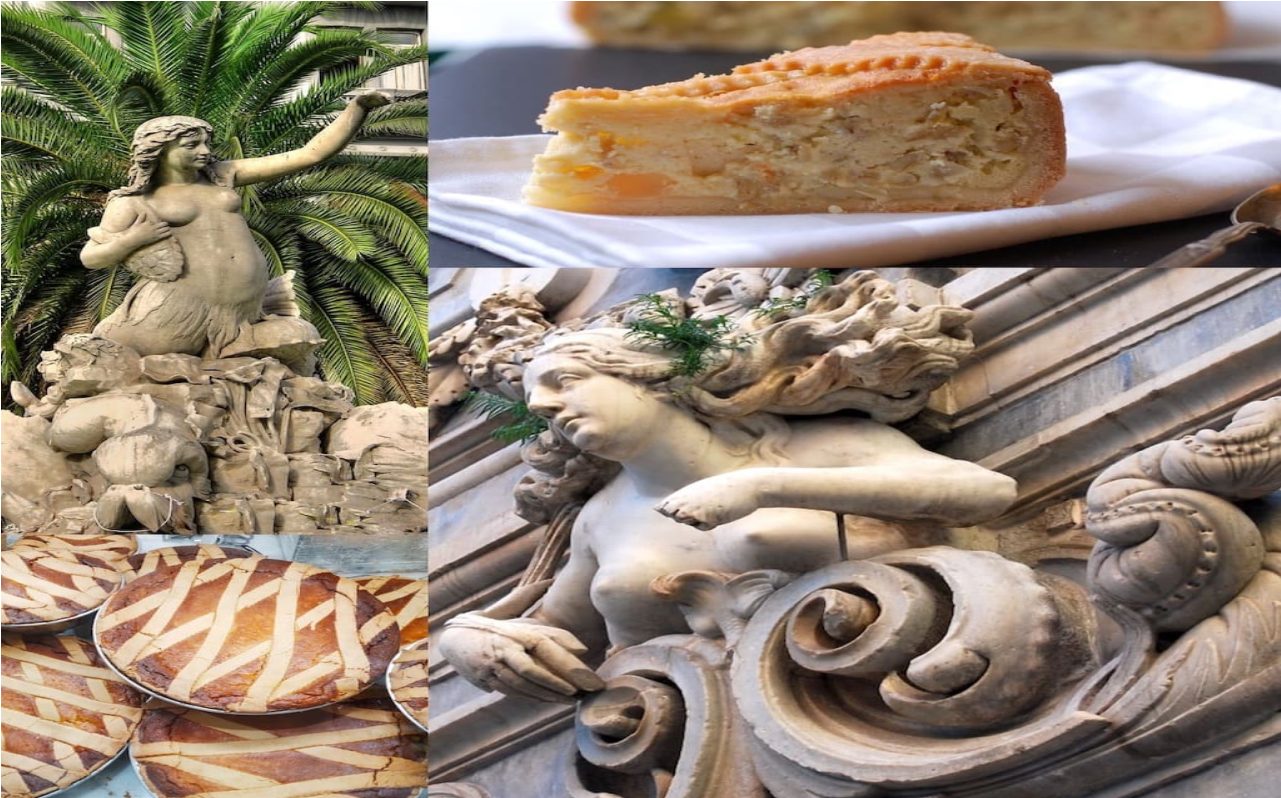 Pastiera Napoletana: Between History and Legend
The story of the Neapolitan pastiera has its roots in a fascinating tale that blends mythology and tradition.Read more
-
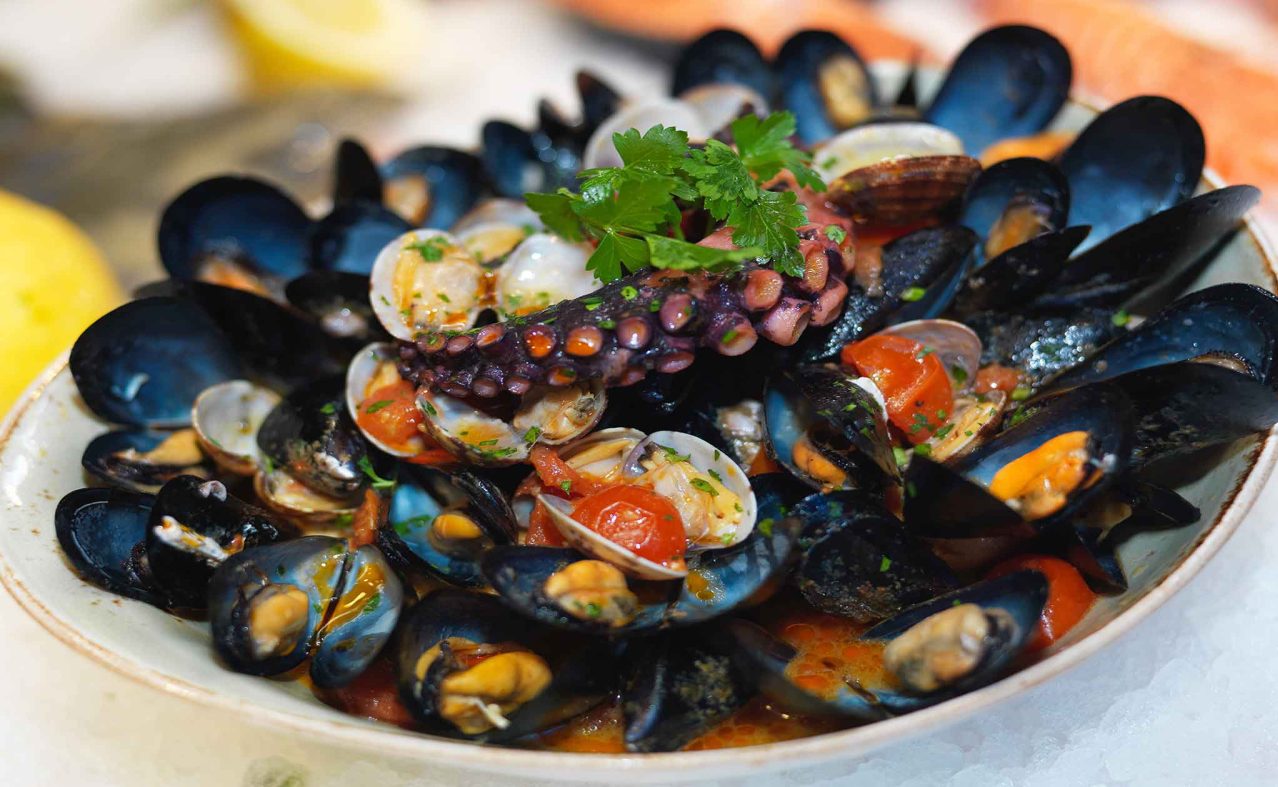 Mussel soup, a Holy Thursday tradition
Mussel soup on Holy Thursday: a dish with centuries-old tradition, impossible not to try.Read more
-
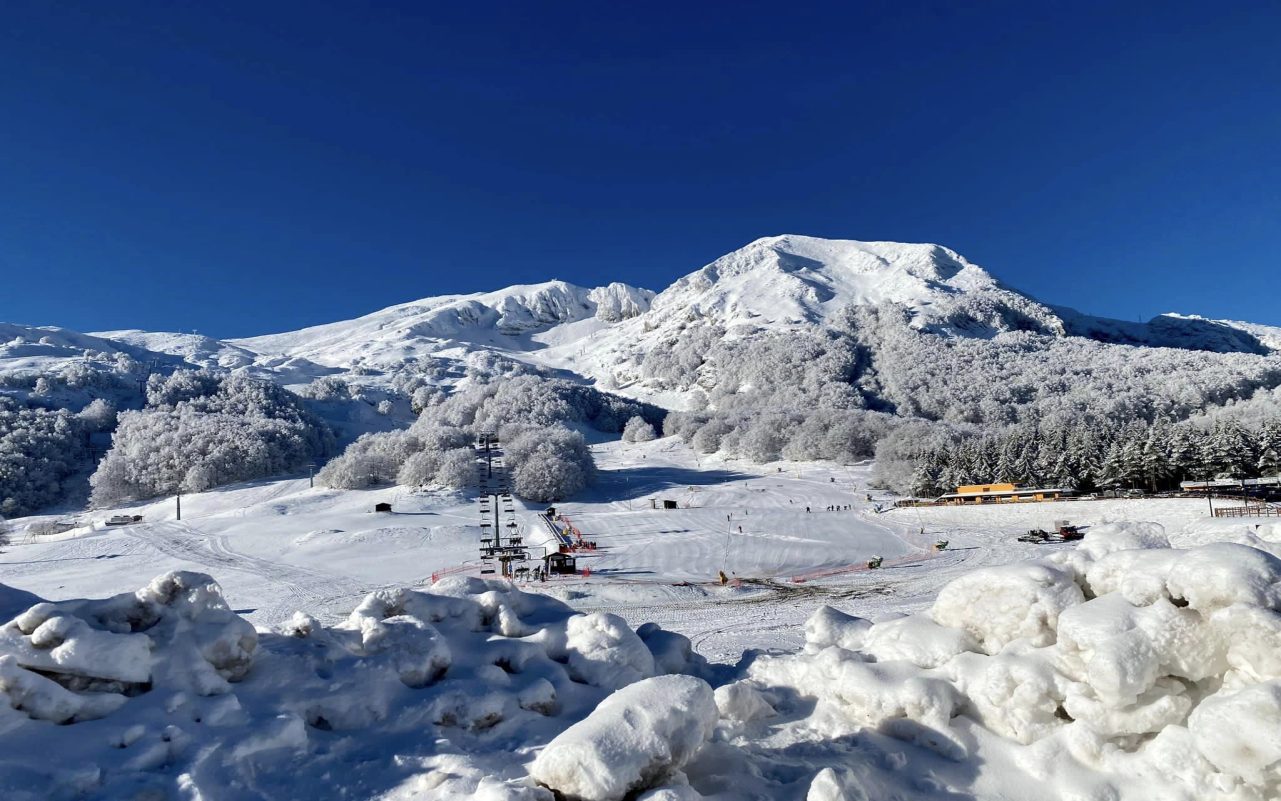 Places to eat from Campitello to Piedimonte
The culinary treasures found across the enchanting Matese territory, from Campitello to Piedimonte, are simply not to...Read more
-
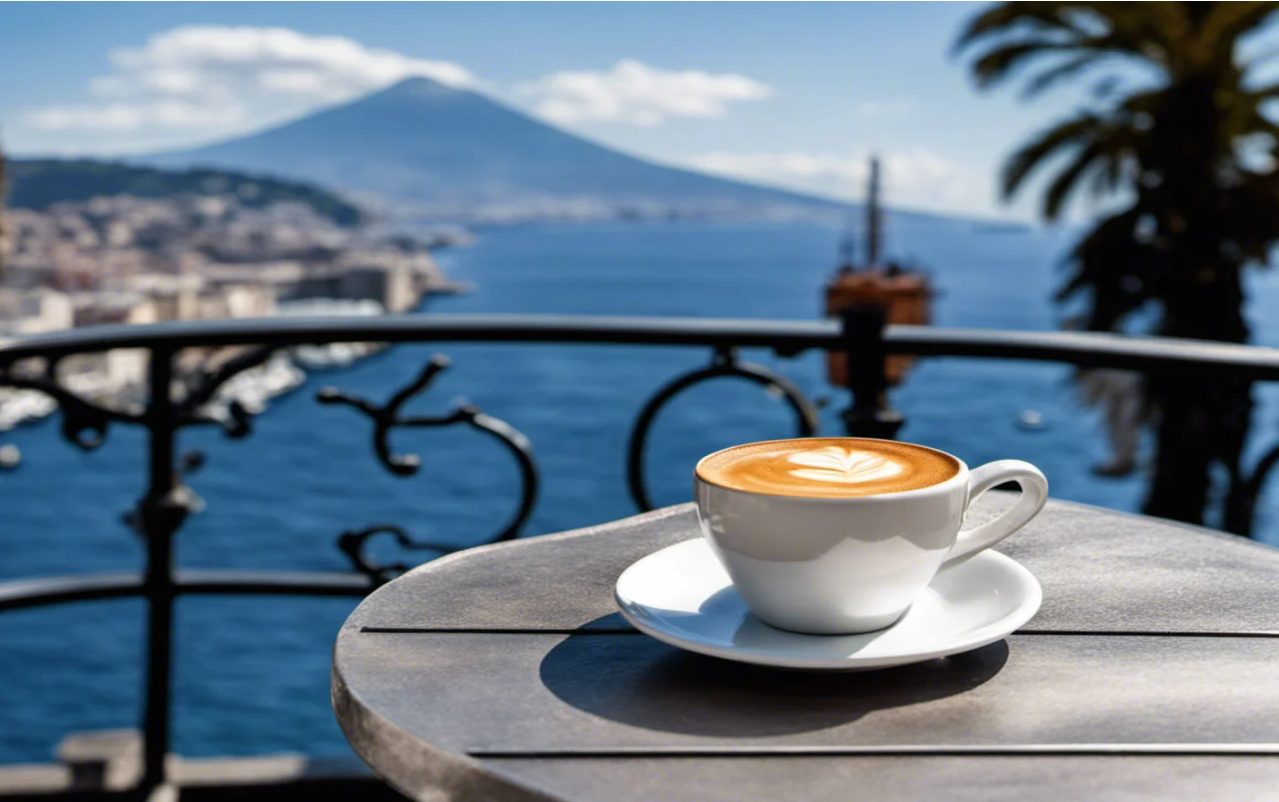 The best coffees in Naples
In Naples you'll find the bars that make the city's finest coffee, served hot, sweet, but not too sweet.Read more
-
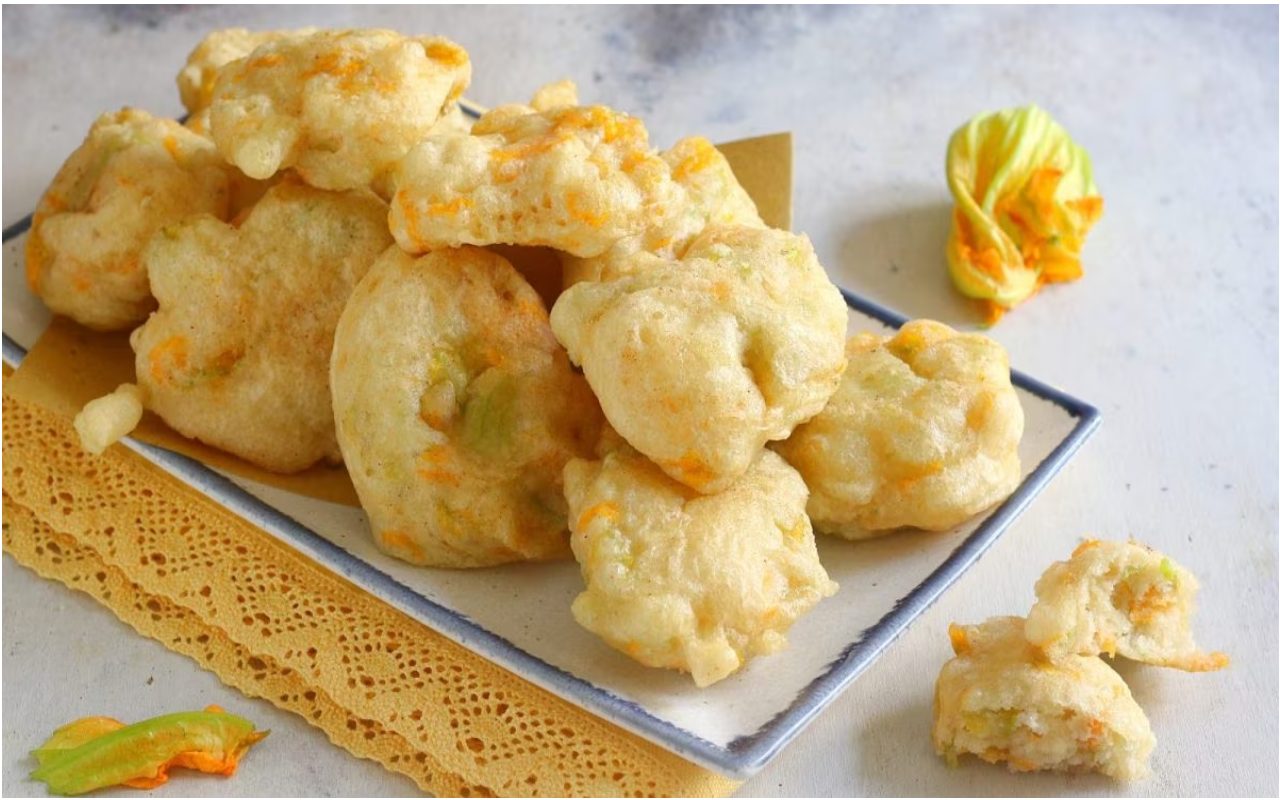 Courgette Flower Fritters (Frittelle di ciurilli)
Frittelle di sciurilli are a delicious, irresistible starter made from courgette (zucchini) flowers dipped in batter...Read more
Leave a comment