



A friend sees you tense and gives you a "Stai sciuoto!" (stay loose!) with a pat on the shoulder. In those two words...
Latest posts
-
 Stai sciuoto: the meaning and use of 'stay loose', and why we love it so muchRead more
-
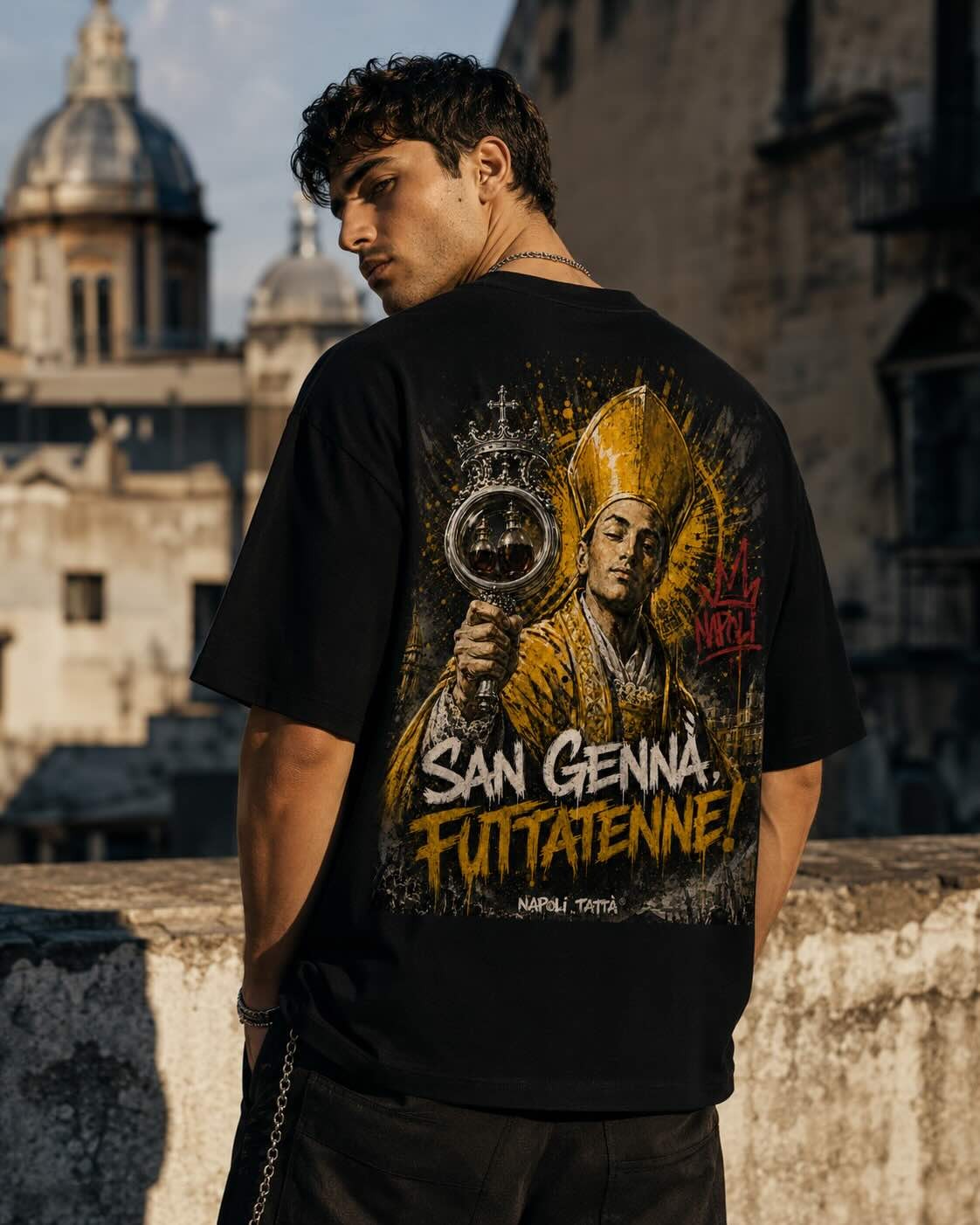 Neapolitan Christmas gifts: the definitive 2026 guideRead more
The longest guide of the year to get your gift right: ideas sorted by recipient and budget, with Neapolitan spirit...
-
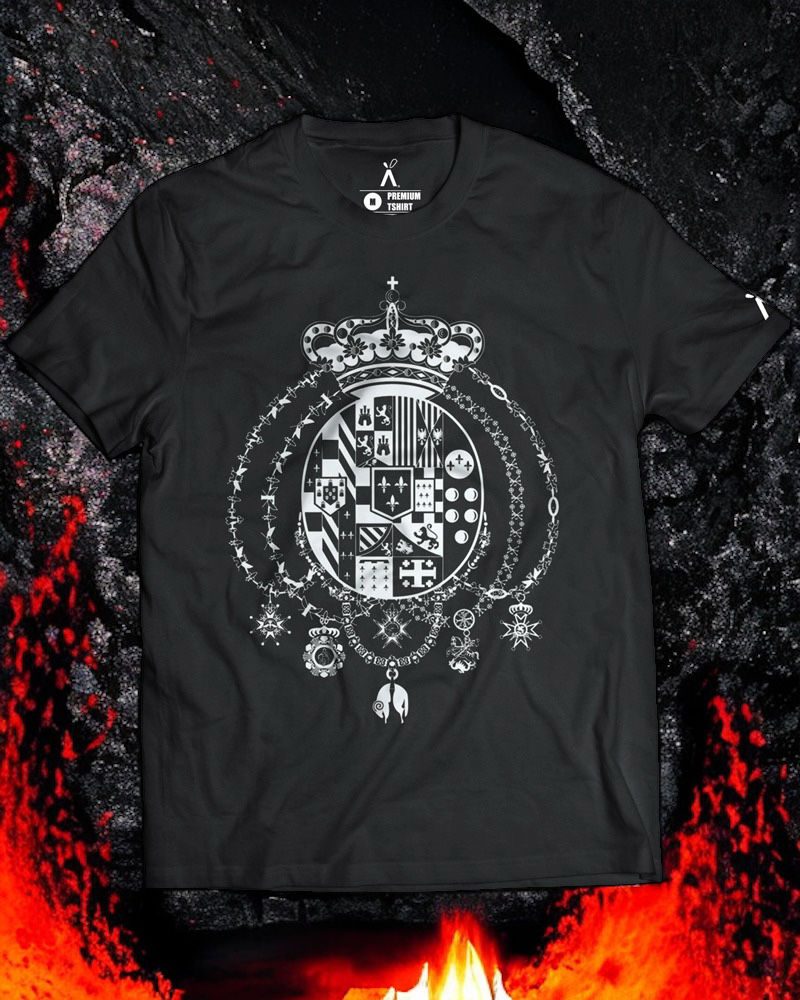 Regno delle Due Sicilie, the symbols: Elegant Borbonic and the Cavalluccio Rosso to wearRead more
Bourbon lilies and De Crescenzo's little red horse: the story of the symbols of the Regno delle Due Sicilie and of a...
-
 'O Munaciello: the legend, the mischief and the coins under the pillowRead more
There's a noise in the old house, an object that disappears and then reappears, a coin found on the floor. In Naples...
-
 How to choose your T-shirt size (and make it last): the Tattà® guideRead more
Sizes, fabrics and prints explained plainly, with the honesty of someone who really wears 'a maglietta' (Neapolitan...
-
 Original Neapolitan graduation gift: ideas for the graduate (him and her)Read more
In Naples, a graduation is never a private affair: it's a neighbourhood celebration. Here's how to choose an original...
-
 Asso 'e mazze: meaning and history of the Neapolitan ace of clubsRead more
The strongest card on the green table becomes, in Naples, the most elegant way to say who really calls the shots....
-
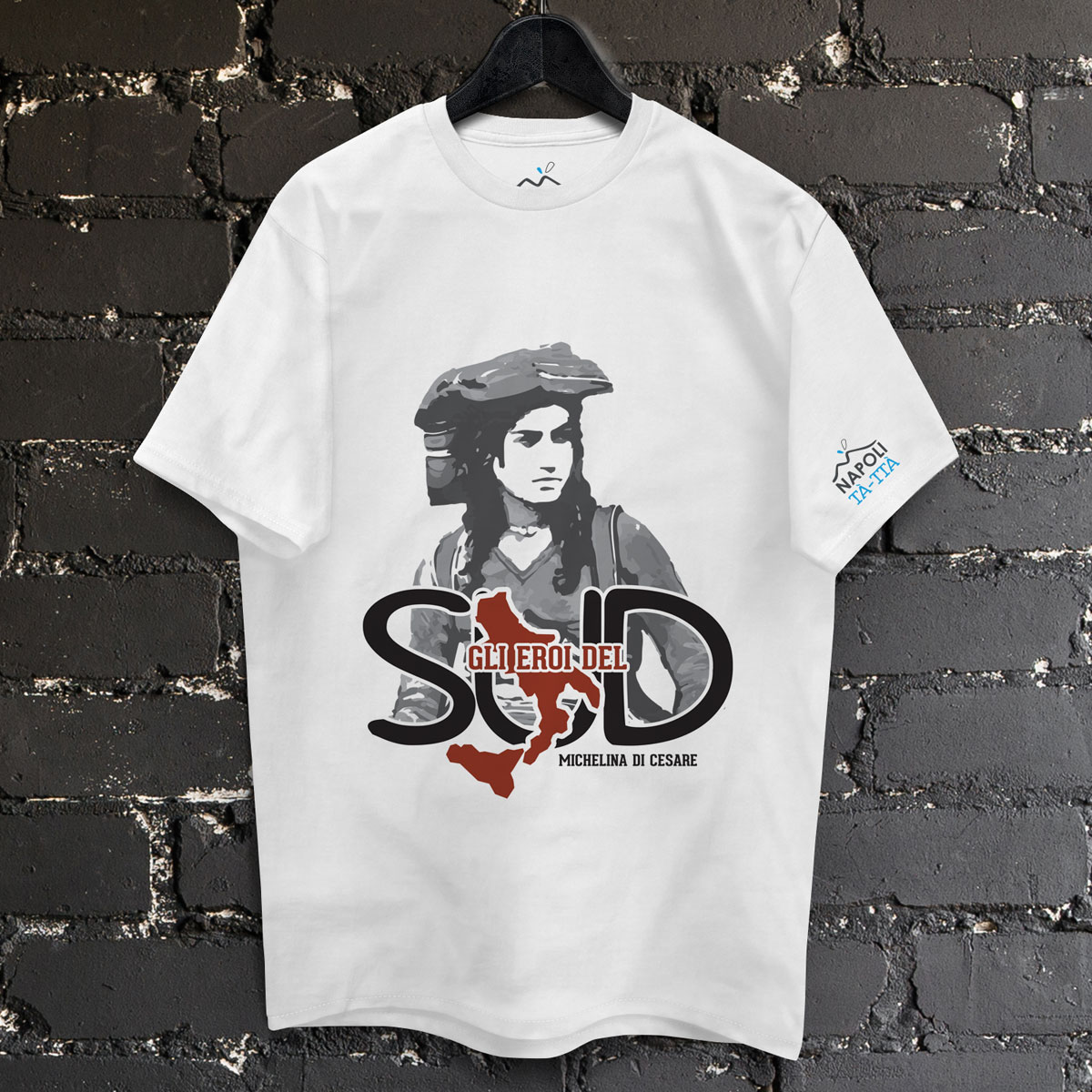 Michelina Di Cesare, the brigantessa who defied a kingdomRead more
Born poor in Terra di Lavoro, Michelina Di Cesare chose the maquis and the rifle against a newly united Italy. A...
-
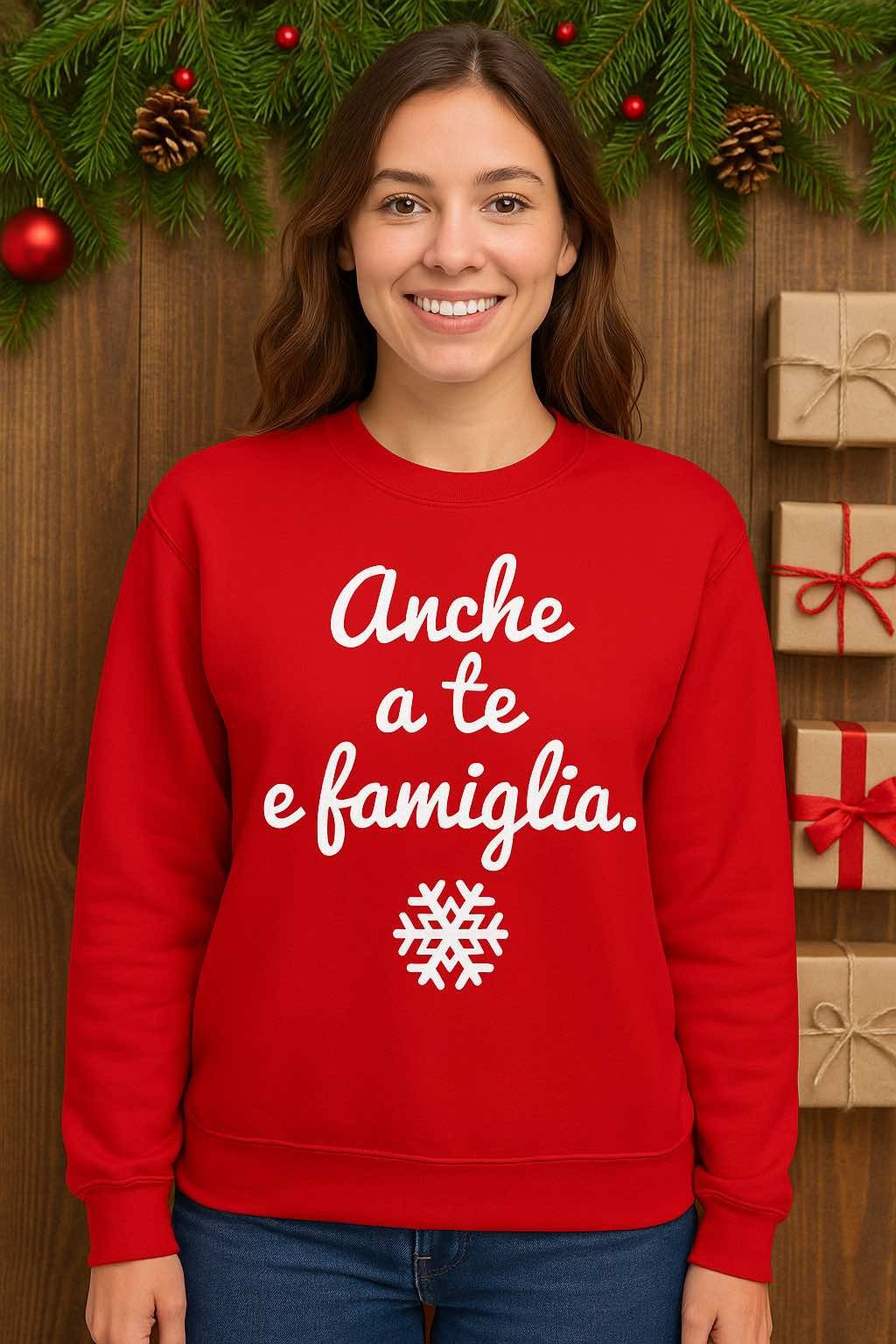 Neapolitan Hoodies: The Autumn 2026 Style GuideRead more
When the air turns crisp, in Naples people don't just reach for a hoodie: they reach for a piece of identity. Here's...
-
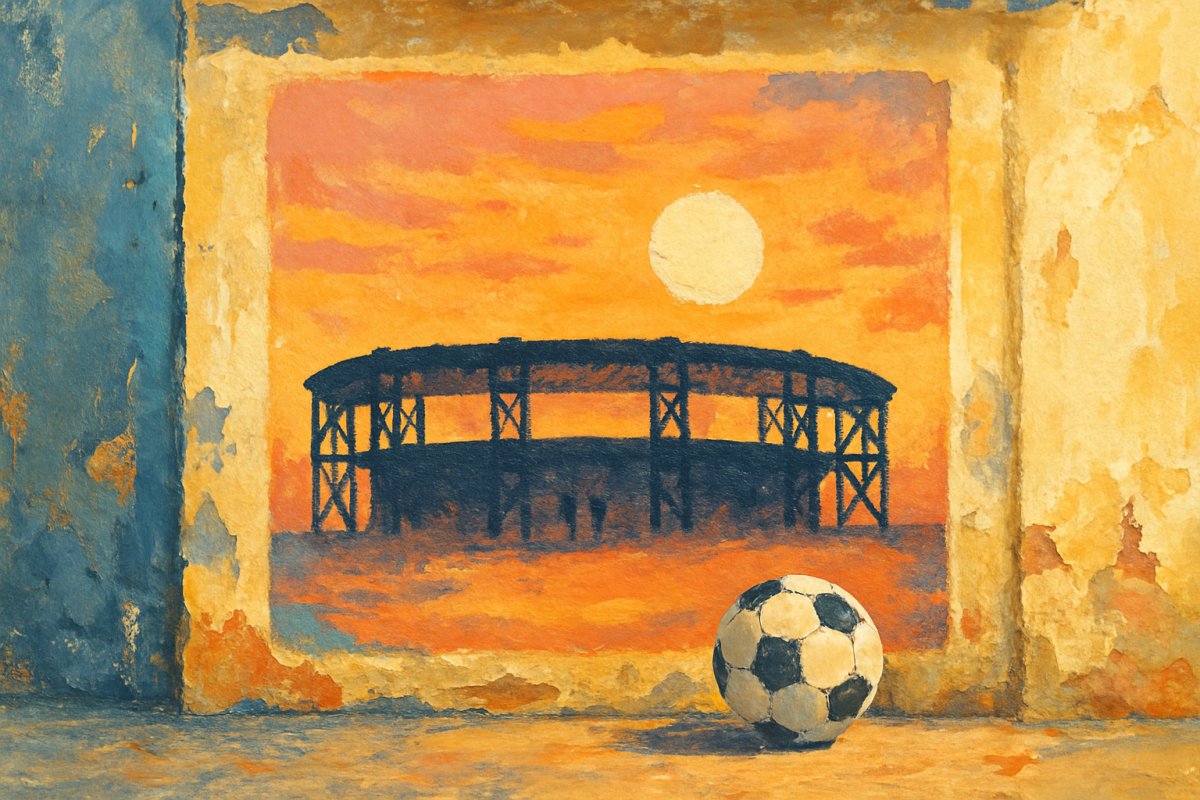 Maradona Stadium: City Council allocates €50 million for Euro 2032Read more
The City Council has allocated €50 million for the redevelopment of the Diego Armando Maradona stadium, ahead of...
Blog categories
Search in blog
Stai sciuoto: the meaning and use of 'stay loose', and why we love it so much
It's Friday evening, you've had a week you'd rather not even talk about, and a friend sees you with a drawn face. He doesn't ask you anything, doesn't lecture you: he looks at you, opens his arms and says "Stai sciuoto!" (stay loose!). And you, somehow, really do loosen up a little.
Stai sciolto meaning: what it means
"Stai sciuoto" (literally in Italian "stai sciolto", stay loose/untied) is the Neapolitan invitation to relax, not to let anxiety get the better of you, to shake off your worries. It's the affectionate equivalent of "take it easy", "don't worry", "let it go".
The key word is precisely sciuoto, meaning loose or untied: the image is that of a knot coming undone, of muscles and nerves that stop pulling tight. Someone who is "sciuoto" has no worries, walks lightly, takes life as it comes.
Almost always it's a sincere wish, a gesture of affection. But watch out for the nuances: said with the right tone, it can also become an ironic way of saying to someone "why are you getting all worked up?", when you see them fretting over nothing. It all depends on the eyes and the smile of whoever says it.
Where it comes from
The origin is fairly transparent and revolves entirely around the adjective sciuoto, meaning "loose" or "untied", from the Latin solutus (past participle of solvere, to loosen). It belongs to the same family of words that in Italian gives us "soluzione" (solution), "assolvere" (to absolve), "risolvere" (to resolve): after all, someone who is loose is someone who has resolved things, who has freed themselves from their bonds.
According to the most widespread theory, the expression is born precisely from this physical idea of loosening: from the knot coming undone we moved to tension melting away, from the body set free to the mind at peace. We don't have a precise date or a "first person" who invented it, and it's only fair to say so: like many Neapolitan greetings, it took shape in everyday speech rather than in books.
What is certain is that today "stai sciuoto" has become a small portable philosophy, a way of wishing lightness upon those you love.
How it's used
- Nun te preoccupà, stai sciuoto ca penz'io a tutte cose. (Don't worry, stay loose, I'll take care of everything.)
- Ce vedimm' dimane, e mi raccomando: stai sciuoto! (See you tomorrow, and mind you: stay loose!)
- Agge pazienza, stai sciuoto, ca 'a vita è una sola. (Have patience, take it easy, you only get one life.)
- — Marò, dimane tengo 'o colloquio e sto nu poco acito. — E che vuó fà? Stai sciuoto, vedrai ca va tutto buono. (— Goodness, tomorrow I have the interview and I'm a bit on edge. — What can you do? Stay loose, you'll see it'll all go fine.)
- Chillo tene 'a capa sempe serena: stai sempe sciuoto isso. (That one always keeps a calm head: he's always loose.)
Why we put it on a T-shirt
Naples, today as ever, is a city that runs and then stops, that gets worked up and then teaches you to breathe. "Stai sciuoto" is the reminder we carry with us when traffic, deadlines and a thousand worries try to tighten the knot in our throat.
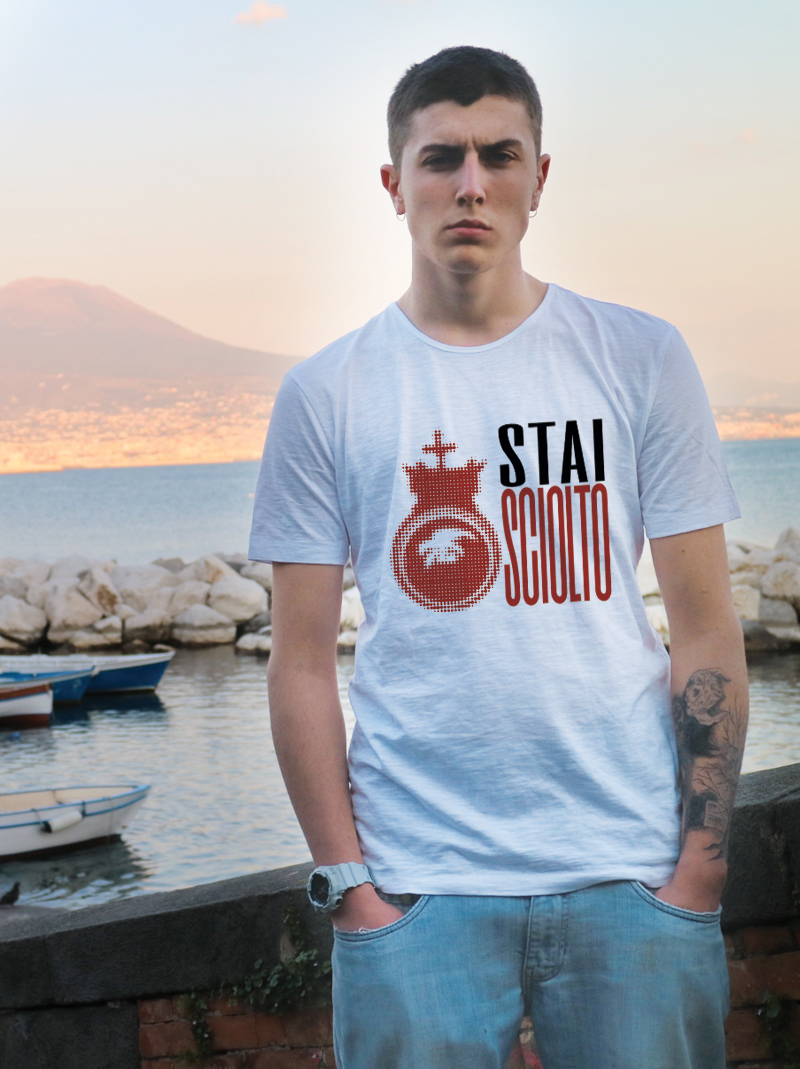
That's why we wanted it on a Stai Sciolto unisex T-shirt: a T-shirt you put on in the morning that's already a wish, for you and for whoever you cross paths with on the street. You read it in the mirror and remember to drop your shoulders; a friend sees it and instantly understands what kind of day you're wishing them.
We design our products with love, and the words we choose are the ones we really say, the ones a Neapolitan uses with true friends. "Stai sciuoto" is exactly that: not a postcard phrase, but a caress in two words.
If you enjoyed this bit of lightness, take a look at the other Neapolitan and dialect T-shirts we've put together. And remember: whatever happens, you stay loose.
Posted in:
Neapolitan Spirit
Related posts
-
Regno delle Due Sicilie, the symbols: Elegant Borbonic and the Cavalluccio Rosso to wear
Bourbon lilies and De Crescenzo's little red horse: the story of the symbols of the Regno delle Due Sicilie and of a...Read more
-
'O Munaciello: the legend, the mischief and the coins under the pillow
There's a noise in the old house, an object that disappears and then reappears, a coin found on the floor. In Naples...Read more
-
Asso 'e mazze: meaning and history of the Neapolitan ace of clubs
The strongest card on the green table becomes, in Naples, the most elegant way to say who really calls the shots....Read more
-
Michelina Di Cesare, the brigantessa who defied a kingdom
Born poor in Terra di Lavoro, Michelina Di Cesare chose the maquis and the rifle against a newly united Italy. A...Read more
-
 ‘L’acqua è poca e ‘a papera nun galleggia’: what it means
When the means are few, so is the result. Let's discover the most realistic Neapolitan saying there is.Read more
Leave a comment