



There's a noise in the old house, an object that disappears and then reappears, a coin found on the floor. In Naples...
Latest posts
-
 'O Munaciello: the legend, the mischief and the coins under the pillowRead more
-
 How to choose your T-shirt size (and make it last): the Tattà® guideRead more
Sizes, fabrics and prints explained plainly, with the honesty of someone who really wears 'a maglietta' (Neapolitan...
-
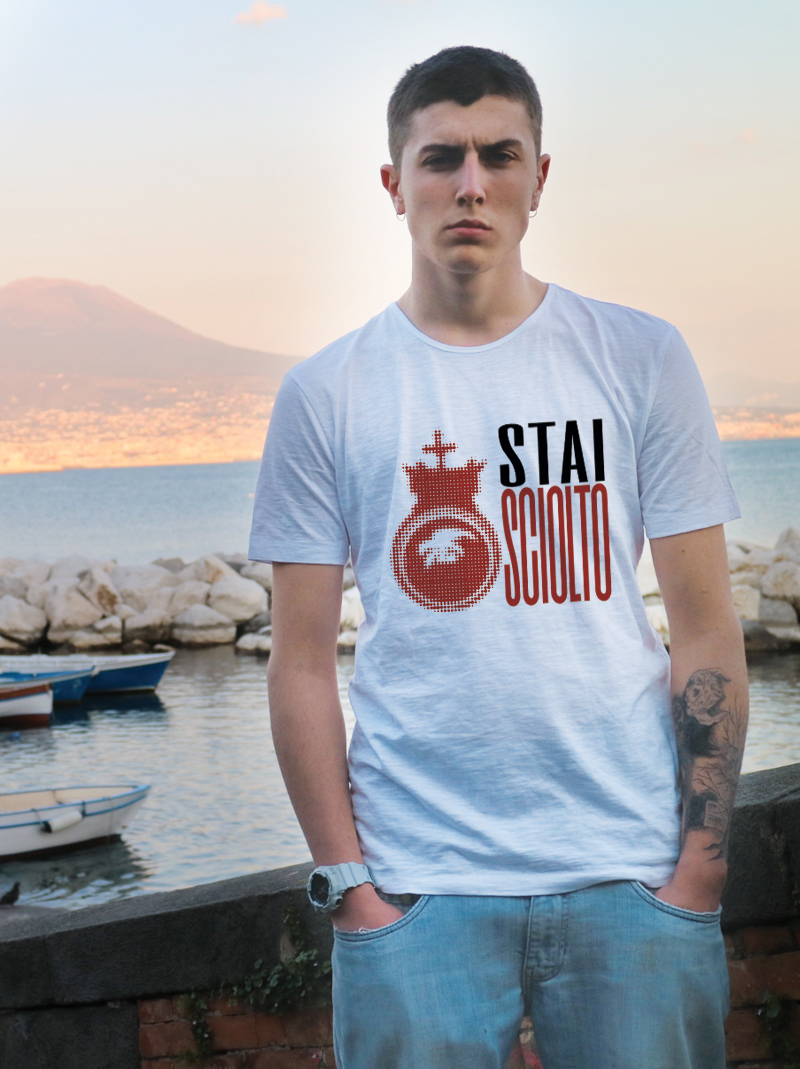 Original Neapolitan graduation gift: ideas for the graduate (him and her)Read more
In Naples, a graduation is never a private affair: it's a neighbourhood celebration. Here's how to choose an original...
-
 Asso 'e mazze: meaning and history of the Neapolitan ace of clubsRead more
The strongest card on the green table becomes, in Naples, the most elegant way to say who really calls the shots....
-
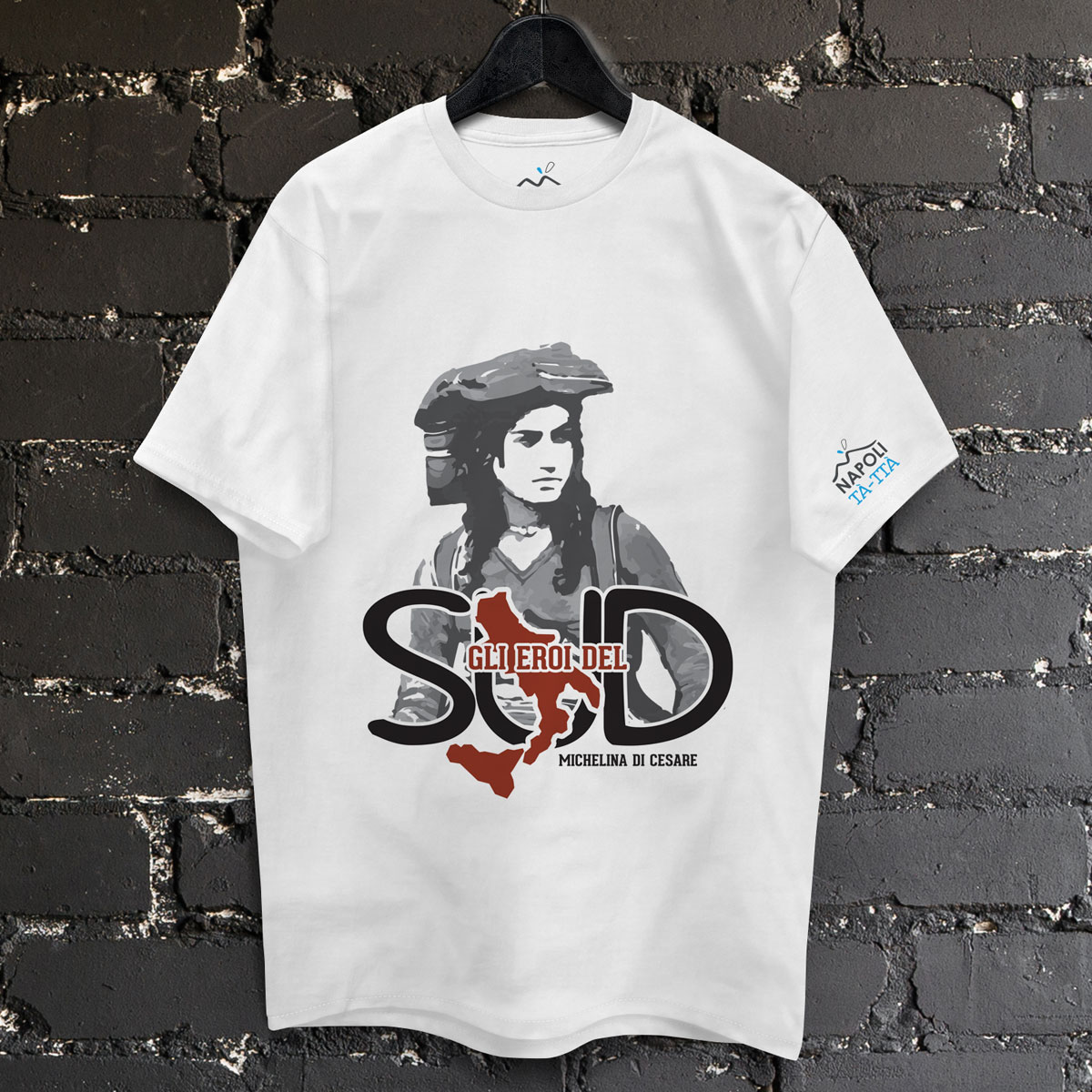 Michelina Di Cesare, the brigantessa who defied a kingdomRead more
Born poor in Terra di Lavoro, Michelina Di Cesare chose the maquis and the rifle against a newly united Italy. A...
-
 Neapolitan Hoodies: The Autumn 2026 Style GuideRead more
When the air turns crisp, in Naples people don't just reach for a hoodie: they reach for a piece of identity. Here's...
-
 Maradona Stadium: City Council allocates €50 million for Euro 2032Read more
The City Council has allocated €50 million for the redevelopment of the Diego Armando Maradona stadium, ahead of...
-
 Pizza Maxima 2026: Franco Pepe Is Once Again Best Pizzeria in ItalyRead more
At the fifth edition of Pizza Maxima, the Oscars of Italian pizza, Franco Pepe confirms his title as Best Pizzeria in...
-
 ‘L’acqua è poca e ‘a papera nun galleggia’: what it meansRead more
When the means are few, so is the result. Let's discover the most realistic Neapolitan saying there is.
-
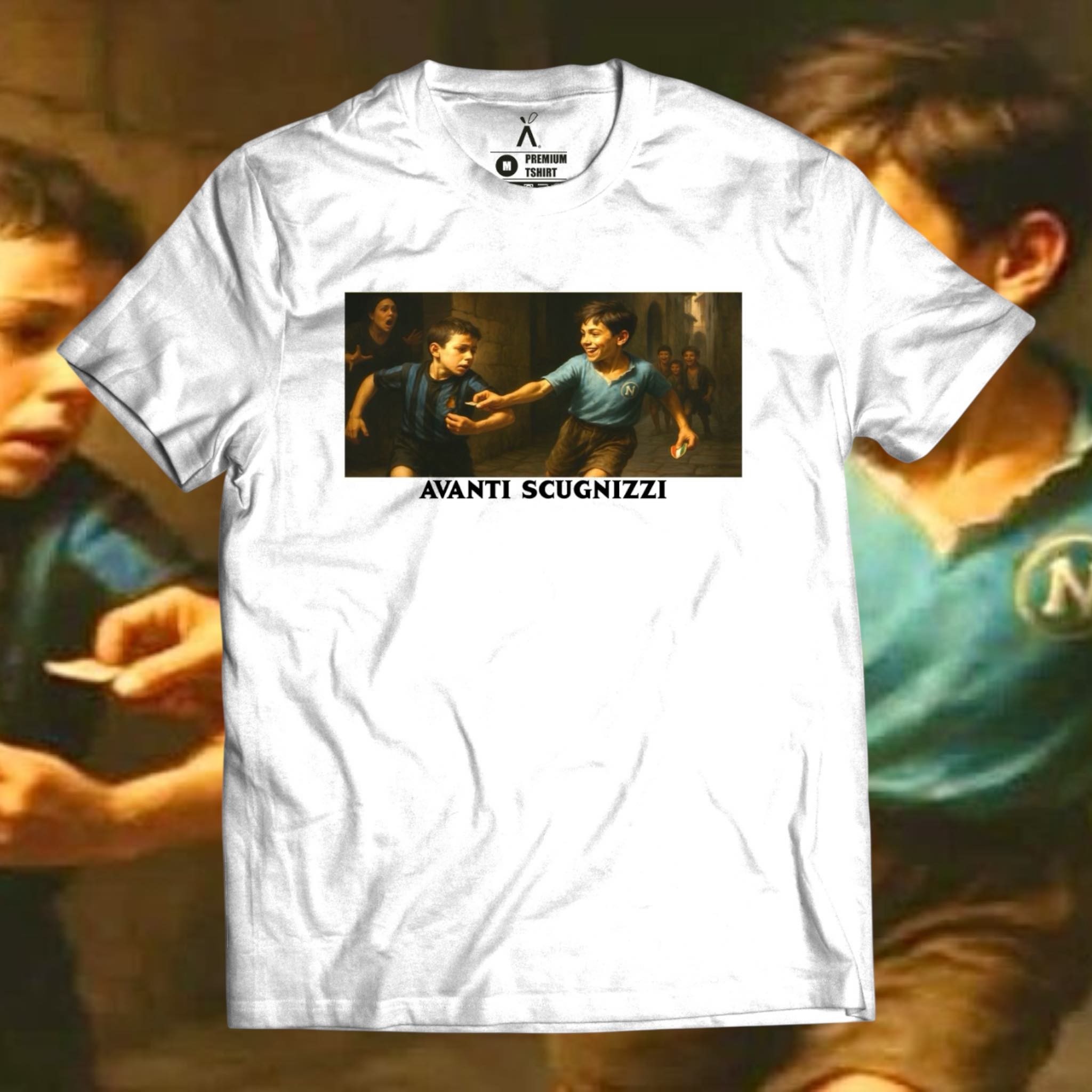 Avanti Scugnizzi: the story of the year's most loved T-shirtRead more
One word, ‘scugnizzo’ (Neapolitan street kid), and it holds the whole of Naples inside it. We tell you how the year's...
Blog categories
Search in blog
Archived posts
'O Munaciello: the legend, the mischief and the coins under the pillow
It's the dead of night in a building in the historic centre. You hear a light footstep in the corridor, a creaking door, the keys you haven't been able to find since yesterday. Grandma doesn't bat an eyelid: she looks up, smiles and says "è passato 'o Munaciello" (the little monk has been by). And from that moment on, dear reader, you'll never sleep quite the same again.
What it means
'O Munaciello is the little spirit of Naples's old buildings: a small being dressed like a monk, with a habit and shiny buckles, who lives in old houses and loves to play tricks. He hides objects, moves chairs, breathes on the necks of sleeping people, makes an earring vanish and puts it back three days later in the most obvious place.
But mind the nuances: the Munaciello isn't just mischievous. According to tradition, when he's in a good mood he leaves coins under the pillow or inside drawers, little gifts for those who treat him with respect. But if you offend him, or worse, boast about his gifts, he gets his revenge with trouble and misfortune. In short, it's a compliment to be "visited" by him with generosity; it's a whole different matter when he decides to make you pay.
Where it comes from
This is where things get fascinating, because the Munaciello legend has more than one root. The most widespread theory links the Munaciello to the pozzari (well-men), the men who lowered themselves into the wells and water tunnels beneath Naples to maintain the pipes. They were short in stature, agile, and to move about in the dark and damp they wore hoods and cloaks that resembled a friar's habit: hence the "monk-like" appearance.
According to this reconstruction, the pozzari knew the tunnels that connected the houses: they could climb up through the well openings inside homes and, secretly, take something or leave a small gift. This would explain the nighttime noises, the disappearances and the coins that appeared out of nowhere. Others tell a sadder story instead, about a deformed child who lived in a monastery and later became a figure of both fortune and misfortune. Let's be honest: the origin is debated and intertwined with centuries of oral storytelling, so rather than a precise date, we have many voices chasing each other through the alleyways.
How it's used
The Munaciello still lives on in everyday speech, often used to explain the inexplicable:
- "Addó stanno 'e chiave? Mo s' 'e ppigliato 'o Munaciello!" (Where are the keys? The Munaciello must have taken them!)
- "Stanotte aggio sentuto 'nu rummore 'int' 'a cucina: ll'è stato isso, 'o Munaciello." (Last night I heard a noise in the kitchen: it was him, the Munaciello.)
- "Tratta buono 'a casa, ca si no 'o Munaciello se n'affenne." (Treat the house well, or the Munaciello will take offence.)
- "Aggio truvato 'na muneta 'nterra senza sapé 'a addó venesse: grazie, Munacié!" (I found a coin on the floor without knowing where it came from: thanks, Munacié!)
And the classic household exchange:
- — "Mammà, nun aggio spustato niente io, 'o giuro!" (— Mum, I didn't move anything, I swear!)
- — "E va buó, allora è stato 'o Munaciello. Però 'a prossima vota mettele a posto 'e cose." (— Fine, then it was the Munaciello. But next time put things back in their place.)
Why we put it on a T-shirt
Because 'o Munaciello is Naples in its purest form: the mystery below ground, the buildings that seem to breathe, the ability to turn a broken pipe into magic. It's the same spirit that makes you touch wood, leave a coin, and believe, at least a little, in what can't be seen. Wearing it is an affectionate way of saying we still believe, with a smile.
That's why we've dedicated a whole garment to this little inhabitant of the alleyways: our T-shirt dedicated to the Monaciello. Designed with love, and he — with his hood and buckles — is one of the subjects we enjoy most, because everyone sees a different story in him: some see mischief, some see luck, some simply see grandma smiling in the corridor.
Wearing it is a way of keeping close a little piece of that underground, magical Naples — the one that explains the noises of the night without needing proof, only imagination and memory.
If the legend has won you over, take a browse through the other words in our Naples and dialect collection. Who knows, maybe it's the Munaciello himself suggesting which one to pick.
Posted in:
Neapolitan Spirit
Related posts
-
Asso 'e mazze: meaning and history of the Neapolitan ace of clubs
The strongest card on the green table becomes, in Naples, the most elegant way to say who really calls the shots....Read more
-
Michelina Di Cesare, the brigantessa who defied a kingdom
Born poor in Terra di Lavoro, Michelina Di Cesare chose the maquis and the rifle against a newly united Italy. A...Read more
-
‘L’acqua è poca e ‘a papera nun galleggia’: what it means
When the means are few, so is the result. Let's discover the most realistic Neapolitan saying there is.Read more
-
 'Chi chiagne fotte a chi ride': what it means and why it's truer than ever
At the market, at the counter, in the family: there's always someone who complains and gets more. It's the sharp...Read more
-
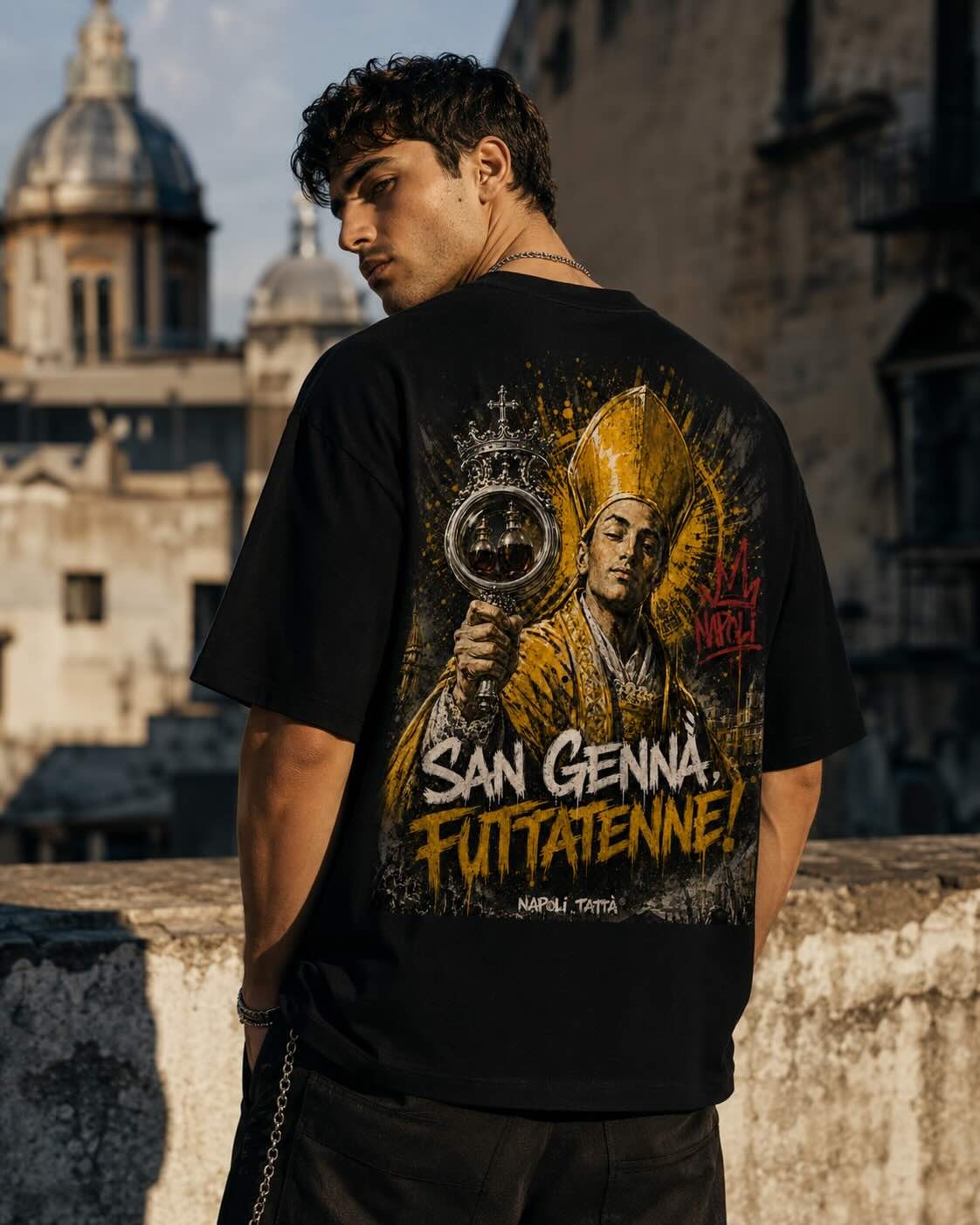 San Gennà, futtatenne! (Saint Januarius, don't worry about it!) San Gennaro, 19 September and the patron saint's t-shirt
Who San Gennaro was, the miracle of the blood that liquefies, and the feast on 19 September. Plus that close,...Read more
Leave a comment