



In Naples, a graduation is never a private affair: it's a neighbourhood celebration. Here's how to choose an original...
Latest posts
-
 Original Neapolitan graduation gift: ideas for the graduate (him and her)Read more
-
 Asso 'e mazze: meaning and history of the Neapolitan ace of clubsRead more
The strongest card on the green table becomes, in Naples, the most elegant way to say who really calls the shots....
-
 Michelina Di Cesare, the brigantessa who defied a kingdomRead more
Born poor in Terra di Lavoro, Michelina Di Cesare chose the maquis and the rifle against a newly united Italy. A...
-
 Neapolitan Hoodies: The Autumn 2026 Style GuideRead more
When the air turns crisp, in Naples people don't just reach for a hoodie: they reach for a piece of identity. Here's...
-
 Maradona Stadium: City Council allocates €50 million for Euro 2032Read more
The City Council has allocated €50 million for the redevelopment of the Diego Armando Maradona stadium, ahead of...
-
 Pizza Maxima 2026: Franco Pepe Is Once Again Best Pizzeria in ItalyRead more
At the fifth edition of Pizza Maxima, the Oscars of Italian pizza, Franco Pepe confirms his title as Best Pizzeria in...
-
 ‘L’acqua è poca e ‘a papera nun galleggia’: what it meansRead more
When the means are few, so is the result. Let's discover the most realistic Neapolitan saying there is.
-
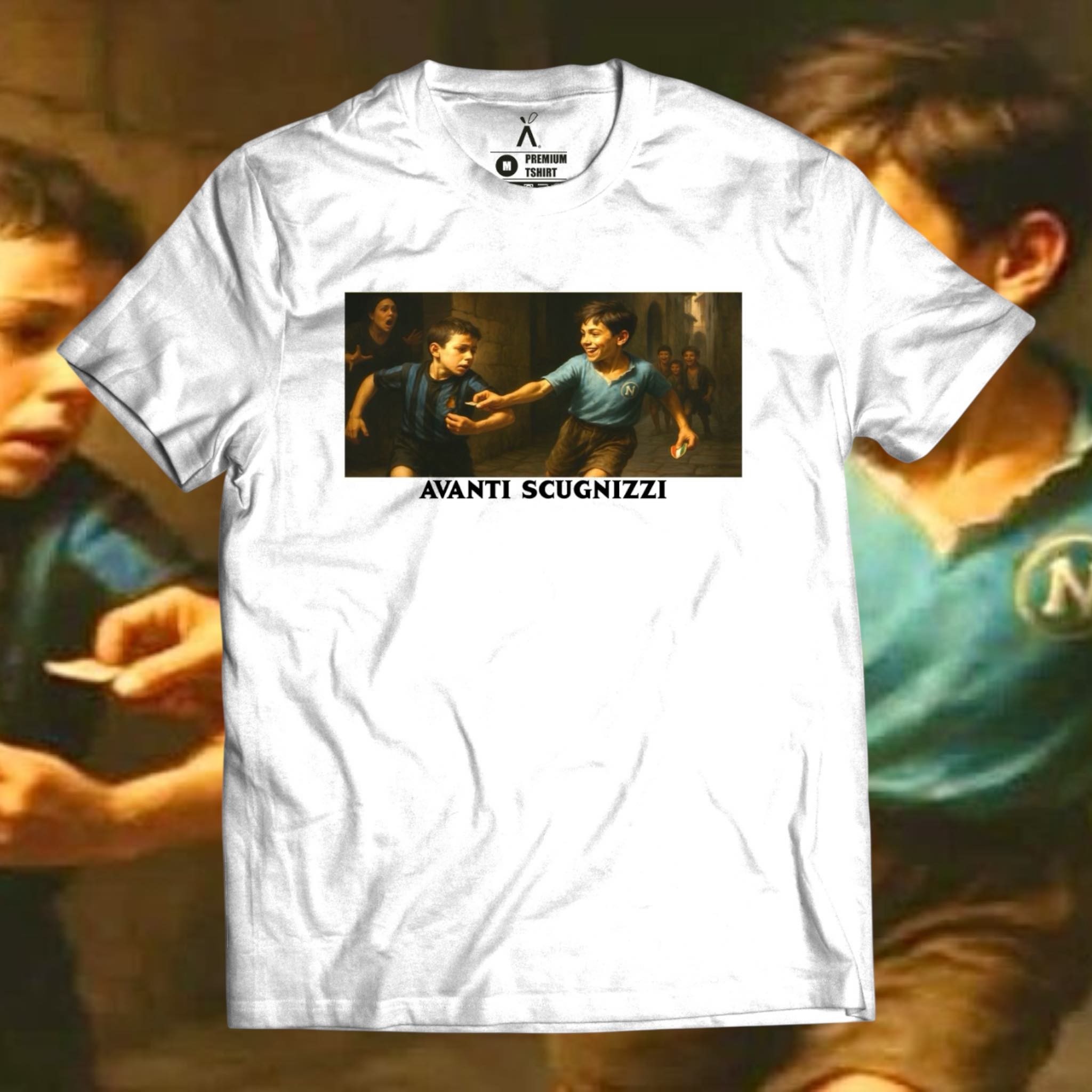 Avanti Scugnizzi: the story of the year's most loved T-shirtRead more
One word, ‘scugnizzo’ (Neapolitan street kid), and it holds the whole of Naples inside it. We tell you how the year's...
-
 'Chi chiagne fotte a chi ride': what it means and why it's truer than everRead more
At the market, at the counter, in the family: there's always someone who complains and gets more. It's the sharp...
-
 San Gennà, futtatenne! (Saint Januarius, don't worry about it!) San Gennaro, 19 September and the patron saint's t-shirtRead more
Who San Gennaro was, the miracle of the blood that liquefies, and the feast on 19 September. Plus that close,...
Blog categories
Search in blog
Archived posts
Roccobabà, a Speciality from the Hinterland
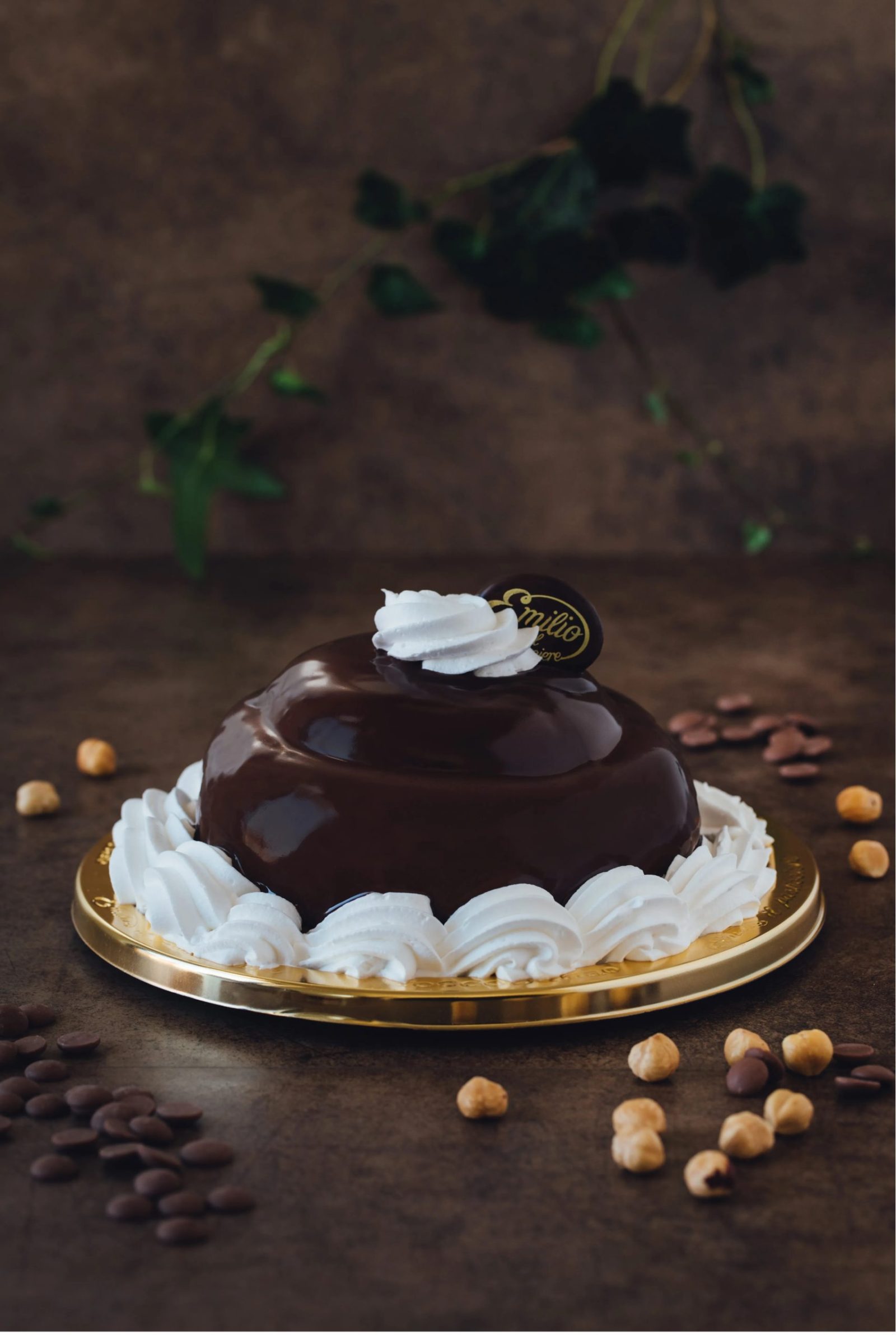
In this triumph of sweets, there's no shortage of innovation, like that of the Roccobabà. This treat was born from an idea by Emilio Goglia, a pastry chef from Casal di Principe, who, inspired by the traditional babà (a Neapolitan rum-soaked sponge cake), had the intuition to reinvent it as a semifreddo coated in a delicious chocolate cream.
by Alessia Giannino
Neapolitan pastry-making is perhaps the richest and most laden with successes: sfogliatelle, babà, pastiera and so many more besides.
In this triumph of sweets, there's no shortage of innovation, like that of the Roccobabà. This treat was born from an idea by Emilio Goglia, a pastry chef from Casal di Principe, who, inspired by the traditional babà, had the intuition to reinvent it as a semifreddo coated in a delicious chocolate cream.
Origin and History
The name of this sweet is inspired by and dedicated to the Neapolitan fashion designer Rocco Barocco, who was so entranced by its flavour that he simply couldn't resist it. It was thanks to this "love at first bite" that the semifreddo, patented by Emilio, gradually became known the world over, delighting palates far beyond Naples.
Indeed, the Roccobabà has been bringing great satisfaction for around 15 years, helping people forget, if only a little, the negative aspects for which its town of origin is known. Even the Spanish and French press has written about this delicious and distinctive dessert, which has found its way onto tables in Moscow, Saint Petersburg, Paris, London and New York.
The Other Versions
Besides the chocolate version, the now-famous pastry chef has invented others, such as the LemonKatia, with a lemon cream, dedicated to Katia Ricciarelli, and the DolceGiuliana, with an Irish Coffee base, dedicated to the Neapolitan writer and journalist Giuliana Gargiulo.
These days there are countless imitations of the Roccobabà, but the one and only original is Emilio Goglia's, who has run his business for over thirty years, passed down from father to son, carrying on the family tradition.
Posted in:
Neapolitan food
Related posts
-
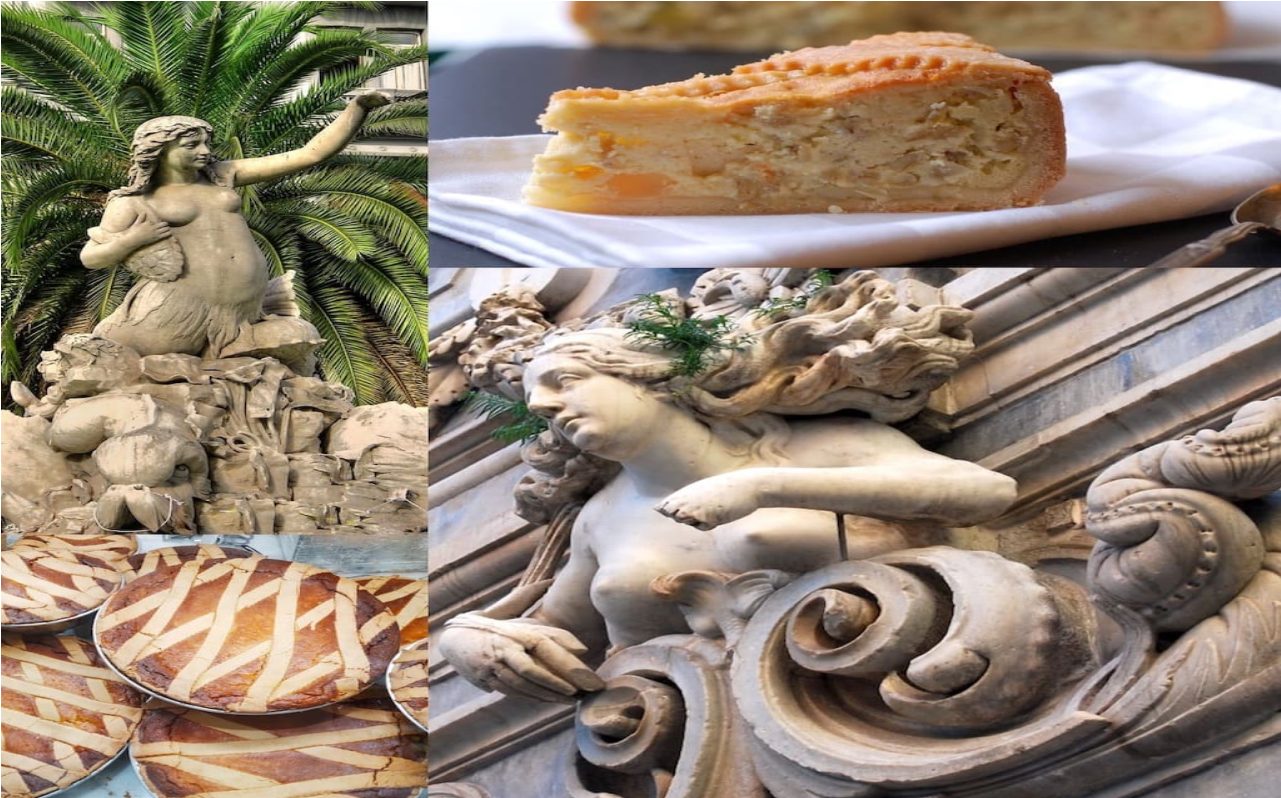 Pastiera Napoletana: Between History and Legend
The story of the Neapolitan pastiera has its roots in a fascinating tale that blends mythology and tradition.Read more
-
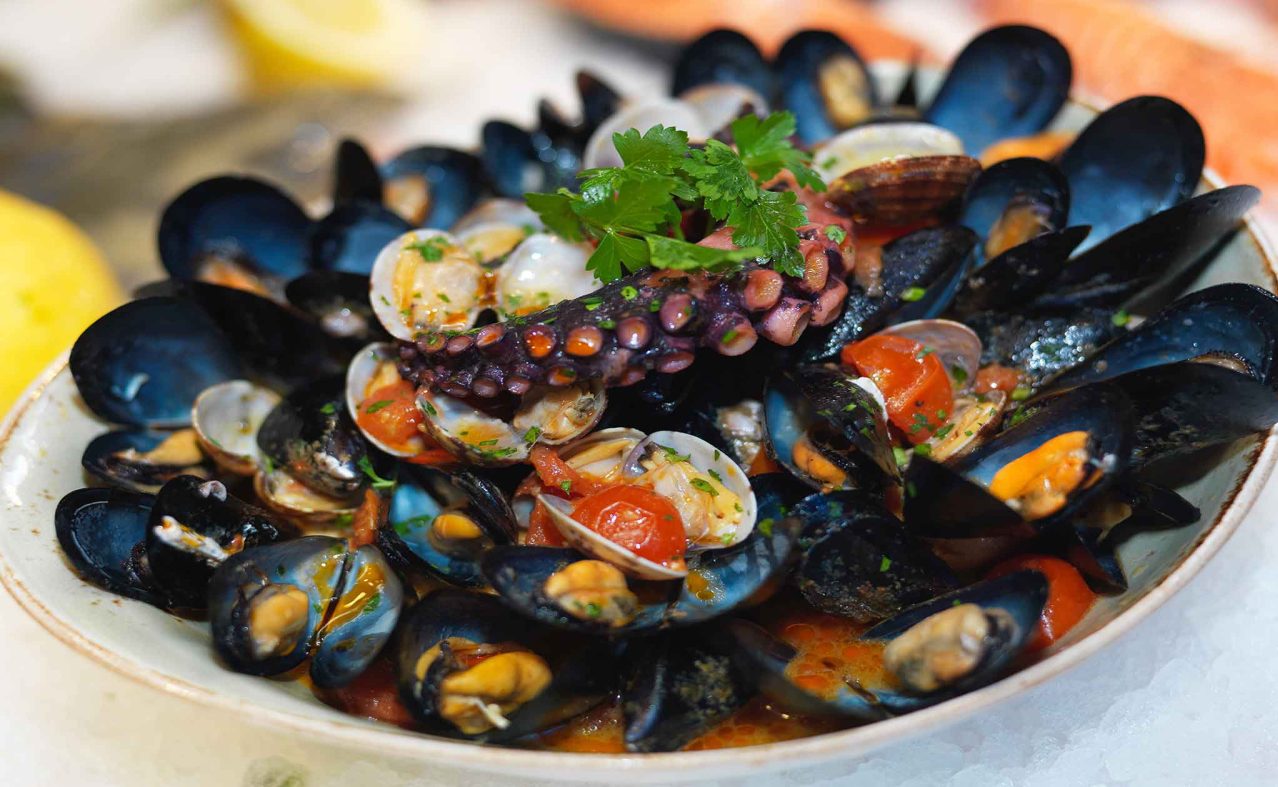 Mussel soup, a Holy Thursday tradition
Mussel soup on Holy Thursday: a dish with centuries-old tradition, impossible not to try.Read more
-
 Places to eat from Campitello to Piedimonte
The culinary treasures found across the enchanting Matese territory, from Campitello to Piedimonte, are simply not to...Read more
-
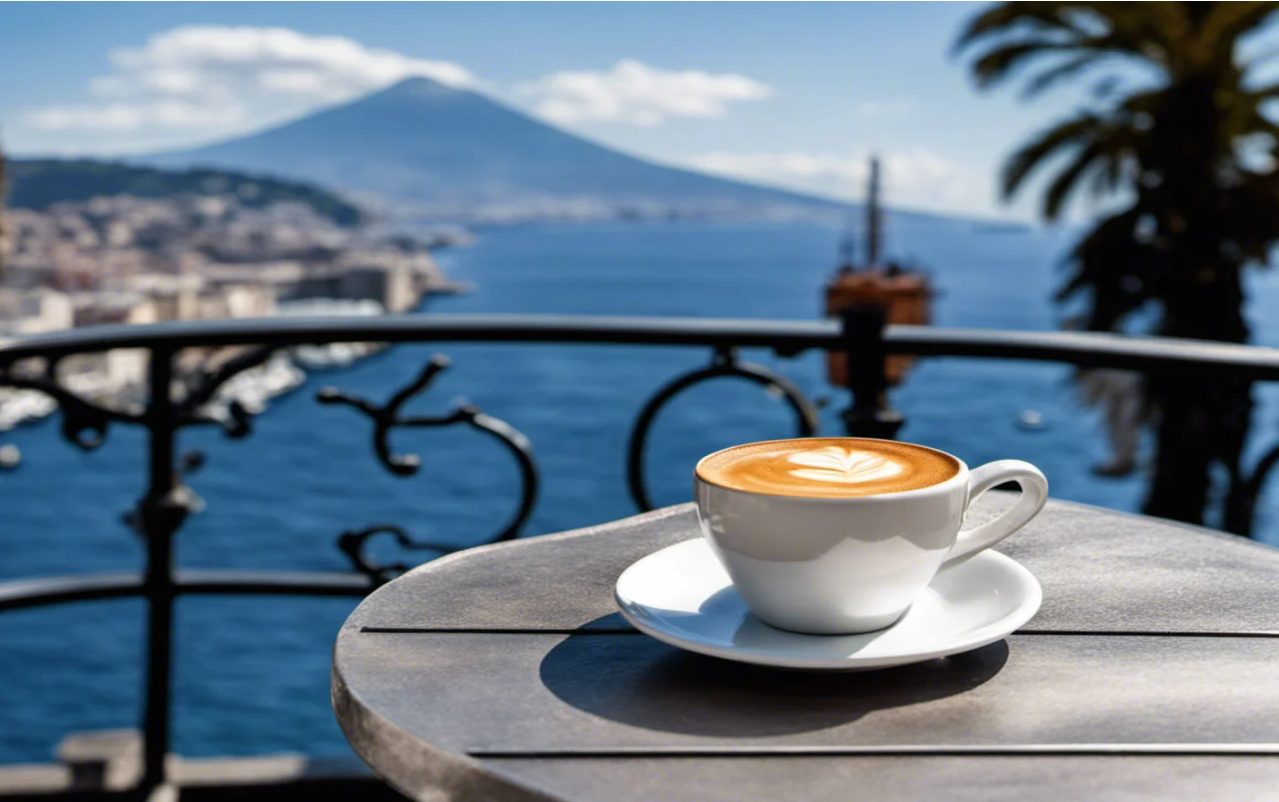 The best coffees in Naples
In Naples you'll find the bars that make the city's finest coffee, served hot, sweet, but not too sweet.Read more
-
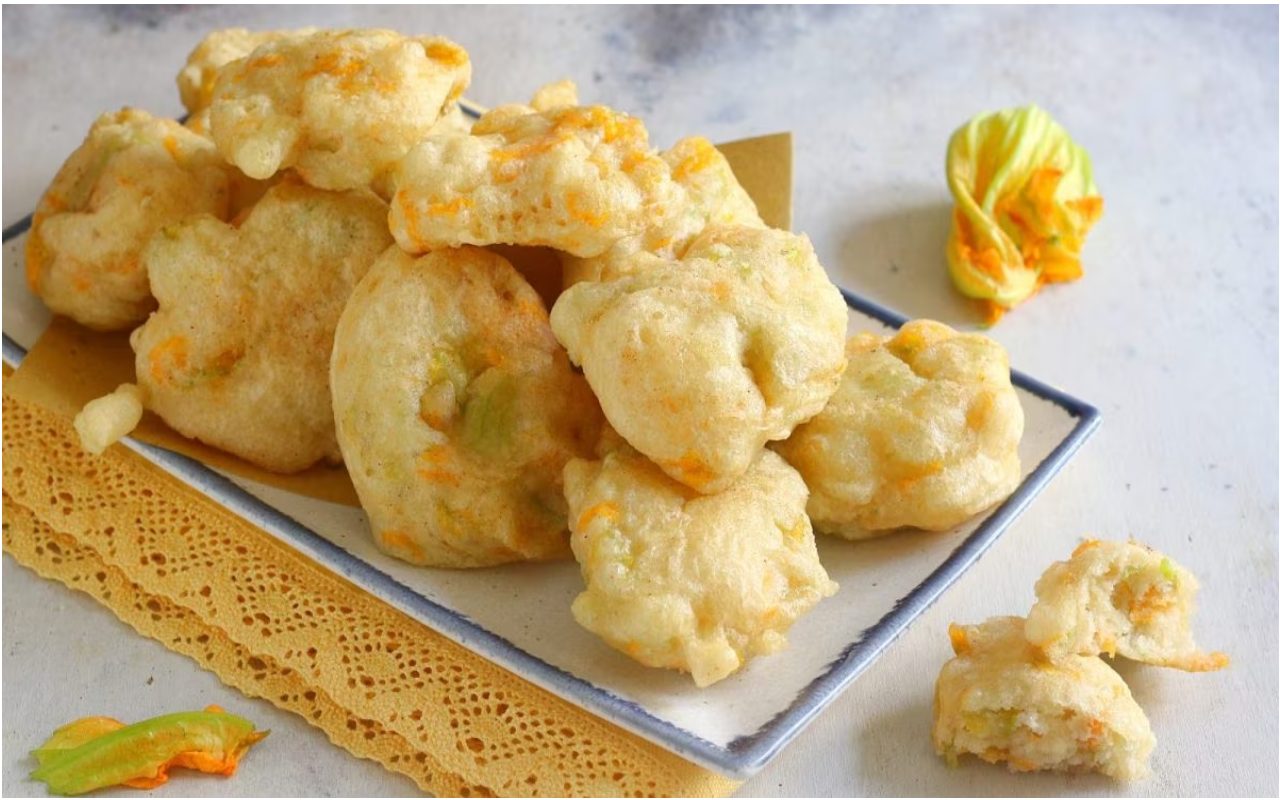 Courgette Flower Fritters (Frittelle di ciurilli)
Frittelle di sciurilli are a delicious, irresistible starter made from courgette (zucchini) flowers dipped in batter...Read more
Leave a comment