



Born poor in Terra di Lavoro, Michelina Di Cesare chose the maquis and the rifle against a newly united Italy. A...
Latest posts
-
 Michelina Di Cesare, the brigantessa who defied a kingdomRead more
 -
 Neapolitan Hoodies: The Autumn 2026 Style GuideRead more
When the air turns crisp, in Naples people don't just reach for a hoodie: they reach for a piece of identity. Here's...
-
 Maradona Stadium: City Council allocates €50 million for Euro 2032Read more
The City Council has allocated €50 million for the redevelopment of the Diego Armando Maradona stadium, ahead of...
-
 Pizza Maxima 2026: Franco Pepe Is Once Again Best Pizzeria in ItalyRead more
At the fifth edition of Pizza Maxima, the Oscars of Italian pizza, Franco Pepe confirms his title as Best Pizzeria in...
-
 ‘L’acqua è poca e ‘a papera nun galleggia’: what it meansRead more
When the means are few, so is the result. Let's discover the most realistic Neapolitan saying there is.
-
 Avanti Scugnizzi: the story of the year's most loved T-shirtRead more
One word, ‘scugnizzo’ (Neapolitan street kid), and it holds the whole of Naples inside it. We tell you how the year's...
-
 'Chi chiagne fotte a chi ride': what it means and why it's truer than everRead more
At the market, at the counter, in the family: there's always someone who complains and gets more. It's the sharp...
-
 San Gennà, futtatenne! (Saint Januarius, don't worry about it!) San Gennaro, 19 September and the patron saint's t-shirtRead more
Who San Gennaro was, the miracle of the blood that liquefies, and the feast on 19 September. Plus that close,...
-
 'O purpo se coce int'a ll'acqua soja: what it means (o purpo se coce meaning)Read more
Someone has wronged you, and instead of reacting, you wait in silence with a smile? Here's the Neapolitan proverb...
-
 Cazzimma: meaning, origin and why it can't be translatedRead more
There's a word that explains everything in Naples and can't be translated into any language. It's called cazzimma,...
Blog categories
Search in blog
Archived posts
The Four Days of Naples
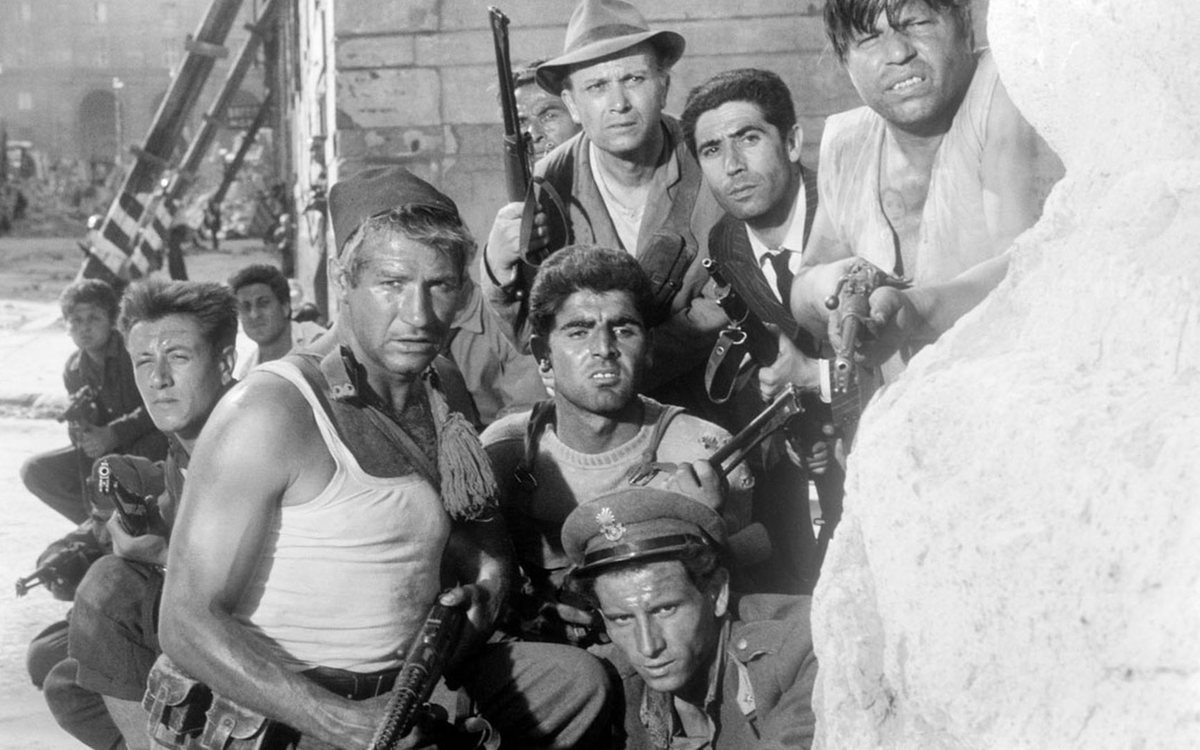
It is 1943, precisely between 27 and 30 September: this was the span of time during which the people of Naples, exhausted by the bombings (two of which, on 4 December 1942 and 28 March 1943, caused more than 3000 deaths), by a war that seemed like it would never end, and by the German occupation, decided to rise up against the forces of the Wehrmacht.
"Adesso vi facciamo vedere noi chi sono i napoletani!" (Now we'll show you who the Neapolitans really are!)
This is the emblematic phrase that history has handed down concerning the story of Gennarino Capuozzo (awarded a gold medal in memory), a young street urchin who joined the Resistance during the Four Days of Naples, becoming one of the symbols of that historic moment.
But what period are we talking about, and what was the sequence of events?
The anger and exasperation of the Neapolitans, following indiscriminate executions, looting, round-ups of the civilian population, poverty and the destruction wrought by the war, which had brought the whole city to its knees, was reaching a point of no return; the Neapolitans lacked any real organisation, driven only by the desire to free themselves from the German invader. People therefore began to think about acquiring weapons: on 22 September the inhabitants of Vomero managed to seize those that had belonged to the soldiers of the 107th Battery; on 25 September, 250 muskets were taken from a military school; on 27 September some weapons and ammunition depots fell into the hands of the insurgents.
The spark, meanwhile, was struck on 23 September, when Colonel Walter Scholl announced a new repressive measure requiring the evacuation (by 8pm that same day) of the entire coastal strip of the city up to a distance of 300 metres from the sea: in practice, around 240,000 citizens were forced to abandon their homes within a few hours to allow the creation of a "military security zone" that seemed to be a prelude to the destruction of the port. Added to this was a notice from the prefect ordering compulsory conscription for all males between the ages of eighteen and thirty-three; in practice, a deportation to German labour camps. Following the compliance of only 150 men, the colonel sent out military patrols for round-ups and the immediate execution of those who failed to comply.
The uprising, at that point, became inevitable: people from every walk of life poured into the streets to organise themselves and take up arms. For four days, the Neapolitans chose open combat, erected barricades, threw bombs, and set ambushes, forcing the German troops to surrender and flee, not without bloodshed.
In every corner of the city, local figures began to emerge, taking command of operations in the various neighbourhoods, such as Professor Antonio Tarsia in Curia at Vomero, Lieutenant Colonel Ermete Bonomi at Materdei, working alongside detachment commander Carlo Cerasuolo, father of Maddalena (awarded a bronze medal in memory), Captain Carmine Musella at Avvocata, the doctor Aurelio Spoto at Capodimonte, Captain Mario Orbitello at Montecalvario, and the clerk Tito Murolo at Vasto; among the young, Adolfo Pansini, a student at the Sannazaro lyceum, stood out. Officers of the Italian army (who had at first disappeared) and anti-fascists also joined the uprising and put themselves at its head.
The Neapolitans, in the end, achieved their aim: the Germans, at dawn on the first of October, withdrew, and when the first Allied tanks entered the city they did not find a single enemy left.
Naples had freed itself, all on its own.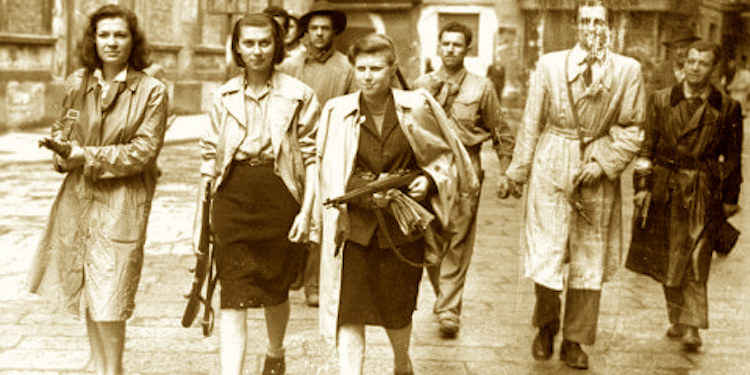
Posted in:
History and legends
Related posts
-
 THE 36 CASALI OF NAPLES
This term identified the tiny clusters of farmhouses within the countryside surrounding Naples.Read more
THE 36 CASALI OF NAPLES
This term identified the tiny clusters of farmhouses within the countryside surrounding Naples.Read more -
 Casa Malaparte - Capri
Built in the 1930s on Capri by the celebrated writer Curzio Malaparte, this villa has always been a coveted spot for...Read more
Casa Malaparte - Capri
Built in the 1930s on Capri by the celebrated writer Curzio Malaparte, this villa has always been a coveted spot for...Read more -
 The Golden Ball Stolen from Maradona
Snatched in 1989 from the clutches of organised crime, its value is estimated to be between 12 and 15 million euros.Read more
The Golden Ball Stolen from Maradona
Snatched in 1989 from the clutches of organised crime, its value is estimated to be between 12 and 15 million euros.Read more -
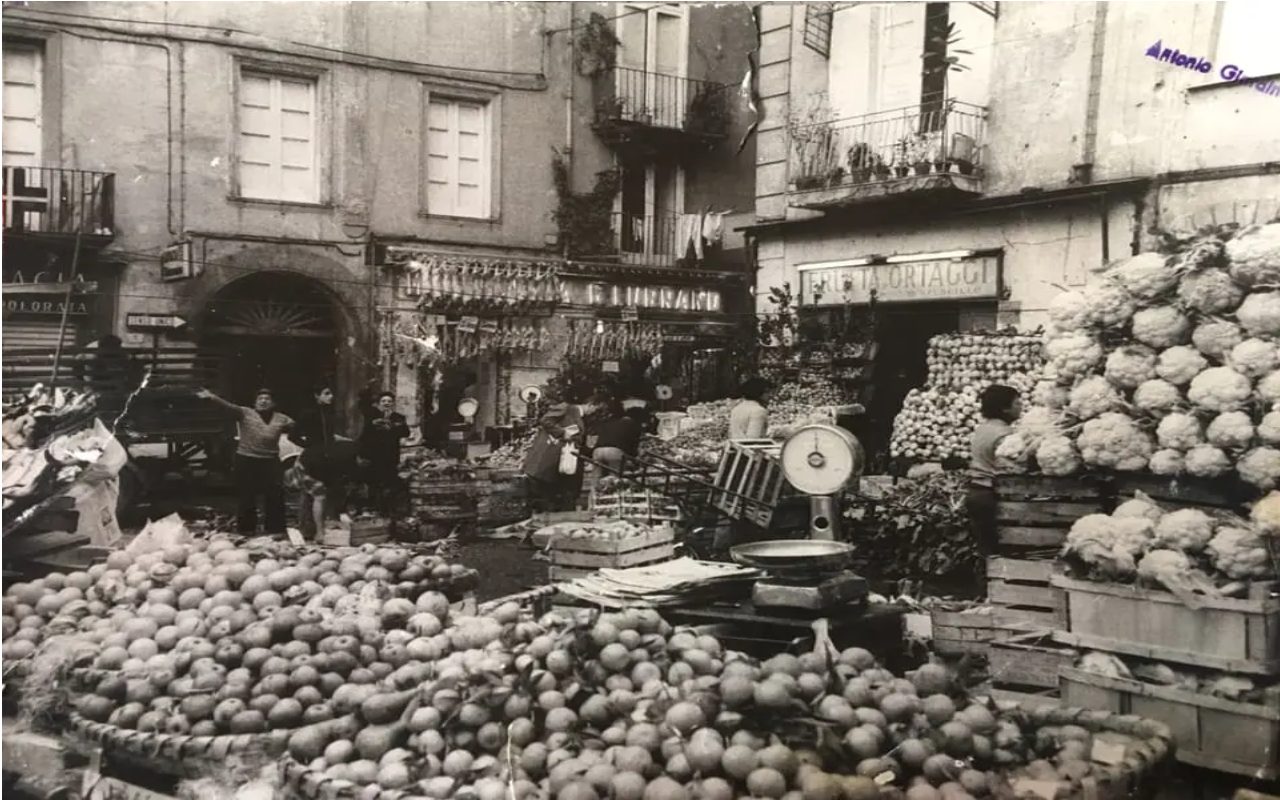 "Pignasecca" and its legend of the thieving magpies
The lively, bustling Naples district known as "Pignasecca" (dry pinecone) is a crowded, picturesque place that...Read more
"Pignasecca" and its legend of the thieving magpies
The lively, bustling Naples district known as "Pignasecca" (dry pinecone) is a crowded, picturesque place that...Read more -
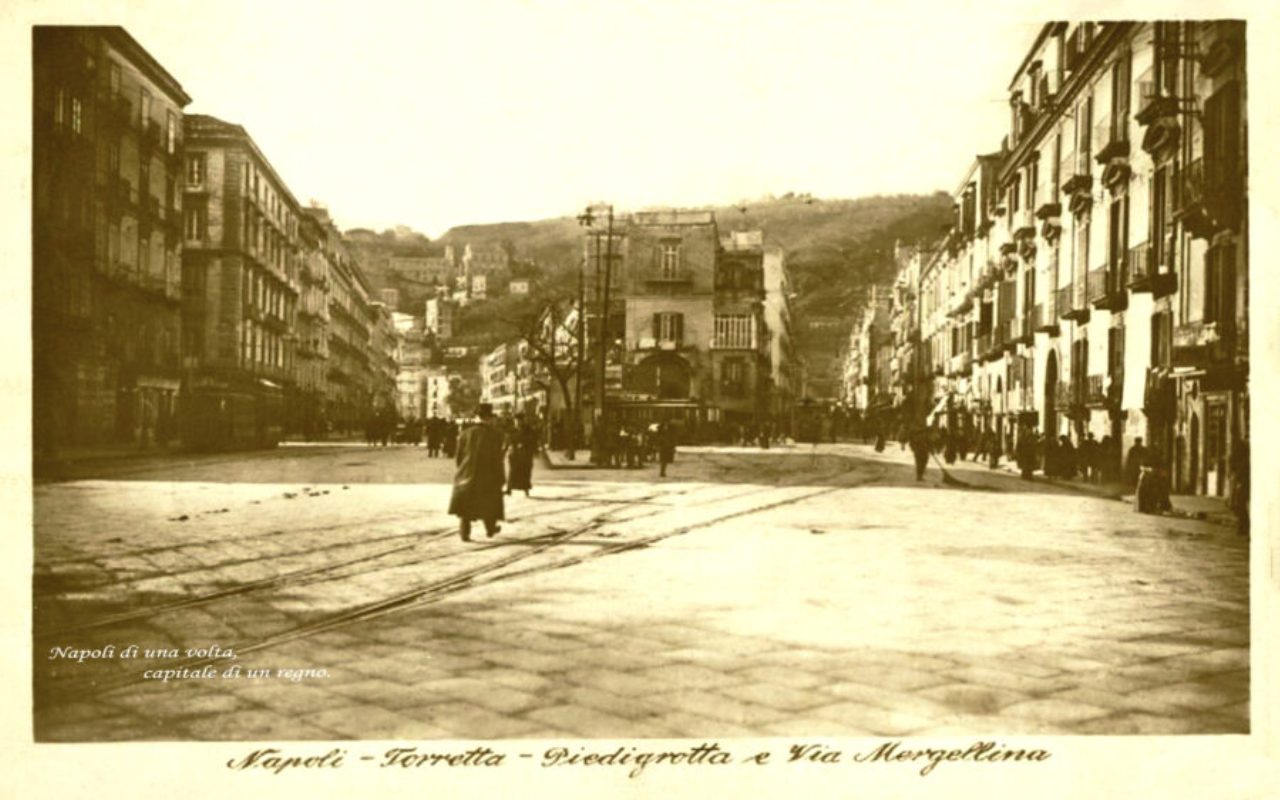 History of the Torretta di Mergellina: A Beacon of Safety
The Torretta was built in 1564 by order of the viceroy, the Duke of Alcalá, to serve as a lookout for maritime raids...Read more
History of the Torretta di Mergellina: A Beacon of Safety
The Torretta was built in 1564 by order of the viceroy, the Duke of Alcalá, to serve as a lookout for maritime raids...Read more
Leave a comment