



Born poor in Terra di Lavoro, Michelina Di Cesare chose the maquis and the rifle against a newly united Italy. A...
Latest posts
-
 Michelina Di Cesare, the brigantessa who defied a kingdomRead more
 -
 Neapolitan Hoodies: The Autumn 2026 Style GuideRead more
When the air turns crisp, in Naples people don't just reach for a hoodie: they reach for a piece of identity. Here's...
-
 Maradona Stadium: City Council allocates €50 million for Euro 2032Read more
The City Council has allocated €50 million for the redevelopment of the Diego Armando Maradona stadium, ahead of...
-
 Pizza Maxima 2026: Franco Pepe Is Once Again Best Pizzeria in ItalyRead more
At the fifth edition of Pizza Maxima, the Oscars of Italian pizza, Franco Pepe confirms his title as Best Pizzeria in...
-
 ‘L’acqua è poca e ‘a papera nun galleggia’: what it meansRead more
When the means are few, so is the result. Let's discover the most realistic Neapolitan saying there is.
-
 Avanti Scugnizzi: the story of the year's most loved T-shirtRead more
One word, ‘scugnizzo’ (Neapolitan street kid), and it holds the whole of Naples inside it. We tell you how the year's...
-
 'Chi chiagne fotte a chi ride': what it means and why it's truer than everRead more
At the market, at the counter, in the family: there's always someone who complains and gets more. It's the sharp...
-
 San Gennà, futtatenne! (Saint Januarius, don't worry about it!) San Gennaro, 19 September and the patron saint's t-shirtRead more
Who San Gennaro was, the miracle of the blood that liquefies, and the feast on 19 September. Plus that close,...
-
 'O purpo se coce int'a ll'acqua soja: what it means (o purpo se coce meaning)Read more
Someone has wronged you, and instead of reacting, you wait in silence with a smile? Here's the Neapolitan proverb...
-
 Cazzimma: meaning, origin and why it can't be translatedRead more
There's a word that explains everything in Naples and can't be translated into any language. It's called cazzimma,...
Blog categories
Search in blog
Archived posts
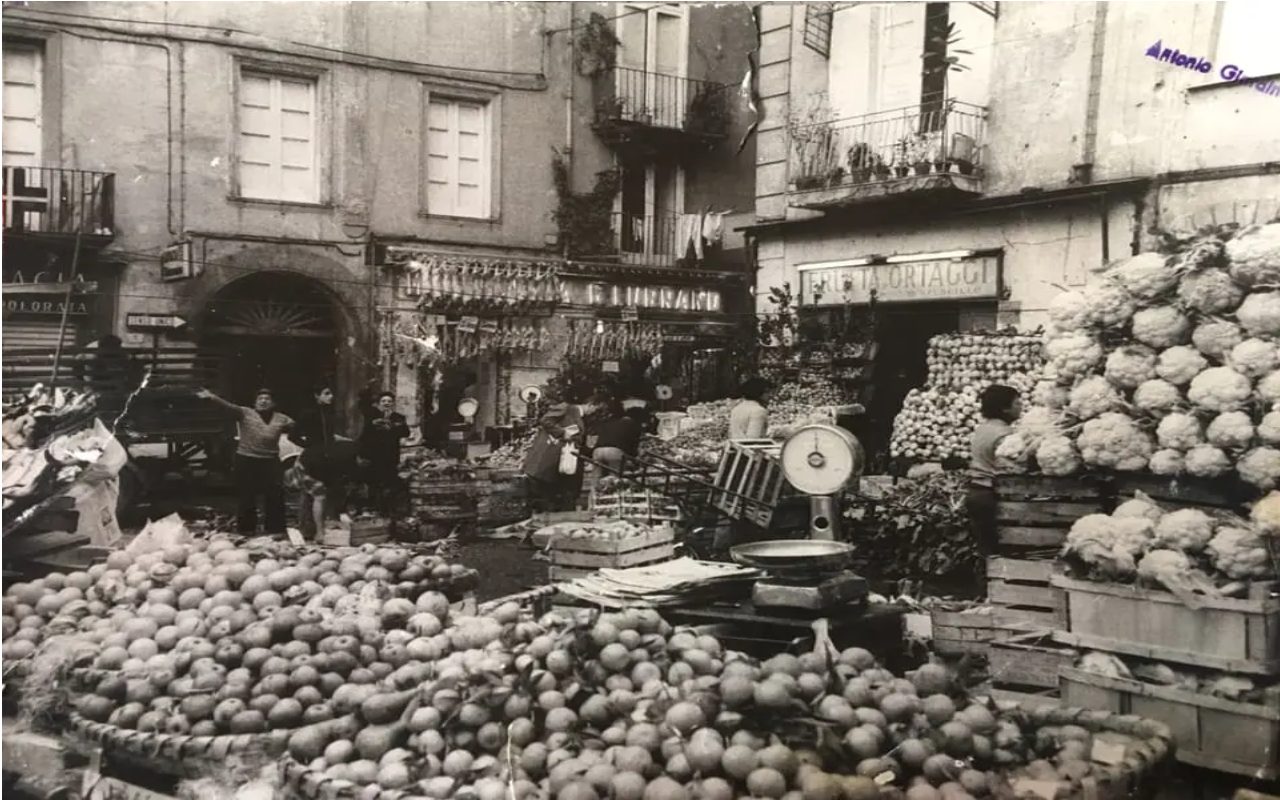
"Pignasecca" and its legend of the thieving magpies
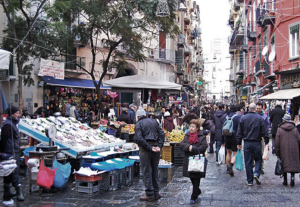
The stalls, fishmongers and tall buildings give the area a fresh, unique atmosphere even on the hottest days. As well as being an obligatory route for those heading from the Montesanto district towards the city centre, "Pignasecca" offers far more than just a way through.
The distinctive charm of this district is woven into its very name, which recalls a legend typical of centuries-old Neapolitan tradition - a tale involving the city's residents and thieving magpies. This legend is known as the "Leggenda del bosco di Biancomangiare" (Legend of the Biancomangiare Wood). During the 16th century, the area now known as Pignasecca was home to a vast wood belonging to the noble Pignatelli family of Monteleone, called the "Biancomangiare" wood. The unusual name came from a very popular dessert of the time, still made today, made with vanilla, sugar and milk.
It is said that in that period a certain libertinism was practised in Naples, encouraged by economic prosperity. This carefree spirit led the inhabitants, even the less well-off, to give in to forbidden pleasures that often resulted in secret love affairs. This lack of restraint touched every social class, including even the clergy. According to legend, the thieving magpies that lived in the "Biancomangiare" wood would sneak into the homes of Neapolitans during their intimate moments. They stole whatever objects were within beak's reach - priests' robes, underwear, shiny trinkets and much more - and carried them up into the high branches of the trees in the wood.
And so curious Neapolitans could look up and see the objects piled on the treetops, and would indulge in gossip often involving bishops, nuns and other prominent figures. In essence, the wood became a forerunner of the modern gossip magazine! The situation became so unmanageable and irritating that it was decided a bull of excommunication should be issued... against the magpies themselves! "In the name of God, by my grave responsibility as vicar of Christ on this earth, I, Bishop of Naples and its provinces, excommunicate from this day forth all the magpies of this district, indeed... all the magpies of this city", read the text of the bull, which was hung from the tallest tree in the wood as a warning to the mischievous birds.
A decidedly peculiar solution, but then again, we are in the realm of legend, after all! Three days after the bull was issued, the trees of the "Biancomangiare" wood mysteriously began to wither one after another. The mischievous magpies vanished along with the trees, losing their source of supply among the green branches. Before long, the area became a barren stretch of land that came to be known, fittingly, as "Pignasecca".
There is another, less romantic but more plausible theory about the origin of the name "Pignasecca", which relates to matters of urban development. In 1536, during the construction of Via Toledo, there was extensive building work that led to the demolition of some of the surrounding green areas. Only one pine tree was left standing in the area, and it became a refuge for the thieving magpies, who hid their stolen loot there. Annoyed residents, in an attempt to drive away the troublesome birds, damaged the pine tree, which as a result withered and dried out. This is how the term "Pignasecca" (dried pine) is said to have come about.
We cannot say for certain which of the two stories is the true origin of the word "Pignasecca". What remains, however, is the uniqueness of a district steeped in folk tradition, one that captivates tourists with its lively, picturesque vitality. Among the district's residents, some still claim to be able to hear the cawing of thieving magpies at dawn, before the market has properly got going, clumsily darting about after being chased from their homes.
Posted in:
History and legends
Related posts
-
 THE 36 CASALI OF NAPLES
This term identified the tiny clusters of farmhouses within the countryside surrounding Naples.Read more
THE 36 CASALI OF NAPLES
This term identified the tiny clusters of farmhouses within the countryside surrounding Naples.Read more -
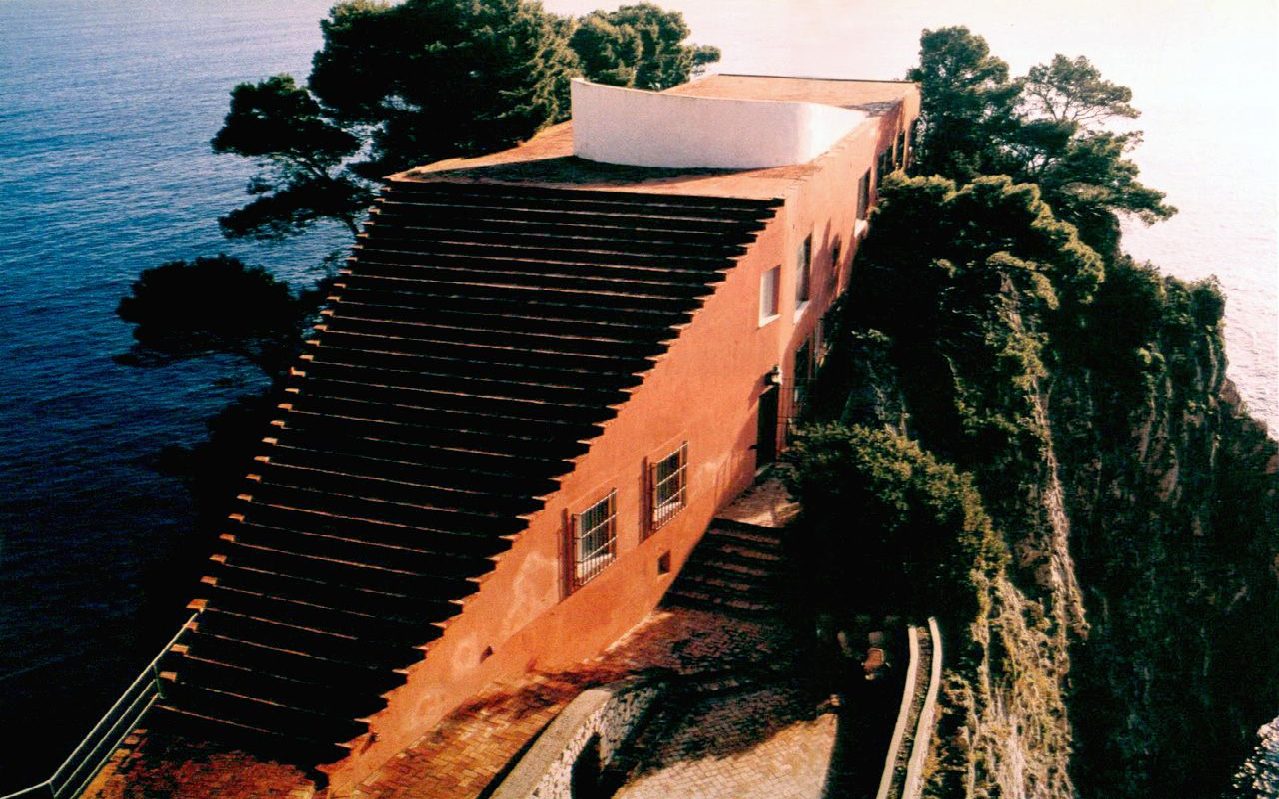 Casa Malaparte - Capri
Built in the 1930s on Capri by the celebrated writer Curzio Malaparte, this villa has always been a coveted spot for...Read more
Casa Malaparte - Capri
Built in the 1930s on Capri by the celebrated writer Curzio Malaparte, this villa has always been a coveted spot for...Read more -
 The Golden Ball Stolen from Maradona
Snatched in 1989 from the clutches of organised crime, its value is estimated to be between 12 and 15 million euros.Read more
The Golden Ball Stolen from Maradona
Snatched in 1989 from the clutches of organised crime, its value is estimated to be between 12 and 15 million euros.Read more -
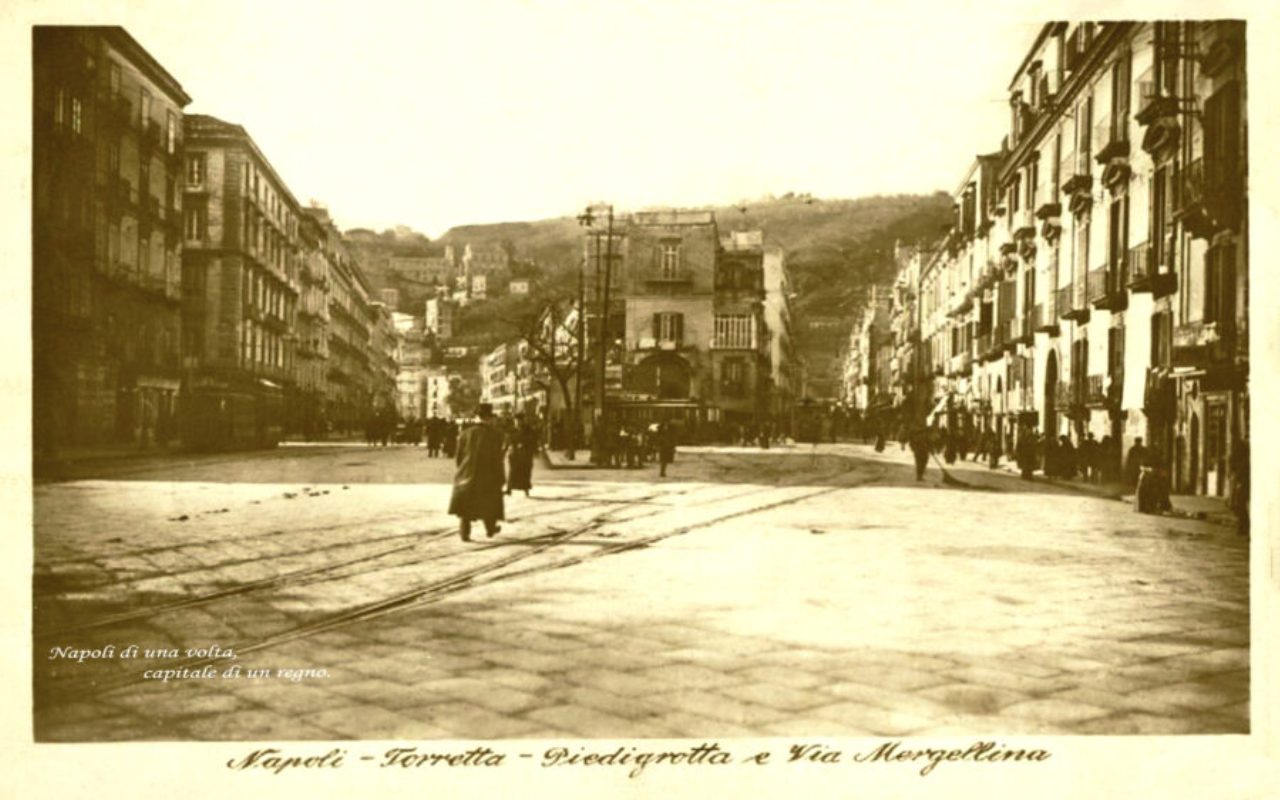 History of the Torretta di Mergellina: A Beacon of Safety
The Torretta was built in 1564 by order of the viceroy, the Duke of Alcalá, to serve as a lookout for maritime raids...Read more
History of the Torretta di Mergellina: A Beacon of Safety
The Torretta was built in 1564 by order of the viceroy, the Duke of Alcalá, to serve as a lookout for maritime raids...Read more -
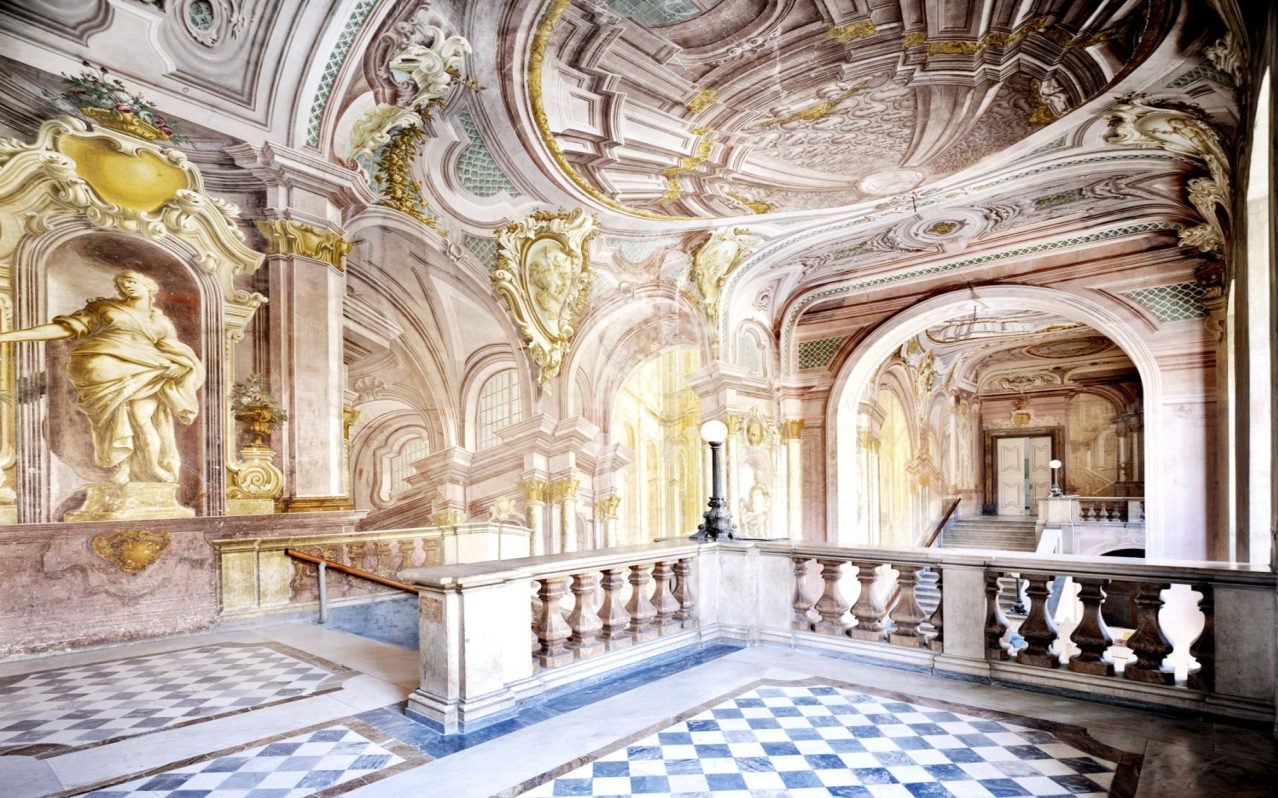 The Royal Palace of Portici
An enchanting building. Summer residence of the royal Bourbon dynasty and later the centre of the Portici School of...Read more
The Royal Palace of Portici
An enchanting building. Summer residence of the royal Bourbon dynasty and later the centre of the Portici School of...Read more
Leave a comment