



Born poor in Terra di Lavoro, Michelina Di Cesare chose the maquis and the rifle against a newly united Italy. A...
Latest posts
-
 Michelina Di Cesare, the brigantessa who defied a kingdomRead more
 -
 Neapolitan Hoodies: The Autumn 2026 Style GuideRead more
When the air turns crisp, in Naples people don't just reach for a hoodie: they reach for a piece of identity. Here's...
-
 Maradona Stadium: City Council allocates €50 million for Euro 2032Read more
The City Council has allocated €50 million for the redevelopment of the Diego Armando Maradona stadium, ahead of...
-
 Pizza Maxima 2026: Franco Pepe Is Once Again Best Pizzeria in ItalyRead more
At the fifth edition of Pizza Maxima, the Oscars of Italian pizza, Franco Pepe confirms his title as Best Pizzeria in...
-
 ‘L’acqua è poca e ‘a papera nun galleggia’: what it meansRead more
When the means are few, so is the result. Let's discover the most realistic Neapolitan saying there is.
-
 Avanti Scugnizzi: the story of the year's most loved T-shirtRead more
One word, ‘scugnizzo’ (Neapolitan street kid), and it holds the whole of Naples inside it. We tell you how the year's...
-
 'Chi chiagne fotte a chi ride': what it means and why it's truer than everRead more
At the market, at the counter, in the family: there's always someone who complains and gets more. It's the sharp...
-
 San Gennà, futtatenne! (Saint Januarius, don't worry about it!) San Gennaro, 19 September and the patron saint's t-shirtRead more
Who San Gennaro was, the miracle of the blood that liquefies, and the feast on 19 September. Plus that close,...
-
 'O purpo se coce int'a ll'acqua soja: what it means (o purpo se coce meaning)Read more
Someone has wronged you, and instead of reacting, you wait in silence with a smile? Here's the Neapolitan proverb...
-
 Cazzimma: meaning, origin and why it can't be translatedRead more
There's a word that explains everything in Naples and can't be translated into any language. It's called cazzimma,...
Blog categories
Search in blog
Archived posts
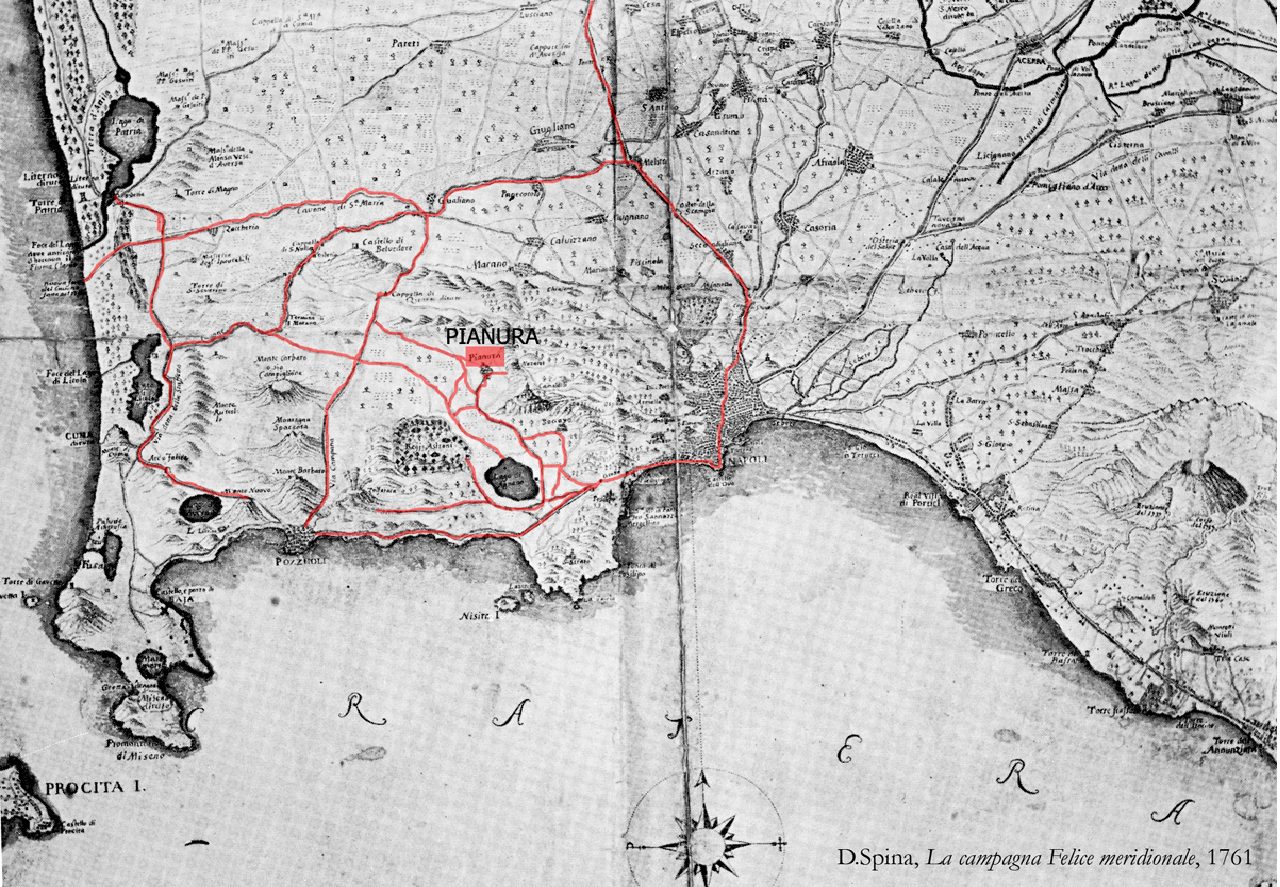
THE 36 CASALI OF NAPLES
Already in the days of the Duchy of Naples, around the 10th century, people spoke of "casali". This term identified the tiny clusters of farmhouses within the countryside surrounding Naples, which have almost completely disappeared today.
However, the territory of the province of Naples was extremely fertile and produced exceptional fruit, such as the "mela annurca" (a prized local apple variety).
The 36 casali were not large enough to be considered towns, but they were home to a stable population made up mainly of local farmers. These farmers would come down into the city with their carts to sell fresh fruit and earn a living.
Originally, the 36 casali were the following:
- Torre Annunziata
- Resina
- Portici
- San Sebastiano
- San Giorgio a Cremano
- Ponticelli
- Barra di Serino
- San Giovanni a Teduccio
- Fraola, Casalnuovo
- Casoria
- San Pietro a Patierno
- Frattamaggiore
- Arzano
- Grumo Nevano
- Casandrino
- Melito
- Marano
- Mongano
- Panecuocolo
- Secondigliano
- Chiaiano
- Calvizzano
- Polvica
- Piscinola
- Marianella
- Miano
- Antignano
- Vomero
- Torricchio
- Pianura
- S. Strato
- Ancarano
- Villa Posillipo
However, it should be noted that Torre del Greco is, in some cases, considered as the 37th casale. Some names have disappeared from modern toponymy. For example, Fraola became Afragola, Mongano became Mugnano, and Resina has recently reverted to being called Ercolano. As for Panecuocolo (or Panicocoli), the situation is a little different. The village was famous for its bread ovens and was renamed by Gioacchino Murat as "Gioacchinopoli", though today it is better known as Villaricca.
Within the city of Naples, Torricchio became today's Materdei, while S. Strato was a hamlet of Posillipo that grew up around the church which still stands there today. Polvica, not to be confused with the village of the same name in the province of Nola, was a village located near Chiaiano.
Among the 36 casali of the province of Naples, only one has kept the word "casale" in its name: the town of Casalnuovo.
With the arrival of Alfonso d'Aragona, on 28 February 1443, the King established a fiscal census called the "numerazione dei focolai" (hearth count).
Thanks to this census, the casali, created by the Angevins, were exempted from paying the "42 carlini a fuoco" (42 carlini per hearth) required by the census. They began to enjoy the same privileges, prerogatives and immunities as the city of Naples.
Excluding Torre del Greco, which was not considered a casale but a well-fortified castle, there were 36 casali. They were divided into 4 areas: 8 on the seaside, 10 inland, 10 on the Capodichino hill, and 8 belonging to the Posillipo hill.
The seaside casali, along the right-hand coast beneath Vesuvius, were:
Torre Annunziata, Resina, Portici, San Sebastiano, San Giorgio a Cremano, Ponticelli, Varra di Serino, San Giovanni a Teduccio.
The inland casali were:
Fraola, Casalnuovo, Casoria, San Pietro a Patierno, Fratta Maggiore, Arzano, Casavatore, Grumo, Casandrino, Melito.
The casali on the Capodichino hill, on the north-east side, were:
Marano, Mongano, Panecuocuolo, Secondigliano, Chiaiano, Calvizzano, Polvica, Piscinola, Marianella.
The casali on the Posillipo hill, on the west side, were:
Antignano, Arenella, Vomero, Torricchio, Pianura, S. Strato, Ancarano, Villa Posillipo
Essentially, the casali belonged to the so-called "Regio Demanio" (Royal Domain) and enjoyed tax exemptions. During the period of Spanish rule, the Viceroys began selling off the state-owned casali to finance the Iberian state. This sale caused a great deal of protest, until Charles V came to the throne in 1536. He granted the "JUS PRAELATIONIS" (right of pre-emption), which allowed the casali to buy back their freedom. This decree had a negative impact on local finances, and many casali lacked the economic resources to exercise this right of redemption. Others were forced to sell themselves again to clear the debts they had run up.
The policy of selling off the state-owned casali continued until 1637. In that year, armed protests intensified and merged with the historic revolt of Masaniello, first involving some of the casali and then the entire kingdom. With the abolition of feudalism, the casali became autonomous municipalities. Nonetheless, they kept an unchanged bond with their reference city, with which they shared consumption and legal and administrative obligations. This is how the territorial institution known as the "Provincia" (Province) came into being.
Posted in:
History and legends
Related posts
-
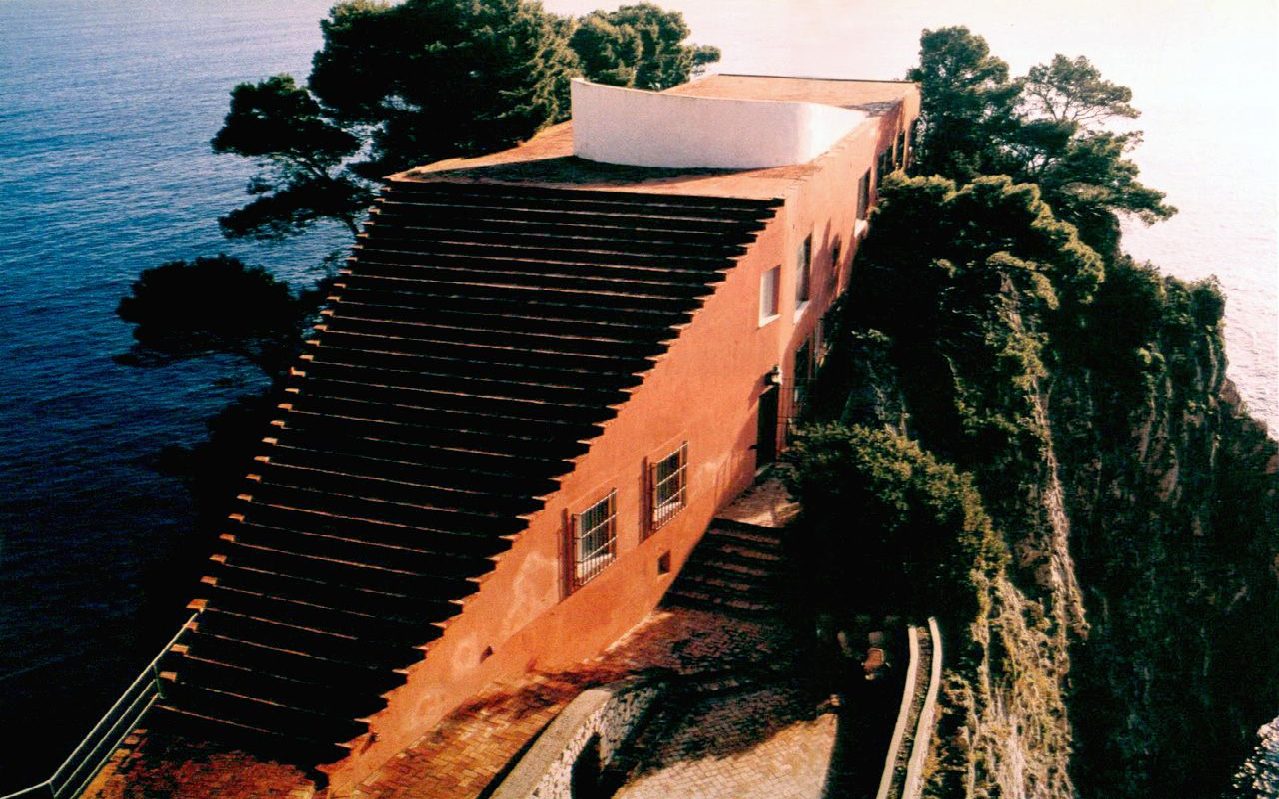 Casa Malaparte - Capri
Built in the 1930s on Capri by the celebrated writer Curzio Malaparte, this villa has always been a coveted spot for...Read more
Casa Malaparte - Capri
Built in the 1930s on Capri by the celebrated writer Curzio Malaparte, this villa has always been a coveted spot for...Read more -
 The Golden Ball Stolen from Maradona
Snatched in 1989 from the clutches of organised crime, its value is estimated to be between 12 and 15 million euros.Read more
The Golden Ball Stolen from Maradona
Snatched in 1989 from the clutches of organised crime, its value is estimated to be between 12 and 15 million euros.Read more -
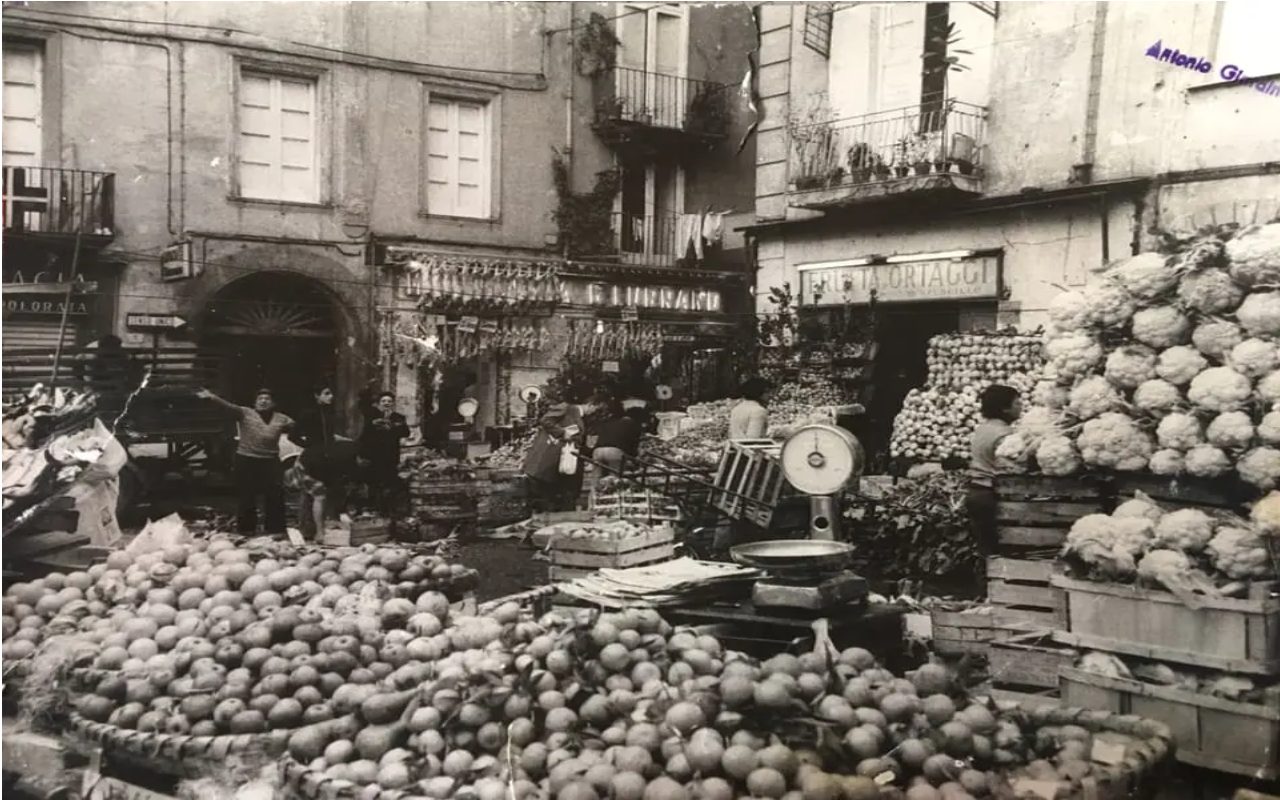 "Pignasecca" and its legend of the thieving magpies
The lively, bustling Naples district known as "Pignasecca" (dry pinecone) is a crowded, picturesque place that...Read more
"Pignasecca" and its legend of the thieving magpies
The lively, bustling Naples district known as "Pignasecca" (dry pinecone) is a crowded, picturesque place that...Read more -
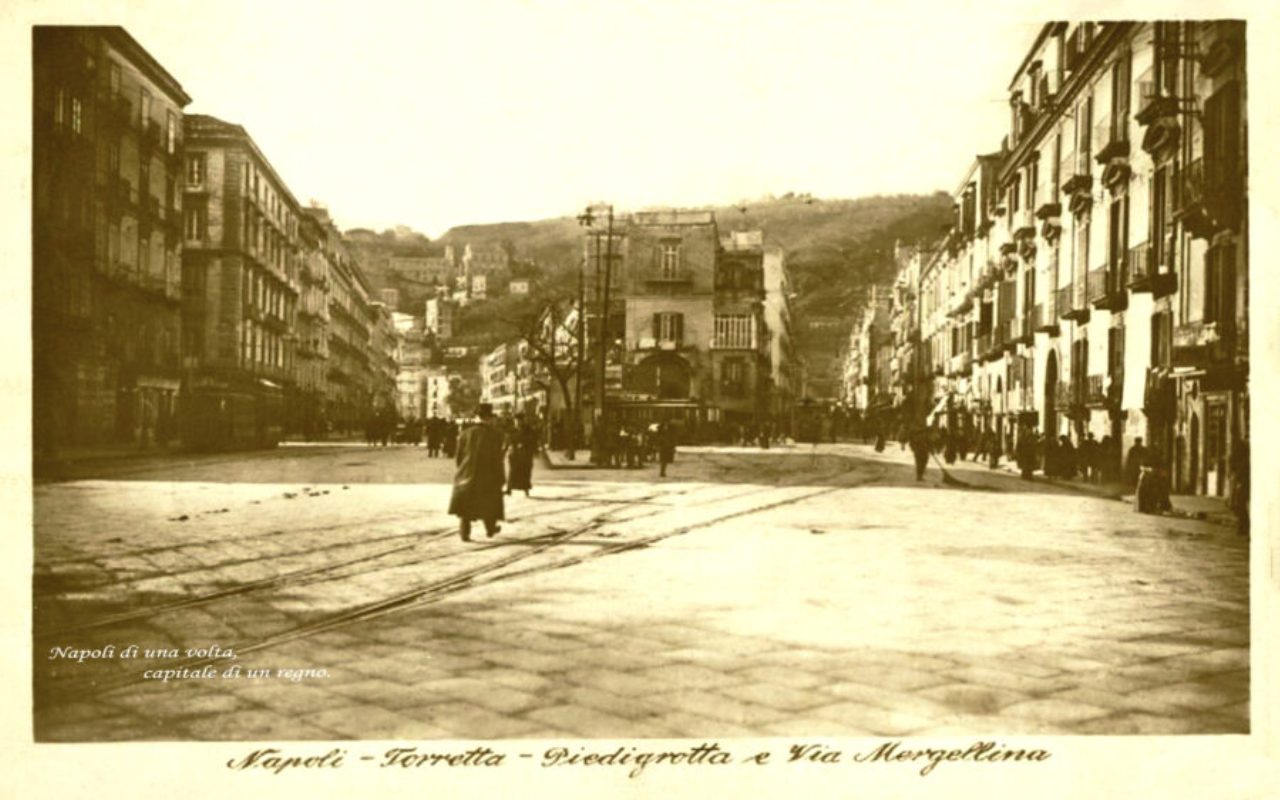 History of the Torretta di Mergellina: A Beacon of Safety
The Torretta was built in 1564 by order of the viceroy, the Duke of Alcalá, to serve as a lookout for maritime raids...Read more
History of the Torretta di Mergellina: A Beacon of Safety
The Torretta was built in 1564 by order of the viceroy, the Duke of Alcalá, to serve as a lookout for maritime raids...Read more -
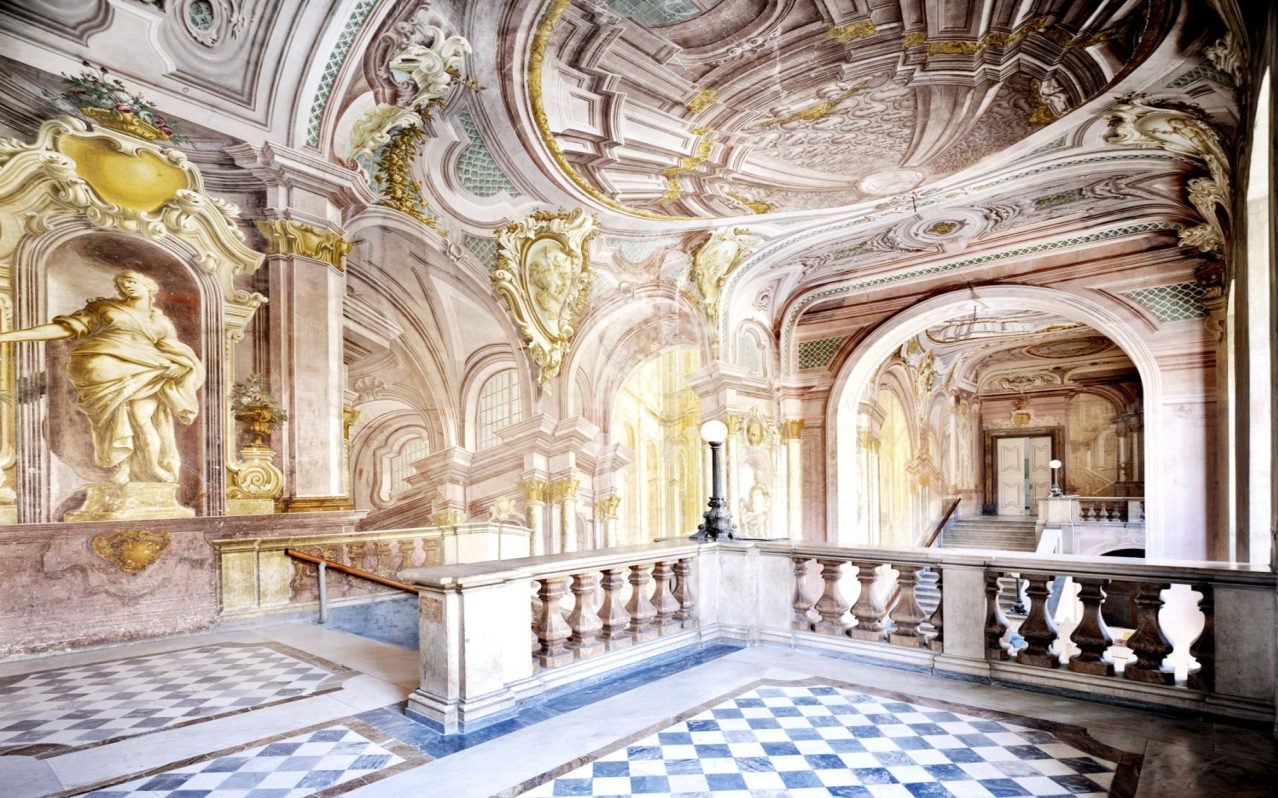 The Royal Palace of Portici
An enchanting building. Summer residence of the royal Bourbon dynasty and later the centre of the Portici School of...Read more
The Royal Palace of Portici
An enchanting building. Summer residence of the royal Bourbon dynasty and later the centre of the Portici School of...Read more
Leave a comment