



In Naples, a graduation is never a private affair: it's a neighbourhood celebration. Here's how to choose an original...
Latest posts
-
 Original Neapolitan graduation gift: ideas for the graduate (him and her)Read more
-
 Asso 'e mazze: meaning and history of the Neapolitan ace of clubsRead more
The strongest card on the green table becomes, in Naples, the most elegant way to say who really calls the shots....
-
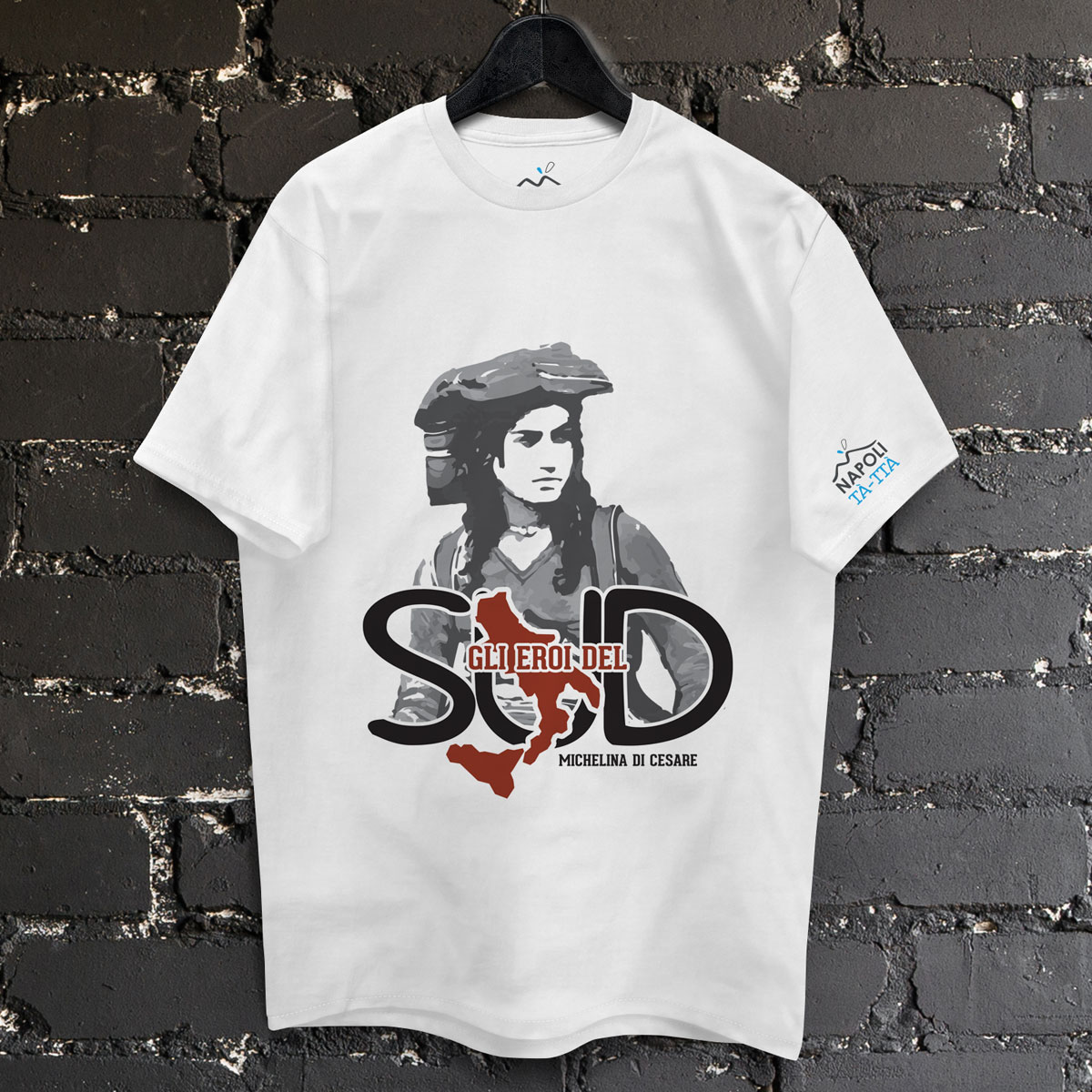 Michelina Di Cesare, the brigantessa who defied a kingdomRead more
Born poor in Terra di Lavoro, Michelina Di Cesare chose the maquis and the rifle against a newly united Italy. A...
-
 Neapolitan Hoodies: The Autumn 2026 Style GuideRead more
When the air turns crisp, in Naples people don't just reach for a hoodie: they reach for a piece of identity. Here's...
-
 Maradona Stadium: City Council allocates €50 million for Euro 2032Read more
The City Council has allocated €50 million for the redevelopment of the Diego Armando Maradona stadium, ahead of...
-
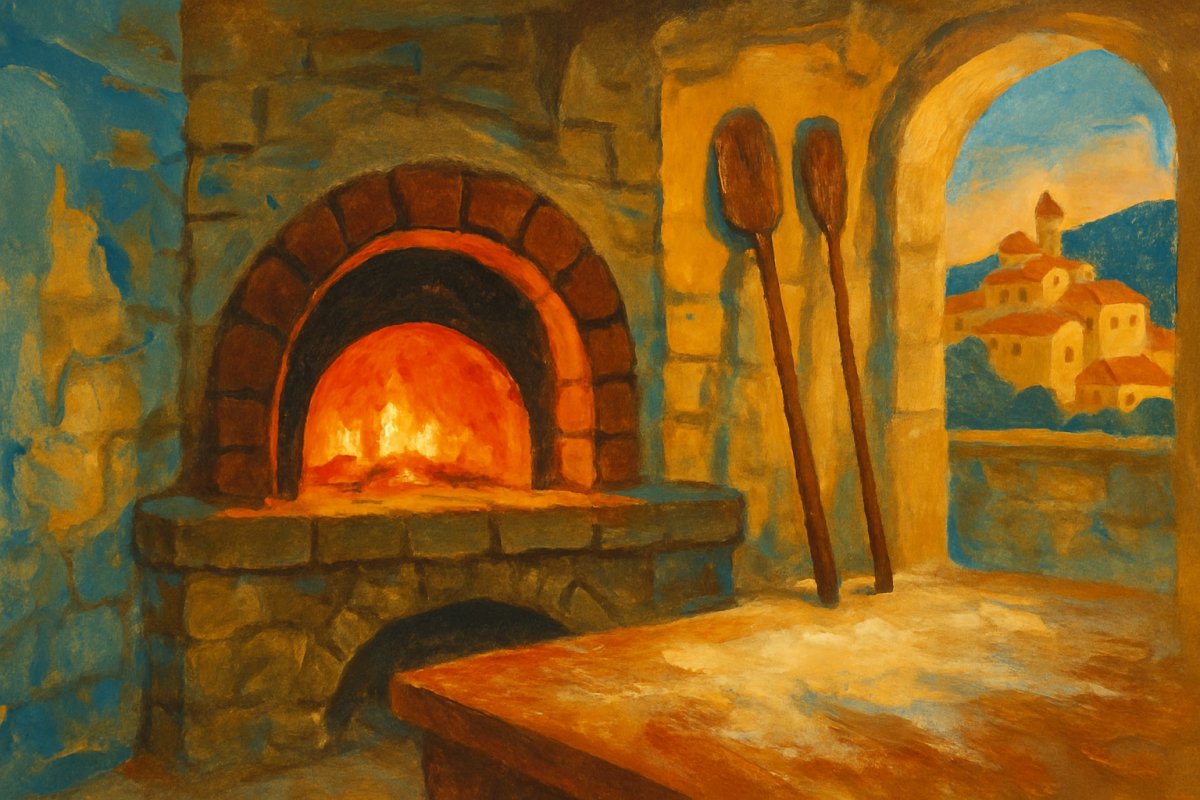 Pizza Maxima 2026: Franco Pepe Is Once Again Best Pizzeria in ItalyRead more
At the fifth edition of Pizza Maxima, the Oscars of Italian pizza, Franco Pepe confirms his title as Best Pizzeria in...
-
 ‘L’acqua è poca e ‘a papera nun galleggia’: what it meansRead more
When the means are few, so is the result. Let's discover the most realistic Neapolitan saying there is.
-
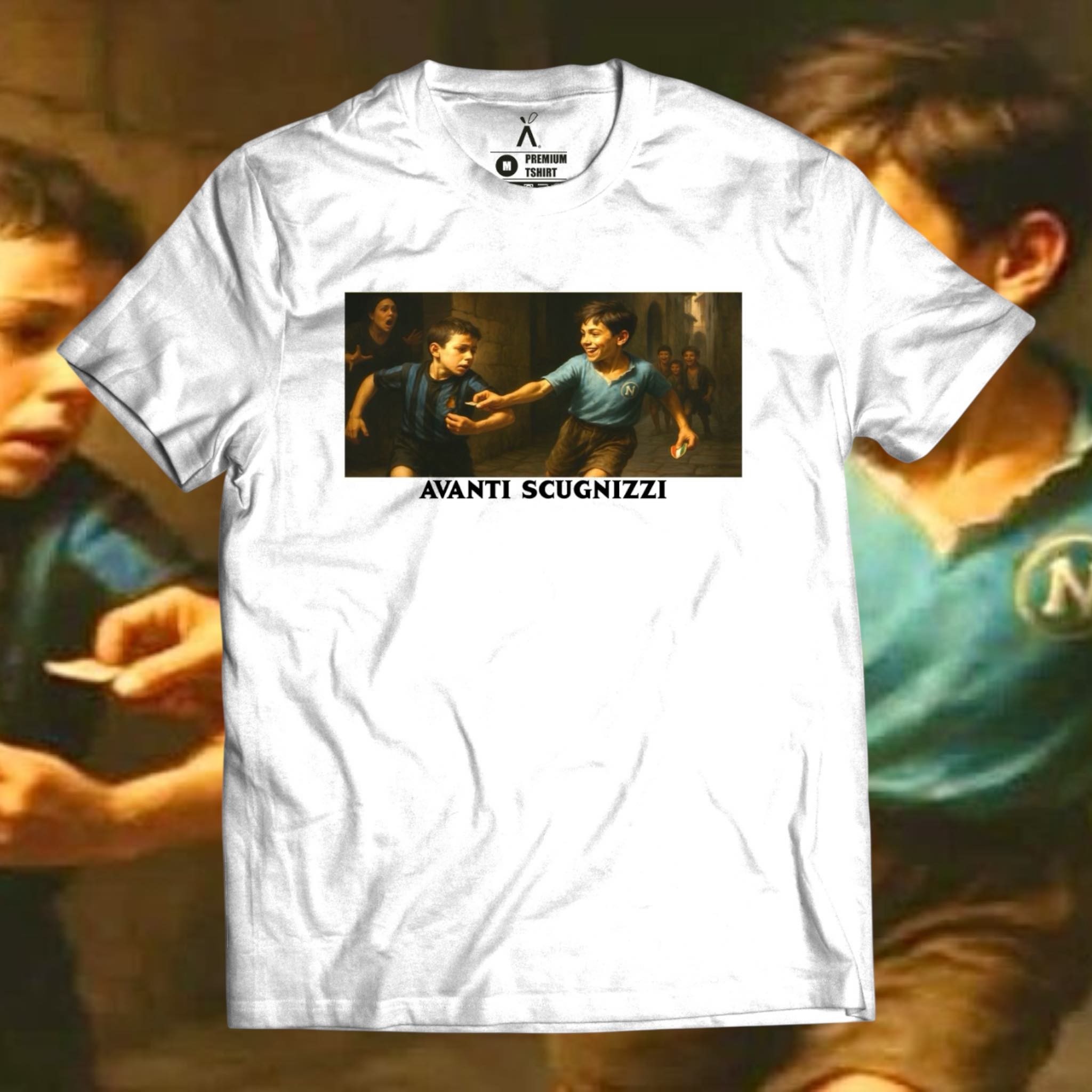 Avanti Scugnizzi: the story of the year's most loved T-shirtRead more
One word, ‘scugnizzo’ (Neapolitan street kid), and it holds the whole of Naples inside it. We tell you how the year's...
-
 'Chi chiagne fotte a chi ride': what it means and why it's truer than everRead more
At the market, at the counter, in the family: there's always someone who complains and gets more. It's the sharp...
-
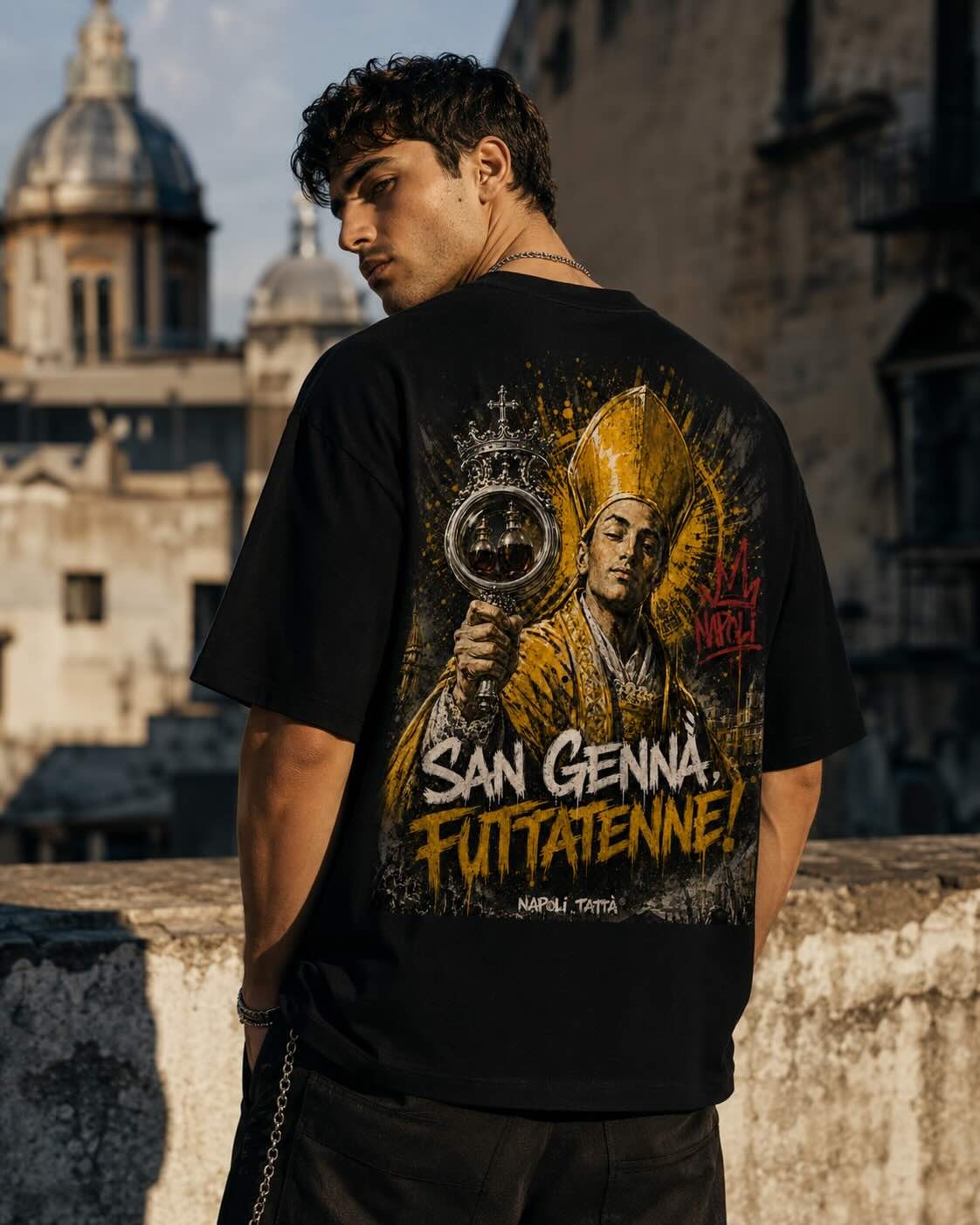 San Gennà, futtatenne! (Saint Januarius, don't worry about it!) San Gennaro, 19 September and the patron saint's t-shirtRead more
Who San Gennaro was, the miracle of the blood that liquefies, and the feast on 19 September. Plus that close,...
Blog categories
Search in blog
Archived posts
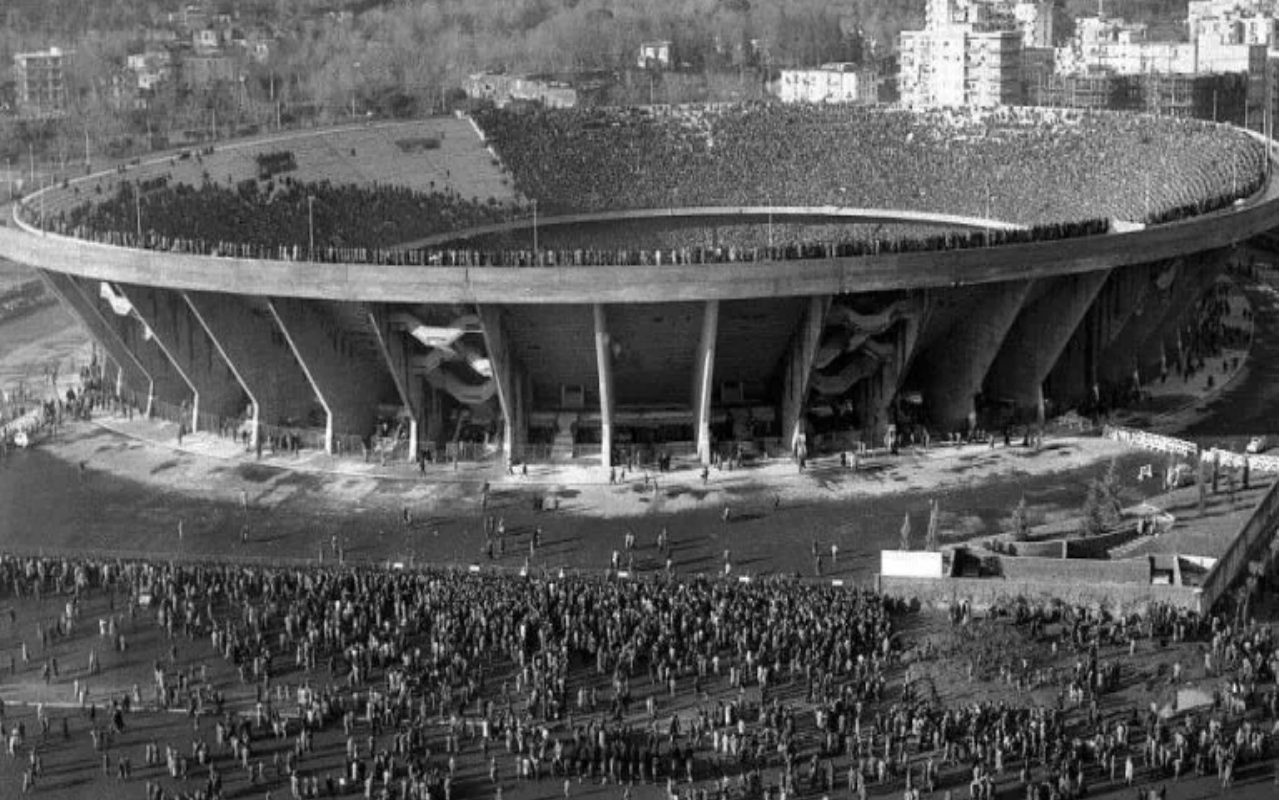
6 December 1959: History of Naples' San Paolo Stadium (today Maradona)
On 6 December 1959, the official opening of the San Paolo Stadium in Naples took place, where the blue-shirted side faced Juventus, coming away winners with a 2-1 scoreline. The building, designed by architect Carlo Cocchia, was built in the district of Fuorigrotta, which at that time was undergoing a period of intense urban development. Initially known as the "Stadio del Sole" (Stadium of the Sun), it later took the name San Paolo, in honour of the Apostle Paul, who, according to legend, was the first person to set foot in the area where the sports ground now stands.
It was built in the district of Fuorigrotta in 1959, inaugurated on 6 December of that year with a highly anticipated match between Napoli and Juventus, which ended with a 2-1 win for the home side. Because the old Stadio Partenopeo had been destroyed during the Second World War, the Naples team had been playing at the Arturo Collana Stadium in the Vomero district, but the venue was hard to reach and not large enough. So the City of Naples decided to build a new stadium in an area undergoing rapid growth, the Fuorigrotta district, designed by architect Carlo Cocchia. Cocchia is also known for designing other important buildings in the city of Naples, including Napoli Central Station, the Mostra d'Oltremare (Overseas Exhibition), the Rione La Loggetta and Rione Mazzini housing districts, and the New Polyclinic hospital.
Initially known as the "Stadio del Sole" (Stadium of the Sun), in 1963 the name was changed to "Stadio San Paolo" (San Paolo Stadium), in honour of Saint Paul of Tarsus, who, according to legend, came ashore in exactly the area of present-day Fuorigrotta after a shipwreck. The legendary stadium was home to Napoli for many seasons and hosted numerous sporting events, including several World Cup matches and, of course, the legendary games of Diego Armando Maradona.
Posted in:
History and legends
Related posts
-
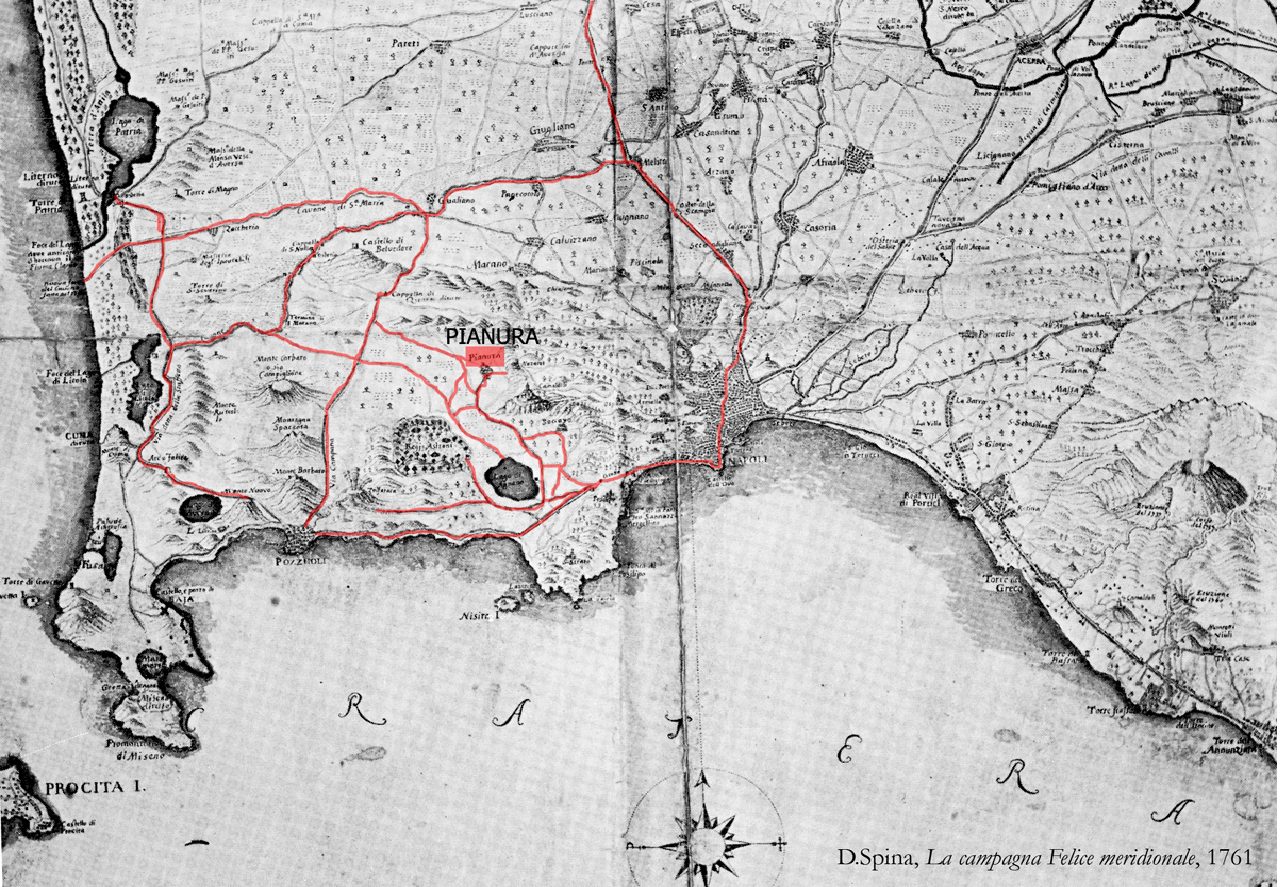 THE 36 CASALI OF NAPLES
This term identified the tiny clusters of farmhouses within the countryside surrounding Naples.Read more
-
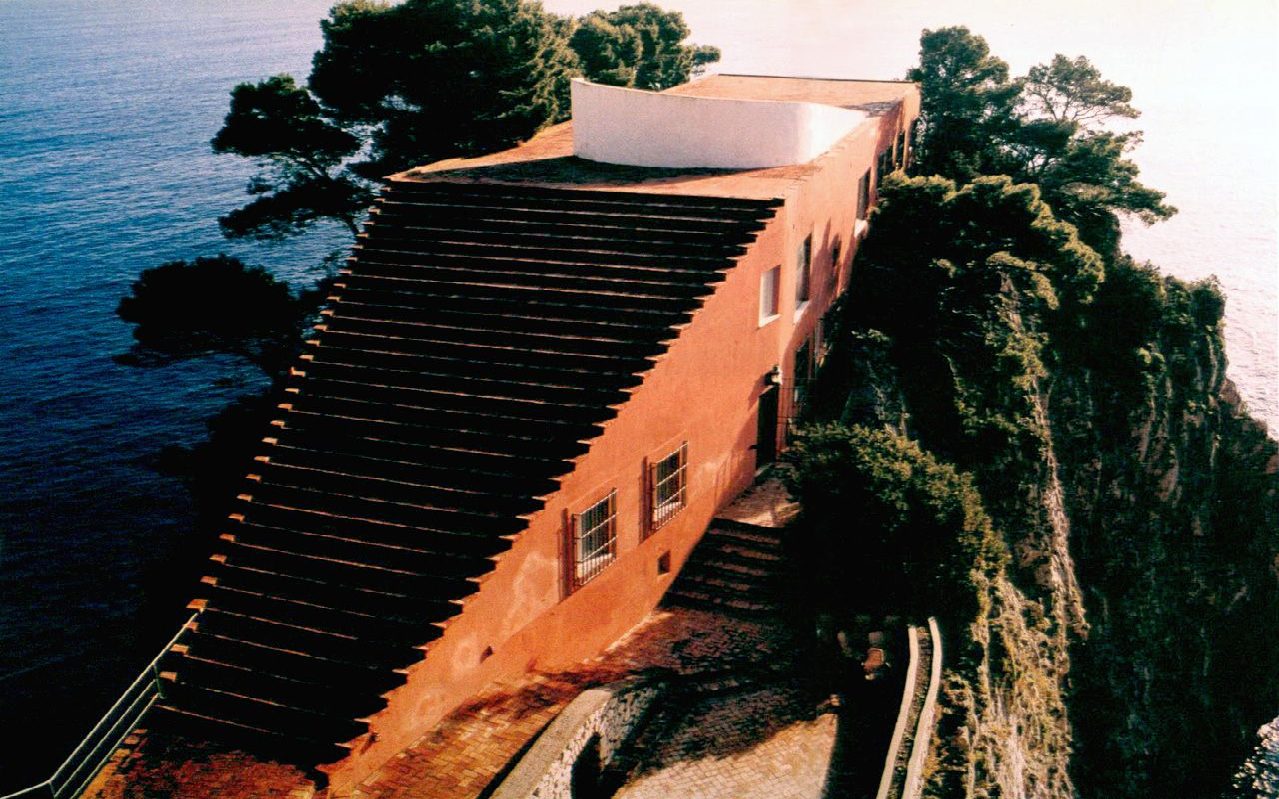 Casa Malaparte - Capri
Built in the 1930s on Capri by the celebrated writer Curzio Malaparte, this villa has always been a coveted spot for...Read more
-
 The Golden Ball Stolen from Maradona
Snatched in 1989 from the clutches of organised crime, its value is estimated to be between 12 and 15 million euros.Read more
-
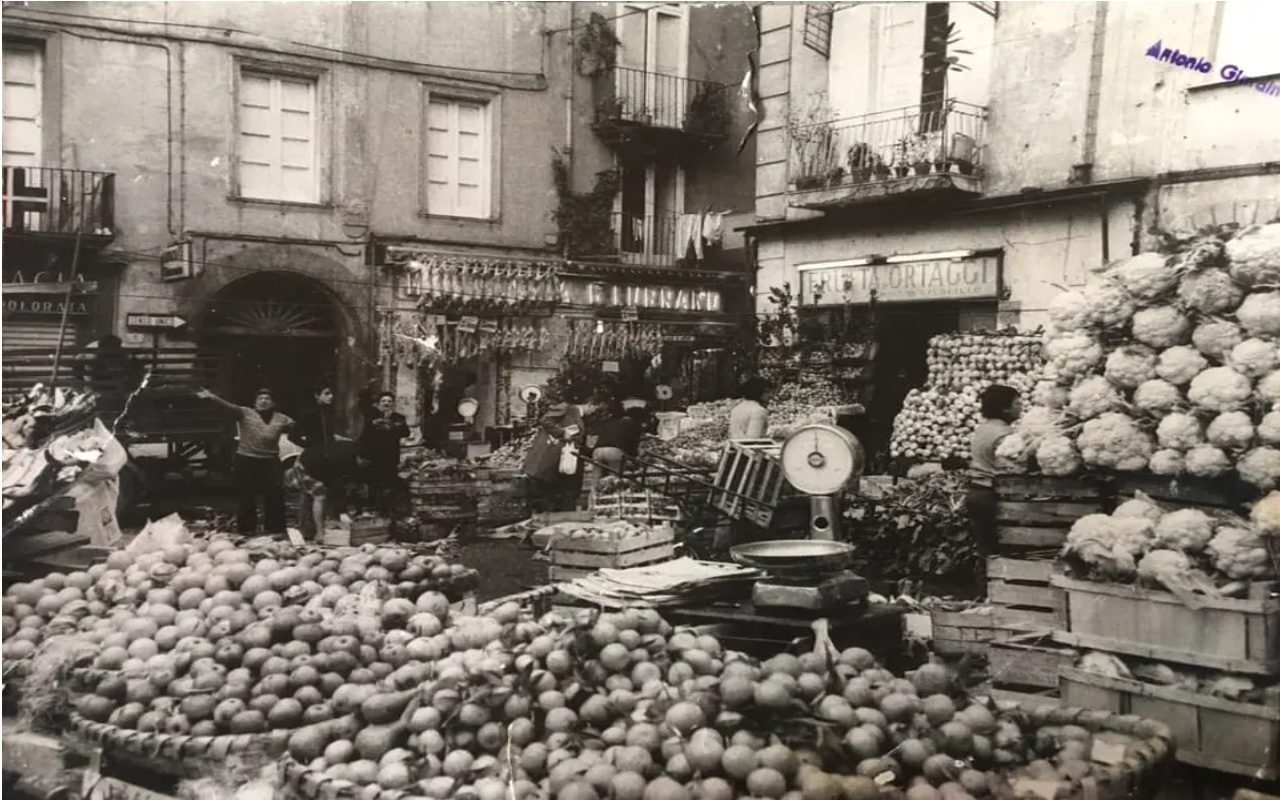 "Pignasecca" and its legend of the thieving magpies
The lively, bustling Naples district known as "Pignasecca" (dry pinecone) is a crowded, picturesque place that...Read more
-
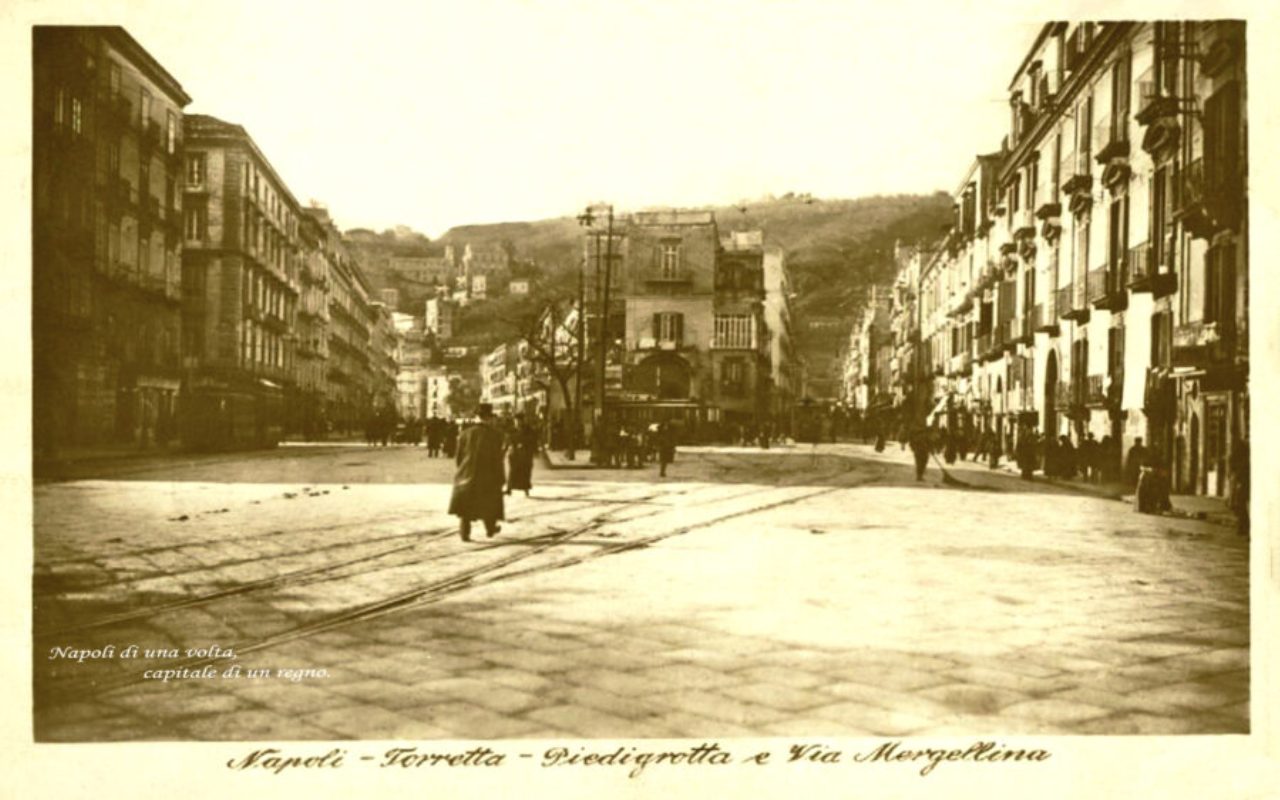 History of the Torretta di Mergellina: A Beacon of Safety
The Torretta was built in 1564 by order of the viceroy, the Duke of Alcalá, to serve as a lookout for maritime raids...Read more
Leave a comment