



In Naples, a graduation is never a private affair: it's a neighbourhood celebration. Here's how to choose an original...
Latest posts
-
 Original Neapolitan graduation gift: ideas for the graduate (him and her)Read more
-
 Asso 'e mazze: meaning and history of the Neapolitan ace of clubsRead more
The strongest card on the green table becomes, in Naples, the most elegant way to say who really calls the shots....
-
 Michelina Di Cesare, the brigantessa who defied a kingdomRead more
Born poor in Terra di Lavoro, Michelina Di Cesare chose the maquis and the rifle against a newly united Italy. A...
-
 Neapolitan Hoodies: The Autumn 2026 Style GuideRead more
When the air turns crisp, in Naples people don't just reach for a hoodie: they reach for a piece of identity. Here's...
-
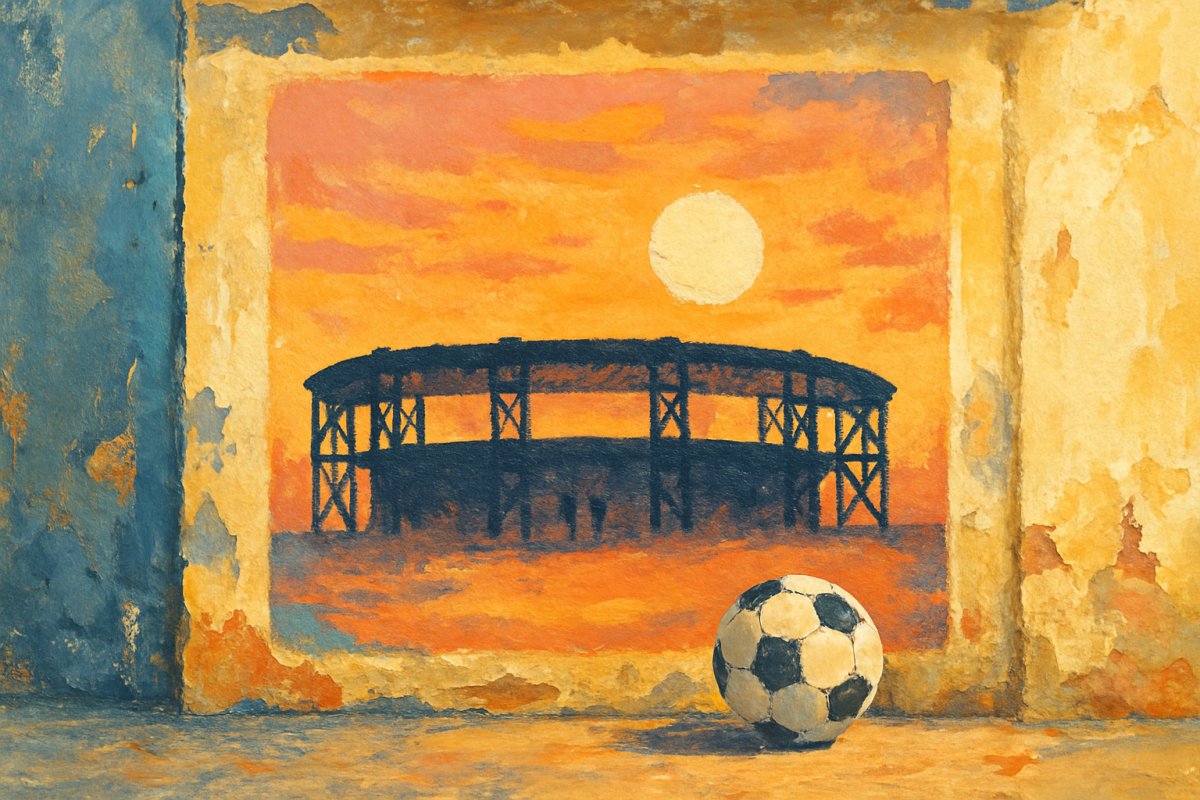 Maradona Stadium: City Council allocates €50 million for Euro 2032Read more
The City Council has allocated €50 million for the redevelopment of the Diego Armando Maradona stadium, ahead of...
-
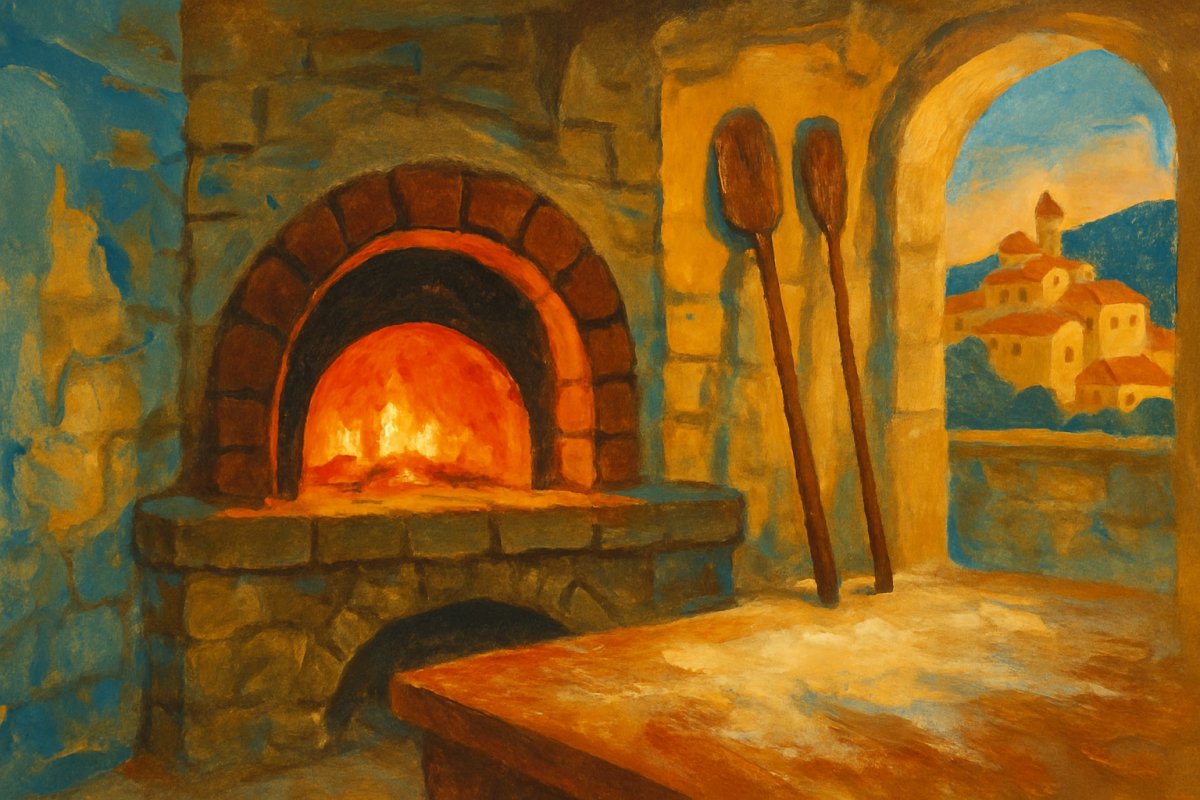 Pizza Maxima 2026: Franco Pepe Is Once Again Best Pizzeria in ItalyRead more
At the fifth edition of Pizza Maxima, the Oscars of Italian pizza, Franco Pepe confirms his title as Best Pizzeria in...
-
 ‘L’acqua è poca e ‘a papera nun galleggia’: what it meansRead more
When the means are few, so is the result. Let's discover the most realistic Neapolitan saying there is.
-
 Avanti Scugnizzi: the story of the year's most loved T-shirtRead more
One word, ‘scugnizzo’ (Neapolitan street kid), and it holds the whole of Naples inside it. We tell you how the year's...
-
 'Chi chiagne fotte a chi ride': what it means and why it's truer than everRead more
At the market, at the counter, in the family: there's always someone who complains and gets more. It's the sharp...
-
 San Gennà, futtatenne! (Saint Januarius, don't worry about it!) San Gennaro, 19 September and the patron saint's t-shirtRead more
Who San Gennaro was, the miracle of the blood that liquefies, and the feast on 19 September. Plus that close,...
Blog categories
Search in blog
Archived posts
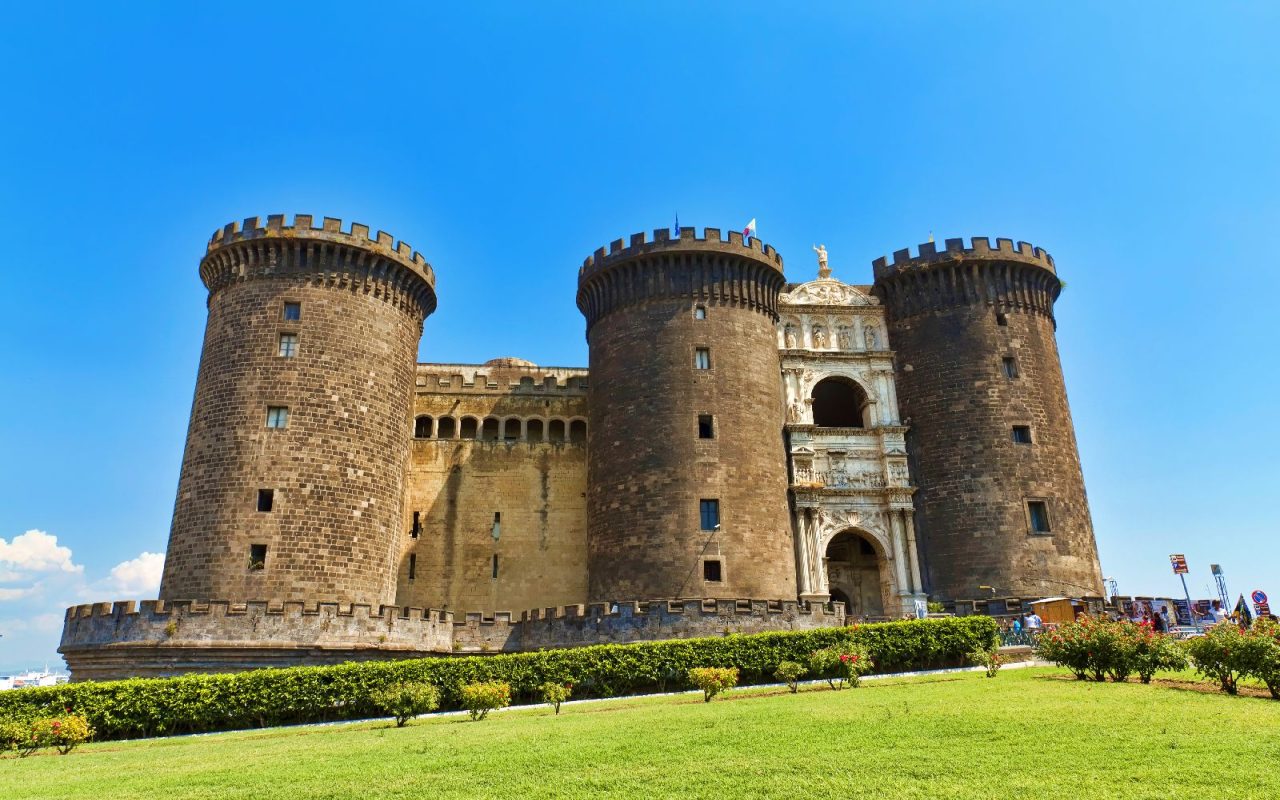
The French Renaissance in Naples: Castel Nuovo and the Borgo Orefici
Among the many foreign dominations that the city of Naples was subjected to, the French left an indelible mark on the architecture, culture and art of the Kingdom.
A journey through castles, churches, palaces and streets allows us to admire the French legacy in Naples. From the walls of Castel Nuovo, embellished by the Arch of Triumph, to the Borgo Orefici district, rich in artisan workshops and eighteenth-century buildings, the French left their unforgettable mark on this ancient, thousand-year-old city.
The Neapolitan dialect shows a notable French influence, with terms such as "Ampressa" (from "empressé", meaning "in a hurry") and "Arrangià" (from "arranger", meaning "to make do with a situation").
French architecture left a significant imprint on the history of Naples, with Castel Nuovo, also known as Maschio Angioino, built in 1279 on the initiative of Charles I of Anjou. This fortress replaced the old Castel Capuano, considered inadequate, and thanks to the French architect Pierre de Chaulnes, it was completed in just 3 years.
The Basilica di San Lorenzo Maggiore (Basilica of St Lawrence the Greater) is another example of French architecture, with its apse built in the French Gothic style. The streets of Naples bear names such as Rua Catalana and la Renovella, derived from the French word "Rue" (street).
The Borgo Orefici (Goldsmiths' Quarter), a commercial district located between Corso Umberto and Via Marina, bears witness to this French legacy, with French craftsmen bringing the art of goldworking to Naples during the reign of Queen Joanna of Anjou. Today, the Borgo Orefici remains a landmark for expert gold artisans, home to the Museum of Goldsmith Arts and the goldsmithing school "La Bulla" (The Golden Amulet).
Catalana, Renovella or Borgo Orefici. This last one was the place where the refined art of goldworking was introduced to Naples by the French, becoming the quarter of master gold artisans that still characterises it to this day.
Posted in:
History and legends
Related posts
-
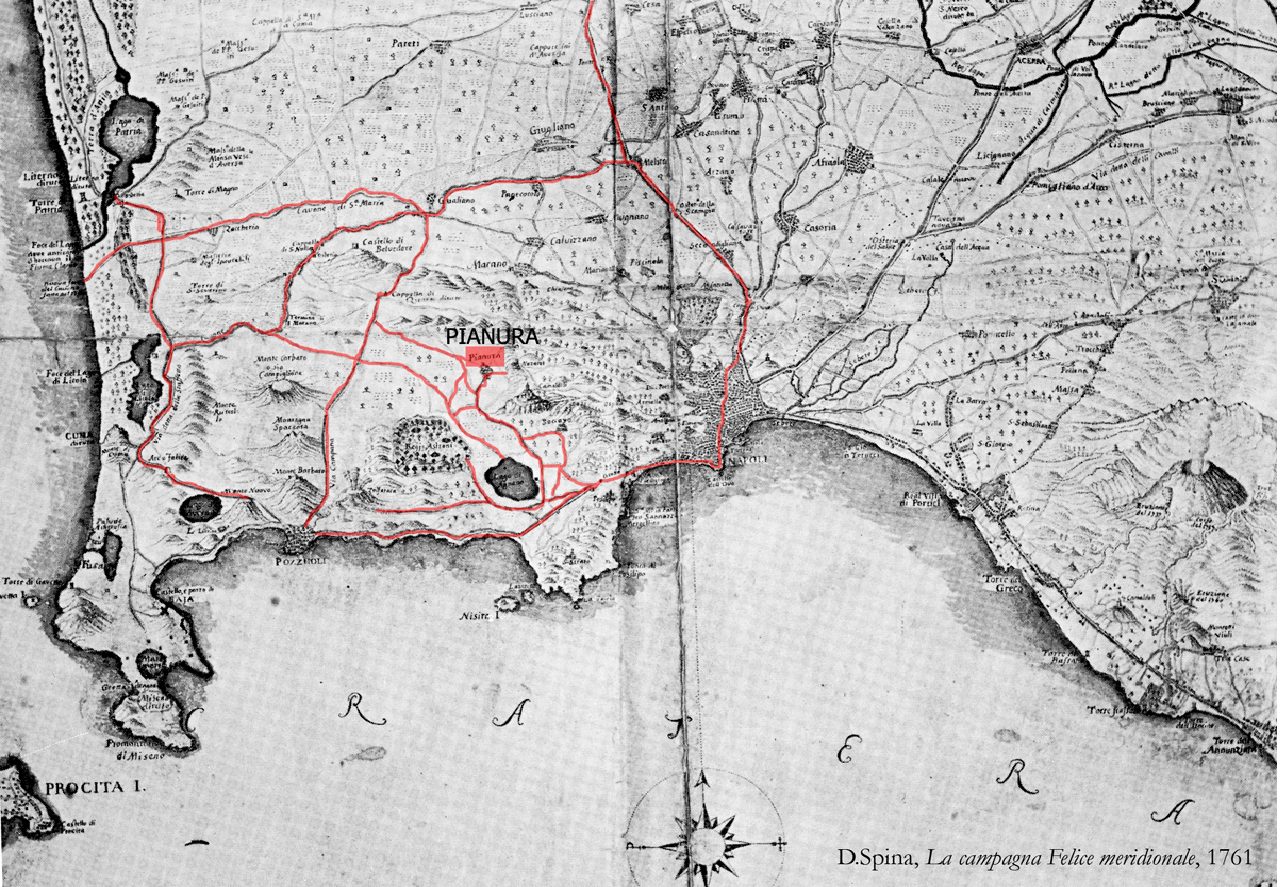 THE 36 CASALI OF NAPLES
This term identified the tiny clusters of farmhouses within the countryside surrounding Naples.Read more
-
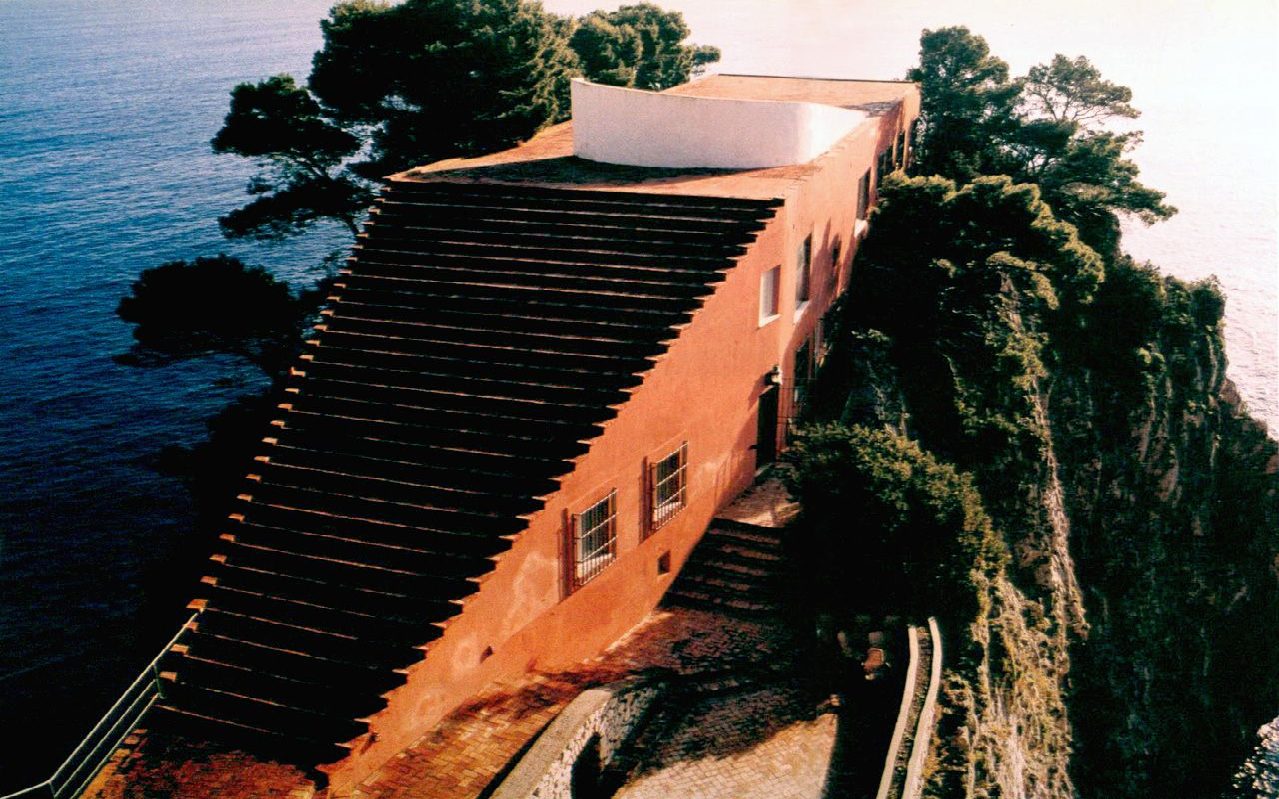 Casa Malaparte - Capri
Built in the 1930s on Capri by the celebrated writer Curzio Malaparte, this villa has always been a coveted spot for...Read more
-
 The Golden Ball Stolen from Maradona
Snatched in 1989 from the clutches of organised crime, its value is estimated to be between 12 and 15 million euros.Read more
-
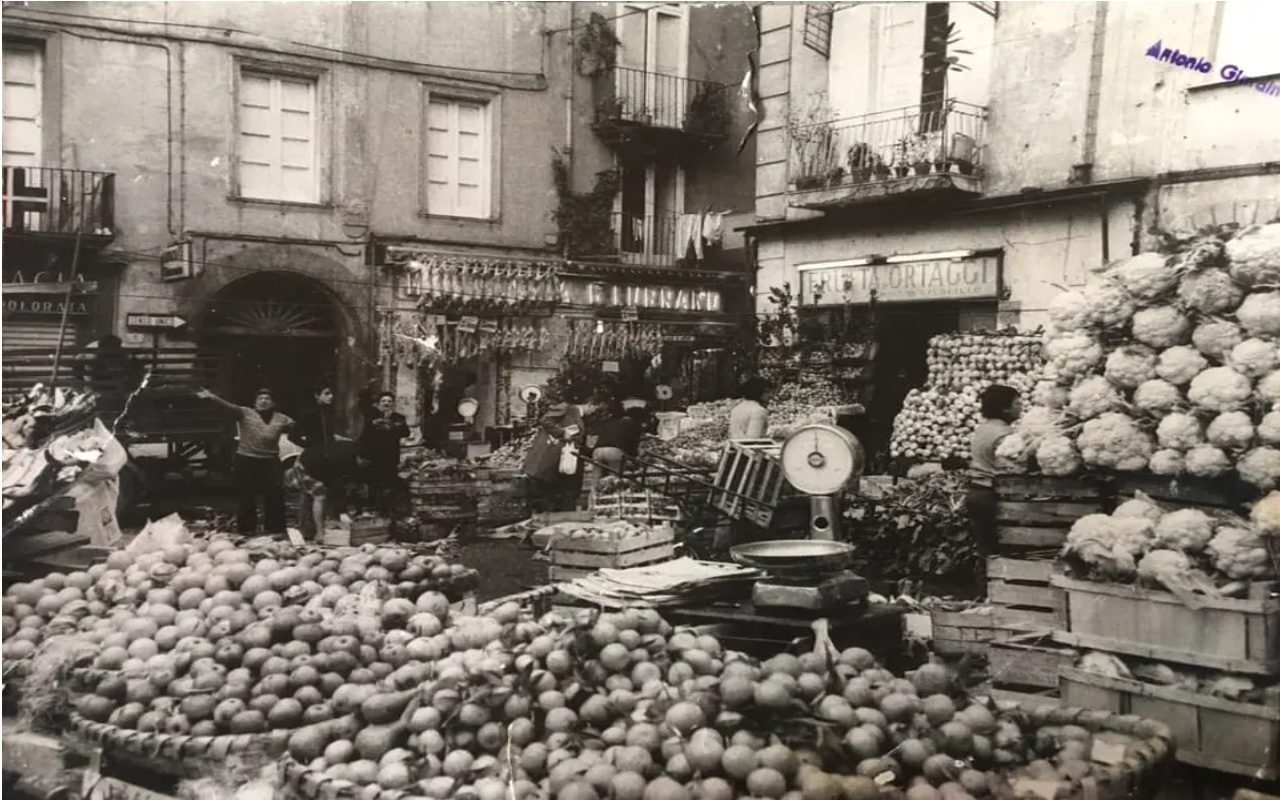 "Pignasecca" and its legend of the thieving magpies
The lively, bustling Naples district known as "Pignasecca" (dry pinecone) is a crowded, picturesque place that...Read more
-
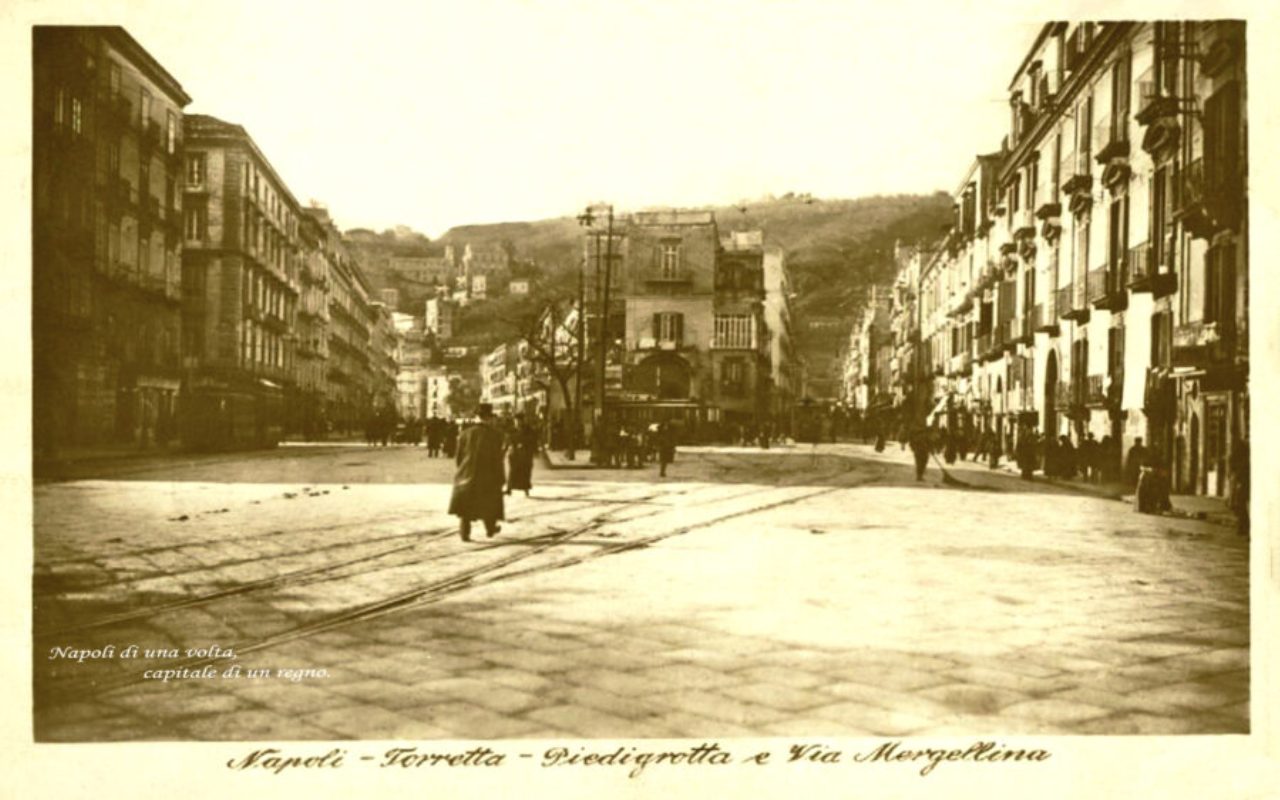 History of the Torretta di Mergellina: A Beacon of Safety
The Torretta was built in 1564 by order of the viceroy, the Duke of Alcalá, to serve as a lookout for maritime raids...Read more
Leave a comment