



In Naples, a graduation is never a private affair: it's a neighbourhood celebration. Here's how to choose an original...
Latest posts
-
 Original Neapolitan graduation gift: ideas for the graduate (him and her)Read more
-
 Asso 'e mazze: meaning and history of the Neapolitan ace of clubsRead more
The strongest card on the green table becomes, in Naples, the most elegant way to say who really calls the shots....
-
 Michelina Di Cesare, the brigantessa who defied a kingdomRead more
Born poor in Terra di Lavoro, Michelina Di Cesare chose the maquis and the rifle against a newly united Italy. A...
-
 Neapolitan Hoodies: The Autumn 2026 Style GuideRead more
When the air turns crisp, in Naples people don't just reach for a hoodie: they reach for a piece of identity. Here's...
-
 Maradona Stadium: City Council allocates €50 million for Euro 2032Read more
The City Council has allocated €50 million for the redevelopment of the Diego Armando Maradona stadium, ahead of...
-
 Pizza Maxima 2026: Franco Pepe Is Once Again Best Pizzeria in ItalyRead more
At the fifth edition of Pizza Maxima, the Oscars of Italian pizza, Franco Pepe confirms his title as Best Pizzeria in...
-
 ‘L’acqua è poca e ‘a papera nun galleggia’: what it meansRead more
When the means are few, so is the result. Let's discover the most realistic Neapolitan saying there is.
-
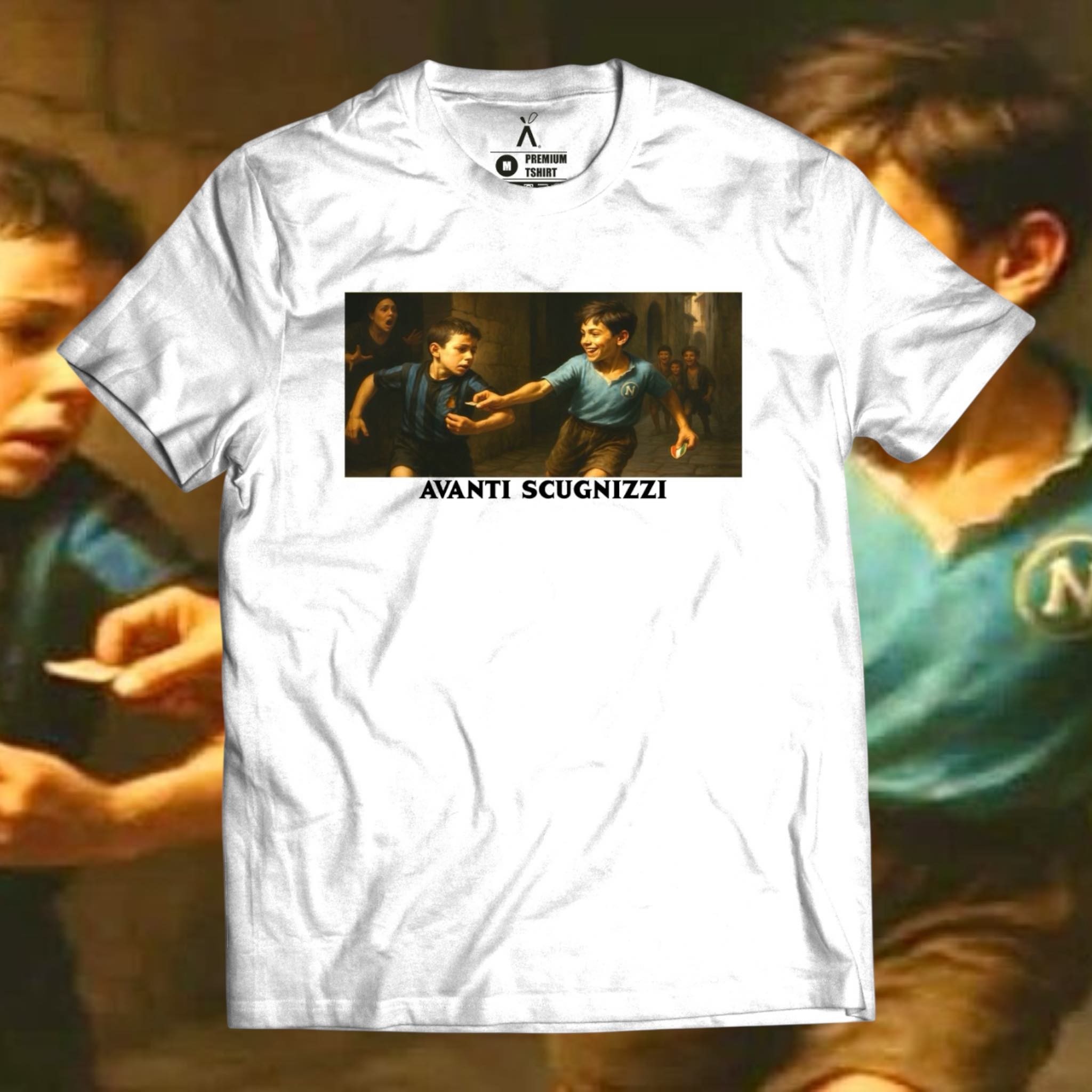 Avanti Scugnizzi: the story of the year's most loved T-shirtRead more
One word, ‘scugnizzo’ (Neapolitan street kid), and it holds the whole of Naples inside it. We tell you how the year's...
-
 'Chi chiagne fotte a chi ride': what it means and why it's truer than everRead more
At the market, at the counter, in the family: there's always someone who complains and gets more. It's the sharp...
-
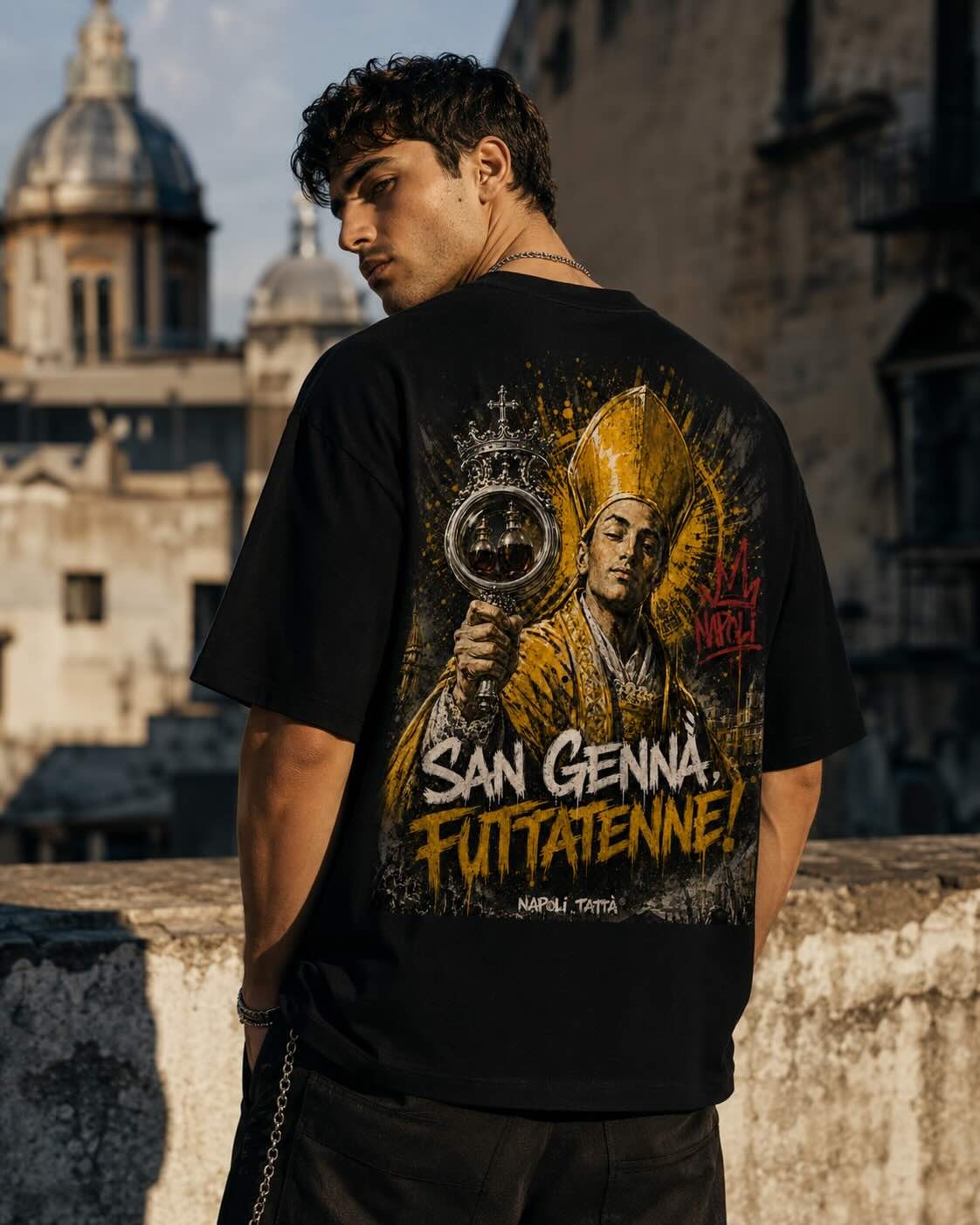 San Gennà, futtatenne! (Saint Januarius, don't worry about it!) San Gennaro, 19 September and the patron saint's t-shirtRead more
Who San Gennaro was, the miracle of the blood that liquefies, and the feast on 19 September. Plus that close,...
Blog categories
Search in blog
Archived posts
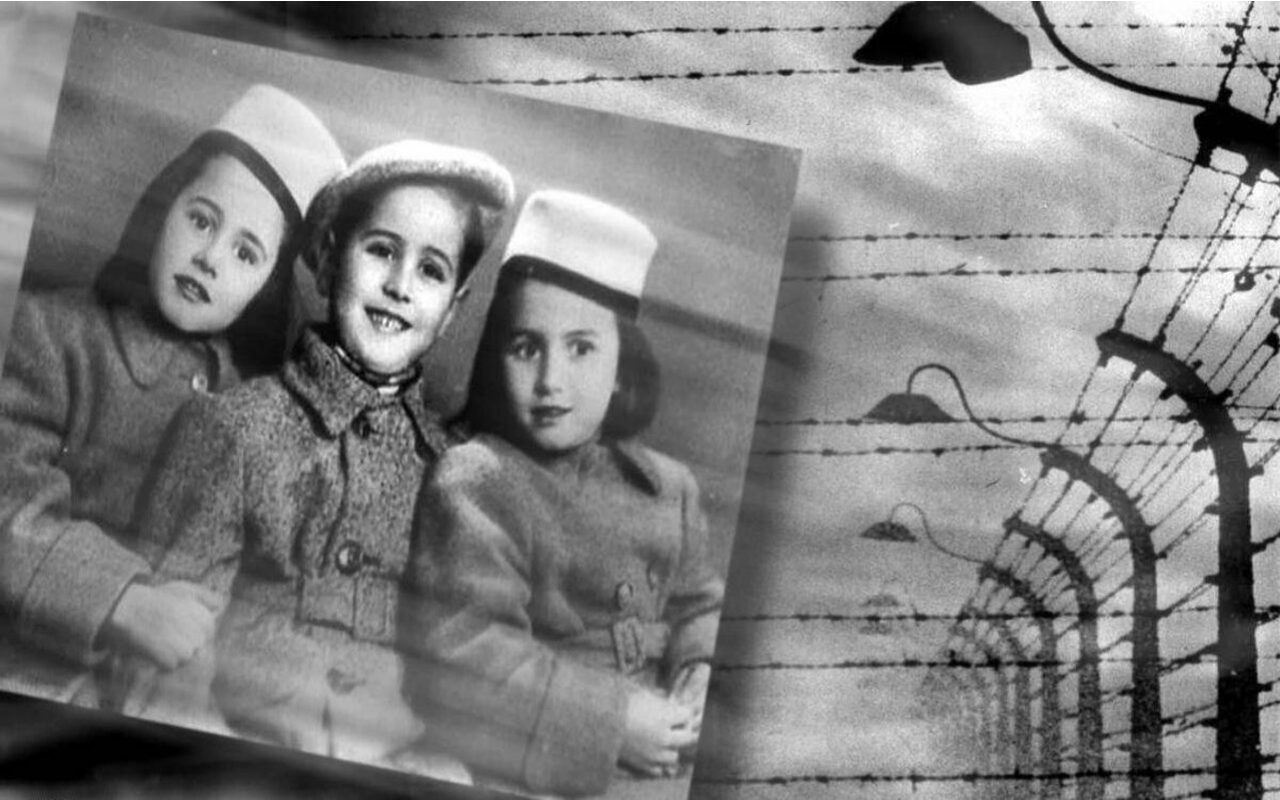
Sergio De Simone, the Neapolitan child used as a guinea pig by the Nazis
It is important to remember his story to honour his memory and to commit ourselves so that similar tragedies never happen again.
Sergio De Simone was born in Naples, in the Vomero district, on 29 November 1937.
His father, Edoardo De Simone, who followed the Catholic faith, served as a non-commissioned officer in the Italian Royal Navy. His mother, Gisella Perlow, of Jewish origin, was born in Vidrinka, a place that no longer exists, located in an area between Belarus and, most likely, Ukraine, on 23 September 1904. The two met in Fiume, the city where Gisella's family lived. After marrying, the couple settled in Naples.
During the war, with her husband Edoardo De Simone recalled to the Royal Navy, Gisella decided, in August 1943, to move to Fiume with her little Sergio, to reunite with her family, made up of her mother, brothers and sisters.
In the past, Gisella had always spent the summer with her family, but this time she decided to extend her stay in Fiume, since she had no one in Naples and the whole country was gripped by an atmosphere of uncertainty because of the war. That summer, in Fiume, passed peacefully, and nothing hinted at the events that would soon follow. After 8 September 1943, Fiume came directly under German control. On 21 March 1944, following a tip-off from an informer, the Germans arrived at the Perlow home and arrested 8 members of the family, including Gisella, young Sergio (aged 6), and his cousins Andra and Tatiana Bucci, aged 6 and 4. The latter would go on to become the youngest Italian survivors of Auschwitz.
The Perlow family was deported to the Risiera di San Sabba concentration camp and immediately placed in the group of prisoners who set off for Auschwitz on 29 March. After six long days of travel, convoy T25 reached its destination. The mother and child passed the initial selection, and Sergio was assigned, together with his cousins, to the children's barrack. In November 1944, Dr Joseph Mengele selected Sergio among twenty children (ten boys and ten girls) to be sent to the Neuengamme concentration camp, where they would be used as human guinea pigs for Dr Kurt Heissmeyer's experiments on tuberculosis.
Since April 1944, Kurt Heissmeyer had been conducting medical experiments on Russian prisoners of war. As testified by the expert witness at the trial that judged Heissmeyer in the 1960s, he had no scientific knowledge whatsoever in the fields of immunology and bacteriology, but relied instead on generic notions drawn from scientifically unreliable studies. Nevertheless, Heissmeyer was convinced that inoculating tuberculosis bacilli under the skin of his subjects would cause the formation of infection foci that would stimulate an immune response capable of vaccinating against pulmonary tuberculosis. Despite the initial negative results, and backed by influential figures among the Nazi hierarchy, Heissmeyer insisted that the experiment continue, this time involving Jewish children.
Sergio De Simone and the other nineteen children, coming from France, the Netherlands, Czechoslovakia and Poland, arrived at Neuengamme on 29 November 1944, on the very day of Sergio's seventh birthday. They were accompanied by Dr Paulina Trocki and three nurses. At Neuengamme, the children were entrusted to four prisoners, tasked with caring for the group: the French doctors René Quenouille and Gabriel Florence, and the Dutch nurses Anton Hölzel and Dirk Deutekom. For a few weeks, the children lived through a relatively peaceful period; for the success of the experiments, it was essential that they remain in good health. However, on 9 January 1945, Dr Kurt Heissmeyer decided the time had come to begin his experiments: the children were repeatedly injected with tuberculosis bacteria, causing the disease to spread rapidly. In early March, the children, sick and feverish, were subjected to surgery to remove the lymph nodes in the armpit area, which, according to the doctor's theories, should have produced antibodies against tuberculosis. There is a series of twenty photographs documenting this moment, in which each child (including Sergio) is shown, completely shaved, bare-chested, with his right arm raised to reveal the incision under the armpit. Once again, the experiments were unsuccessful: the removed lymph nodes were sent to Dr Hans Klein, a pathologist at the Hohenlychen clinic, who reported to Heissmeyer on 12 March 1945 that no antibodies had been generated.
After Heissmeyer left the Neuengamme camp and the Allies drew closer, the camp commander, Max Pauly, decided to erase all evidence of the experiments. On the night between 20 and 21 April 1945, Sergio and the other children were transferred to the school at Bullenhuser Damm in Hamburg, which served as a satellite site of the Neuengamme camp. Their guardians, the French doctors René Quenouille and Gabriel Florence and the Dutch nurses Anton Holzel and Dirk Deutekom, who had tried to protect them right up to the end, were killed alongside six Russian prisoners of war. The children were given a dose of morphine and then hanged from the walls of the room. The massacre ended with the killing of a further eight Russian prisoners. The bodies were later taken back to the Neuengamme concentration camp and cremated. Sergio died along with the other children, deceived by the promise that they would see their mothers again.
This tragic event marked Sergio's life, as he was a victim of the horrors of war and of cruel, senseless medical experiments.
On 9 February 2021, the new General Director of Naples' AORN, Dr Rodolfo Conenna, chose to dedicate the Accident and Emergency department of the Santobono Children's Hospital in Naples to Sergio De Simone, so as to keep his memory alive. The reason behind this choice is the desire to commemorate those children who were denied medical care, and for whom the simple act of being cared for turned into a traumatic experience. In a setting where every child, regardless of who they are or where they come from, receives care and attention, it is important to remember those who were discriminated against. Medical care and research must always stand as a symbol of hope and love, standing against hatred and discrimination.
Posted in:
History and legends
Related posts
-
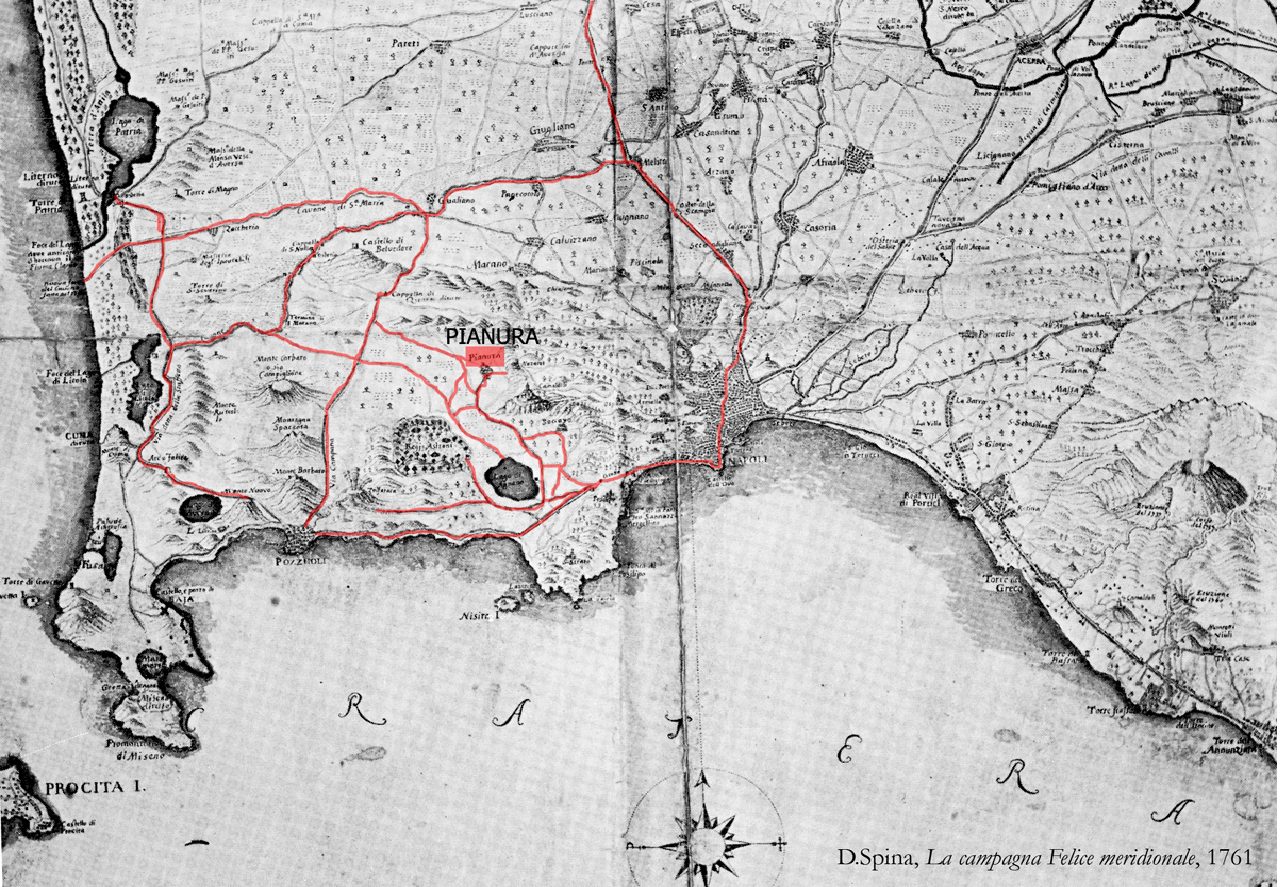 THE 36 CASALI OF NAPLES
This term identified the tiny clusters of farmhouses within the countryside surrounding Naples.Read more
-
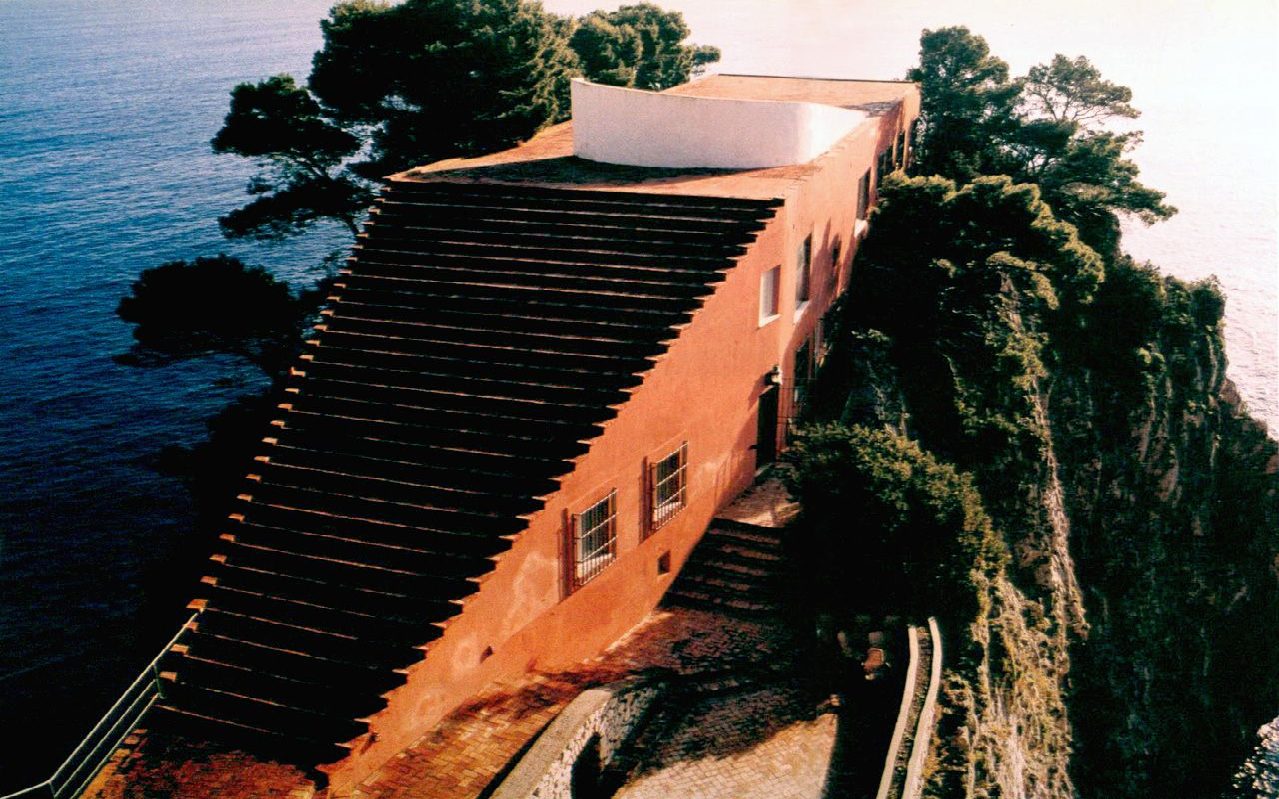 Casa Malaparte - Capri
Built in the 1930s on Capri by the celebrated writer Curzio Malaparte, this villa has always been a coveted spot for...Read more
-
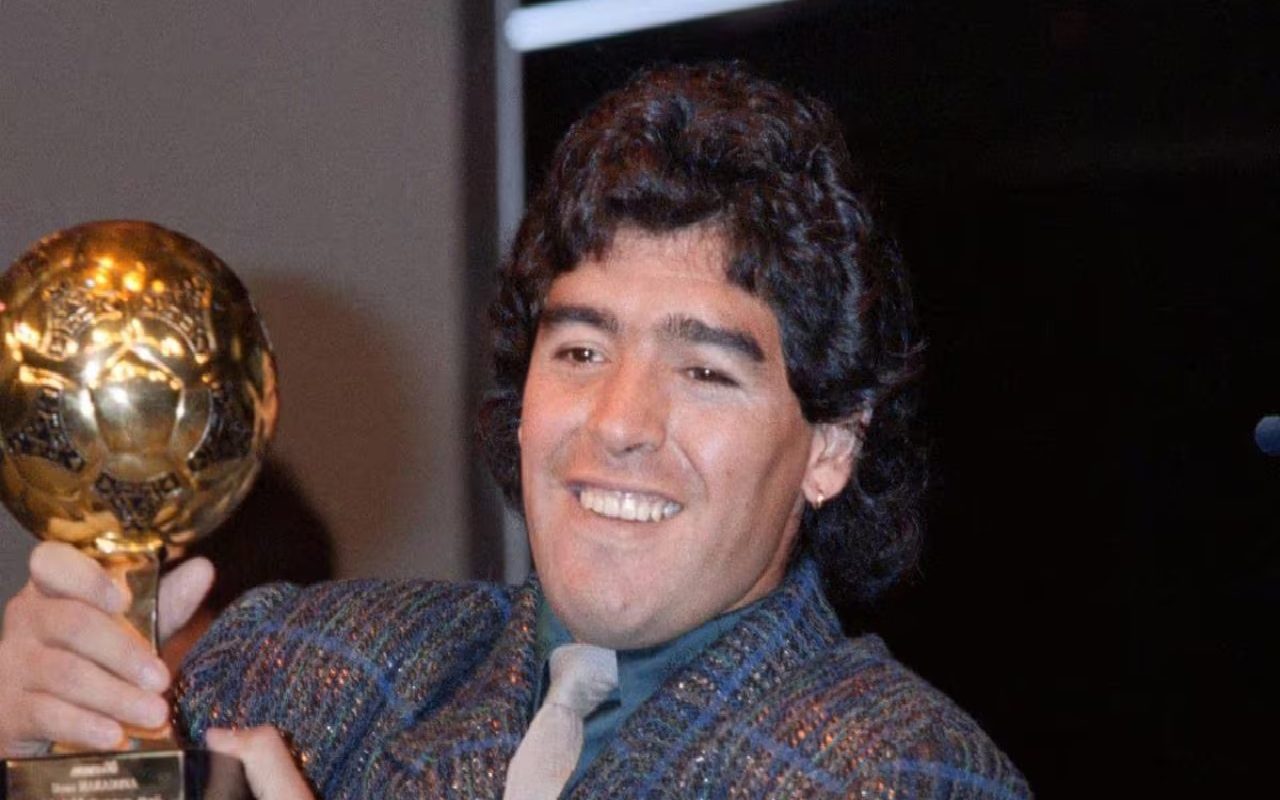 The Golden Ball Stolen from Maradona
Snatched in 1989 from the clutches of organised crime, its value is estimated to be between 12 and 15 million euros.Read more
-
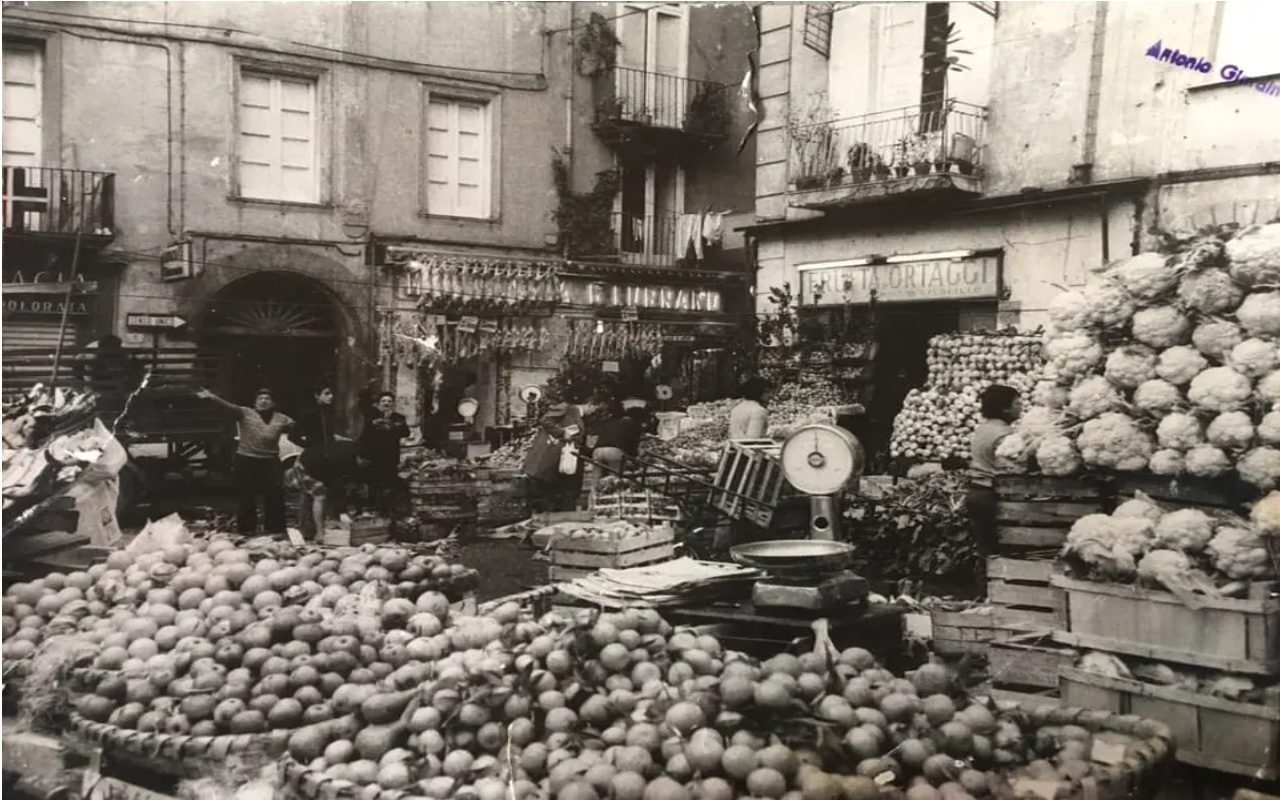 "Pignasecca" and its legend of the thieving magpies
The lively, bustling Naples district known as "Pignasecca" (dry pinecone) is a crowded, picturesque place that...Read more
-
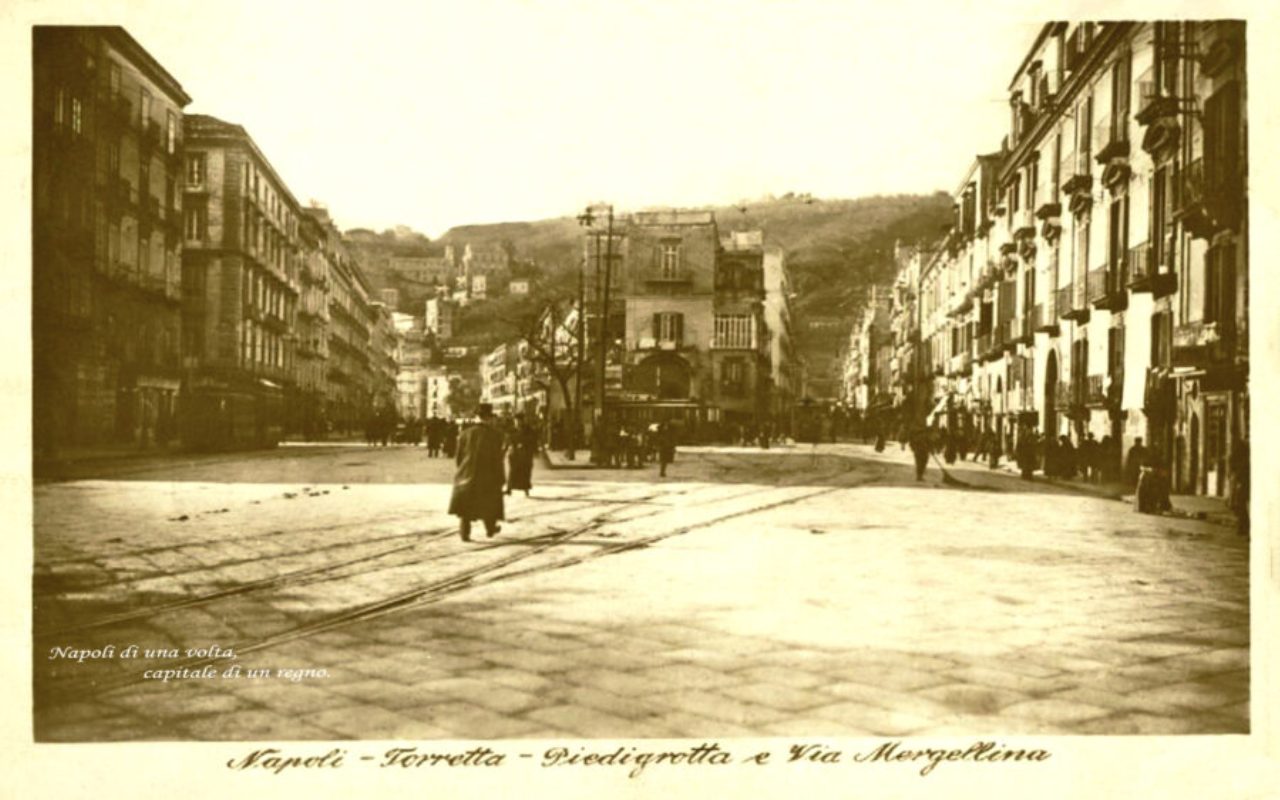 History of the Torretta di Mergellina: A Beacon of Safety
The Torretta was built in 1564 by order of the viceroy, the Duke of Alcalá, to serve as a lookout for maritime raids...Read more
Leave a comment