



In Naples, a graduation is never a private affair: it's a neighbourhood celebration. Here's how to choose an original...
Latest posts
-
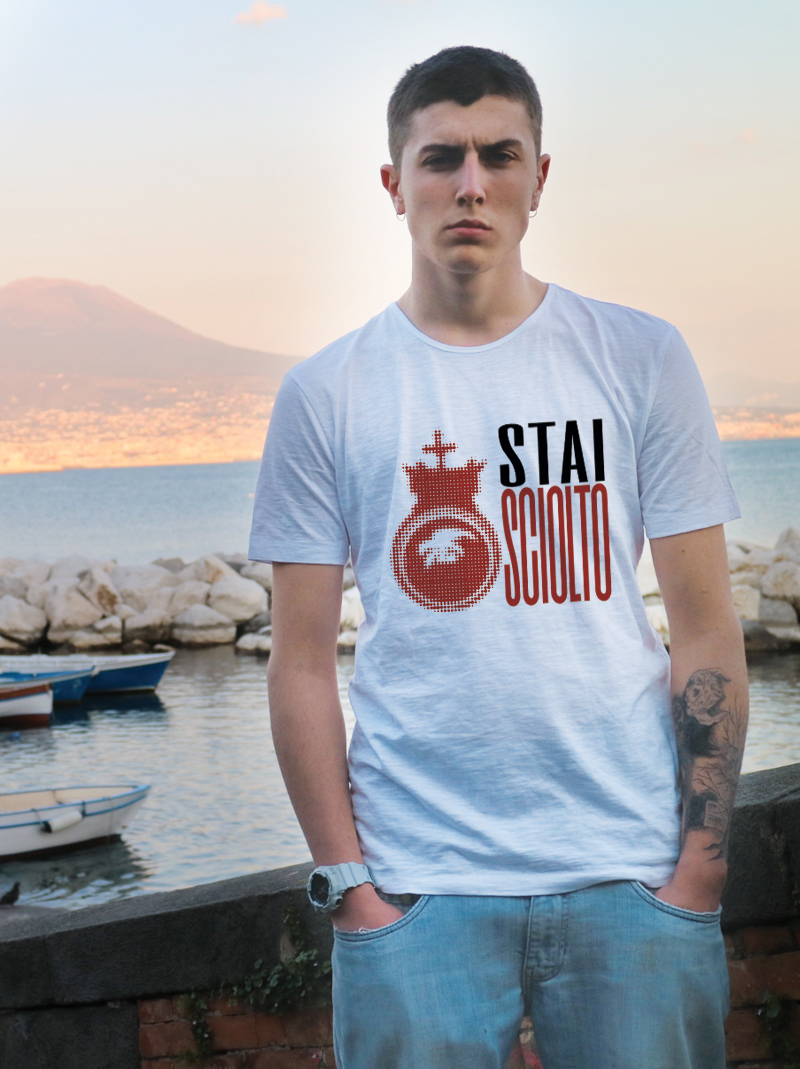 Original Neapolitan graduation gift: ideas for the graduate (him and her)Read more
-
 Asso 'e mazze: meaning and history of the Neapolitan ace of clubsRead more
The strongest card on the green table becomes, in Naples, the most elegant way to say who really calls the shots....
-
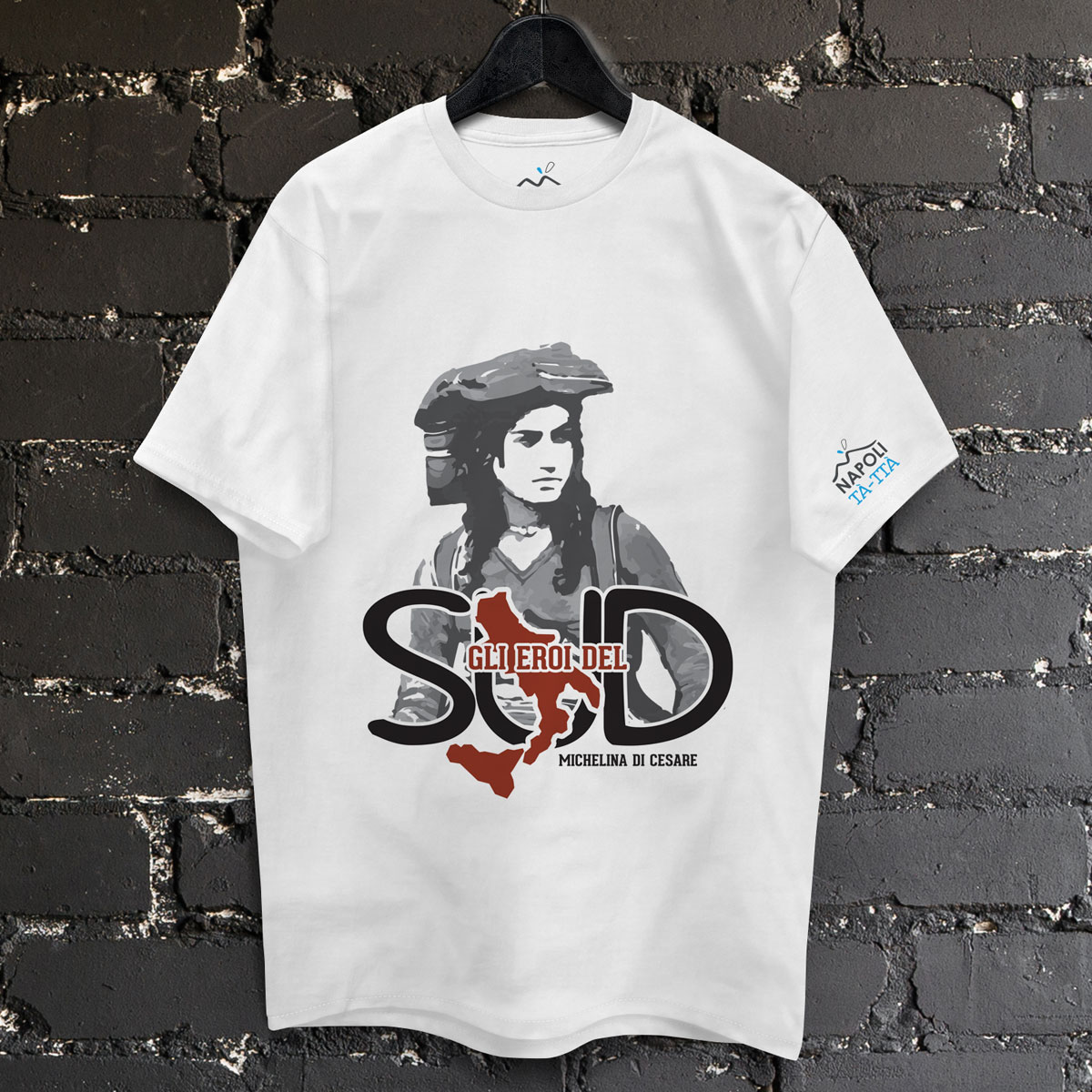 Michelina Di Cesare, the brigantessa who defied a kingdomRead more
Born poor in Terra di Lavoro, Michelina Di Cesare chose the maquis and the rifle against a newly united Italy. A...
-
 Neapolitan Hoodies: The Autumn 2026 Style GuideRead more
When the air turns crisp, in Naples people don't just reach for a hoodie: they reach for a piece of identity. Here's...
-
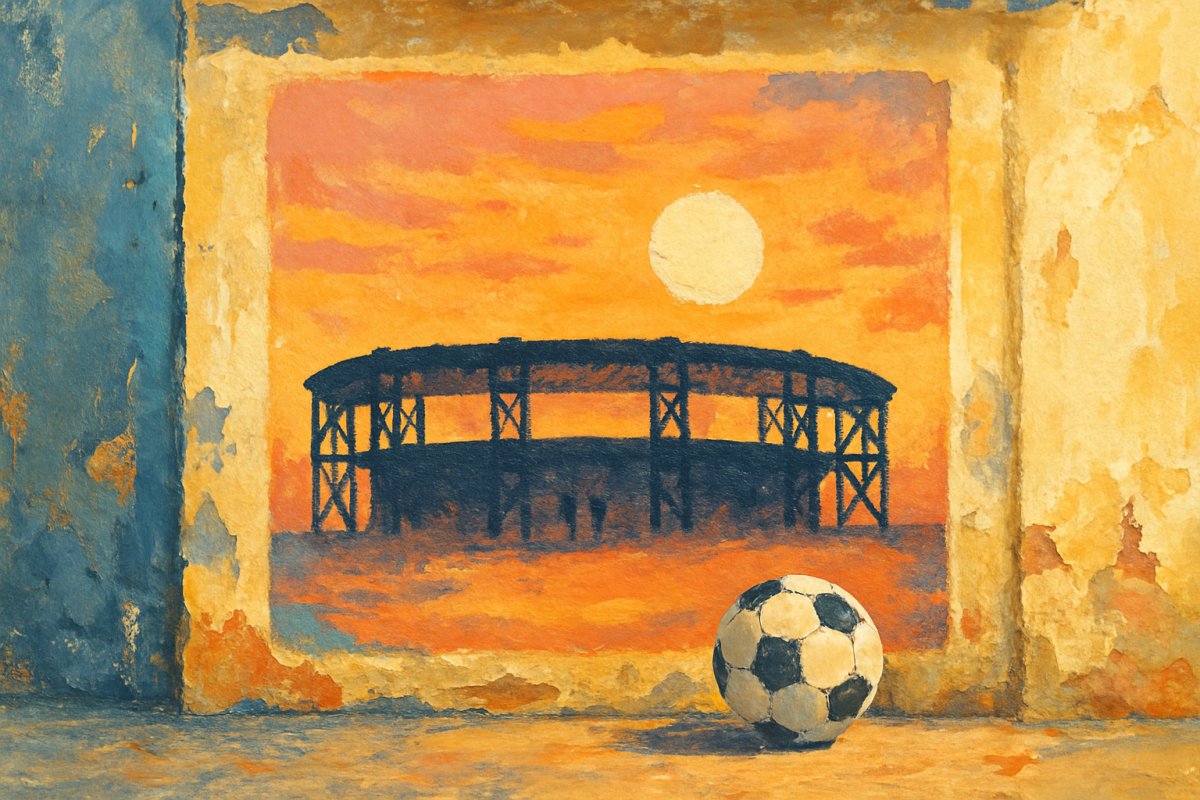 Maradona Stadium: City Council allocates €50 million for Euro 2032Read more
The City Council has allocated €50 million for the redevelopment of the Diego Armando Maradona stadium, ahead of...
-
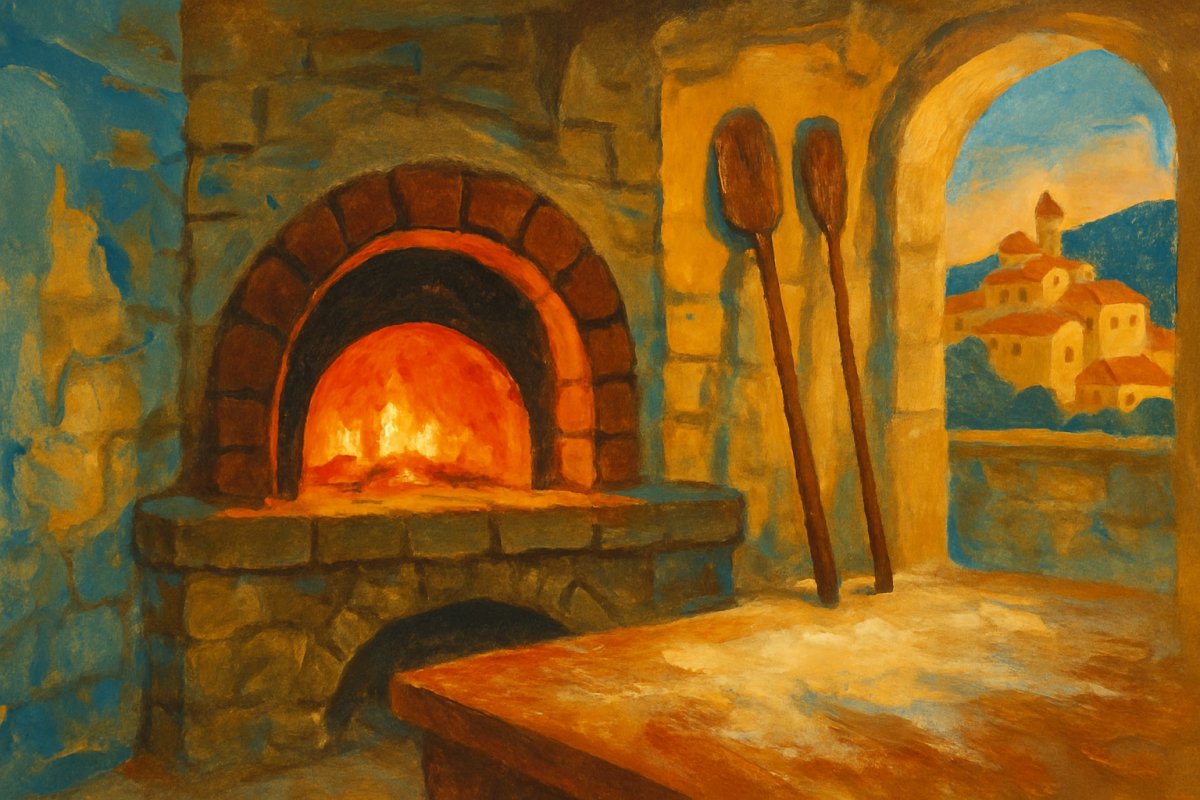 Pizza Maxima 2026: Franco Pepe Is Once Again Best Pizzeria in ItalyRead more
At the fifth edition of Pizza Maxima, the Oscars of Italian pizza, Franco Pepe confirms his title as Best Pizzeria in...
-
 ‘L’acqua è poca e ‘a papera nun galleggia’: what it meansRead more
When the means are few, so is the result. Let's discover the most realistic Neapolitan saying there is.
-
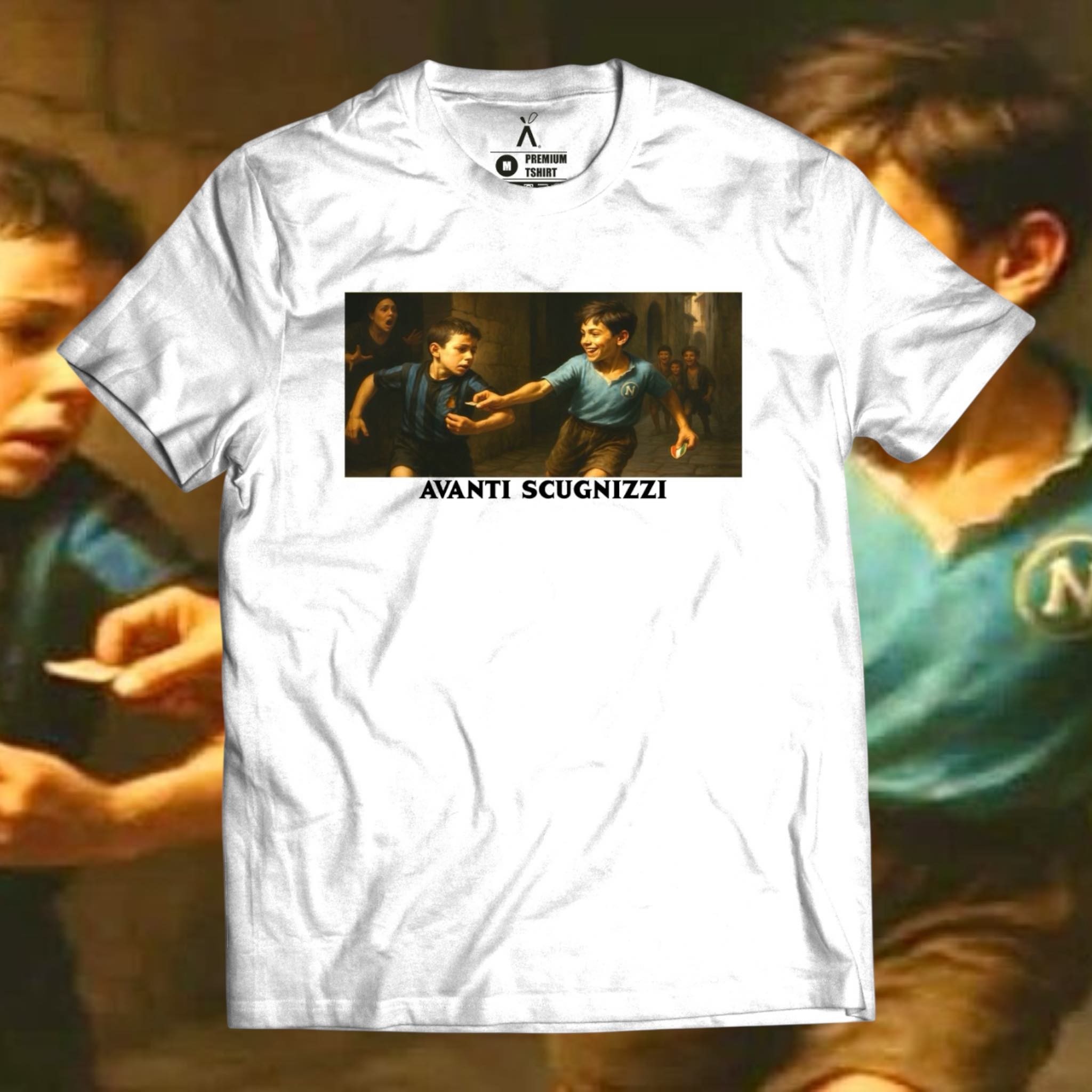 Avanti Scugnizzi: the story of the year's most loved T-shirtRead more
One word, ‘scugnizzo’ (Neapolitan street kid), and it holds the whole of Naples inside it. We tell you how the year's...
-
 'Chi chiagne fotte a chi ride': what it means and why it's truer than everRead more
At the market, at the counter, in the family: there's always someone who complains and gets more. It's the sharp...
-
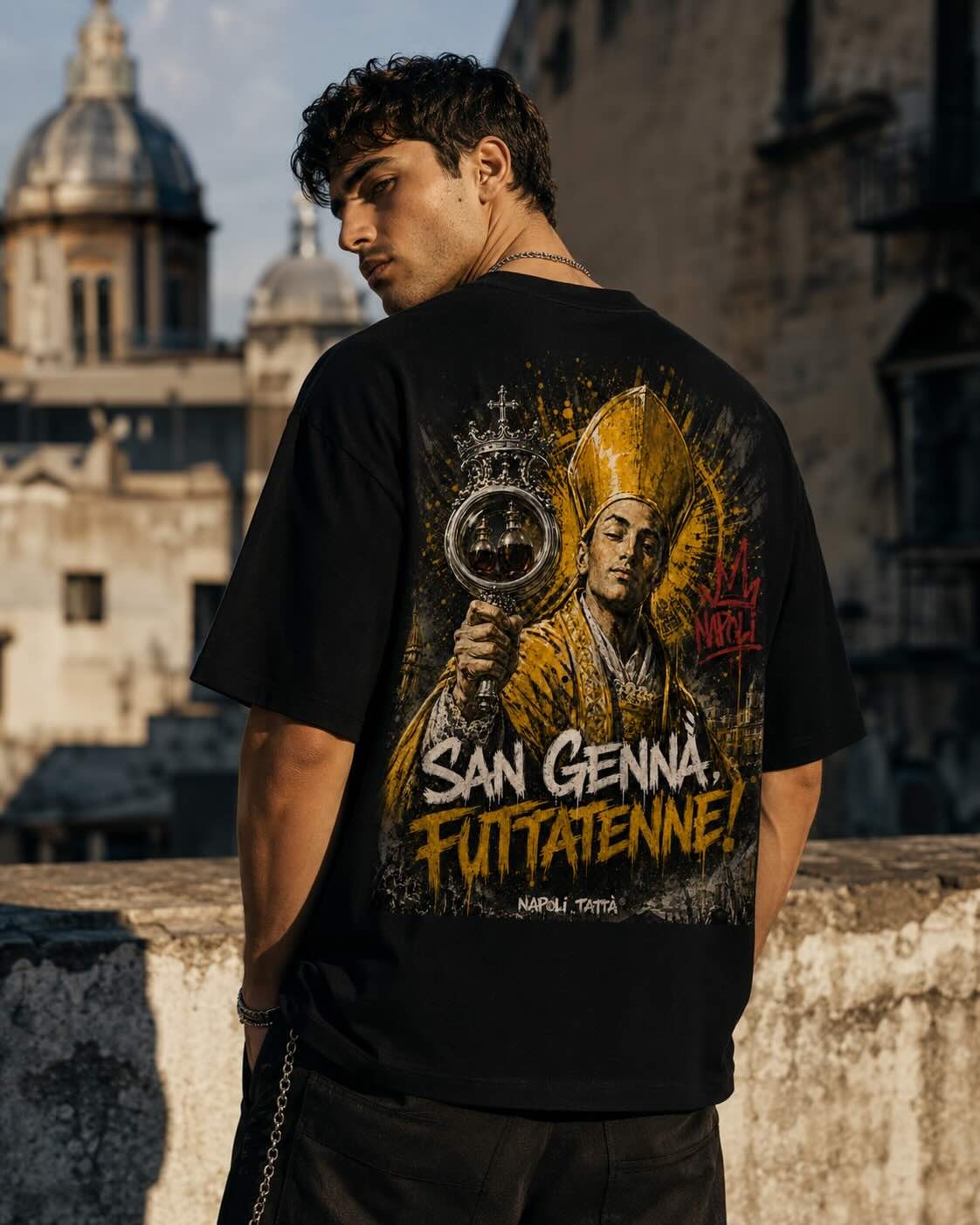 San Gennà, futtatenne! (Saint Januarius, don't worry about it!) San Gennaro, 19 September and the patron saint's t-shirtRead more
Who San Gennaro was, the miracle of the blood that liquefies, and the feast on 19 September. Plus that close,...
Blog categories
Search in blog
Archived posts
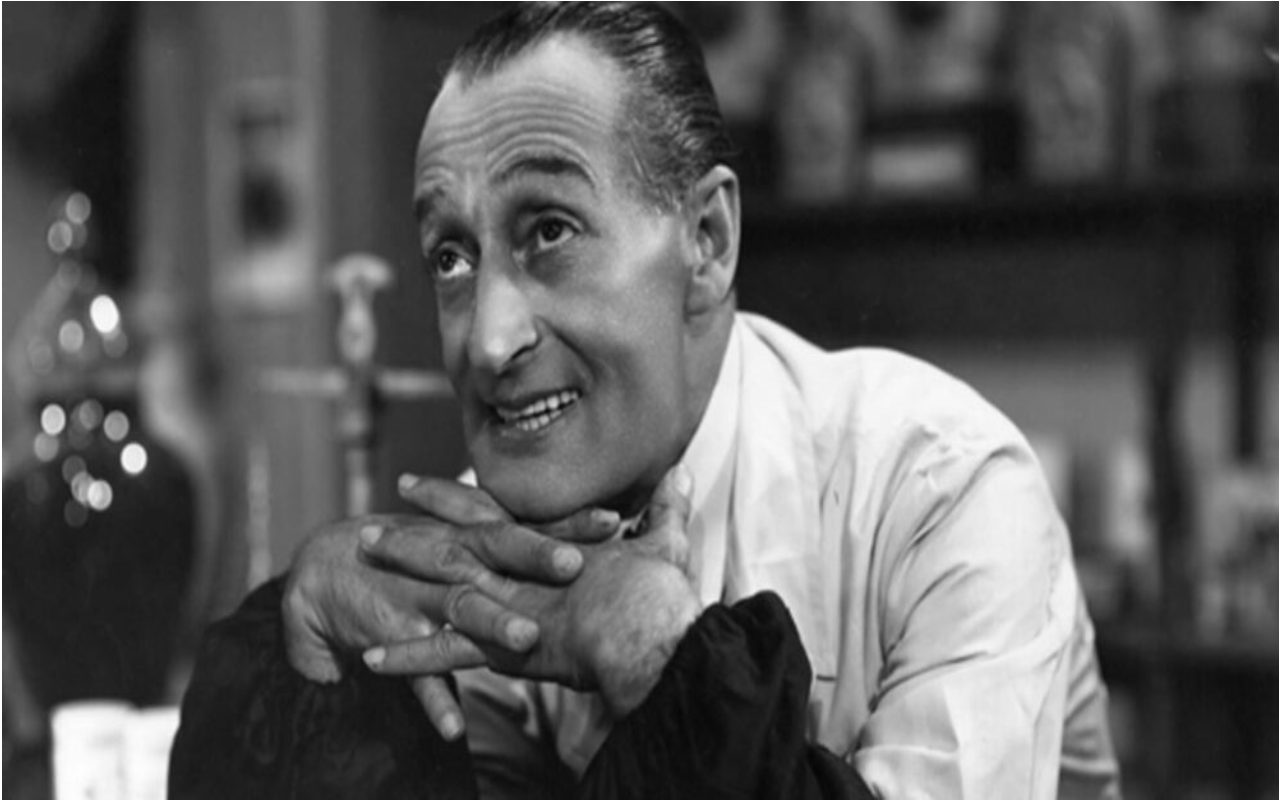
Totò: The Prince of Laughter
Born in Naples in 1898, Totò began his artistic career as a stage actor, performing in numerous light comedies that allowed him to develop his comic talent and his distinctive way of playing characters. His comical face, his hilarious gestures and his irresistible Neapolitan accent made him a comic icon without precedent in Italian cinema.
Totò's filmography is vast and rich with unforgettable masterpieces. The prince of laughter worked with the most talented directors of his time, bringing to life memorable characters such as Professor Antonio Casamandrei, Antonio La Trippa and Mister Totò. His light comedies and unique performances are still celebrated and loved today by generations of viewers, who find in Totò an irresistible source of entertainment and joy.
But Totò was much more than a mere comedian. With his sharp, intelligent humour, he often managed to touch on deep themes and social critique, using laughter as a tool to expose the injustices and hypocrisies of society. His comedy was steeped in an extraordinary wisdom and clarity, capable of making audiences think even in the most hilarious moments.
Totò is not only the prince of laughter, but also a symbol of resilience and talent. Despite the difficulties of his life and the hardships he encountered along his artistic path, he always managed to pick himself back up, reinvent himself, and give Italian and international audiences an irresistible display of comedy and joy.
Antonio De Curtis, better known as Totò, was an Italian actor and comedian born on 15 February 1898 in Naples, in the Rione Sanità district. Considered the prince of laughter, Totò left an indelible mark on the world of entertainment with his unique and unmistakable style.
From childhood, Totò showed a natural gift for the arts, entertaining his classmates with skits and jokes that made him stand out even in the difficult circumstances in which he was growing up. His artistic calling, however, kept him from applying himself to traditional schooling, and he was held back from the fourth to the third year of primary school.
Despite the difficulties, Totò continued to cultivate his passion for theatre and performance. In his youth, he frequented the small suburban theatres of Naples, performing comic sketches and impersonations. It was on those very stages that he met important figures such as Eduardo De Filippo and Peppino De Filippo, with whom he shared a long friendship and artistic collaboration.
During the First World War, Totò volunteered for the Royal Italian Army, but a sudden illness had him hospitalised, sparing him from the front line. After his military service, he returned wholeheartedly to his career in the world of entertainment.
His success was extraordinary, so much so that today he is considered one of the greatest Italian comic actors of all time. His facial expressions, his grimaces and his ability to convey emotion through laughter remain unrivalled to this day.
Totò was a true crowd-pleaser, known for his countless performances in comic films, but also for his talents as a singer and writer. His comedy was never dull or predictable, but always intelligent, ironic and sharp.
15 February, his birthday, has become an occasion to remember and celebrate the talent of Totò, the prince of laughter. His artistic legacy will forever remain in the hearts of millions of people who have laughed, and continue to laugh, thanks to his unmistakable comic style.
Posted in:
History and legends
Related posts
-
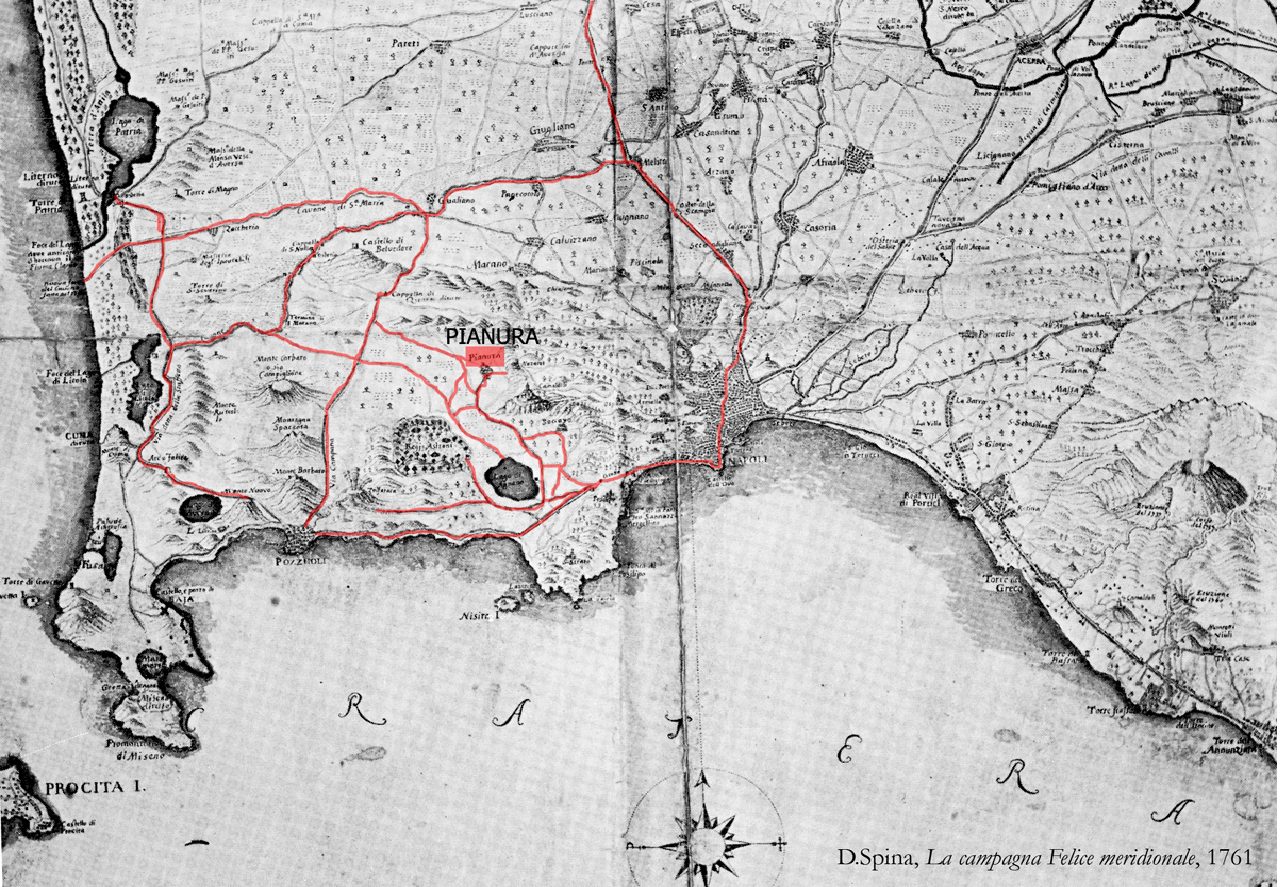 THE 36 CASALI OF NAPLES
This term identified the tiny clusters of farmhouses within the countryside surrounding Naples.Read more
-
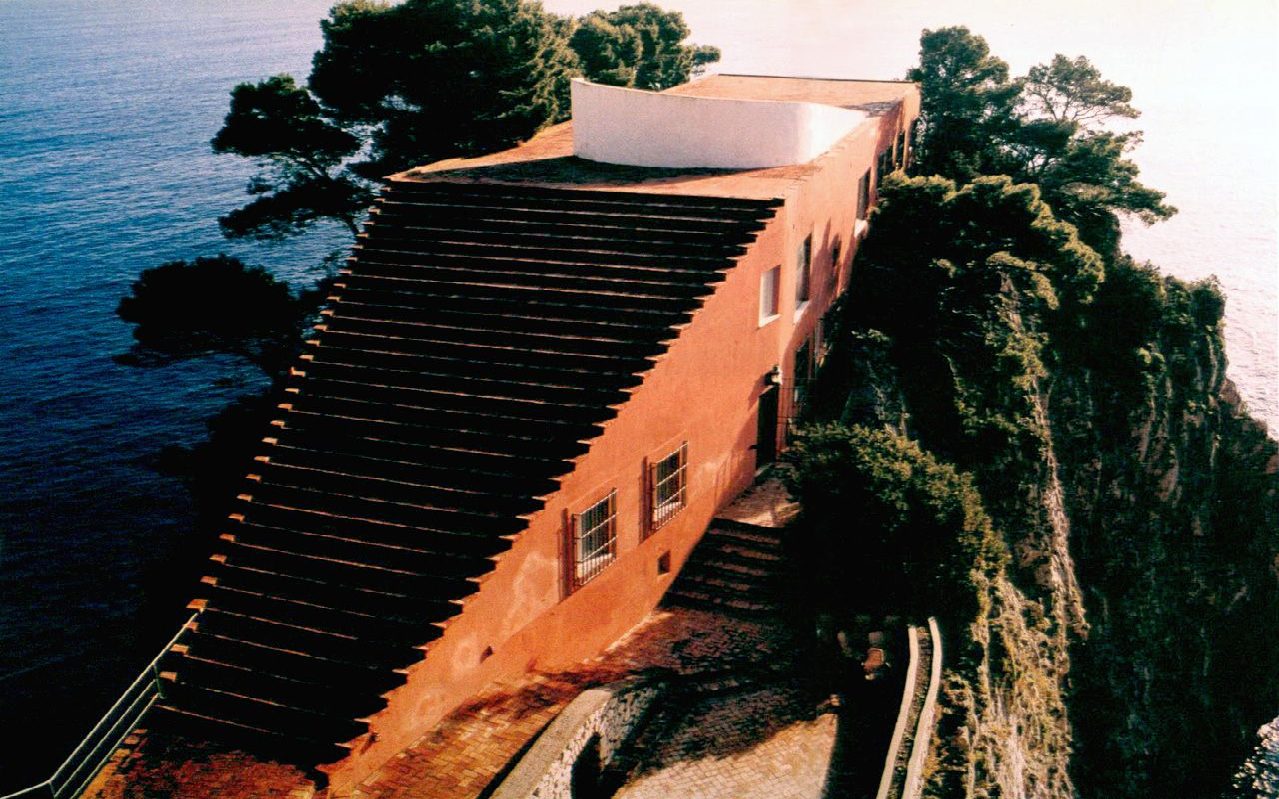 Casa Malaparte - Capri
Built in the 1930s on Capri by the celebrated writer Curzio Malaparte, this villa has always been a coveted spot for...Read more
-
 The Golden Ball Stolen from Maradona
Snatched in 1989 from the clutches of organised crime, its value is estimated to be between 12 and 15 million euros.Read more
-
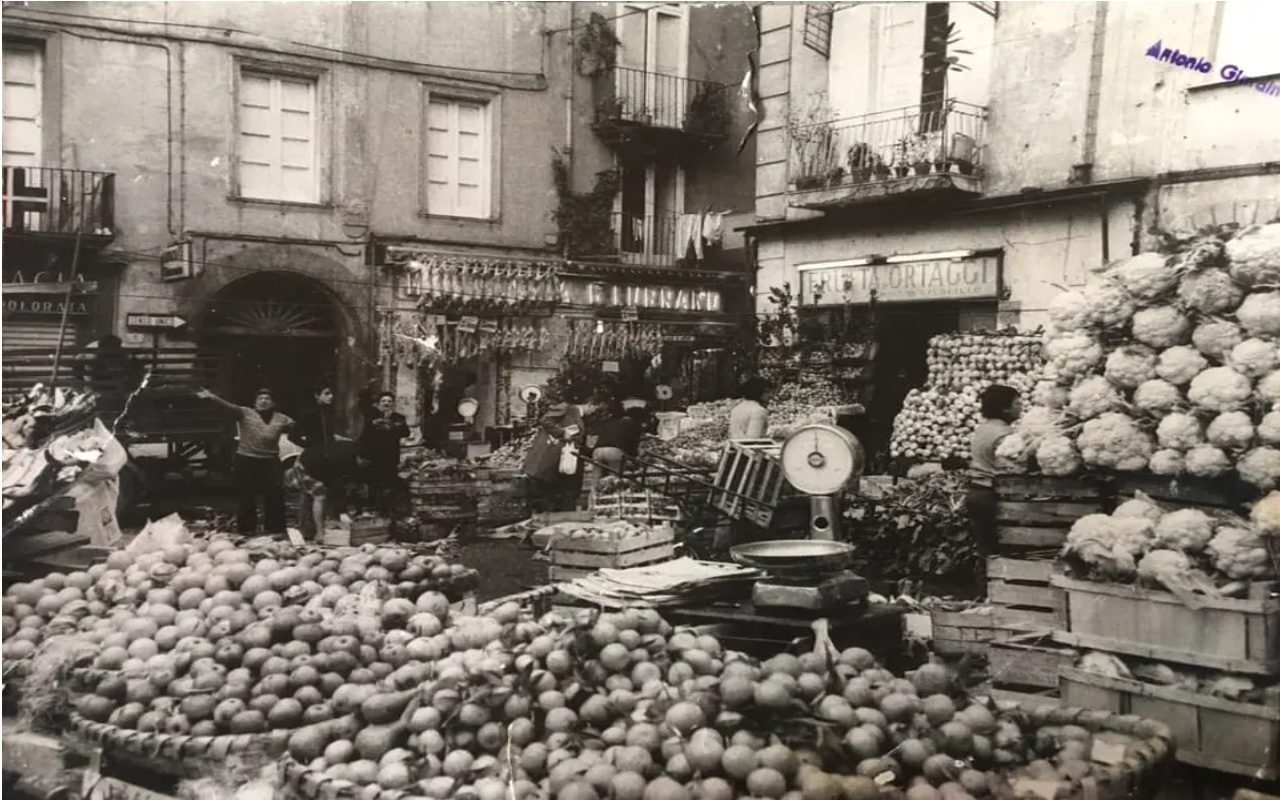 "Pignasecca" and its legend of the thieving magpies
The lively, bustling Naples district known as "Pignasecca" (dry pinecone) is a crowded, picturesque place that...Read more
-
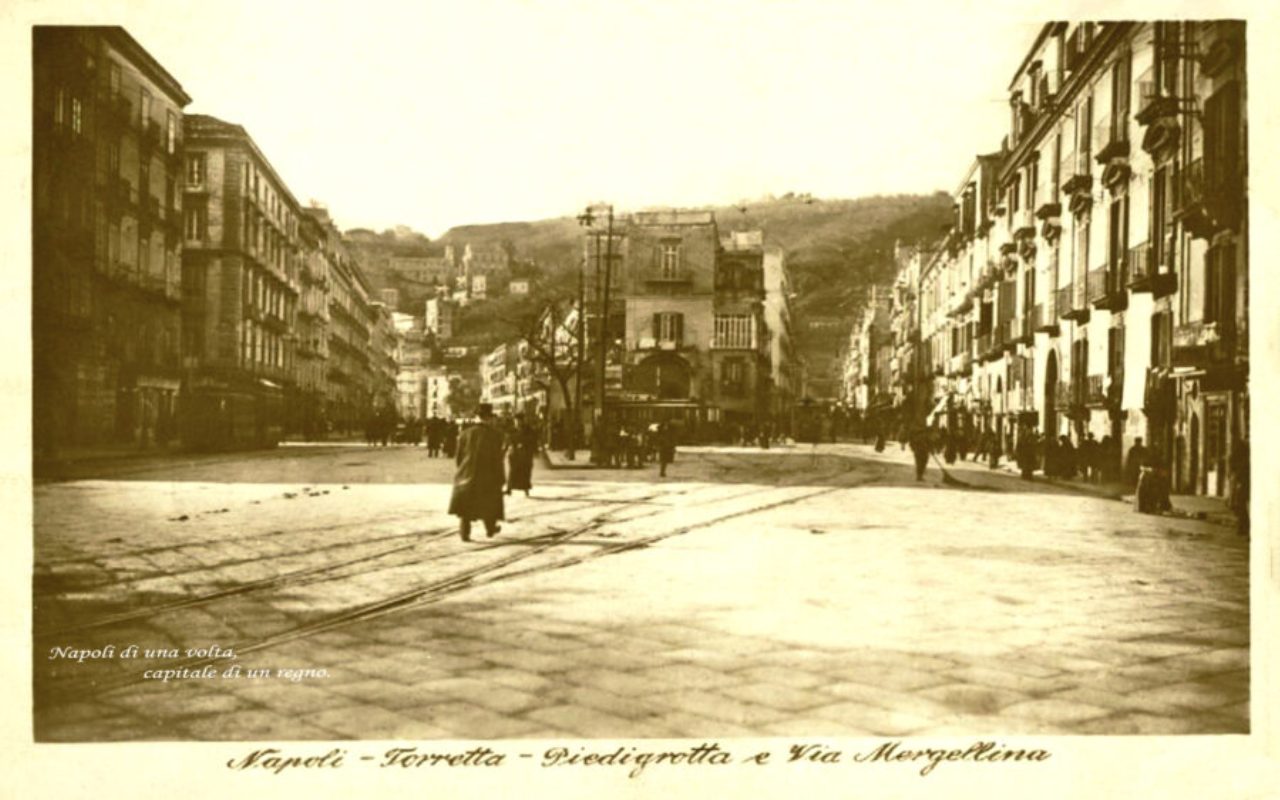 History of the Torretta di Mergellina: A Beacon of Safety
The Torretta was built in 1564 by order of the viceroy, the Duke of Alcalá, to serve as a lookout for maritime raids...Read more
Leave a comment