



Born poor in Terra di Lavoro, Michelina Di Cesare chose the maquis and the rifle against a newly united Italy. A...
Latest posts
-
 Michelina Di Cesare, the brigantessa who defied a kingdomRead more
 -
 Neapolitan Hoodies: The Autumn 2026 Style GuideRead more
When the air turns crisp, in Naples people don't just reach for a hoodie: they reach for a piece of identity. Here's...
-
 Maradona Stadium: City Council allocates €50 million for Euro 2032Read more
The City Council has allocated €50 million for the redevelopment of the Diego Armando Maradona stadium, ahead of...
-
 Pizza Maxima 2026: Franco Pepe Is Once Again Best Pizzeria in ItalyRead more
At the fifth edition of Pizza Maxima, the Oscars of Italian pizza, Franco Pepe confirms his title as Best Pizzeria in...
-
 ‘L’acqua è poca e ‘a papera nun galleggia’: what it meansRead more
When the means are few, so is the result. Let's discover the most realistic Neapolitan saying there is.
-
 Avanti Scugnizzi: the story of the year's most loved T-shirtRead more
One word, ‘scugnizzo’ (Neapolitan street kid), and it holds the whole of Naples inside it. We tell you how the year's...
-
 'Chi chiagne fotte a chi ride': what it means and why it's truer than everRead more
At the market, at the counter, in the family: there's always someone who complains and gets more. It's the sharp...
-
 San Gennà, futtatenne! (Saint Januarius, don't worry about it!) San Gennaro, 19 September and the patron saint's t-shirtRead more
Who San Gennaro was, the miracle of the blood that liquefies, and the feast on 19 September. Plus that close,...
-
 'O purpo se coce int'a ll'acqua soja: what it means (o purpo se coce meaning)Read more
Someone has wronged you, and instead of reacting, you wait in silence with a smile? Here's the Neapolitan proverb...
-
 Cazzimma: meaning, origin and why it can't be translatedRead more
There's a word that explains everything in Naples and can't be translated into any language. It's called cazzimma,...
Blog categories
Search in blog
Archived posts
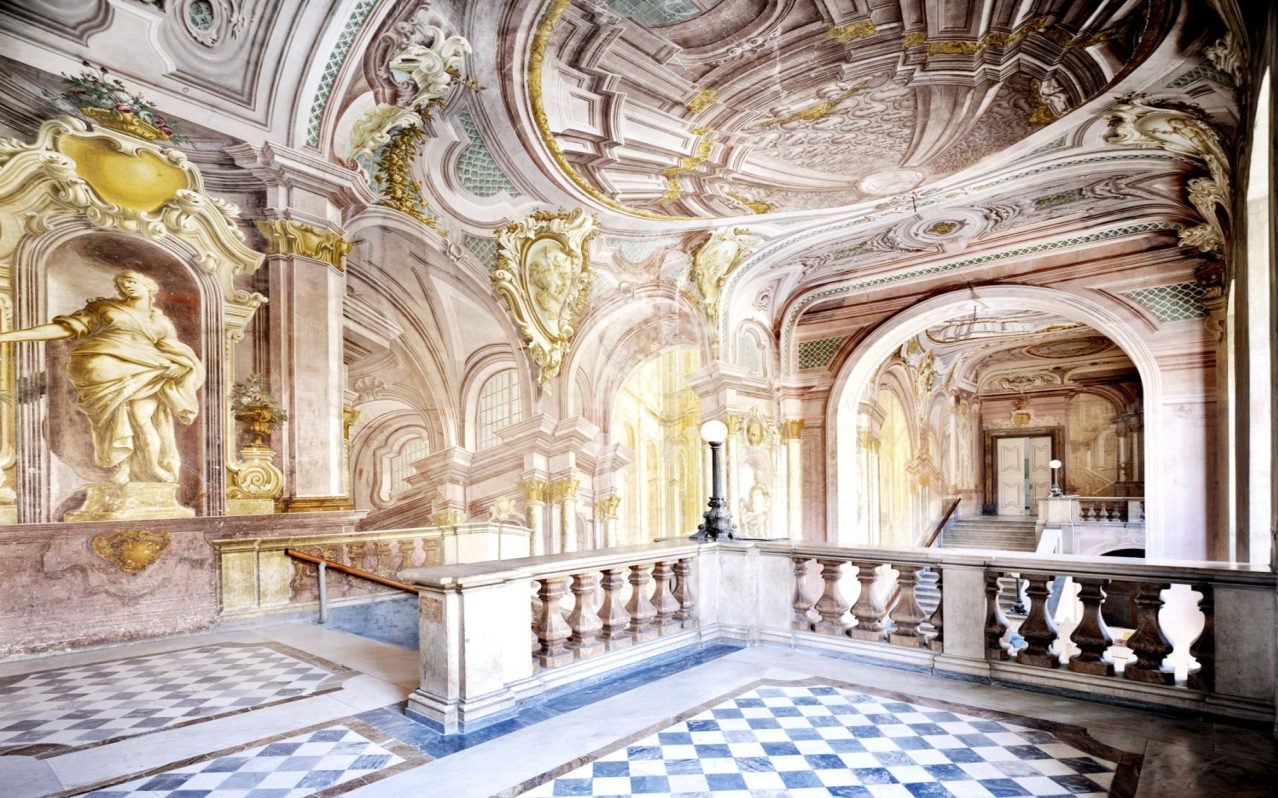
The Royal Palace of Portici
An enchanting building. Summer residence of the royal Bourbon dynasty and later the centre of the Portici School of Agriculture.
Between the gentle slopes of the majestic Vesuvius and the picturesque shore of the little harbour of Granatello, the royal couple, Carlo di Borbone (Charles of Bourbon) and Maria Amalia of Saxony, took the decision back in 1738 to build their sumptuous summer residence. For the creation of this Palace of Wonders, skilled engineers, architects and decorators were called upon, such as Medrano, Canevari, Vanvitelli, Fuga, Canart, Bonito, Re and Geri.
As time passed, the site of Portici revealed its fascinating buried history: with every excavation, ancient marvels sprang forcefully back into the light. The objects found, coming from the famous buried cities of Pompeii and Herculaneum, were placed within the halls of the palace, giving life to one of the most renowned collections in the world and giving rise to the Herculanense Museum, inaugurated back in 1758 and destined to become an essential stop on the celebrated Grand Tour.
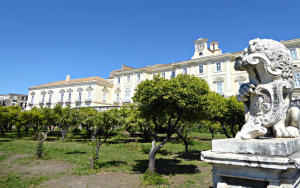
During the early years of the 19th century, the precious archaeological collections were moved to Naples, forming the fundamental core of what is now the National Archaeological Museum.
During the period of French rule, which lasted from 1806 to 1815, the palace underwent important restorations, with new and sumptuous decorative schemes and a setting worthy of the taste of the French Empire.
A moment of particular significance for the history of Portici was 3 October 1839, when the first Italian railway line, one of the first in Europe, was inaugurated, indissolubly linking Portici to Naples and opening new horizons for the town.
Posted in:
History and legends
Related posts
-
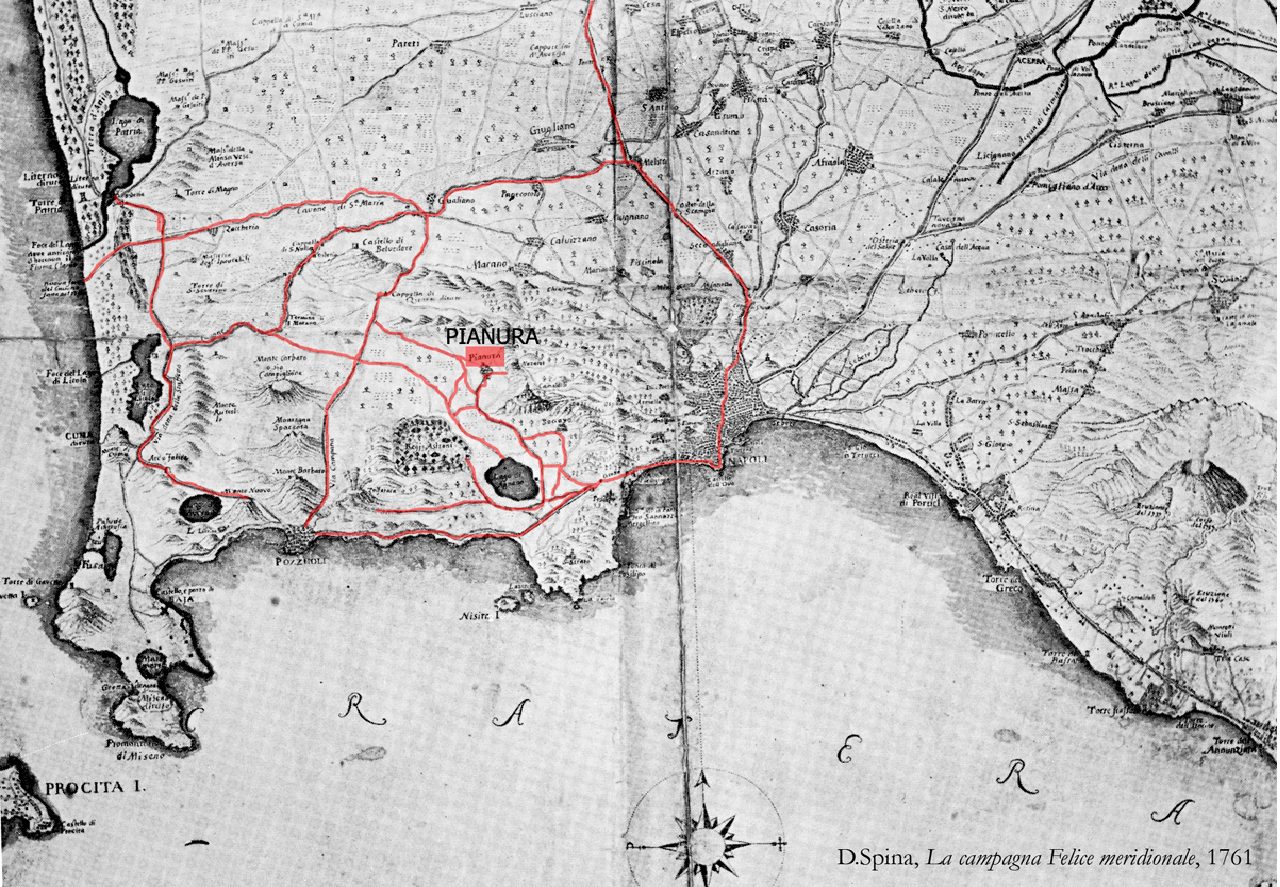 THE 36 CASALI OF NAPLES
This term identified the tiny clusters of farmhouses within the countryside surrounding Naples.Read more
THE 36 CASALI OF NAPLES
This term identified the tiny clusters of farmhouses within the countryside surrounding Naples.Read more -
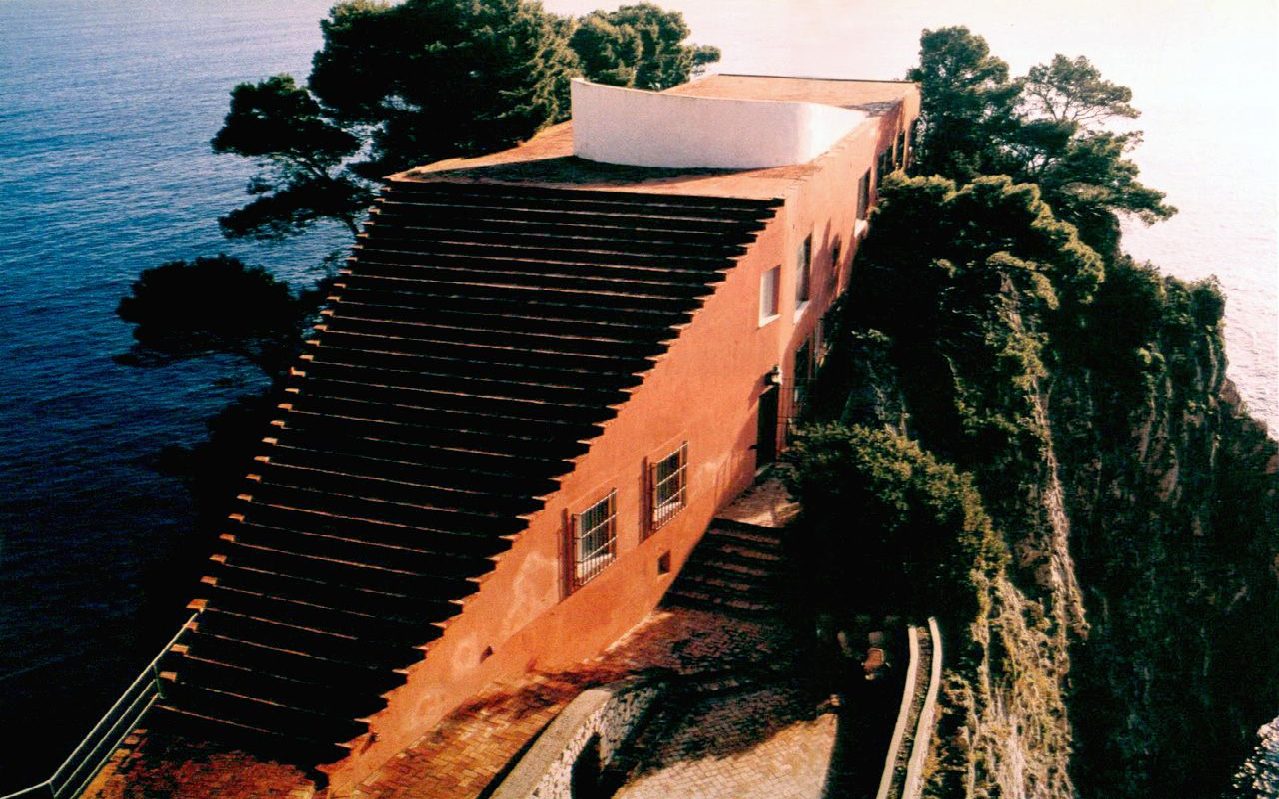 Casa Malaparte - Capri
Built in the 1930s on Capri by the celebrated writer Curzio Malaparte, this villa has always been a coveted spot for...Read more
Casa Malaparte - Capri
Built in the 1930s on Capri by the celebrated writer Curzio Malaparte, this villa has always been a coveted spot for...Read more -
 The Golden Ball Stolen from Maradona
Snatched in 1989 from the clutches of organised crime, its value is estimated to be between 12 and 15 million euros.Read more
The Golden Ball Stolen from Maradona
Snatched in 1989 from the clutches of organised crime, its value is estimated to be between 12 and 15 million euros.Read more -
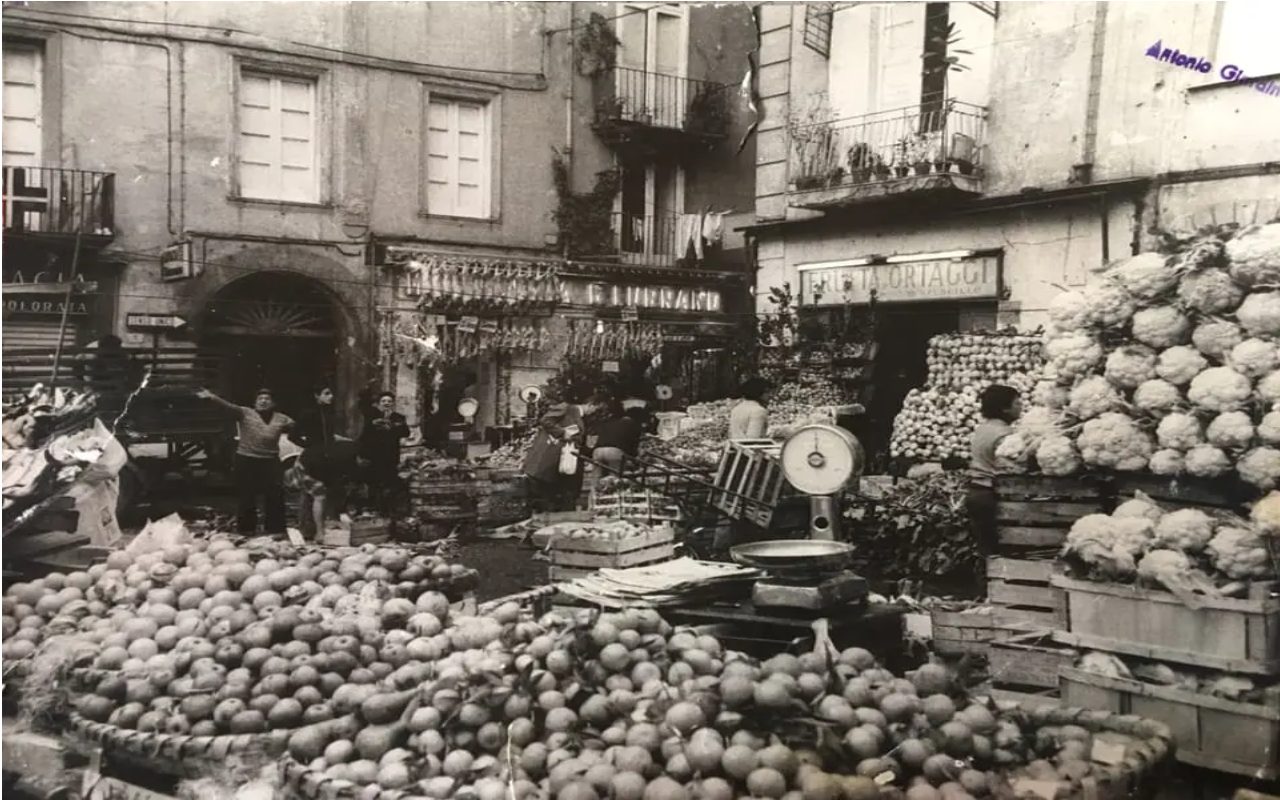 "Pignasecca" and its legend of the thieving magpies
The lively, bustling Naples district known as "Pignasecca" (dry pinecone) is a crowded, picturesque place that...Read more
"Pignasecca" and its legend of the thieving magpies
The lively, bustling Naples district known as "Pignasecca" (dry pinecone) is a crowded, picturesque place that...Read more -
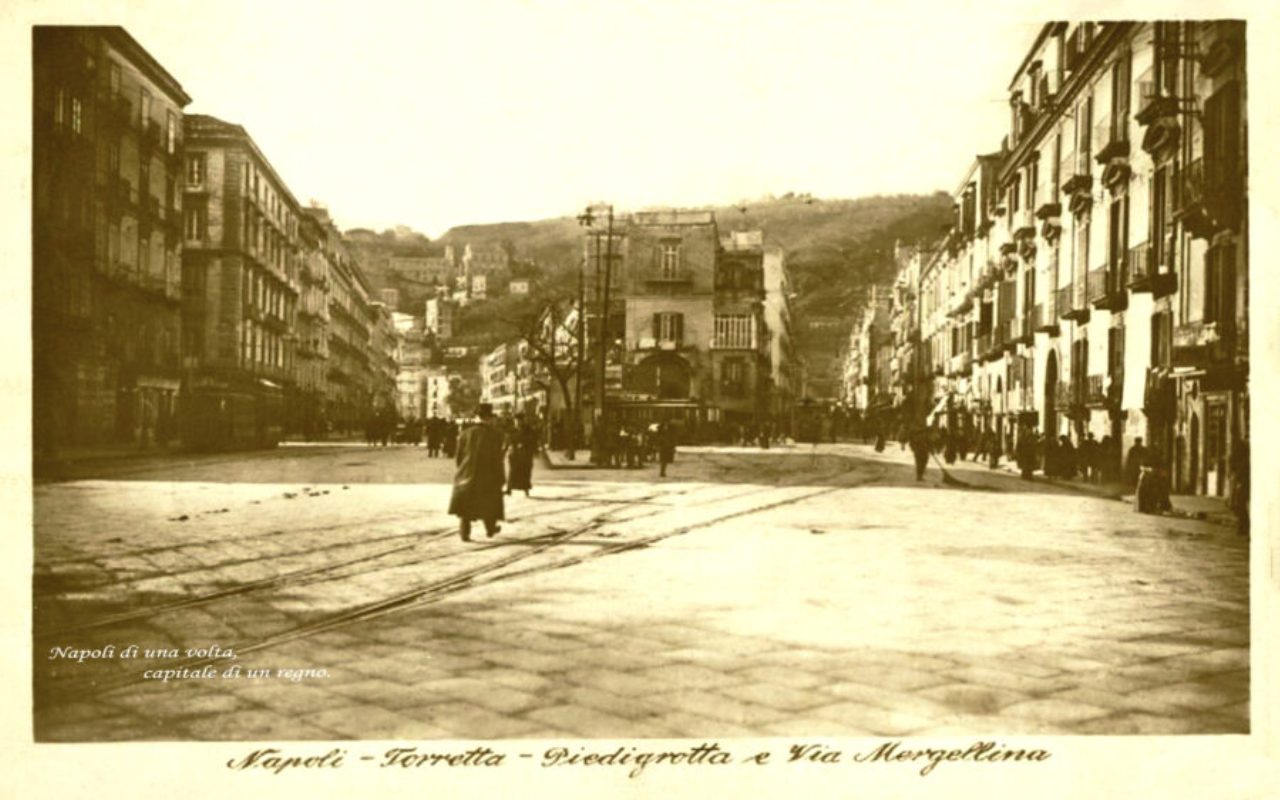 History of the Torretta di Mergellina: A Beacon of Safety
The Torretta was built in 1564 by order of the viceroy, the Duke of Alcalá, to serve as a lookout for maritime raids...Read more
History of the Torretta di Mergellina: A Beacon of Safety
The Torretta was built in 1564 by order of the viceroy, the Duke of Alcalá, to serve as a lookout for maritime raids...Read more
Leave a comment