



In Naples, a graduation is never a private affair: it's a neighbourhood celebration. Here's how to choose an original...
Latest posts
-
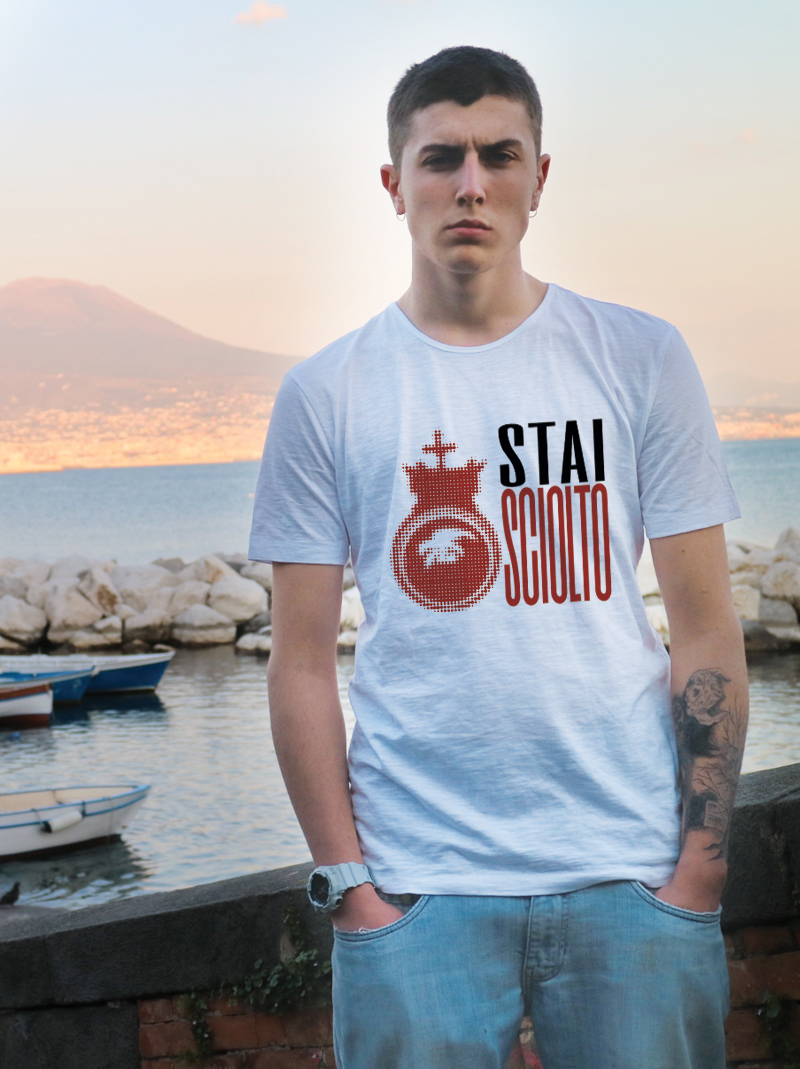 Original Neapolitan graduation gift: ideas for the graduate (him and her)Read more
-
 Asso 'e mazze: meaning and history of the Neapolitan ace of clubsRead more
The strongest card on the green table becomes, in Naples, the most elegant way to say who really calls the shots....
-
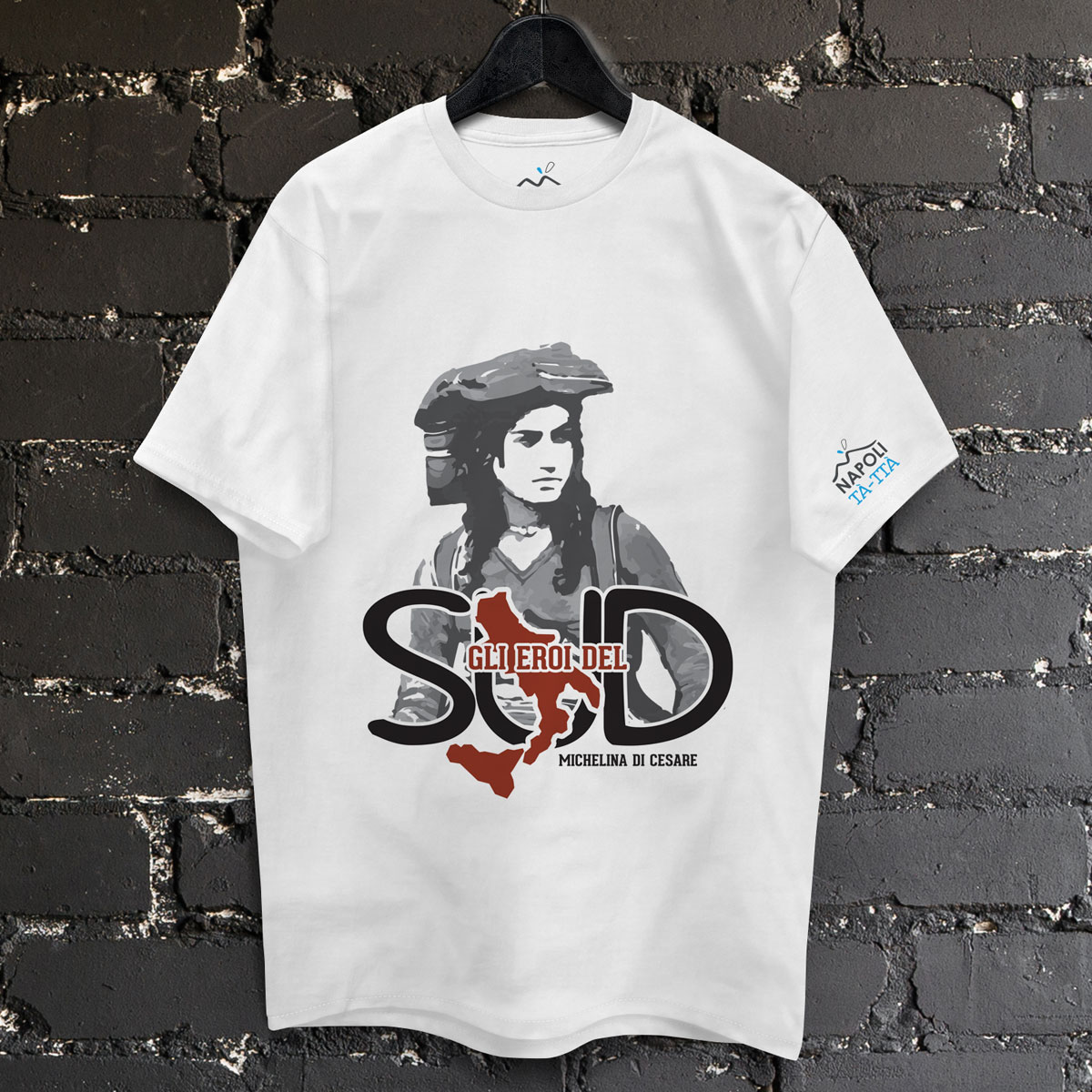 Michelina Di Cesare, the brigantessa who defied a kingdomRead more
Born poor in Terra di Lavoro, Michelina Di Cesare chose the maquis and the rifle against a newly united Italy. A...
-
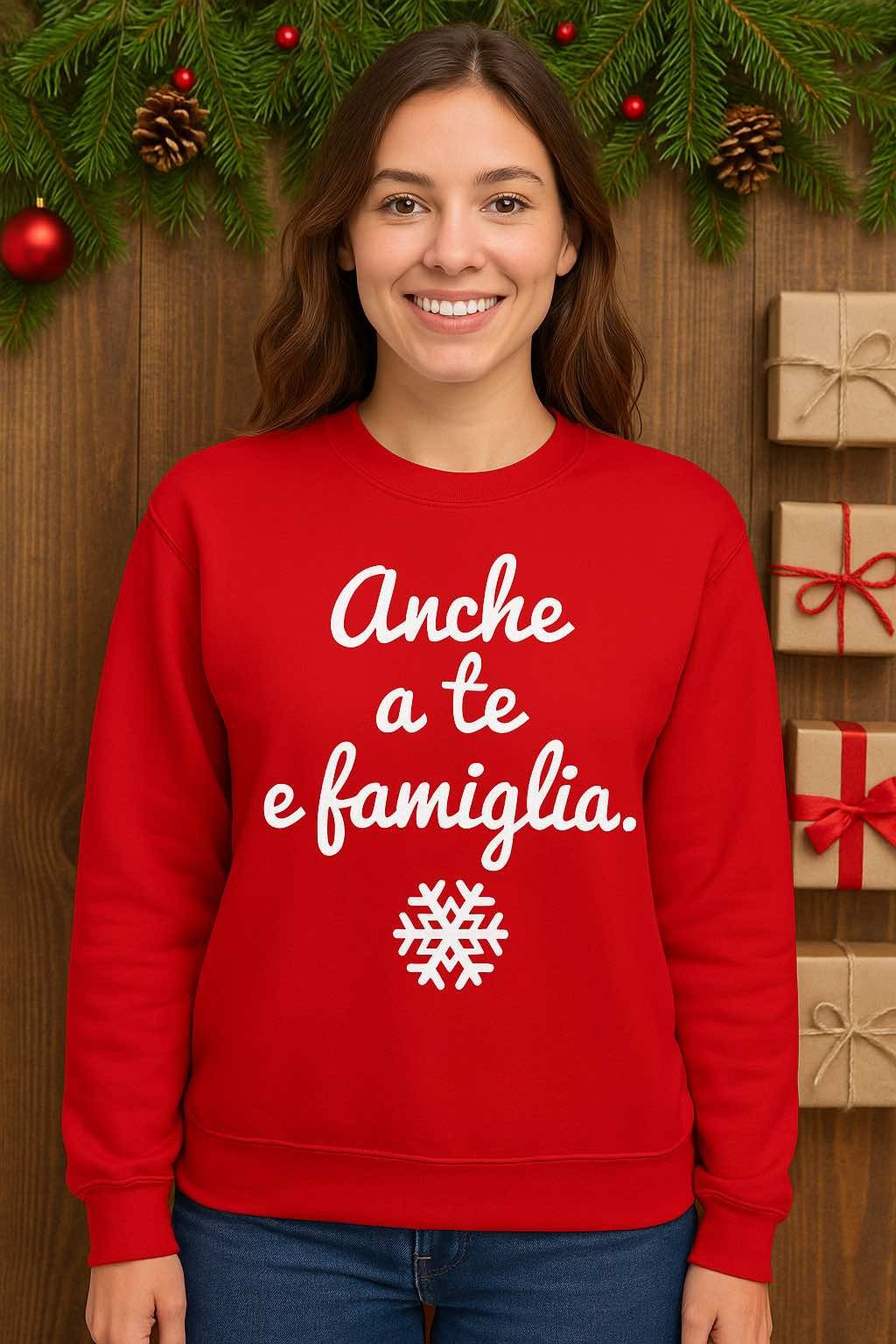 Neapolitan Hoodies: The Autumn 2026 Style GuideRead more
When the air turns crisp, in Naples people don't just reach for a hoodie: they reach for a piece of identity. Here's...
-
 Maradona Stadium: City Council allocates €50 million for Euro 2032Read more
The City Council has allocated €50 million for the redevelopment of the Diego Armando Maradona stadium, ahead of...
-
 Pizza Maxima 2026: Franco Pepe Is Once Again Best Pizzeria in ItalyRead more
At the fifth edition of Pizza Maxima, the Oscars of Italian pizza, Franco Pepe confirms his title as Best Pizzeria in...
-
 ‘L’acqua è poca e ‘a papera nun galleggia’: what it meansRead more
When the means are few, so is the result. Let's discover the most realistic Neapolitan saying there is.
-
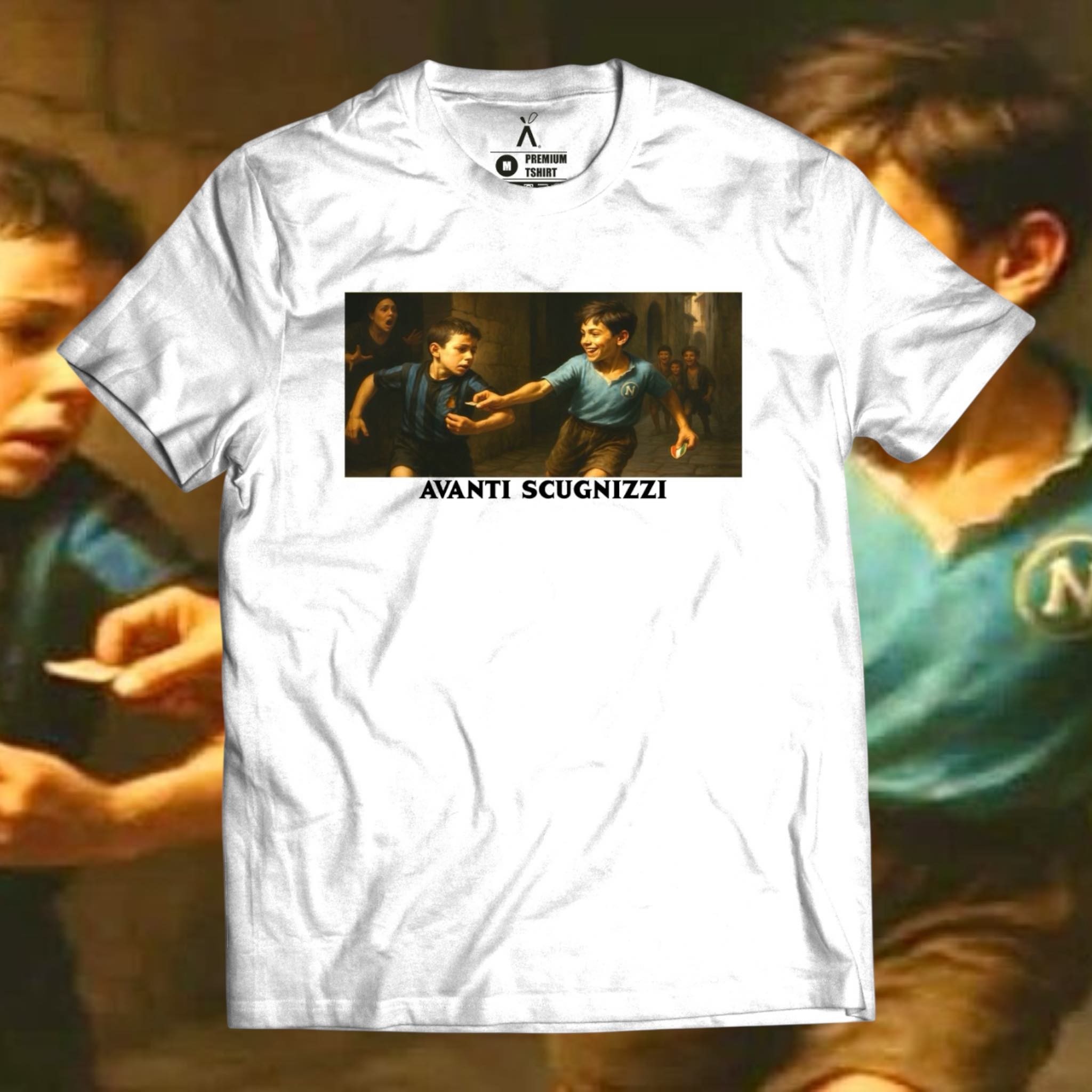 Avanti Scugnizzi: the story of the year's most loved T-shirtRead more
One word, ‘scugnizzo’ (Neapolitan street kid), and it holds the whole of Naples inside it. We tell you how the year's...
-
 'Chi chiagne fotte a chi ride': what it means and why it's truer than everRead more
At the market, at the counter, in the family: there's always someone who complains and gets more. It's the sharp...
-
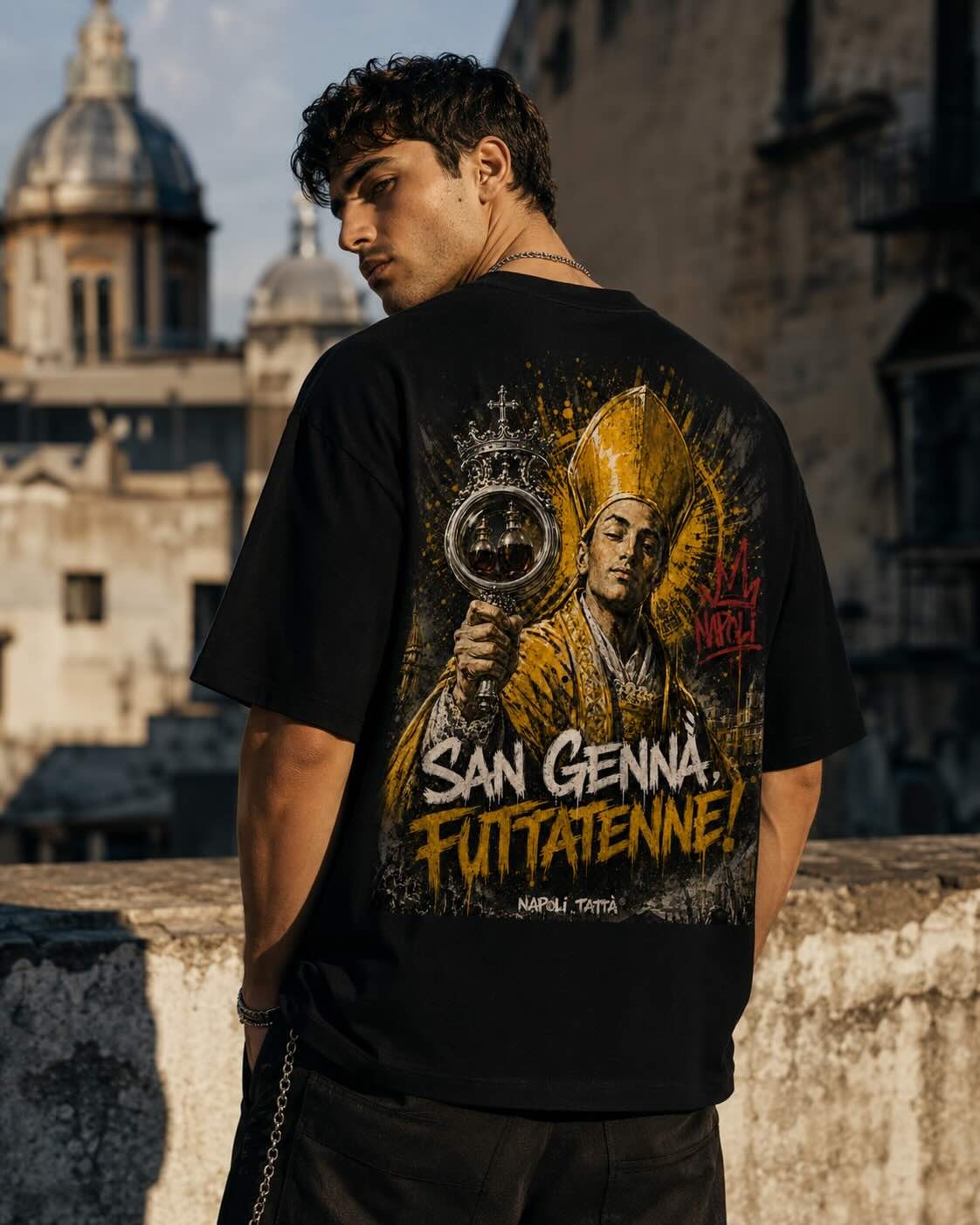 San Gennà, futtatenne! (Saint Januarius, don't worry about it!) San Gennaro, 19 September and the patron saint's t-shirtRead more
Who San Gennaro was, the miracle of the blood that liquefies, and the feast on 19 September. Plus that close,...
Blog categories
Search in blog
Archived posts
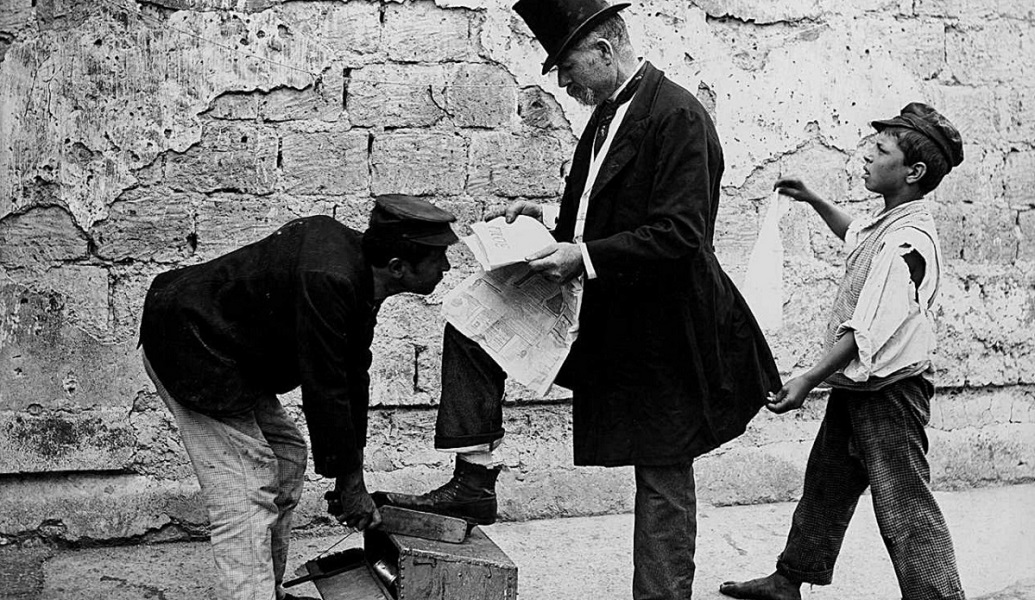
Old trades: the sciuscià
Sciuscià is a word born, precisely, in relation to this practice, which developed between children and soldiers, with the former being hired by the latter, mainly as shoeshiners.
During the period of the Second World War, when Naples was under Allied rule, the Americans lorded it over the city's streets.
The soldiers, in those days, wandered around the Campanian capital with a domineering manner, demanding and requiring tasks from the young citizens they happened to come across.
The Neapolitan children in question were school-age boys from very poor backgrounds, from the lowest social class, on average between nine and twelve years old, who found themselves drawn in by the men in uniform and ordered to carry out tasks for the purposes desired by these dominant adults, in exchange for a few miserable coins.
The nature of the term
Sciuscià is a word born, precisely, in relation to this practice, which developed between children and soldiers, with the former being hired by the latter, mainly as shoeshiners.
The nature of the expression is most likely linked to this particular profession as such, in a blend of typically American terminology and clumsily Neapolitan pronunciation.
"Shoes shine" (shoe polishing), indeed, would suggest precisely the specific task described above, sought after and carried out, whose pronunciation, mangled by the local children's ungainly lack of knowledge of the foreign language, would have turned it into "sciuscià".
The term in question is presumed to have been spoken by the Allies, as a request, and by the penniless children, as an offer.
The miniature shoeshiners then began to broaden the types of services they offered, expanding this form of begging.
They no longer limited themselves to looking after the shoes of the American soldiers, but bought for them whatever they needed, provided them with what they required, and sold everything that the adults themselves could not sell, ending up crossing the line of legality and slipping into decidedly improper and illicit trafficking, which marked these needy children's entry into the world of crime.
Spread of the word
The word, which by then symbolised not only a job but also a status quo and the emblem of a defined historical era, did not remain confined within the borders of Campania, but spread throughout Italy, with a considerable peak in the capital.
In Rome, indeed, the newspapers often covered the subject and, circulated throughout the peninsula, made the word famous, giving it a generally negative connotation, focusing on its criminal and begging-related aspect.
A son of Lazio, then, Vittorio De Sica, drawing on the customs of the time, made a film about it, whose title is, precisely, "Sciuscià": here, however, the meaning that could be better framed was found in the term "scugnizzo" (street urchin).
Sciuscià in the twenty-first century
Now that a considerable amount of time has passed, none of the original sciuscià have survived to reach our days, but the word is still here, fixed in Neapolitan and Italian memory.
Just as fixed is the tradition, which today's Neapolitans try to uphold and modernise, offering updated and varied shoeshine services, which vary in terms of requests - now accepted only online - or in terms of quality - of shoes to be cared for, often limited only to those made of Italian leather - or in terms of location, now only professional studios and no longer street corners.
Posted in:
History and legends
Related posts
-
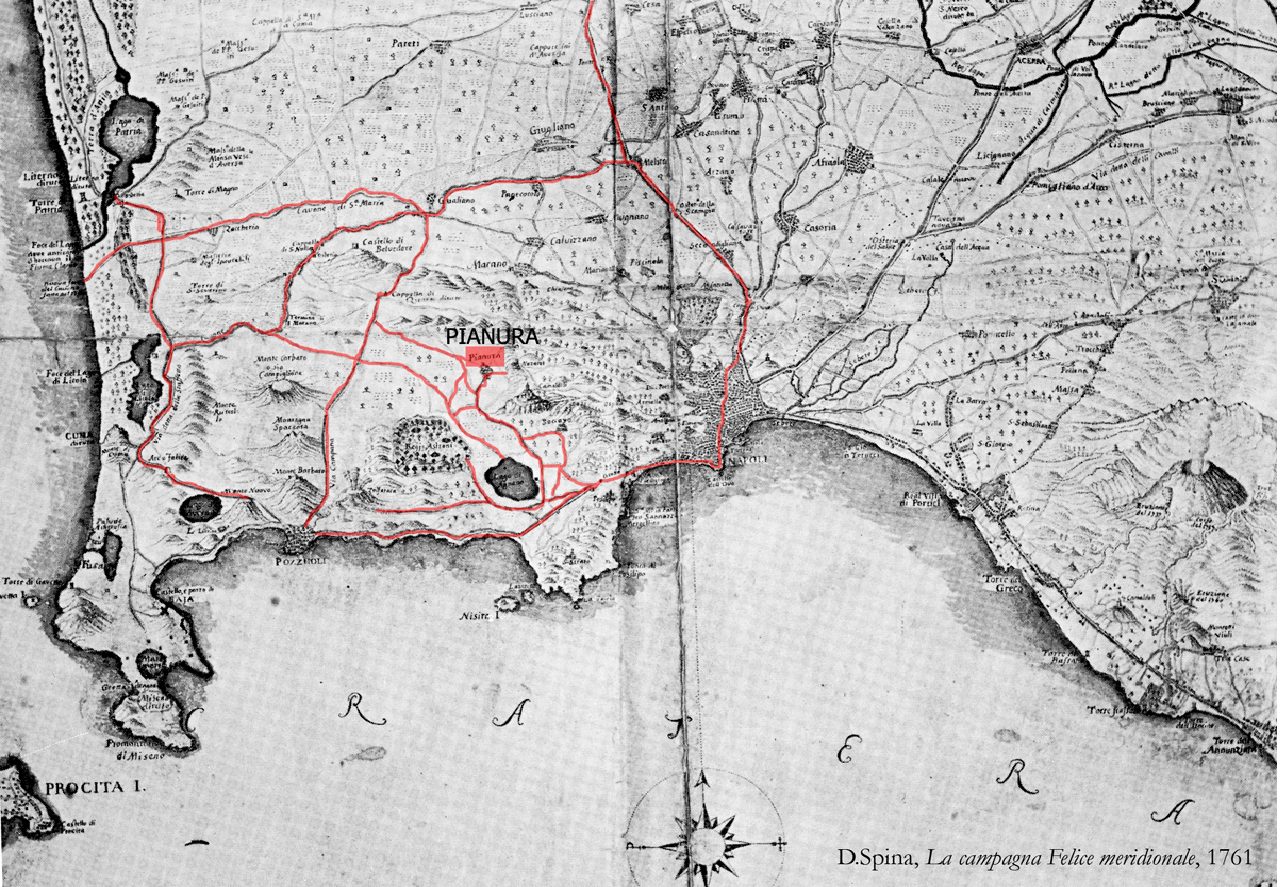 THE 36 CASALI OF NAPLES
This term identified the tiny clusters of farmhouses within the countryside surrounding Naples.Read more
-
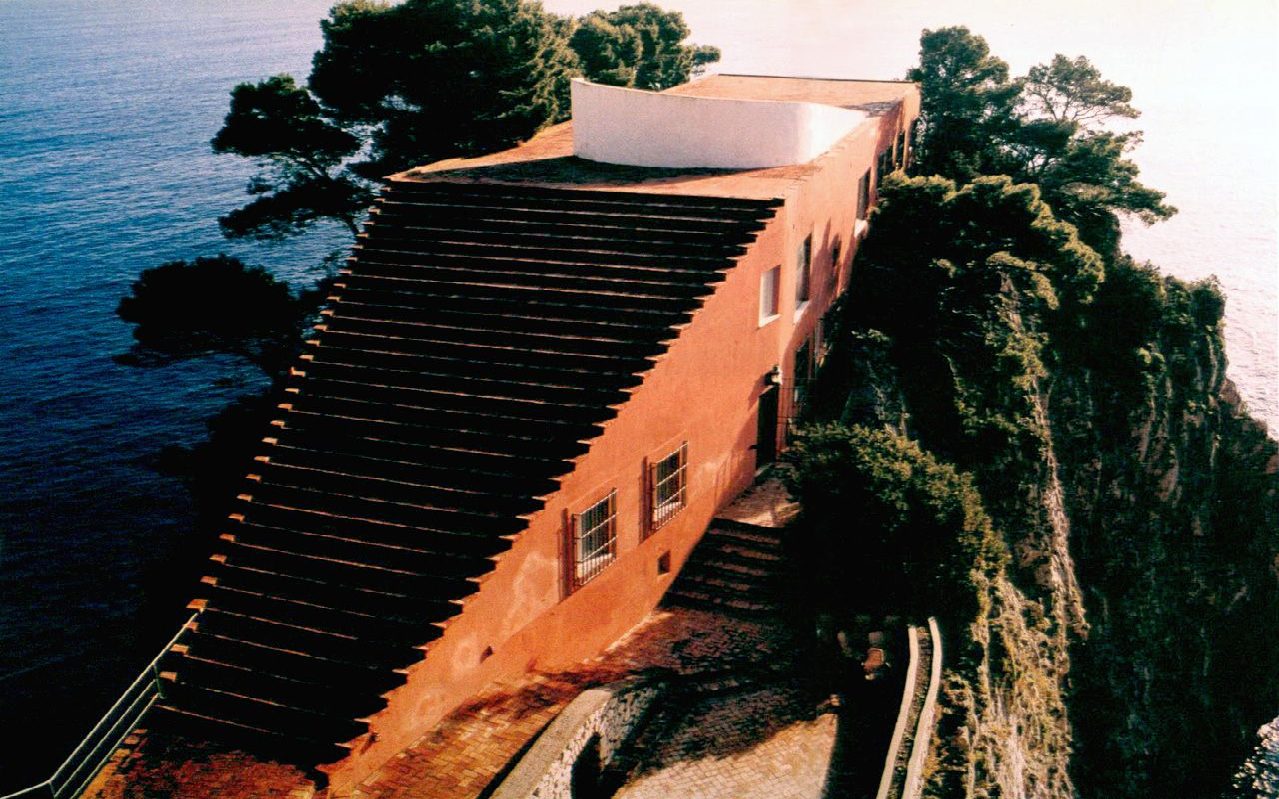 Casa Malaparte - Capri
Built in the 1930s on Capri by the celebrated writer Curzio Malaparte, this villa has always been a coveted spot for...Read more
-
 The Golden Ball Stolen from Maradona
Snatched in 1989 from the clutches of organised crime, its value is estimated to be between 12 and 15 million euros.Read more
-
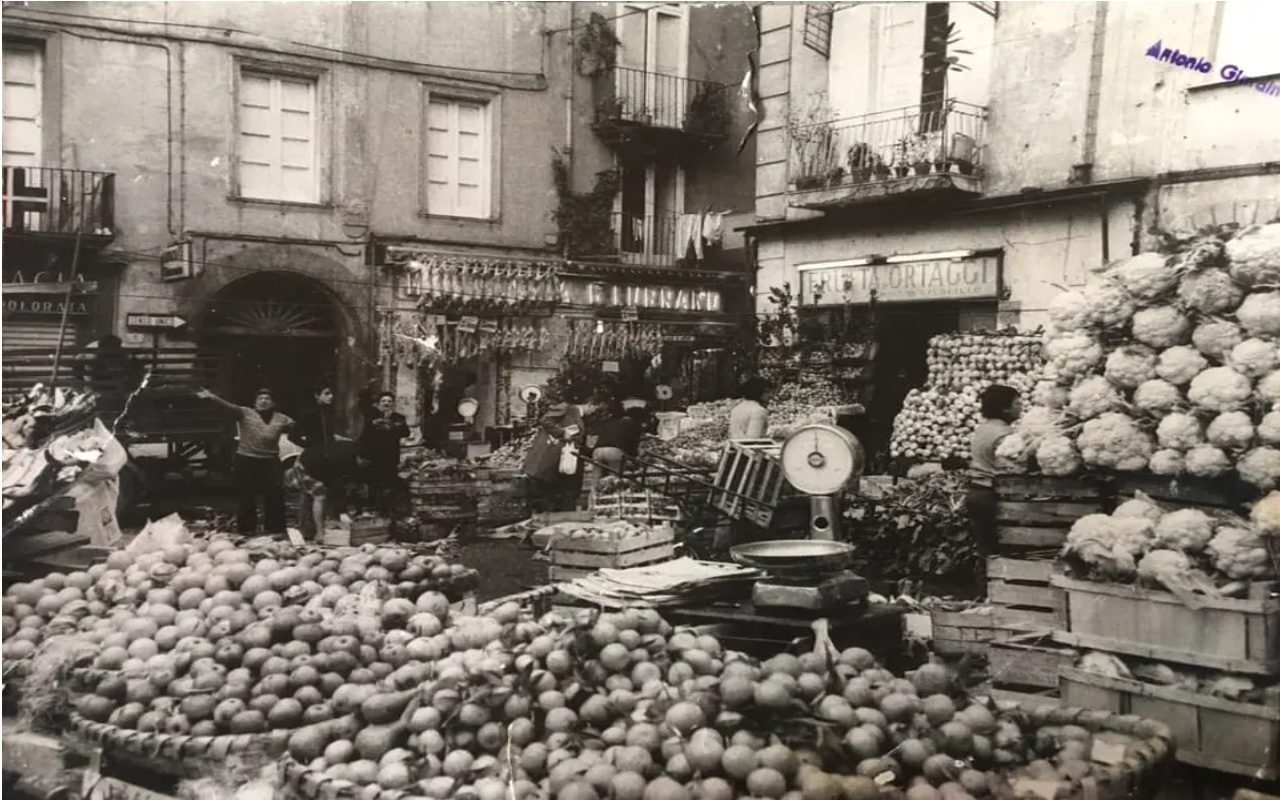 "Pignasecca" and its legend of the thieving magpies
The lively, bustling Naples district known as "Pignasecca" (dry pinecone) is a crowded, picturesque place that...Read more
-
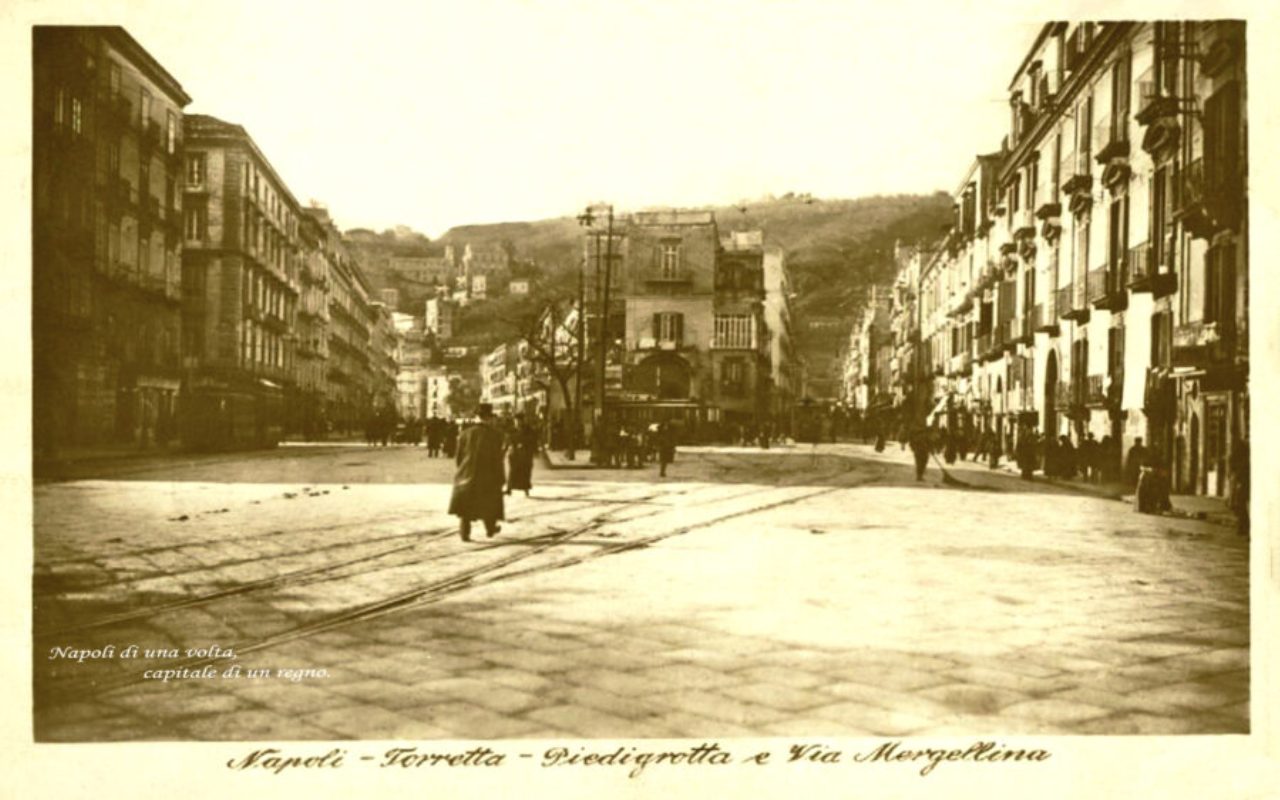 History of the Torretta di Mergellina: A Beacon of Safety
The Torretta was built in 1564 by order of the viceroy, the Duke of Alcalá, to serve as a lookout for maritime raids...Read more
Leave a comment