



In Naples, a graduation is never a private affair: it's a neighbourhood celebration. Here's how to choose an original...
Latest posts
-
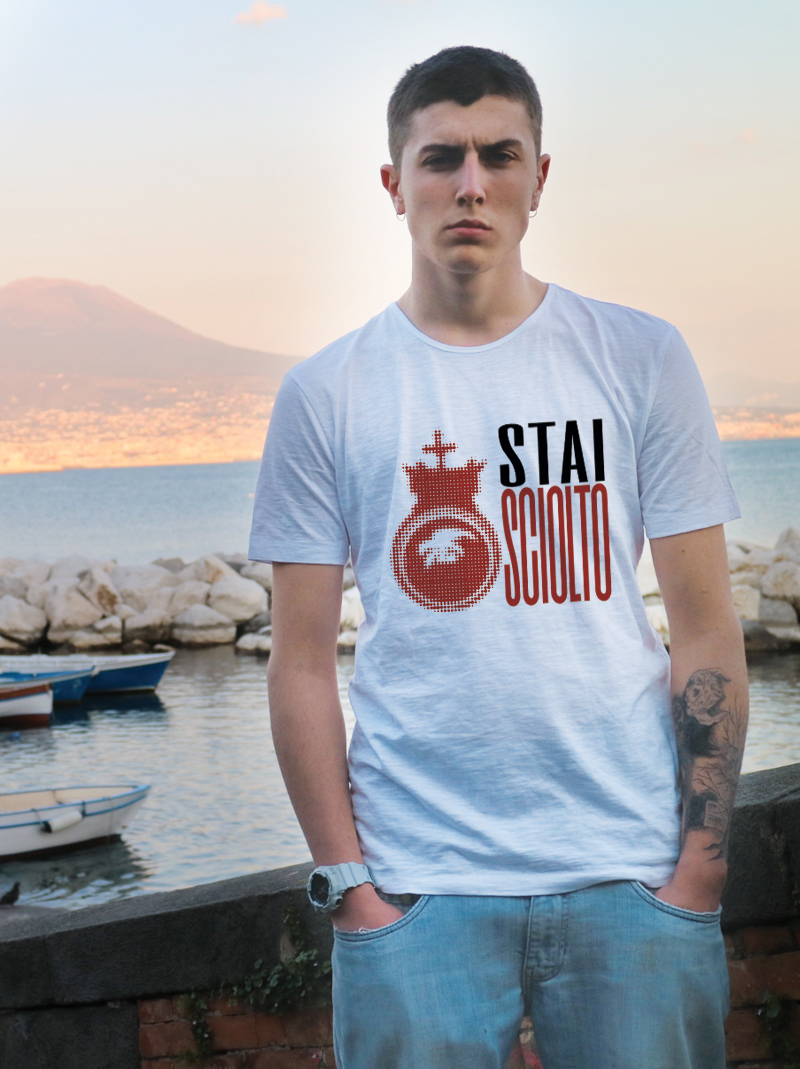 Original Neapolitan graduation gift: ideas for the graduate (him and her)Read more
-
 Asso 'e mazze: meaning and history of the Neapolitan ace of clubsRead more
The strongest card on the green table becomes, in Naples, the most elegant way to say who really calls the shots....
-
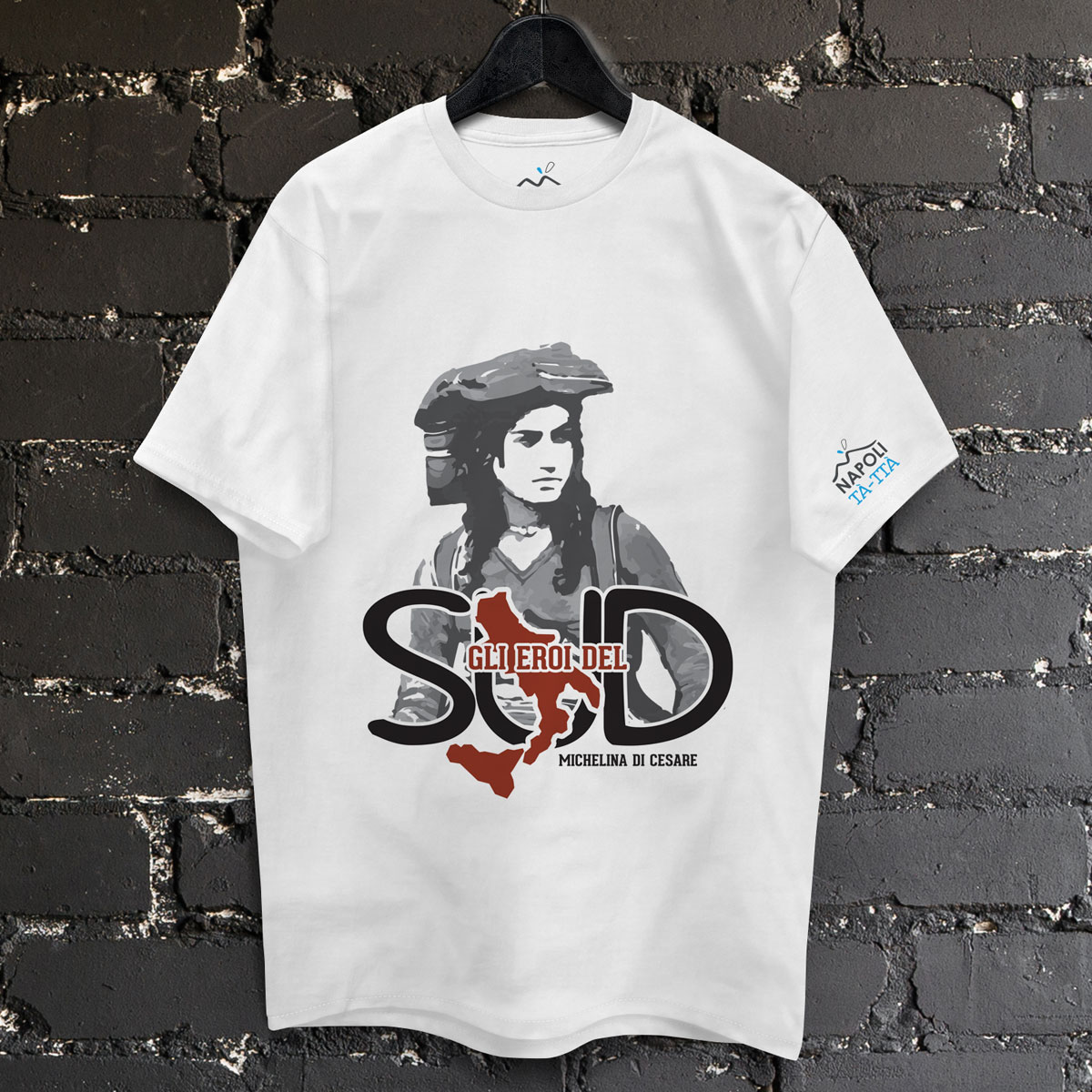 Michelina Di Cesare, the brigantessa who defied a kingdomRead more
Born poor in Terra di Lavoro, Michelina Di Cesare chose the maquis and the rifle against a newly united Italy. A...
-
 Neapolitan Hoodies: The Autumn 2026 Style GuideRead more
When the air turns crisp, in Naples people don't just reach for a hoodie: they reach for a piece of identity. Here's...
-
 Maradona Stadium: City Council allocates €50 million for Euro 2032Read more
The City Council has allocated €50 million for the redevelopment of the Diego Armando Maradona stadium, ahead of...
-
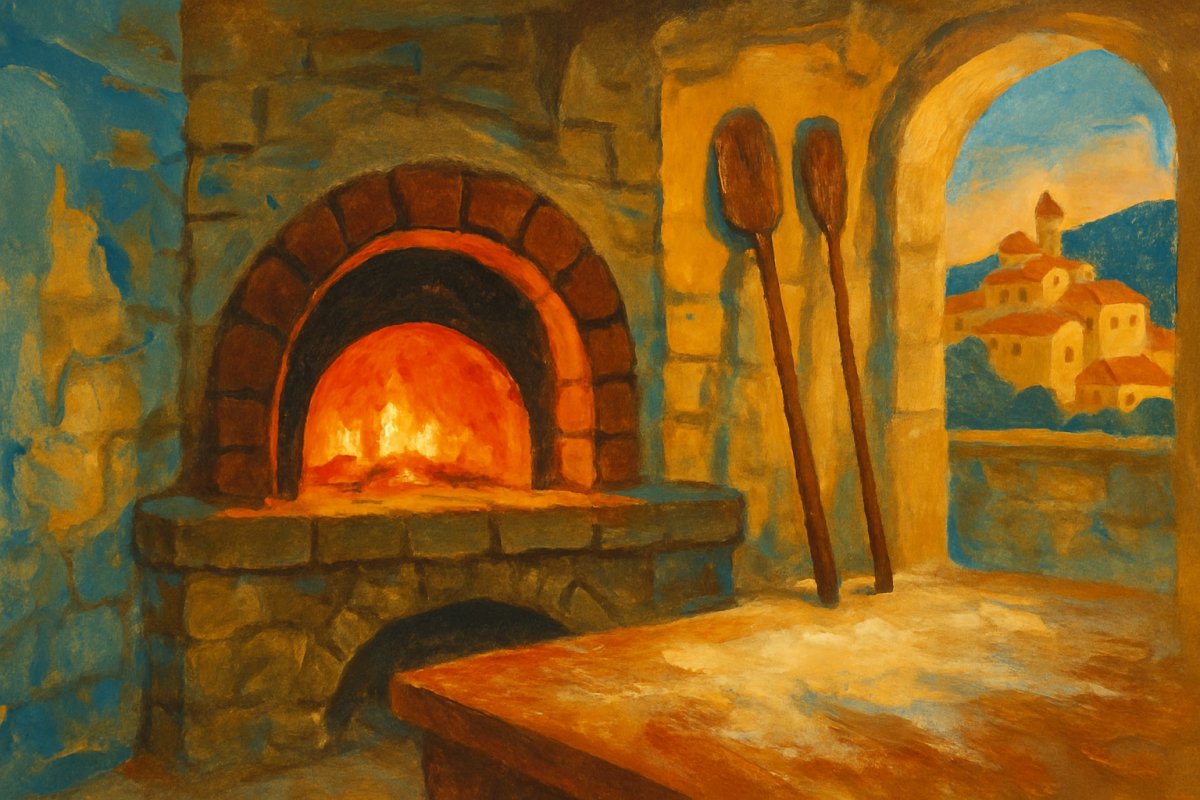 Pizza Maxima 2026: Franco Pepe Is Once Again Best Pizzeria in ItalyRead more
At the fifth edition of Pizza Maxima, the Oscars of Italian pizza, Franco Pepe confirms his title as Best Pizzeria in...
-
 ‘L’acqua è poca e ‘a papera nun galleggia’: what it meansRead more
When the means are few, so is the result. Let's discover the most realistic Neapolitan saying there is.
-
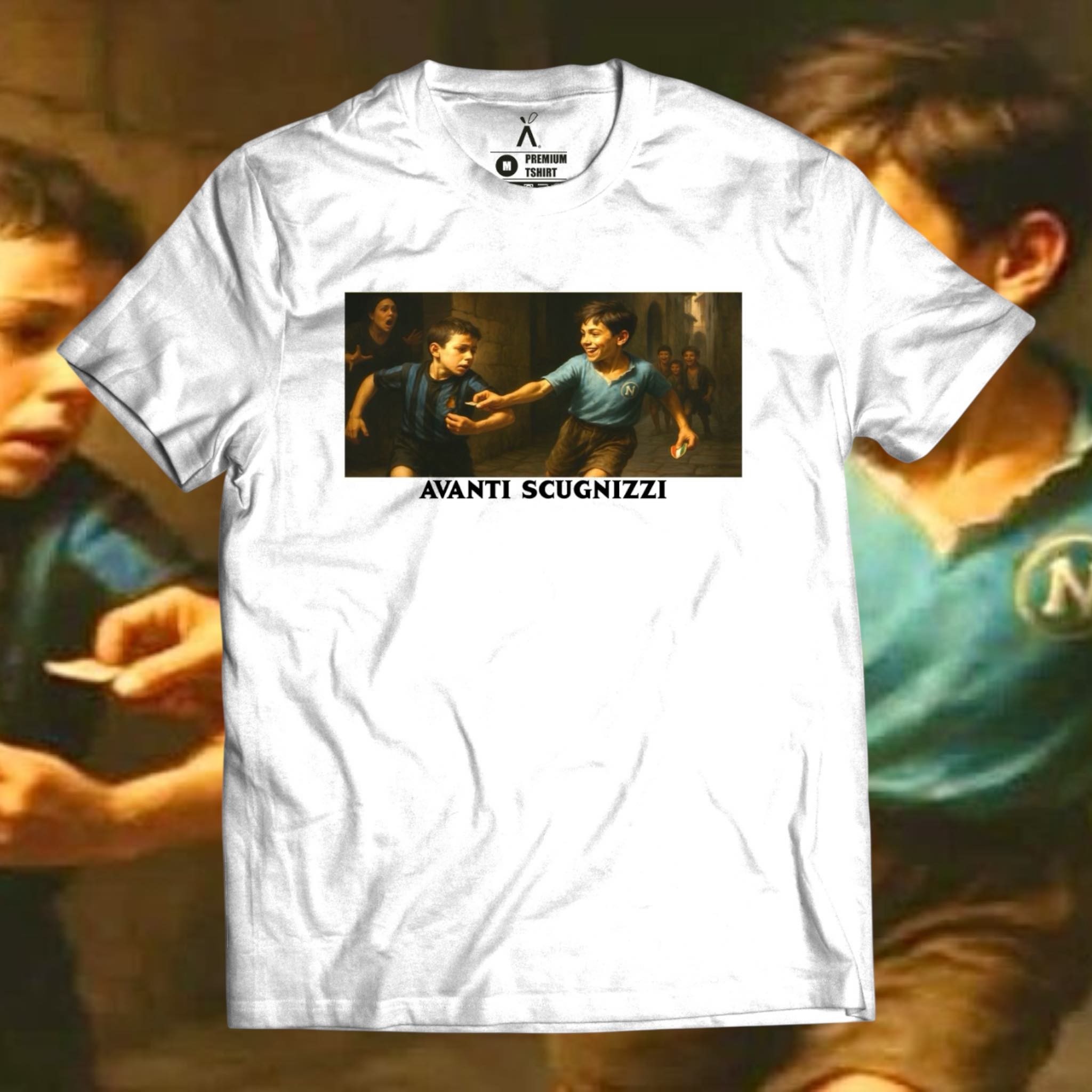 Avanti Scugnizzi: the story of the year's most loved T-shirtRead more
One word, ‘scugnizzo’ (Neapolitan street kid), and it holds the whole of Naples inside it. We tell you how the year's...
-
 'Chi chiagne fotte a chi ride': what it means and why it's truer than everRead more
At the market, at the counter, in the family: there's always someone who complains and gets more. It's the sharp...
-
 San Gennà, futtatenne! (Saint Januarius, don't worry about it!) San Gennaro, 19 September and the patron saint's t-shirtRead more
Who San Gennaro was, the miracle of the blood that liquefies, and the feast on 19 September. Plus that close,...
Blog categories
Search in blog
Archived posts
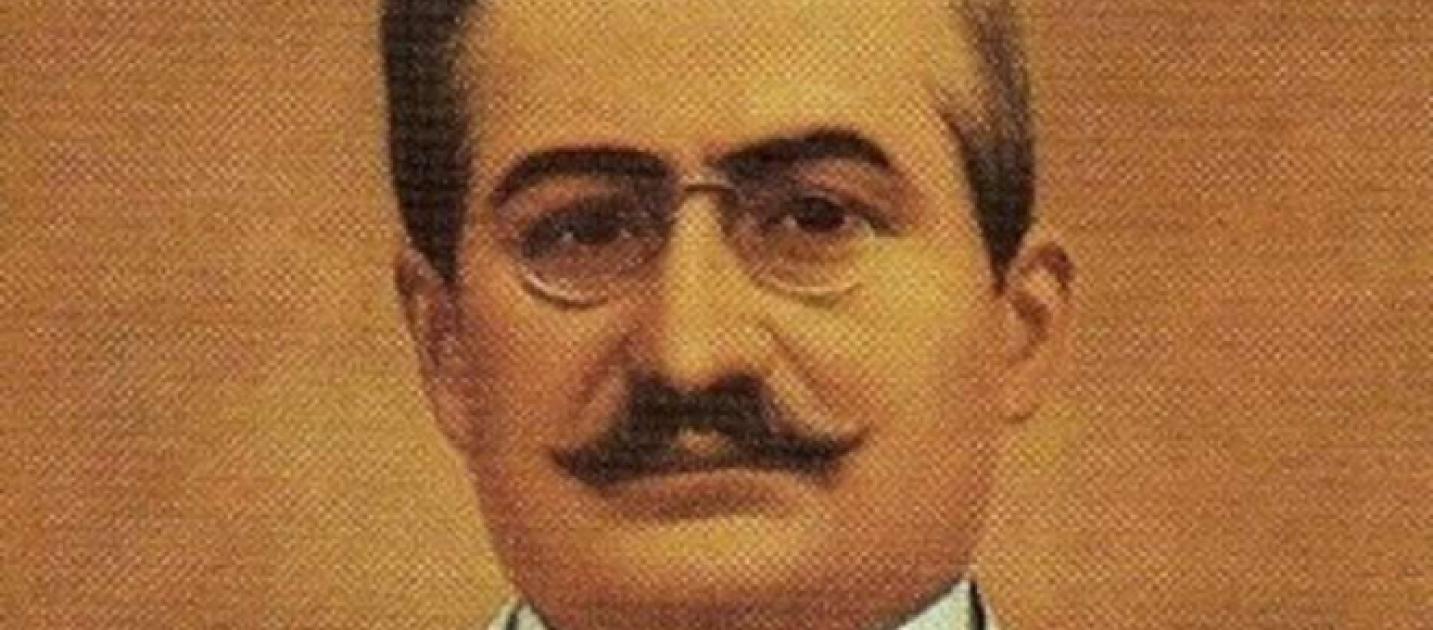
Giuseppe Moscati: the doctor who became a saint
Beatified by Pope Paul VI in 1975 and canonised by Pope John Paul II in 1987, Giuseppe Moscati was born on 25 July 1880 in Benevento, the seventh of nine children of the magistrate Francesco Moscati and Rosa De Luca, of the Marquises of Roseto. Having graduated from school at just 17, he began his university studies at the medical faculty of the University of Naples. It was probably the choice to dedicate himself to the medical profession that was shaped by his own personal experiences
Known as the "doctor of the poor", Giuseppe Moscati is a saint held very dear by the people of Naples, so much so that an entire wing of the Church of Gesù Nuovo, in the square of the same name, is dedicated to him. Here, in a small chapel, stands a statue of the sainted doctor, whose bronze hand has, over the years, become polished, almost as if turned to gold, from the touch of the faithful seeking comfort or a grace.
Biography
Beatified by Pope Paul VI in 1975 and canonised by Pope John Paul II in 1987, Giuseppe Moscati was born on 25 July 1880 in Benevento, the seventh of nine children of the magistrate Francesco Moscati and Rosa De Luca, of the Marquises of Roseto. Having graduated from school at just 17, he began his university studies at the medical faculty of the University of Naples. It was probably the choice to dedicate himself to the medical profession that was shaped by his own personal experiences: in 1893, in fact, his brother Alberto, an artillery lieutenant, was brought home after suffering an incurable injury from a fall from a horse. For years, Giuseppe devoted himself to him body and soul, personally seeing to his care. Already during this period, the qualities that would make him such a beloved and admired doctor began to emerge: a profound sensitivity to the suffering of others and an extraordinary empathy.
On 4 August 1903, he graduated in medicine with full marks and the right to publish, and five months later took part in the public competition held for the post of assistant physician at the Ospedali Riuniti di Napoli (United Hospitals of Naples). From 1904, he served at the Ospedale Incurabili (Hospital of the Incurables) in Naples, and it was here that he organised the hospitalisation of rabies patients, saving those admitted to the hospital in Torre del Greco during the 1906 eruption of Vesuvius.
After several years of collaboration in the laboratories of various hospitals, he finally obtained, in 1911, a lectureship in physiological chemistry on the strength of his academic credentials, with the task of leading scientific and experimental research at the Institute of Biological Chemistry. From 1911 he taught, without interruption, "Laboratory Investigations Applied to Clinical Practice" and "Chemistry Applied to Medicine", with practical exercises and demonstrations; he later also became a lecturer in General Clinical Medicine.
From a very young age, thanks to his extraordinary clinical eye and his pioneering and original research, much of which was published in Italian and international scientific journals, he gained remarkable fame both in Naples and abroad.
In truth, what struck people most of all was his astonishing personality and his boundless kindness of heart: he had no attachment to money, dressed modestly, and had no carriages, horses or motor cars. Whatever he received was set aside for the poor, to whom he also provided medicines and other basic necessities.
His surgery, located in Via Cisterna dell'olio, was always full of patients, to whom he offered free care. Having taken note of their financial circumstances, he would urge them to leave whatever they could in the basket by the entrance or, if need be, to take from it instead.
The miracles
Many people claim to have been healed by the saint, but three miracles in particular have been officially recognised by the Catholic Church and helped bring about his canonisation. The most striking of these is undoubtedly that of Giuseppe Montefusco: at the age of twenty, in early 1978, the man began to suffer from fatigue, pallor, dizziness and loss of appetite; he was admitted to the Cardarelli Hospital in Naples, where he was diagnosed with "leucemia acuta mieloblastica" (acute myeloblastic leukaemia), a disease that would have led swiftly to his death. One night, his mother dreamed of a man in a white coat and, after speaking with the parish priest, who told her it was surely Moscati, she went to the Church of Gesù Nuovo to pray. In under a month, her son recovered, to the astonishment of the doctors, who stated that, in their experience, only 12 out of 1,600 patients survived five years after such a diagnosis.
Saint Giuseppe Moscati died young, in his own surgery, at the age of 47, on 12 April 1927, and was buried in the cemetery of Poggioreale, although shortly afterwards his body was moved to the Church of Gesù Nuovo, so that the many faithful could venerate him there.
His feast day falls on 16 November, the date of the transfer of his remains.
Posted in:
History and legends
Related posts
-
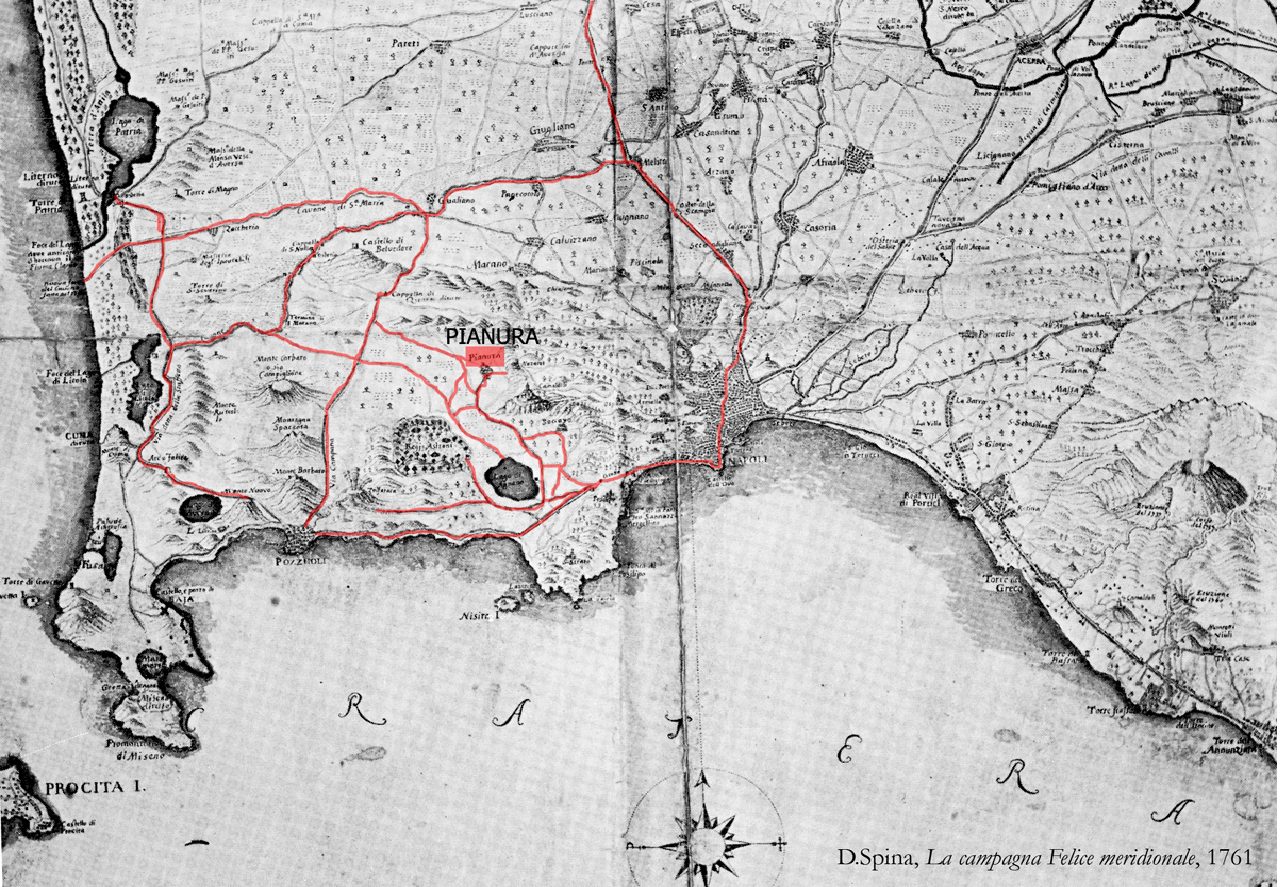 THE 36 CASALI OF NAPLES
This term identified the tiny clusters of farmhouses within the countryside surrounding Naples.Read more
-
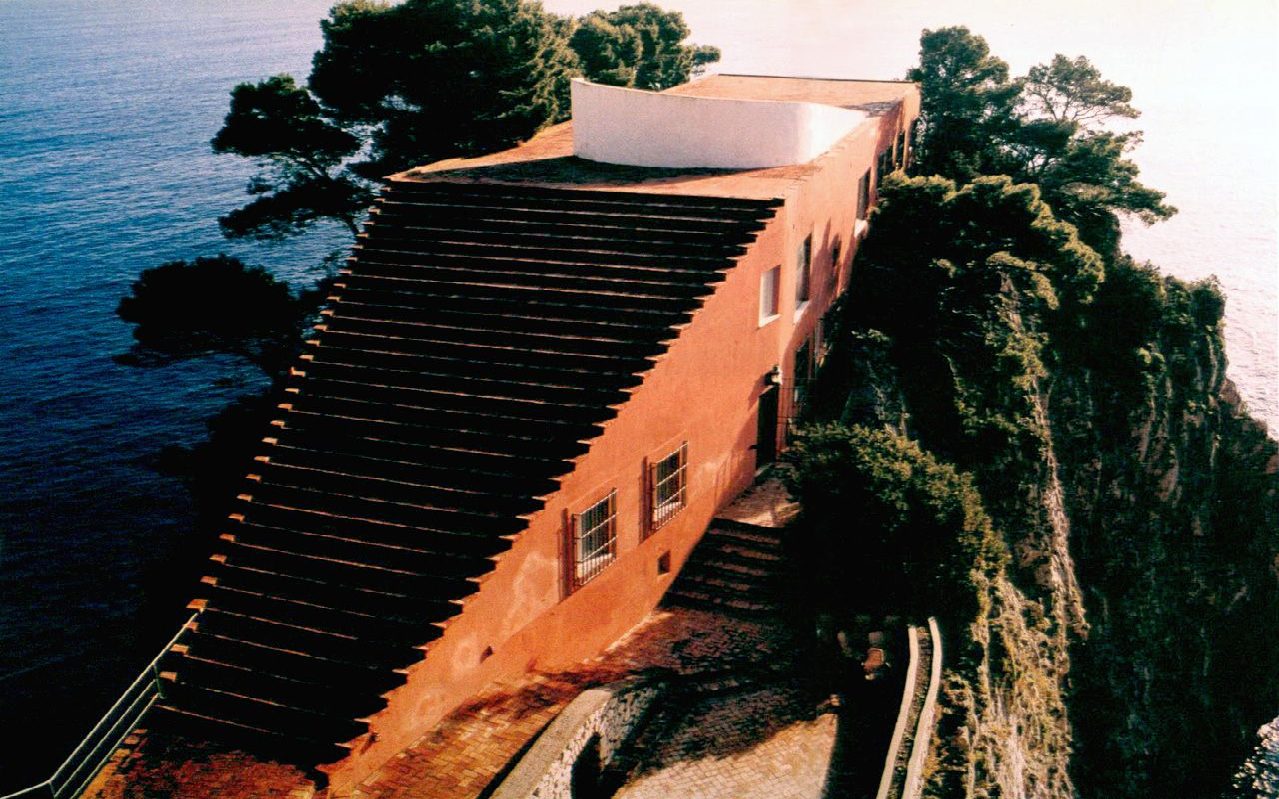 Casa Malaparte - Capri
Built in the 1930s on Capri by the celebrated writer Curzio Malaparte, this villa has always been a coveted spot for...Read more
-
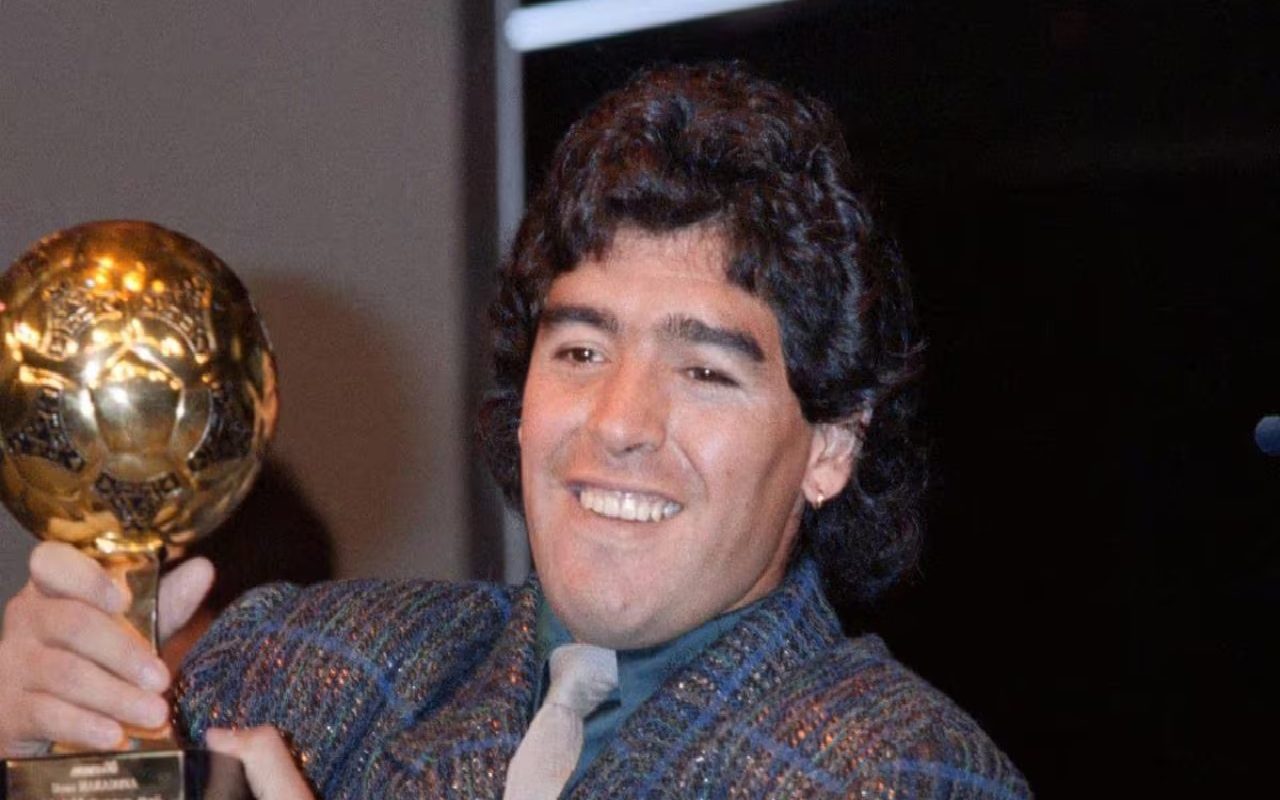 The Golden Ball Stolen from Maradona
Snatched in 1989 from the clutches of organised crime, its value is estimated to be between 12 and 15 million euros.Read more
-
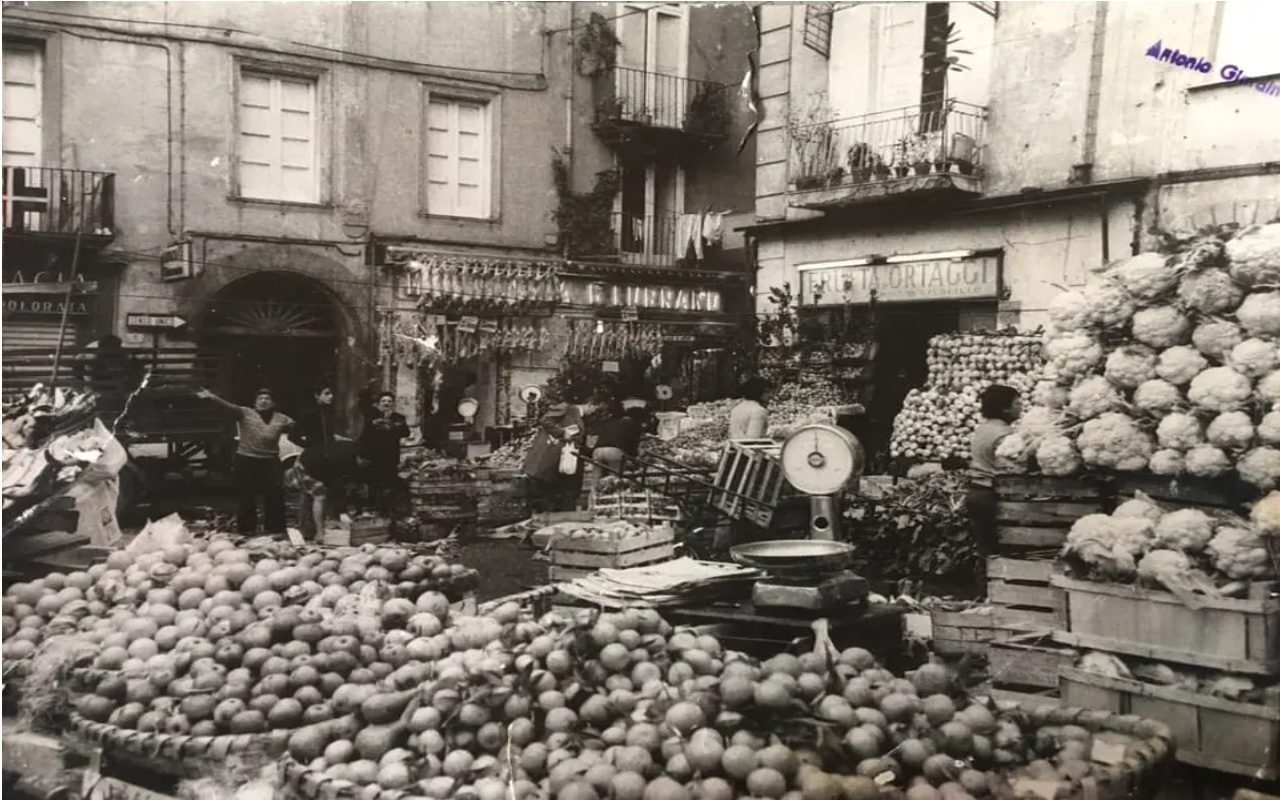 "Pignasecca" and its legend of the thieving magpies
The lively, bustling Naples district known as "Pignasecca" (dry pinecone) is a crowded, picturesque place that...Read more
-
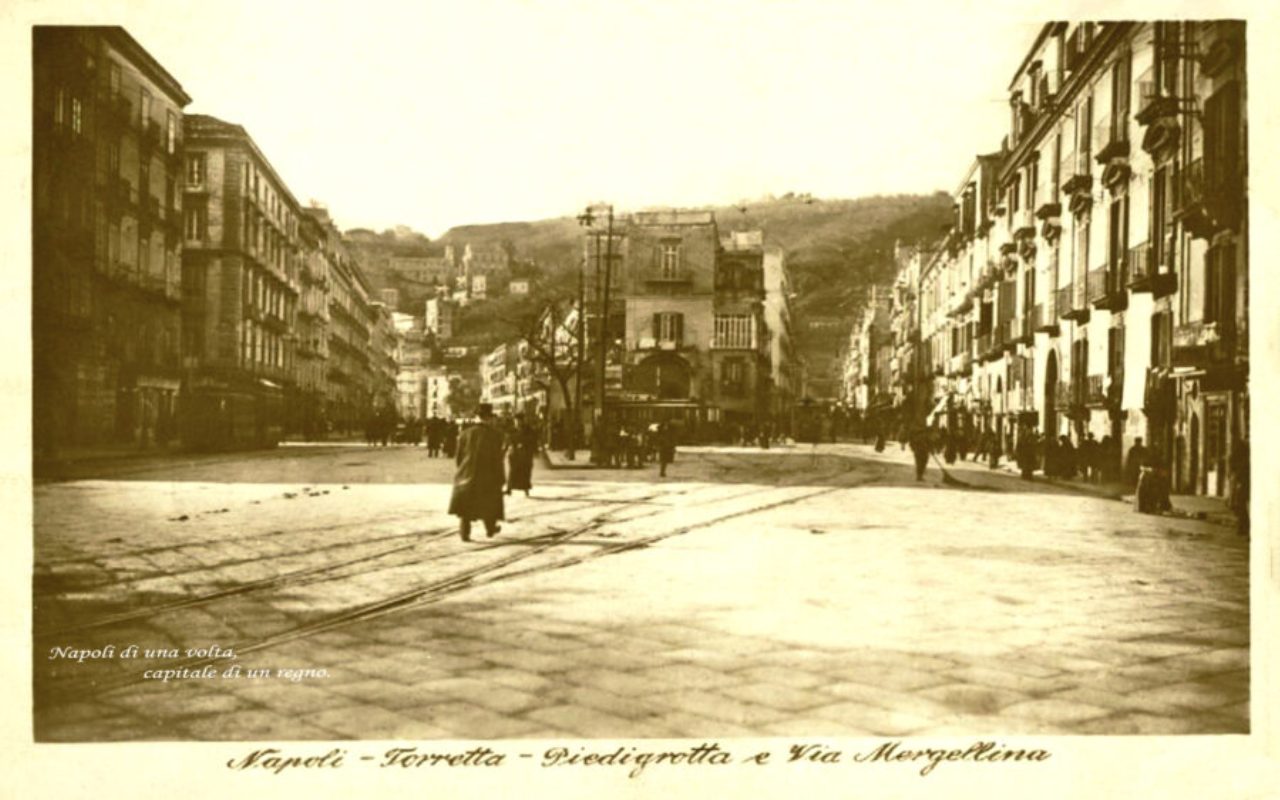 History of the Torretta di Mergellina: A Beacon of Safety
The Torretta was built in 1564 by order of the viceroy, the Duke of Alcalá, to serve as a lookout for maritime raids...Read more
Leave a comment