



In Naples, a graduation is never a private affair: it's a neighbourhood celebration. Here's how to choose an original...
Latest posts
-
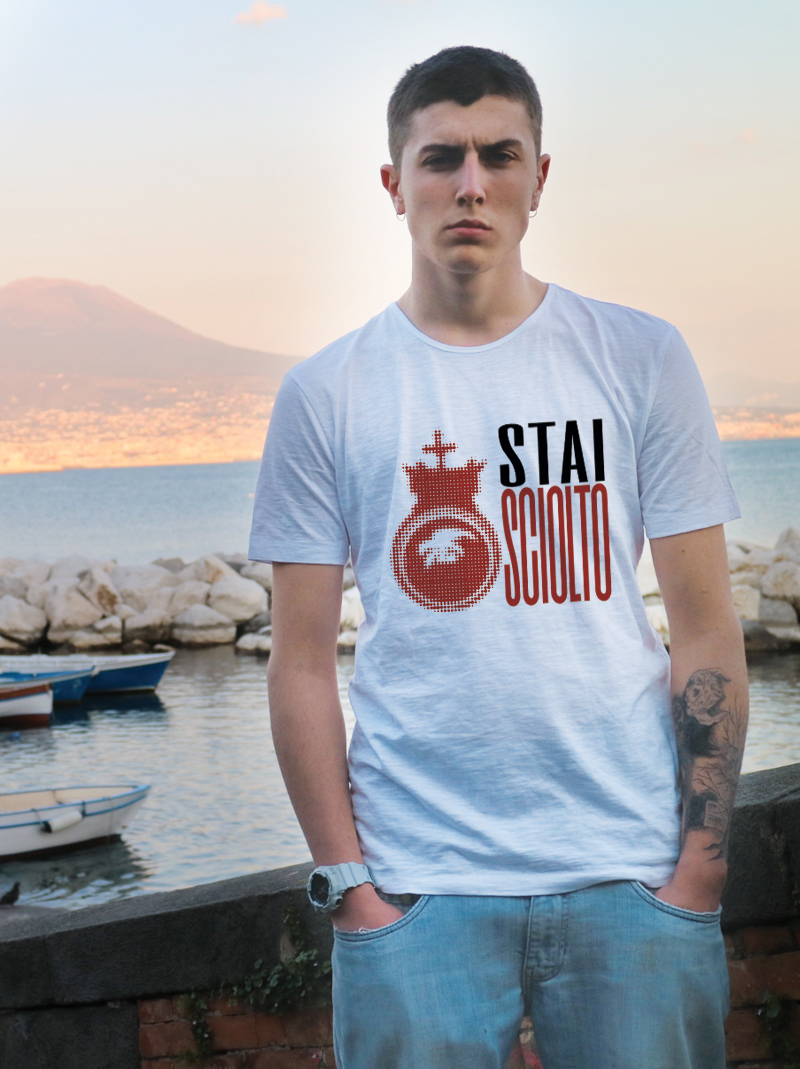 Original Neapolitan graduation gift: ideas for the graduate (him and her)Read more
-
 Asso 'e mazze: meaning and history of the Neapolitan ace of clubsRead more
The strongest card on the green table becomes, in Naples, the most elegant way to say who really calls the shots....
-
 Michelina Di Cesare, the brigantessa who defied a kingdomRead more
Born poor in Terra di Lavoro, Michelina Di Cesare chose the maquis and the rifle against a newly united Italy. A...
-
 Neapolitan Hoodies: The Autumn 2026 Style GuideRead more
When the air turns crisp, in Naples people don't just reach for a hoodie: they reach for a piece of identity. Here's...
-
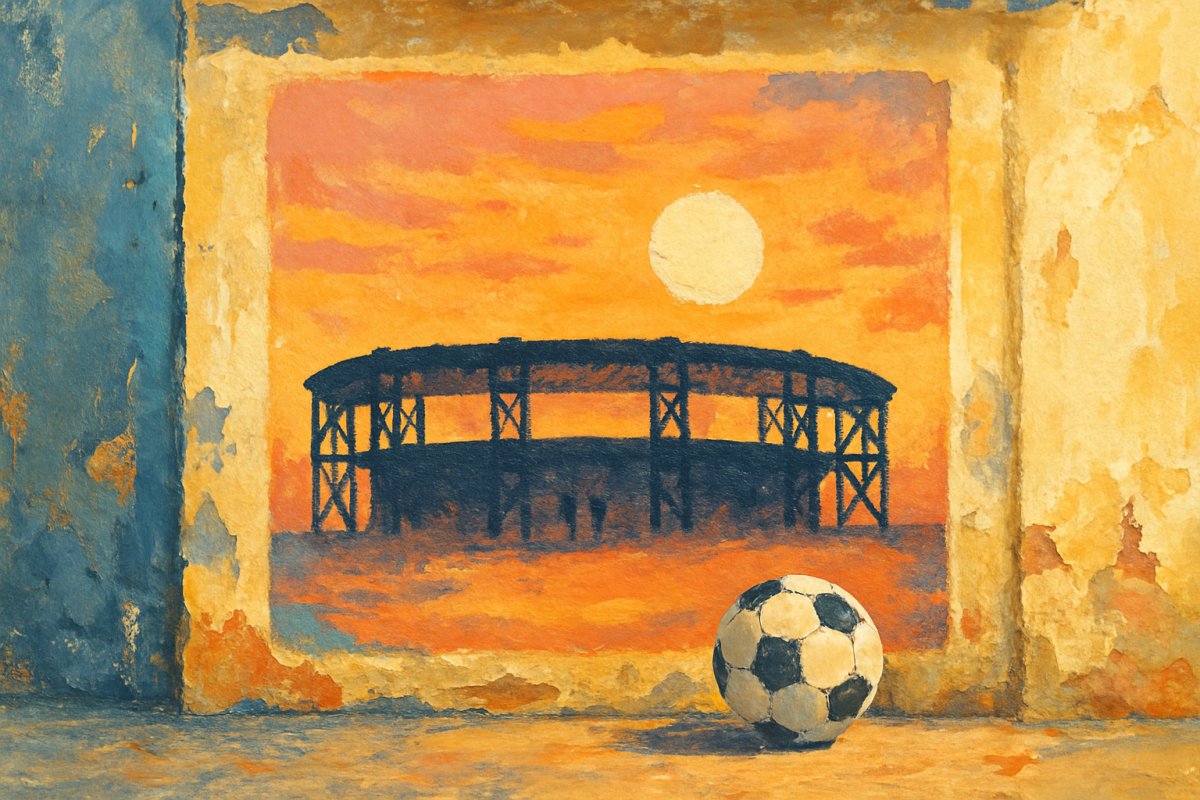 Maradona Stadium: City Council allocates €50 million for Euro 2032Read more
The City Council has allocated €50 million for the redevelopment of the Diego Armando Maradona stadium, ahead of...
-
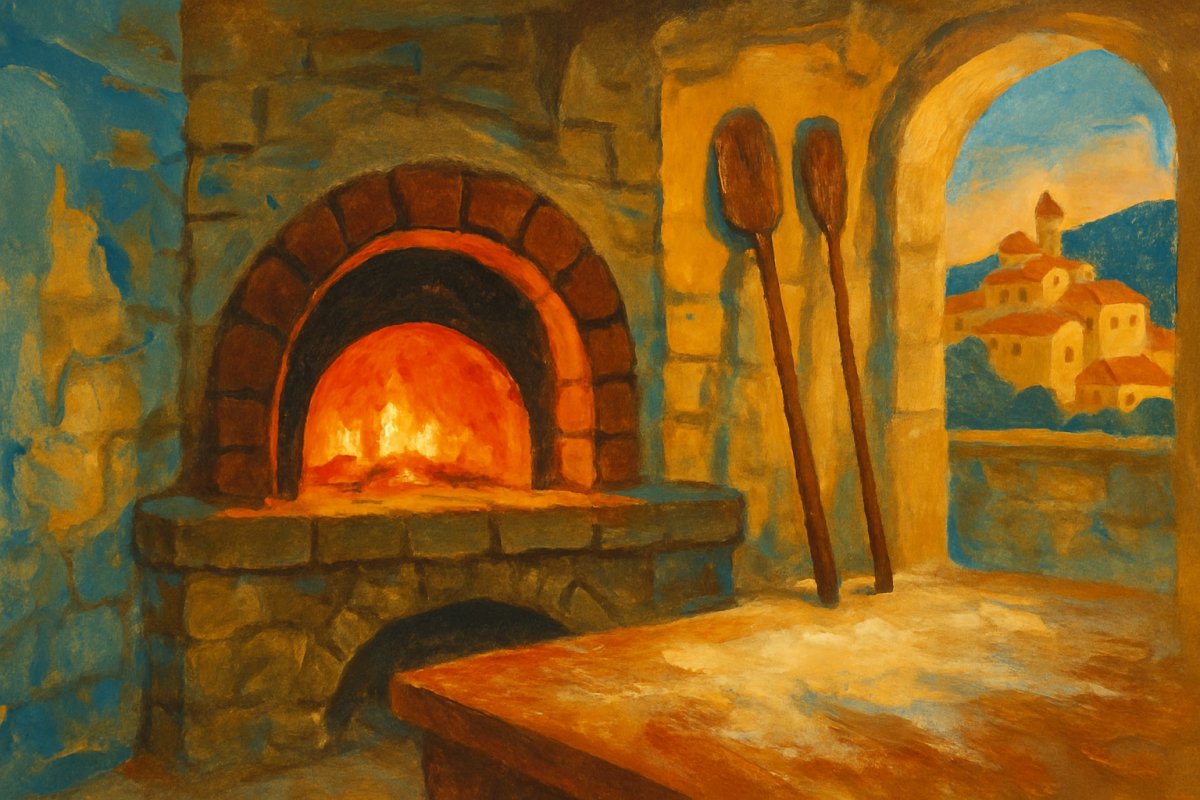 Pizza Maxima 2026: Franco Pepe Is Once Again Best Pizzeria in ItalyRead more
At the fifth edition of Pizza Maxima, the Oscars of Italian pizza, Franco Pepe confirms his title as Best Pizzeria in...
-
 ‘L’acqua è poca e ‘a papera nun galleggia’: what it meansRead more
When the means are few, so is the result. Let's discover the most realistic Neapolitan saying there is.
-
 Avanti Scugnizzi: the story of the year's most loved T-shirtRead more
One word, ‘scugnizzo’ (Neapolitan street kid), and it holds the whole of Naples inside it. We tell you how the year's...
-
 'Chi chiagne fotte a chi ride': what it means and why it's truer than everRead more
At the market, at the counter, in the family: there's always someone who complains and gets more. It's the sharp...
-
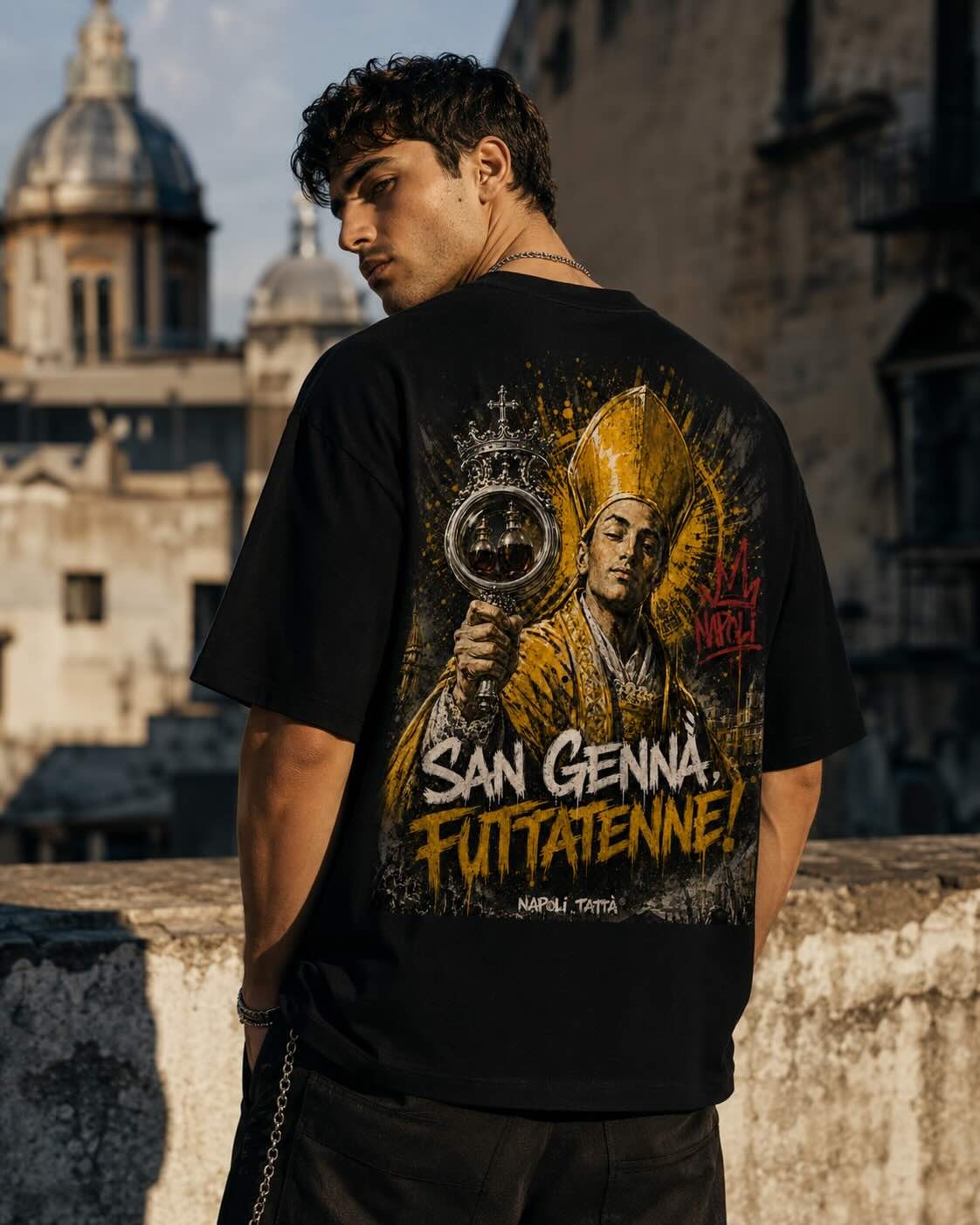 San Gennà, futtatenne! (Saint Januarius, don't worry about it!) San Gennaro, 19 September and the patron saint's t-shirtRead more
Who San Gennaro was, the miracle of the blood that liquefies, and the feast on 19 September. Plus that close,...
Blog categories
Search in blog
Archived posts
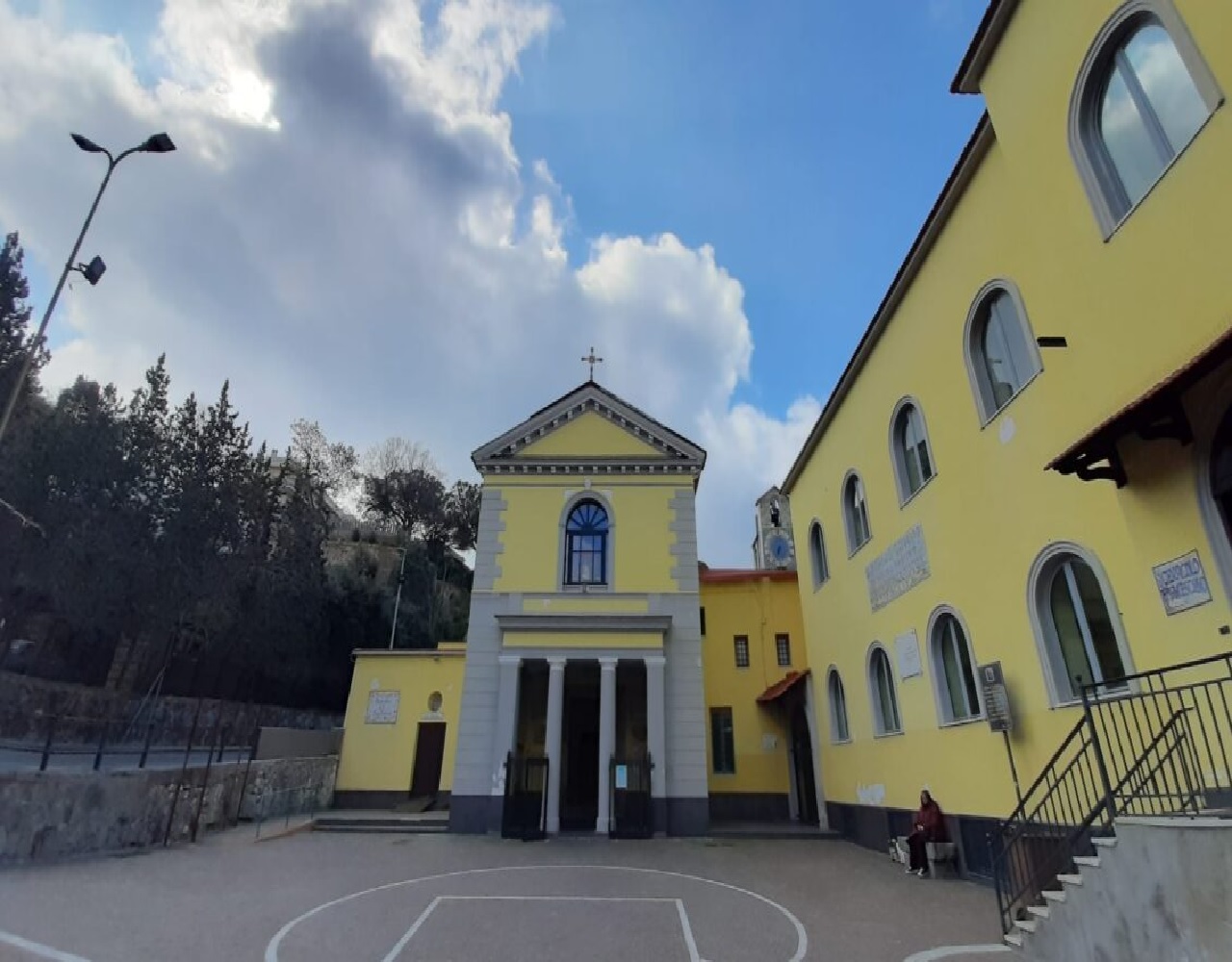
Sanctuary of San Gennaro alla Solfatara
It was strongly desired by the people of Naples to replace the previous little church, dating back to the 8th century. Its construction began in 1574 and was completed in 1580. It rose on the exact spot where San Gennaro (Saint Januarius) and his six companions were beheaded in martyrdom.
The Sanctuary of San Gennaro alla Solfatara is one of the most important places of worship in the Phlegraean area. Although the building stands on the territory of Pozzuoli, it has belonged to the city of Naples for centuries.
History
The first restoration of the building dates back to 1701 and was completed in 1708, when it was reconsecrated by the Bishop of Pozzuoli, Michele Petirro.
On the night between 21 and 22 February 1860 the church suffered very serious damage from a fire; it was promptly restored to a design by the architect Ignazio Rispoli and was completed shortly after the cholera outbreak of 1866, thanks also to contributions from the people of Pozzuoli. It underwent further restoration and embellishment work in 1877.
Around 1926 the church was further embellished, above all thanks to various paintings. On 11 February 1945 it was raised to the status of a parish by Bishop Alfonso Castaldo and dedicated also to the martyrs Festo and Desiderio.
Structure
The façade is simple, with a deep pronaos and two lovely Tuscan columns. On its walls are several plaques commemorating: the one on the right as you enter, the visit made to the church in 1697 by the Archbishop of Naples, Cardinal Giacomo Cantelmo; the one on the left, the restoration works carried out in 1701; the one to the right of anyone facing the entrance door, the building of the church in 1580; and, on the left, the upper plaque marking its elevation to parish church in 1945 and the lower one its construction in 1580, at the expense of the Naples municipality.
On the piperno-stone portal there is a delicate seventeenth-century marble bas-relief depicting the face of Jesus.
The interior has a single nave, covered by a groin-vaulted ceiling, with side chapels. A triumphal arch separates it from the presbytery, covered by a frescoed pseudo-dome, together with the pendentives and the vault, painted in 1926 by L. Tammaro. The chapels are separated by pilasters, topped with Ionic capitals. The friars' choir is housed in the pronaos.
Among the most valuable works preserved in the church is a small altar surmounted by a bas-relief depicting the martyrdom of San Gennaro, a work from 1695 by the celebrated artist Andrea Vaccaro. Another work depicting the saint's martyrdom is the painting on the main altar, by Pietro Gaudioso (c. 1678).
The stone and the bust
In the right-hand chapel of the nave the stone is venerated on which, according to tradition, the saint was beheaded. It draws numerous worshippers from everywhere and at every time of year, because in the days preceding the anniversary of his beheading the supposed traces of the saint's blood take on an increasingly ruby-red colour day by day, while for the rest of the year the stone is black. According to recent studies, however, it seems that the stone is in fact a fragment of an early Christian altar dating from two centuries after the martyr's death, on which traces of red paint and wax have been deposited, and that the whole phenomenon is simply the result of collective suggestion.
In the same chapel there is also a bust of San Gennaro to which various miraculous events are attributed. It is the work of an unknown artist and dates back to around the 12th century. The sculpture is displayed to the public in a special niche carved into the wall, which was originally a pagan architectural feature, namely a shrine for the statue of a household god (lar).
The best-known miracle took place in 1656 during the plague in Pozzuoli, in which a large part of the population died. In the hope that he would perform a miracle and put an end to the pestilence, it was decided to carry the statue of San Gennaro in procession from the Solfatara to the Flavian Amphitheatre. It so happened that, right from the start of the procession, a fairly noticeable yellowish mark appeared on the Saint's neck, which grew larger and larger as the procession went on, until, by the time it reached the amphitheatre, it had become as big as a peach, taking on the shape of a plague bubo. Suddenly, it burst open, giving off a smell of burning into the air, leaving on the statue's neck only that yellowish mark, which had appeared from the very start of the procession and which is still visible today. San Gennaro had taken the plague upon himself and had freed the people of Pozzuoli from that terrible pestilence.
The bust of San Gennaro is also linked to a legend concerning an act of vandalism it suffered at the time of the Saracen corsairs. With a blow of a scimitar, they cut off its nose. The faithful repeatedly commissioned various sculptors to make a new nose, but none of those proposed managed to attach itself to the mutilated face. Meanwhile, several fishermen more than once found in their nets a strangely shaped piece of marble which, mistaken for a mere stone, was thrown back into the sea. It was one of these fishermen who recognised in that stone the shape of a nose and brought it to the church, where, according to legend, the stone flew out of the fisherman's hands to return to its original place, between the eyes and the mouth of the statue.
Posted in:
History and legends
Related posts
-
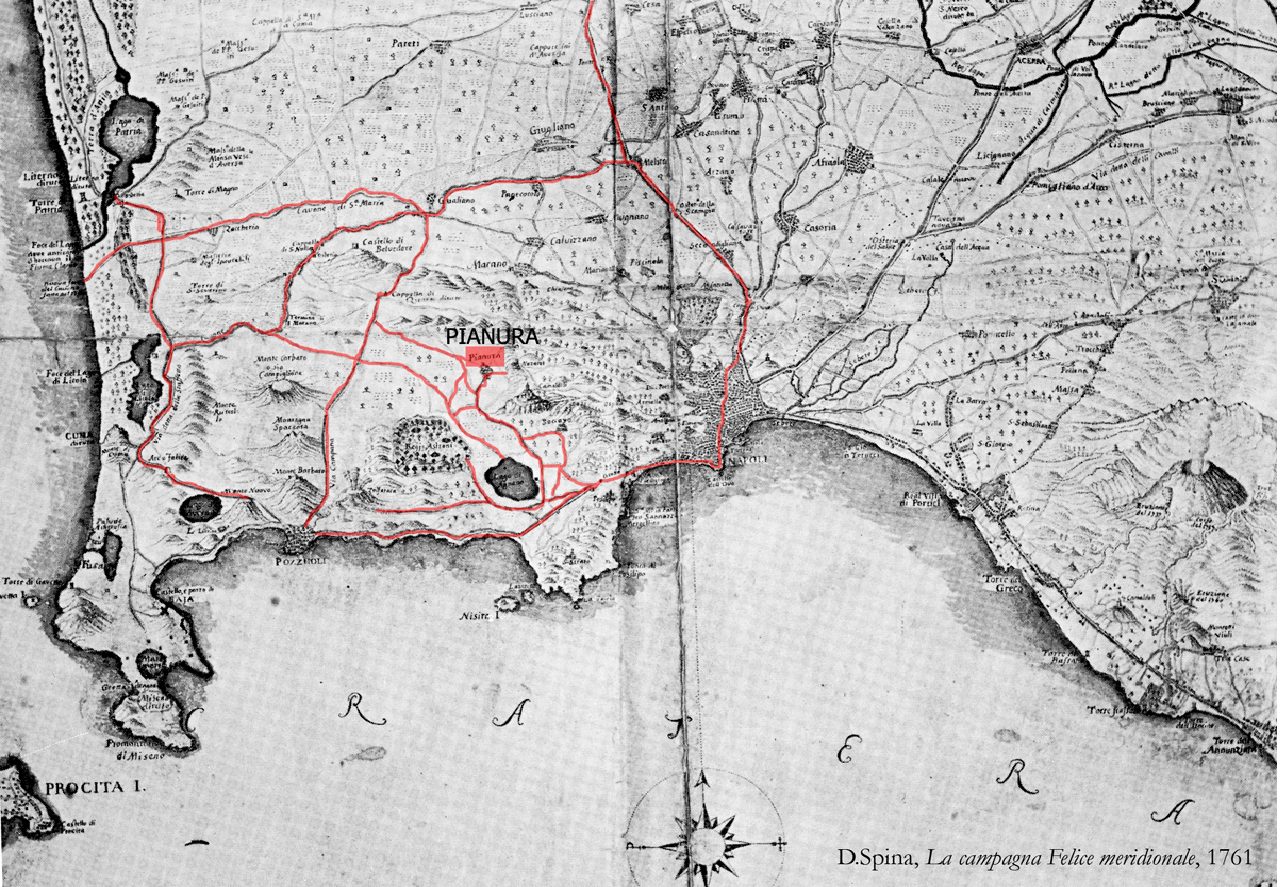 THE 36 CASALI OF NAPLES
This term identified the tiny clusters of farmhouses within the countryside surrounding Naples.Read more
-
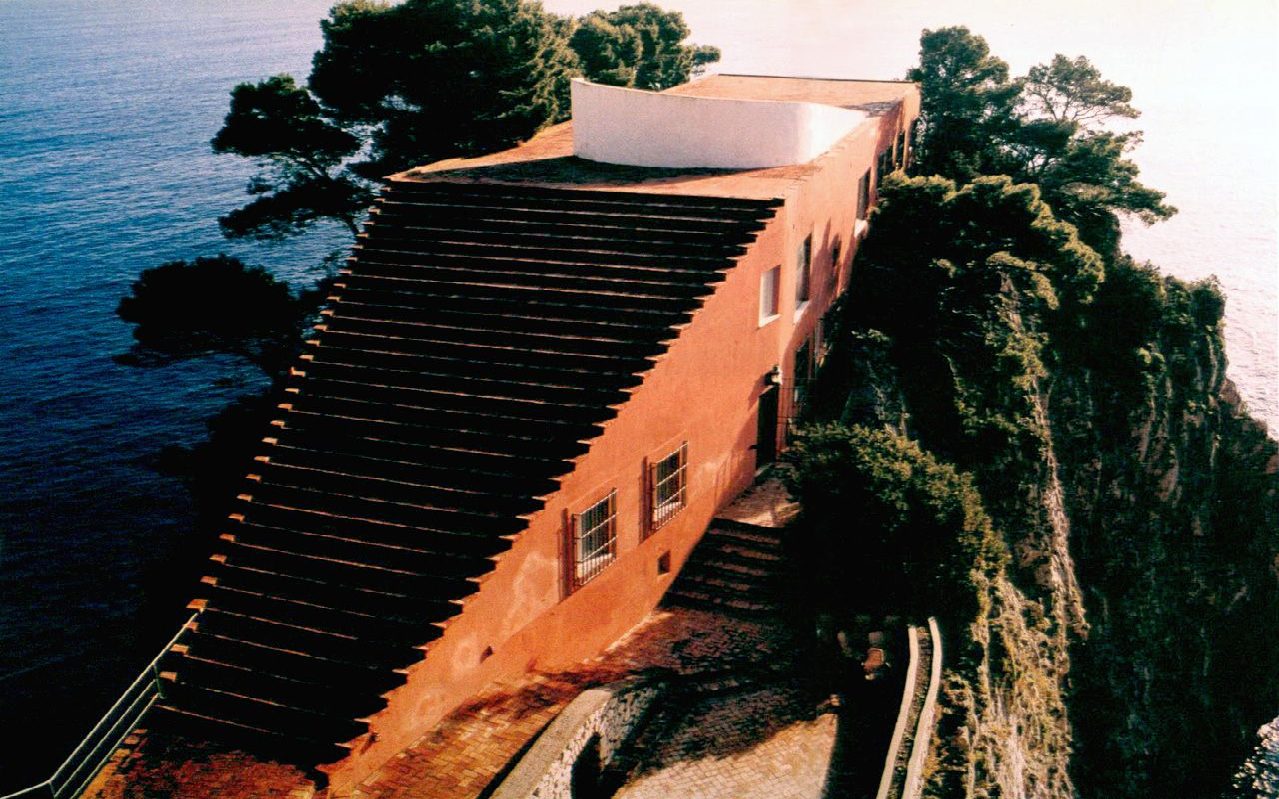 Casa Malaparte - Capri
Built in the 1930s on Capri by the celebrated writer Curzio Malaparte, this villa has always been a coveted spot for...Read more
-
 The Golden Ball Stolen from Maradona
Snatched in 1989 from the clutches of organised crime, its value is estimated to be between 12 and 15 million euros.Read more
-
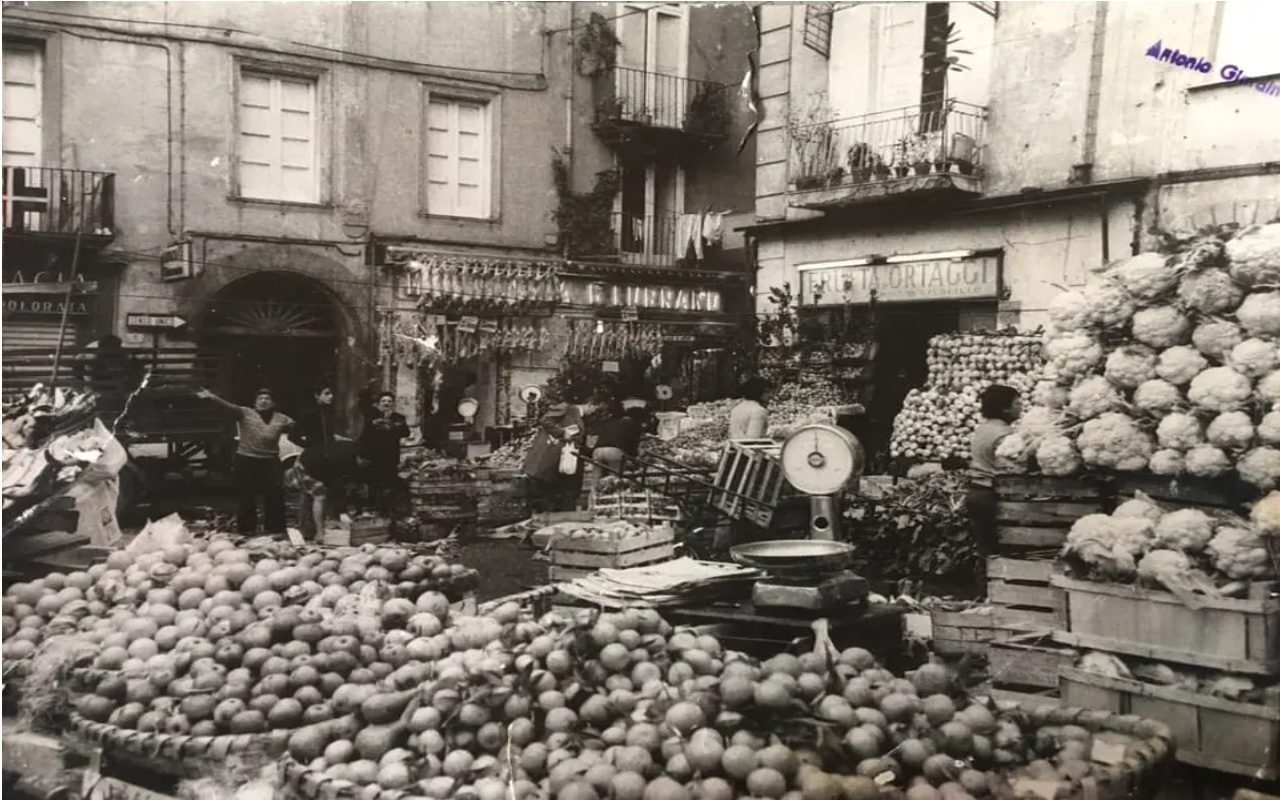 "Pignasecca" and its legend of the thieving magpies
The lively, bustling Naples district known as "Pignasecca" (dry pinecone) is a crowded, picturesque place that...Read more
-
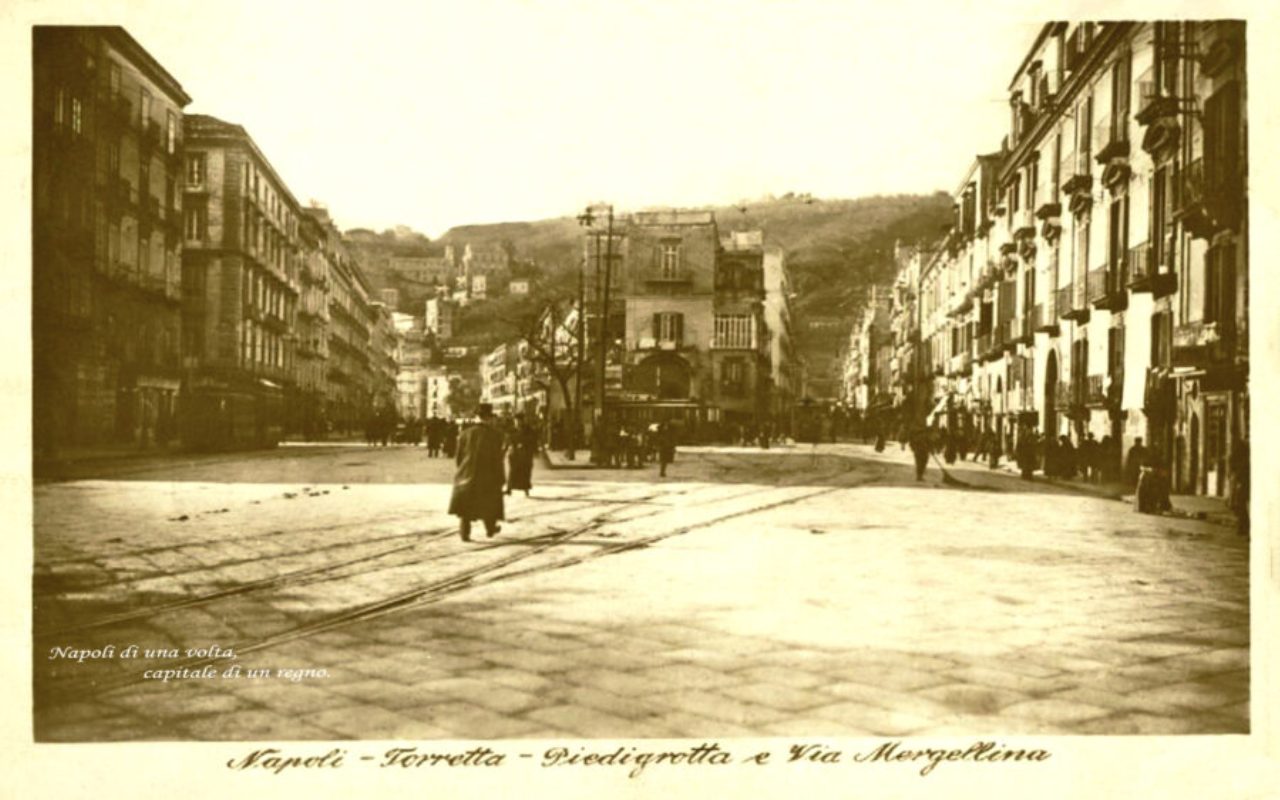 History of the Torretta di Mergellina: A Beacon of Safety
The Torretta was built in 1564 by order of the viceroy, the Duke of Alcalá, to serve as a lookout for maritime raids...Read more
Leave a comment