



In Naples, a graduation is never a private affair: it's a neighbourhood celebration. Here's how to choose an original...
Latest posts
-
 Original Neapolitan graduation gift: ideas for the graduate (him and her)Read more
-
 Asso 'e mazze: meaning and history of the Neapolitan ace of clubsRead more
The strongest card on the green table becomes, in Naples, the most elegant way to say who really calls the shots....
-
 Michelina Di Cesare, the brigantessa who defied a kingdomRead more
Born poor in Terra di Lavoro, Michelina Di Cesare chose the maquis and the rifle against a newly united Italy. A...
-
 Neapolitan Hoodies: The Autumn 2026 Style GuideRead more
When the air turns crisp, in Naples people don't just reach for a hoodie: they reach for a piece of identity. Here's...
-
 Maradona Stadium: City Council allocates €50 million for Euro 2032Read more
The City Council has allocated €50 million for the redevelopment of the Diego Armando Maradona stadium, ahead of...
-
 Pizza Maxima 2026: Franco Pepe Is Once Again Best Pizzeria in ItalyRead more
At the fifth edition of Pizza Maxima, the Oscars of Italian pizza, Franco Pepe confirms his title as Best Pizzeria in...
-
 ‘L’acqua è poca e ‘a papera nun galleggia’: what it meansRead more
When the means are few, so is the result. Let's discover the most realistic Neapolitan saying there is.
-
 Avanti Scugnizzi: the story of the year's most loved T-shirtRead more
One word, ‘scugnizzo’ (Neapolitan street kid), and it holds the whole of Naples inside it. We tell you how the year's...
-
 'Chi chiagne fotte a chi ride': what it means and why it's truer than everRead more
At the market, at the counter, in the family: there's always someone who complains and gets more. It's the sharp...
-
 San Gennà, futtatenne! (Saint Januarius, don't worry about it!) San Gennaro, 19 September and the patron saint's t-shirtRead more
Who San Gennaro was, the miracle of the blood that liquefies, and the feast on 19 September. Plus that close,...
Blog categories
Search in blog
Archived posts
Bradyseism: when the ground rises and falls
Bradyseism: what the "volcanic breathing" is and the causes of bradyseismic movements. In physical geography, bradyseism is a phenomenon of volcanic origin clearly present at the Campi Flegrei, in Campania. It is a periodic rise and fall of the ground level. The uplift phase of this "volcanic breathing" is characterised by generally weak but very frequent earthquakes. Bradyseism, also known as "volcanic breathing", is a cyclical phenomenon linked to volcanism which involves the rising and lowering of the caldera area. The term "bradyseism" comes from the Greek words bradýs and seismós, meaning "slow" and "shock", referring to the seismic activity associated with this phenomenon mainly during the phases of ground uplift.
by Simona Vitagliano
Naples is famous throughout the world not only for the artistic and architectural works it boasts, or for its "five hundred domes", for the sea that bathes it and the mountains that overlook it, or the wonderful archaeological sites it has guarded since time immemorial and shares with everyone: even its geological structure is particularly interesting, rich as it is in natural phenomena that seem almost "miraculous", from the mouths of volcanoes (not only Vesuvius) to the fumaroles of the Solfatara, right up to what is commonly known as bradyseism, which mainly affects the Phlegraean area.
Bradyseism: anatomy of a natural phenomenon
Bradyseism is a phenomenon linked to volcanism, causing the ground level to rise or fall periodically. It is an effect that, on average, amounts to 1 centimetre per year, so it can be understood as slow when measured against the span of a human life, but rather fast and significant on a geological scale.
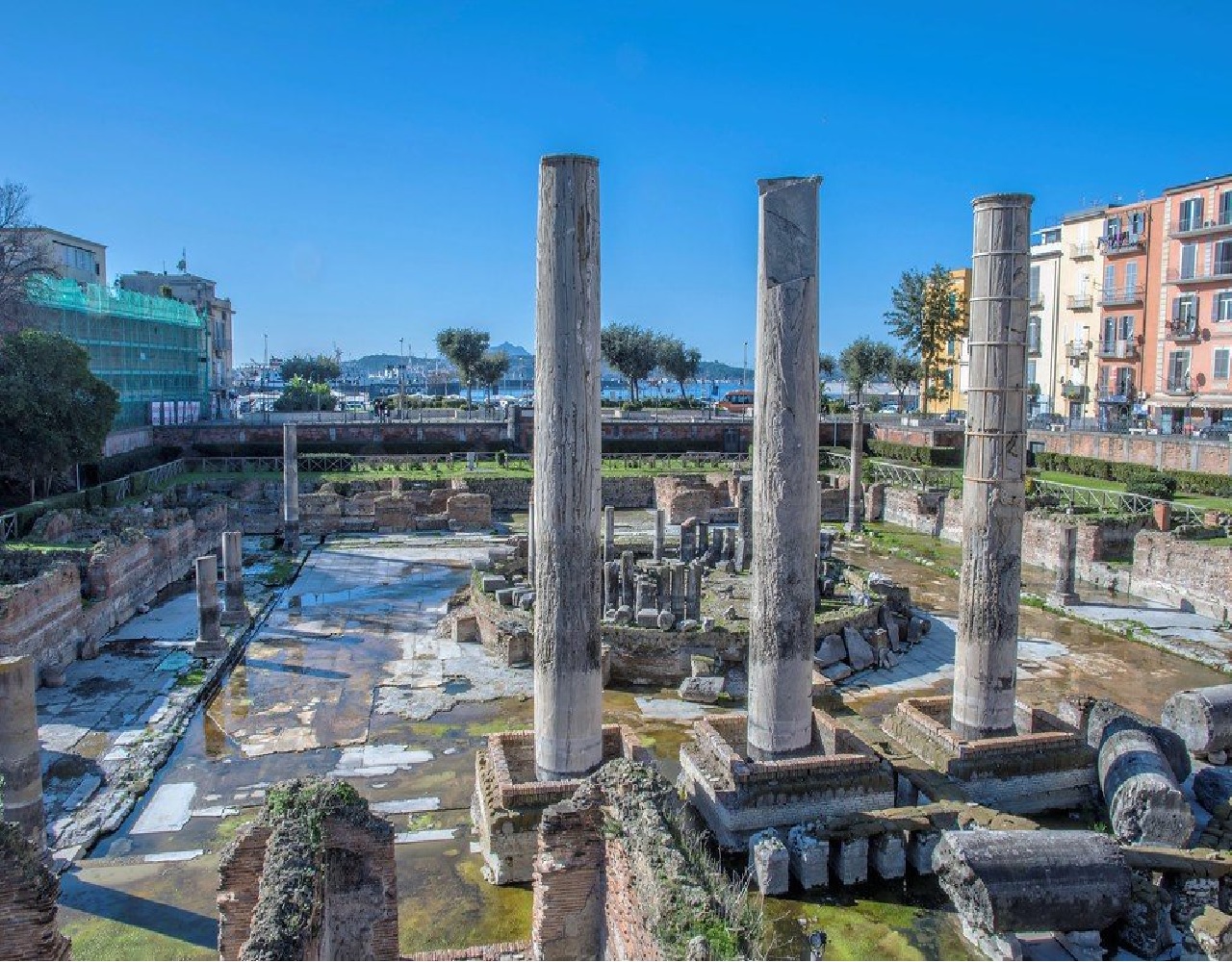
Naples and, in particular, Pozzuoli, are silent witnesses to this phenomenon through countless elements that form part of the city's architecture and image, where land, buildings and many other features (such as the moorings at the port) have been submerged or, conversely, found themselves far from their original position.
The causes of bradyseism are not yet fully understood, but the role of lava flowing beneath the surface is certain. The most modern and accepted theory concerns the heating of the groundwater table, which would cause greater or lesser pressure from the water vapour present underground, resulting in deformations of the surface crust.
Campi Flegrei: the great dormant caldera
In Naples, the phenomenon of bradyseism affects the area known as the Campi Flegrei, located in the Gulf of Pozzuoli, west of the city of Naples and its bay, considered to be at high volcanic risk and, as a result, kept under constant surveillance by the Vesuvius Observatory.
This area includes Capo Miseno, Baia, Posillipo and all the districts affected by this particular phenomenon.
In particular, these are cyclical "movements" of the ground which, thanks to the studies of Antonio Niccolini and Antonio Parascandola, have been reconstructed all the way from the 2nd century BC right up to the present day.
It has been observed that:
- From the 2nd century BC (the Republican era) until the 9th century (the height of the Middle Ages), bradyseism was in a descending phase;
- From the 10th to the 16th century it was ascending;
- From the 17th century until 1970 there was another descending phase;
- Until 1985 the trend was briefly ascending, before shifting into a new descending phase, though marked by brief periods of minor uplift (1989, 1994 and 2000);
- Since 2005 we have been in a full ascending phase.
As is easy to imagine, bradyseism is closely linked to small earthquakes, with epicentres concentrated mainly in the Solfatara: for this reason, there's no need to worry when the newspapers report minor tremors which, in most cases, are only picked up by instruments and not felt by residents.
History has also been marked by episodes of sudden "eruption" of the phenomenon, with an absolute peak on 28 September 1538 when, on the eve of the eruption of Monte Nuovo, on the Pozzuoli coast, at around midday, the sea suddenly withdrew by about 370 m, due to an ascending bradyseismic movement of at least 7.40 m according to estimates, leaving countless dying fish stranded on the shore.
Temple of Serapis: an important point of reference
To allow scholars to carry out surveys and gather reliable data, it was of course necessary to choose a reliable point of reference: this role was given to the columns of the Temple of Serapis (the ancient Macellum) in Pozzuoli which, almost absurd as it may seem, were partially submerged by the sea until 1983, whereas today, little more than thirty years on, they stand above sea level; the water present there today is, in fact, due only to a thermal spring (Catarello) and to rainfall. On the other hand, the evidence shows that the three tallest marble columns bear holes made by date mussels, up to a height of 6.30 m from the building's floor level: this bears witness to the maximum bradyseismic submersion of the medieval period.
Today, technology has given us access to very precise instruments, thanks to which efficient measurements can be obtained via satellite: the most recent peak was recorded in 2012, with a total uplift of around 9.5 centimetres.
Bradyseism in modern times
From the 1970s to the present day, the phenomenon of bradyseism has had a very significant impact on the people of Pozzuoli.
From around 1970 to 1972, the phenomenon reversed from descending to ascending, leading to an uplift of 150-170 centimetres. In the port of Pozzuoli the rise was 90 centimetres: in practice, the coastline had risen by 20 centimetres. Even the coasts of Ischia were affected, with a drop of around 15 centimetres: beaches widened, piers and quaysides were lifted, and the Solfatara volcano became intensely and unusually active.
For the Rione Terra district, the Ministry of the Interior was forced to issue an evacuation order due to the mounting structural damage. Of the six thousand residents, however, only around a thousand agreed to leave their homes for accommodation specially set up for the occasion, located in other areas of the province north of Naples.
In 1975 a national competition was launched for the restoration of Rione Terra, but initially only the Temple of Augustus and Pozzuoli Cathedral were included in the works.
A few years later, between 1983 and 1984, 10,000 small tremors caused a daily uplift of 3 millimetres in the crust, for a total of around 180 centimetres: studies showed that the uplift of the Campi Flegrei was caused by a magmatic intrusion. On 24 August 1983 an emergency plan was triggered, ready to monitor the situation, secure the area and intervene wherever necessary. On 5 September the town was struck by an earthquake so strong that it was felt even inland and in Naples, followed by around fifty further tremors: hospital patients were evacuated, the female inmates of Pozzuoli prison were transferred to Poggioreale and two tent camps and caravan sites were set up. When a further tremor struck Baia and Bacoli the following day, around three thousand families left the town under their own steam, by now gripped by panic. Over time, the number of people who fled spontaneously grew to around twelve thousand, many of whom never returned.
Various theories were put forward regarding the causes of the phenomenon, and all of them pointed to the possibility of an imminent volcanic eruption which, it was hypothesised, might occur in the central part of the Gulf of Pozzuoli.
Important decisions were made regarding a mega-district that was meant to house all the displaced people, giving rise to what would later become Monteruscello, with a very comprehensive urban plan (costing 40 billion lire) which, however, was never fully carried through.
Today
When, in December 1984, the phenomenon subsided, all the initiatives undertaken to create an evacuation plan or to prevent a new, excessive population density in the area were forgotten.
Today, the population density is extremely high; concrete has even been poured over the slopes of what is considered the potentially most dangerous volcano in the world, and the inhabitants of Pozzuoli (and the surrounding areas) are still poorly informed and uncertain about what would happen in the event of eruptions or strong tremors following a major bradyseismic episode, like the one that occurred just thirty years ago and which left thousands of people without water, electricity and, above all, without a home.
Civil Protection has announced that, every month, the scientific observatory of the Campi Flegrei issues a bulletin and that, although the alert level has for some time now been yellow, especially following the seismic events of 2016, the phenomenon is considered stable, with a low probability of eruption.
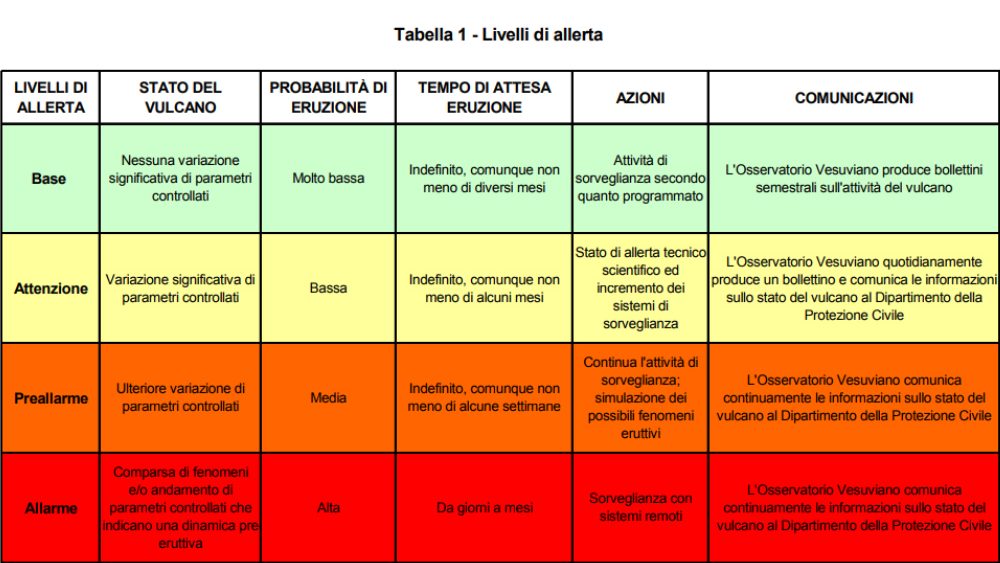
Essentially, the precursor phenomena of a volcanic and/or geological disaster are constantly monitored and trigger a series of specific actions in the affected areas. It should also be borne in mind that bradyseism is not necessarily a precursor to an eruption, so emergency measures need to be planned with this in mind as well.
The evacuation plan, therefore, provides for people to be moved away from the Campania region or from whichever areas are affected by bradyseism, depending on the situation, as well as support for families whose head of household needs to reach the destination by private vehicle in order to bring belongings with them: in that case, the rest of the family would travel by bus, ferry or train, so as to keep the roads as clear as possible.
Naturally, since there is no way to carry out mass physical drills, no one can know how the population would actually react in moments of panic, or how genuinely feasible an orderly migration would be: what remains today is simply a district of houses that were only ever meant to last a decade, before being replaced by permanent structures.
In short, many homes not only fail to guarantee residents a stay in proper, regular conditions (and bringing them up to code would perhaps be even more costly than rebuilding), but are also not earthquake-resistant, neither in the Monteruscello area nor in Pozzuoli itself, where, as mentioned, construction has very recklessly spread even into areas whose dangers to residents, after just thirty years, people pretend not to know about.
The "night of the five hundred tremors" was forgotten far too quickly.
Posted in:
History and legends
Related posts
-
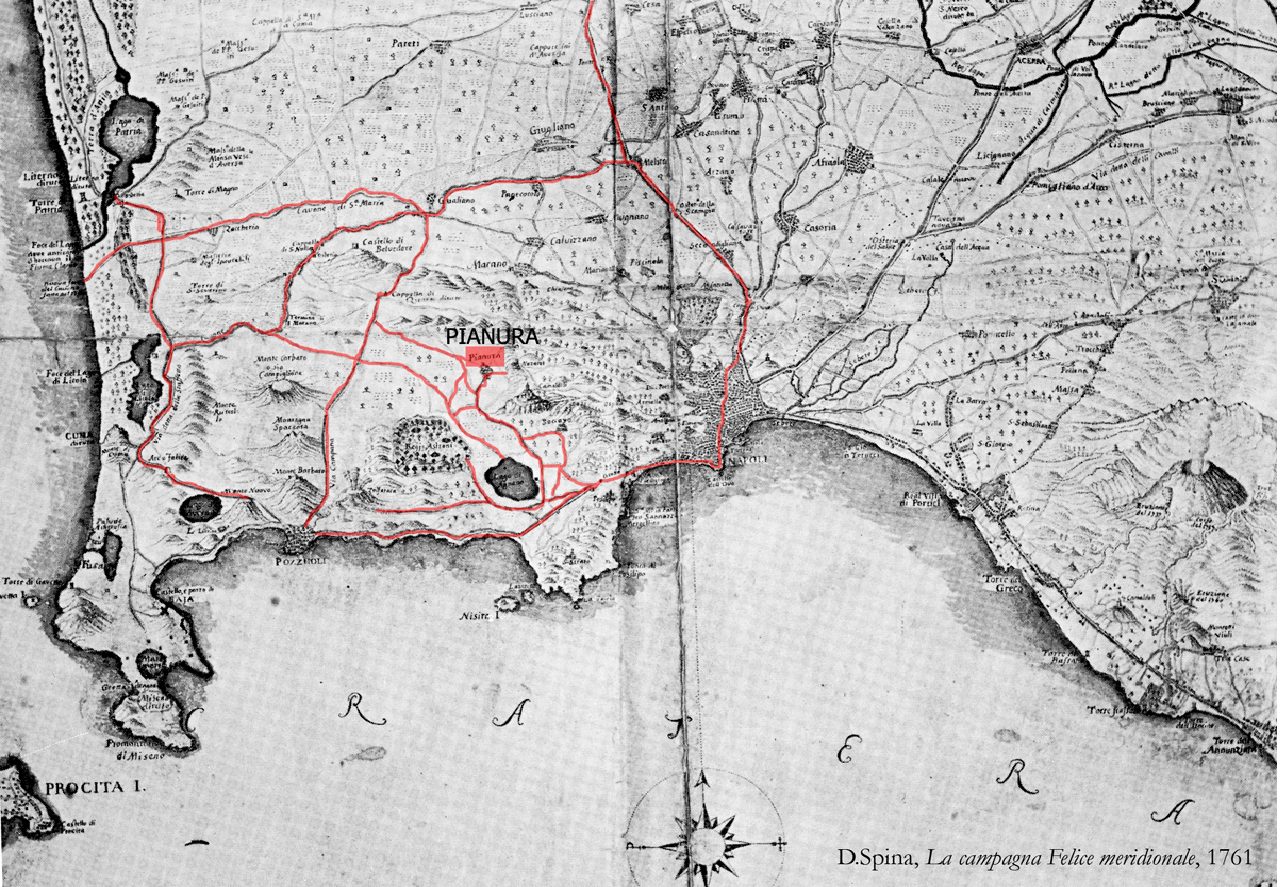 THE 36 CASALI OF NAPLES
This term identified the tiny clusters of farmhouses within the countryside surrounding Naples.Read more
-
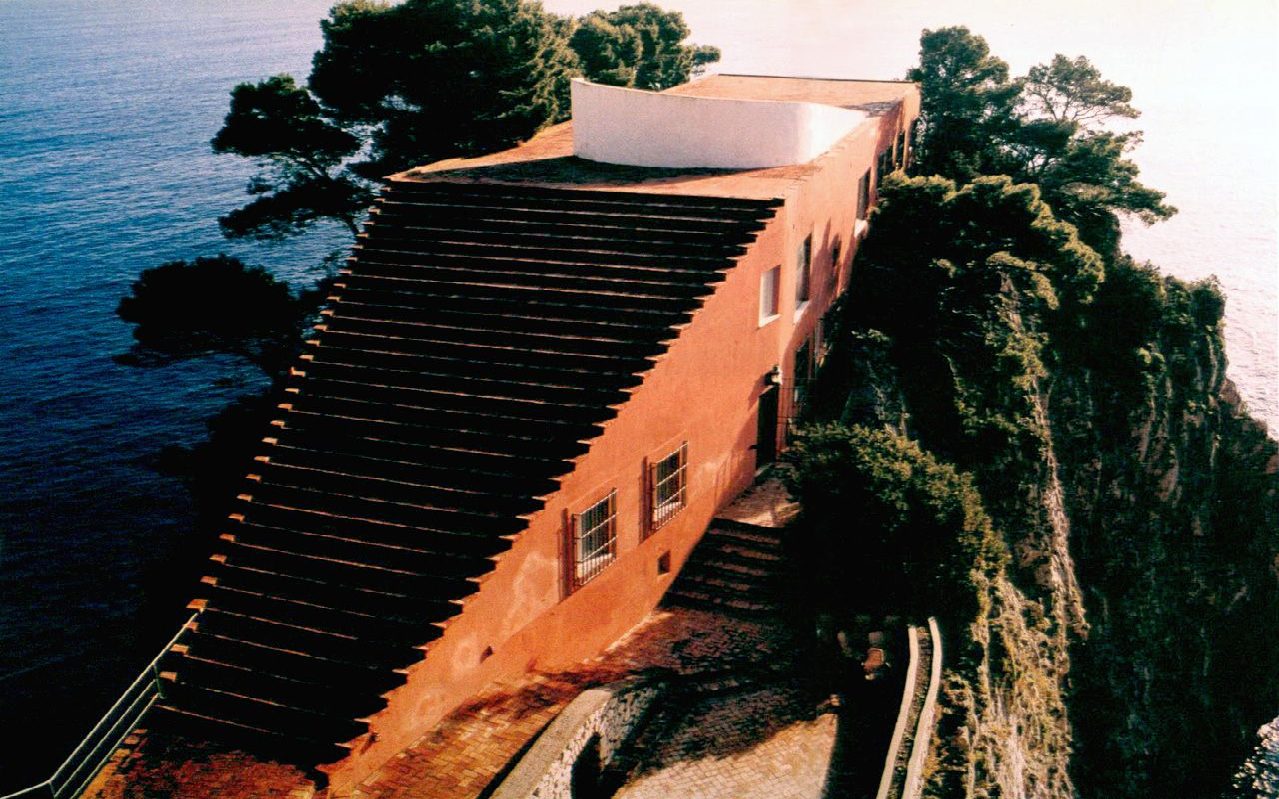 Casa Malaparte - Capri
Built in the 1930s on Capri by the celebrated writer Curzio Malaparte, this villa has always been a coveted spot for...Read more
-
 The Golden Ball Stolen from Maradona
Snatched in 1989 from the clutches of organised crime, its value is estimated to be between 12 and 15 million euros.Read more
-
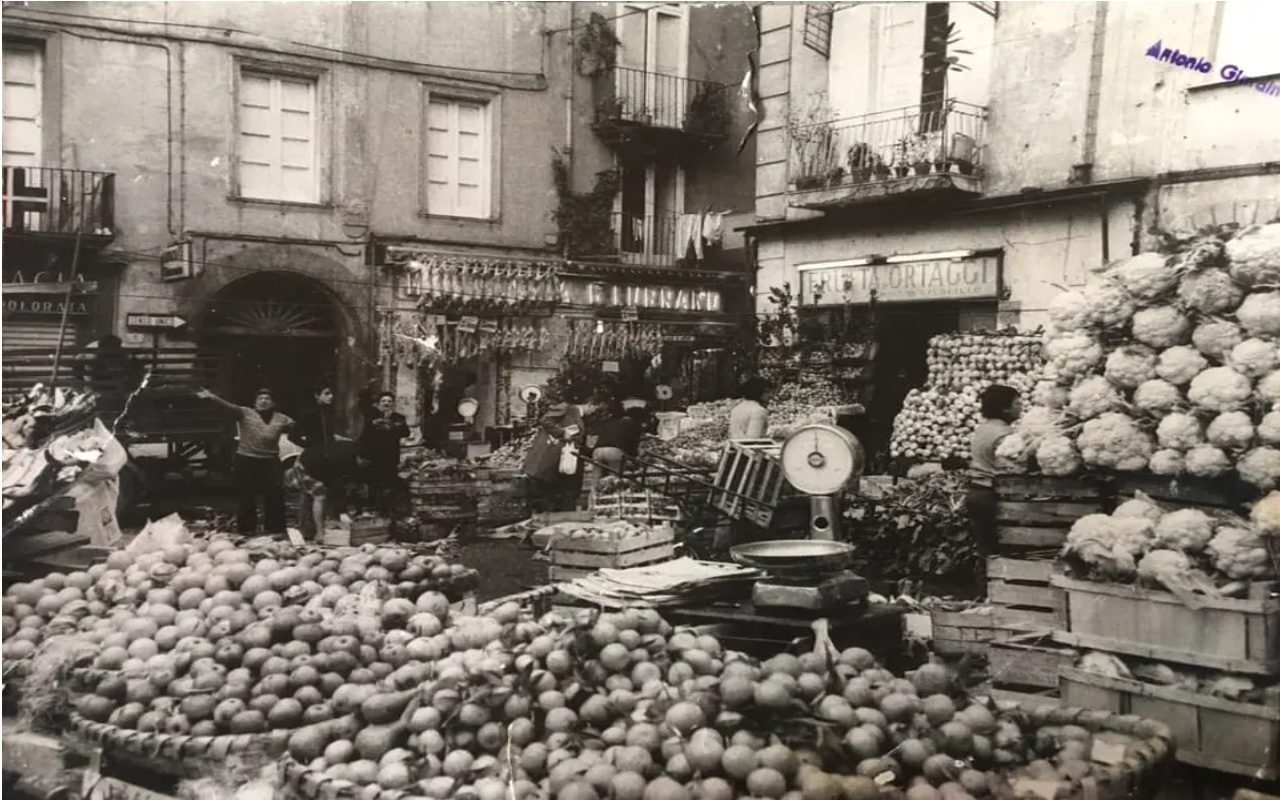 "Pignasecca" and its legend of the thieving magpies
The lively, bustling Naples district known as "Pignasecca" (dry pinecone) is a crowded, picturesque place that...Read more
-
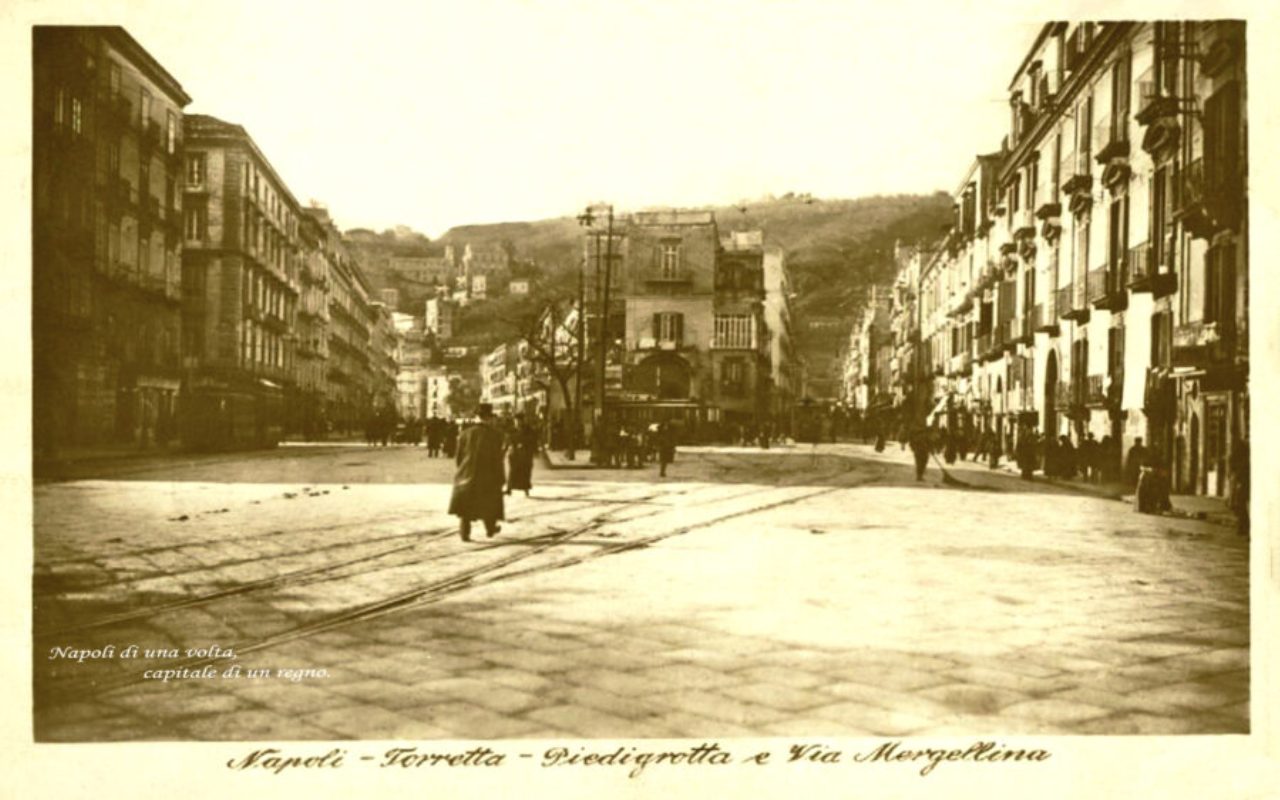 History of the Torretta di Mergellina: A Beacon of Safety
The Torretta was built in 1564 by order of the viceroy, the Duke of Alcalá, to serve as a lookout for maritime raids...Read more
Leave a comment