



Taglie, tessuti e stampe spiegati senza giri di parole, con l'onestà di chi 'a maglietta la porta davvero. Una guida...
Latest posts
-
Come scegliere la taglia della t-shirt (e farla durare): la guida di Tattà®)Read more
-
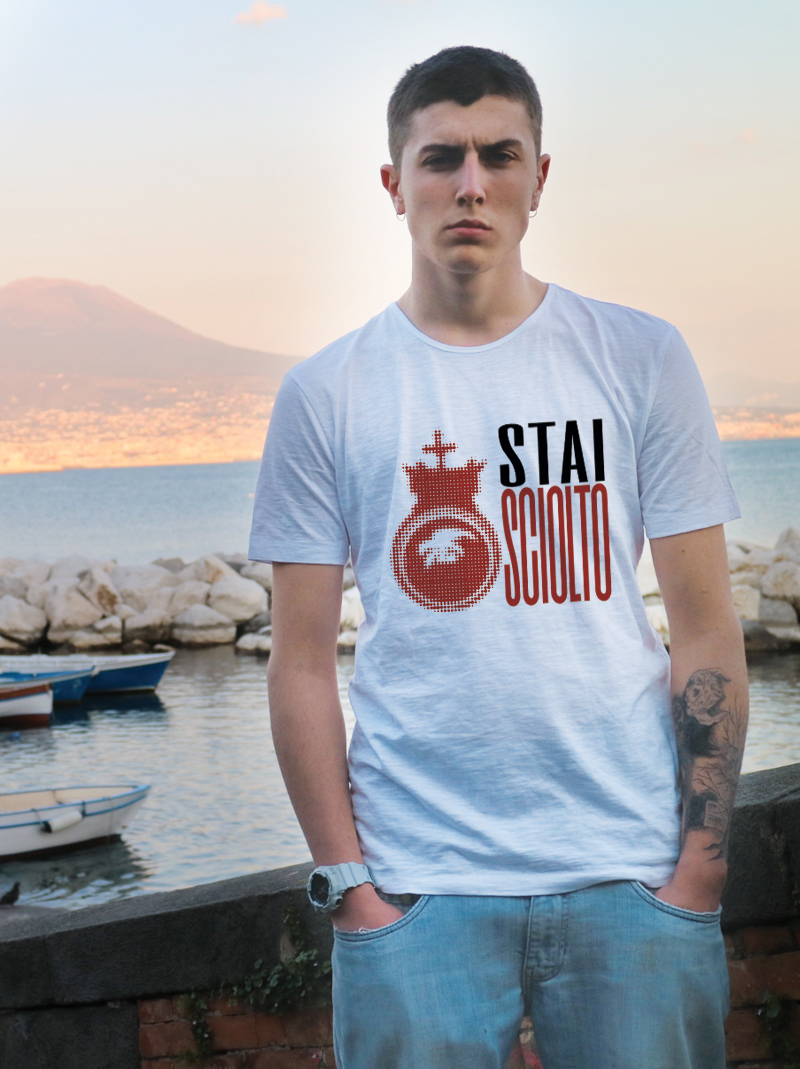 Original Neapolitan graduation gift: ideas for the graduate (him and her)Read more
In Naples, a graduation is never a private affair: it's a neighbourhood celebration. Here's how to choose an original...
-
 Asso 'e mazze: meaning and history of the Neapolitan ace of clubsRead more
The strongest card on the green table becomes, in Naples, the most elegant way to say who really calls the shots....
-
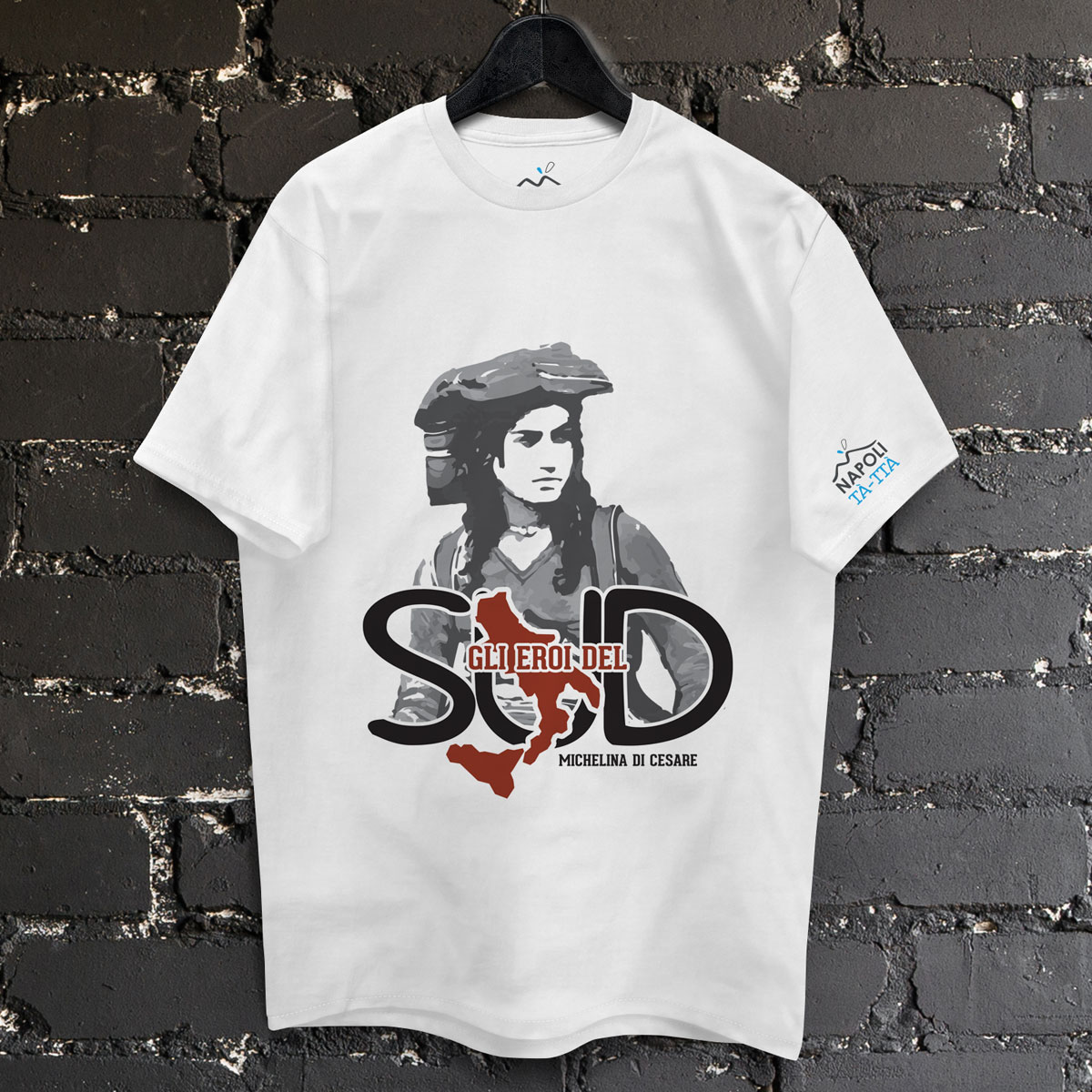 Michelina Di Cesare, the brigantessa who defied a kingdomRead more
Born poor in Terra di Lavoro, Michelina Di Cesare chose the maquis and the rifle against a newly united Italy. A...
-
 Neapolitan Hoodies: The Autumn 2026 Style GuideRead more
When the air turns crisp, in Naples people don't just reach for a hoodie: they reach for a piece of identity. Here's...
-
 Maradona Stadium: City Council allocates €50 million for Euro 2032Read more
The City Council has allocated €50 million for the redevelopment of the Diego Armando Maradona stadium, ahead of...
-
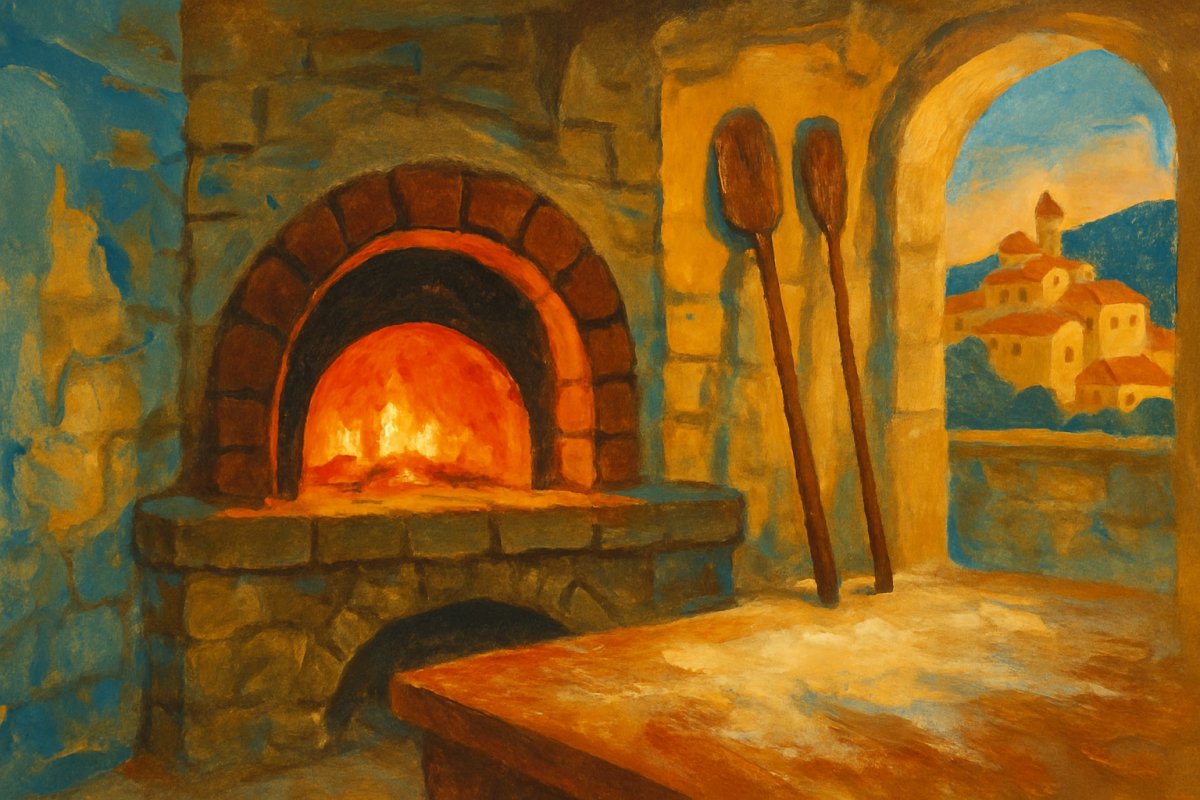 Pizza Maxima 2026: Franco Pepe Is Once Again Best Pizzeria in ItalyRead more
At the fifth edition of Pizza Maxima, the Oscars of Italian pizza, Franco Pepe confirms his title as Best Pizzeria in...
-
 ‘L’acqua è poca e ‘a papera nun galleggia’: what it meansRead more
When the means are few, so is the result. Let's discover the most realistic Neapolitan saying there is.
-
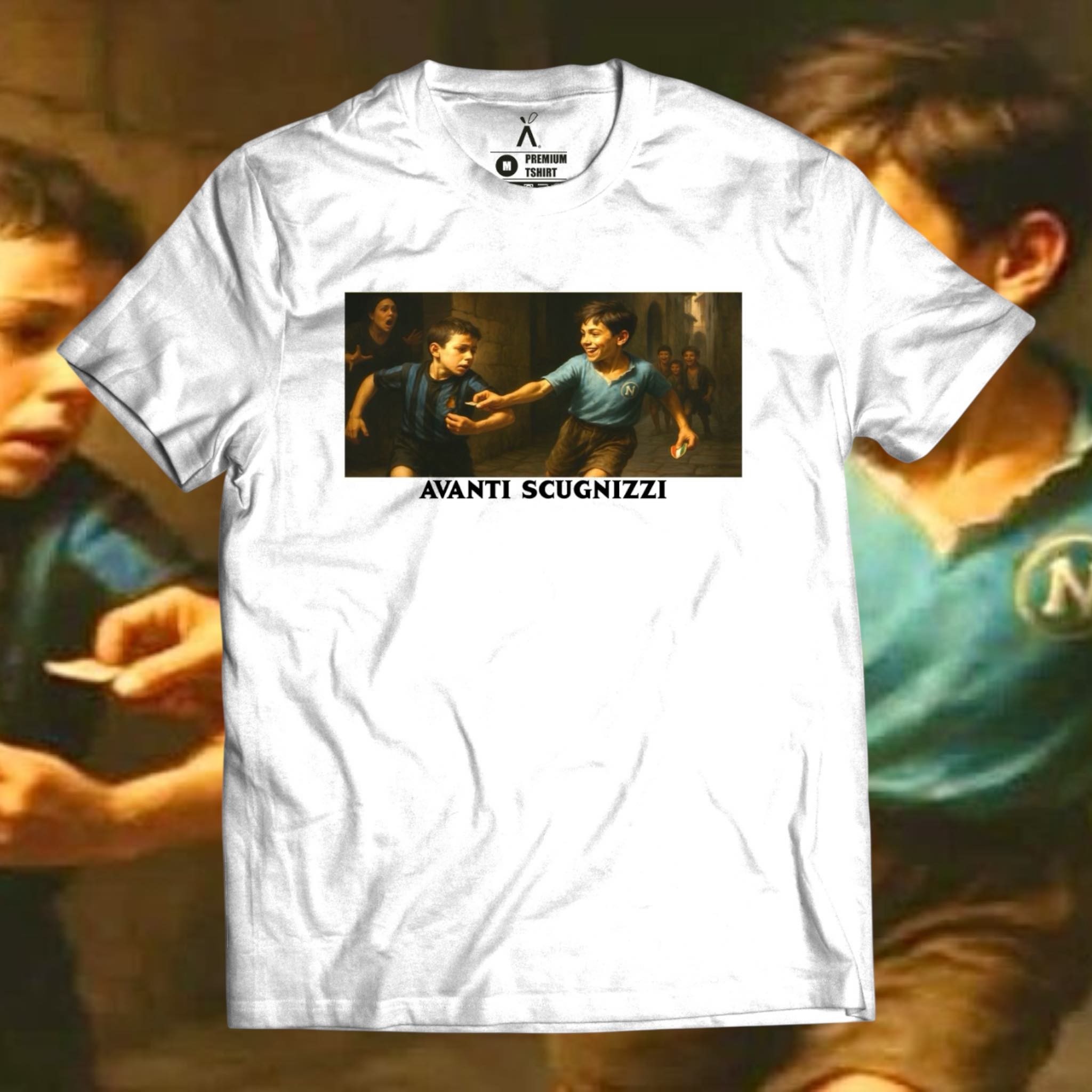 Avanti Scugnizzi: the story of the year's most loved T-shirtRead more
One word, ‘scugnizzo’ (Neapolitan street kid), and it holds the whole of Naples inside it. We tell you how the year's...
-
 'Chi chiagne fotte a chi ride': what it means and why it's truer than everRead more
At the market, at the counter, in the family: there's always someone who complains and gets more. It's the sharp...
Blog categories
Search in blog
Archived posts
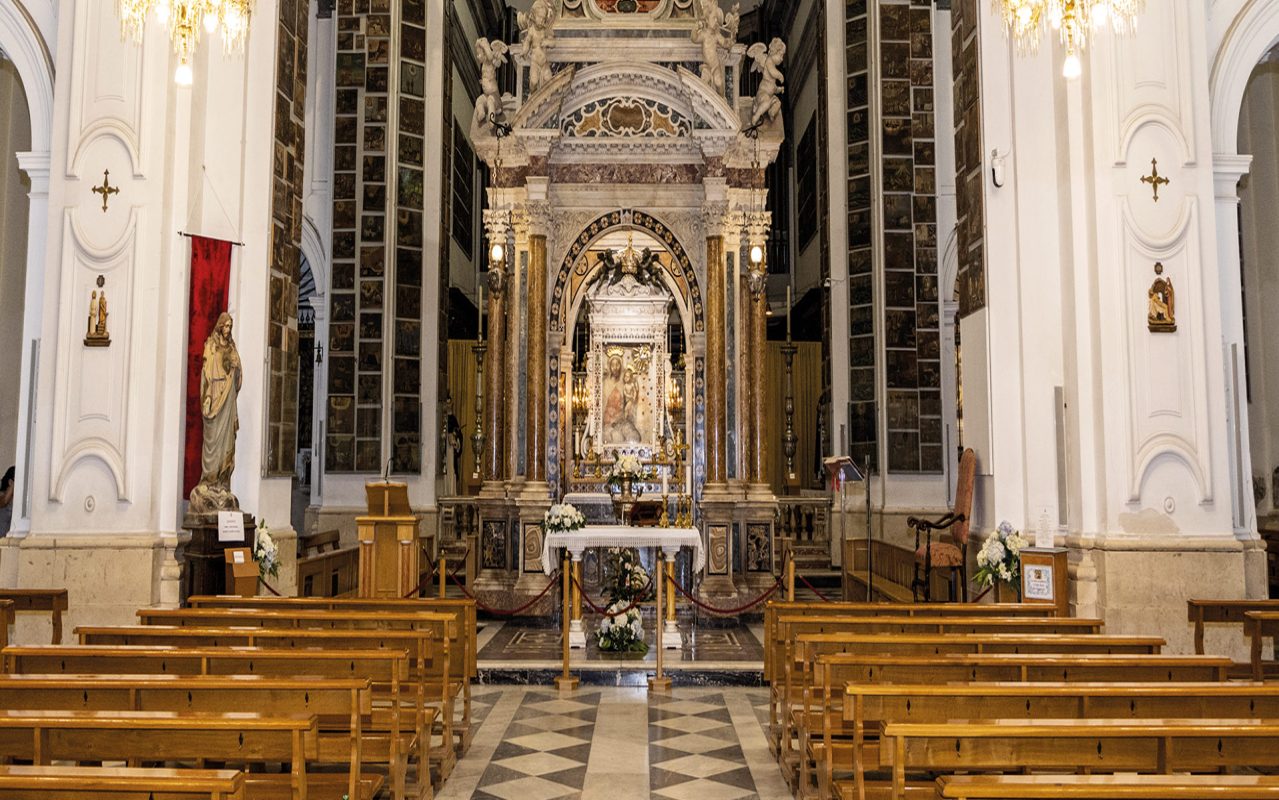
The Madonna dell'Arco
The sanctuary dedicated to the Madonna dell'Arco is a place of worship located in the district of the same name, in the Vesuvian town of Sant'Anastasia, in the province of Naples. Every year, on Easter Monday, a traditional pilgrimage takes place, drawing worshippers from all over Campania. Known as the fujenti or battenti (the “runners” or “beaters”, devotees who traditionally ran or beat their chests in penance), these pilgrims follow a vocal melody dating back to the 15th century, which was later set to music over the following centuries.
It is one of the oldest and most famous places of worship in Campania. The name "dell'Arco" ("of the Arch") is linked to a precise episode. In 1450, in the ancient locality known as "Archi" — so called because of the arches of a Roman aqueduct standing there — a sacred effigy of the Virgin was said to have bled, after being deliberately struck by a young man from Nola. The image, immediately venerated by the people, became a source of great miracles. Construction of the sanctuary began in 1593 and was completed in 1610.
THE FIRST MIRACLE
Aurelia del Prete, a woman deformed in both body and soul, instead of showing gratitude to the Madonna dell'Arco for a grace she had received, would often curse her in the most terrible way. On Easter Monday of 1589, she scandalised a huge crowd that had gathered to venerate the Sacred Image by uttering the blackest blasphemies. The following year, in 1590, during the night between Easter Sunday and Easter Monday, her feet detached from her ankles; they are still preserved today in a small cage in the Sanctuary. The Bishop of Nola opened a formal canonical process into the event, and from that day the devotion to the Madonna dell'Arco spread widely.
THE PLACE AND THE IMAGE
The pious custom of erecting small sacred shrines along roads, on the walls of houses, at the entrances to farmland, is a very ancient one. A practice that, beyond devotion, also marked reference points across the land. Many such shrines remain, almost untouched, after centuries. And so, in the fifteenth century, a small shrine dedicated to the Madonna stood at the edge of the road linking Naples to the various Vesuvian towns, on the side of Monte Somma. This shrine stood about eight kilometres from the capital of southern Italy, in the territory of the town of Sant'Anastasia, in the district known as «Arco» because of the remaining arches of an ancient Roman aqueduct.
This may well be the reason why, most probably, the many devoted worshippers came to call the sacred image «Madonna dell'Arco». The painting certainly holds no great artistic merit, but it is striking for the sorrowful expression on the face, dominated by two large eyes that seem to pierce the soul of anyone who looks at them, leaving behind an unforgettable memory.
Today, anyone entering the Sanctuary sees it inside the small shrine built in 1621, on the very spot where the painted low wall once stood. During restoration work in 1952, the marble panel covering part of the painting at the front was removed, revealing much of the original image, which was later covered once again. In March 2000, at the end of restoration works on the entire shrine, the marble panel was finally removed for good. In this way, it is once more possible to admire the painting in its entirety, just as the Madonna must have appeared in the 1400s to the travellers who passed before it, who certainly already held, even then, a deep devotion to her.
Devotion to the Most Holy Virgin dell'Arco is also widespread in Naples, where processions take place in every district of the city thanks to numerous associations, especially in spring. The cult extends to other areas of Campania, and in particular to the province of Naples. In the locality of Civita Giuliana in Pompeii, there is a church bearing this title, and the same is true for the towns of Vietri sul Mare and Pesco Sannita. The Madonna dell'Arco is also the patron saint of the town of Mangone, in the province of Cosenza. Lastly, a few votive shrines can also be found in Castellammare del Golfo, in the province of Trapani.
Posted in:
History and legends
Related posts
-
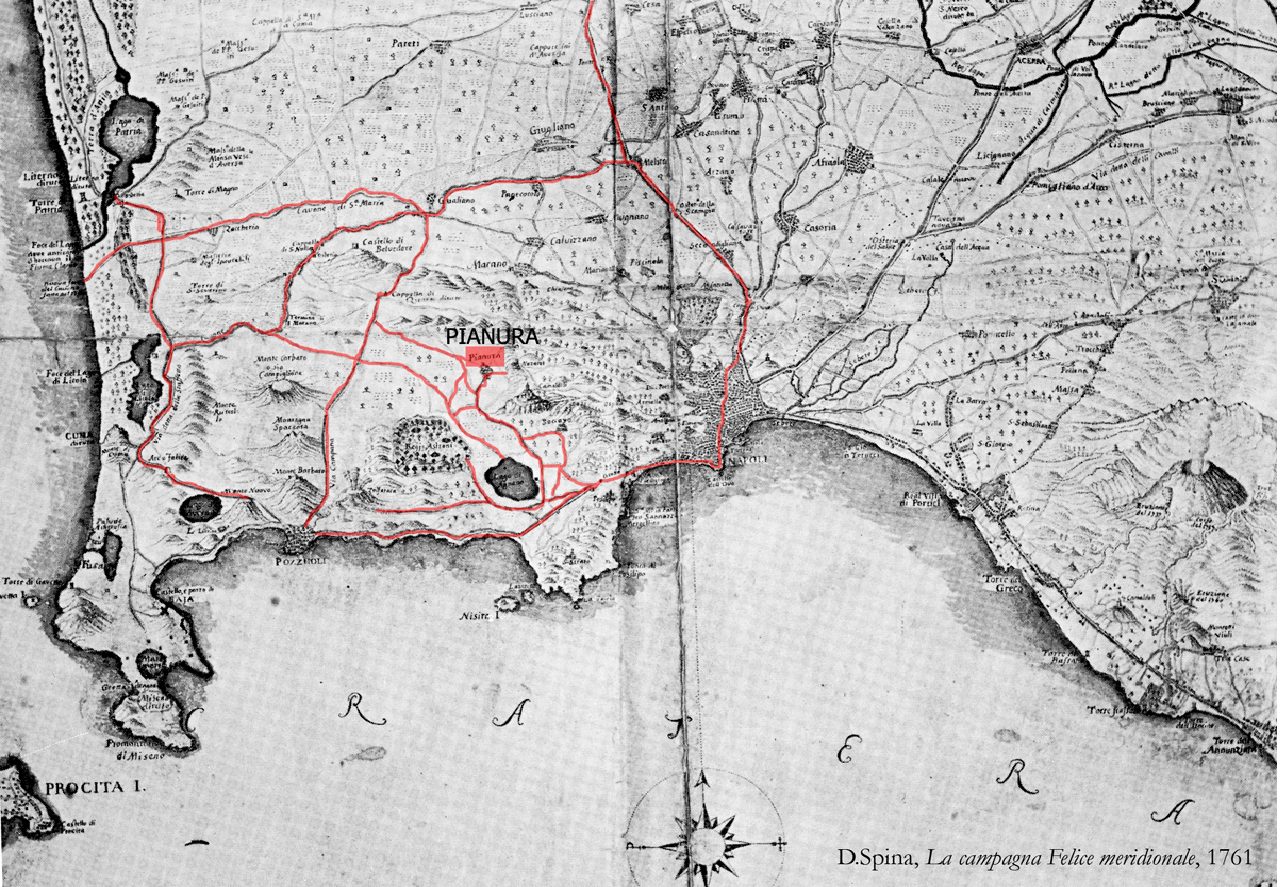 THE 36 CASALI OF NAPLES
This term identified the tiny clusters of farmhouses within the countryside surrounding Naples.Read more
-
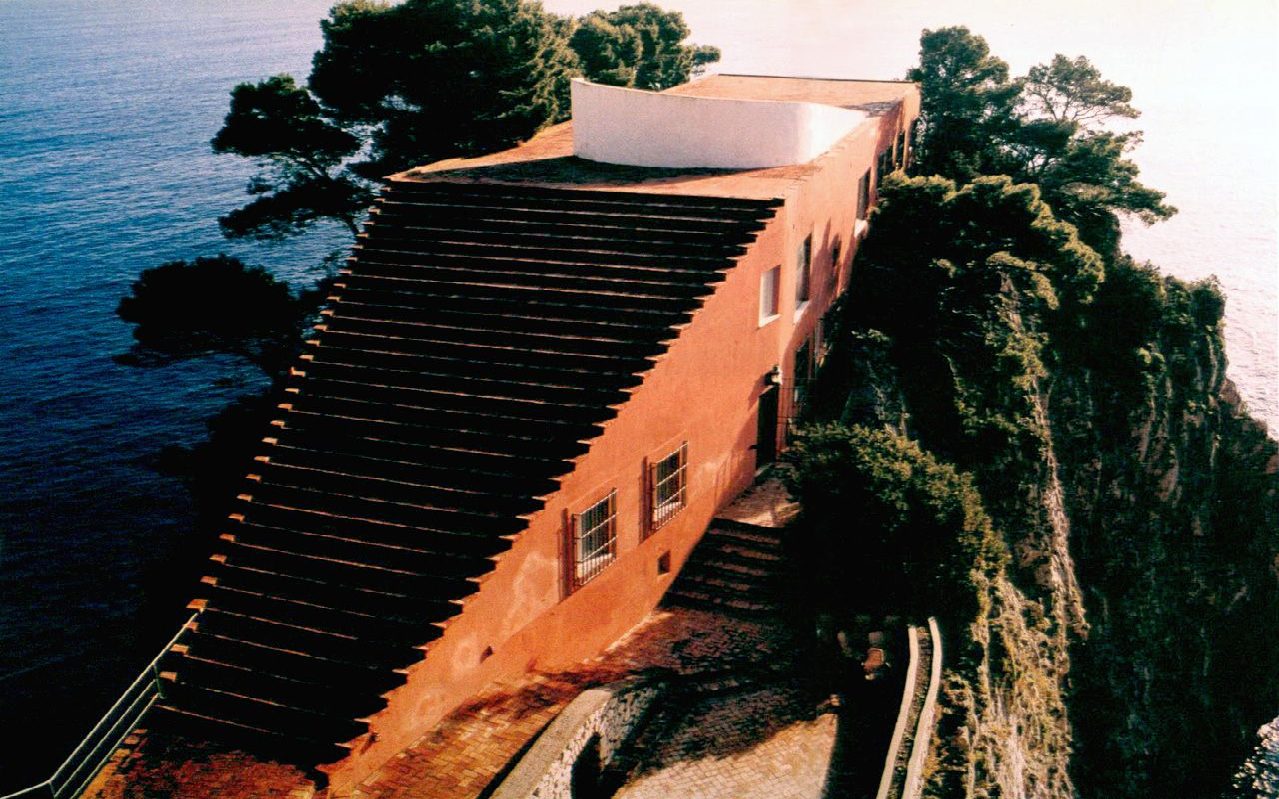 Casa Malaparte - Capri
Built in the 1930s on Capri by the celebrated writer Curzio Malaparte, this villa has always been a coveted spot for...Read more
-
 The Golden Ball Stolen from Maradona
Snatched in 1989 from the clutches of organised crime, its value is estimated to be between 12 and 15 million euros.Read more
-
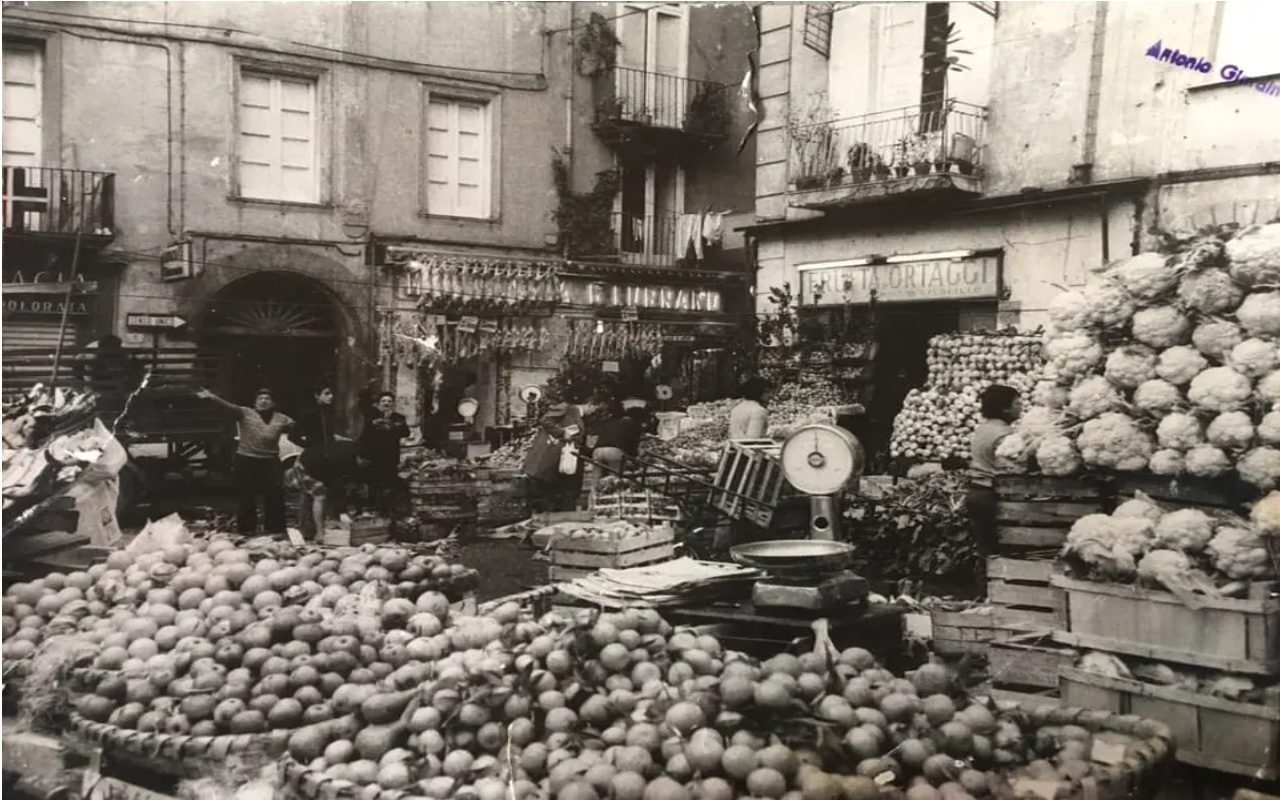 "Pignasecca" and its legend of the thieving magpies
The lively, bustling Naples district known as "Pignasecca" (dry pinecone) is a crowded, picturesque place that...Read more
-
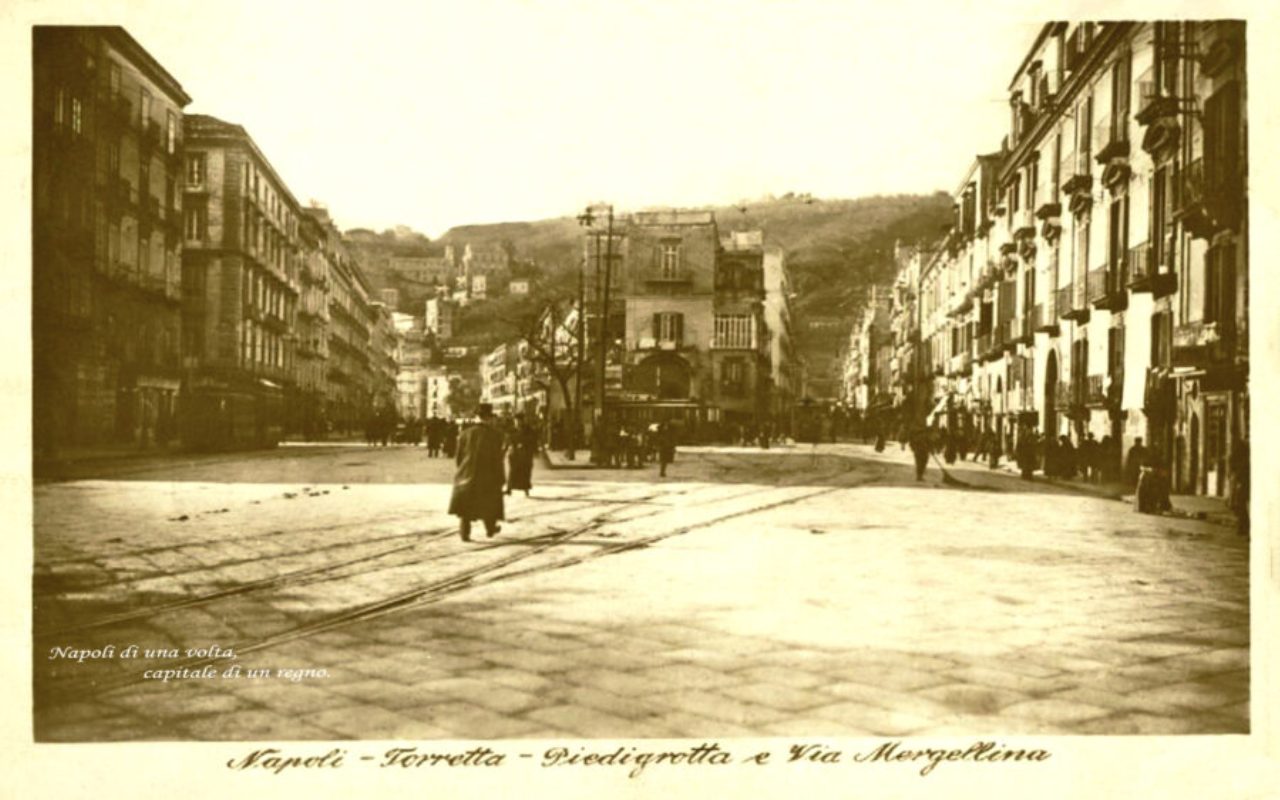 History of the Torretta di Mergellina: A Beacon of Safety
The Torretta was built in 1564 by order of the viceroy, the Duke of Alcalá, to serve as a lookout for maritime raids...Read more
Leave a comment