



Born poor in Terra di Lavoro, Michelina Di Cesare chose the maquis and the rifle against a newly united Italy. A...
Latest posts
-
 Michelina Di Cesare, the brigantessa who defied a kingdomRead more
 -
 Neapolitan Hoodies: The Autumn 2026 Style GuideRead more
When the air turns crisp, in Naples people don't just reach for a hoodie: they reach for a piece of identity. Here's...
-
 Maradona Stadium: City Council allocates €50 million for Euro 2032Read more
The City Council has allocated €50 million for the redevelopment of the Diego Armando Maradona stadium, ahead of...
-
 Pizza Maxima 2026: Franco Pepe Is Once Again Best Pizzeria in ItalyRead more
At the fifth edition of Pizza Maxima, the Oscars of Italian pizza, Franco Pepe confirms his title as Best Pizzeria in...
-
 ‘L’acqua è poca e ‘a papera nun galleggia’: what it meansRead more
When the means are few, so is the result. Let's discover the most realistic Neapolitan saying there is.
-
 Avanti Scugnizzi: the story of the year's most loved T-shirtRead more
One word, ‘scugnizzo’ (Neapolitan street kid), and it holds the whole of Naples inside it. We tell you how the year's...
-
 'Chi chiagne fotte a chi ride': what it means and why it's truer than everRead more
At the market, at the counter, in the family: there's always someone who complains and gets more. It's the sharp...
-
 San Gennà, futtatenne! (Saint Januarius, don't worry about it!) San Gennaro, 19 September and the patron saint's t-shirtRead more
Who San Gennaro was, the miracle of the blood that liquefies, and the feast on 19 September. Plus that close,...
-
 'O purpo se coce int'a ll'acqua soja: what it means (o purpo se coce meaning)Read more
Someone has wronged you, and instead of reacting, you wait in silence with a smile? Here's the Neapolitan proverb...
-
 Cazzimma: meaning, origin and why it can't be translatedRead more
There's a word that explains everything in Naples and can't be translated into any language. It's called cazzimma,...
Blog categories
Search in blog
Archived posts
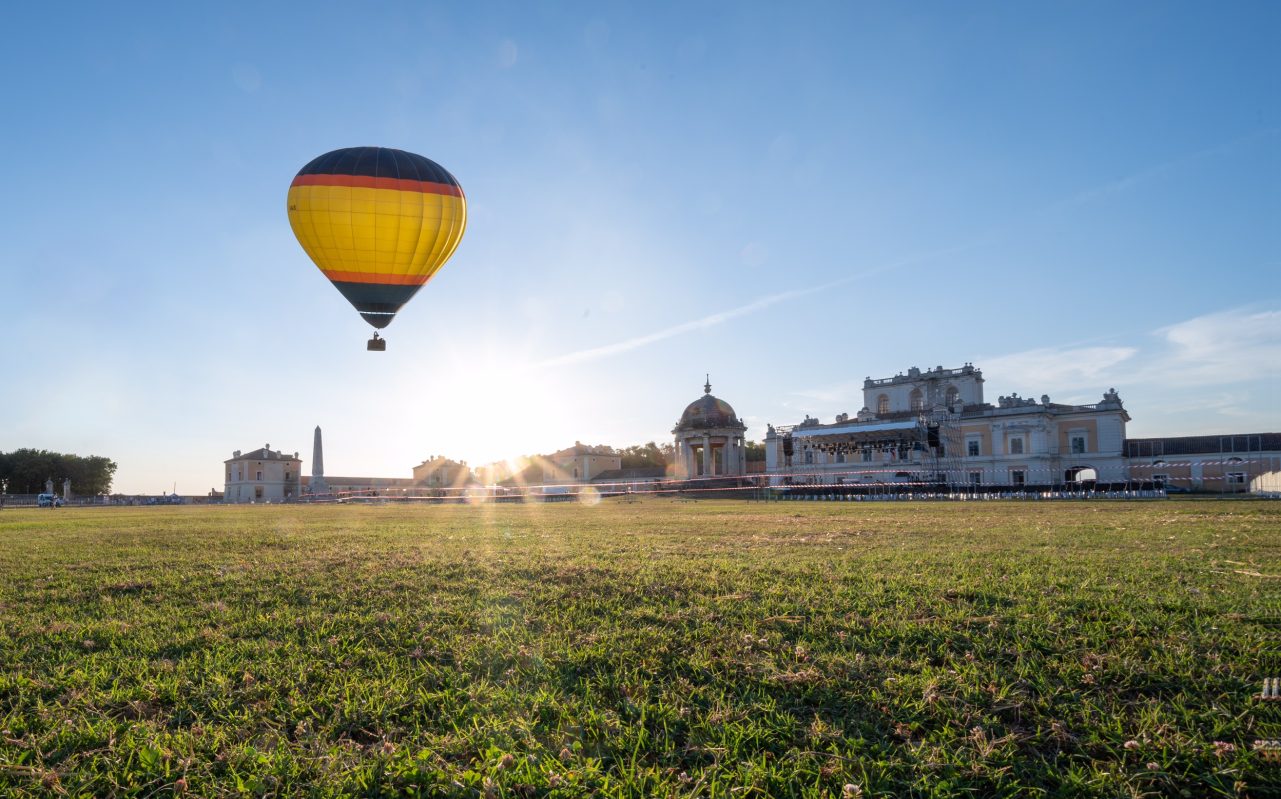
THE ROYAL PALACE OF CARDITELLO
Starting in December 2014, the Ministry for Cultural Heritage and Activities took control of the Reggia di Carditello through the Polo museale della Campania (Campania Museum Hub), which in turn became, in December 2019, the Direzione regionale Musei (Regional Museums Directorate).
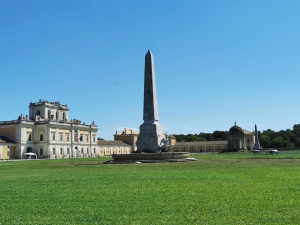
The Tenuta Storica di Carditello developed as a vast stretch of land, partly marshland, on the plain bordered to the north by the Volturno river, to the east by Mount Tifata and its foothills, to the south by the ancient river Clanio, today known as the Regi Lagni, and to the west by the Tyrrhenian Sea. Within it stood an efficient farming estate, with solid buildings and a well-organised structure dedicated to breeding fine horses and producing and selling agricultural and dairy products. The Palazzo di Carditello, located about 4 km west of the village of San Tammaro, close to Capua and not far from Naples, on Via Foresta a Carditello, is a simple yet elegant architectural complex in the neoclassical style.
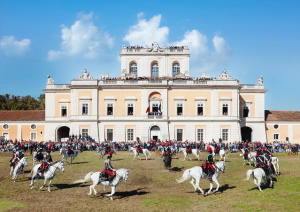
Originally conceived by Carlo di Borbone (1716-1788) as a place for hunting and horse breeding. It was later transformed, by order of Ferdinando IV di Borbone (1751-1825), into a modern model farm for growing wheat and breeding fine horses and cattle.
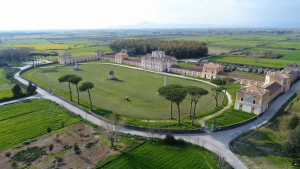
It was surrounded by an extensive area of woodland, pasture and cultivated fields, covering 6,305 Capuan moggia, equal to roughly 2,100 hectares. It was home to a considerable number of people devoted to running the estate.
Carditello was one of the royal sites that held the title of "Reale Delizia" ("Royal Delight"), because, despite its productive function, it offered a pleasant residence for the king and his court during the special hunting parties made possible by the many game-rich woods.
It was designed by the architect Francesco Collecini, pupil and collaborator of Luigi Vanvitelli. The area in front, with a dirt track recalling the shape of the Roman circuses, was adorned with fountains, obelisks and a circular temple in classical style, intended for horse races. Today, the main building covers about 50,000 square metres and consists of royal apartments and a royal chapel, flanked by 8 towers and 12 outbuildings, with a total surface area of around 13,000 square metres.
Posted in:
Places in Naples
Related posts
-
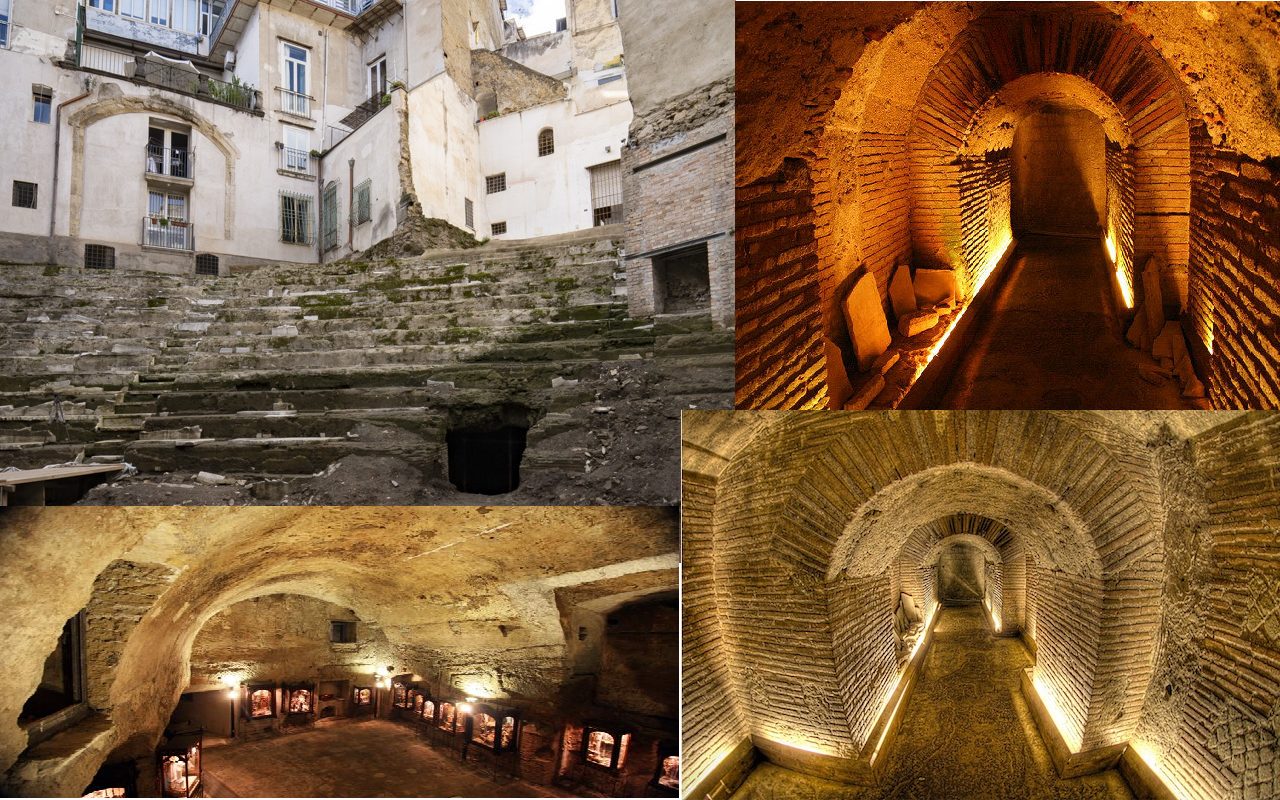 The Roman Theatre of Neapolis
Among the many wonders of Naples' historic centre stands the ancient Roman Theatre of Neapolis, between what are now...Read more
The Roman Theatre of Neapolis
Among the many wonders of Naples' historic centre stands the ancient Roman Theatre of Neapolis, between what are now...Read more -
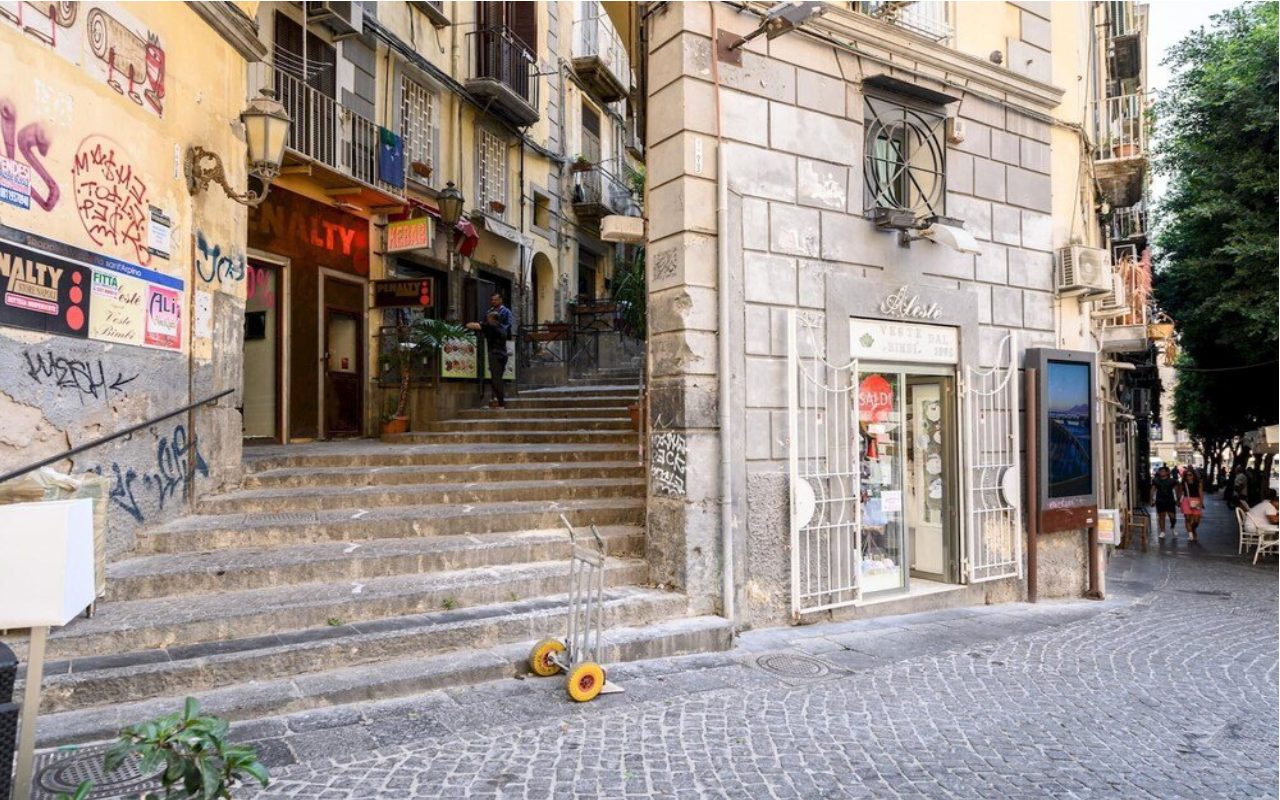 Discover Vicoletto Sant'Arpino: History and Beauty of Naples
There are corners of Naples that tell incredible stories, that take your breath away and make it unique, sincere and...Read more
Discover Vicoletto Sant'Arpino: History and Beauty of Naples
There are corners of Naples that tell incredible stories, that take your breath away and make it unique, sincere and...Read more -
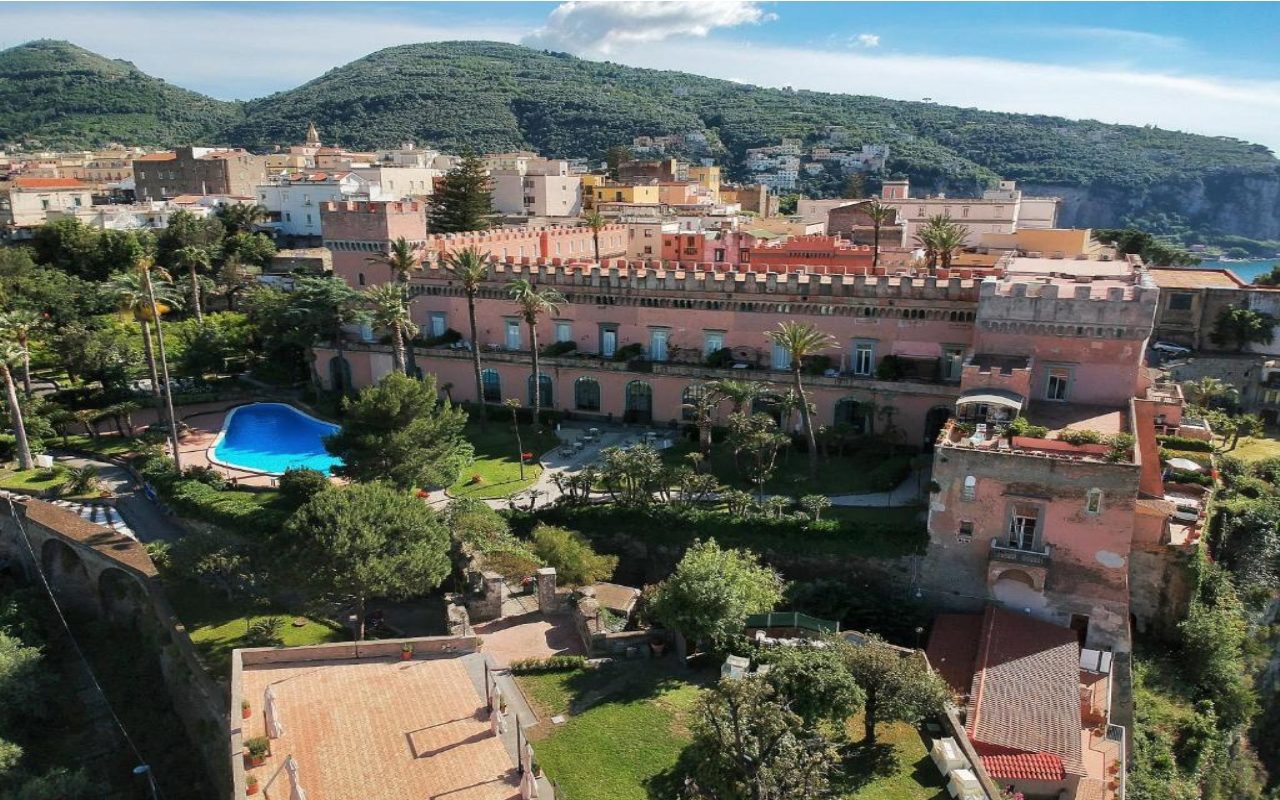 Giusso Castle: the legends of Vico Equense
Built at the end of the 13th century, Giusso Castle was designed as both a military fortress and a residence.Read more
Giusso Castle: the legends of Vico Equense
Built at the end of the 13th century, Giusso Castle was designed as both a military fortress and a residence.Read more -
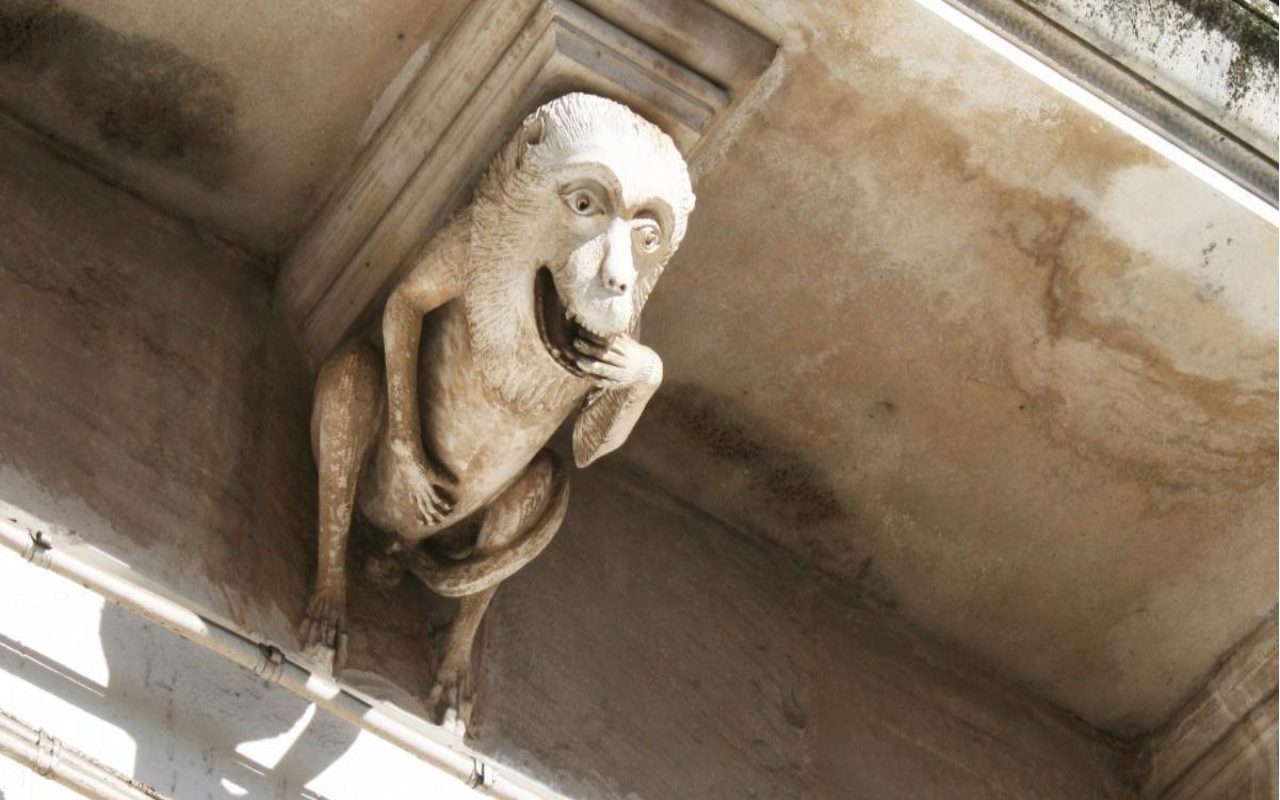 The apotropaic stone masks of lava rock and marble
Neapolitan apotropaic masks are truly fascinating works of art that can be admired on numerous historic buildings...Read more
The apotropaic stone masks of lava rock and marble
Neapolitan apotropaic masks are truly fascinating works of art that can be admired on numerous historic buildings...Read more -
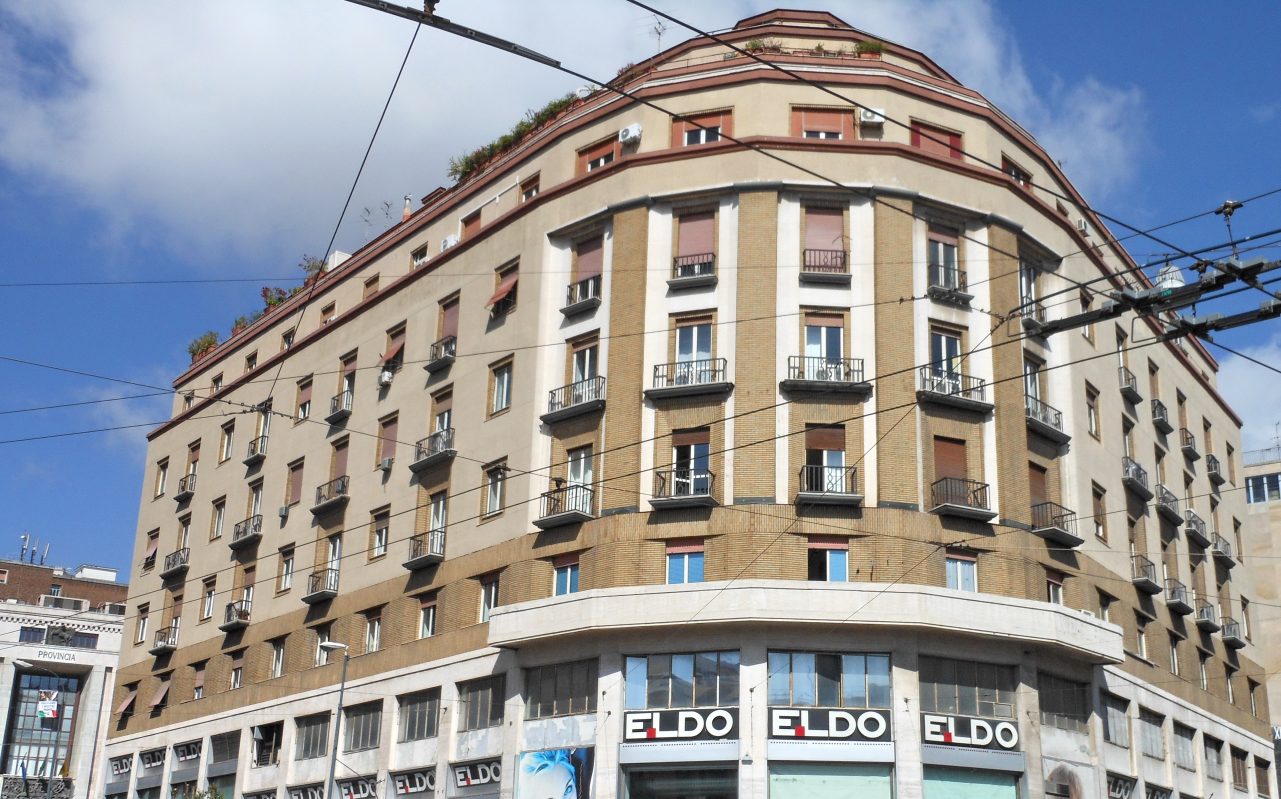 Palazzo Troise
 is a sumptuous building in Rationalist style located at Piazza Matteotti 7 in Naples.Read more
Palazzo Troise
Palazzo Troise is a sumptuous building in Rationalist style located at Piazza Matteotti 7 in Naples.Read more
Leave a comment