



Born poor in Terra di Lavoro, Michelina Di Cesare chose the maquis and the rifle against a newly united Italy. A...
Latest posts
-
 Michelina Di Cesare, the brigantessa who defied a kingdomRead more
 -
 Neapolitan Hoodies: The Autumn 2026 Style GuideRead more
When the air turns crisp, in Naples people don't just reach for a hoodie: they reach for a piece of identity. Here's...
-
 Maradona Stadium: City Council allocates €50 million for Euro 2032Read more
The City Council has allocated €50 million for the redevelopment of the Diego Armando Maradona stadium, ahead of...
-
 Pizza Maxima 2026: Franco Pepe Is Once Again Best Pizzeria in ItalyRead more
At the fifth edition of Pizza Maxima, the Oscars of Italian pizza, Franco Pepe confirms his title as Best Pizzeria in...
-
 ‘L’acqua è poca e ‘a papera nun galleggia’: what it meansRead more
When the means are few, so is the result. Let's discover the most realistic Neapolitan saying there is.
-
 Avanti Scugnizzi: the story of the year's most loved T-shirtRead more
One word, ‘scugnizzo’ (Neapolitan street kid), and it holds the whole of Naples inside it. We tell you how the year's...
-
 'Chi chiagne fotte a chi ride': what it means and why it's truer than everRead more
At the market, at the counter, in the family: there's always someone who complains and gets more. It's the sharp...
-
 San Gennà, futtatenne! (Saint Januarius, don't worry about it!) San Gennaro, 19 September and the patron saint's t-shirtRead more
Who San Gennaro was, the miracle of the blood that liquefies, and the feast on 19 September. Plus that close,...
-
 'O purpo se coce int'a ll'acqua soja: what it means (o purpo se coce meaning)Read more
Someone has wronged you, and instead of reacting, you wait in silence with a smile? Here's the Neapolitan proverb...
-
 Cazzimma: meaning, origin and why it can't be translatedRead more
There's a word that explains everything in Naples and can't be translated into any language. It's called cazzimma,...
Blog categories
Search in blog
Archived posts
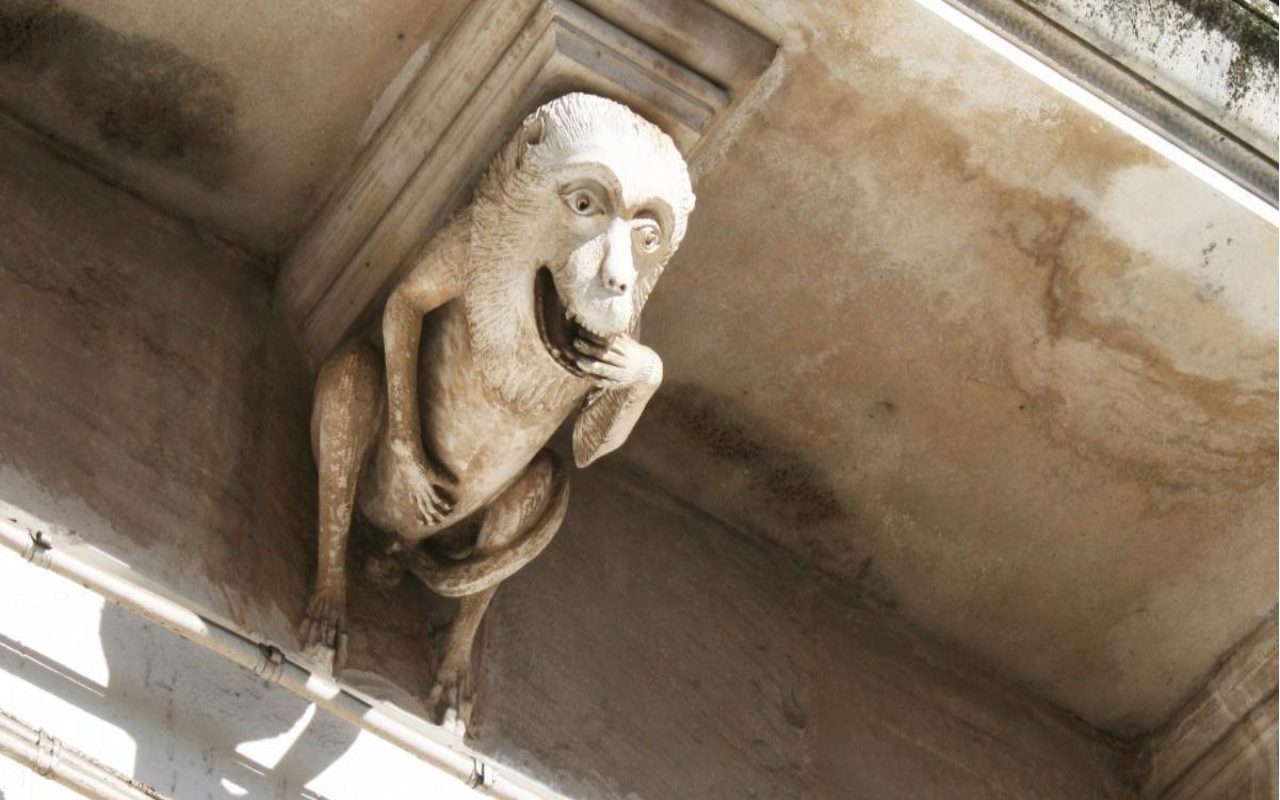
The apotropaic stone masks of lava rock and marble
These masks, made mainly from lava rock or marble, are believed by Neapolitans to have the power to bring good luck and ward off negative energies.
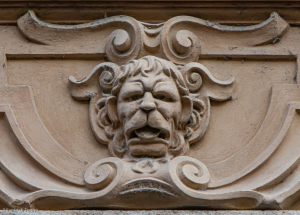
Apotropaic masks often depict animals or mythological creatures, giving a mysterious and enigmatic look to the buildings that host them. These fascinating symbols can be found all over the city, and have become a distinctive feature of Neapolitan culture.
Also known as "testoni" (big heads) or "faccia di vecchia" (old woman's face), these masks have a long and deeply rooted tradition dating back to classical antiquity. The word "apotropaic" comes from the ancient Greek "apotropaios" and refers to the act of warding off evil or protecting oneself from it. It is believed that the use of these masks began in ancient Greece, where they were placed above house doorways to keep away demons, evil spirits and the cursed gaze of the "jettatura" (the evil eye), a popular belief in the power of a curse cast through a look. Over time, this practice spread to Naples, where the masks were used to decorate temples and public buildings. During the Middle Ages, the tradition of using these masks as protective symbols became further established.
Today, apotropaic masks are still extremely popular in Naples. They can be found in every neighbourhood of the city and come in a great variety of shapes and styles. Some depict human faces, often with grotesque, pained expressions, while others take the form of fantastical creatures such as dragons and monsters. These figures are often accompanied by symbolic elements such as snakes, crows or eyes, which add further protection and meaning to the masks.
Posted in:
Places in Naples
Related posts
-
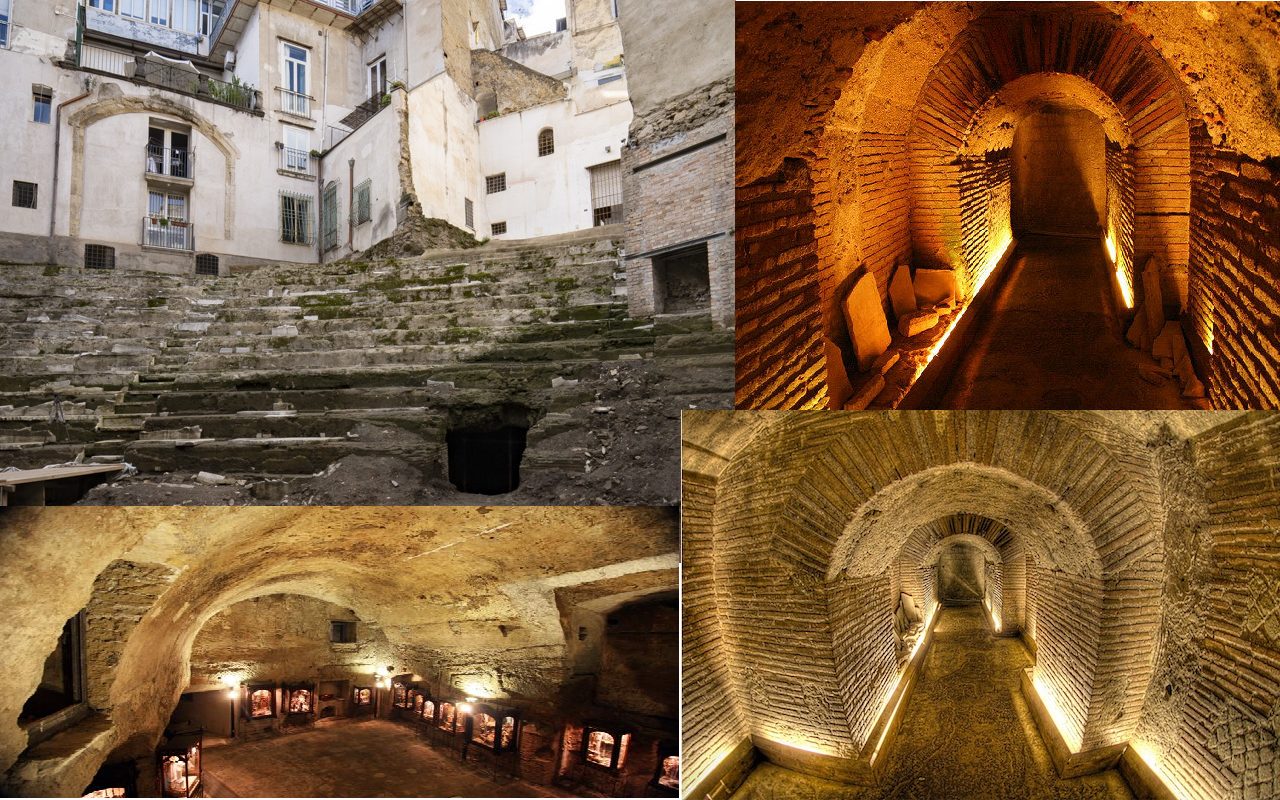 The Roman Theatre of Neapolis
Among the many wonders of Naples' historic centre stands the ancient Roman Theatre of Neapolis, between what are now...Read more
The Roman Theatre of Neapolis
Among the many wonders of Naples' historic centre stands the ancient Roman Theatre of Neapolis, between what are now...Read more -
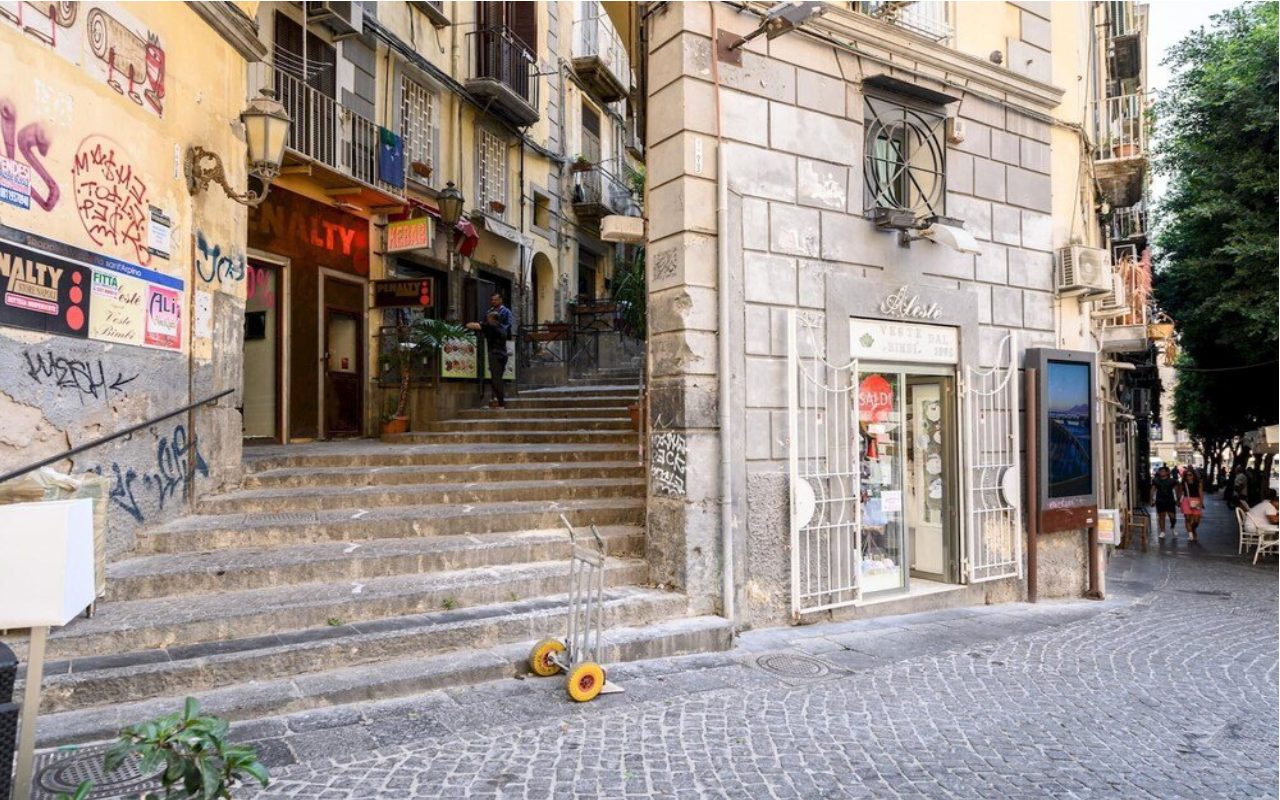 Discover Vicoletto Sant'Arpino: History and Beauty of Naples
There are corners of Naples that tell incredible stories, that take your breath away and make it unique, sincere and...Read more
Discover Vicoletto Sant'Arpino: History and Beauty of Naples
There are corners of Naples that tell incredible stories, that take your breath away and make it unique, sincere and...Read more -
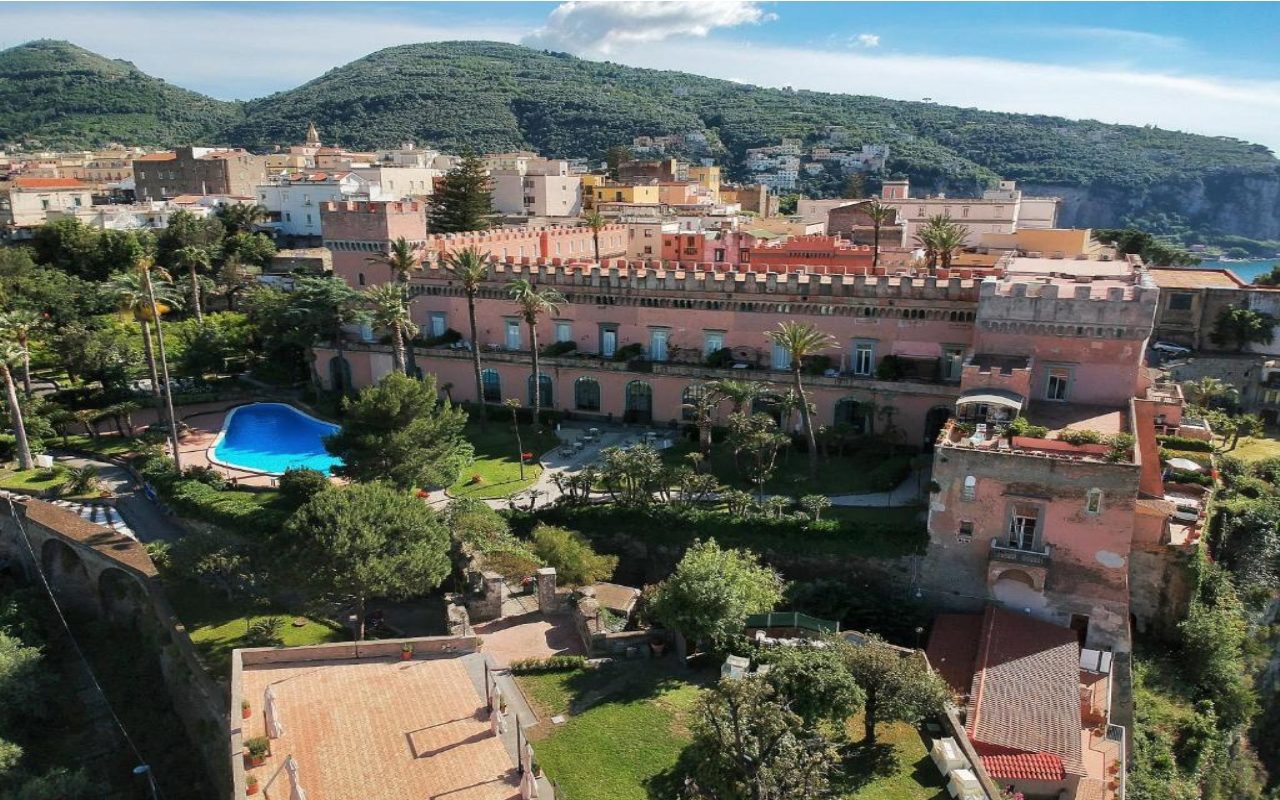 Giusso Castle: the legends of Vico Equense
Built at the end of the 13th century, Giusso Castle was designed as both a military fortress and a residence.Read more
Giusso Castle: the legends of Vico Equense
Built at the end of the 13th century, Giusso Castle was designed as both a military fortress and a residence.Read more -
 THE ROYAL PALACE OF CARDITELLO
The Tenuta Storica di Carditello (Historic Estate of Carditello), also known as the Reggia di Carditello (Royal...Read more
THE ROYAL PALACE OF CARDITELLO
The Tenuta Storica di Carditello (Historic Estate of Carditello), also known as the Reggia di Carditello (Royal...Read more -
 Palazzo Troise
 is a sumptuous building in Rationalist style located at Piazza Matteotti 7 in Naples.Read more
Palazzo Troise
Palazzo Troise is a sumptuous building in Rationalist style located at Piazza Matteotti 7 in Naples.Read more
Leave a comment