



Born poor in Terra di Lavoro, Michelina Di Cesare chose the maquis and the rifle against a newly united Italy. A...
Latest posts
-
 Michelina Di Cesare, the brigantessa who defied a kingdomRead more
 -
 Neapolitan Hoodies: The Autumn 2026 Style GuideRead more
When the air turns crisp, in Naples people don't just reach for a hoodie: they reach for a piece of identity. Here's...
-
 Maradona Stadium: City Council allocates €50 million for Euro 2032Read more
The City Council has allocated €50 million for the redevelopment of the Diego Armando Maradona stadium, ahead of...
-
 Pizza Maxima 2026: Franco Pepe Is Once Again Best Pizzeria in ItalyRead more
At the fifth edition of Pizza Maxima, the Oscars of Italian pizza, Franco Pepe confirms his title as Best Pizzeria in...
-
 ‘L’acqua è poca e ‘a papera nun galleggia’: what it meansRead more
When the means are few, so is the result. Let's discover the most realistic Neapolitan saying there is.
-
 Avanti Scugnizzi: the story of the year's most loved T-shirtRead more
One word, ‘scugnizzo’ (Neapolitan street kid), and it holds the whole of Naples inside it. We tell you how the year's...
-
 'Chi chiagne fotte a chi ride': what it means and why it's truer than everRead more
At the market, at the counter, in the family: there's always someone who complains and gets more. It's the sharp...
-
 San Gennà, futtatenne! (Saint Januarius, don't worry about it!) San Gennaro, 19 September and the patron saint's t-shirtRead more
Who San Gennaro was, the miracle of the blood that liquefies, and the feast on 19 September. Plus that close,...
-
 'O purpo se coce int'a ll'acqua soja: what it means (o purpo se coce meaning)Read more
Someone has wronged you, and instead of reacting, you wait in silence with a smile? Here's the Neapolitan proverb...
-
 Cazzimma: meaning, origin and why it can't be translatedRead more
There's a word that explains everything in Naples and can't be translated into any language. It's called cazzimma,...
Blog categories
Search in blog
Archived posts
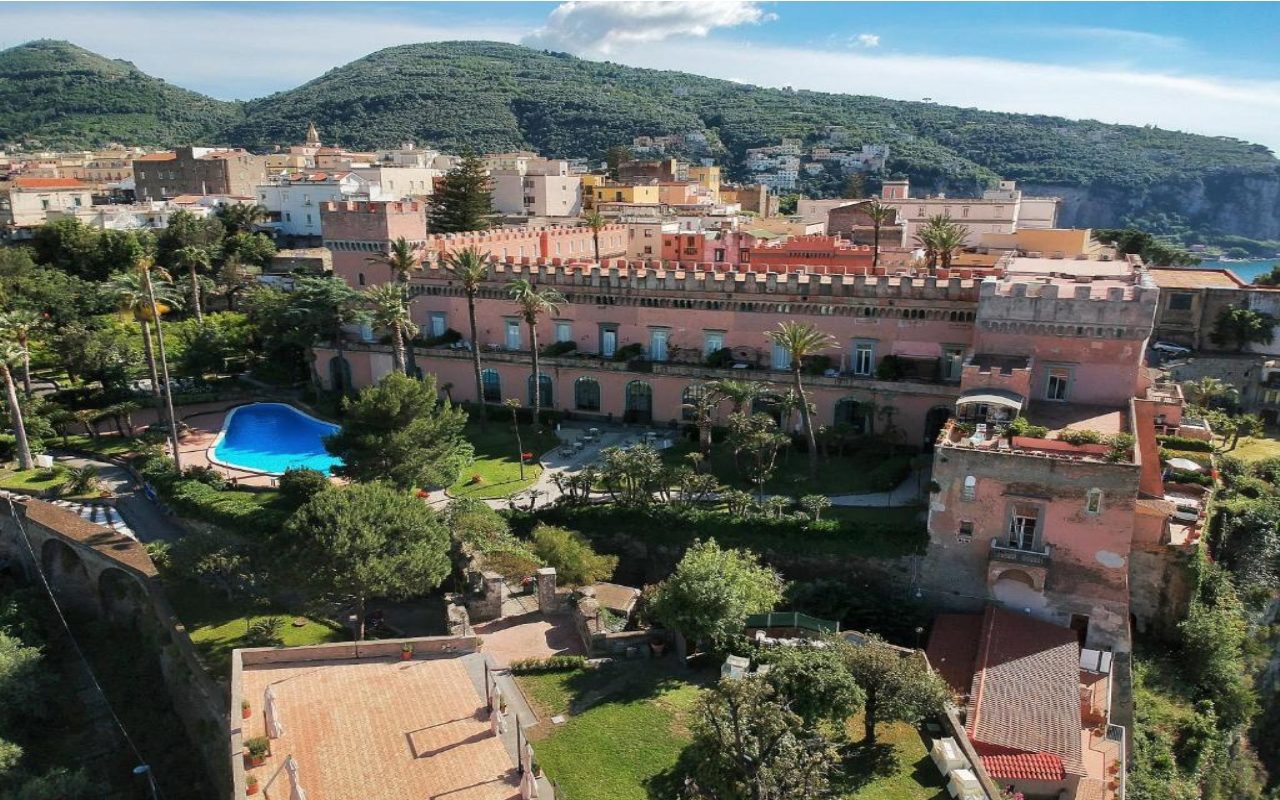
Giusso Castle: the legends of Vico Equense
Located in Vico Equense, over the years it has undergone several changes that have profoundly altered its original structure.

Today, the castle is known by the name of one of its owners and is used for ceremonies, gatherings and important art exhibitions. With 700 years of history behind it, the building is shrouded in extraordinary myths and dark legends. Among these tales, one stands out: that of the ghost said to haunt its walls. Before telling the legend in detail, a little historical context is needed. It is said that the castle was built by Charles II of Anjou with the aim of defending the town of Vico Equense and housing the royal family during the summer months.
Some dispute the castle's true origins, claiming it was actually built by Sparano di Bari, a feudal lord, to house soldiers, supplies and munitions for the army, funded by the Angevin king. Over the centuries many people lived in the castle, but it was the Giusso family, who held it from 1822 to 1934, who made the most significant changes, painting it the distinctive salmon-pink colour that still marks it out today.
But who is the ghost of Giusso Castle? According to legend, the walls of Giusso Castle in Vico Equense are haunted by the ghost of Queen Joan I of Anjou of Naples. This queen, one of the first women in Europe to reign by dynastic right, succeeded her grandfather Robert of Anjou after the premature death of her father Charles, Duke of Calabria. The queen, known as Joan the Mad, was said to be an insatiable woman with a habit of killing the men with whom she had had relationships. It made no difference whether they were noblemen or commoners — the men procured for her by her officials all met the same sad fate.
The queen would poison her victims or set deadly traps for them inside the castle. It is also said that she plotted to kill her first husband, Duke Andrew of Calabria, son of King Charles Robert of Hungary and her own cousin. Andrew was murdered by a group of conspirators on the night of 18 September 1345 at the castle of Aversa. The queen launched an investigation into the crime, probably to hide her own suspected involvement, steering suspicion away from herself before Pope Clement VI.
The legend of Joan I of Anjou is closely linked to that of Joan II, a similar story according to which the queen supposedly killed her lovers by throwing them into the secret well of the Maschio Angioino (Angevin Keep), a chamber filled with crocodiles and fierce water creatures. Ironically, Queen Joan I is said to have ended up falling into one of her own traps, and ever since, her restless spirit is said to haunt the rooms of Giusso Castle. Today, little remains of the castle's original structure.
However, the perimeter walls and a wonderful terrace overlooking the sea are still visible. Following various restoration works, in the 17th century the castle became a stately residence and was embellished with gardens, grottoes, fountains and centuries-old plants. The interiors were also decorated, and further restoration work followed after the building passed into the hands of Luigi Giusso.
Among the most fascinating curiosities about the castle, it is worth mentioning that the Neapolitan jurist Gaetano Filangieri chose to spend his final days there, convinced that the air of Vico Equense might help him in his struggle against the illnesses that afflicted him. The jurist met his death within the castle's walls on 21 July 1788.
Posted in:
Places in Naples
Related posts
-
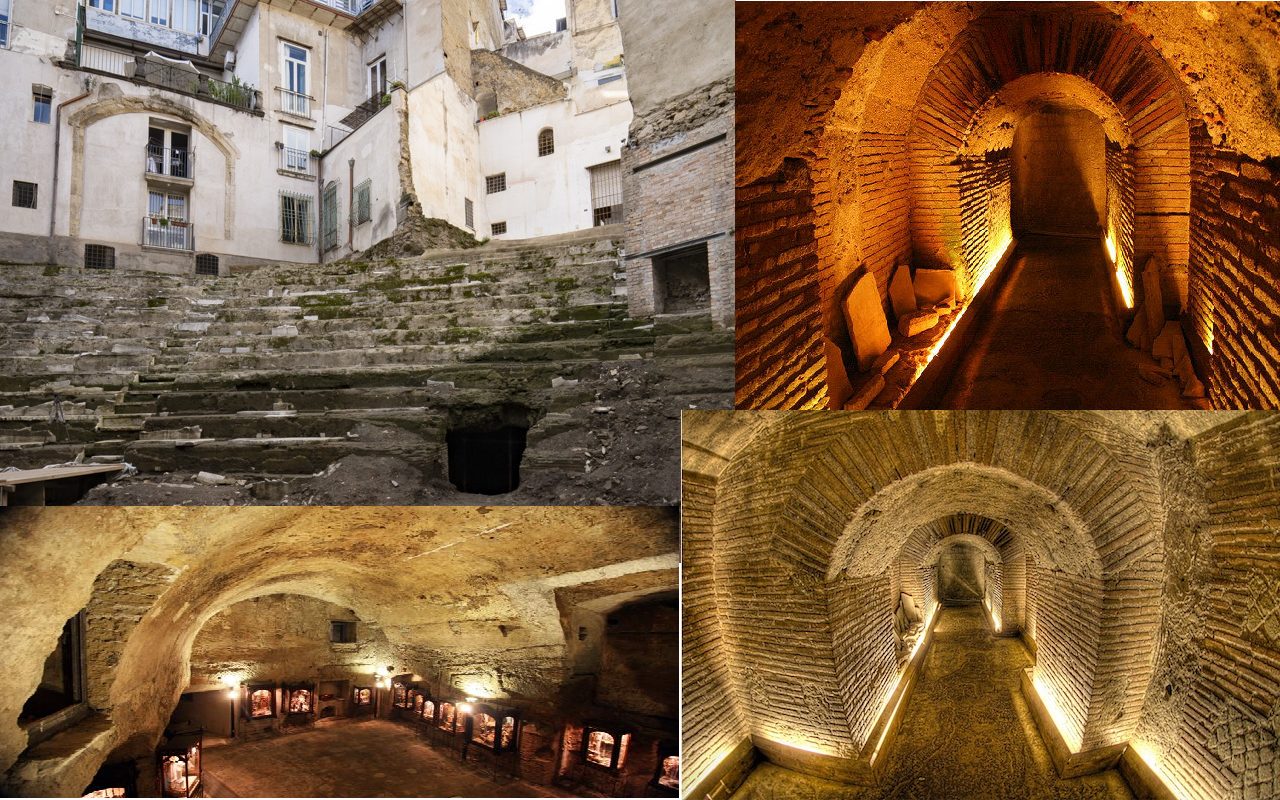 The Roman Theatre of Neapolis
Among the many wonders of Naples' historic centre stands the ancient Roman Theatre of Neapolis, between what are now...Read more
The Roman Theatre of Neapolis
Among the many wonders of Naples' historic centre stands the ancient Roman Theatre of Neapolis, between what are now...Read more -
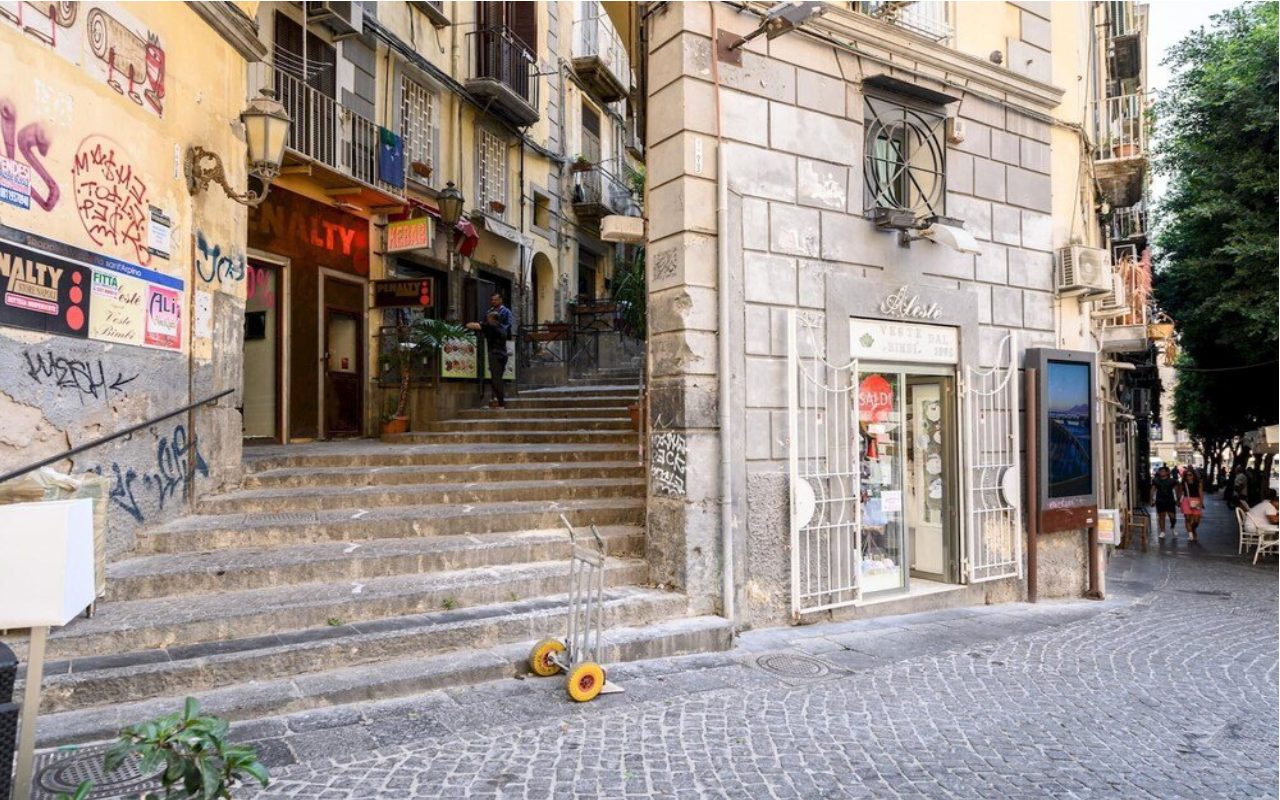 Discover Vicoletto Sant'Arpino: History and Beauty of Naples
There are corners of Naples that tell incredible stories, that take your breath away and make it unique, sincere and...Read more
Discover Vicoletto Sant'Arpino: History and Beauty of Naples
There are corners of Naples that tell incredible stories, that take your breath away and make it unique, sincere and...Read more -
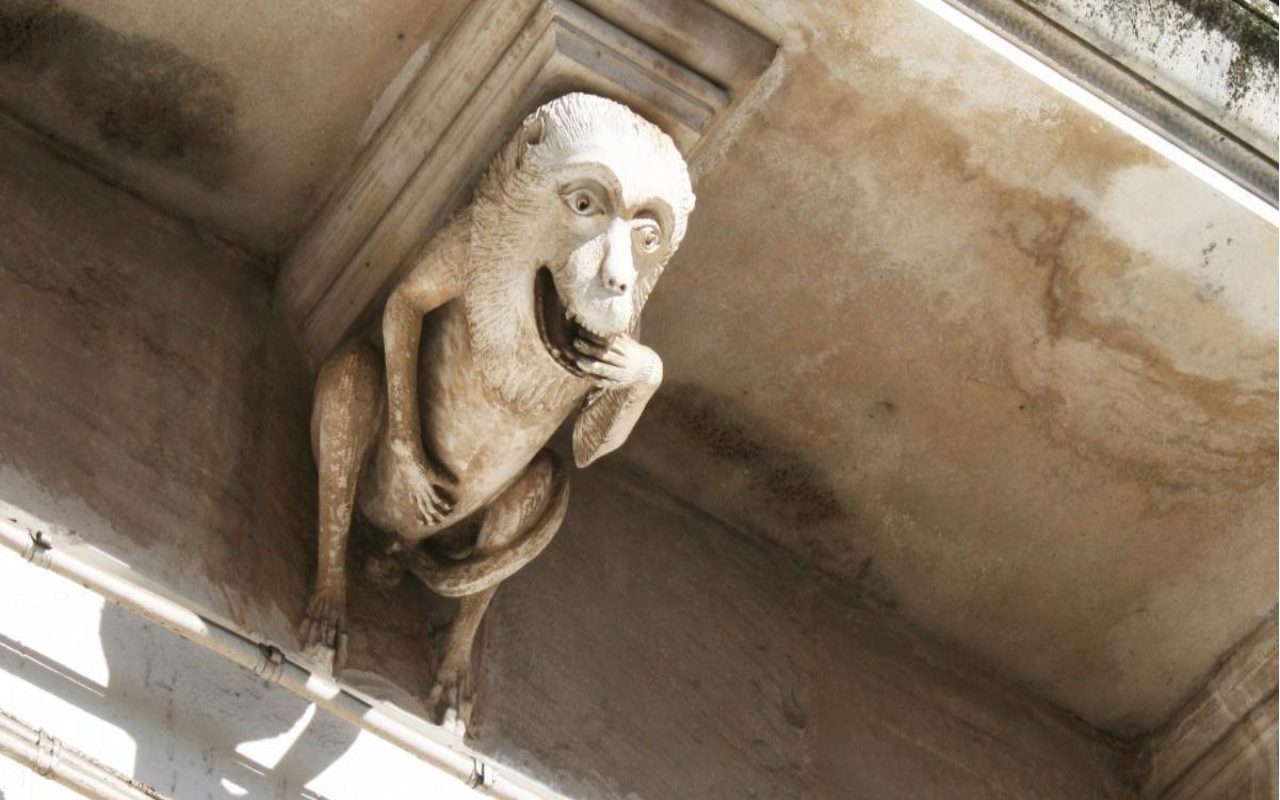 The apotropaic stone masks of lava rock and marble
Neapolitan apotropaic masks are truly fascinating works of art that can be admired on numerous historic buildings...Read more
The apotropaic stone masks of lava rock and marble
Neapolitan apotropaic masks are truly fascinating works of art that can be admired on numerous historic buildings...Read more -
 THE ROYAL PALACE OF CARDITELLO
The Tenuta Storica di Carditello (Historic Estate of Carditello), also known as the Reggia di Carditello (Royal...Read more
THE ROYAL PALACE OF CARDITELLO
The Tenuta Storica di Carditello (Historic Estate of Carditello), also known as the Reggia di Carditello (Royal...Read more -
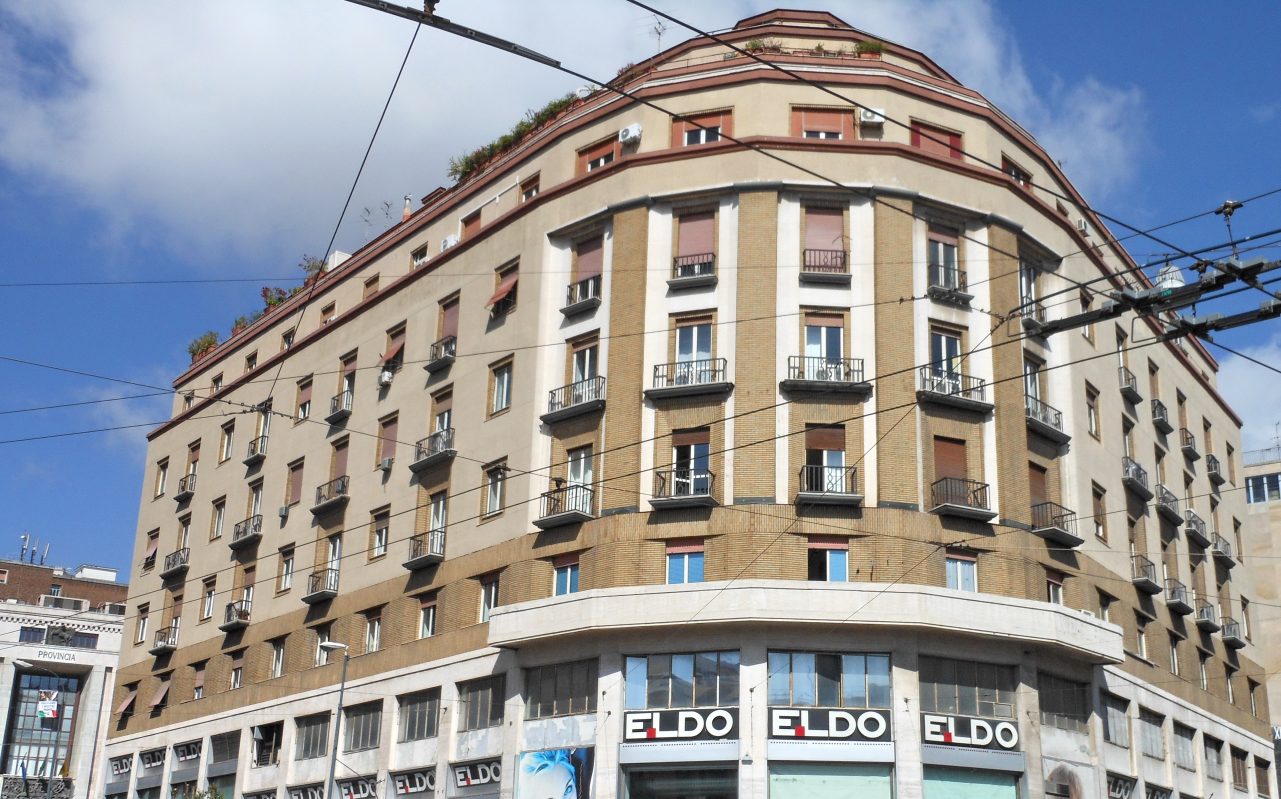 Palazzo Troise
 is a sumptuous building in Rationalist style located at Piazza Matteotti 7 in Naples.Read more
Palazzo Troise
Palazzo Troise is a sumptuous building in Rationalist style located at Piazza Matteotti 7 in Naples.Read more
Leave a comment