



Born poor in Terra di Lavoro, Michelina Di Cesare chose the maquis and the rifle against a newly united Italy. A...
Latest posts
-
 Michelina Di Cesare, the brigantessa who defied a kingdomRead more
 -
 Neapolitan Hoodies: The Autumn 2026 Style GuideRead more
When the air turns crisp, in Naples people don't just reach for a hoodie: they reach for a piece of identity. Here's...
-
 Maradona Stadium: City Council allocates €50 million for Euro 2032Read more
The City Council has allocated €50 million for the redevelopment of the Diego Armando Maradona stadium, ahead of...
-
 Pizza Maxima 2026: Franco Pepe Is Once Again Best Pizzeria in ItalyRead more
At the fifth edition of Pizza Maxima, the Oscars of Italian pizza, Franco Pepe confirms his title as Best Pizzeria in...
-
 ‘L’acqua è poca e ‘a papera nun galleggia’: what it meansRead more
When the means are few, so is the result. Let's discover the most realistic Neapolitan saying there is.
-
 Avanti Scugnizzi: the story of the year's most loved T-shirtRead more
One word, ‘scugnizzo’ (Neapolitan street kid), and it holds the whole of Naples inside it. We tell you how the year's...
-
 'Chi chiagne fotte a chi ride': what it means and why it's truer than everRead more
At the market, at the counter, in the family: there's always someone who complains and gets more. It's the sharp...
-
 San Gennà, futtatenne! (Saint Januarius, don't worry about it!) San Gennaro, 19 September and the patron saint's t-shirtRead more
Who San Gennaro was, the miracle of the blood that liquefies, and the feast on 19 September. Plus that close,...
-
 'O purpo se coce int'a ll'acqua soja: what it means (o purpo se coce meaning)Read more
Someone has wronged you, and instead of reacting, you wait in silence with a smile? Here's the Neapolitan proverb...
-
 Cazzimma: meaning, origin and why it can't be translatedRead more
There's a word that explains everything in Naples and can't be translated into any language. It's called cazzimma,...
Blog categories
Search in blog
Archived posts
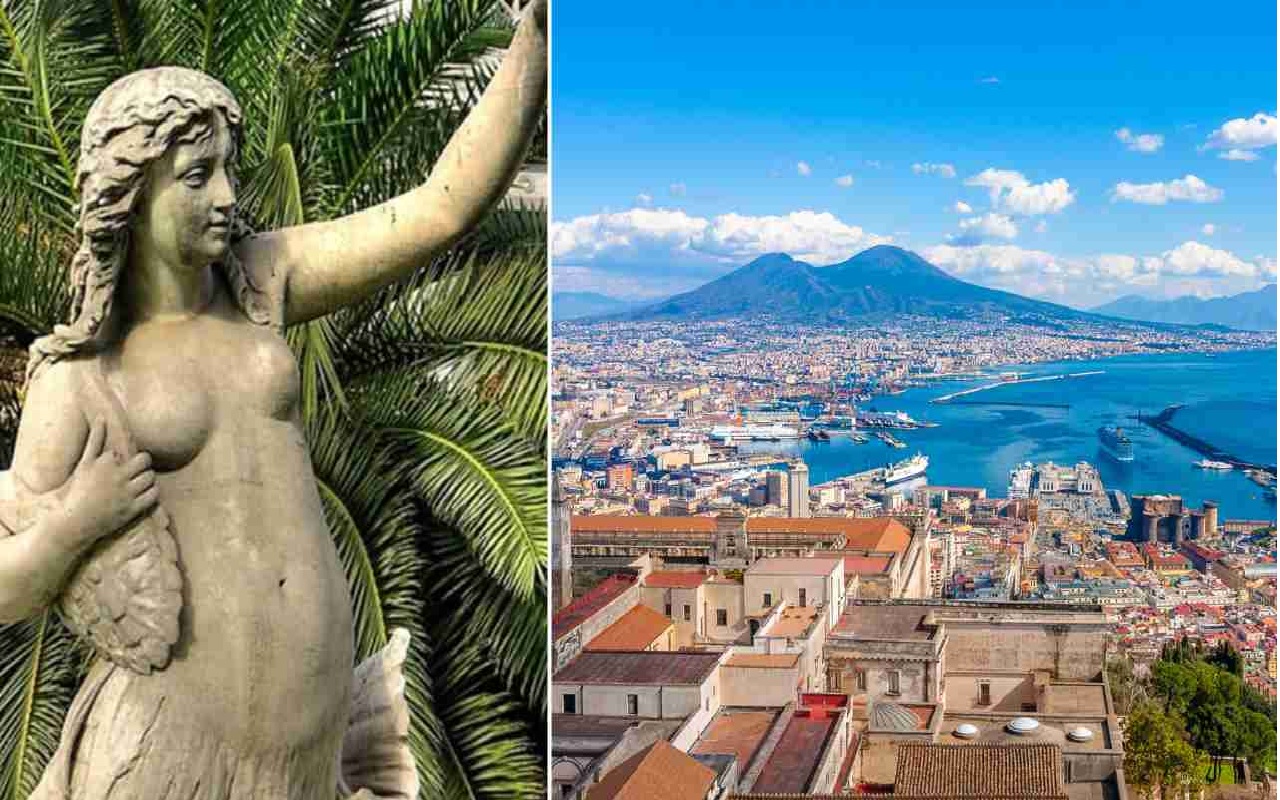
The Difference Between Neapolis and Partenope
Naples, a city of many facets, is often defined by two distinct names: "Neapolis" and "Partenope". These two names represent a fascinating aspect of Naples' history and identity, and today we'll explore their significant difference and their intrinsic connection.
"The Difference Between Neapolis and Partenope: The Hidden Duality of Naples"
Neapolis: Ancient Naples
Neapolis is the Latin name for Naples, derived from the Greek word "Nea Polis," meaning "New City." This name was given by the Greek settlers who founded the city in the 6th century BC. This is ancient Naples, rich in history and classical culture.
- Art and Philosophy: Neapolis was an important centre for ancient Greek art and philosophy. Here, philosophers such as Parmenides and Empedocles influenced Western thought.
- Theatre: Ancient theatres such as the Theatre of Naples, with its extraordinary acoustics, were the heart of cultural life in Neapolis.
- Architecture: Neapolis is home to ancient remains, such as the Temple of Apollo, which tell the story of Naples in ancient Greek times.
Partenope: The Legendary Siren
Partenope (Parthenope), on the other hand, is a legendary figure in Greek mythology. She was a beautiful siren who, according to legend, fell in love with Ulysses and threw herself into the waters of the Gulf of Naples when her love was not returned. The surrounding lands were thus named "Partenope" in her honour.
- The Siren of Naples: The figure of Partenope is often depicted as a siren or a woman with a fish's tail, and her image can be seen in various places around Naples.
- Music and Poetry: The legend of Partenope has inspired artists, poets and musicians throughout the centuries, giving rise to works of art and musical compositions.
- The Duality of Naples: The duality between Neapolis and Partenope is intrinsic to the identity of Naples, a city that embraces both its classical past and the magic of mythological legend.
In conclusion, Naples is a unique city that embraces both its classical Greek heritage and the legendary beauty of Partenope. This duality makes Naples a fascinating destination for lovers of history, culture and mythology, and a testament to its rich legacy.
Posted in:
History and legends
Related posts
-
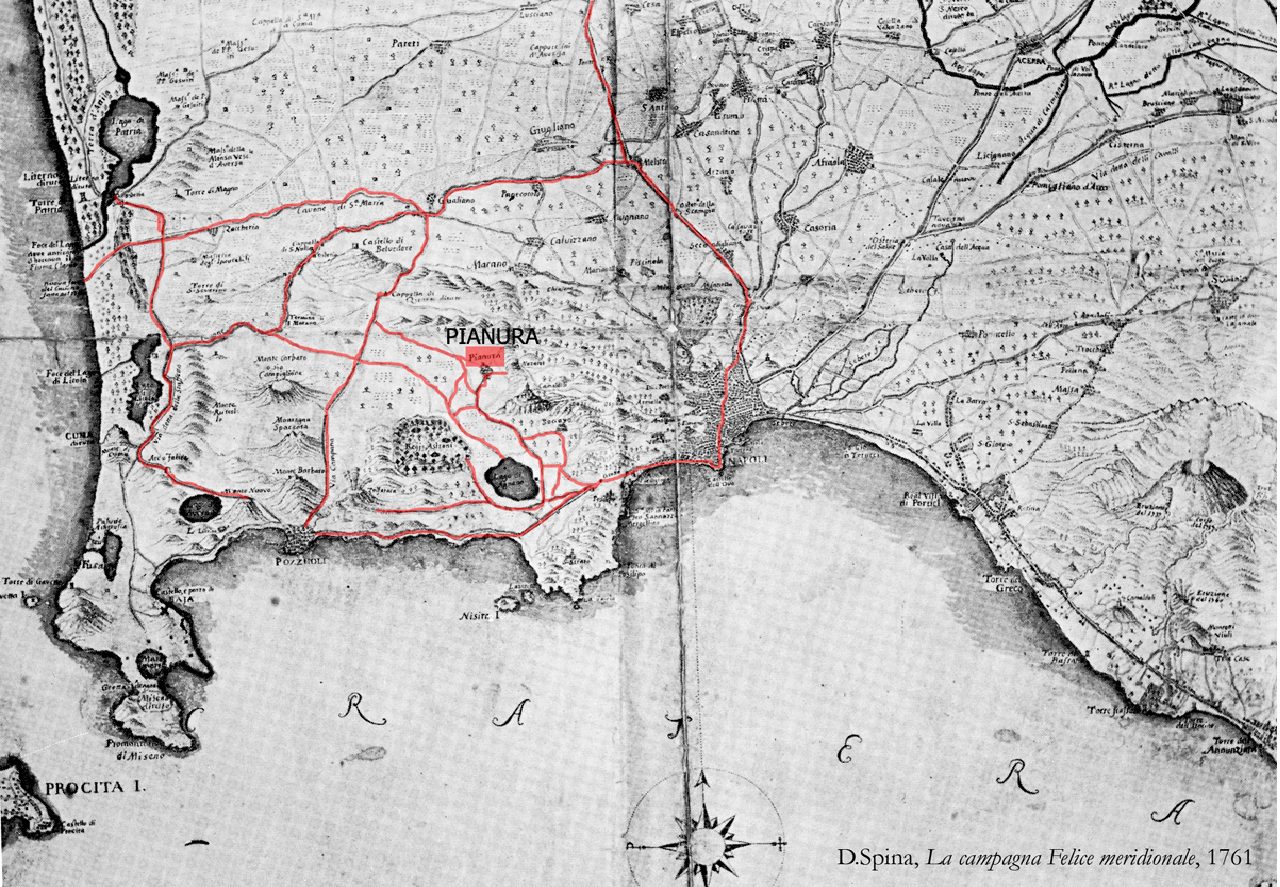 THE 36 CASALI OF NAPLES
This term identified the tiny clusters of farmhouses within the countryside surrounding Naples.Read more
THE 36 CASALI OF NAPLES
This term identified the tiny clusters of farmhouses within the countryside surrounding Naples.Read more -
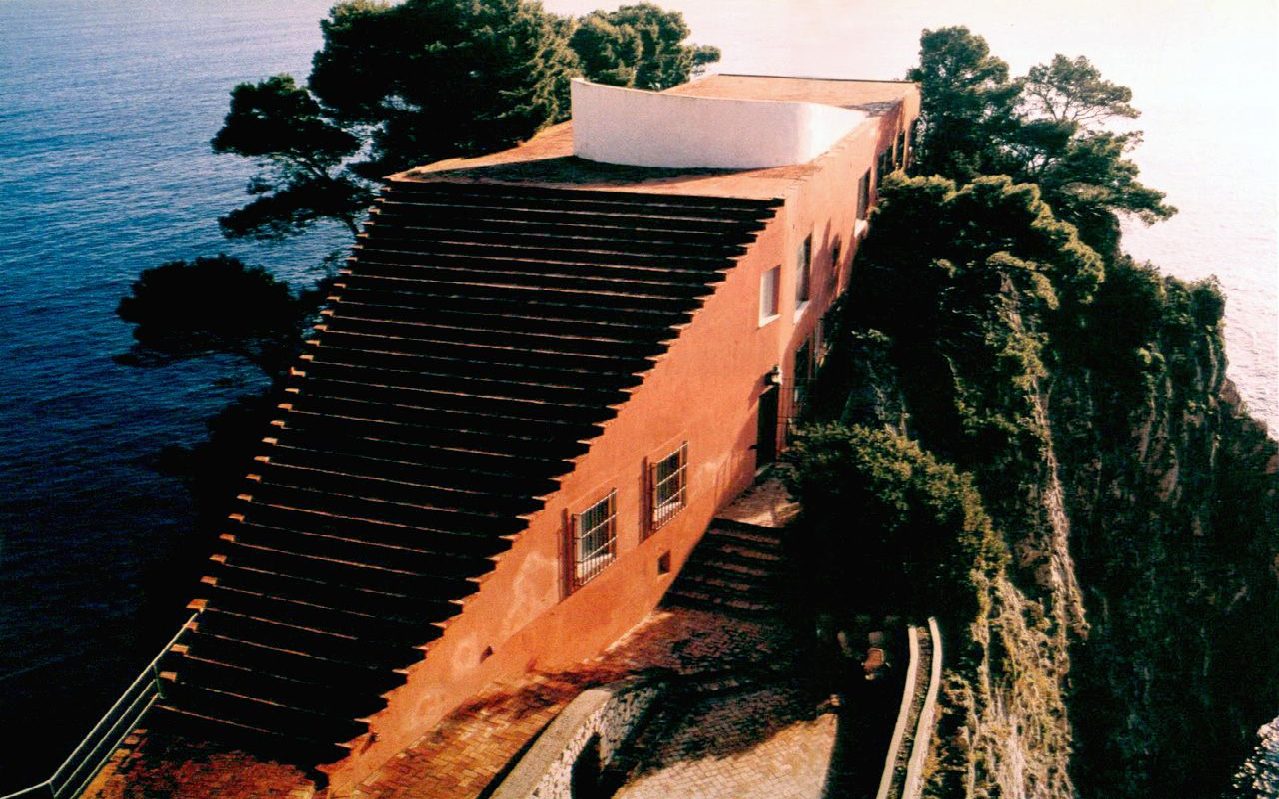 Casa Malaparte - Capri
Built in the 1930s on Capri by the celebrated writer Curzio Malaparte, this villa has always been a coveted spot for...Read more
Casa Malaparte - Capri
Built in the 1930s on Capri by the celebrated writer Curzio Malaparte, this villa has always been a coveted spot for...Read more -
 The Golden Ball Stolen from Maradona
Snatched in 1989 from the clutches of organised crime, its value is estimated to be between 12 and 15 million euros.Read more
The Golden Ball Stolen from Maradona
Snatched in 1989 from the clutches of organised crime, its value is estimated to be between 12 and 15 million euros.Read more -
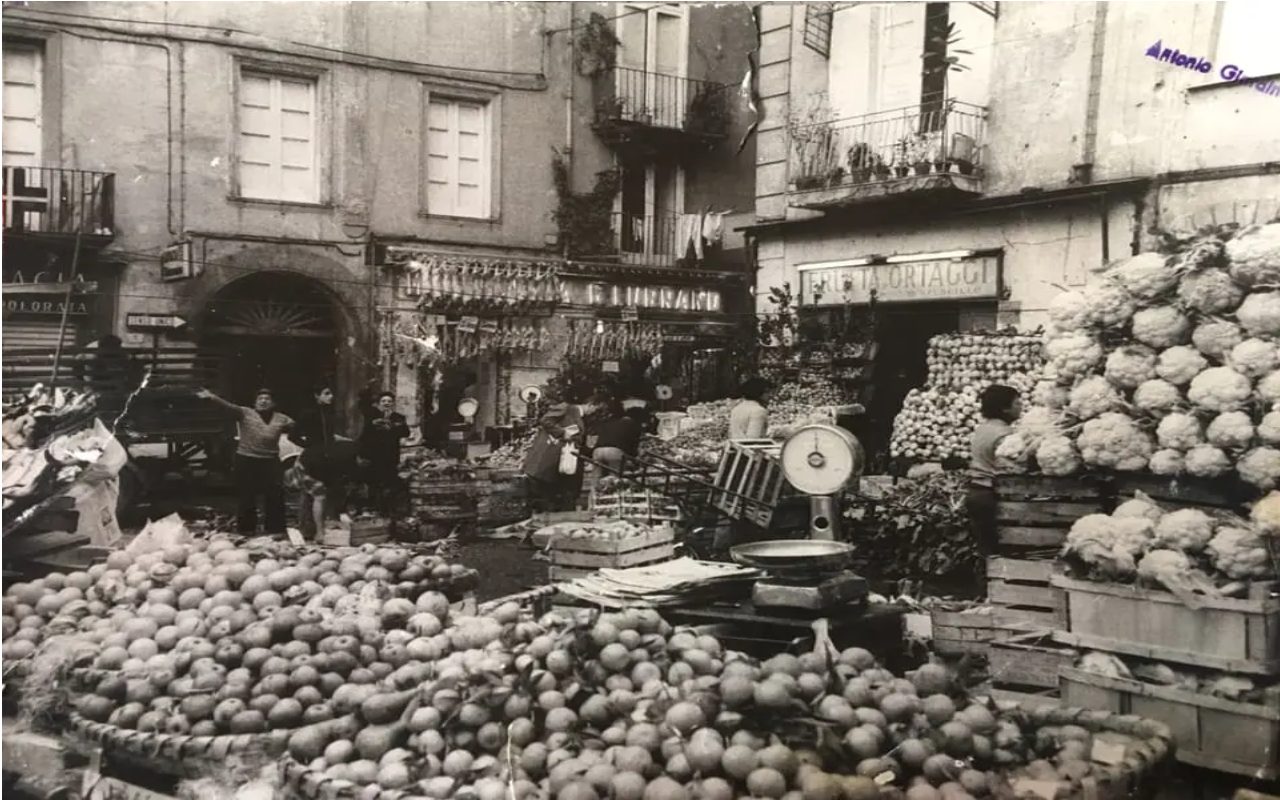 "Pignasecca" and its legend of the thieving magpies
The lively, bustling Naples district known as "Pignasecca" (dry pinecone) is a crowded, picturesque place that...Read more
"Pignasecca" and its legend of the thieving magpies
The lively, bustling Naples district known as "Pignasecca" (dry pinecone) is a crowded, picturesque place that...Read more -
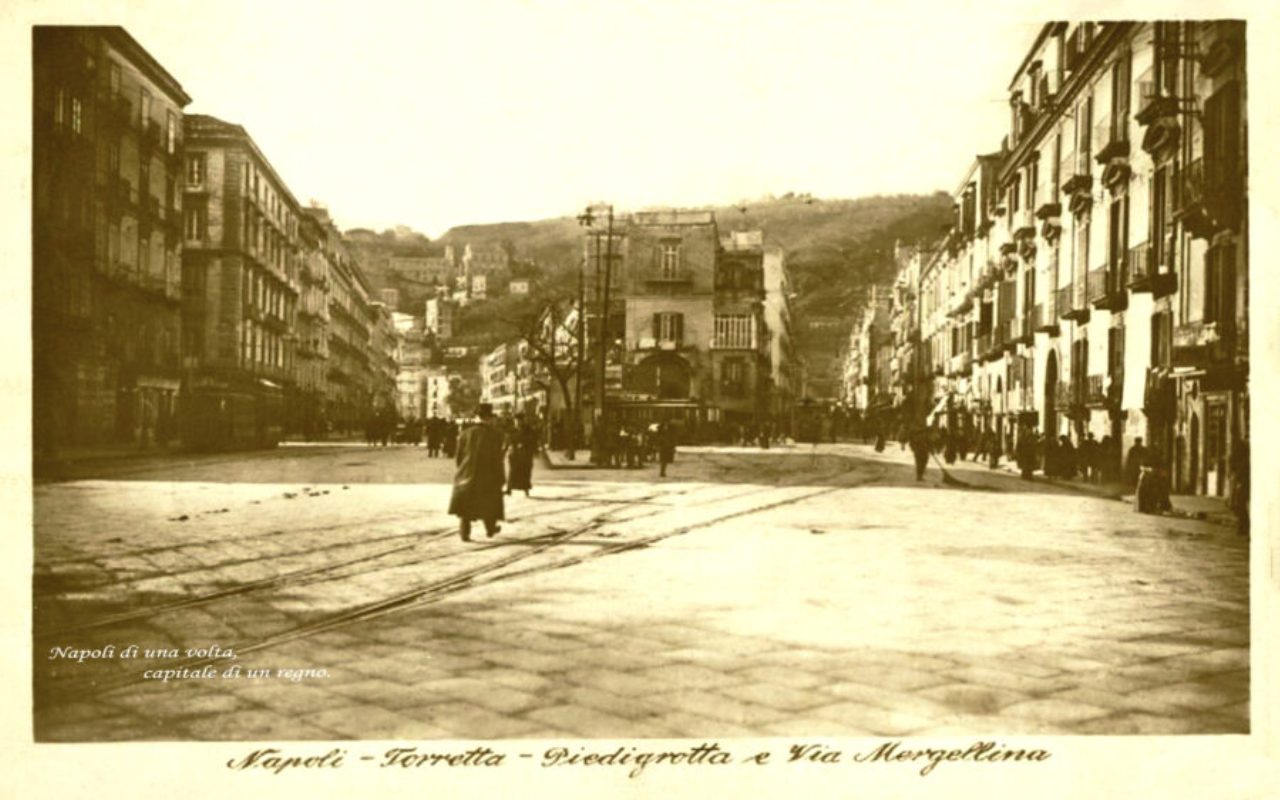 History of the Torretta di Mergellina: A Beacon of Safety
The Torretta was built in 1564 by order of the viceroy, the Duke of Alcalá, to serve as a lookout for maritime raids...Read more
History of the Torretta di Mergellina: A Beacon of Safety
The Torretta was built in 1564 by order of the viceroy, the Duke of Alcalá, to serve as a lookout for maritime raids...Read more
Leave a comment