



In Naples, a graduation is never a private affair: it's a neighbourhood celebration. Here's how to choose an original...
Latest posts
-
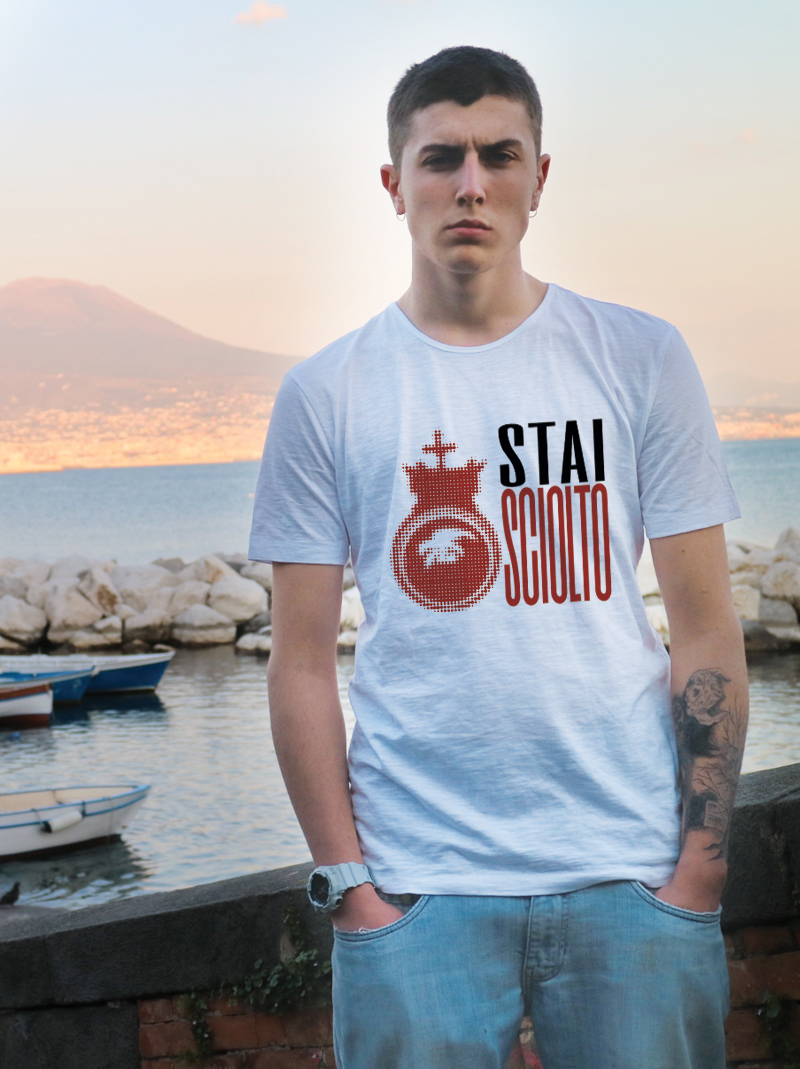 Original Neapolitan graduation gift: ideas for the graduate (him and her)Read more
-
 Asso 'e mazze: meaning and history of the Neapolitan ace of clubsRead more
The strongest card on the green table becomes, in Naples, the most elegant way to say who really calls the shots....
-
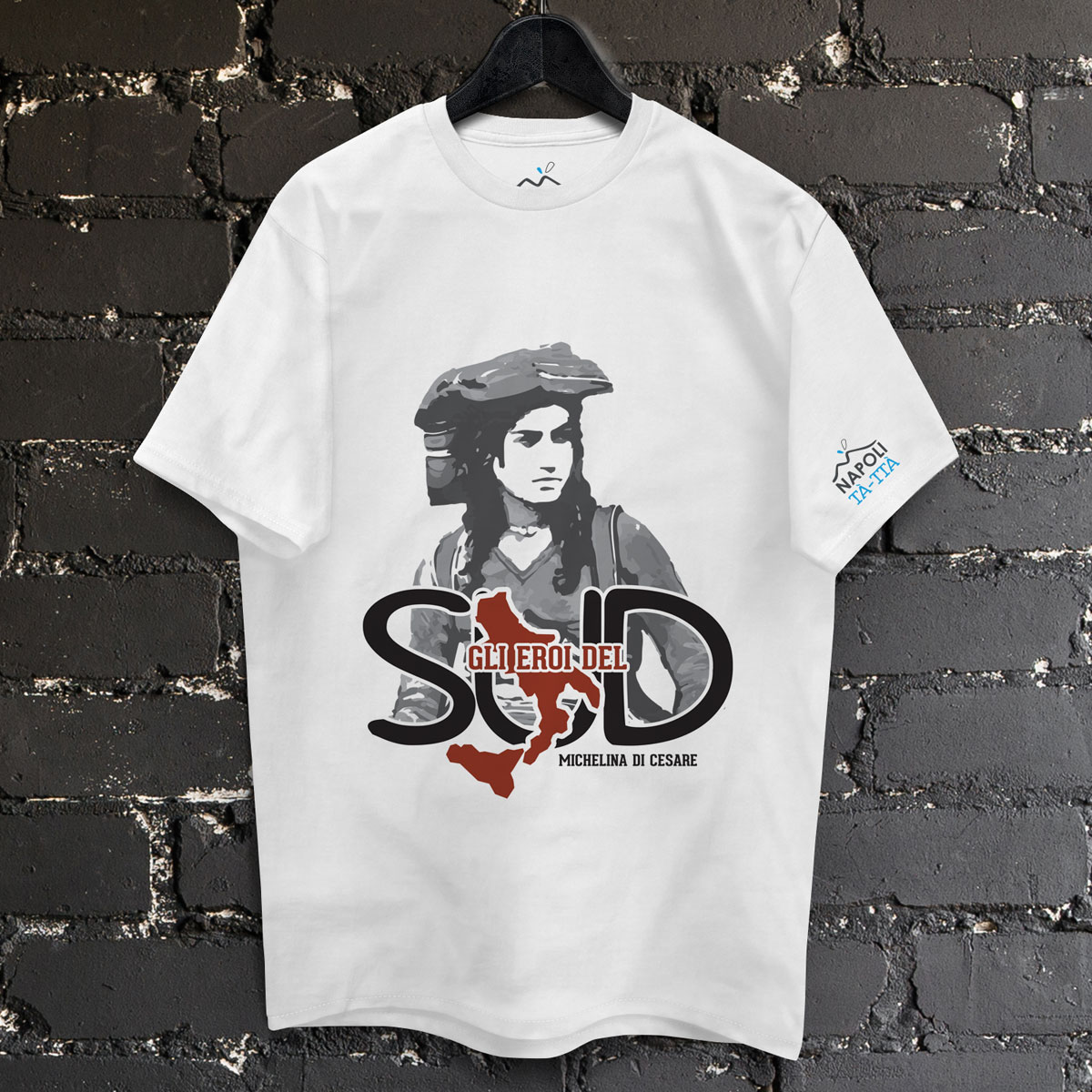 Michelina Di Cesare, the brigantessa who defied a kingdomRead more
Born poor in Terra di Lavoro, Michelina Di Cesare chose the maquis and the rifle against a newly united Italy. A...
-
 Neapolitan Hoodies: The Autumn 2026 Style GuideRead more
When the air turns crisp, in Naples people don't just reach for a hoodie: they reach for a piece of identity. Here's...
-
 Maradona Stadium: City Council allocates €50 million for Euro 2032Read more
The City Council has allocated €50 million for the redevelopment of the Diego Armando Maradona stadium, ahead of...
-
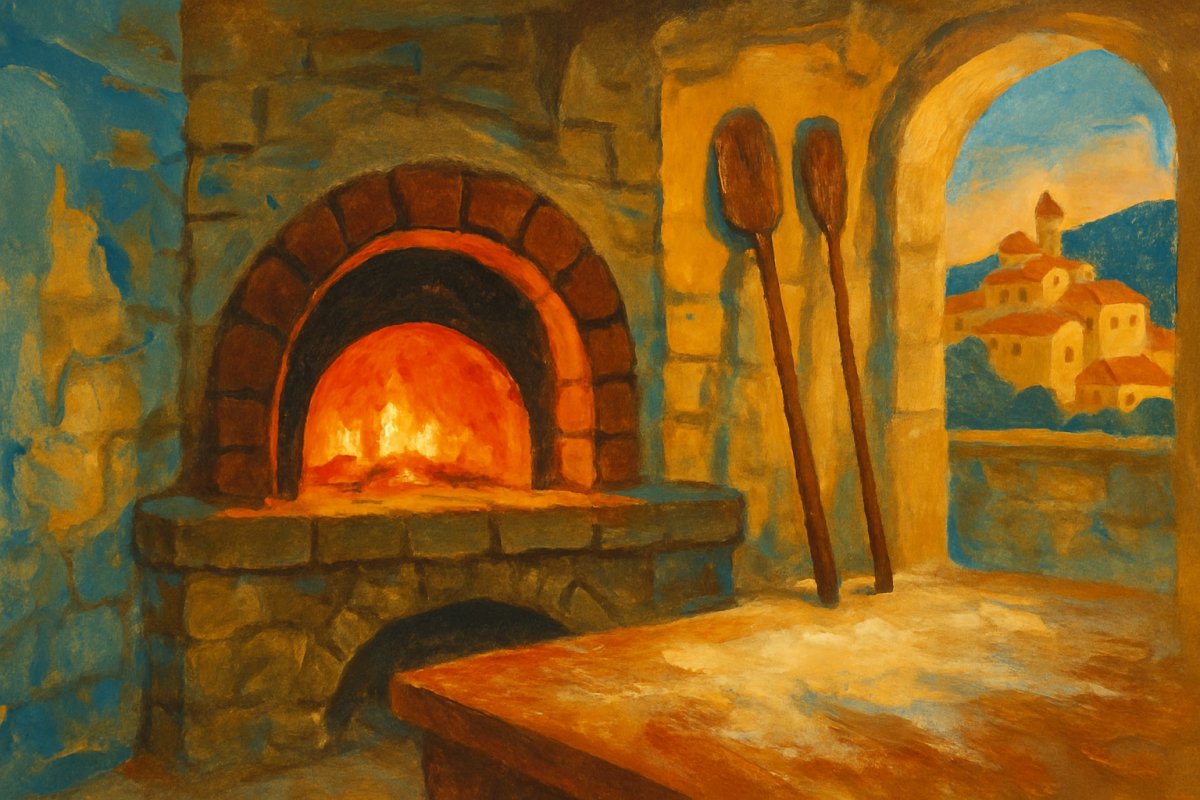 Pizza Maxima 2026: Franco Pepe Is Once Again Best Pizzeria in ItalyRead more
At the fifth edition of Pizza Maxima, the Oscars of Italian pizza, Franco Pepe confirms his title as Best Pizzeria in...
-
 ‘L’acqua è poca e ‘a papera nun galleggia’: what it meansRead more
When the means are few, so is the result. Let's discover the most realistic Neapolitan saying there is.
-
 Avanti Scugnizzi: the story of the year's most loved T-shirtRead more
One word, ‘scugnizzo’ (Neapolitan street kid), and it holds the whole of Naples inside it. We tell you how the year's...
-
 'Chi chiagne fotte a chi ride': what it means and why it's truer than everRead more
At the market, at the counter, in the family: there's always someone who complains and gets more. It's the sharp...
-
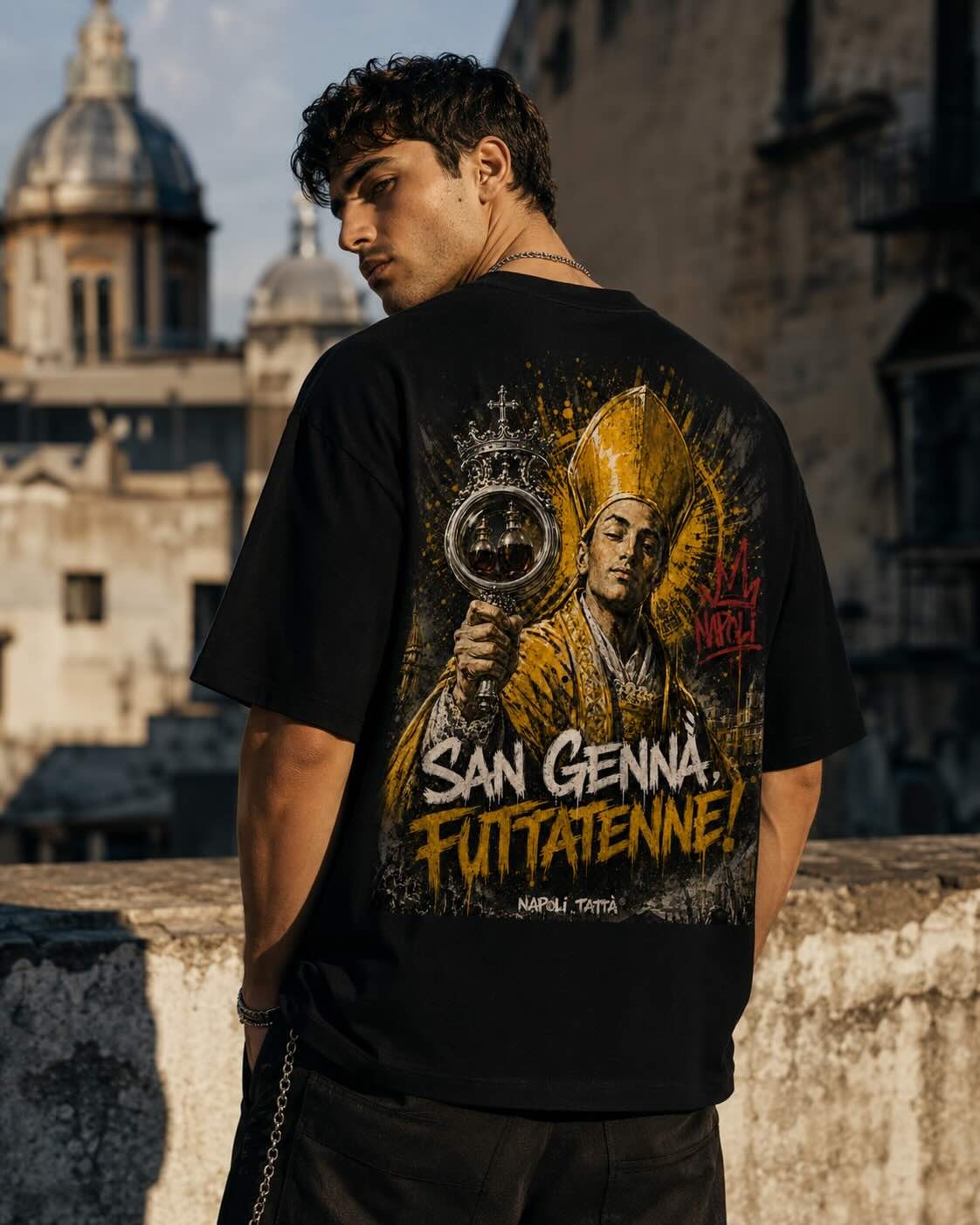 San Gennà, futtatenne! (Saint Januarius, don't worry about it!) San Gennaro, 19 September and the patron saint's t-shirtRead more
Who San Gennaro was, the miracle of the blood that liquefies, and the feast on 19 September. Plus that close,...
Blog categories
Search in blog
Archived posts
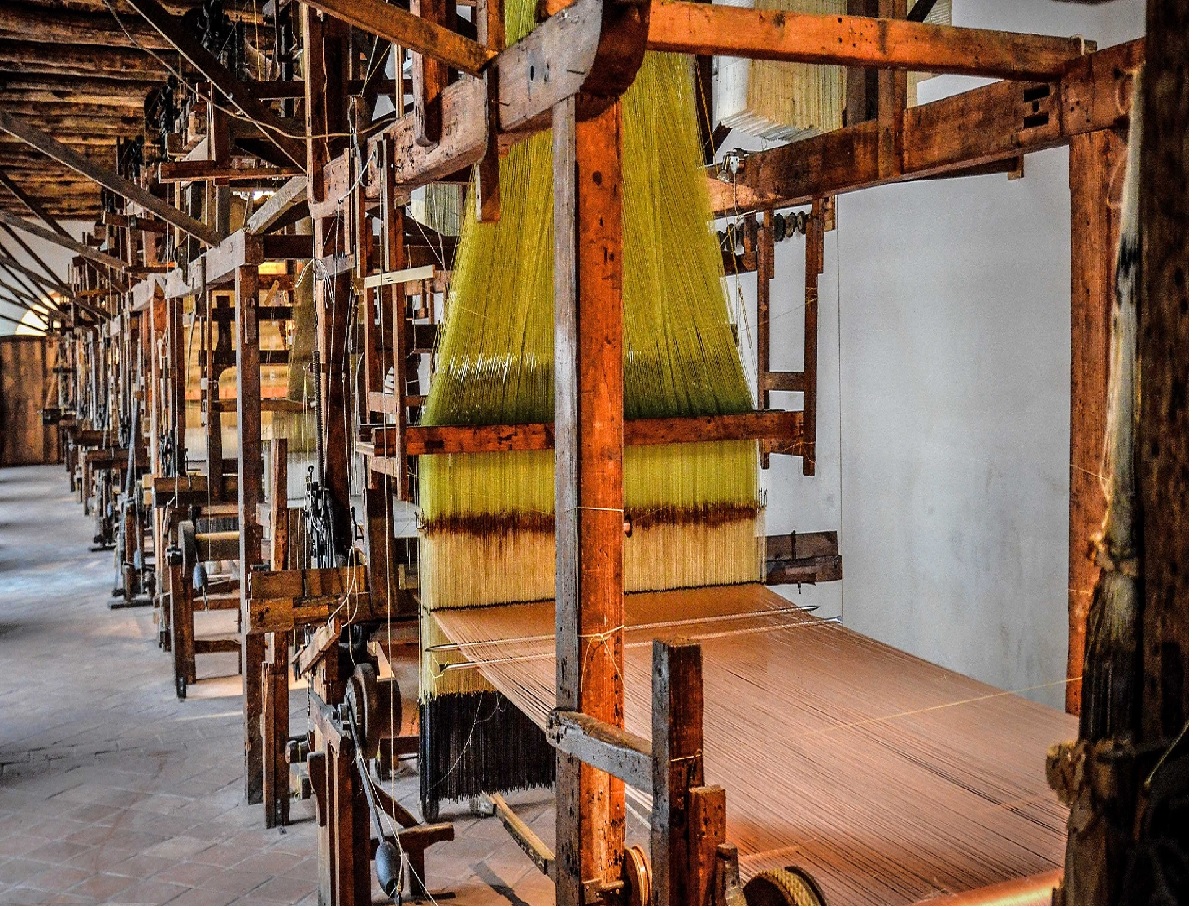
The Silk Mill of San Leucio
Hidden among the hills of Campania, near Caserta, lies a magical place that unites textile art, history and human ingenuity.
The Silk Mill of San Leucio: A Treasure of History and Textile Tradition
Hidden among the hills of Campania, near Caserta, lies a magical place that unites textile art, history and human ingenuity. We are talking about the Setificio di San Leucio (Silk Mill of San Leucio), an extraordinary place with a rich and fascinating story to tell. In this article, we'll explore the history, importance and uniqueness of this silk mill, which has been recognised as a UNESCO World Heritage Site.
An Ancient Textile Tradition
The Setificio di San Leucio has a history dating back to the 18th century, when it was founded under the reign of Ferdinand IV of Bourbon, King of the Two Sicilies. This place, which was initially a silk mill, soon became a first-rate centre of textile production. The silk produced here was renowned for its exceptional quality, and the mill was designated as "Reale" (Royal) by direct order of the sovereign.
The Innovations of San Leucio
One of the most fascinating features of the Setificio di San Leucio was its adoption of cutting-edge technologies for the time. The English engineer and inventor Samuel Slater was invited to San Leucio to contribute to textile innovations. His expertise led to the introduction of advanced textile machinery, which greatly improved silk production.
Alongside the machinery, San Leucio developed a working system that respected its workers, offering them a better quality of life than many other factories of the time. Workers had access to decent housing, healthcare and education, at a time when such benefits were rare.
The Setificio di San Leucio: A UNESCO Heritage Site
In 1997, the Setificio di San Leucio was declared a UNESCO World Heritage Site, recognising its historical and cultural significance. This place represents an extraordinary example of a community that combined high-quality textile production with attention to workers' wellbeing. Today, it is a museum that allows visitors to immerse themselves in the textile history of San Leucio through exhibitions and guided tours.
The Art of Silk in San Leucio Today
Although textile production is no longer the predominant activity in San Leucio, the art of silk is still alive and well in the region. Local artisans continue to preserve and pass on the high-quality textile traditions that made the area famous. Visitors can purchase beautiful handmade silk fabrics, unique creations that carry forward San Leucio's reputation as a centre of textile excellence.
Conclusions
The Setificio di San Leucio is a place that embodies textile history, tradition and innovation. Its founding under the reign of Ferdinand IV of Bourbon and the innovations introduced by Samuel Slater make it a place of great historical importance. Recognition by UNESCO confirms its uniqueness and cultural relevance.
Visiting it is a journey through time, an opportunity to discover a corner of Campania that has been at the centre of textile art for centuries. And while the Setificio di San Leucio continues to evolve, its legacy lives on through the local artisans who keep the art of silk alive, proving that tradition can thrive even in the modern world.
Posted in:
History and legends
Related posts
-
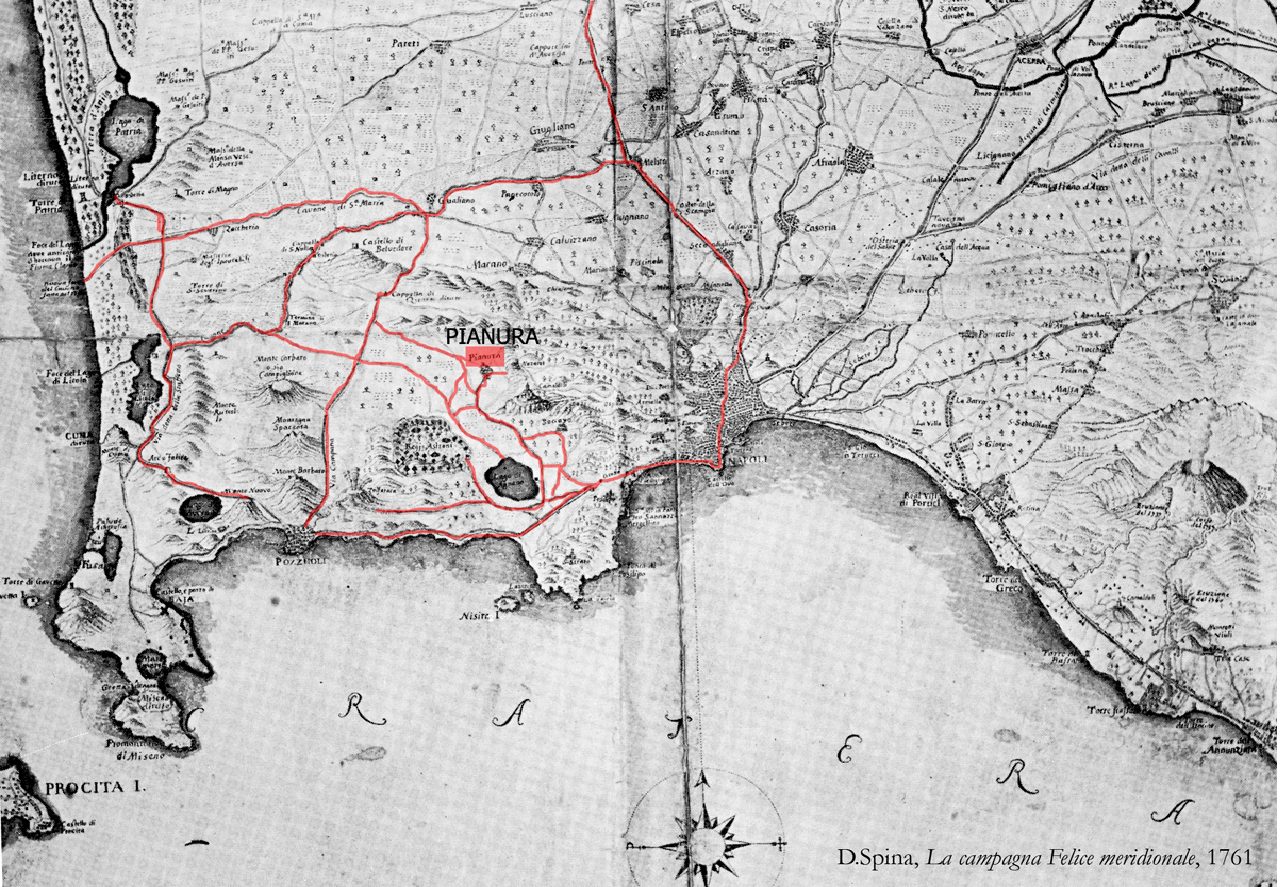 THE 36 CASALI OF NAPLES
This term identified the tiny clusters of farmhouses within the countryside surrounding Naples.Read more
-
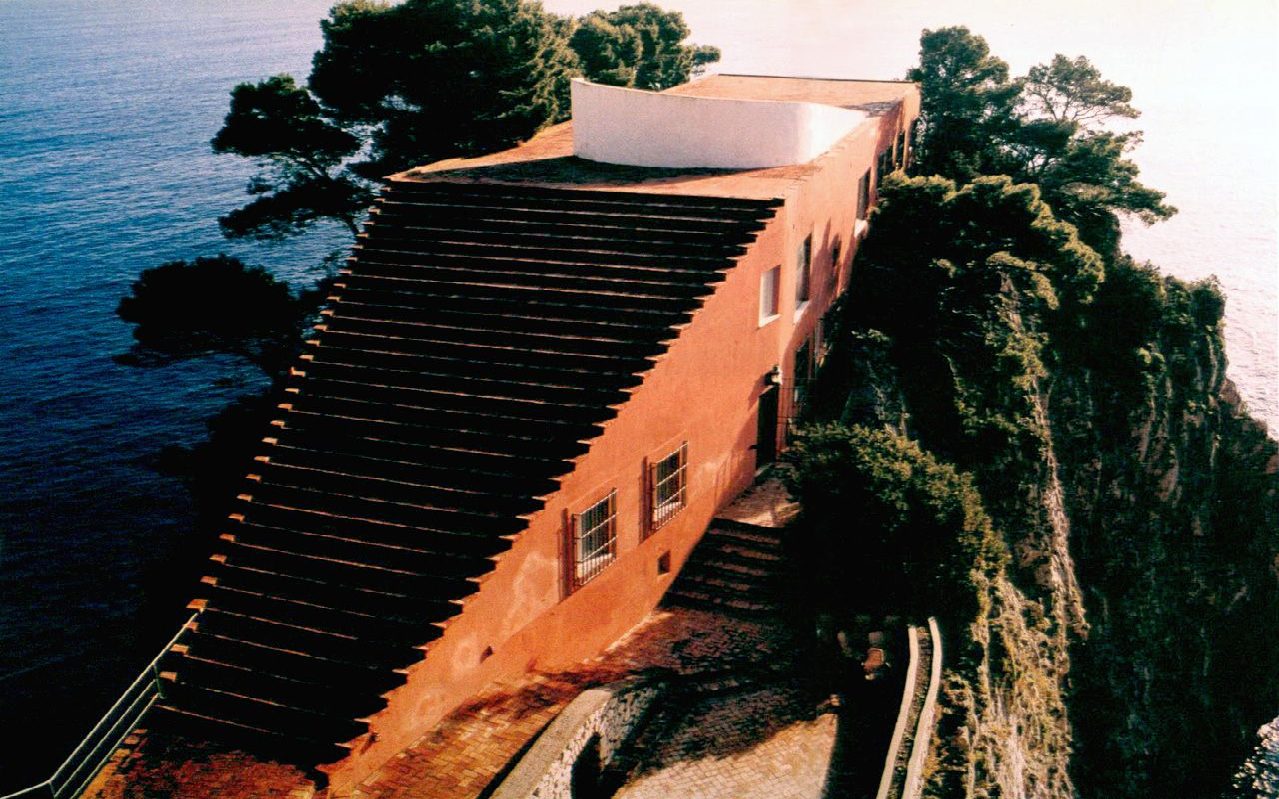 Casa Malaparte - Capri
Built in the 1930s on Capri by the celebrated writer Curzio Malaparte, this villa has always been a coveted spot for...Read more
-
 The Golden Ball Stolen from Maradona
Snatched in 1989 from the clutches of organised crime, its value is estimated to be between 12 and 15 million euros.Read more
-
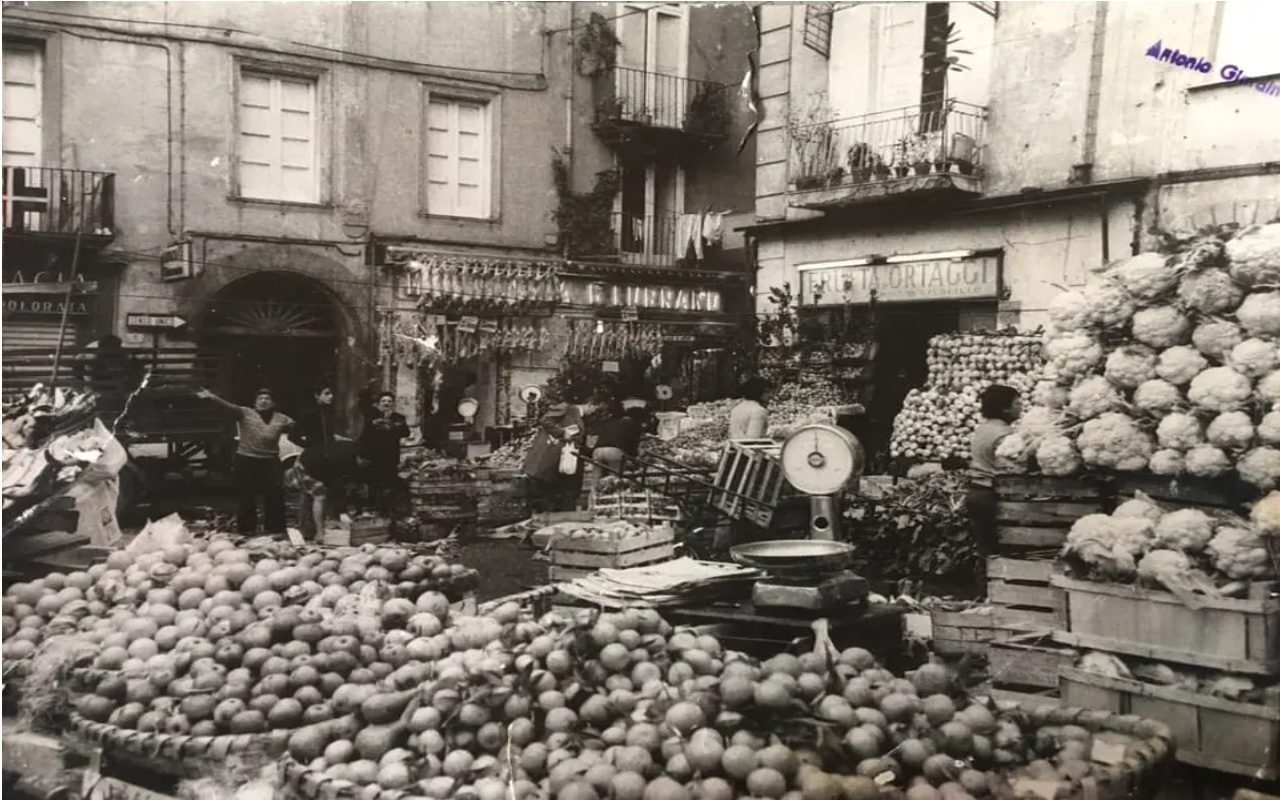 "Pignasecca" and its legend of the thieving magpies
The lively, bustling Naples district known as "Pignasecca" (dry pinecone) is a crowded, picturesque place that...Read more
-
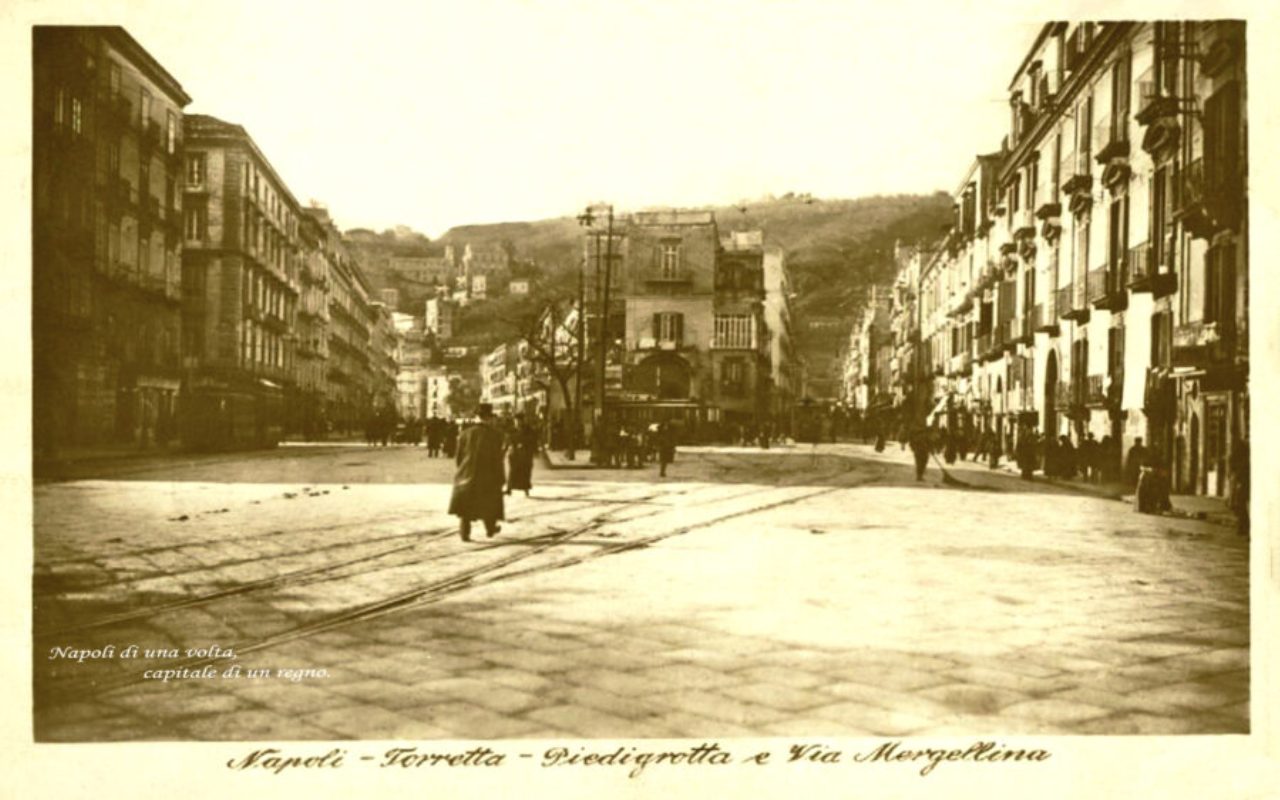 History of the Torretta di Mergellina: A Beacon of Safety
The Torretta was built in 1564 by order of the viceroy, the Duke of Alcalá, to serve as a lookout for maritime raids...Read more
Leave a comment