



In Naples, a graduation is never a private affair: it's a neighbourhood celebration. Here's how to choose an original...
Latest posts
-
 Original Neapolitan graduation gift: ideas for the graduate (him and her)Read more
-
 Asso 'e mazze: meaning and history of the Neapolitan ace of clubsRead more
The strongest card on the green table becomes, in Naples, the most elegant way to say who really calls the shots....
-
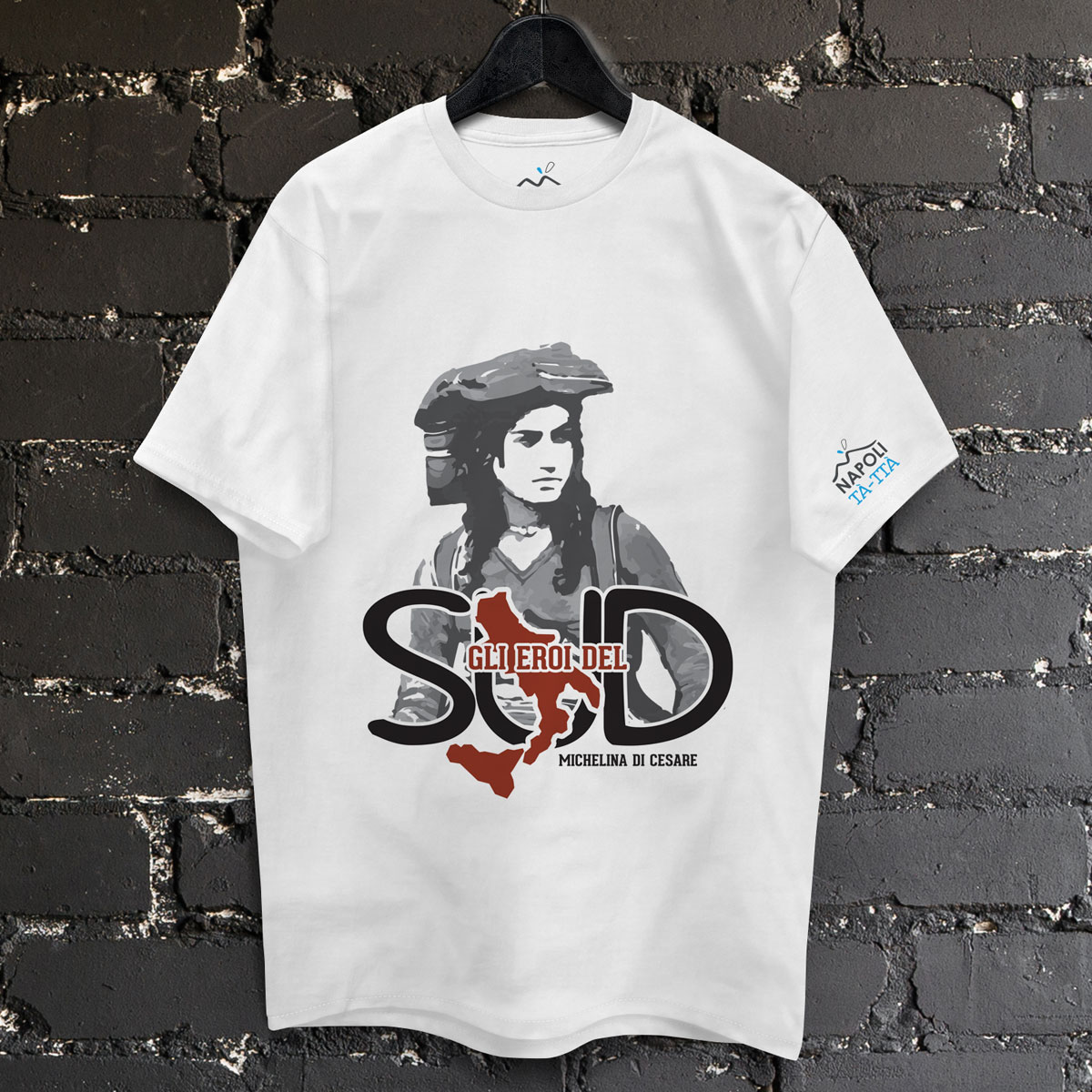 Michelina Di Cesare, the brigantessa who defied a kingdomRead more
Born poor in Terra di Lavoro, Michelina Di Cesare chose the maquis and the rifle against a newly united Italy. A...
-
 Neapolitan Hoodies: The Autumn 2026 Style GuideRead more
When the air turns crisp, in Naples people don't just reach for a hoodie: they reach for a piece of identity. Here's...
-
 Maradona Stadium: City Council allocates €50 million for Euro 2032Read more
The City Council has allocated €50 million for the redevelopment of the Diego Armando Maradona stadium, ahead of...
-
 Pizza Maxima 2026: Franco Pepe Is Once Again Best Pizzeria in ItalyRead more
At the fifth edition of Pizza Maxima, the Oscars of Italian pizza, Franco Pepe confirms his title as Best Pizzeria in...
-
 ‘L’acqua è poca e ‘a papera nun galleggia’: what it meansRead more
When the means are few, so is the result. Let's discover the most realistic Neapolitan saying there is.
-
 Avanti Scugnizzi: the story of the year's most loved T-shirtRead more
One word, ‘scugnizzo’ (Neapolitan street kid), and it holds the whole of Naples inside it. We tell you how the year's...
-
 'Chi chiagne fotte a chi ride': what it means and why it's truer than everRead more
At the market, at the counter, in the family: there's always someone who complains and gets more. It's the sharp...
-
 San Gennà, futtatenne! (Saint Januarius, don't worry about it!) San Gennaro, 19 September and the patron saint's t-shirtRead more
Who San Gennaro was, the miracle of the blood that liquefies, and the feast on 19 September. Plus that close,...
Blog categories
Search in blog
Archived posts
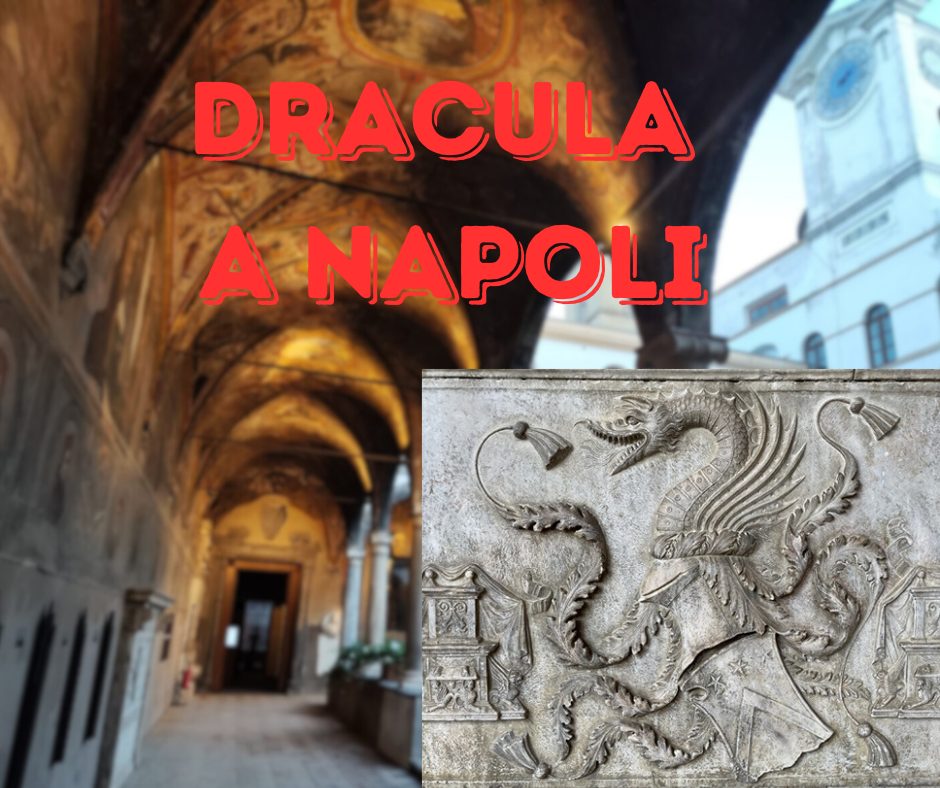
Dracula in Naples
Dracula is one of the most iconic characters in gothic literature, created by author Bram Stoker in 1897. Since its publication, the novel has fascinated millions of readers worldwide, and the figure of the vampire count has become an unforgettable image in pop culture.
Recently, scholars have discovered new details about the origin of Dracula, revealing that the character may have been inspired by a fifteenth-century Transylvanian prince, Vlad III of Wallachia, also known as Vlad the Impaler. This discovery has led to renewed interest in the figure of Vlad, who may have played an important role in the creation of the Dracula character.
For centuries considered by authoritative opinion to be a simple translation from Greek, the text of the epigraph, as has now been discovered, is actually written in a language that is still unknown. The only element that has been deciphered is precisely the name «Vlad» (Vlad), which recurs several times. The examination was carried out at the end of a delicate restoration that began last February.
The research by engineer Falcucci has reached a precise conclusion: the inscription does not date back to the late 1800s, as had been hypothesised until now, but probably to three hundred years earlier. The restoration process itself made it possible to verify how some letters of the inscription had been repainted several times over the centuries, always without being altered in any way.
«L'idea inziale era che questi interventi fossero stati realizzati a cavallo tra il XIX e XX secolo» (The initial idea was that these interventions had been carried out between the 19th and 20th centuries) explained Falcucci «Lo svolgimento di analisi basate sulla fluorescenza indotta da radiazioni ultraviolette, su riprese all'infrarosso e su prelievi di pigmenti ha invece rivelato che questi interventi sarebbero iniziati molto prima e che la datazione dell'iscrizione potrebbe risalire anche al XVI sec.» (Analysis based on ultraviolet-induced fluorescence, infrared imaging and pigment sampling instead revealed that these interventions began much earlier, and that the inscription's dating could go back as far as the 16th century).
The results of the investigation therefore confirm that the inscription found at S. Maria la Nova dates back to a period consistent with the hypothetical Neapolitan sojourn of Count Vlad-Dracula, who at the time was in close contact with the Aragonese court, and, above all, with the period of his death.
The results of the diagnostic research and, more generally, the fascinating and hypothetical theory of Vlad III's burial at Santa Maria la Nova will be presented during the conference «Ortodossia/Eterodossia: lo spazio slavo di fronte alle divisioni della cristianità dal Medioevo ad oggi» (Orthodoxy/Heterodoxy: the Slavic world facing the divisions of Christianity from the Middle Ages to today), scheduled for 22 and 23 November 2018 at the University of Naples L'Orientale; Professor Giuseppe Reale will speak on the subject on that occasion.
But what does all this have to do with Naples? In fact, the Neapolitan city has a history of links with vampire folklore. In the 19th century, the people of Naples firmly believed in the existence of "vampiri napoletani" (Neapolitan vampires), creatures said to feed on human blood, which could allegedly only be destroyed by decapitation or the scattering of their ashes.
These tales became part of Neapolitan popular culture, so much so that they were often revisited in literary and cinematic works. This does not mean there is a direct connection between Dracula and Naples, but rather it highlights the city's historical and cultural interest in vampire folklore.
Posted in:
History and legends
Related posts
-
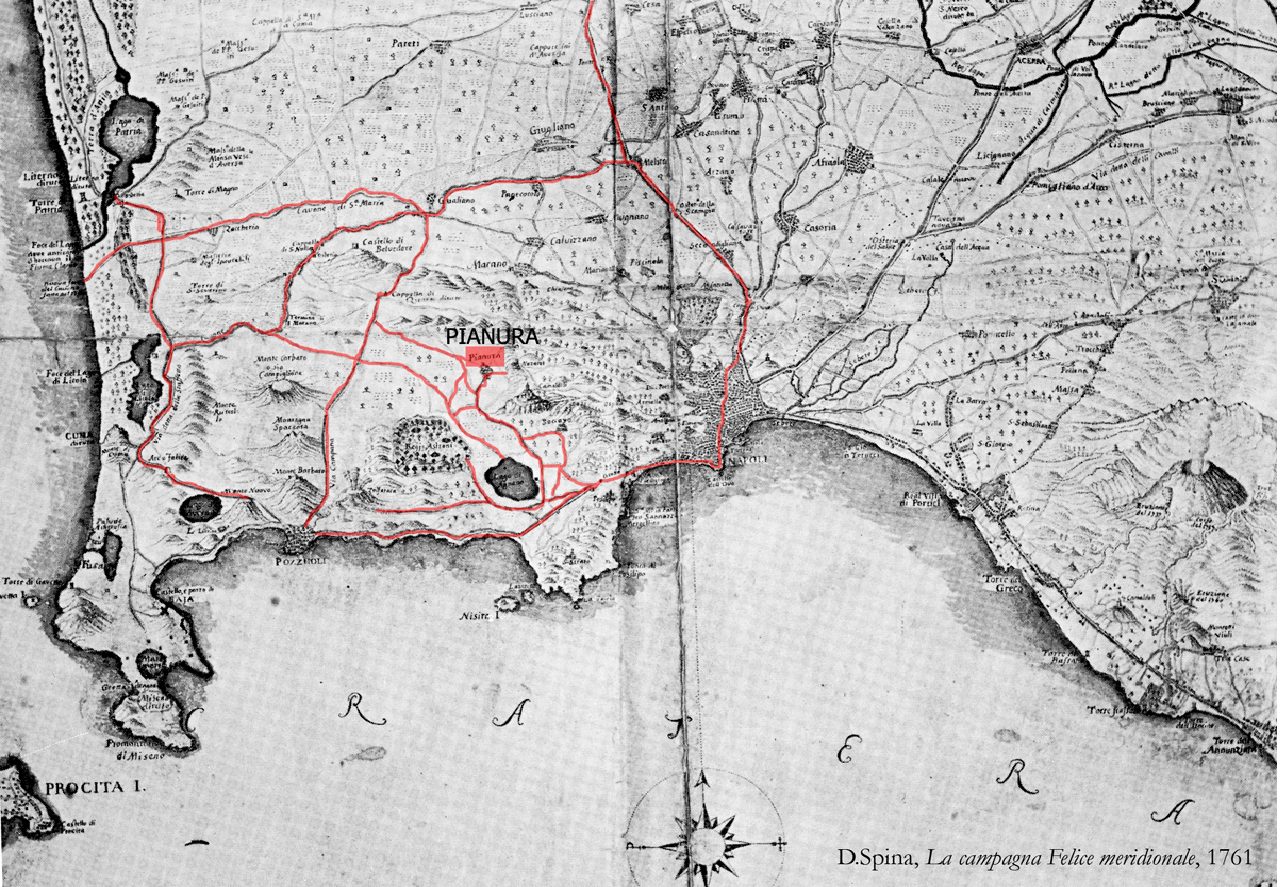 THE 36 CASALI OF NAPLES
This term identified the tiny clusters of farmhouses within the countryside surrounding Naples.Read more
-
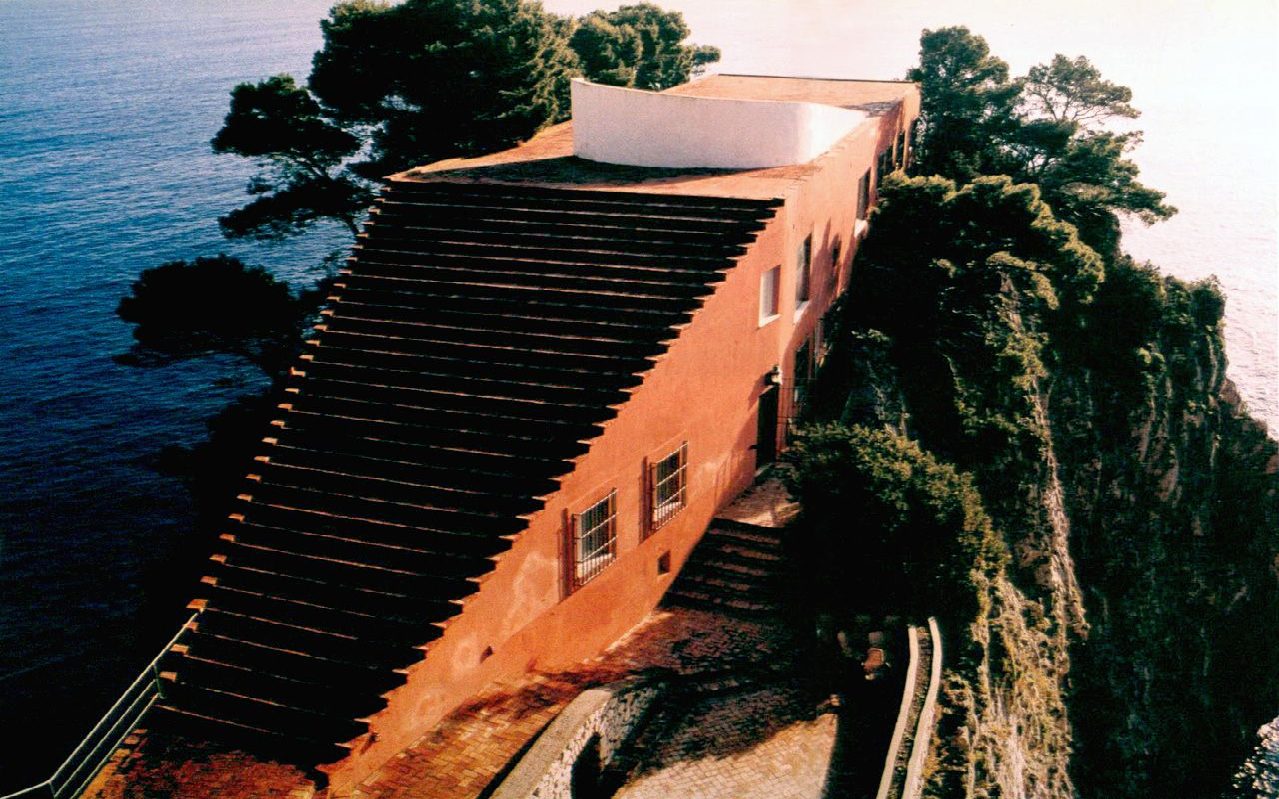 Casa Malaparte - Capri
Built in the 1930s on Capri by the celebrated writer Curzio Malaparte, this villa has always been a coveted spot for...Read more
-
 The Golden Ball Stolen from Maradona
Snatched in 1989 from the clutches of organised crime, its value is estimated to be between 12 and 15 million euros.Read more
-
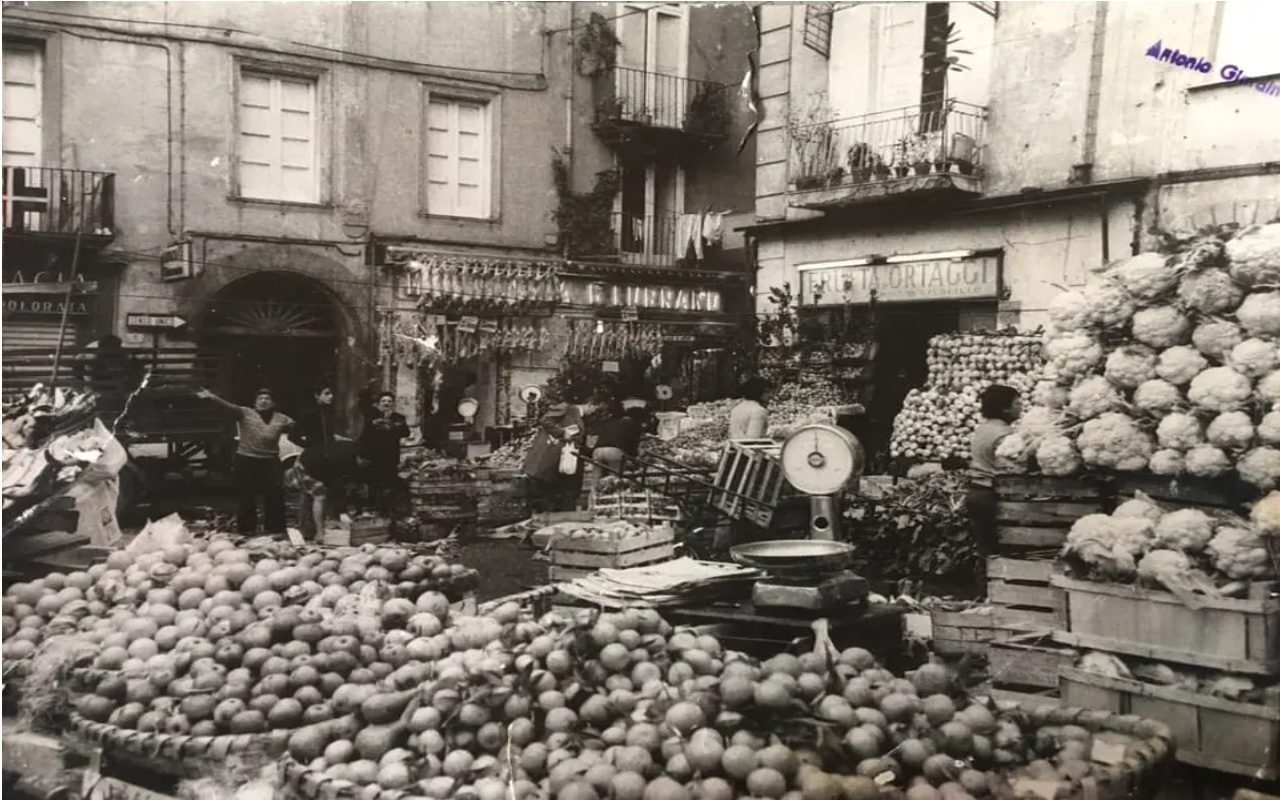 "Pignasecca" and its legend of the thieving magpies
The lively, bustling Naples district known as "Pignasecca" (dry pinecone) is a crowded, picturesque place that...Read more
-
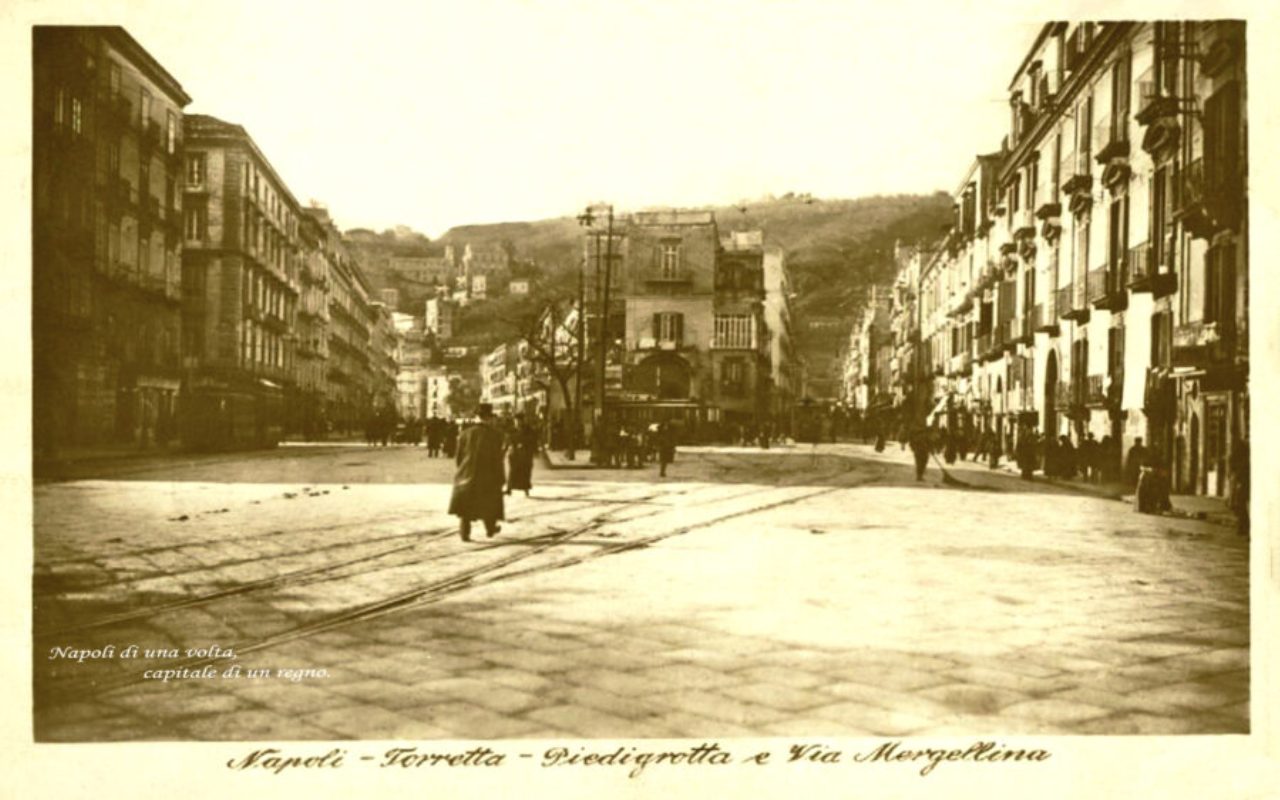 History of the Torretta di Mergellina: A Beacon of Safety
The Torretta was built in 1564 by order of the viceroy, the Duke of Alcalá, to serve as a lookout for maritime raids...Read more
Leave a comment