



In Naples, a graduation is never a private affair: it's a neighbourhood celebration. Here's how to choose an original...
Latest posts
-
 Original Neapolitan graduation gift: ideas for the graduate (him and her)Read more
-
 Asso 'e mazze: meaning and history of the Neapolitan ace of clubsRead more
The strongest card on the green table becomes, in Naples, the most elegant way to say who really calls the shots....
-
 Michelina Di Cesare, the brigantessa who defied a kingdomRead more
Born poor in Terra di Lavoro, Michelina Di Cesare chose the maquis and the rifle against a newly united Italy. A...
-
 Neapolitan Hoodies: The Autumn 2026 Style GuideRead more
When the air turns crisp, in Naples people don't just reach for a hoodie: they reach for a piece of identity. Here's...
-
 Maradona Stadium: City Council allocates €50 million for Euro 2032Read more
The City Council has allocated €50 million for the redevelopment of the Diego Armando Maradona stadium, ahead of...
-
 Pizza Maxima 2026: Franco Pepe Is Once Again Best Pizzeria in ItalyRead more
At the fifth edition of Pizza Maxima, the Oscars of Italian pizza, Franco Pepe confirms his title as Best Pizzeria in...
-
 ‘L’acqua è poca e ‘a papera nun galleggia’: what it meansRead more
When the means are few, so is the result. Let's discover the most realistic Neapolitan saying there is.
-
 Avanti Scugnizzi: the story of the year's most loved T-shirtRead more
One word, ‘scugnizzo’ (Neapolitan street kid), and it holds the whole of Naples inside it. We tell you how the year's...
-
 'Chi chiagne fotte a chi ride': what it means and why it's truer than everRead more
At the market, at the counter, in the family: there's always someone who complains and gets more. It's the sharp...
-
 San Gennà, futtatenne! (Saint Januarius, don't worry about it!) San Gennaro, 19 September and the patron saint's t-shirtRead more
Who San Gennaro was, the miracle of the blood that liquefies, and the feast on 19 September. Plus that close,...
Blog categories
Search in blog
Archived posts
The Bradyseism Crisis of 1982 - 1984
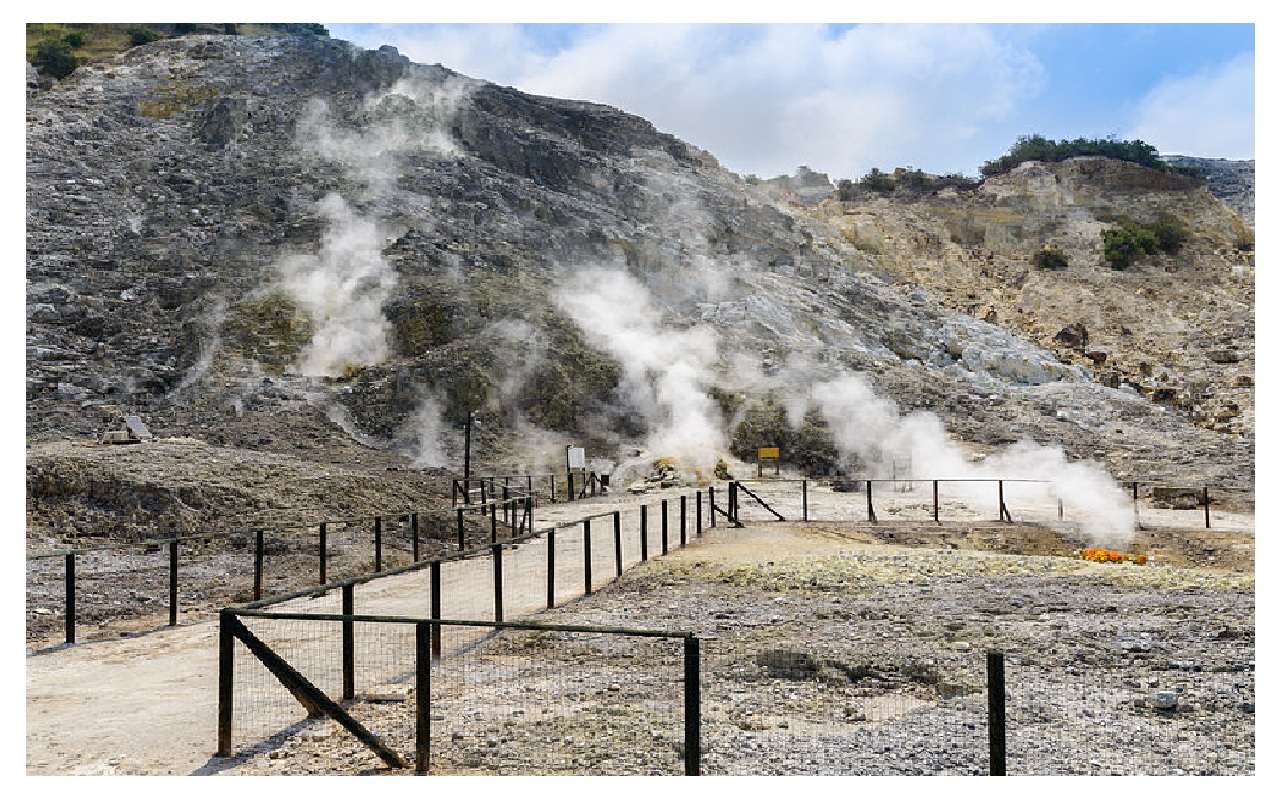
The term "bradyseism" comes from the Greek and means "slow movement". This geological phenomenon, typical of the Phlegraean Fields region, manifests itself through the lowering or rising of the ground caused by underground volcanic activity. During the 1980s, this slow but constant movement reached an unprecedented level of activity, causing a series of problems that drew the attention of the international scientific community.
The current bradyseismic crisis situation in the Phlegraean Fields is comparable to that experienced between 1982 and 1984, the last one known chronologically for the frequency and strength of the earthquakes. During that period, around 10,000 earthquakes occurred, with a maximum magnitude of 4.0. By comparison, the earthquake of 27 September 2023 reached a magnitude of 4.2. That crisis led to the evacuation of part of the population of Pozzuoli due to the danger of collapses.
The main difference between the current situation and that of the past is the extent of the ground uplift. In the two-year period 1982-1984, the uplift reached 180 cm in just two years, whereas since 2005, when the uplift started again, it has reached a maximum of 113 cm.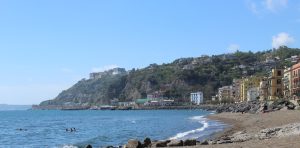
The bradyseismic crisis of 1982 began with an anomaly in ground uplift in the Phlegraean Fields area, a region that hosts a supervolcano. During this crisis, earthquakes occurred as a result of the ground uplift, while during the phases of lowering, tremors were almost absent. The crisis began in earnest in the summer of 1982 and led to a series of significant seismic tremors, culminating in the evacuation of entire areas of Pozzuoli.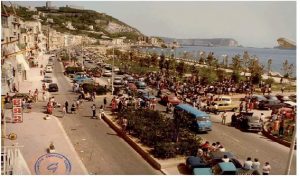
The earthquake of 4 September 1983 caused an alarming exodus of the inhabitants of Pozzuoli, who took refuge in temporary camps set up along the Licola coastline. Another earthquake, on 4 October 1983, led to the evacuation of the entire historic centre of Pozzuoli, making an evacuation plan for over 20,000 people necessary.
The crisis continued into 1984, leading to a long seismic swarm and fears of a volcanic eruption similar to that of Monte Nuovo in 1538. Fortunately, however, the crisis eased towards the end of the year and the ground uplift ceased, marking the beginning of a phase of subsidence that would last until 2005.
Posted in:
History and legends
Related posts
-
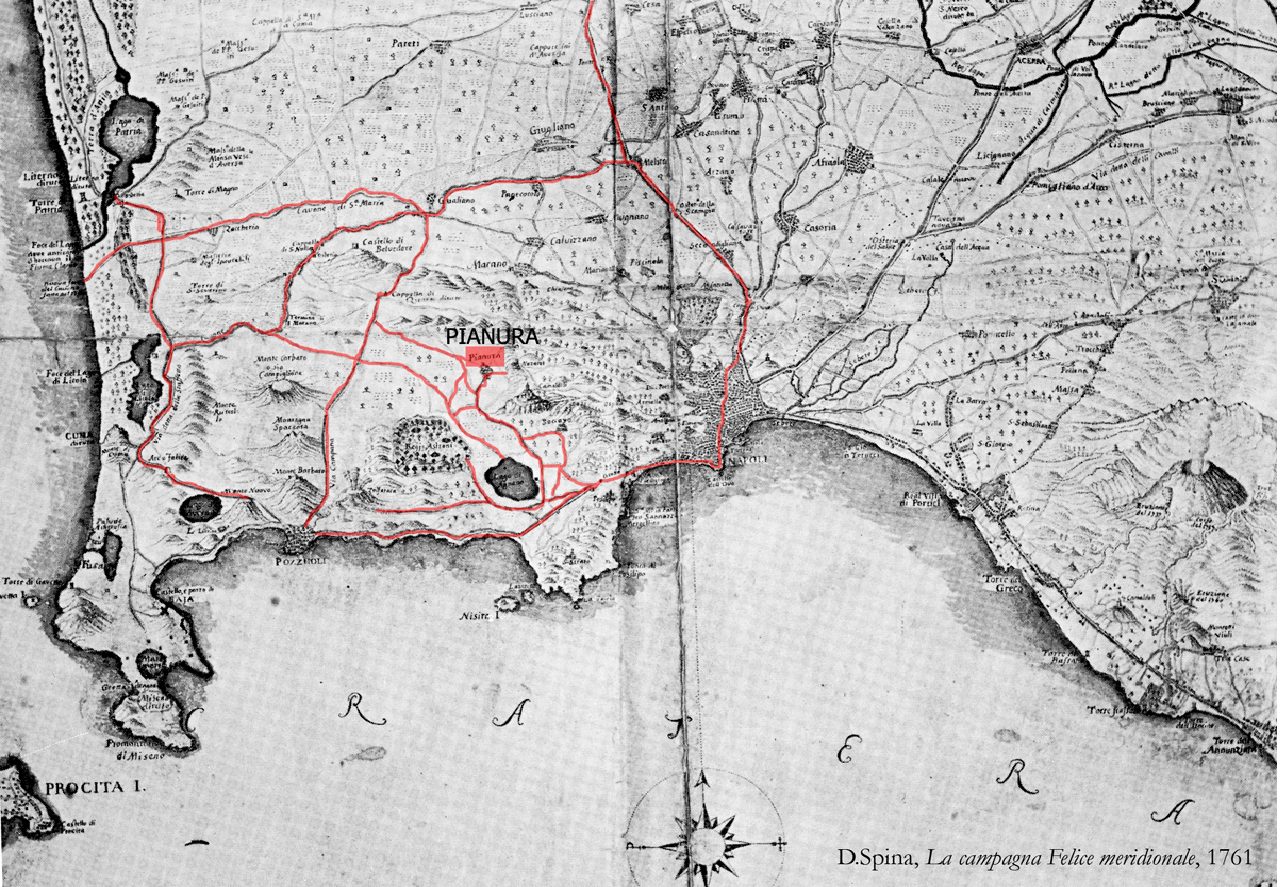 THE 36 CASALI OF NAPLES
This term identified the tiny clusters of farmhouses within the countryside surrounding Naples.Read more
-
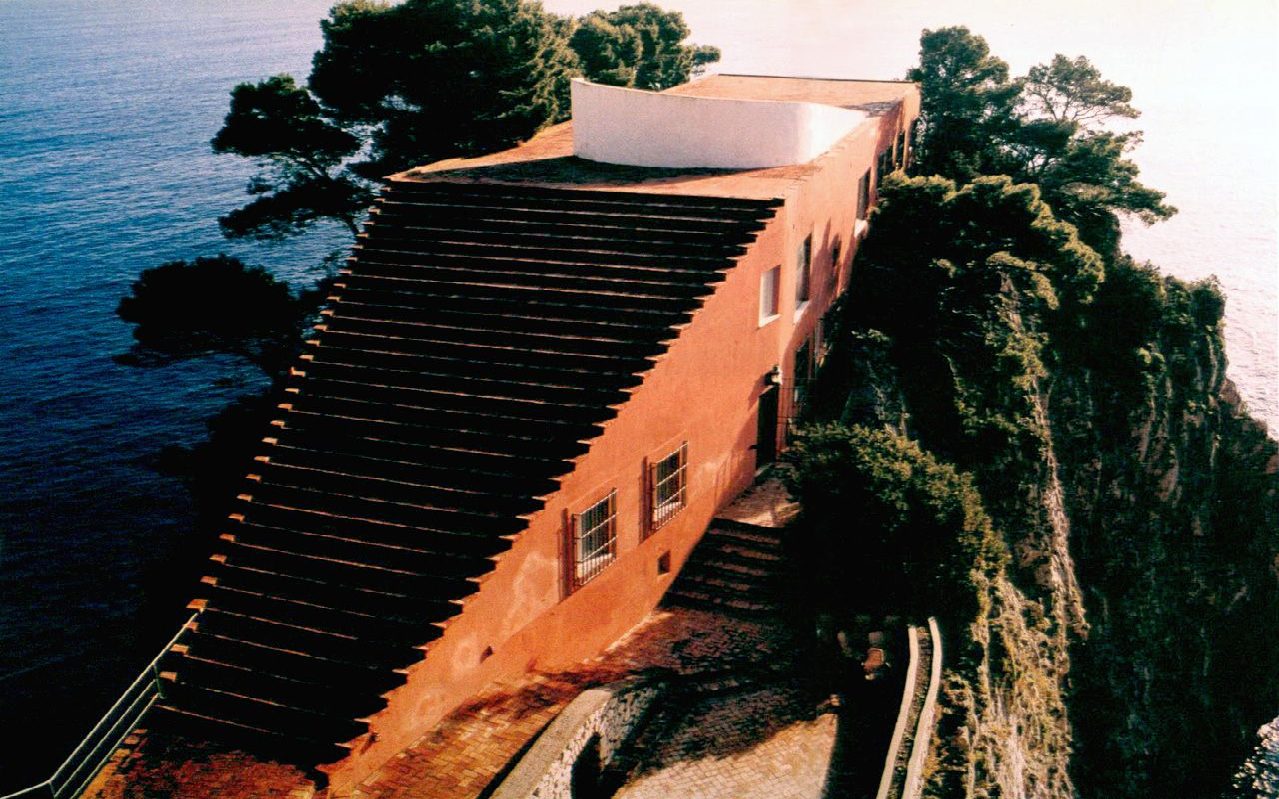 Casa Malaparte - Capri
Built in the 1930s on Capri by the celebrated writer Curzio Malaparte, this villa has always been a coveted spot for...Read more
-
 The Golden Ball Stolen from Maradona
Snatched in 1989 from the clutches of organised crime, its value is estimated to be between 12 and 15 million euros.Read more
-
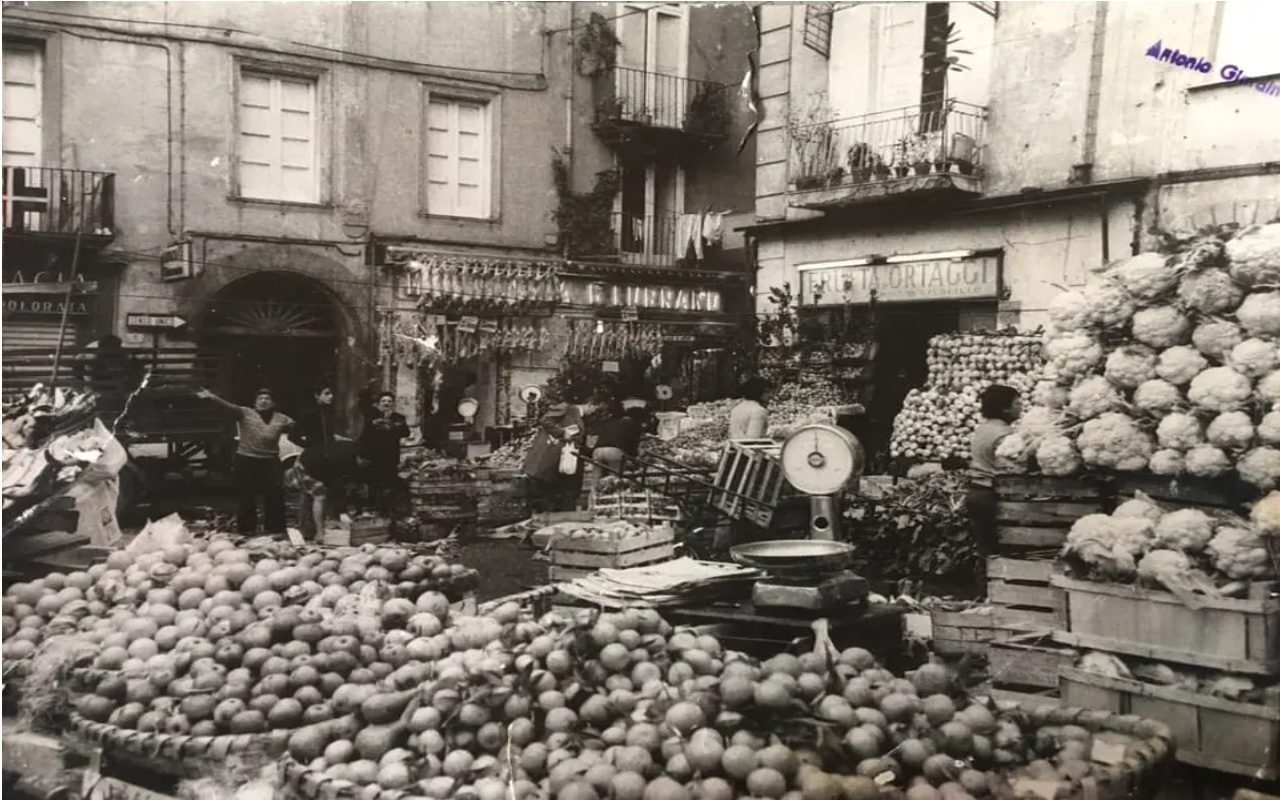 "Pignasecca" and its legend of the thieving magpies
The lively, bustling Naples district known as "Pignasecca" (dry pinecone) is a crowded, picturesque place that...Read more
-
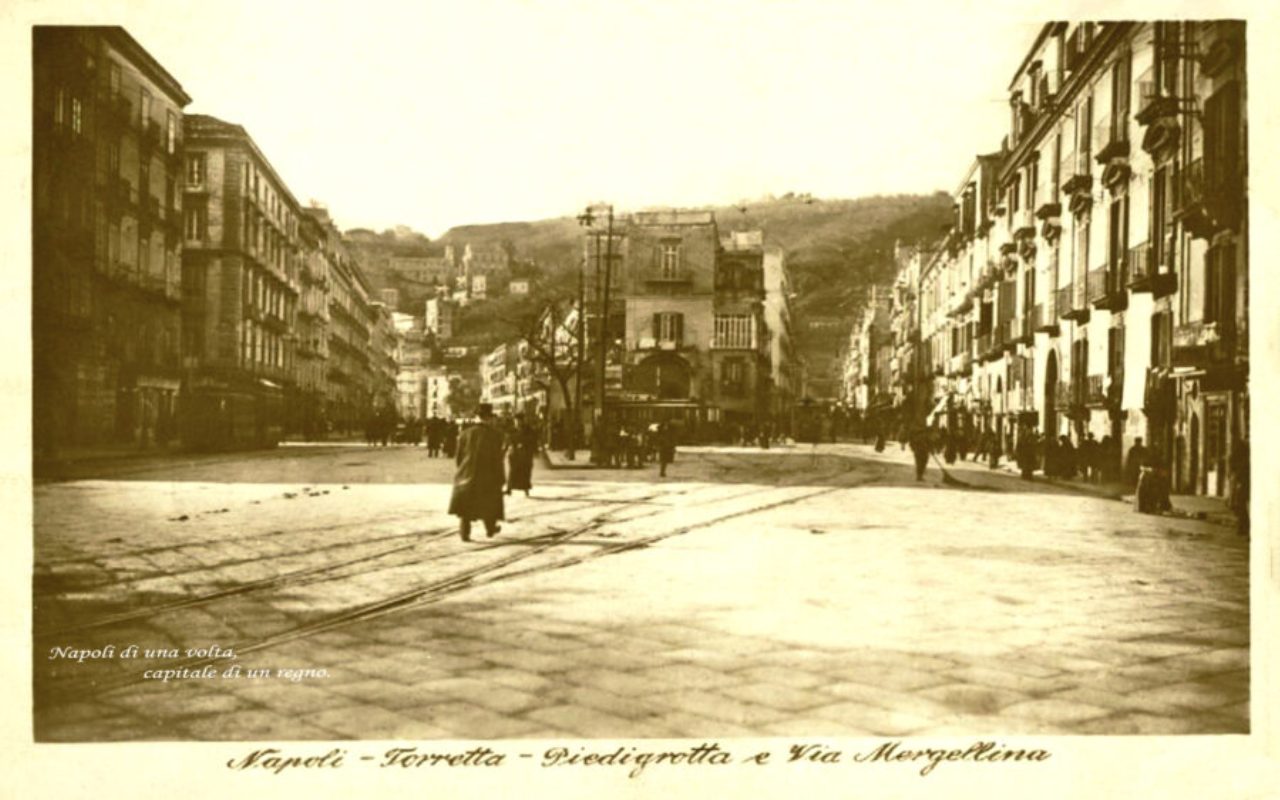 History of the Torretta di Mergellina: A Beacon of Safety
The Torretta was built in 1564 by order of the viceroy, the Duke of Alcalá, to serve as a lookout for maritime raids...Read more
Leave a comment