



In Naples, a graduation is never a private affair: it's a neighbourhood celebration. Here's how to choose an original...
Latest posts
-
 Original Neapolitan graduation gift: ideas for the graduate (him and her)Read more
-
 Asso 'e mazze: meaning and history of the Neapolitan ace of clubsRead more
The strongest card on the green table becomes, in Naples, the most elegant way to say who really calls the shots....
-
 Michelina Di Cesare, the brigantessa who defied a kingdomRead more
Born poor in Terra di Lavoro, Michelina Di Cesare chose the maquis and the rifle against a newly united Italy. A...
-
 Neapolitan Hoodies: The Autumn 2026 Style GuideRead more
When the air turns crisp, in Naples people don't just reach for a hoodie: they reach for a piece of identity. Here's...
-
 Maradona Stadium: City Council allocates €50 million for Euro 2032Read more
The City Council has allocated €50 million for the redevelopment of the Diego Armando Maradona stadium, ahead of...
-
 Pizza Maxima 2026: Franco Pepe Is Once Again Best Pizzeria in ItalyRead more
At the fifth edition of Pizza Maxima, the Oscars of Italian pizza, Franco Pepe confirms his title as Best Pizzeria in...
-
 ‘L’acqua è poca e ‘a papera nun galleggia’: what it meansRead more
When the means are few, so is the result. Let's discover the most realistic Neapolitan saying there is.
-
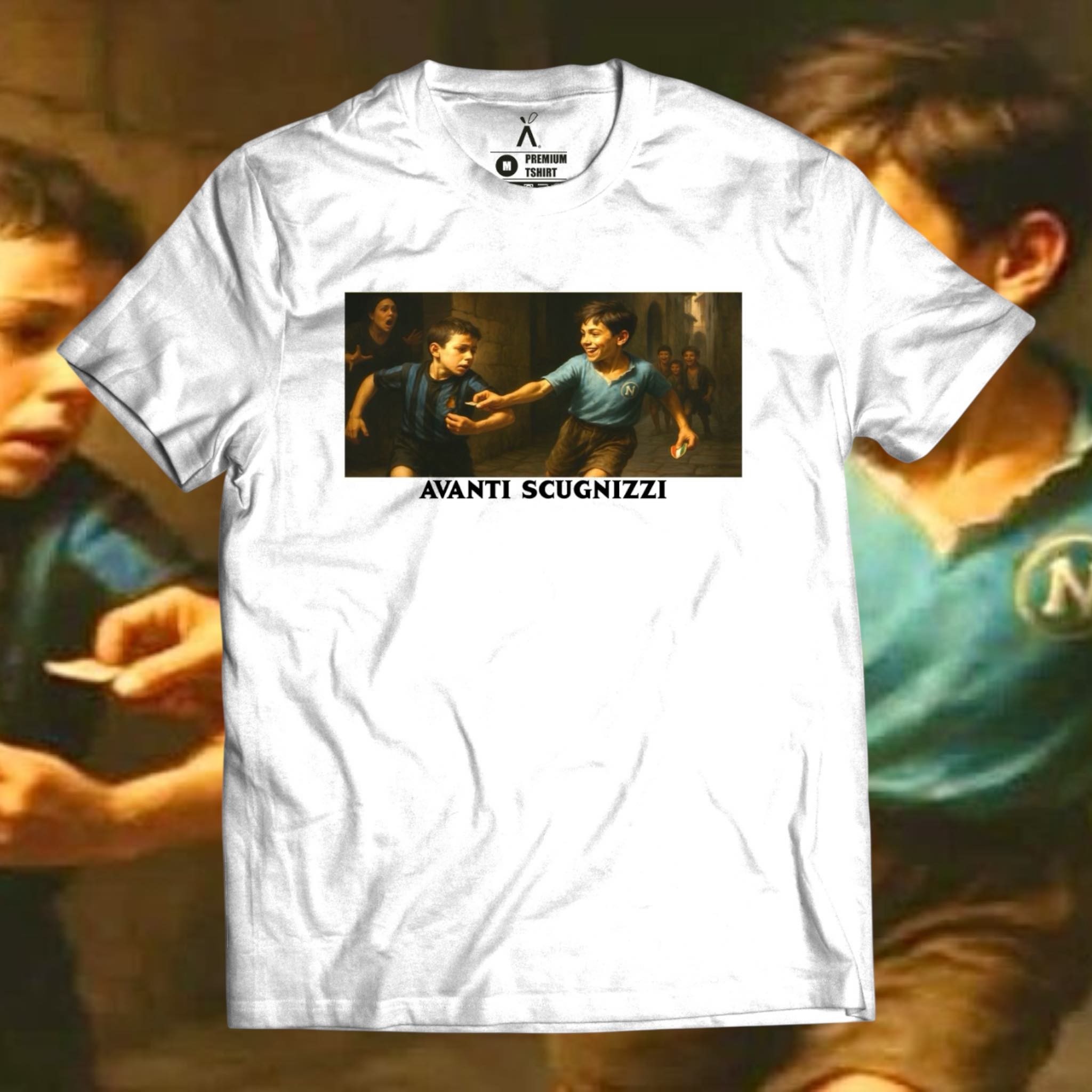 Avanti Scugnizzi: the story of the year's most loved T-shirtRead more
One word, ‘scugnizzo’ (Neapolitan street kid), and it holds the whole of Naples inside it. We tell you how the year's...
-
 'Chi chiagne fotte a chi ride': what it means and why it's truer than everRead more
At the market, at the counter, in the family: there's always someone who complains and gets more. It's the sharp...
-
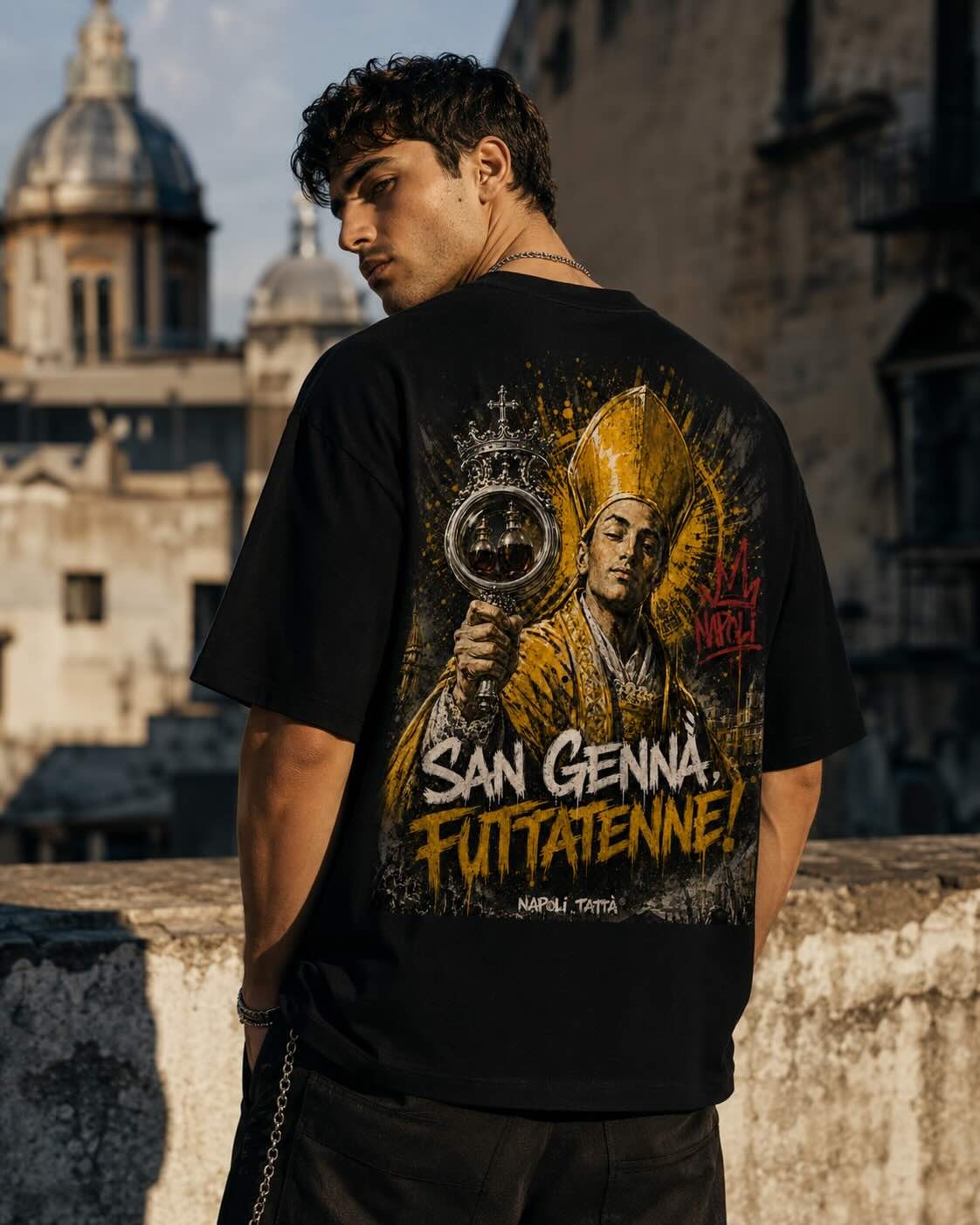 San Gennà, futtatenne! (Saint Januarius, don't worry about it!) San Gennaro, 19 September and the patron saint's t-shirtRead more
Who San Gennaro was, the miracle of the blood that liquefies, and the feast on 19 September. Plus that close,...
Blog categories
Search in blog
Archived posts
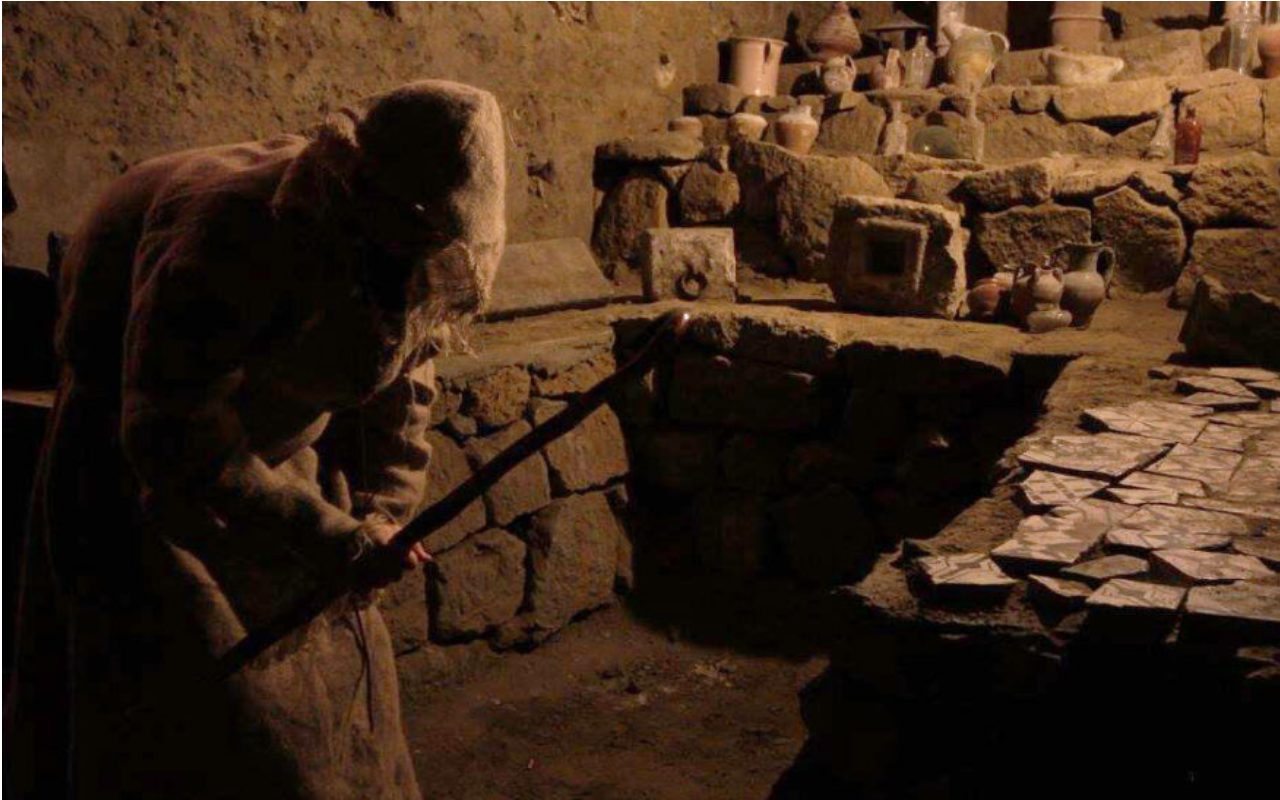
The Munaciello
His origins are shrouded in legend and superstition. It is said that the Munaciello was born in the 17th century when the holy monk of Saint Francis of Paola, who lived in Naples, suddenly vanished from the church.
The Munaciello (Neapolitan for “little monk”) is a legendary figure of Neapolitan folk tradition. He is a supernatural creature who appears in the form of a small old man, dressed in a tunic and hood, with a long beard and bare feet. In popular mythology, the Munaciello is known as a household spirit and a traditional trickster, capable of bringing good luck or bad luck.
His origins are shrouded in legend and superstition. It is said that the Munaciello was born in the 17th century when the holy monk of Saint Francis of Paola, who lived in Naples, suddenly vanished from the church. People believed that he had become trapped within the wall of the church and that his spirit remained there, becoming the Munaciello.
The Munaciello was later associated with the stories of saints such as San Gennaro and San Pasquale Baylon, whose cults were widely followed in Naples. The figure of the Munaciello has also often been linked to popular oral tradition and to the figure of the folk sprite, present throughout European culture.
The Munaciello is known for his pranks and his airs of grandeur. It is often said that the Munaciello can change shape, becoming a cat or even an inanimate object. People believe that the Munaciello can bring good fortune to a home, but can also cause misfortune if crossed. At times, however, the Munaciello can be quite irritable, especially when he feels neglected or when someone intrudes upon his home.
History also tells us that every house in the city of Naples could draw water from the cistern below through a well, to which the “pozzaro” (well-worker) had access — a class of freelance workmen who moved with great skill through these underground passages, walking along narrow tunnels and climbing up the wells thanks to footholds carved at more or less regular intervals.
These figures, true lords of underground Naples, had free access to every house through the wells, and gave rise to anecdotes and legends still alive in the Neapolitan imagination — such as that of the “monacielli”, benevolent or mischievous spirits who seemed to concern themselves more with the lady of the house than with the water network, using the underground passages they knew so well to appear and disappear, hidden beneath a work cloak that, in the half-light, resembled the habit of a monk.
Posted in:
History and legends
Related posts
-
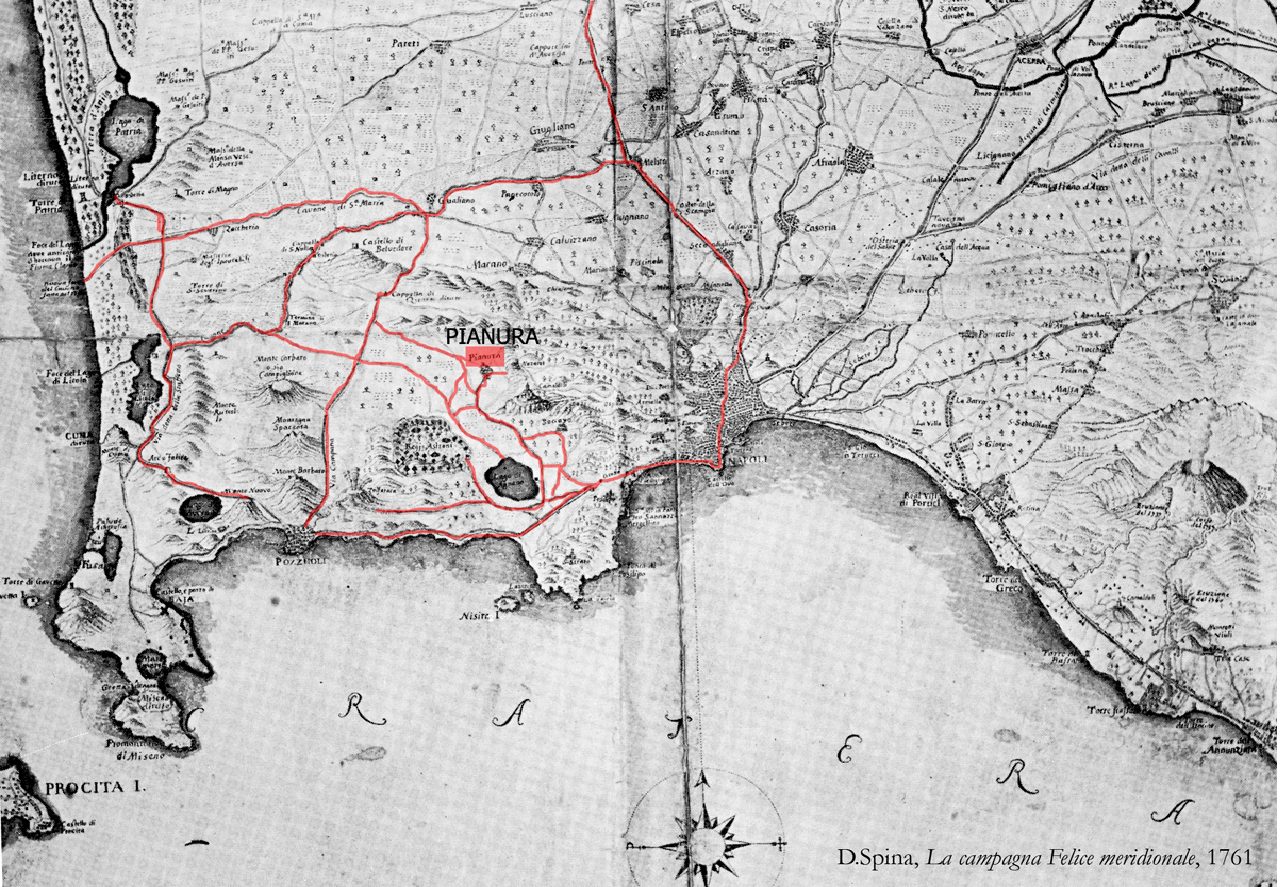 THE 36 CASALI OF NAPLES
This term identified the tiny clusters of farmhouses within the countryside surrounding Naples.Read more
-
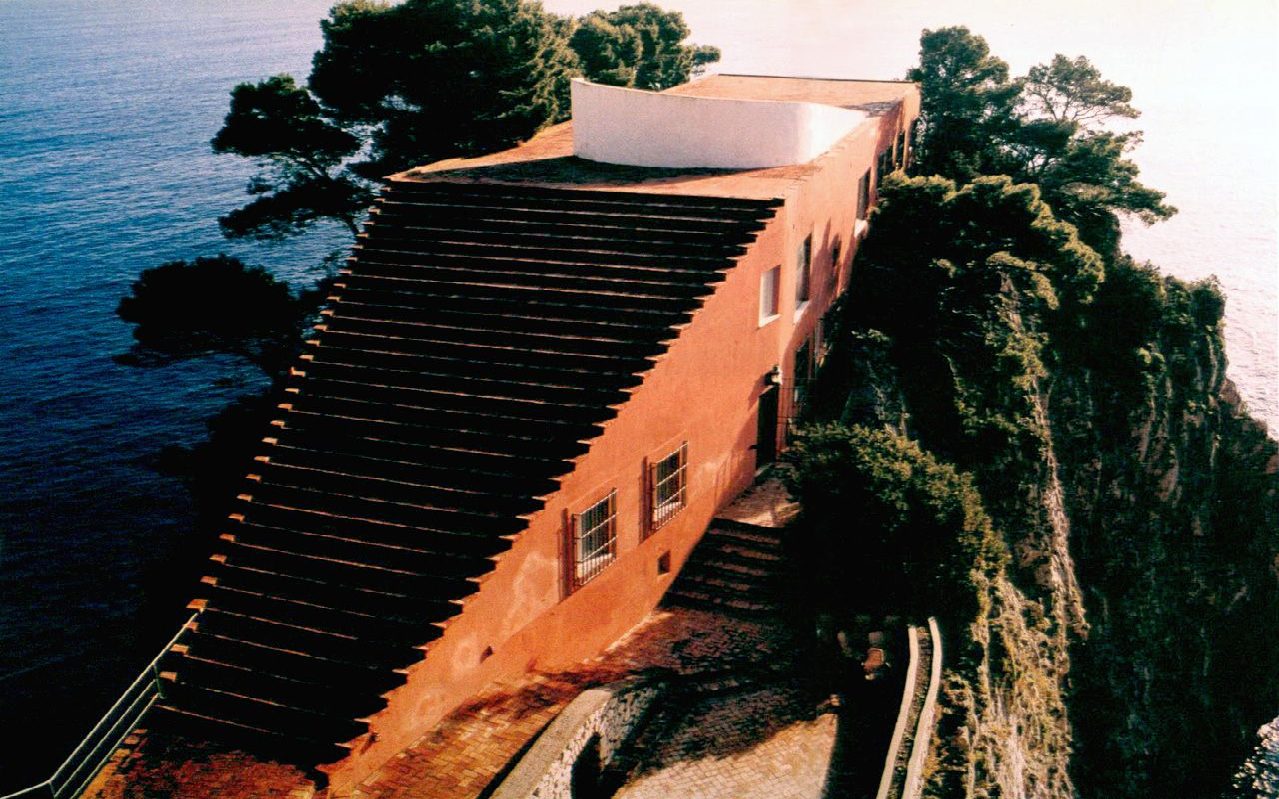 Casa Malaparte - Capri
Built in the 1930s on Capri by the celebrated writer Curzio Malaparte, this villa has always been a coveted spot for...Read more
-
 The Golden Ball Stolen from Maradona
Snatched in 1989 from the clutches of organised crime, its value is estimated to be between 12 and 15 million euros.Read more
-
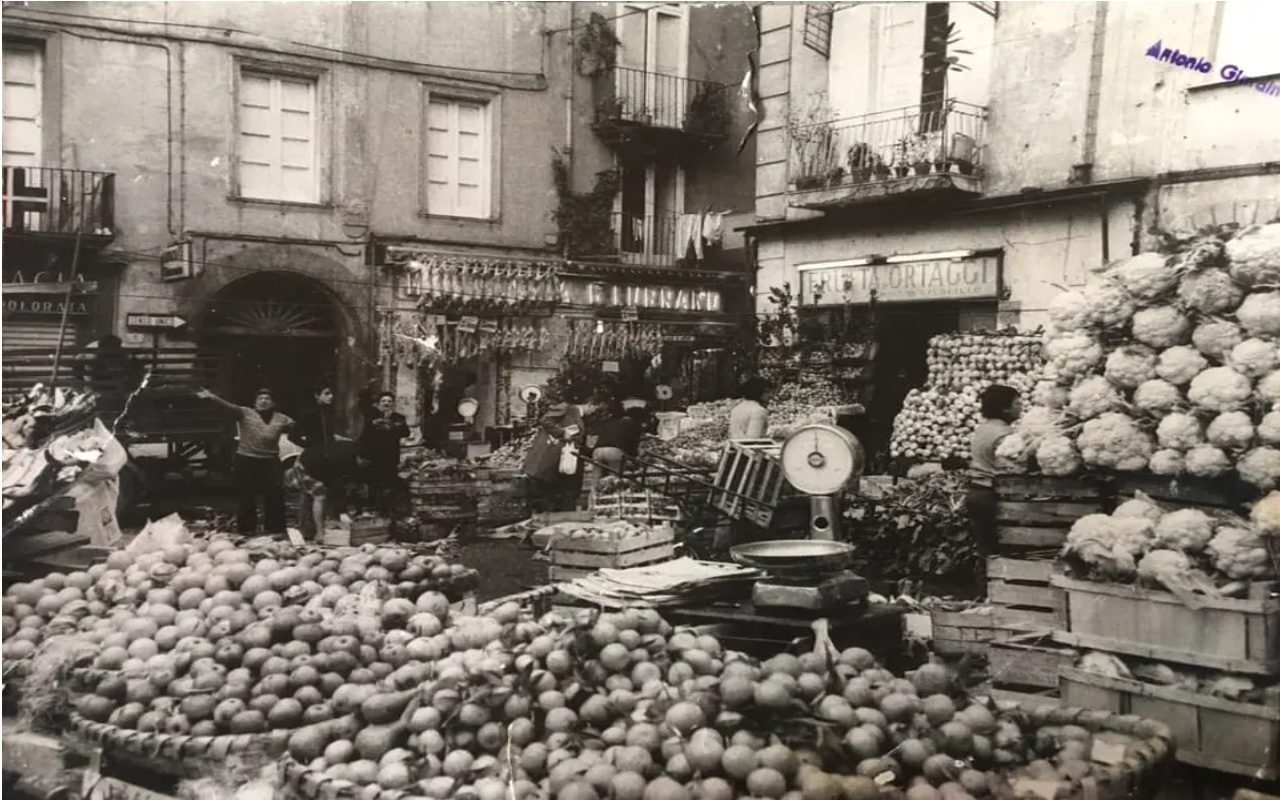 "Pignasecca" and its legend of the thieving magpies
The lively, bustling Naples district known as "Pignasecca" (dry pinecone) is a crowded, picturesque place that...Read more
-
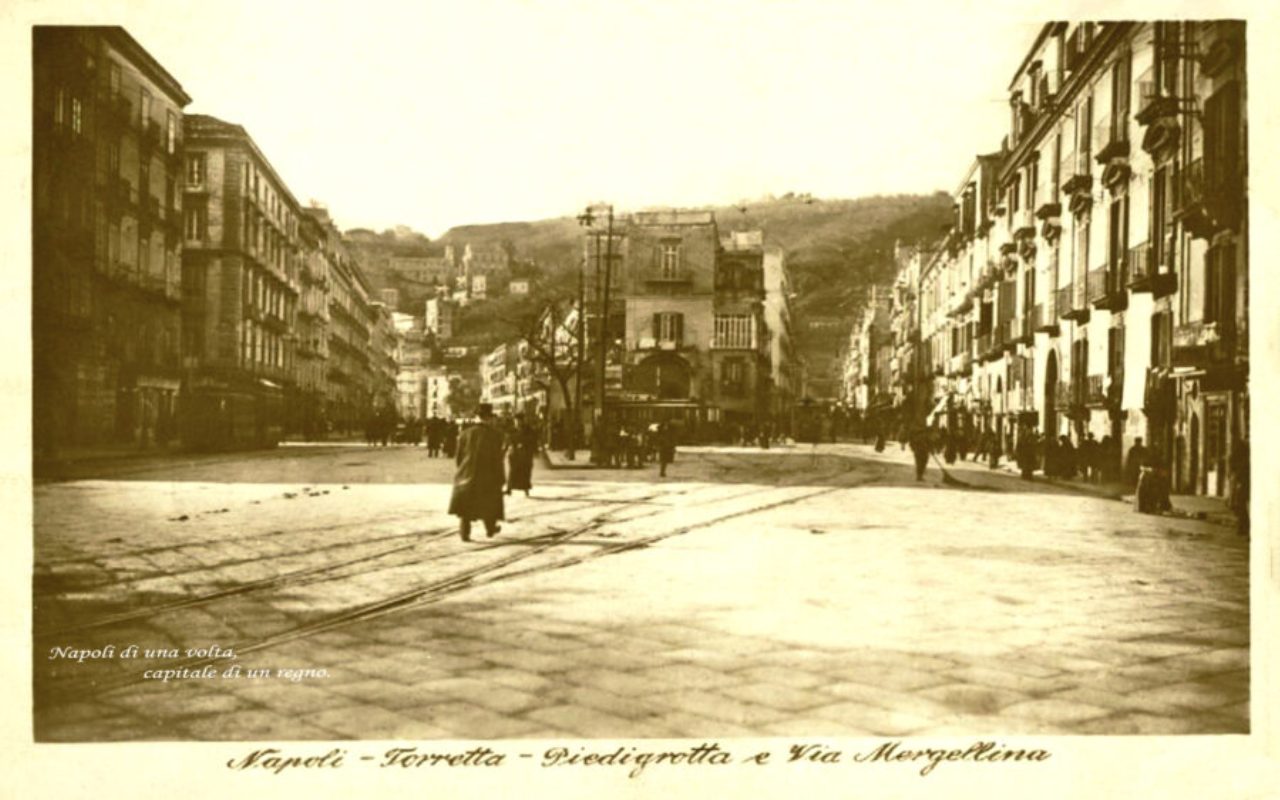 History of the Torretta di Mergellina: A Beacon of Safety
The Torretta was built in 1564 by order of the viceroy, the Duke of Alcalá, to serve as a lookout for maritime raids...Read more
Leave a comment