



In Naples, a graduation is never a private affair: it's a neighbourhood celebration. Here's how to choose an original...
Latest posts
-
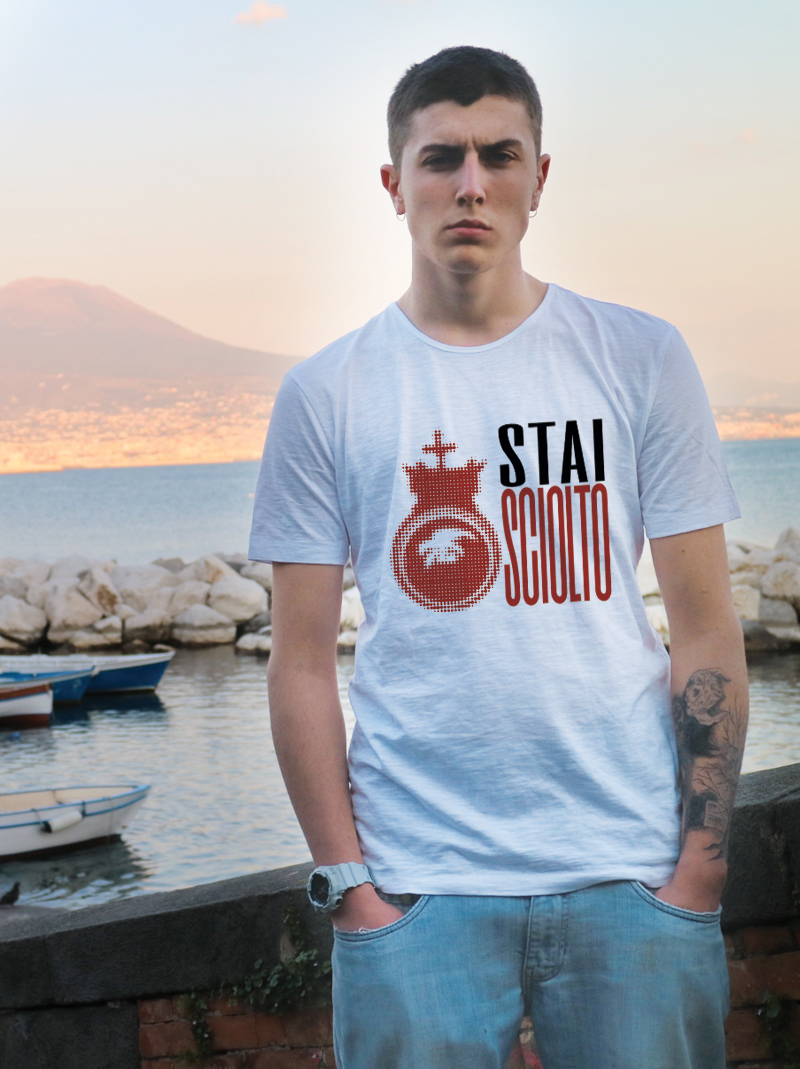 Original Neapolitan graduation gift: ideas for the graduate (him and her)Read more
-
 Asso 'e mazze: meaning and history of the Neapolitan ace of clubsRead more
The strongest card on the green table becomes, in Naples, the most elegant way to say who really calls the shots....
-
 Michelina Di Cesare, the brigantessa who defied a kingdomRead more
Born poor in Terra di Lavoro, Michelina Di Cesare chose the maquis and the rifle against a newly united Italy. A...
-
 Neapolitan Hoodies: The Autumn 2026 Style GuideRead more
When the air turns crisp, in Naples people don't just reach for a hoodie: they reach for a piece of identity. Here's...
-
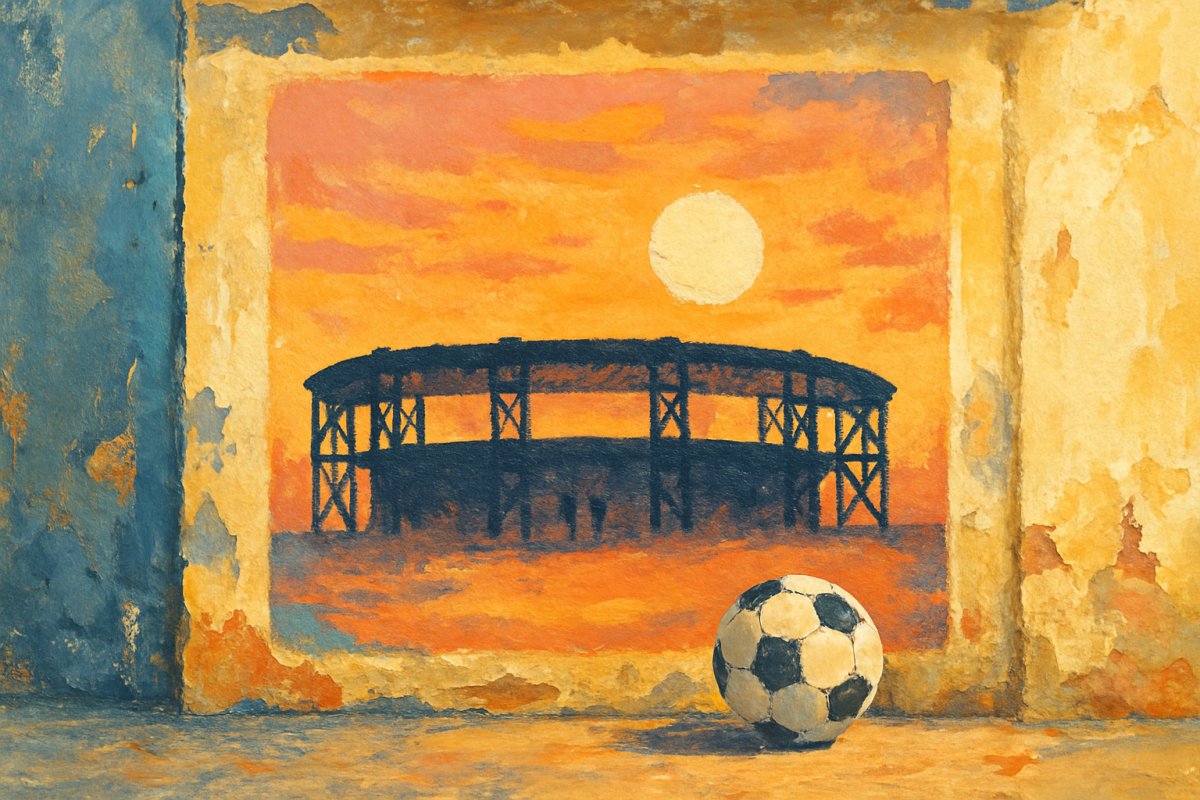 Maradona Stadium: City Council allocates €50 million for Euro 2032Read more
The City Council has allocated €50 million for the redevelopment of the Diego Armando Maradona stadium, ahead of...
-
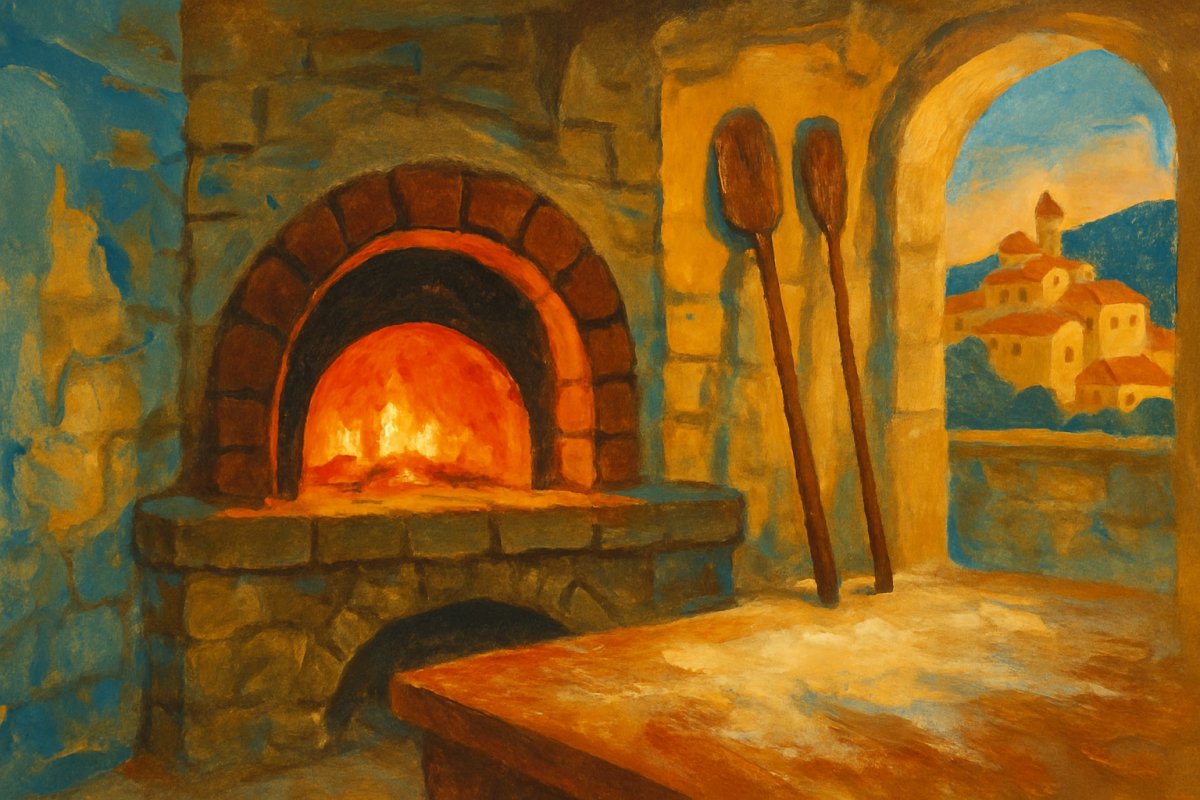 Pizza Maxima 2026: Franco Pepe Is Once Again Best Pizzeria in ItalyRead more
At the fifth edition of Pizza Maxima, the Oscars of Italian pizza, Franco Pepe confirms his title as Best Pizzeria in...
-
 ‘L’acqua è poca e ‘a papera nun galleggia’: what it meansRead more
When the means are few, so is the result. Let's discover the most realistic Neapolitan saying there is.
-
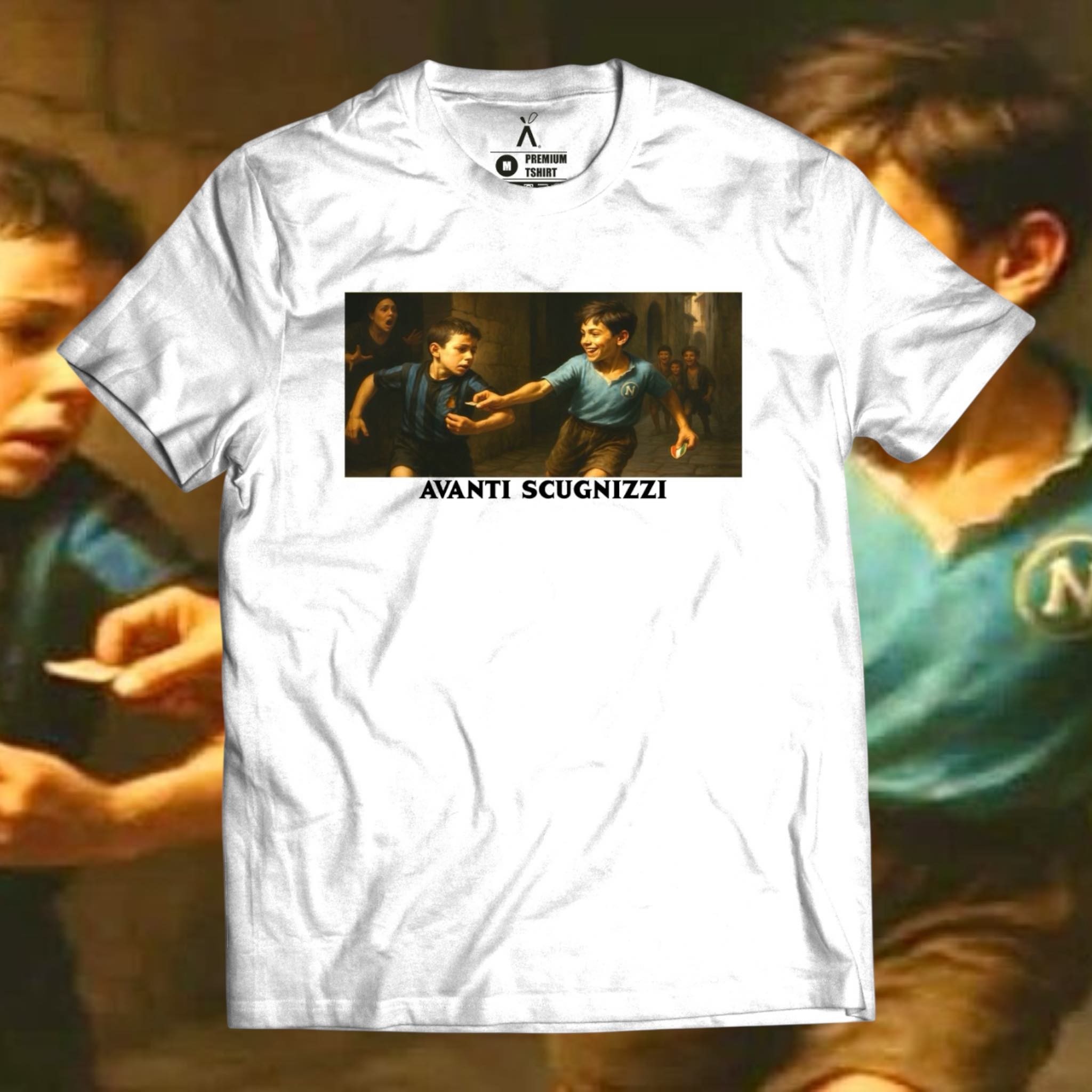 Avanti Scugnizzi: the story of the year's most loved T-shirtRead more
One word, ‘scugnizzo’ (Neapolitan street kid), and it holds the whole of Naples inside it. We tell you how the year's...
-
 'Chi chiagne fotte a chi ride': what it means and why it's truer than everRead more
At the market, at the counter, in the family: there's always someone who complains and gets more. It's the sharp...
-
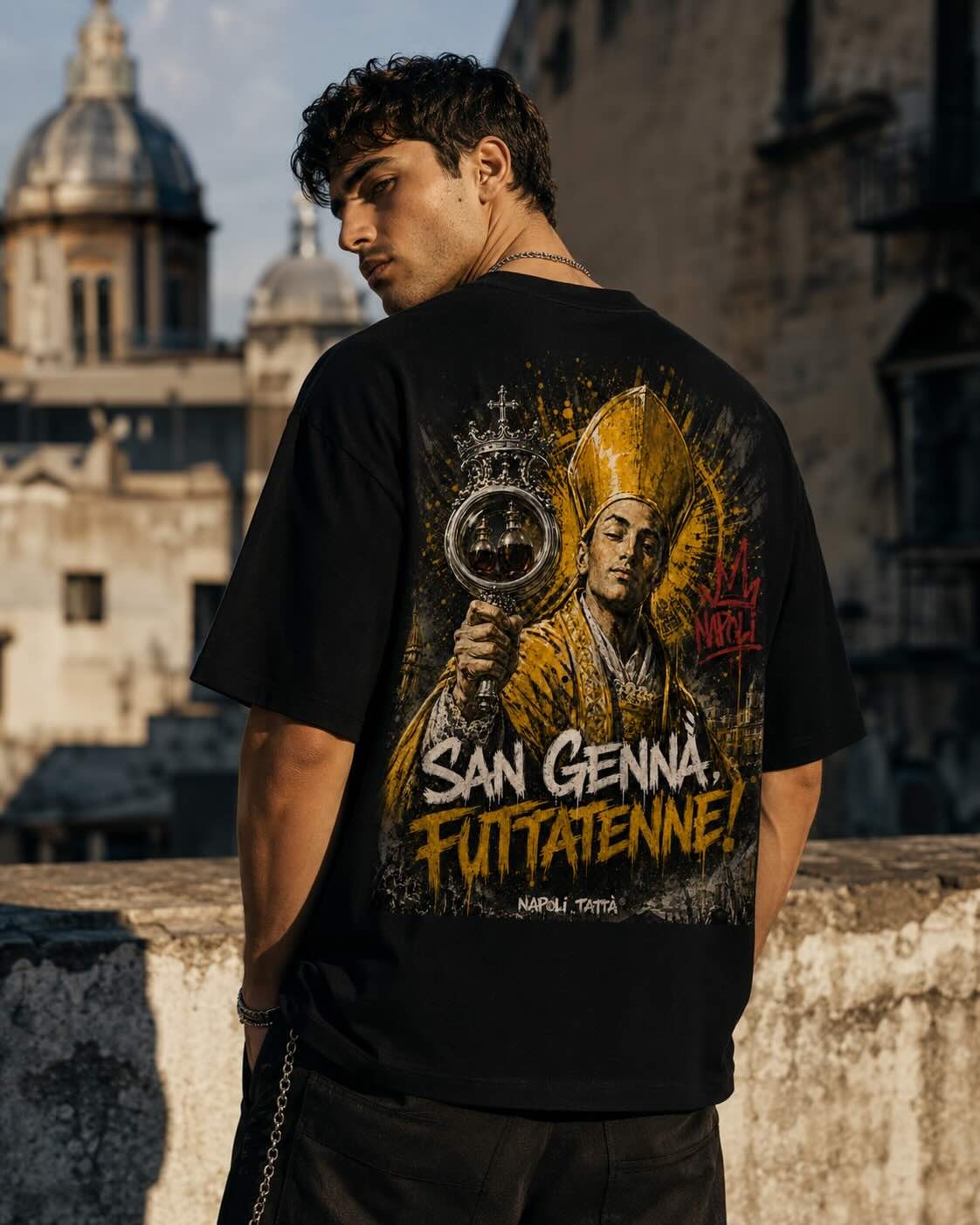 San Gennà, futtatenne! (Saint Januarius, don't worry about it!) San Gennaro, 19 September and the patron saint's t-shirtRead more
Who San Gennaro was, the miracle of the blood that liquefies, and the feast on 19 September. Plus that close,...
Blog categories
Search in blog
Archived posts
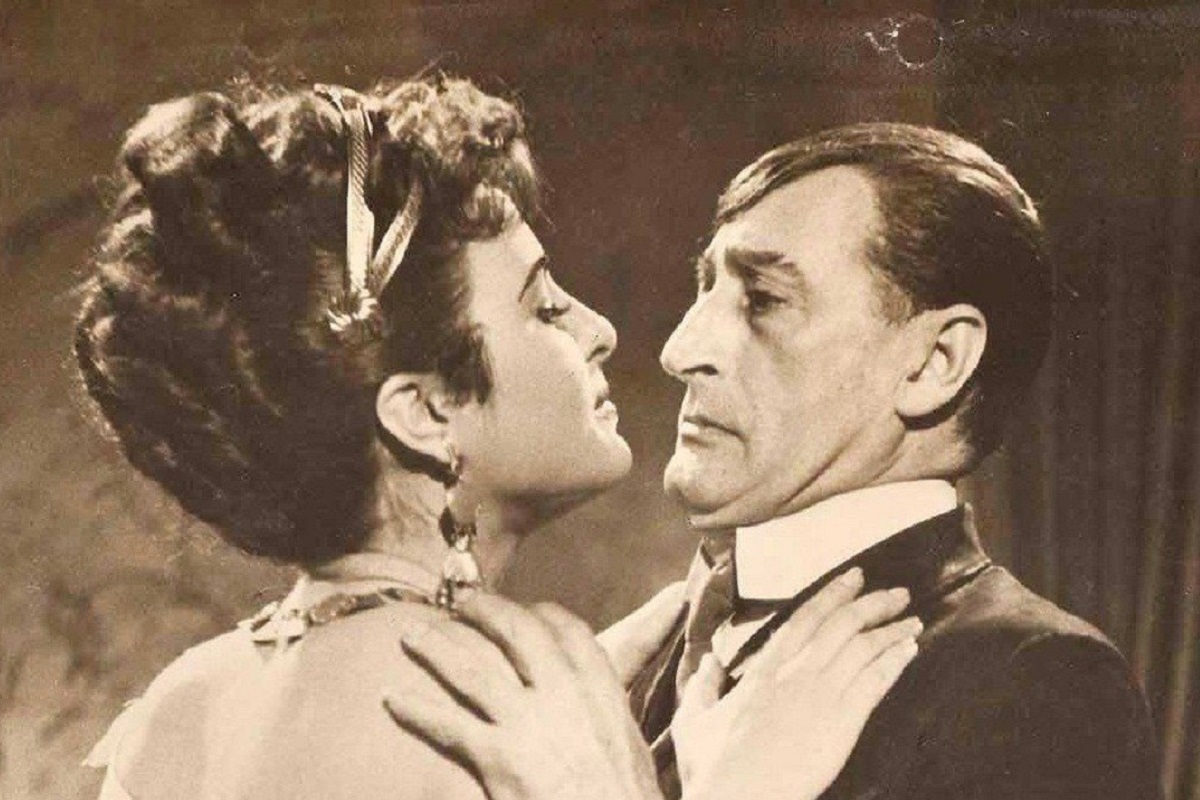
Malafemmena, Totò and the music
The song was first assigned to Mario Abate and later brought to success by Giacomo Rondinella. It also inspired the films “Totò, Peppino e la Malafemmena” (Totò, Peppino and the Malafemmena), where it is sung by Teddy Reno, and “Malafemmena”, where it is instead reinterpreted by Nunzio Gallo.
by Alessia Giannino
The Neapolitan song "Malafemmena" (Wicked woman) was written, in 1951, by Totò, for the Piedigrotta song competition "La Canzonetta 1951".
The first verses were written in Formia, where the actor was filming one of his many films, and the first person to read them was his driver, who didn't like them at all, probably because he couldn't grasp the depth and suffering embedded in those words. The song was first assigned to Mario Abate and later brought to success by Giacomo Rondinella. It also inspired the films “Totò, Peppino e la Malafemmena” (Totò, Peppino and the Malafemmena), where it is sung by Teddy Reno, and “Malafemmena” (Wicked woman), where it is instead reinterpreted by Nunzio Gallo.
Trivia and history
The piece, of course written in Neapolitan, speaks of an unrequited love for a malafemmina (wicked woman), who treats her smitten man with cruelty and coldness. For a long time it was believed that the woman who inspired it was Silvia Pampanini, whom Totò had met on the set of “47 morto che parla” (47, the Dead Man Speaks), and who had turned down his marriage proposal; only later, thanks to Liliana De Curtis, the artist's daughter, was it discovered that the song was actually dedicated to Diana Bandini Lucchesini Rogliani, the actor's wife. Confirming this is the dedication attached to the song's lyrics, deposited by Totò with SIAE (the Italian copyright society). It seems Diana had broken a promise: although separated, the couple were supposed to live in the same house and sleep in the same bed until their daughter's eighteenth birthday, but the woman, tired of her husband's continual infidelity, is said to have left him to marry the lawyer Michele Tufaroli. The actor, feeling betrayed, poured his heartache into the notes and words of this song. To this day, it is considered one of Totò's greatest successes and continues to be reinterpreted by countless singers.
Posted in:
Neapolitan songs
Related posts
-
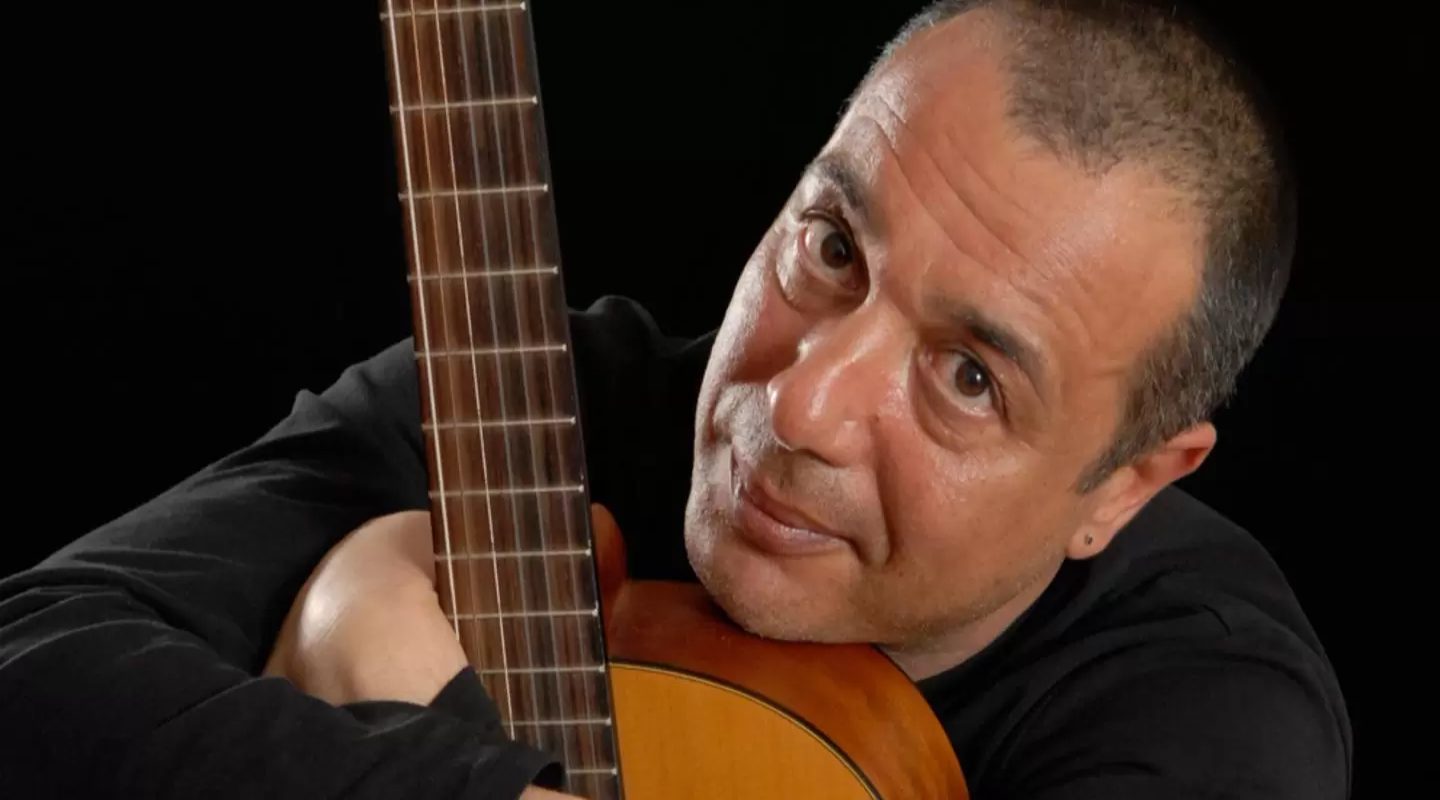 Federico Salvatore, Poet of Neapolitan Music
Every word, every verse he wrote and sang was the fruit of deep reflection, shaped by popular culture and great...Read more
-
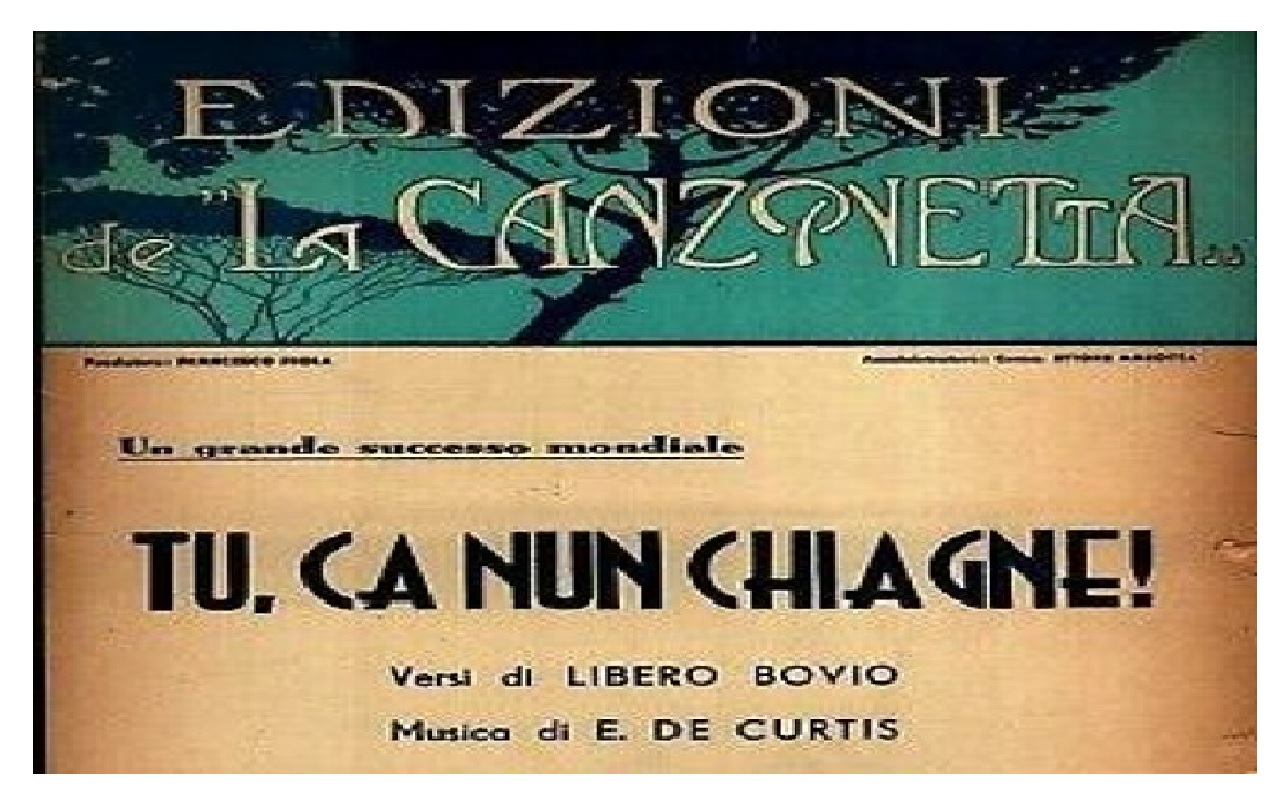 Tu ca nun chiagne (You who don't cry)
The song, translated literally as "Tu ca nun chiagne" (You who don't cry), captures the heart-wrenching despair of a...Read more
-
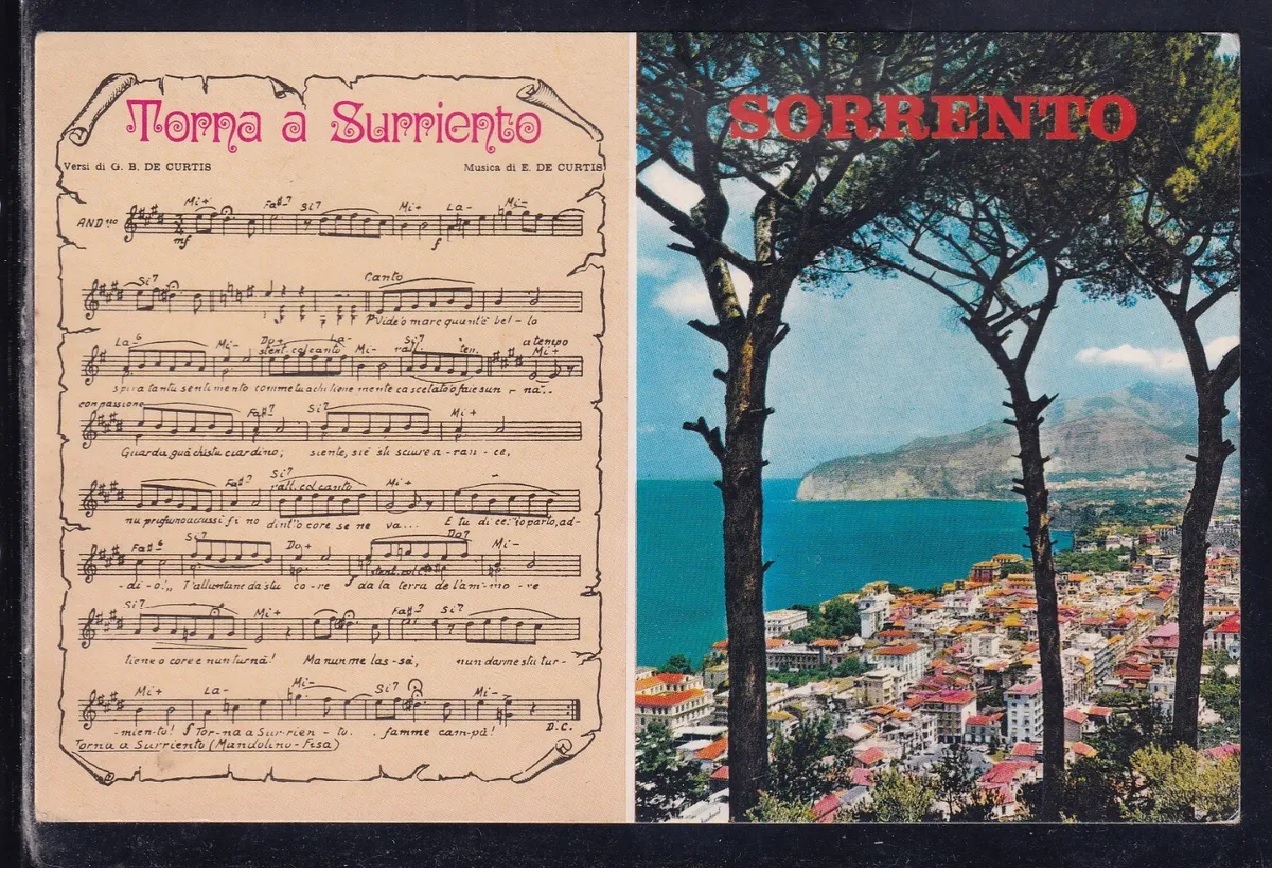 Torna a Surriento
The song, composed by Ernesto De Curtis with lyrics by his brother Giambattista De Curtis back in 1902, was an...Read more
-
 Tammurriata Nera
The song Tammurriata Nera is an anthem to resistance and to the fight against social injustice. Its story is rooted...Read more
-
 'E Spingule francese
The lyrics of 'E Spingule Francese' (‘The French Pins’) reflect the aching nostalgia of a lost love. The song tells...Read more
Leave a comment