



In Naples, a graduation is never a private affair: it's a neighbourhood celebration. Here's how to choose an original...
I must, you must… it's undoubtedly one of the trickiest things to write correctly in the Neapolitan language.
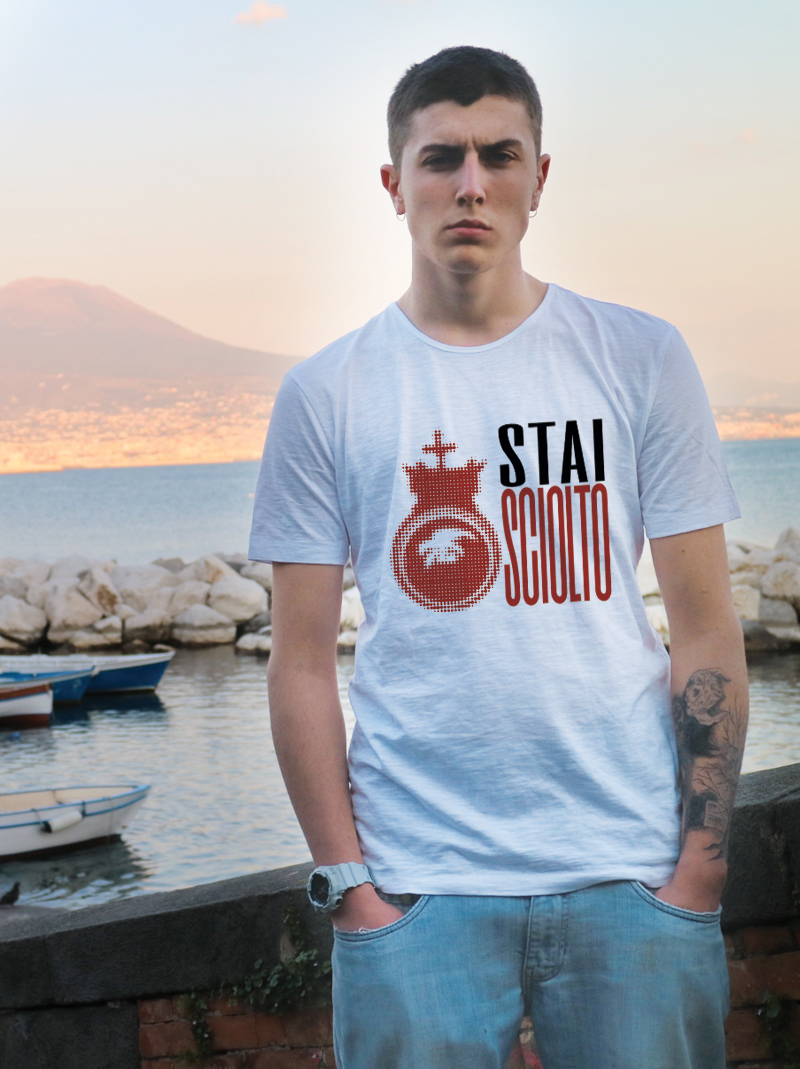
In Naples, a graduation is never a private affair: it's a neighbourhood celebration. Here's how to choose an original...
The strongest card on the green table becomes, in Naples, the most elegant way to say who really calls the shots....
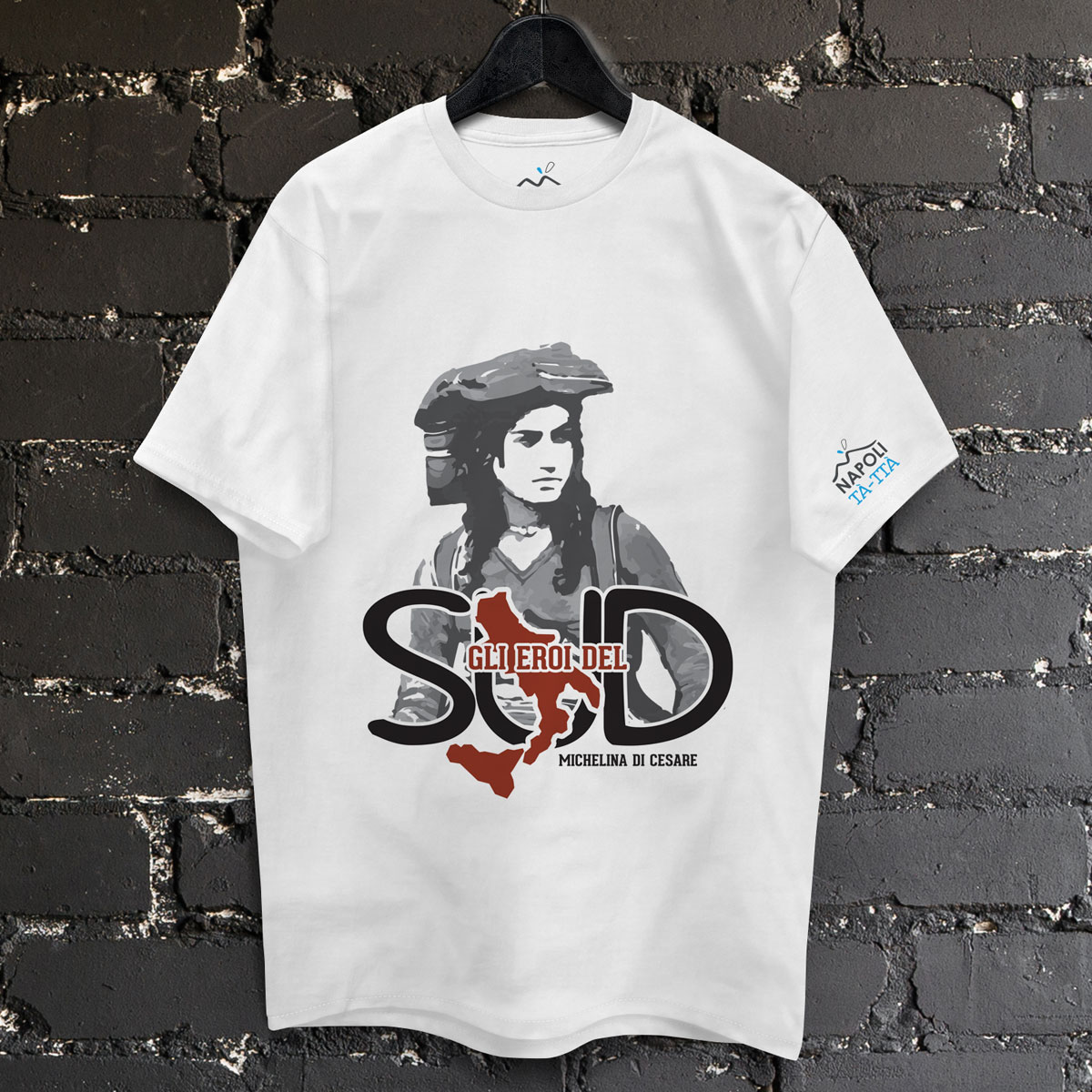
Born poor in Terra di Lavoro, Michelina Di Cesare chose the maquis and the rifle against a newly united Italy. A...
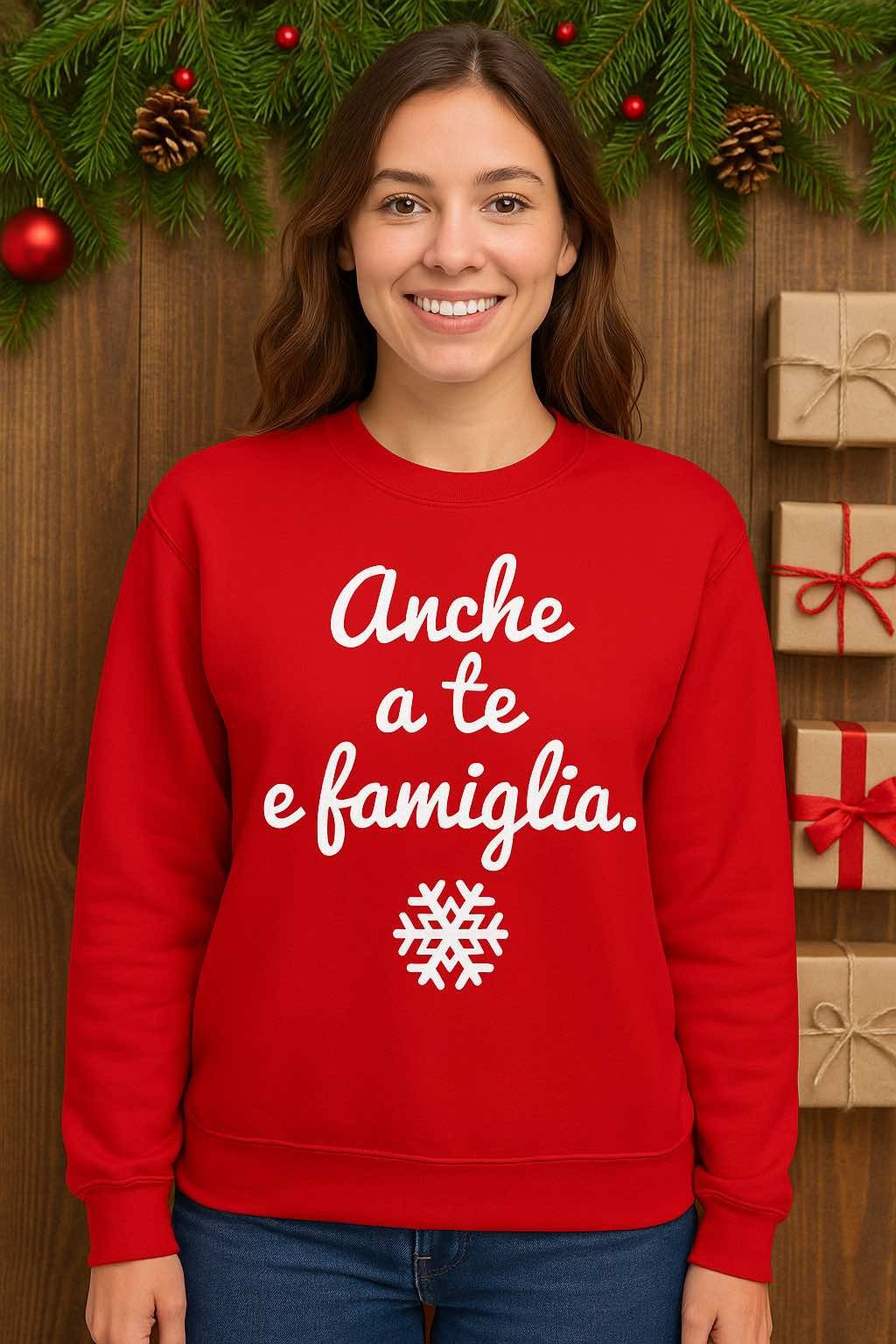
When the air turns crisp, in Naples people don't just reach for a hoodie: they reach for a piece of identity. Here's...
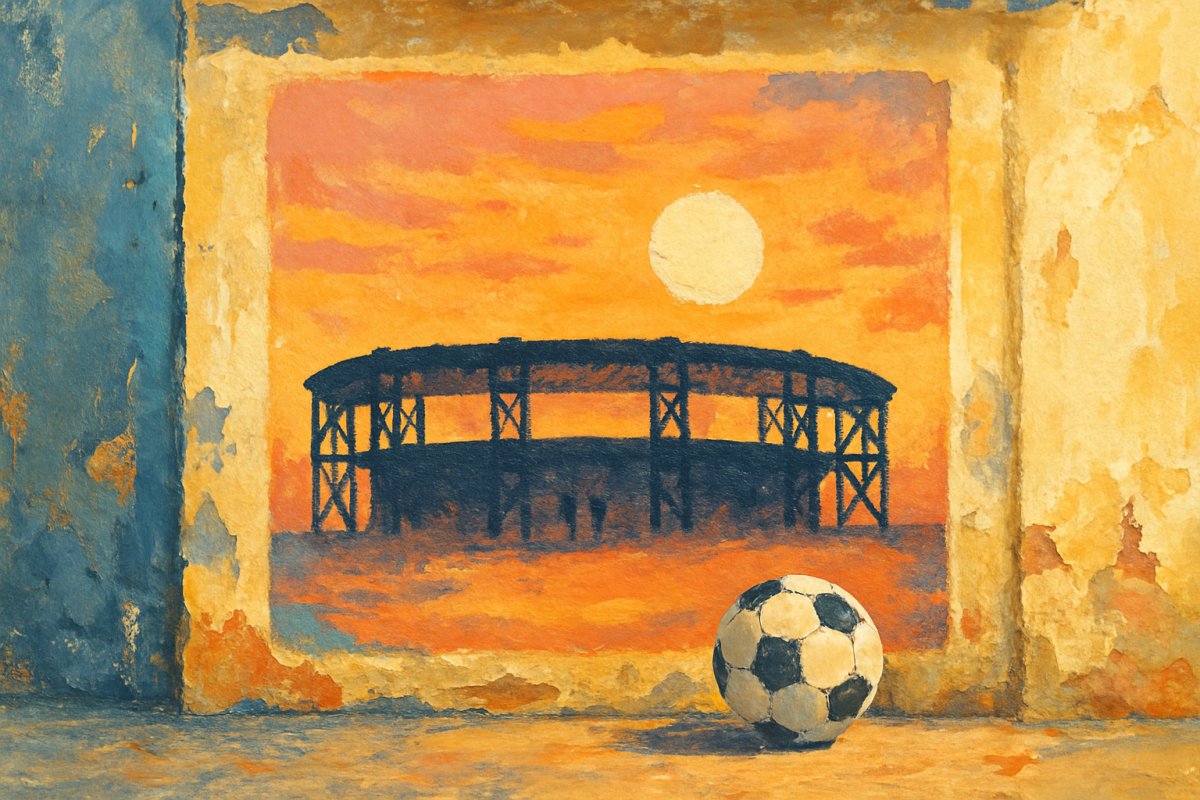
The City Council has allocated €50 million for the redevelopment of the Diego Armando Maradona stadium, ahead of...
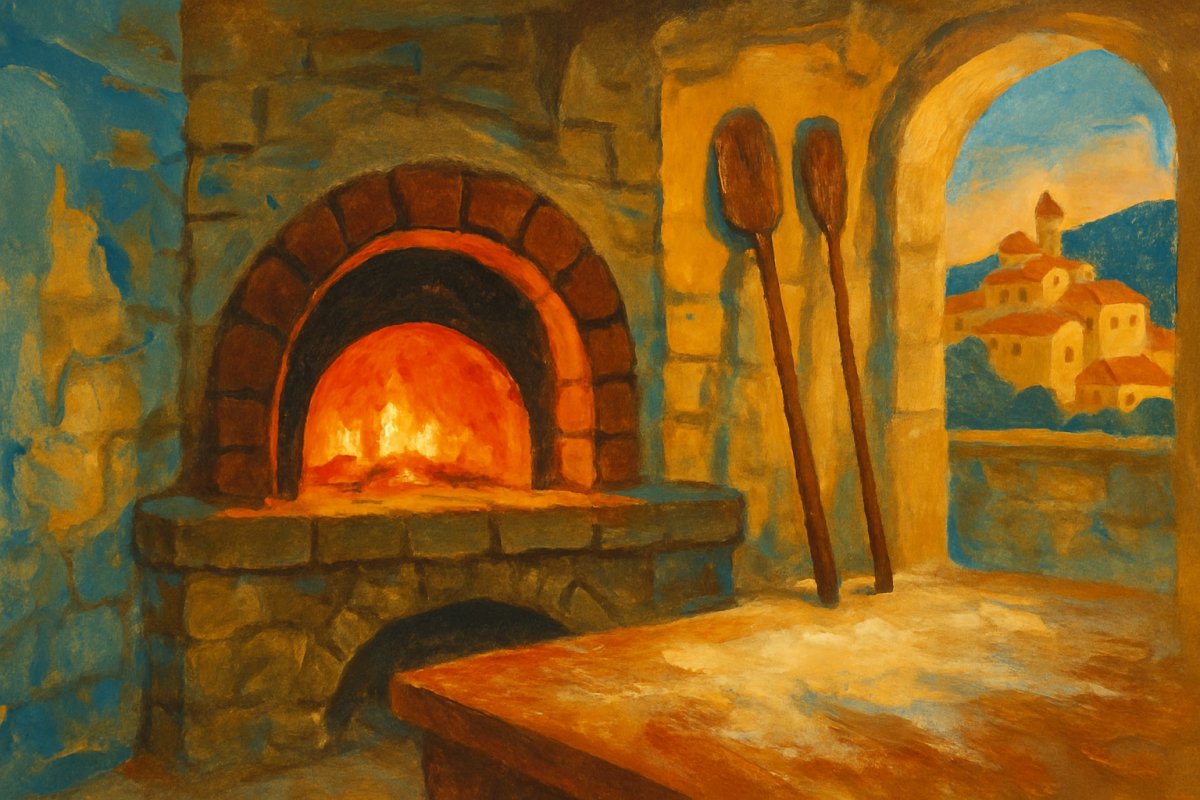
At the fifth edition of Pizza Maxima, the Oscars of Italian pizza, Franco Pepe confirms his title as Best Pizzeria in...
When the means are few, so is the result. Let's discover the most realistic Neapolitan saying there is.
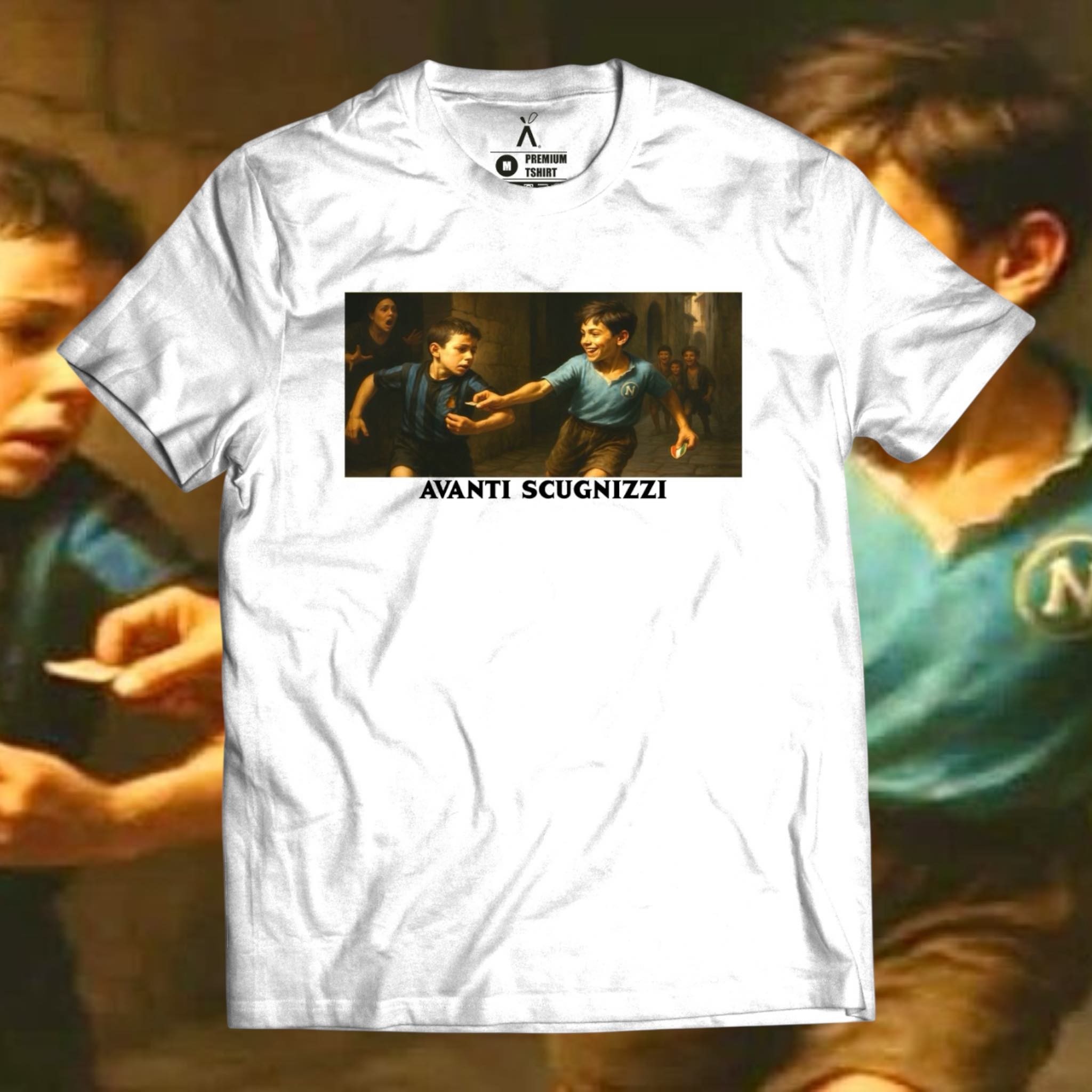
One word, ‘scugnizzo’ (Neapolitan street kid), and it holds the whole of Naples inside it. We tell you how the year's...
At the market, at the counter, in the family: there's always someone who complains and gets more. It's the sharp...
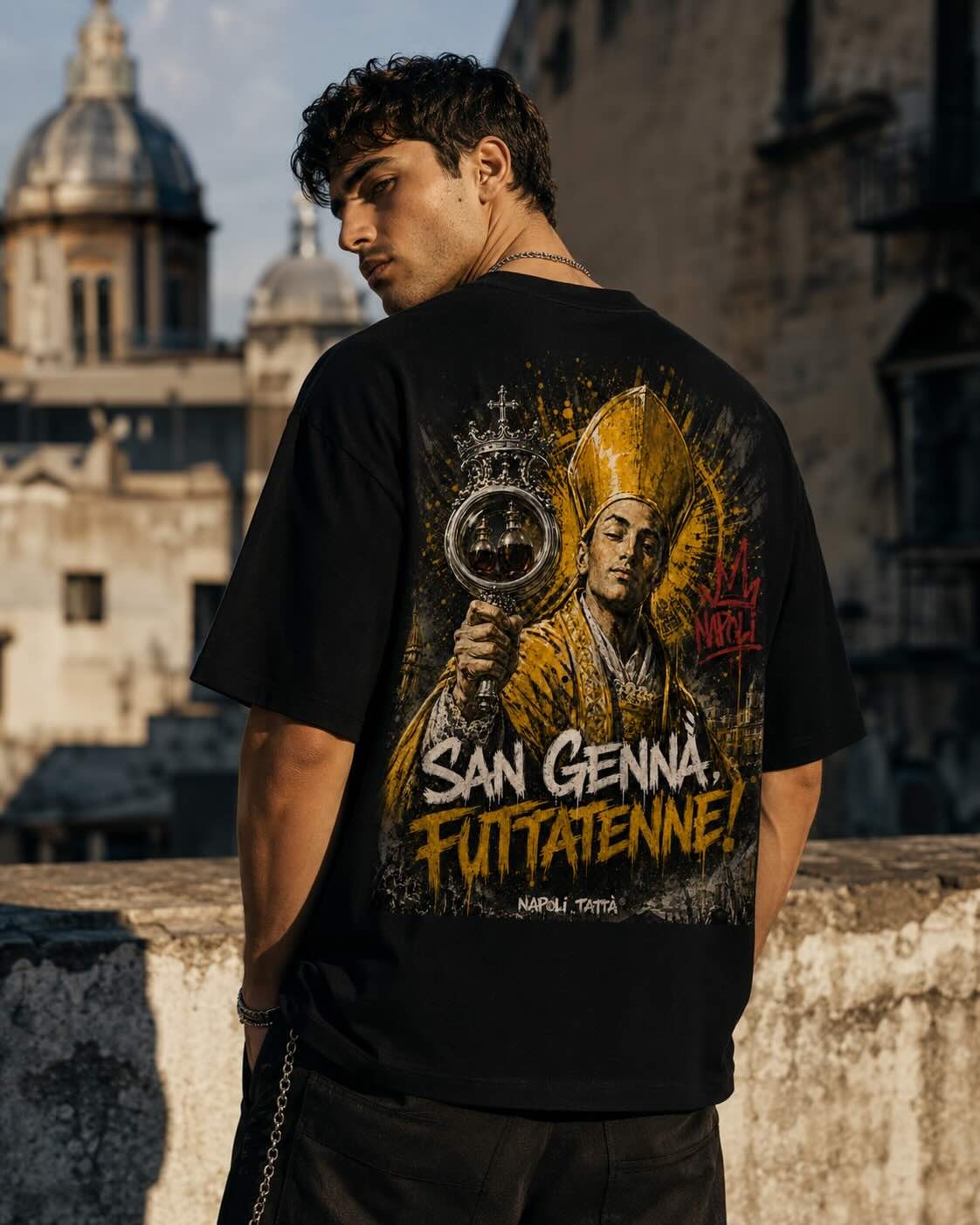
Who San Gennaro was, the miracle of the blood that liquefies, and the feast on 19 September. Plus that close,...
Language, proverbs, songs, legends and faith: the Neapolitan cultural heritage that inspires everything we do.

I must, you must… it's undoubtedly one of the trickiest things to write correctly in the Neapolitan language.

In Naples, where sacred and profane traditions intertwine, there is a custom that blends pagan elements with Christian devotion. Infertile women and girls looking for a husband used to kiss a fish kept in a basket, symbolising the fish of Saint Raphael.

But why is this Virgin so beloved by the Neapolitan people? What wonders does she reveal to us? To find out, we need to take a leap into the past.
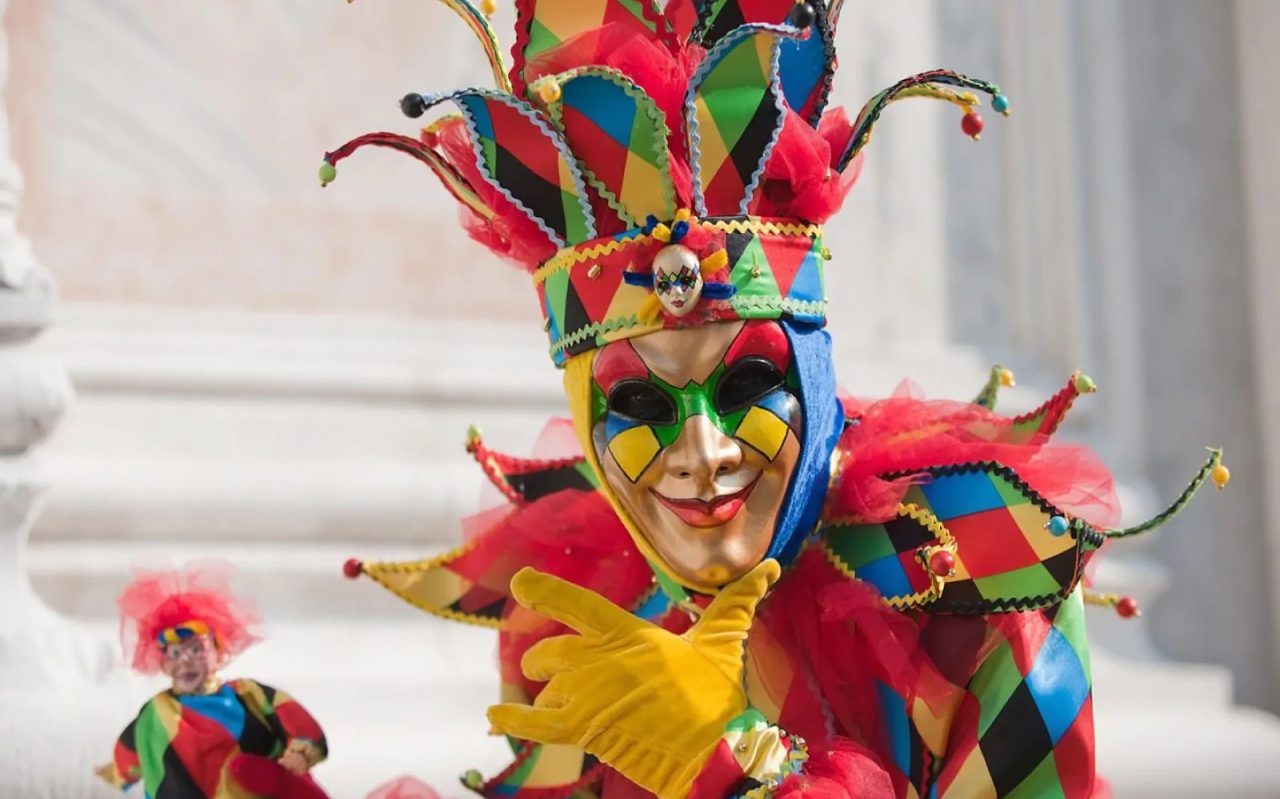
This cultural phenomenon has roots in classical tradition, but in Napoli it has been interpreted in light of the moods and typical character of the Neapolitan people.
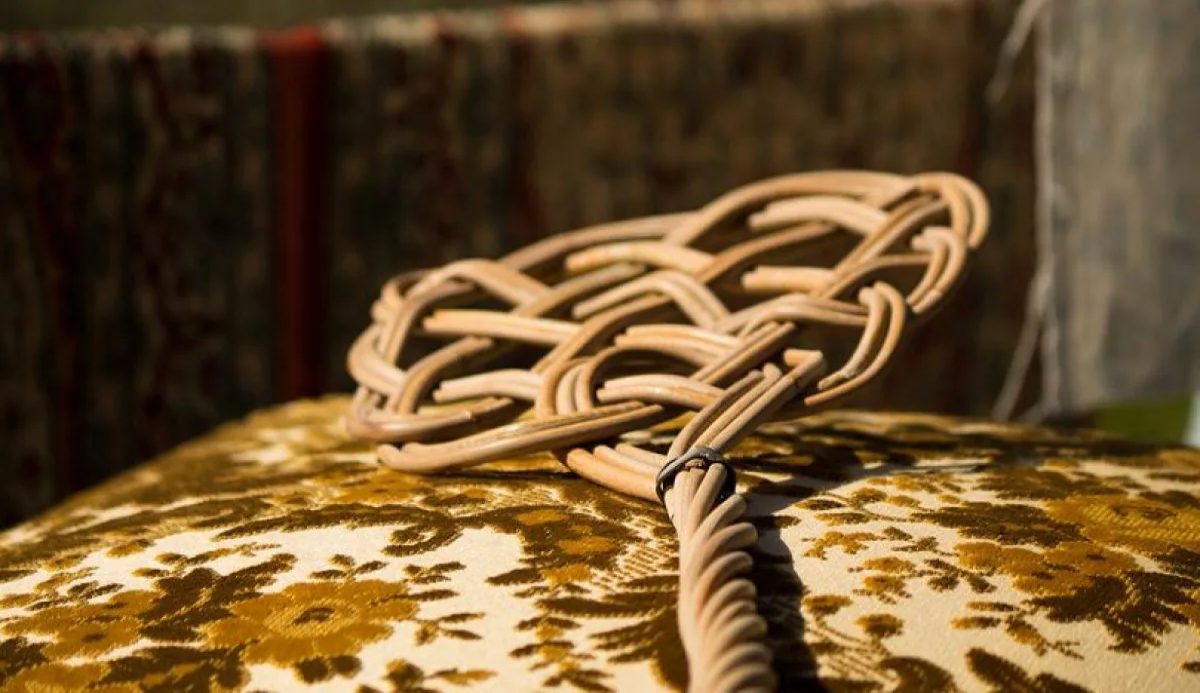
The Neapolitan proverb "panell' senza mazz fann e' figl pazz" (bread rolls without the stick make for spoilt children) has been passed down through generations. This message is well known to many people, not only within Italy's borders, and, surprisingly, has very ancient origins, dating back to the Old Testament. This shows how proverbs are keepers of wisdom passed down from generation to generation.

A famous proverb says "paese che vai, usanza che trovi" (when in a new place, follow its customs): in the case of Italy, we could adapt it to "region che vai, usanza che trovi", especially where Christmas traditions are concerned(...)
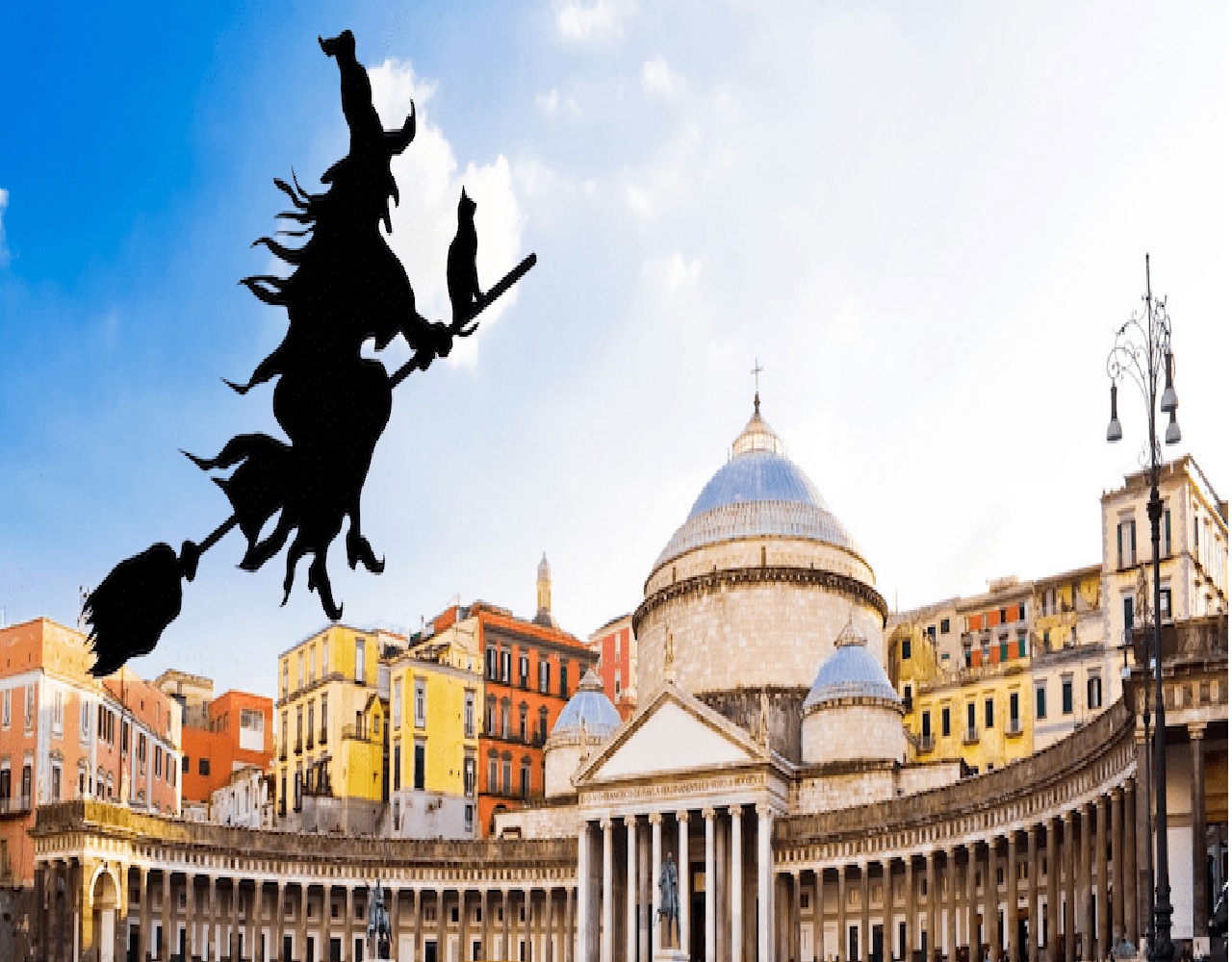
In Naples, the day of the Befana is deeply felt: the city dresses up for the arrival of the famous old woman who, on the night between the 5th and 6th of January, fills the stockings of the well-behaved with sweets and treats... leaving, for the naughtier and more capricious ones, only coal and onions.
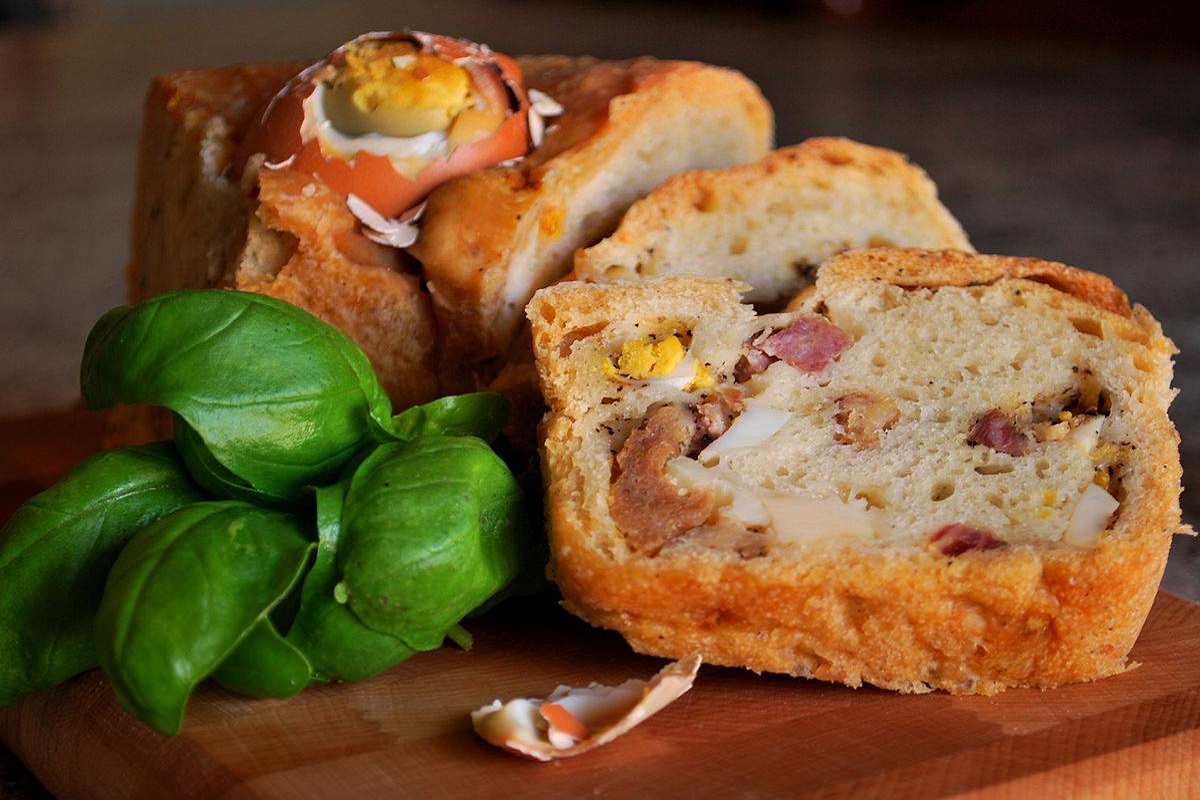
“Natale con i tuoi, Pasqua con chi vuoi” (Christmas with your family, Easter with whoever you like) says the proverb – though in Naples this simply doesn't hold true. Easter, in fact, like any self-respecting festivity, is marked by historic rites and traditions, and must be spent strictly with the family.
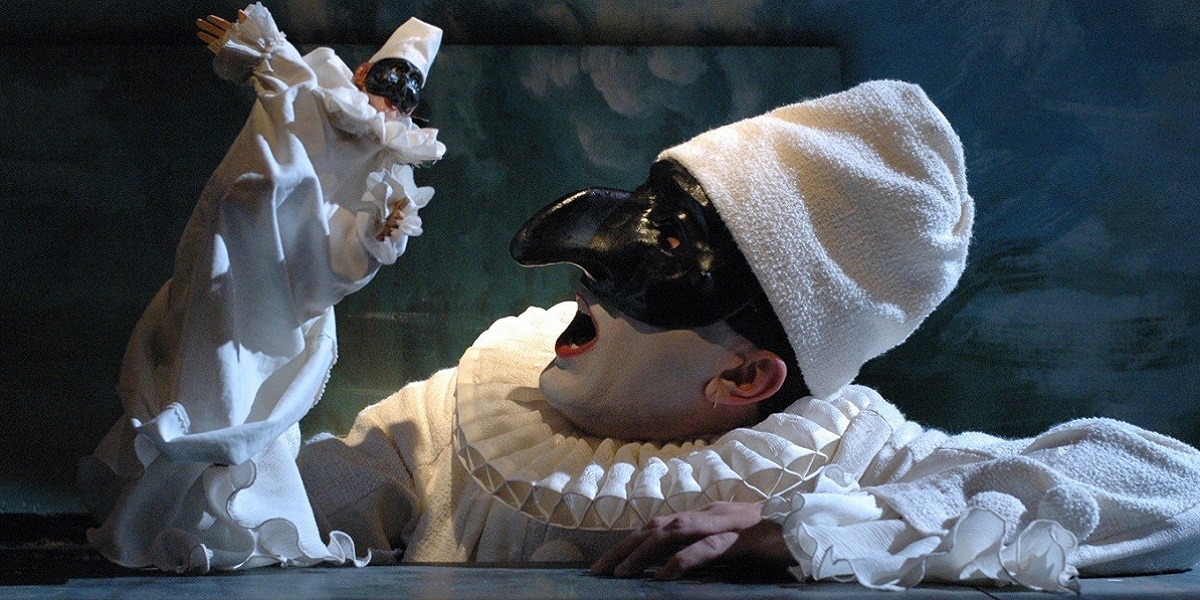
Officially, it begins on 17 January, the feast day of Sant'Antonio Abate (Saint Anthony the Abbot), and, initially, it was a celebration reserved for countesses and princes, nobles and the Neapolitan aristocracy: this is the Neapolitan Carnival, a festival already deeply felt back in the 17th century; indeed, it was during this very period that the typical Neapolitan popular masks were born, masks that have since become part of history(...)