



In Naples, a graduation is never a private affair: it's a neighbourhood celebration. Here's how to choose an original...
Latest posts
-
 Original Neapolitan graduation gift: ideas for the graduate (him and her)Read more
-
 Asso 'e mazze: meaning and history of the Neapolitan ace of clubsRead more
The strongest card on the green table becomes, in Naples, the most elegant way to say who really calls the shots....
-
 Michelina Di Cesare, the brigantessa who defied a kingdomRead more
Born poor in Terra di Lavoro, Michelina Di Cesare chose the maquis and the rifle against a newly united Italy. A...
-
 Neapolitan Hoodies: The Autumn 2026 Style GuideRead more
When the air turns crisp, in Naples people don't just reach for a hoodie: they reach for a piece of identity. Here's...
-
 Maradona Stadium: City Council allocates €50 million for Euro 2032Read more
The City Council has allocated €50 million for the redevelopment of the Diego Armando Maradona stadium, ahead of...
-
 Pizza Maxima 2026: Franco Pepe Is Once Again Best Pizzeria in ItalyRead more
At the fifth edition of Pizza Maxima, the Oscars of Italian pizza, Franco Pepe confirms his title as Best Pizzeria in...
-
 ‘L’acqua è poca e ‘a papera nun galleggia’: what it meansRead more
When the means are few, so is the result. Let's discover the most realistic Neapolitan saying there is.
-
 Avanti Scugnizzi: the story of the year's most loved T-shirtRead more
One word, ‘scugnizzo’ (Neapolitan street kid), and it holds the whole of Naples inside it. We tell you how the year's...
-
 'Chi chiagne fotte a chi ride': what it means and why it's truer than everRead more
At the market, at the counter, in the family: there's always someone who complains and gets more. It's the sharp...
-
 San Gennà, futtatenne! (Saint Januarius, don't worry about it!) San Gennaro, 19 September and the patron saint's t-shirtRead more
Who San Gennaro was, the miracle of the blood that liquefies, and the feast on 19 September. Plus that close,...
Blog categories
Search in blog
Archived posts
The Cathedral of Amalfi: pearl of the Mediterranean
The history of Amalfi's main place of worship dates back a long way, and the cathedral's original design has been completely transformed over the centuries, gradually absorbing various styles, from Romanesque to Rococo.
by Chiara Scaramella
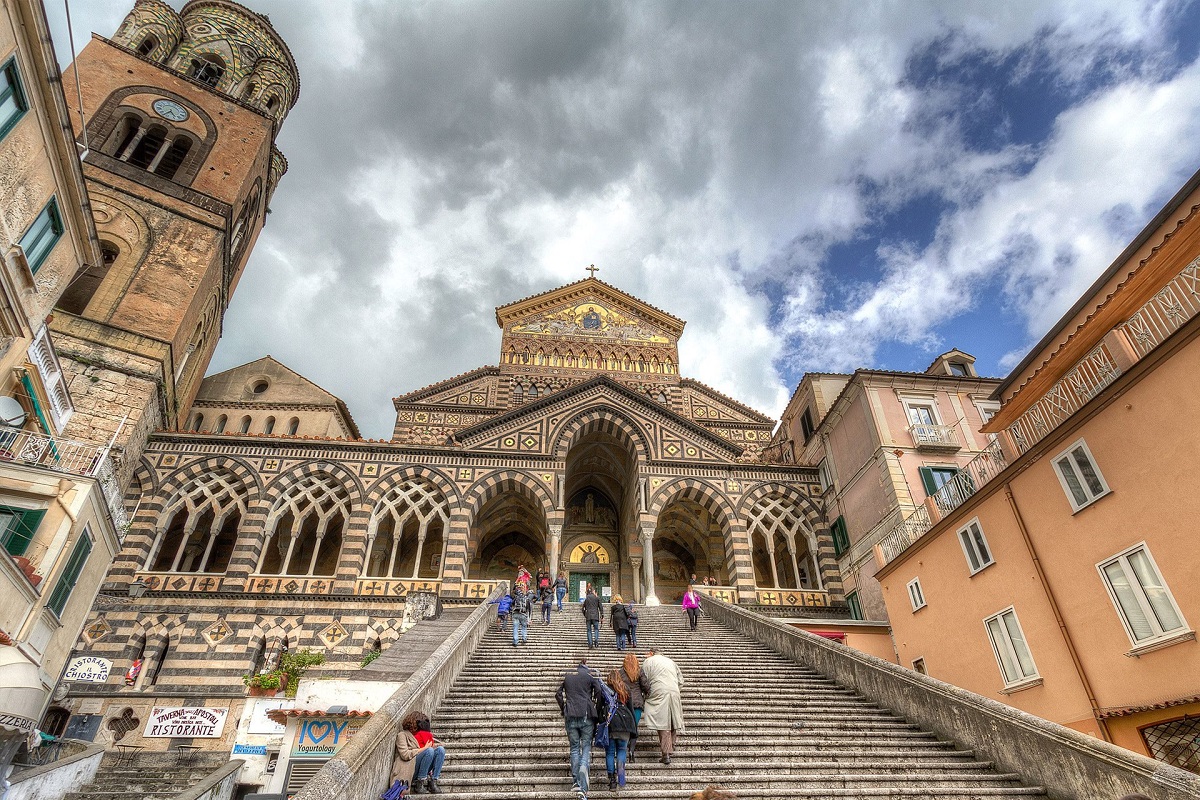
The symbol and attraction of Amalfi, pearl of the coast that bears its name, is undoubtedly the splendid Cathedral that stands proudly in the centre of the town, precisely in Piazza del Duomo.
The history of Amalfi's main place of worship dates back a long way, and the cathedral's original design has been completely transformed over the centuries, gradually absorbing various styles, from Romanesque to Rococo. The church we see today in the heart of Amalfi is the result of the joining together, around 1176, of two churches, and it was built on that exact spot both for its central position and for how easily it could be defended.
The two original churches
The older of the two original little churches, called the Chiesa del Crocifisso (Church of the Crucifix), dates back to the 9th century and was built on the remains of an ancient palaeo-Christian church from the 6th century. The second was instead built in Romanesque style next to the first at the behest of Duke Mansone I, around 987, and was dedicated to St Andrew the Apostle. The union of the two buildings, each with three naves, led to the formation of a single great cathedral with six naves, one of which, however, was removed around 1266 to make way for the construction of the splendid Cloister of Paradise. After the building was enriched with remarkable Baroque decorations, during the period of the Counter-Reformation the two churches separated again, leading to the reduction of the right-hand nave, which had previously served as the point of connection.
Structure
The cathedral's façade dominates the square from the top of a monumental staircase, and even at first glance you can notice the difference between the styles of the two churches: the older one appears bare and devoid of decorative elements, while the second is a continuous succession of Moorish-style arches and Byzantine decorations. The remains of the pediment of the palaeo-Christian church can be seen between the newer church and the ancient bell tower. The latter, like the whole building, shows the historical and cultural layering that took place in this area. Indeed, it is made up of two parts: the main body, built in the 12th century, decorated with corner columns and mullioned windows with two and three lights (on the second and third floors respectively), and the upper part, built in 1276, formed by a central core surrounded by corner turrets made of yellow and green majolica tiles, which highlight the Moorish influence on the building.
The façade of the Romanesque church was built by Errico Alvino in the 19th century, following the collapse of the original façade, and is in neo-Gothic style, with, at the top, a splendid Byzantine-style mosaic depicting Christ of the Apocalypse, flanked by the twelve apostles, and the symbols of the four Evangelists. The entrance is preceded by a corridor, marked by arches and columns, which connects the two sacred buildings and the Cloister of Paradise. Access to the building is through a portal in the centre of the façade, above which is a lunette containing a fresco by Morelli. Clearly Byzantine in style, it comes from Constantinople: it was brought to Amalfi as a gift from an Amalfitan nobleman.
Crossing the threshold of the cathedral, it is impossible not to be overwhelmed by the richness and magnificence of the Baroque decorations. The interior is laid out in the shape of a Latin cross, with a transept and apse, divided into three naves separated from one another by two rows of pillars decorated with inlaid marble. The ceiling is coffered and embellished with typical gilded Baroque decorations. Along the central nave, the observer's eye, although “distracted” by the splendid shapes and decorations that characterise the whole church, cannot help but focus on the main altar, itself in Baroque style, surmounted by a wonderful canvas depicting the martyrdom of St Andrew and flanked (on the right-hand side) by a splendid wooden crucifix from the 13th century. In the left nave are kept the reliquary statues of the patron saint, the Mater Dolorosa and the dead Christ, while the relic of St Andrew is housed in the Chapel of Reconciliation, at the end of the nave.
From the basilica you can access the crypt. This was built around 1203 at the wish of Cardinal Pietro Capuano, who wanted to create a place to house the body of St Andrew, brought from Constantinople following the Fourth Crusade. The crypt is built with a succession of cross vaults, which, together with the walls, were frescoed during the 17th century by Neapolitan artists with images depicting scenes from the life of Christ. One of the frescoes, created by the celebrated Aniello Falcone, depicts the arrival of St Andrew's body at the cathedral: it is, in fact, still kept within the walls of the crypt and lies buried in the tomb at the centre of the room. Since 1304, moreover, on various religious feast days, the saint's tomb has also been the setting for the famous miracle of the manna, which consists of the secretion of an oily liquid from its surfaces.
The Cloister of Paradise
A not-to-be-missed spot during a visit to the Amalfi Cathedral complex is, without doubt, the Cloister of Paradise, connected to the cathedral and the entrance to the Diocesan Museum of Amalfi. The architectural complex consists of a four-sided portico overlooking a small garden.
The portico is covered by cross vaults, while on the outside, intertwined pointed arches, typically Moorish, open up, their weight carried down onto slender pairs of small columns. The structure was built in 1268 by Archbishop Filippo Augustariccio as a burial place for the Amalfitan nobility; indeed, numerous chapels dedicated to aristocratic families and figures can be found along the walls. Among these, one of the most beautiful is certainly the Chapel of the Crucifixion, which houses a spectacular fresco from the school of Giotto depicting the episode of the crucifixion itself. Along the colonnade, set against the walls, various artefacts are kept: among the most important is a sarcophagus of Greek origin, decorated with the abduction of Proserpina, dated to the 4th century BC, probably brought to the cathedral from the not-too-distant town of Paestum.
Many other artefacts and works of art that were once in the cloister have been moved to the adjoining Basilica del Crocifisso (Basilica of the Crucifix). This latter is the oldest part of the Amalfi Cathedral complex and today houses the heart of the Diocesan Museum. The interior, laid out in three naves, appears bare, a stylistic choice resulting from a restoration that chose to remove all the Baroque and Rococo decorations that had been added, bringing the ancient Romanesque structure back to light.
The cathedral is therefore more than just a place of worship: it symbolises how such an ancient building has, over time, absorbed the styles and trends of various historical and artistic periods. And so, both for its magnificence and for all the history it represents, it is an essential stop for anyone visiting the town of Amalfi.
Info
OPENING HOURS - March-June: 9am-6.45pm; July-September: 9am-7.45pm;
November-February: morning 10am-1pm, afternoon 2.30pm-4.30pm
TICKETS: 3 euros for entry to the Church, Museum and Cloister of Paradise.
Posted in:
Places in Naples
Related posts
-
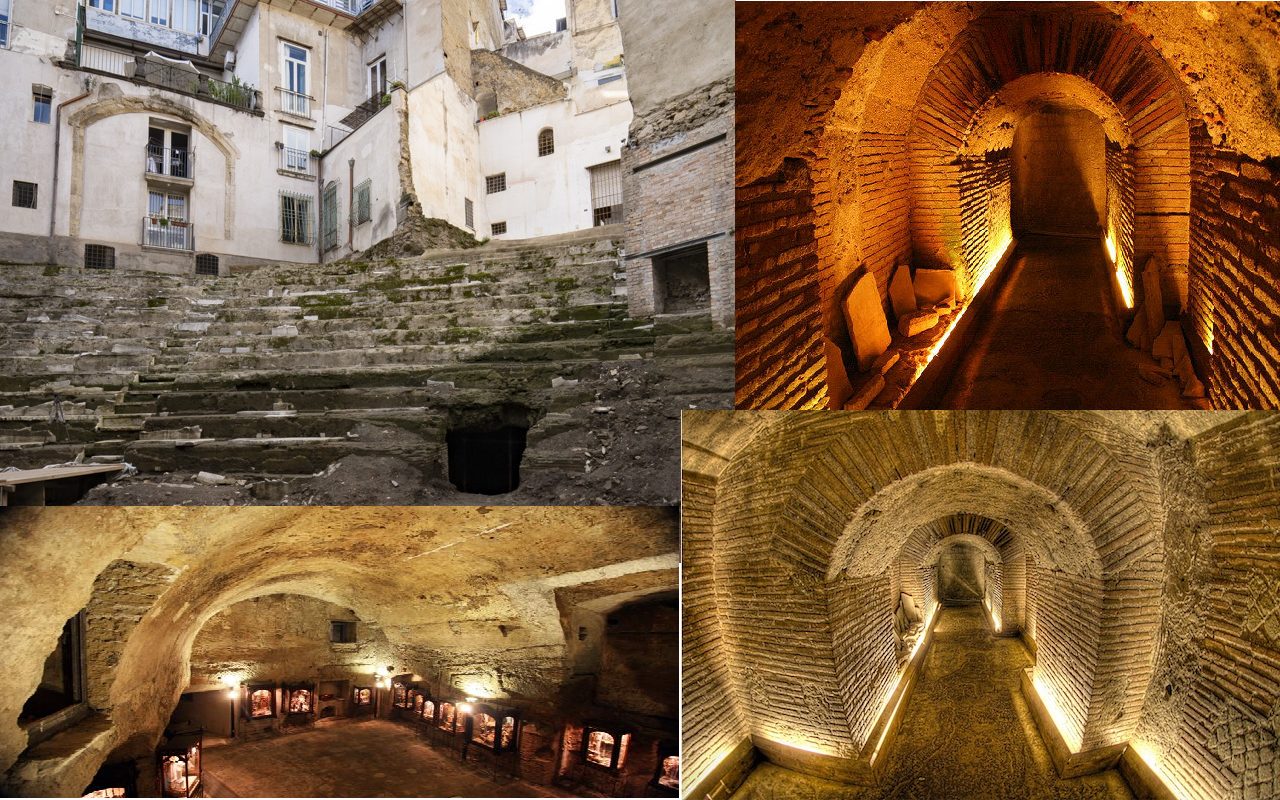 The Roman Theatre of Neapolis
Among the many wonders of Naples' historic centre stands the ancient Roman Theatre of Neapolis, between what are now...Read more
-
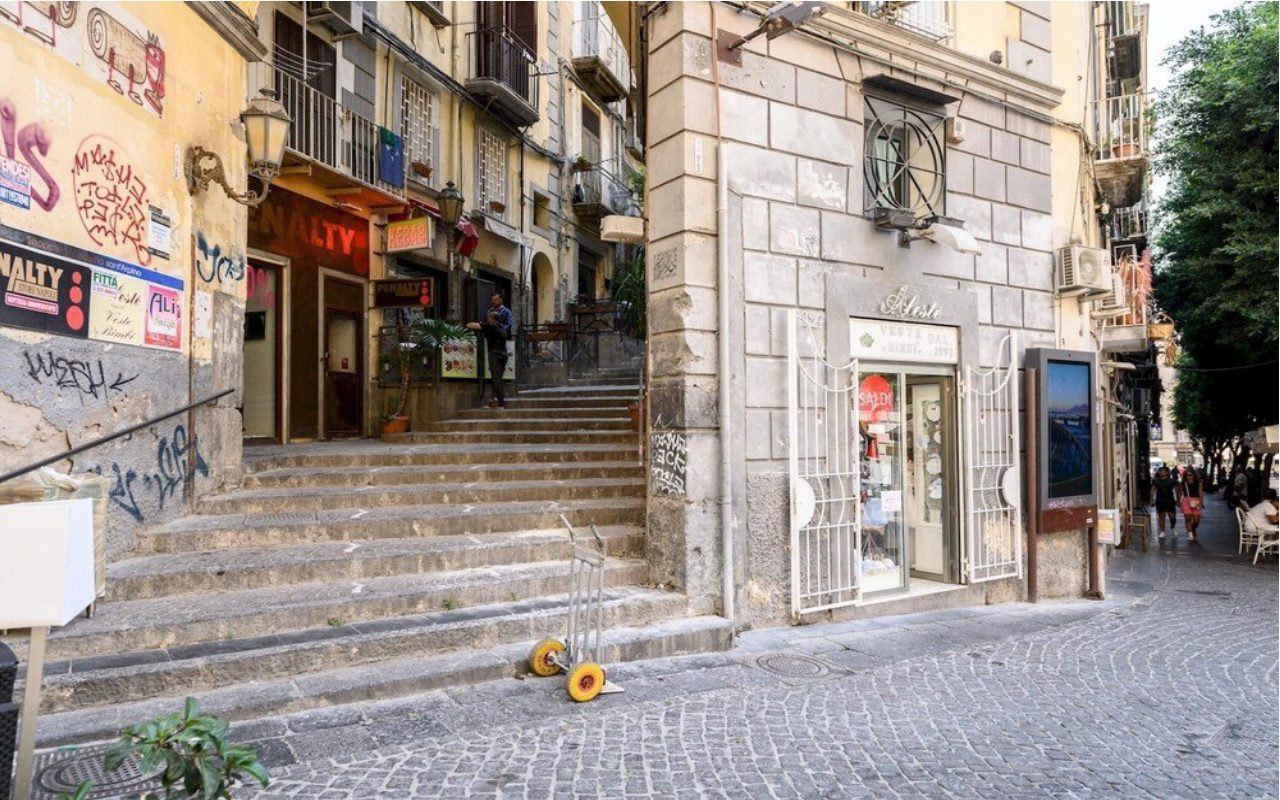 Discover Vicoletto Sant'Arpino: History and Beauty of Naples
There are corners of Naples that tell incredible stories, that take your breath away and make it unique, sincere and...Read more
-
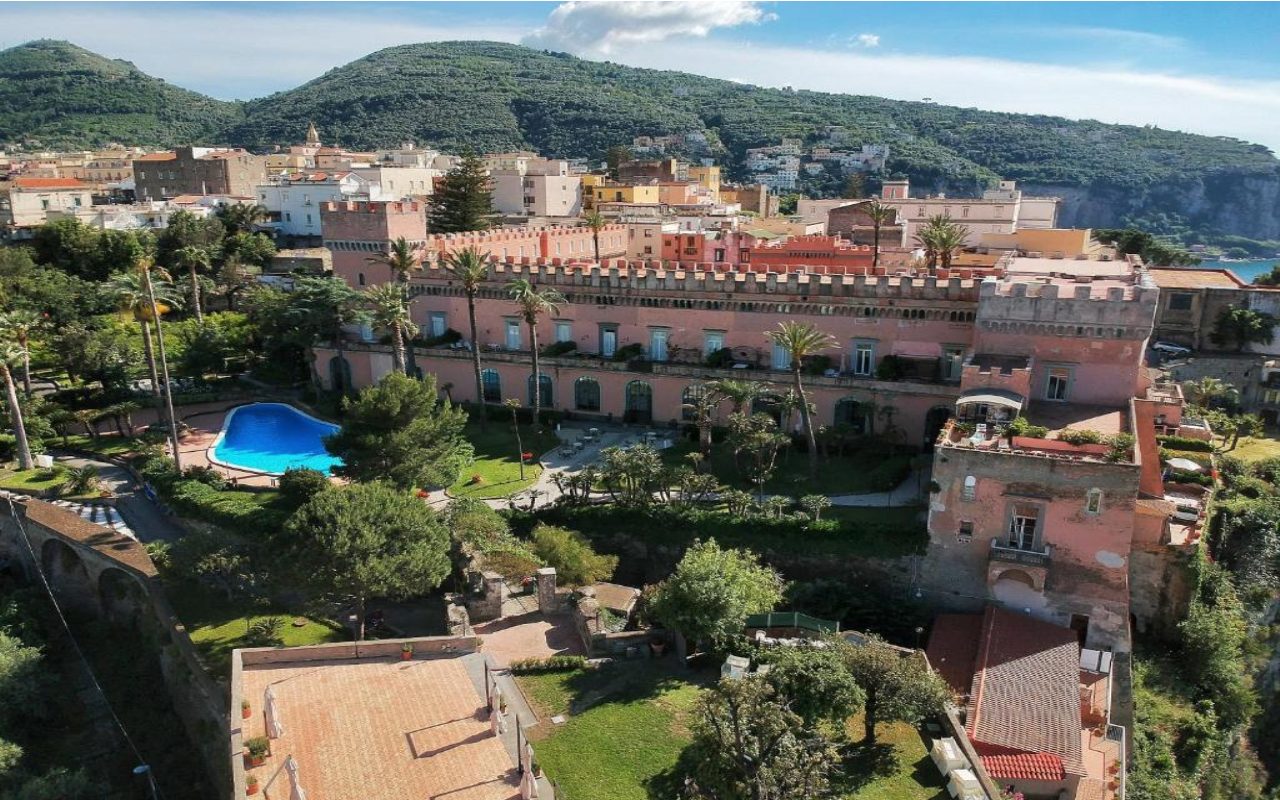 Giusso Castle: the legends of Vico Equense
Built at the end of the 13th century, Giusso Castle was designed as both a military fortress and a residence.Read more
-
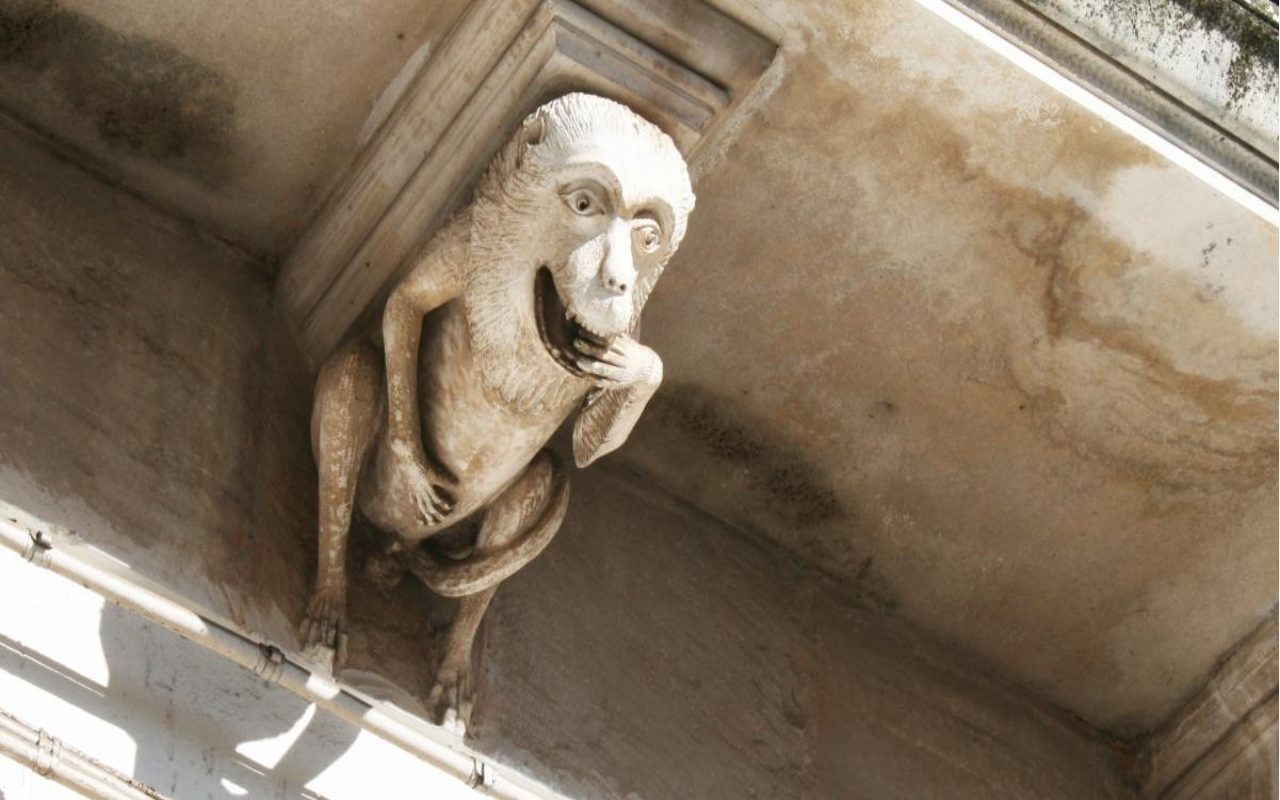 The apotropaic stone masks of lava rock and marble
Neapolitan apotropaic masks are truly fascinating works of art that can be admired on numerous historic buildings...Read more
-
 THE ROYAL PALACE OF CARDITELLO
The Tenuta Storica di Carditello (Historic Estate of Carditello), also known as the Reggia di Carditello (Royal...Read more
Leave a comment