



In Naples, a graduation is never a private affair: it's a neighbourhood celebration. Here's how to choose an original...
Latest posts
-
 Original Neapolitan graduation gift: ideas for the graduate (him and her)Read more
-
 Asso 'e mazze: meaning and history of the Neapolitan ace of clubsRead more
The strongest card on the green table becomes, in Naples, the most elegant way to say who really calls the shots....
-
 Michelina Di Cesare, the brigantessa who defied a kingdomRead more
Born poor in Terra di Lavoro, Michelina Di Cesare chose the maquis and the rifle against a newly united Italy. A...
-
 Neapolitan Hoodies: The Autumn 2026 Style GuideRead more
When the air turns crisp, in Naples people don't just reach for a hoodie: they reach for a piece of identity. Here's...
-
 Maradona Stadium: City Council allocates €50 million for Euro 2032Read more
The City Council has allocated €50 million for the redevelopment of the Diego Armando Maradona stadium, ahead of...
-
 Pizza Maxima 2026: Franco Pepe Is Once Again Best Pizzeria in ItalyRead more
At the fifth edition of Pizza Maxima, the Oscars of Italian pizza, Franco Pepe confirms his title as Best Pizzeria in...
-
 ‘L’acqua è poca e ‘a papera nun galleggia’: what it meansRead more
When the means are few, so is the result. Let's discover the most realistic Neapolitan saying there is.
-
 Avanti Scugnizzi: the story of the year's most loved T-shirtRead more
One word, ‘scugnizzo’ (Neapolitan street kid), and it holds the whole of Naples inside it. We tell you how the year's...
-
 'Chi chiagne fotte a chi ride': what it means and why it's truer than everRead more
At the market, at the counter, in the family: there's always someone who complains and gets more. It's the sharp...
-
 San Gennà, futtatenne! (Saint Januarius, don't worry about it!) San Gennaro, 19 September and the patron saint's t-shirtRead more
Who San Gennaro was, the miracle of the blood that liquefies, and the feast on 19 September. Plus that close,...
Blog categories
Search in blog
Archived posts
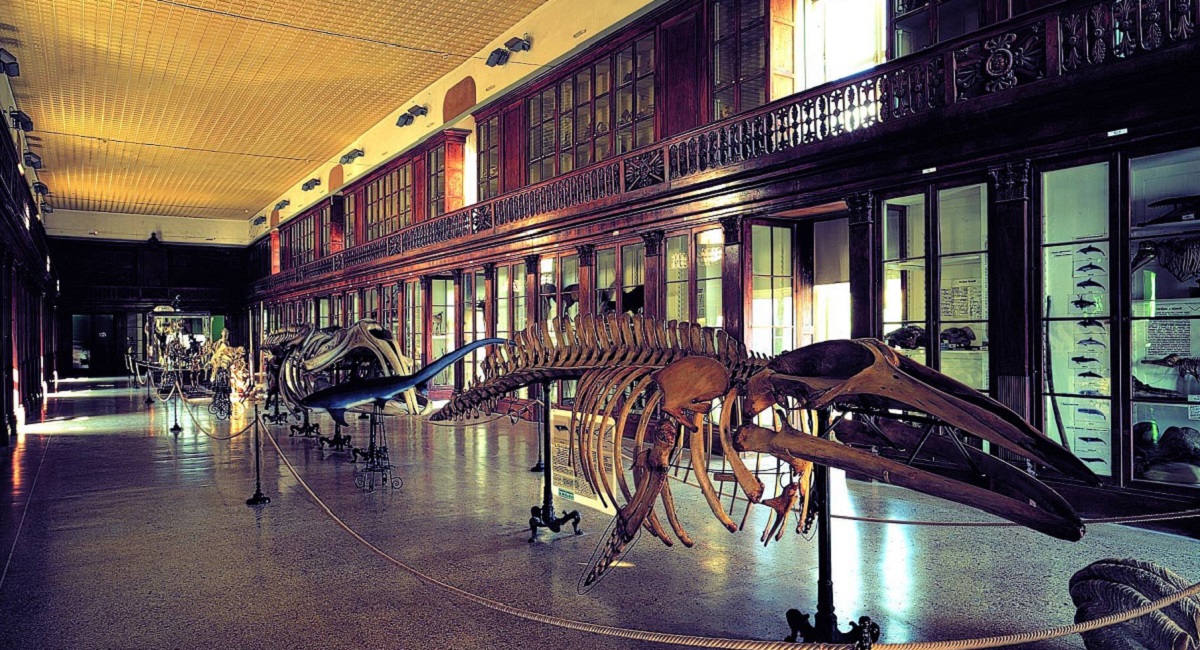
The University of Naples Federico II, from its founding to the present day
This year it turns a remarkable 795 years old, making it the oldest secular, state-run university in the world. This, too, like many other records, is a distinctly Neapolitan achievement, since we’re talking about the University of Naples “Federico II”.
by Silvia Semonella
This year it turns a remarkable 795 years old, making it the oldest secular, state-run university in the world.
This, too, like many other records, is a distinctly Neapolitan achievement, since we’re talking about the University of Naples “Federico II”.
History
Founded on 5 June 1224, it takes its name from its founder, Frederick II of Swabia. The Emperor of the Holy Roman Empire and King of Sicily chose, for the first time in history, to establish the university through a state decree, known as the Studium, whose organisation he entrusted to two eminent jurists from Campania: Pier delle Vigne and Taddeo da Sessa.
Frederick II’s city of residence was Palermo, the capital of his kingdom, but he chose Naples as the seat of the university for two reasons: firstly, to exclusively train the administrative and bureaucratic staff of the curia regis (the kingdom’s ruling class), and thus to prepare the jurists who would help him shape the state’s legal system and enforce its laws; secondly, to spare his subjects long and exhausting journeys. In doing so, he also aimed to prevent his subjects, along with all other students, from travelling to the University of Bologna, which, during the Middle Ages, enjoyed enormous prestige, particularly in legal studies.
Naples was also chosen for its important connection with the figure of Virgil (the city was, in fact, known as Vergiliana Neapolis), for its excellent geographical position, reachable both by sea and by land, and for its healthy climate.
In its early years, the university stood out above all for its teaching of law and theology, drawing on prestigious lecturers such as Thomas Aquinas. During Aragonese rule, in the 1400s, the university was closed several times, until it reopened in 1507 at the San Domenico Maggiore convent, which served as its official seat throughout the sixteenth century.
After a period of crisis lasting several years, caused by the opening of numerous convents and private schools, the University regained its former splendour in the eighteenth century, welcoming Giambattista Vico onto its teaching staff. In 1735, the first chair of astronomy in Italy was established, followed in 1754 by the first chair of economics in the world.
Until 1884, its seat was the Convent of San Salvatore, previously home to the Jesuit College, before it was moved, following a severe cholera epidemic, to its new premises on Corso Umberto I, where it remains to this day.
Following the twenty years of Fascist rule, Federico II became the second most important university in Italy by number of enrolled students, after La Sapienza in Rome.
Today
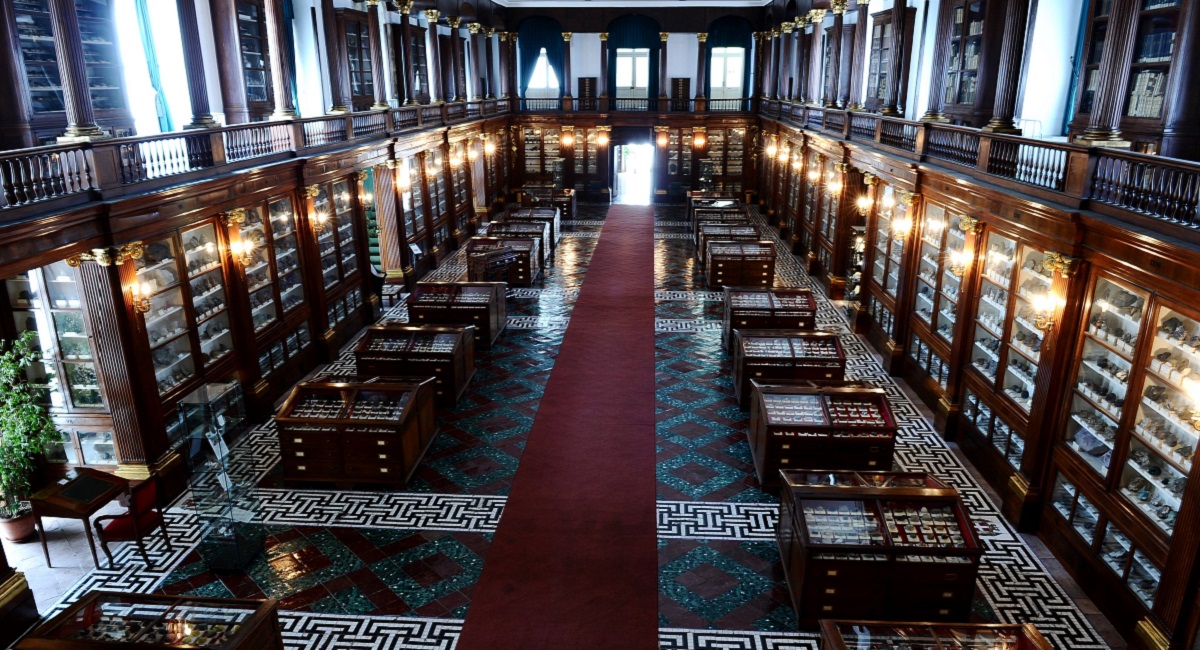
Younger by comparison, at least relative to the founding of the university itself, is the Natural Science Museum Centre of the University of Naples, established in 1992 and made up of five museums: zoology, palaeontology, mineralogy, anthropology and physics. The Centre holds more than 150,000 specimens, collected since the late eighteenth century.
Since the 2013/2014 academic year, a new Statute has been in force, and today the university is organised into 4 schools and 26 departments: the old Faculties have disappeared. The University, led by Professor Gaetano Manfredi, has 42 research and service centres, 2 botanical gardens, 108 libraries — one of which is digital — and 12,000 computer workstations.
To mark its anniversary, on 5 June 2016, the university hosted numerous artists, including Jovanotti, Peppe Servillo and Paolo Sorrentino, who was, among other things, awarded an honorary degree in Modern Philology.
Over the years, the university has achieved many records; to name just a few, its Engineering faculty has been recognised as the best in Italy, and, in the field of scientific research, it has been credited with a treatment for schizophrenia.
Posted in:
Places in Naples
Related posts
-
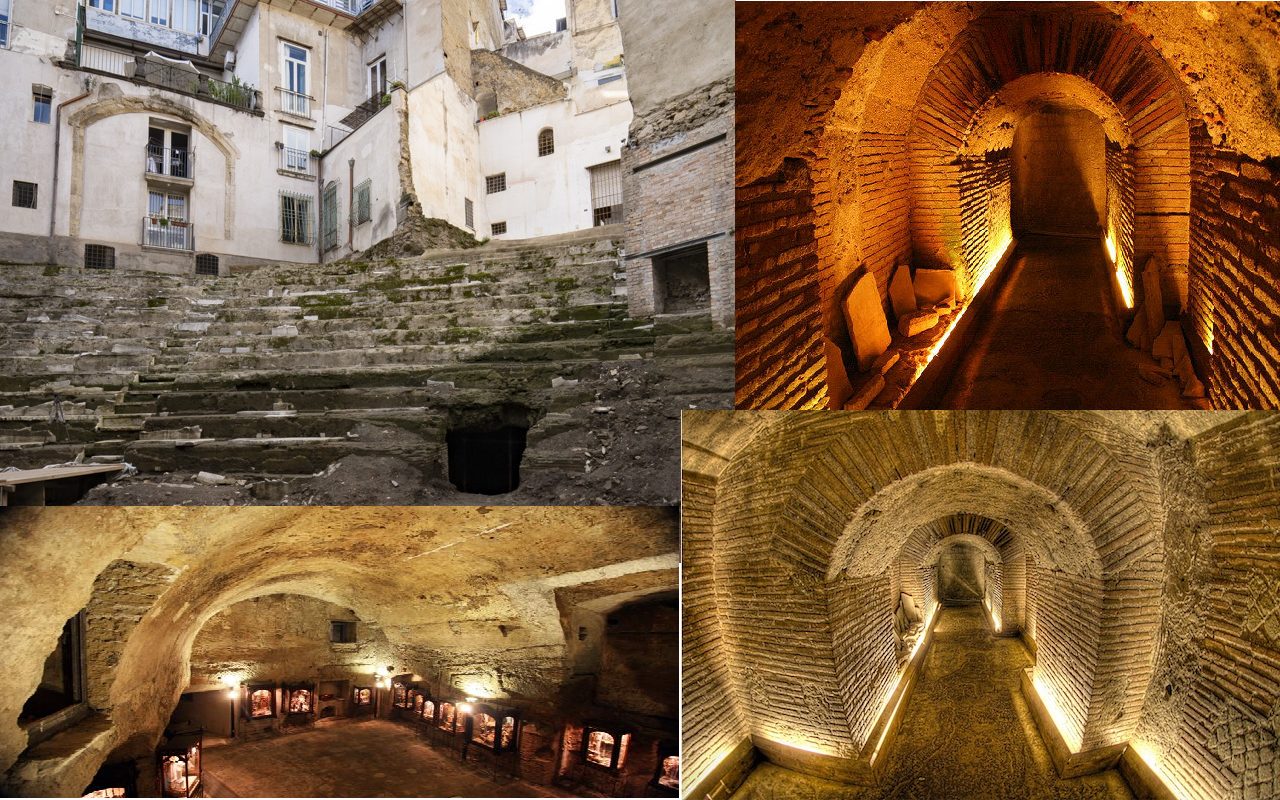 The Roman Theatre of Neapolis
Among the many wonders of Naples' historic centre stands the ancient Roman Theatre of Neapolis, between what are now...Read more
-
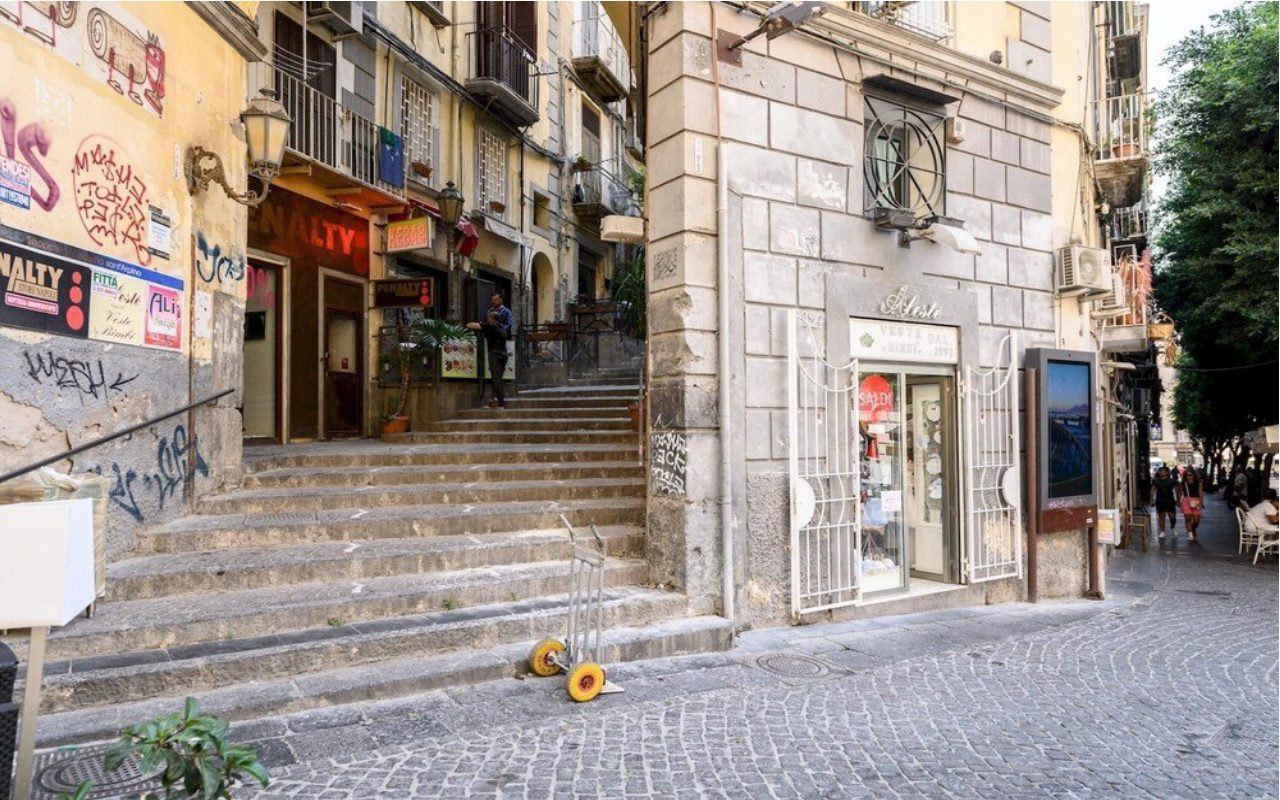 Discover Vicoletto Sant'Arpino: History and Beauty of Naples
There are corners of Naples that tell incredible stories, that take your breath away and make it unique, sincere and...Read more
-
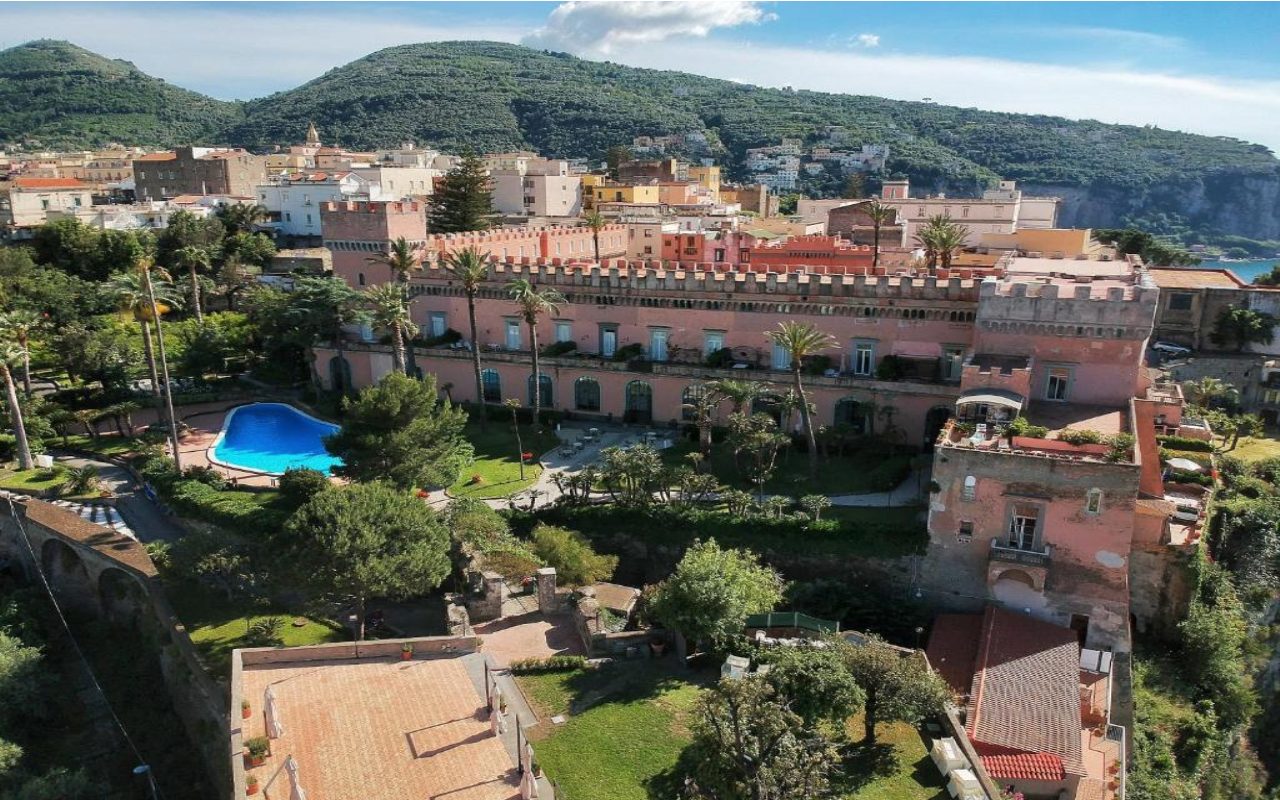 Giusso Castle: the legends of Vico Equense
Built at the end of the 13th century, Giusso Castle was designed as both a military fortress and a residence.Read more
-
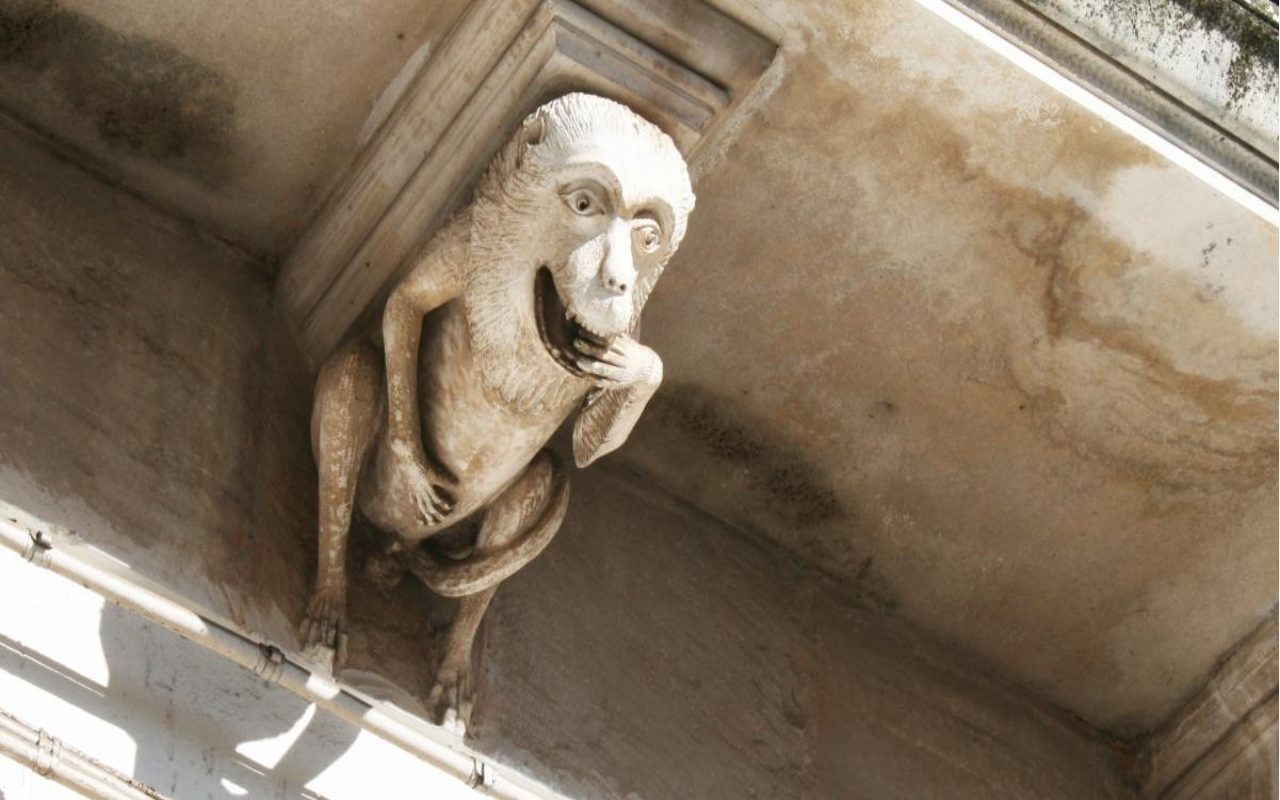 The apotropaic stone masks of lava rock and marble
Neapolitan apotropaic masks are truly fascinating works of art that can be admired on numerous historic buildings...Read more
-
 THE ROYAL PALACE OF CARDITELLO
The Tenuta Storica di Carditello (Historic Estate of Carditello), also known as the Reggia di Carditello (Royal...Read more
Leave a comment