



In Naples, a graduation is never a private affair: it's a neighbourhood celebration. Here's how to choose an original...
Latest posts
-
 Original Neapolitan graduation gift: ideas for the graduate (him and her)Read more
-
 Asso 'e mazze: meaning and history of the Neapolitan ace of clubsRead more
The strongest card on the green table becomes, in Naples, the most elegant way to say who really calls the shots....
-
 Michelina Di Cesare, the brigantessa who defied a kingdomRead more
Born poor in Terra di Lavoro, Michelina Di Cesare chose the maquis and the rifle against a newly united Italy. A...
-
 Neapolitan Hoodies: The Autumn 2026 Style GuideRead more
When the air turns crisp, in Naples people don't just reach for a hoodie: they reach for a piece of identity. Here's...
-
 Maradona Stadium: City Council allocates €50 million for Euro 2032Read more
The City Council has allocated €50 million for the redevelopment of the Diego Armando Maradona stadium, ahead of...
-
 Pizza Maxima 2026: Franco Pepe Is Once Again Best Pizzeria in ItalyRead more
At the fifth edition of Pizza Maxima, the Oscars of Italian pizza, Franco Pepe confirms his title as Best Pizzeria in...
-
 ‘L’acqua è poca e ‘a papera nun galleggia’: what it meansRead more
When the means are few, so is the result. Let's discover the most realistic Neapolitan saying there is.
-
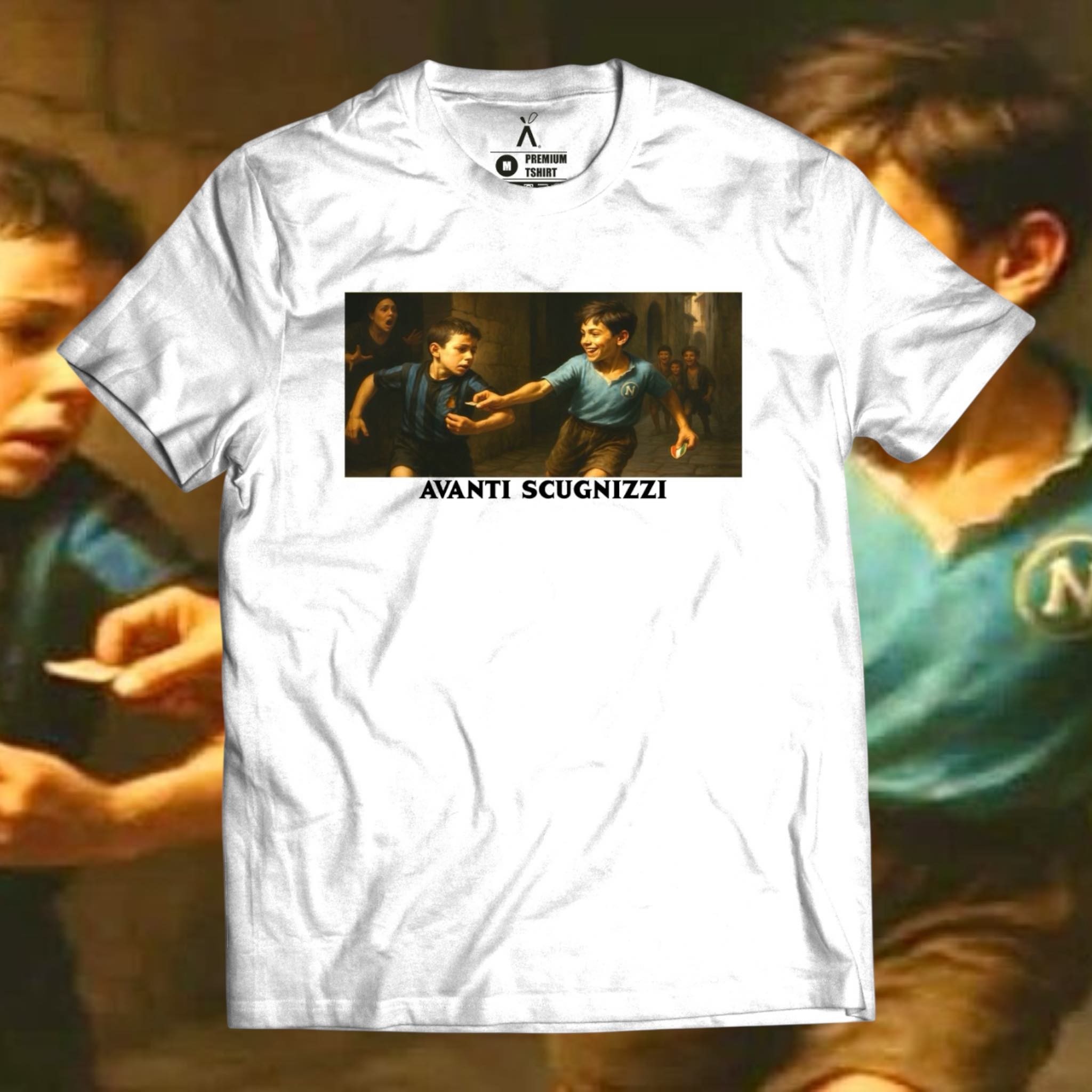 Avanti Scugnizzi: the story of the year's most loved T-shirtRead more
One word, ‘scugnizzo’ (Neapolitan street kid), and it holds the whole of Naples inside it. We tell you how the year's...
-
 'Chi chiagne fotte a chi ride': what it means and why it's truer than everRead more
At the market, at the counter, in the family: there's always someone who complains and gets more. It's the sharp...
-
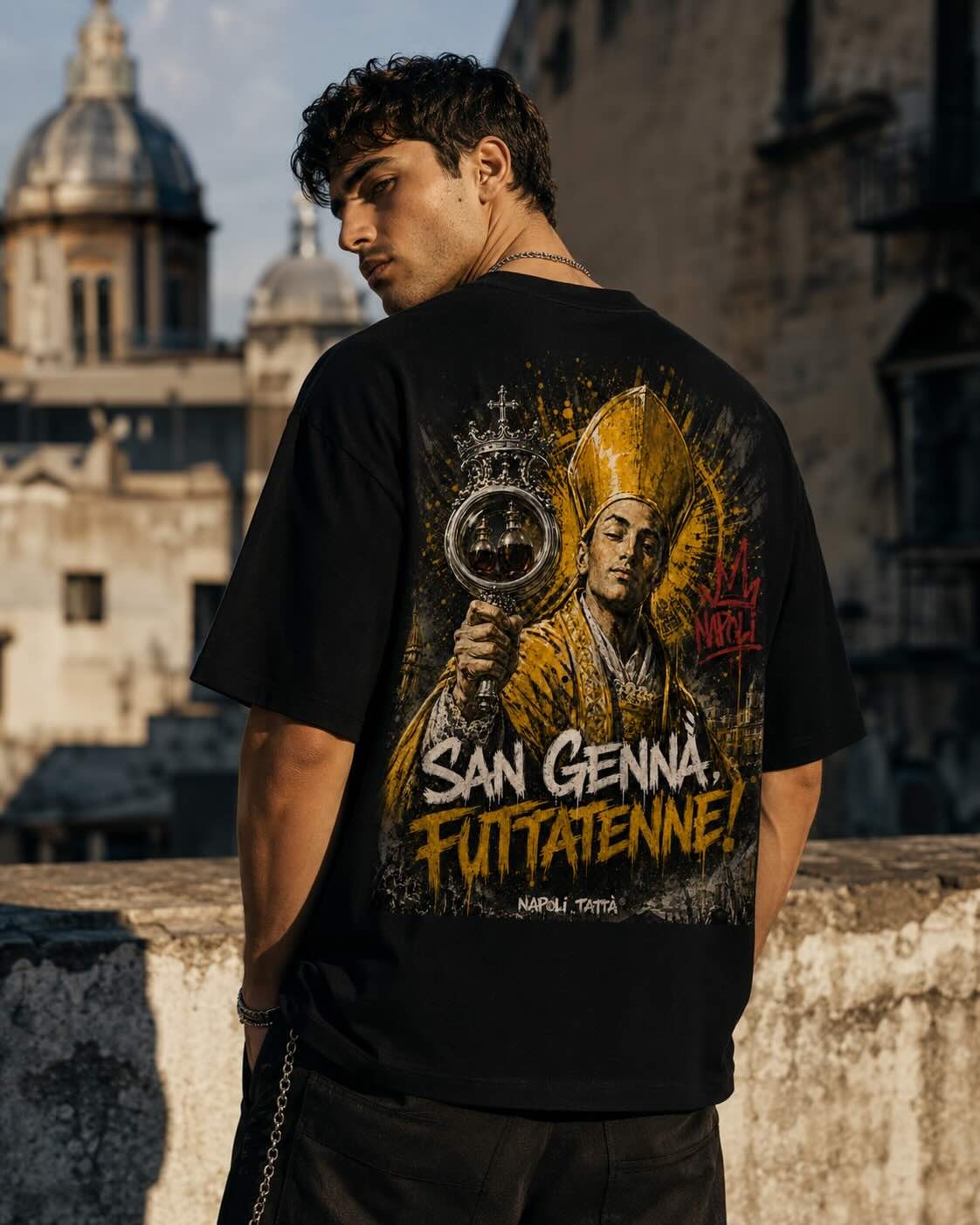 San Gennà, futtatenne! (Saint Januarius, don't worry about it!) San Gennaro, 19 September and the patron saint's t-shirtRead more
Who San Gennaro was, the miracle of the blood that liquefies, and the feast on 19 September. Plus that close,...
Blog categories
Search in blog
Archived posts
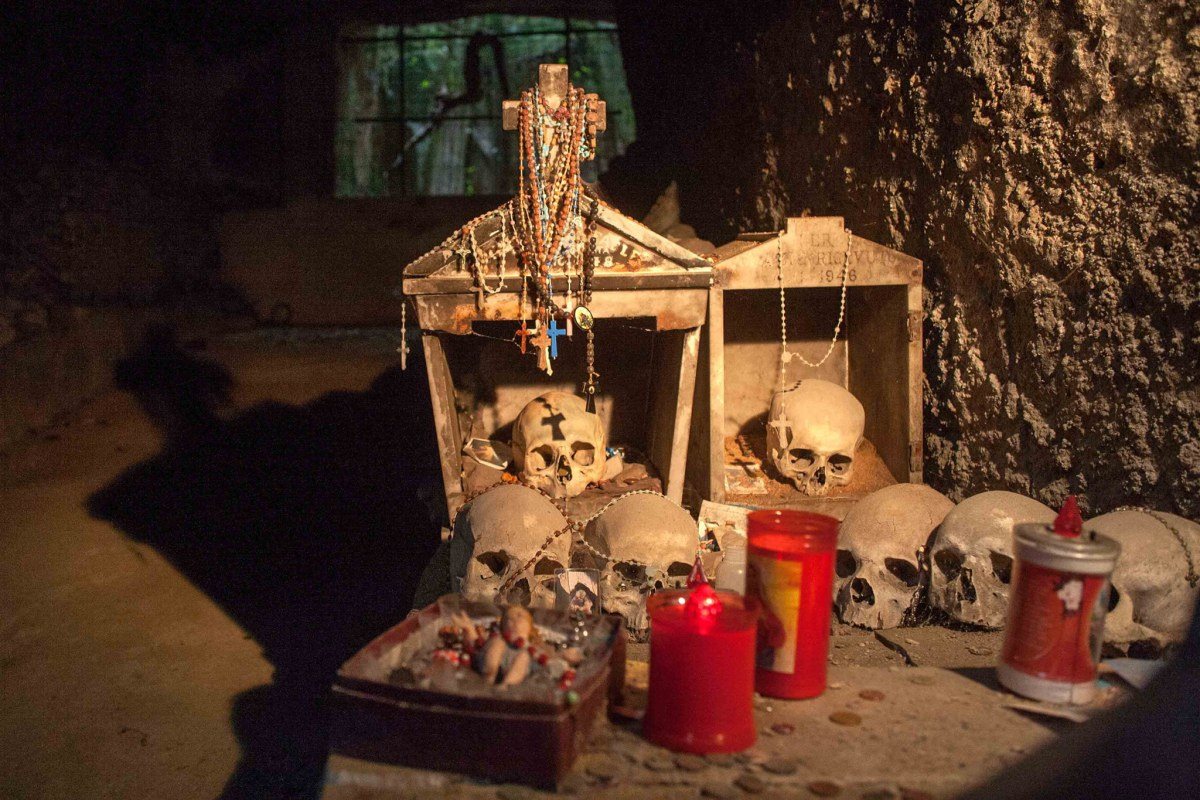
The Fontanelle Cemetery and the cult of the "anime pezzentelle" (poor souls)
This is a genuine necropolis whose labyrinthine tunnels stretch out beneath the Rione Sanità. It seems incredible that one of the most colourful, noisy and lively places in the whole city should conceal, beneath its very pavement, such a macabre and extraordinary reality.
by Chiara Scaramella
One of the most fascinating and mysterious places in Naples is undoubtedly the Cimitero delle Fontanelle (Fontanelle Cemetery).
Walking through the long tunnels of the cemetery, one can appreciate just how ancient and profound the Neapolitans' relationship with the afterlife is, and, at the same time, how contradictory yet unbreakable the bond between the sacred and the profane is for these people.
The Cemetery
To reach the entrance of the cemetery, you need to walk along Via Fontanelle, a lovely little street at the heart of the district which shares its name with the ossuary, on account of the many springs that once flowed from the surrounding hills. Along this street, an unmissable stop is certainly the Chiesa dell'Immacolata alle Fontanelle (Church of the Immaculate Conception at Fontanelle), a splendid building in neoclassical style that truly deserves a visit. Once you've walked the street, savouring the wonders of the neighbourhood, you can enter the cemetery and, as if by magic, find yourself catapulted into an "upside-down" world.
The necropolis lies in an area that, long before its construction, back in the era of the Greco-Roman city, was already used for burials: indeed, tombs dating back to the 2nd-3rd century have been found in this area.
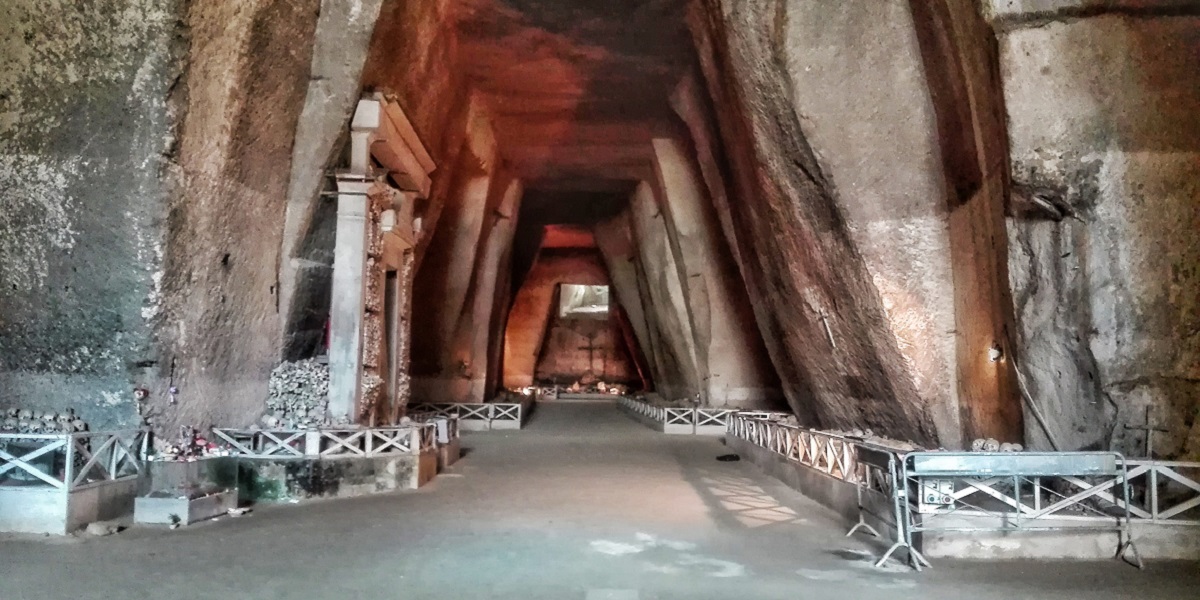
The cemetery is a tuff gallery carved into the Colle dei Vergini (Hill of the Virgins): it was created as a burial site during the 17th century, at a time when, due to epidemics, eruptions, earthquakes and famines, the mortality rate was extremely high and there was a shortage of places to bury the dead. Along the cemetery's tunnels are numerous skeletons neatly stacked together, many of which were piled up in this labyrinthine quarry during the plague epidemic of 1656 and the cholera epidemic of 1837; many other bodies, however, were found during the redevelopment of various streets in Naples, such as Via Acton or Via Toledo.
Today, "only" 40,000 remains are counted in the quarry, but it's said that, beneath the floor, there lies a great layer where still more bodies are piled up. The cemetery as we see it now dates from the 1872 restoration carried out by the canon Don Gabriele Barbati, who rescued the place from its previous state of neglect, putting the various bones in order with the help of some women from the neighbourhood. The restoration led to the "souls" being divided into three naves, that is, three trapezoidal tunnels some hundred metres long. The first of these, on the right, is called the navata dei preti (nave of the priests), because it holds all the remains that came from churches. The central one, which gathers, instead, the remains of all those who died in the plague epidemic, is known, fittingly, as the navata degli appestati (nave of the plague victims). Finally, in the nave on the left, called the nave of the pezzentelli (the poor souls), were gathered all the bodies of those who, being too poor, could not afford a decent burial. Along the cemetery, a small chapel was also built, dedicated to Maria Santissima del Carmine (Our Lady of Mount Carmel), in which various services were held.
The naves, however, are not the only way to divide up the 3,000 square metres over which the cemetery extends: there are, in fact, three main areas. The first is that of the tribunale (tribunal), where we find three crosses: it's said that here the "guappi" of the Sanità district — the swaggering forerunners of today's Camorra — would gather and swear blood oaths. A second area is the ossoteca (bone chamber), located along the second nave, made up of a chapel decorated with stacks of hip bones and femurs, with a statue of the Risen Christ at its centre. The last area of the ossuary is known as the "scolatoio" (draining place), that is, the spot where corpses were hung up and left to drain of bodily fluids.
The cult of the "anime pezzentelle" (poor souls)
During this period of restoration, what is known as the cult of the anime pezzentelle (the cult of the "poor souls") spread among the people of Naples; although it originated in Christian times, it appears to have been an entirely pagan devotional practice. The rite consisted of "adopting", in exchange for a favour, a "capuzzella" (little skull), caring for it through a precise ritual: first it was chosen and polished; then, after being adorned with rosaries, votive candles and lace, it was laid on a handkerchief or a cushion; at this point, the soul of the deceased was supposed to appear in a dream to the person who had adopted it, asking for care and attention in exchange for granting a favour. If the favour was granted, the "adopter" would give the skull a more fitting burial, in a case or a box (never under a gravestone, as it was believed this would prevent the dead from appearing in the dreams of the faithful); if, on the other hand, the soul in purgatory failed to grant the favour, the faithful would abandon the skull and adopt another one.
The meeting between the adopters and the souls in purgatory therefore took place in dreams, and it was precisely here that what were, in the real world, mere skulls, acquired a personality: these apparitions gave rise to genuinely famous "capuzzelle". Among the most celebrated we may recall that of the Capitano (the Captain), venerated as the soul of the leader the Neapolitan people never had; that of Fratello Pasquale (Brother Pasquale), who, in dreams, would suggest winning lottery numbers; and that of Concetta, to whom women seeking a husband would turn. This skull is the shiniest in the ossuary and legend has it that it "sweats", since a film of water is often found on it: naturally, scientifically speaking, this is due to the humidity the skull absorbs.
It was precisely because of the spread of this "quasi-pagan" rite of the anime pezzentelle that, in 1969, the cardinal Corrado Ursi, concerned by the signs of fetishism linked to this practice, had the Cemetery closed. Following this decision, although the cult was deeply rooted in Neapolitan tradition, with the passing of the generations devotion to the "capuzzelle" gradually faded and the cemetery fell into a state of neglect. It was, however, restored in 2002 and reopened to the public in 2010 .
The legend of the gnocco
Another legend, born among the tunnels of the cemetery, is that of the gnocco (the potato dumpling). This concerns the only two non-anonymous remains in the ossuary, which were found inside coffins. The two bodies belong to the two Carafa spouses: the wife, Donna Margherita Petrucci, has a mummified body with her mouth wide open. From this detail arose the legend according to which the woman died by choking on a gnocco.
This mystical place, a symbol of Neapolitan folklore and a manifesto of the Neapolitans' relationship with the world of dreams and the supernatural, is a "must" on any itinerary around the city of Naples.
Info
Opening hours:
Every day: 9.00am-4.00pm;
Free guided tours on Sundays at 10:30am;
For private guided tours: €70 for 1 to 5 people, €80 for 6 to 10, +€6 from the eleventh person onwards;
Address:
Via Fontanelle, 80
Tel: 081 19703197 | 081 795 6160 | 338 965 22 88
Posted in:
Places in Naples
Related posts
-
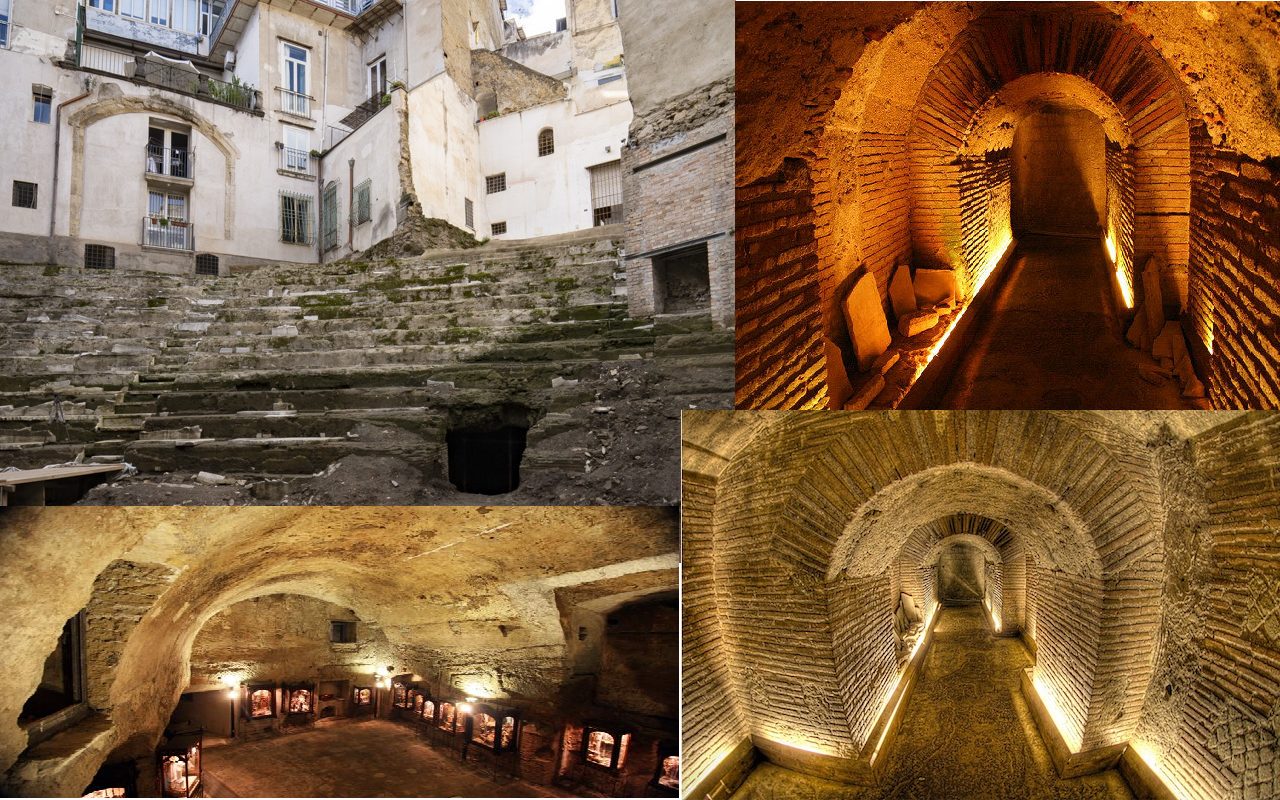 The Roman Theatre of Neapolis
Among the many wonders of Naples' historic centre stands the ancient Roman Theatre of Neapolis, between what are now...Read more
-
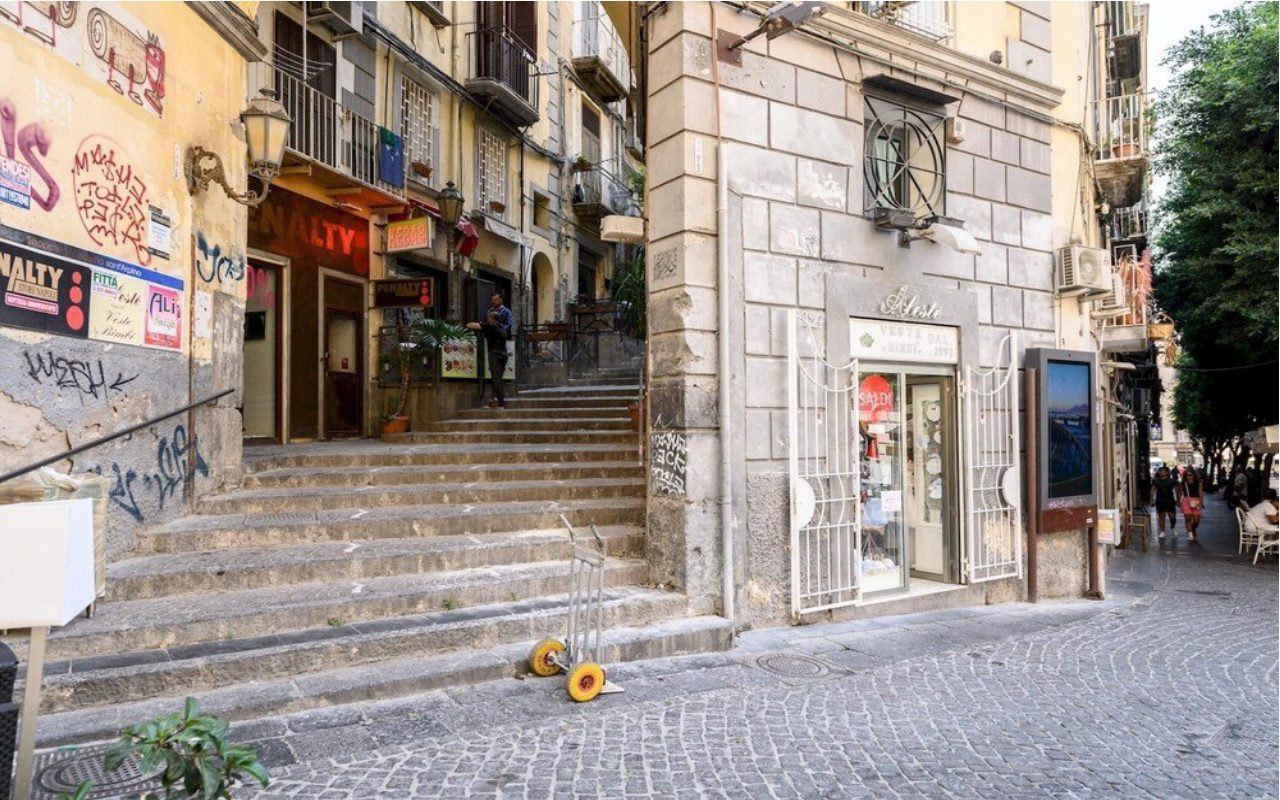 Discover Vicoletto Sant'Arpino: History and Beauty of Naples
There are corners of Naples that tell incredible stories, that take your breath away and make it unique, sincere and...Read more
-
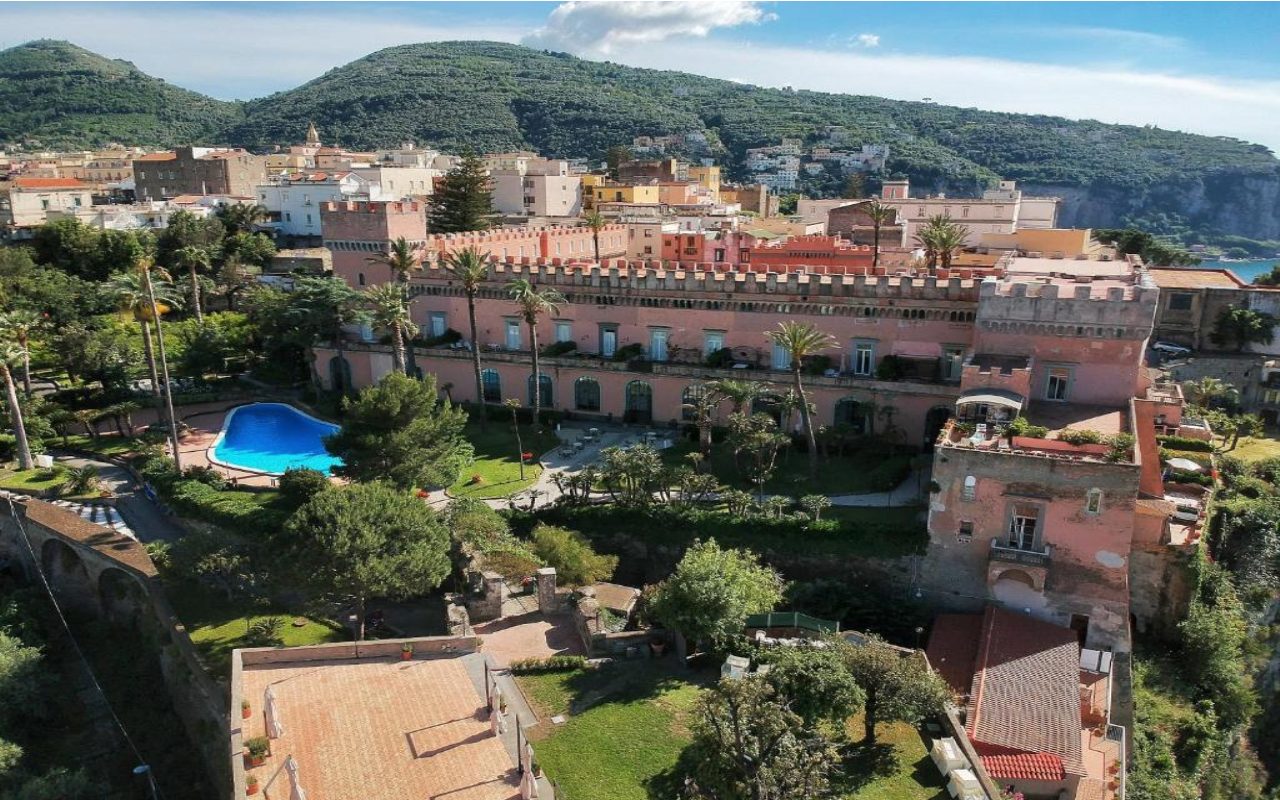 Giusso Castle: the legends of Vico Equense
Built at the end of the 13th century, Giusso Castle was designed as both a military fortress and a residence.Read more
-
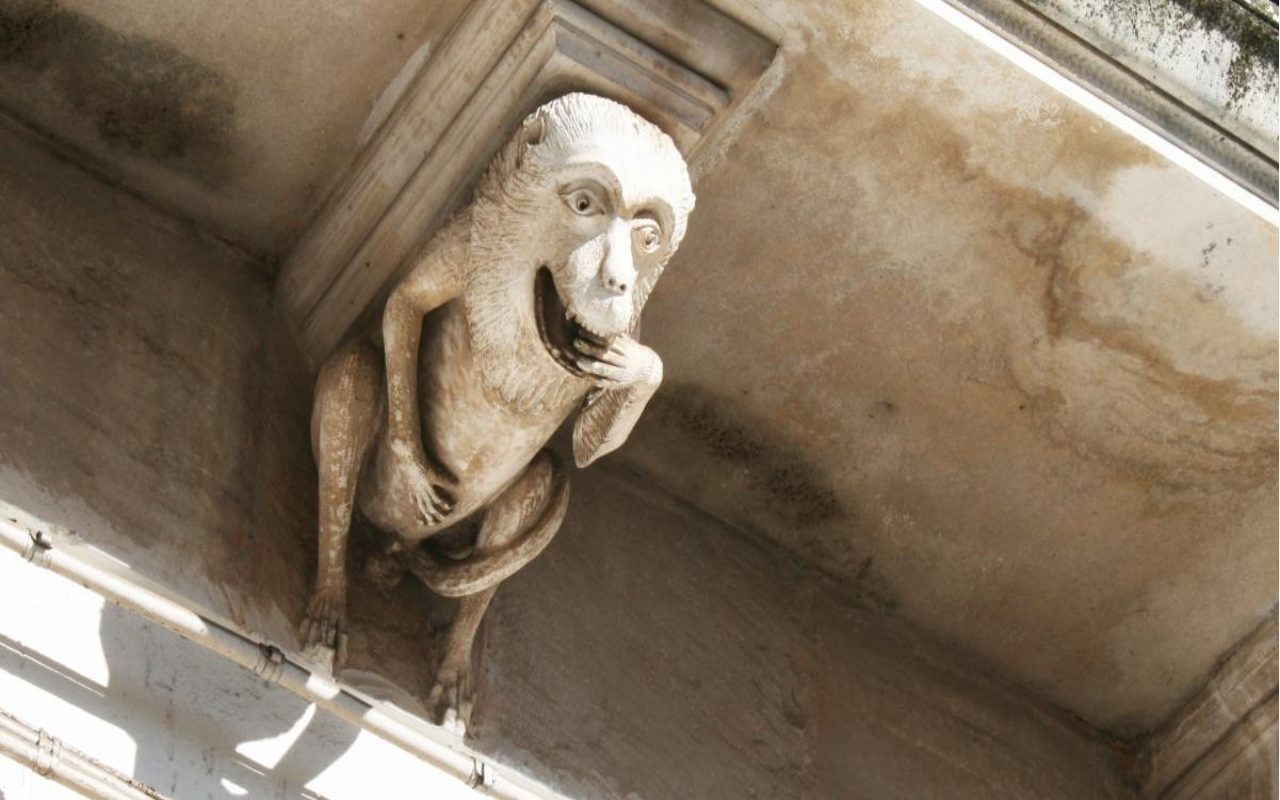 The apotropaic stone masks of lava rock and marble
Neapolitan apotropaic masks are truly fascinating works of art that can be admired on numerous historic buildings...Read more
-
 THE ROYAL PALACE OF CARDITELLO
The Tenuta Storica di Carditello (Historic Estate of Carditello), also known as the Reggia di Carditello (Royal...Read more
Leave a comment