



Born poor in Terra di Lavoro, Michelina Di Cesare chose the maquis and the rifle against a newly united Italy. A...
Latest posts
-
 Michelina Di Cesare, the brigantessa who defied a kingdomRead more
 -
 Neapolitan Hoodies: The Autumn 2026 Style GuideRead more
When the air turns crisp, in Naples people don't just reach for a hoodie: they reach for a piece of identity. Here's...
-
 Maradona Stadium: City Council allocates €50 million for Euro 2032Read more
The City Council has allocated €50 million for the redevelopment of the Diego Armando Maradona stadium, ahead of...
-
 Pizza Maxima 2026: Franco Pepe Is Once Again Best Pizzeria in ItalyRead more
At the fifth edition of Pizza Maxima, the Oscars of Italian pizza, Franco Pepe confirms his title as Best Pizzeria in...
-
 ‘L’acqua è poca e ‘a papera nun galleggia’: what it meansRead more
When the means are few, so is the result. Let's discover the most realistic Neapolitan saying there is.
-
 Avanti Scugnizzi: the story of the year's most loved T-shirtRead more
One word, ‘scugnizzo’ (Neapolitan street kid), and it holds the whole of Naples inside it. We tell you how the year's...
-
 'Chi chiagne fotte a chi ride': what it means and why it's truer than everRead more
At the market, at the counter, in the family: there's always someone who complains and gets more. It's the sharp...
-
 San Gennà, futtatenne! (Saint Januarius, don't worry about it!) San Gennaro, 19 September and the patron saint's t-shirtRead more
Who San Gennaro was, the miracle of the blood that liquefies, and the feast on 19 September. Plus that close,...
-
 'O purpo se coce int'a ll'acqua soja: what it means (o purpo se coce meaning)Read more
Someone has wronged you, and instead of reacting, you wait in silence with a smile? Here's the Neapolitan proverb...
-
 Cazzimma: meaning, origin and why it can't be translatedRead more
There's a word that explains everything in Naples and can't be translated into any language. It's called cazzimma,...
Blog categories
Search in blog
Archived posts
The Sferisterio of Fuorigrotta: from ancient magnificence to decay
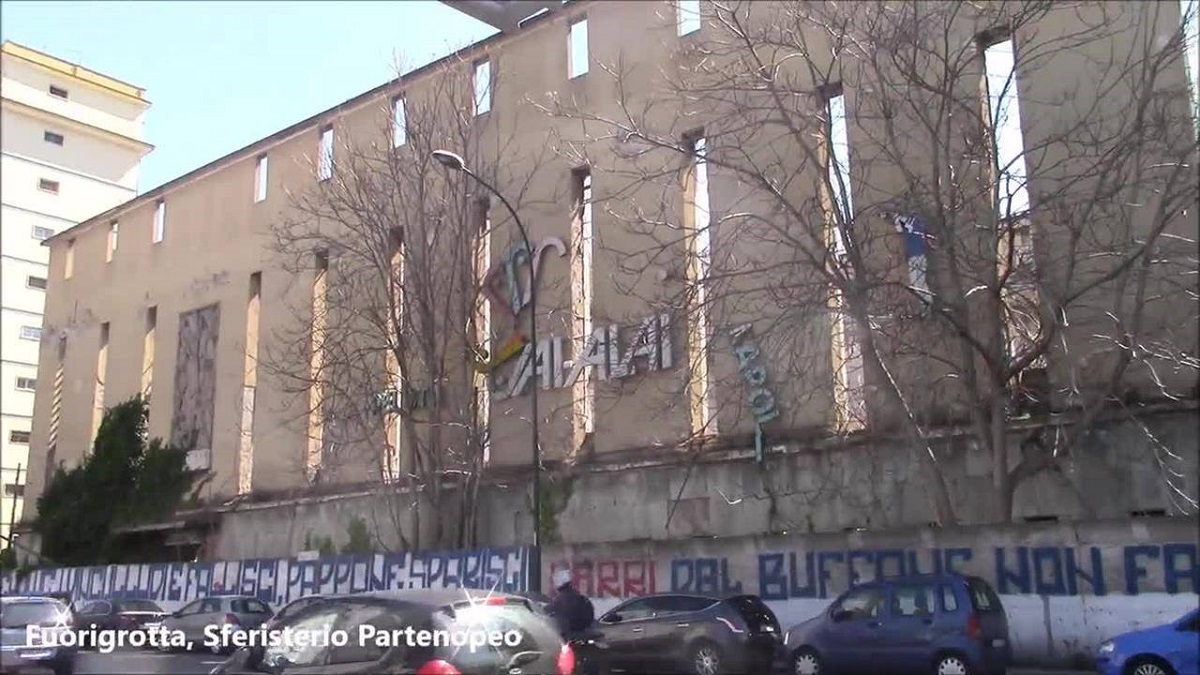
The Sferisterio of Fuorigrotta is an enormous structure that many will surely remember with a smile. Today it is nothing more than a heap of rubbish, but it was once used for Basque pelota sporting competitions in Naples. It stands along Via Fuorigrotta, on the right-hand side, shortly before entering the Laziale tunnel.
by Alessia Giannino
The Sferisterio of Fuorigrotta is an enormous structure that many will surely remember with a smile.
Today it is nothing more than a heap of rubbish, but it was once used for Basque pelota sporting competitions in Naples. It stands along Via Fuorigrotta, on the right-hand side, shortly before entering the Laziale tunnel.
History
Construction began in the 1940s and the project was entrusted to the architect Franco Tortorelli. The works were completed after about ten years. For a long time it hosted national and international matches of pelota, table tennis and tamburello (a traditional Italian racket sport), the sports Italians were passionate about at the time.
The structure was, however, very unlucky: in 1980, due to the Irpinia earthquake, it suffered some damage, and two years later, in front of the main entrance, a bomb went off. The splendour of the Sferisterio thus gradually faded away, the victim of a cruel fate. The peak of its misfortune came in 1986 when, on New Year's Eve, an arson attack was carried out that destroyed the entire structure. Those who lived through that period say the cause was to be found in a score-settling by the local camorra clan, who had demanded a huge protection payment for the New Year's Concert. The following day, in fact, an event was due to take place featuring Riccardo Fogli and Franco Califano, both very popular at the time. This episode marked the end of the Sferisterio and of a passion that, for many, ended along with the structure itself.
In 2002 its restoration was announced, with a possible agreement with the Società Attività Concessioni Sportive. The project, sadly never realised, envisaged a three-storey renovation with a cinema, a play centre and a shopping mall. The Heritage Authority, however, did not permit the change of intended use, which differed from the purpose for which the Sferisterio had originally been conceived.
Today
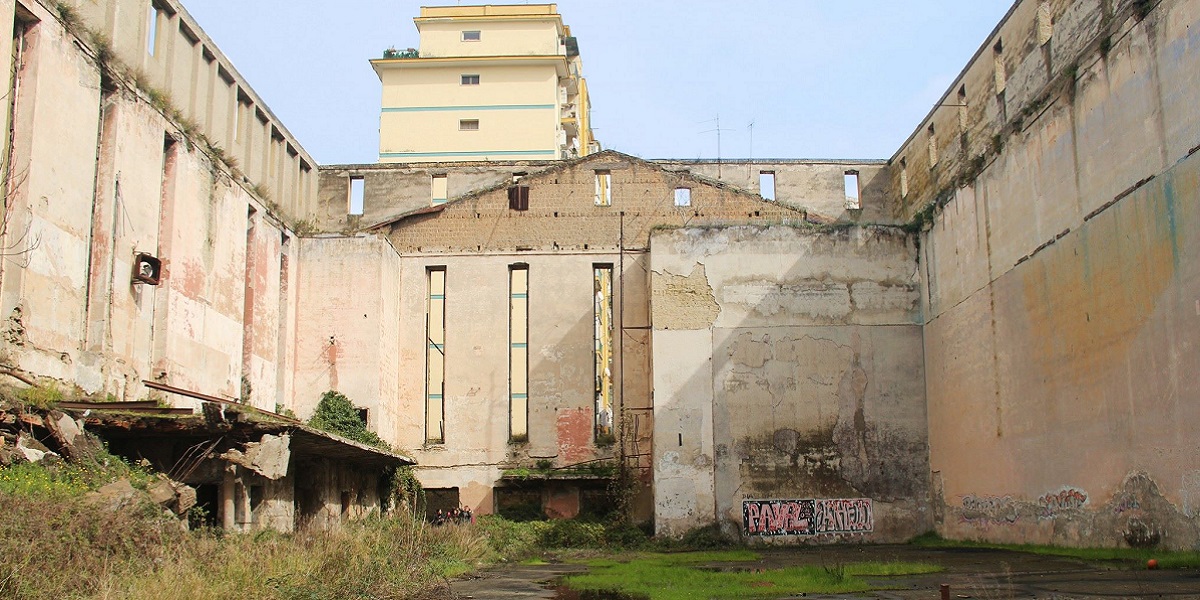
Walking through Fuorigrotta, the marble high-relief carvings of the players can still be seen on the perimeter walls, while on the main façade the words JAI ALAI stand out — meaning “merry game” in the Basque language. Even today the Sferisterio remains in a state of decay and neglect.
Posted in:
Places in Naples
Related posts
-
 The Roman Theatre of Neapolis
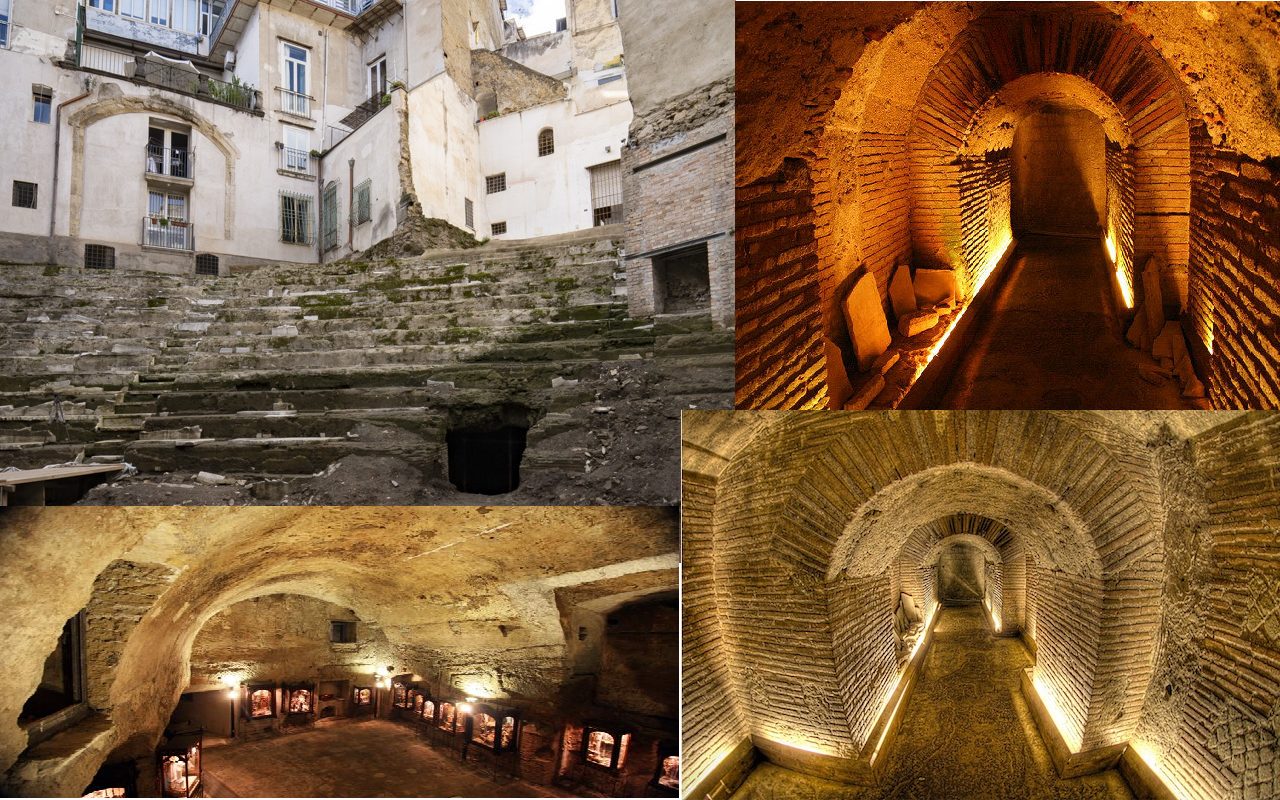
Among the many wonders of Naples' historic centre stands the ancient Roman Theatre of Neapolis, between what are now...Read more
The Roman Theatre of Neapolis
Among the many wonders of Naples' historic centre stands the ancient Roman Theatre of Neapolis, between what are now...Read more -
 Discover Vicoletto Sant'Arpino: History and Beauty of Naples
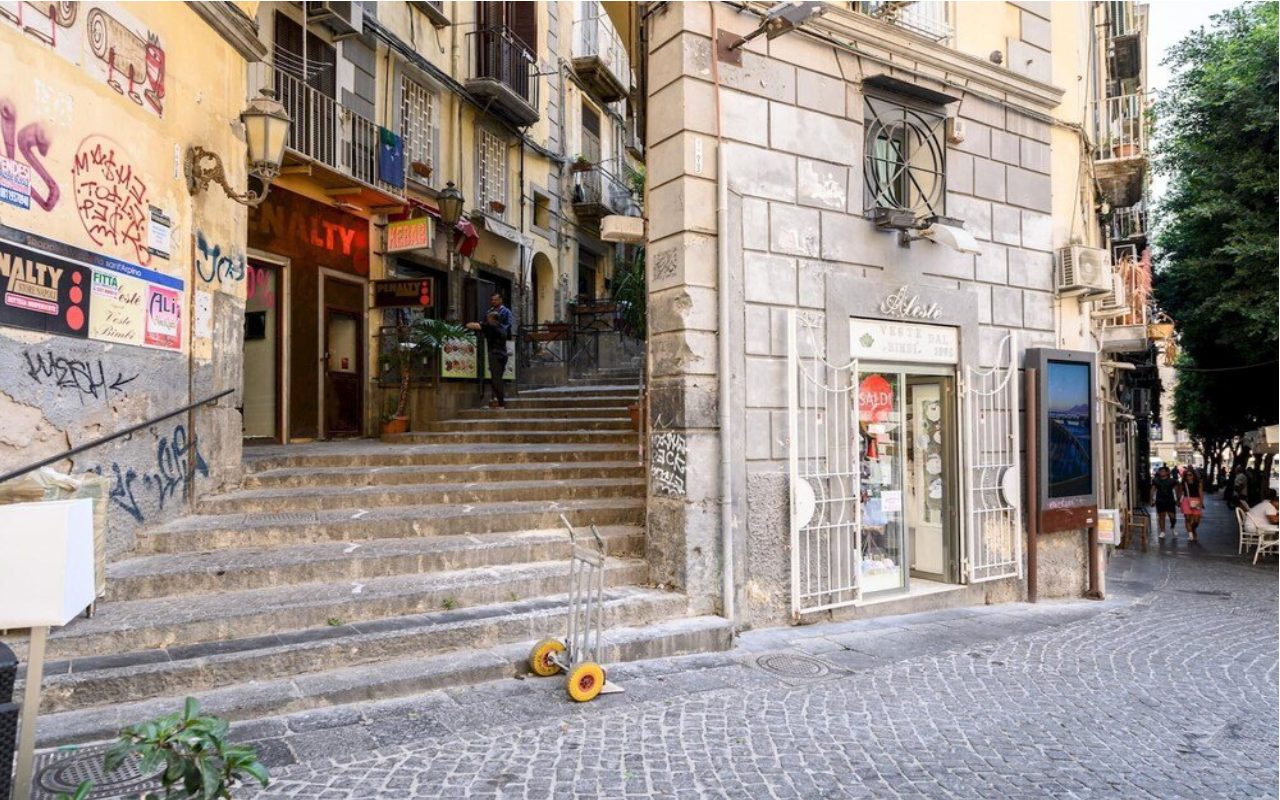
There are corners of Naples that tell incredible stories, that take your breath away and make it unique, sincere and...Read more
Discover Vicoletto Sant'Arpino: History and Beauty of Naples
There are corners of Naples that tell incredible stories, that take your breath away and make it unique, sincere and...Read more -
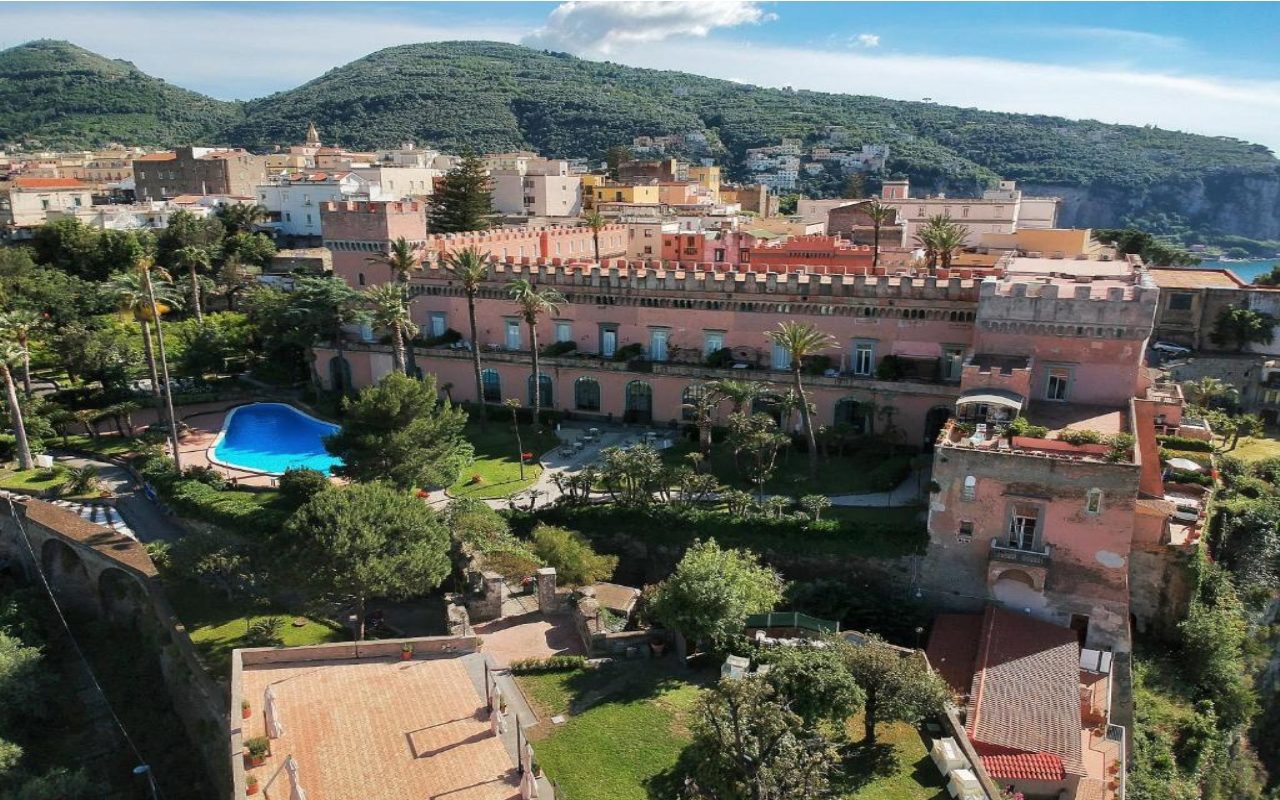 Giusso Castle: the legends of Vico Equense
Built at the end of the 13th century, Giusso Castle was designed as both a military fortress and a residence.Read more
Giusso Castle: the legends of Vico Equense
Built at the end of the 13th century, Giusso Castle was designed as both a military fortress and a residence.Read more -
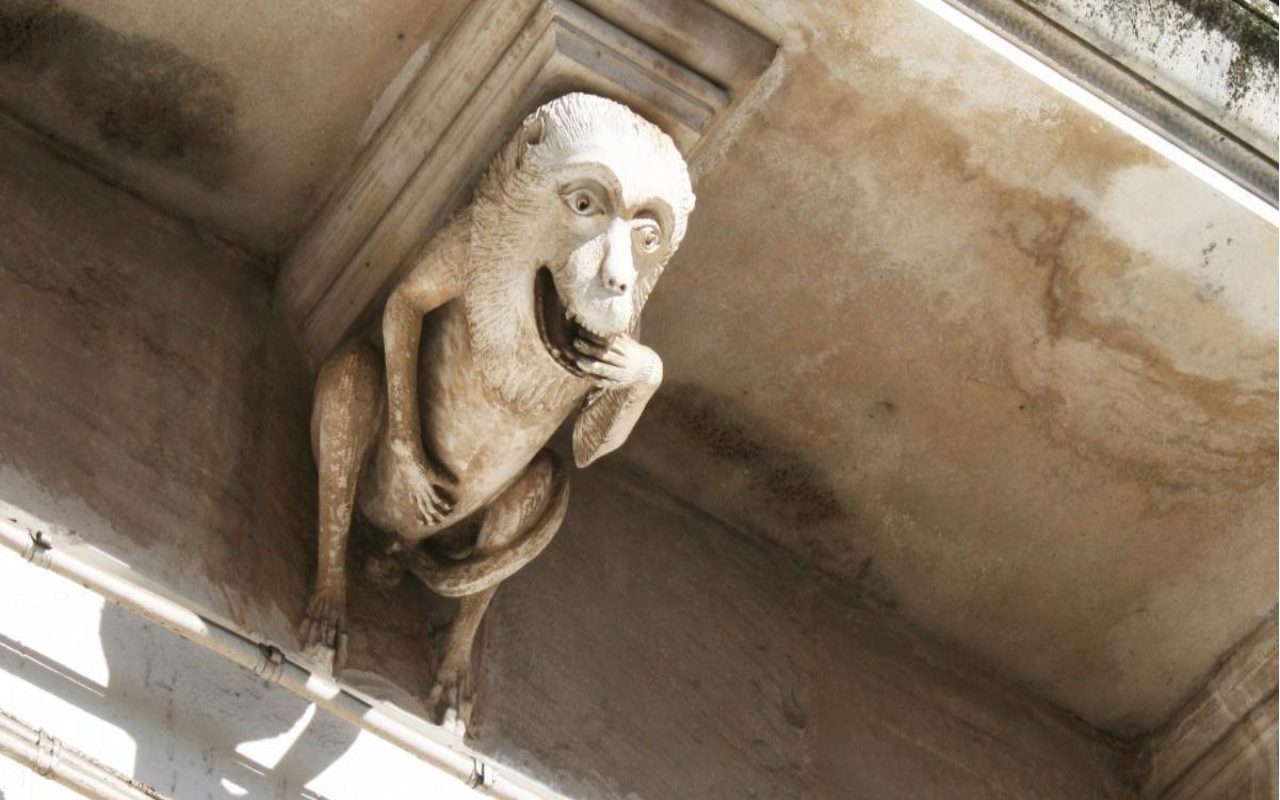 The apotropaic stone masks of lava rock and marble
Neapolitan apotropaic masks are truly fascinating works of art that can be admired on numerous historic buildings...Read more
The apotropaic stone masks of lava rock and marble
Neapolitan apotropaic masks are truly fascinating works of art that can be admired on numerous historic buildings...Read more -
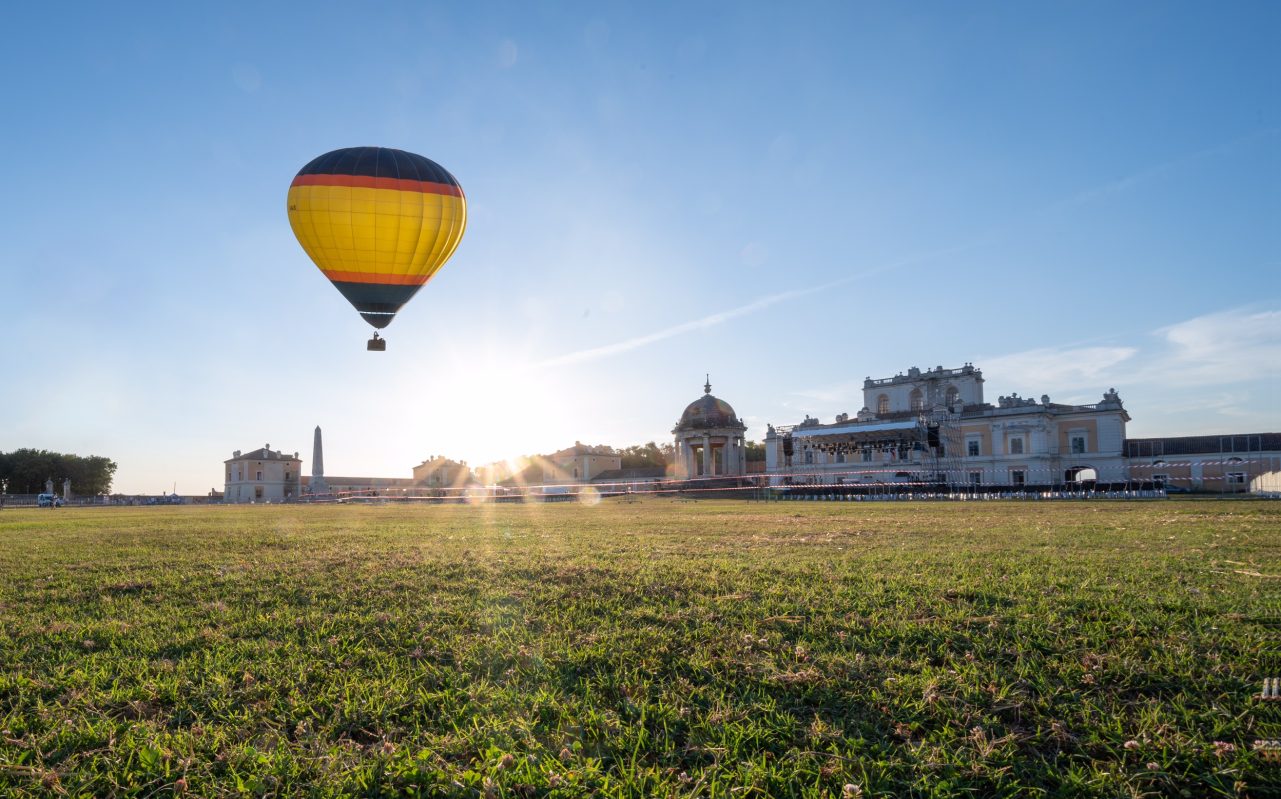 THE ROYAL PALACE OF CARDITELLO
The Tenuta Storica di Carditello (Historic Estate of Carditello), also known as the Reggia di Carditello (Royal...Read more
THE ROYAL PALACE OF CARDITELLO
The Tenuta Storica di Carditello (Historic Estate of Carditello), also known as the Reggia di Carditello (Royal...Read more
Leave a comment