



In Naples, a graduation is never a private affair: it's a neighbourhood celebration. Here's how to choose an original...
Latest posts
-
 Original Neapolitan graduation gift: ideas for the graduate (him and her)Read more
-
 Asso 'e mazze: meaning and history of the Neapolitan ace of clubsRead more
The strongest card on the green table becomes, in Naples, the most elegant way to say who really calls the shots....
-
 Michelina Di Cesare, the brigantessa who defied a kingdomRead more
Born poor in Terra di Lavoro, Michelina Di Cesare chose the maquis and the rifle against a newly united Italy. A...
-
 Neapolitan Hoodies: The Autumn 2026 Style GuideRead more
When the air turns crisp, in Naples people don't just reach for a hoodie: they reach for a piece of identity. Here's...
-
 Maradona Stadium: City Council allocates €50 million for Euro 2032Read more
The City Council has allocated €50 million for the redevelopment of the Diego Armando Maradona stadium, ahead of...
-
 Pizza Maxima 2026: Franco Pepe Is Once Again Best Pizzeria in ItalyRead more
At the fifth edition of Pizza Maxima, the Oscars of Italian pizza, Franco Pepe confirms his title as Best Pizzeria in...
-
 ‘L’acqua è poca e ‘a papera nun galleggia’: what it meansRead more
When the means are few, so is the result. Let's discover the most realistic Neapolitan saying there is.
-
 Avanti Scugnizzi: the story of the year's most loved T-shirtRead more
One word, ‘scugnizzo’ (Neapolitan street kid), and it holds the whole of Naples inside it. We tell you how the year's...
-
 'Chi chiagne fotte a chi ride': what it means and why it's truer than everRead more
At the market, at the counter, in the family: there's always someone who complains and gets more. It's the sharp...
-
 San Gennà, futtatenne! (Saint Januarius, don't worry about it!) San Gennaro, 19 September and the patron saint's t-shirtRead more
Who San Gennaro was, the miracle of the blood that liquefies, and the feast on 19 September. Plus that close,...
Blog categories
Search in blog
Archived posts
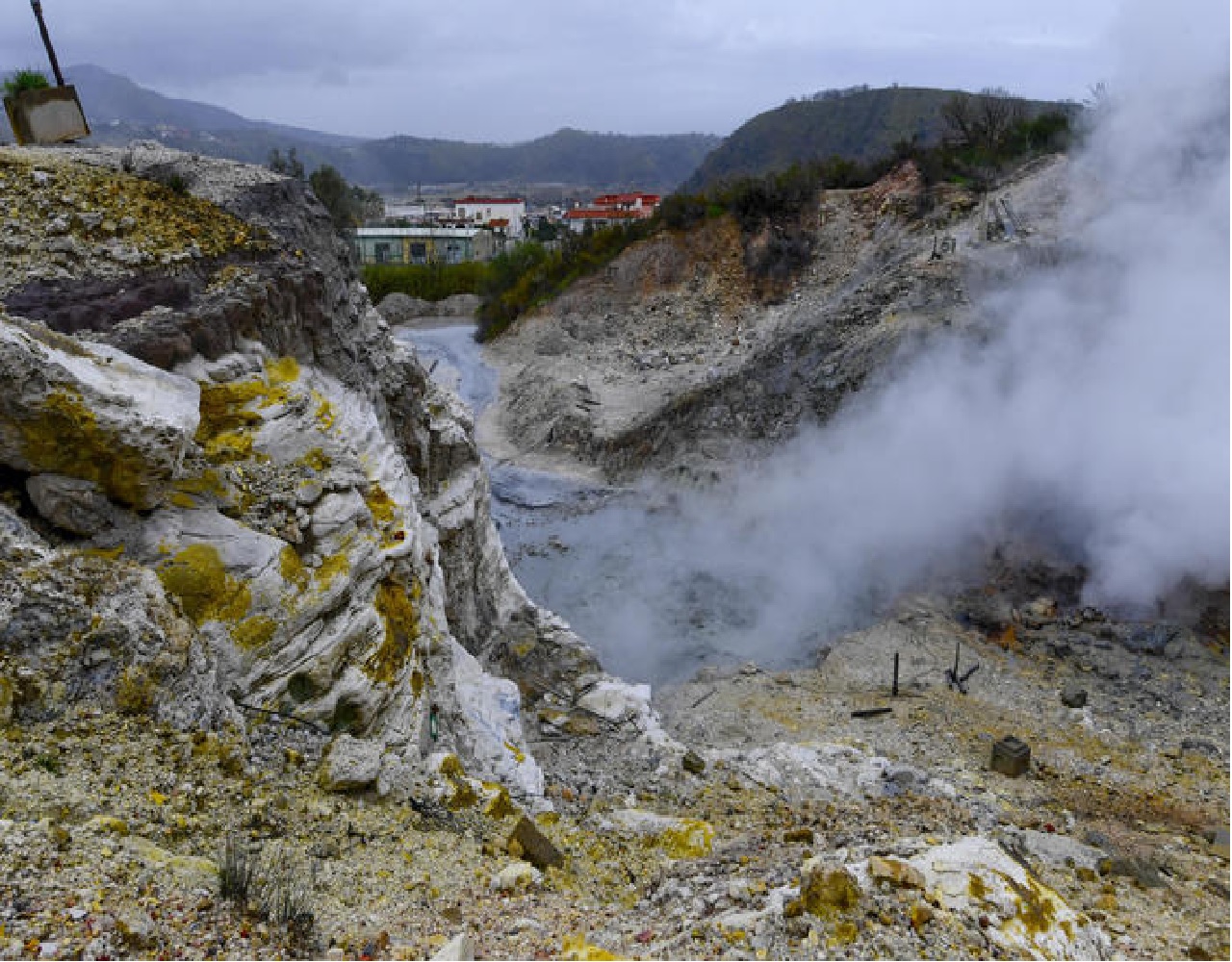
The Geological Phenomenon of Bradyseism: A Journey Through the Earth's Waves
Volcanic activity: The presence of a submarine or terrestrial volcano can cause bradyseism. During volcanic activity, magma moves beneath the surface and can push or pull the Earth's crust, causing it to rise or sink. Changes in load: Changes in the amount of material on the Earth's crust, such as the deposition of river sediments or the retreat of glaciers, can affect bradyseism. Variations in fluid pressure: Alterations in the pressure of fluids underground, such as the accumulation or release of water or gas, can affect the vertical movements of the crust.
A Journey Through the Earth's Waves
The Earth is a place of constant change, shaped by a myriad of geological forces acting beneath its surface. One of these fascinating processes is bradyseism, a geological phenomenon that can affect the topography of coastal regions all over the world. In this article, we'll explore how bradyseism works, what causes it and what effects it can have on the Earth.
What Is Bradyseism?
The term "bradyseism" comes from the Greek words "bradys" (slow) and "seismos" (movement), meaning "slow movement." This name is fitting, since bradyseism is a process characterised by slow, gradual vertical movements of the Earth's crust. These movements can involve both the uplift and the subsidence of the ground and of coastlines.
Causes of Bradyseism
Bradyseism can be triggered by various causes, including:
1. Volcanic Activity
In many volcanic regions of the world, bradyseism is closely linked to volcanic activity. During volcanic eruptions or phases of intense magmatic activity, magma can accumulate or drain away beneath the Earth's surface. These movements of magma exert pressure on the crust, which can respond by rising or sinking.
2. Sedimentary Load
The weight of sediments that build up in a coastal region can affect bradyseism. For example, the deposit of sediments from rivers or seas can cause the Earth's crust to sink, while erosion can trigger uplift.
3. Variations in Fluid Pressure
Variations in fluid pressure beneath the Earth's surface play a crucial role in bradyseism. Changes in the amount of water or gas present in the rocks below can affect the vertical movements of the crust.
The Bradyseism Cycle
Bradyseism can be divided into two main phases:
1. Uplift
During the uplift phase, the Earth's crust gradually rises. This uplift can be so slow that it isn't noticeable within a human lifetime, but over the course of centuries or millennia, it can lead to remarkable changes in topography. Shorelines can move away from the sea, and coasts can gradually emerge.
2. Subsidence
In the subsidence phase, the Earth's crust shifts downward, causing the ground to sink and the coastline to move closer to the sea. This can lead to phenomena such as the flooding of coastal areas and the formation of new bays or lagoons.
Effects of Bradyseism
The effects of bradyseism can be surprising and can significantly influence the surrounding environment. Some of these effects include:
- Changes in the Coastline: Bradyseism can cause the erosion or uplift of coastlines, affecting marine habitats and the life of coastal communities.
- Volcanic Risks: In volcanic areas, bradyseism can be an indicator of imminent volcanic activity, with the potential for eruptions and earthquakes.
- Impacts on Infrastructure: The rising or sinking of the ground can have significant impacts on coastal infrastructure such as ports, dams and buildings.
In conclusion, bradyseism is an extraordinary geological phenomenon that reminds us of just how dynamic the Earth truly is. The slow but powerful vertical movements of the Earth's crust can shape landscapes, influence ecosystems and represent a key factor in assessing volcanic risk. This geological process is an example of how the Earth is a planet in constant evolution, where forces deep underground are forever at play, shaping our world.
Posted in:
Places in Naples
Related posts
-
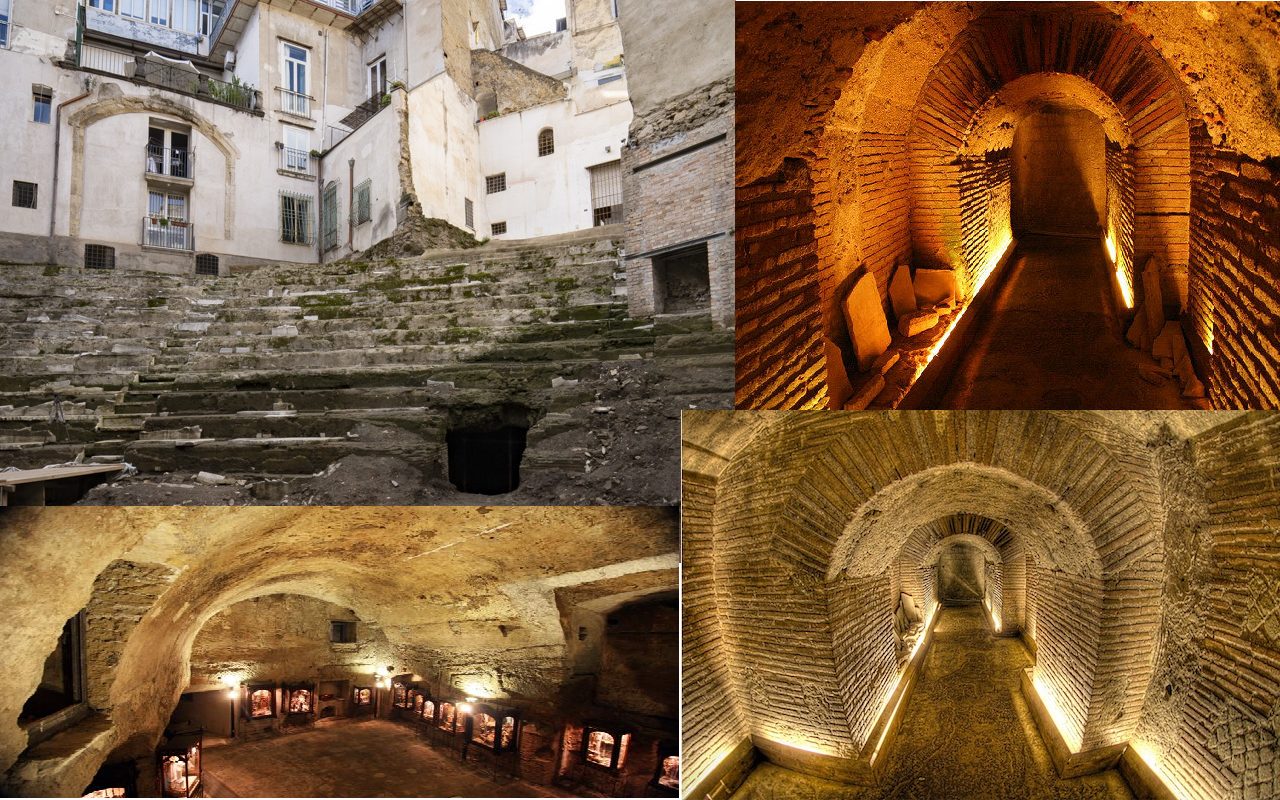 The Roman Theatre of Neapolis
Among the many wonders of Naples' historic centre stands the ancient Roman Theatre of Neapolis, between what are now...Read more
-
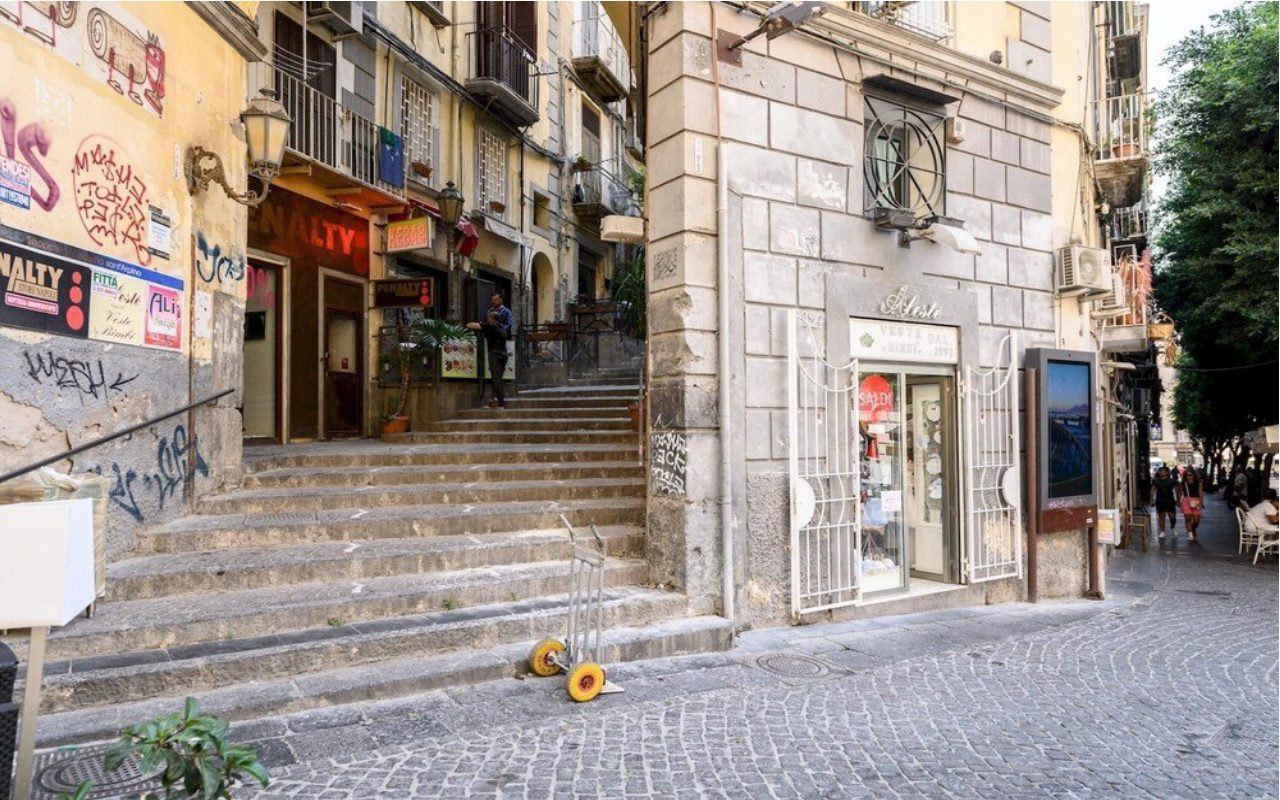 Discover Vicoletto Sant'Arpino: History and Beauty of Naples
There are corners of Naples that tell incredible stories, that take your breath away and make it unique, sincere and...Read more
-
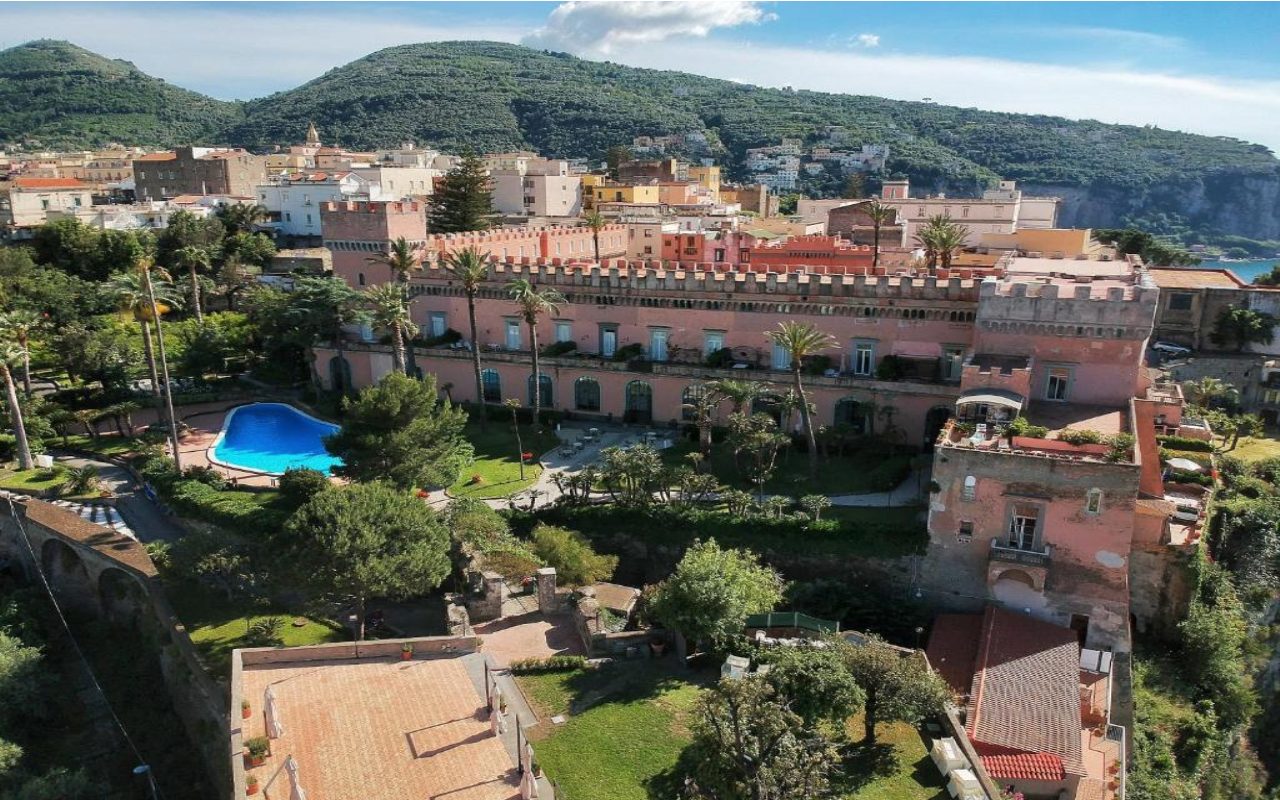 Giusso Castle: the legends of Vico Equense
Built at the end of the 13th century, Giusso Castle was designed as both a military fortress and a residence.Read more
-
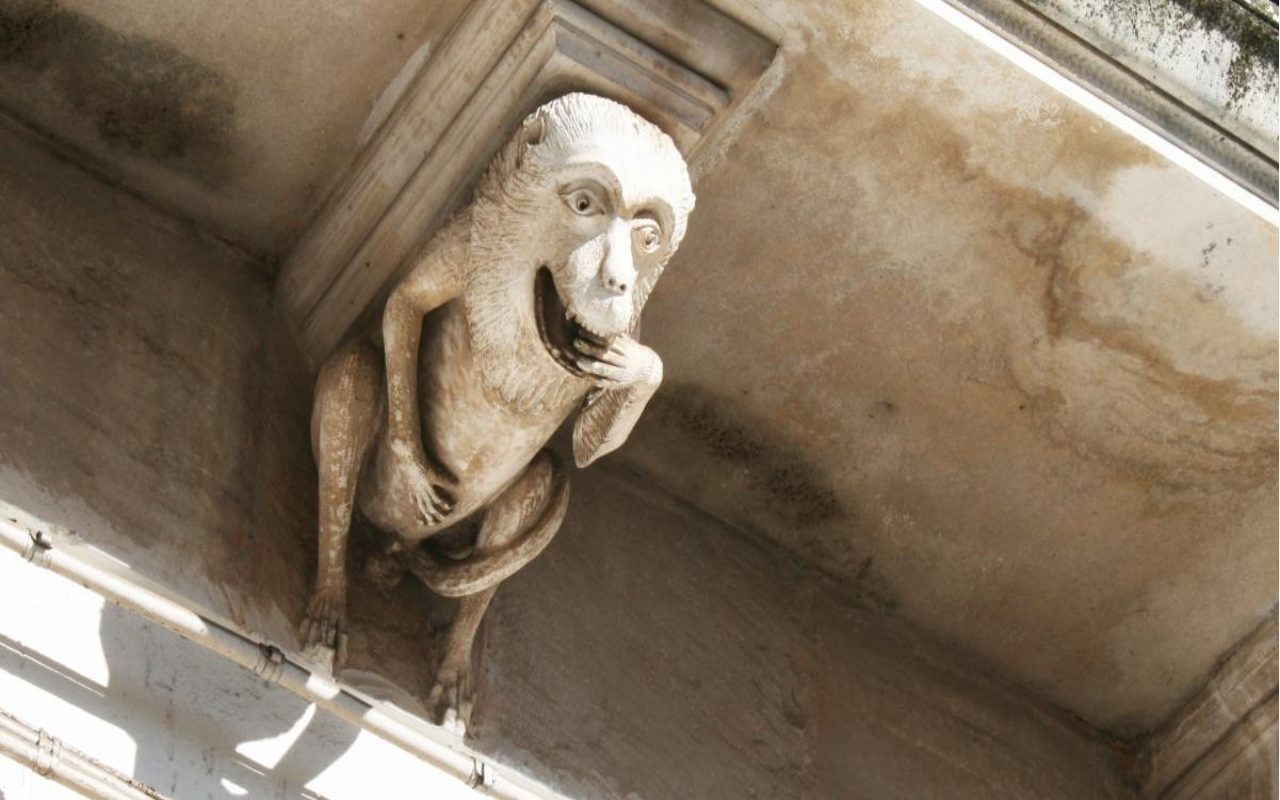 The apotropaic stone masks of lava rock and marble
Neapolitan apotropaic masks are truly fascinating works of art that can be admired on numerous historic buildings...Read more
-
 THE ROYAL PALACE OF CARDITELLO
The Tenuta Storica di Carditello (Historic Estate of Carditello), also known as the Reggia di Carditello (Royal...Read more
Leave a comment