



In Naples, a graduation is never a private affair: it's a neighbourhood celebration. Here's how to choose an original...
Latest posts
-
 Original Neapolitan graduation gift: ideas for the graduate (him and her)Read more
-
 Asso 'e mazze: meaning and history of the Neapolitan ace of clubsRead more
The strongest card on the green table becomes, in Naples, the most elegant way to say who really calls the shots....
-
 Michelina Di Cesare, the brigantessa who defied a kingdomRead more
Born poor in Terra di Lavoro, Michelina Di Cesare chose the maquis and the rifle against a newly united Italy. A...
-
 Neapolitan Hoodies: The Autumn 2026 Style GuideRead more
When the air turns crisp, in Naples people don't just reach for a hoodie: they reach for a piece of identity. Here's...
-
 Maradona Stadium: City Council allocates €50 million for Euro 2032Read more
The City Council has allocated €50 million for the redevelopment of the Diego Armando Maradona stadium, ahead of...
-
 Pizza Maxima 2026: Franco Pepe Is Once Again Best Pizzeria in ItalyRead more
At the fifth edition of Pizza Maxima, the Oscars of Italian pizza, Franco Pepe confirms his title as Best Pizzeria in...
-
 ‘L’acqua è poca e ‘a papera nun galleggia’: what it meansRead more
When the means are few, so is the result. Let's discover the most realistic Neapolitan saying there is.
-
 Avanti Scugnizzi: the story of the year's most loved T-shirtRead more
One word, ‘scugnizzo’ (Neapolitan street kid), and it holds the whole of Naples inside it. We tell you how the year's...
-
 'Chi chiagne fotte a chi ride': what it means and why it's truer than everRead more
At the market, at the counter, in the family: there's always someone who complains and gets more. It's the sharp...
-
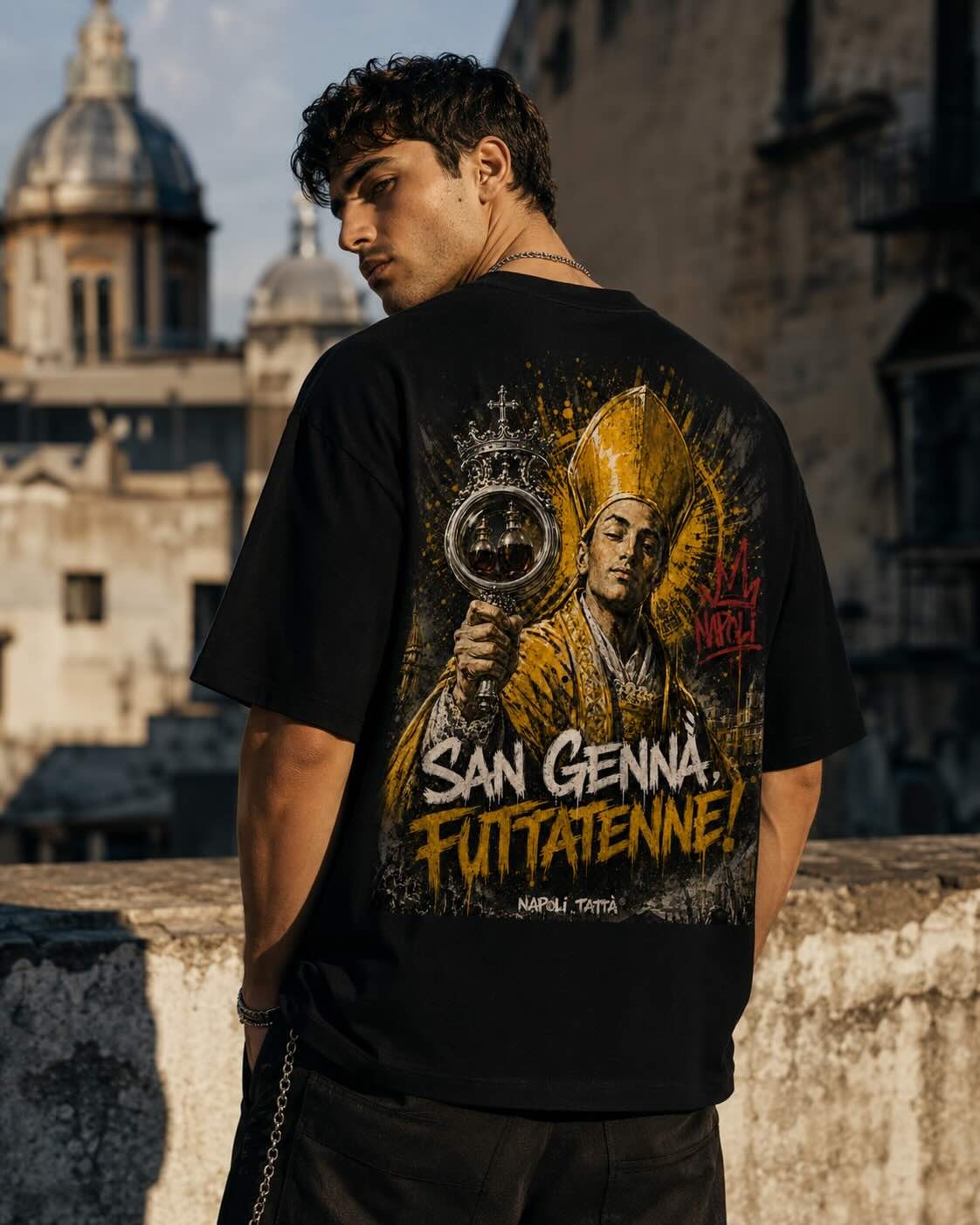 San Gennà, futtatenne! (Saint Januarius, don't worry about it!) San Gennaro, 19 September and the patron saint's t-shirtRead more
Who San Gennaro was, the miracle of the blood that liquefies, and the feast on 19 September. Plus that close,...
Blog categories
Search in blog
Archived posts
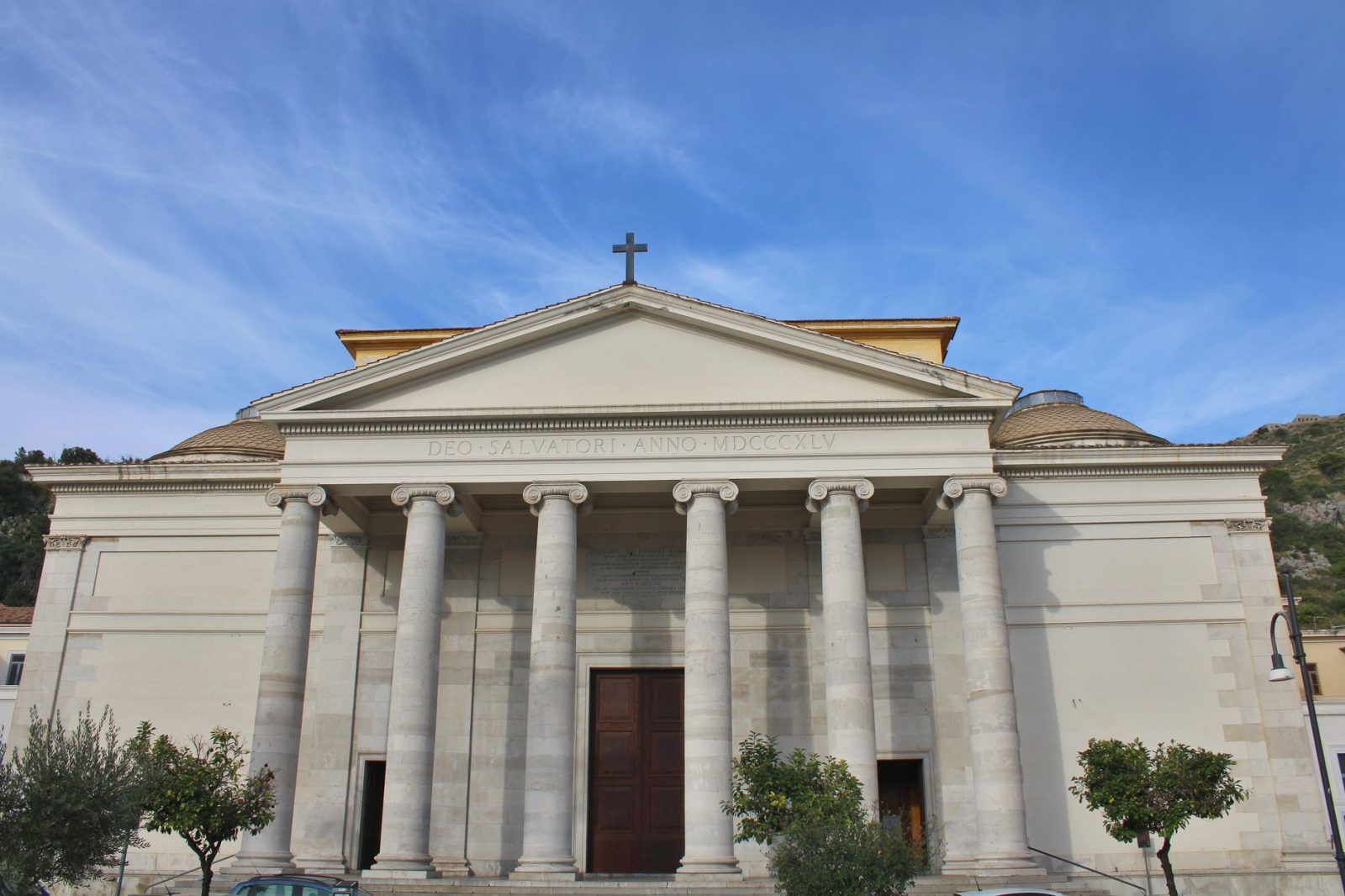
The Sanctuary of Pompeii
In the heart of Campania, between the shadow of Vesuvius and the coast of the Tyrrhenian Sea, stands the Sanctuary of Pompeii, one of Italy's most famous and most visited places of worship. This extraordinary sanctuary, located in the town of Pompeii, is steeped in history, devotion and an atmosphere of deep spirituality.
The Sanctuary of Pompeii: A Remarkable Historical and Religious Odyssey
A History Spanning Millennia
The Sanctuary of Pompeii has its roots in ancient Pompeii, a Roman city that was buried under layers of volcanic ash during the eruption of Vesuvius in 79 AD. For many centuries, Pompeii lay buried and forgotten until the archaeological excavations of the 18th century brought this ancient city back to light, allowing the world to take a fascinating journey through time.
The Sanctuary of Pompeii and the Miracle of Santa Maria del Rosario (Our Lady of the Rosary)
The Sanctuary of Pompeii is intimately linked to a miraculous event that took place in 1884. The story tells that, during an eruption of Vesuvius, the lava threatened to destroy the town of Pompeii, but an image of Maria Santissima del Rosario (Our Lady of the Rosary), venerated in the sanctuary's church, halted the catastrophe and saved the town. This event was considered a miracle and led to a significant growth in Marian devotion in Pompeii.
The Architecture and Beauty of the Sanctuary
The Sanctuary of Pompeii is an imposing architectural complex, characterised by a majestic neo-Gothic façade and grand columns. The main basilica, dedicated to Santa Maria del Rosario, is richly decorated with frescoes and mosaics depicting episodes from the life of Mary and Christ.
The Chapel of the Relics and Marian Devotion
One of the most moving places within the sanctuary is the Chapel of the Relics, where the remains of Bartolo Longo, the founder of the sanctuary, are kept. His life was dedicated to promoting Marian devotion and to the building of the sanctuary itself.
Pilgrims and visitors come from all over the world to take part in religious celebrations, to pray in the basilica and to pay homage to Maria Santissima del Rosario. The annual feast of Mary, held in May, is one of the most important events for the faithful and draws thousands of people.
Culture and Tourism in Pompeii
Besides the Sanctuary, the town of Pompeii is famous for the archaeological site preserving the ruins of the ancient Roman city destroyed by the volcanic eruption. This site offers an extraordinary window onto everyday life in ancient Rome and draws visitors from all over the world.
Conclusions: A Place of Peace and Reflection
The Sanctuary of Pompeii is a place that offers a unique experience combining history, spirituality and culture. Its story of miracles and devotion continues to inspire people of all faiths and cultural backgrounds. It is a place where one can reflect, meditate and find peace in a frenetic world. Visiting the Sanctuary of Pompeii is an extraordinary experience that touches the heart and soul of everyone who enters.
Foto: Gabriele Romano / Pexels
Posted in:
Places in Naples
Related posts
-
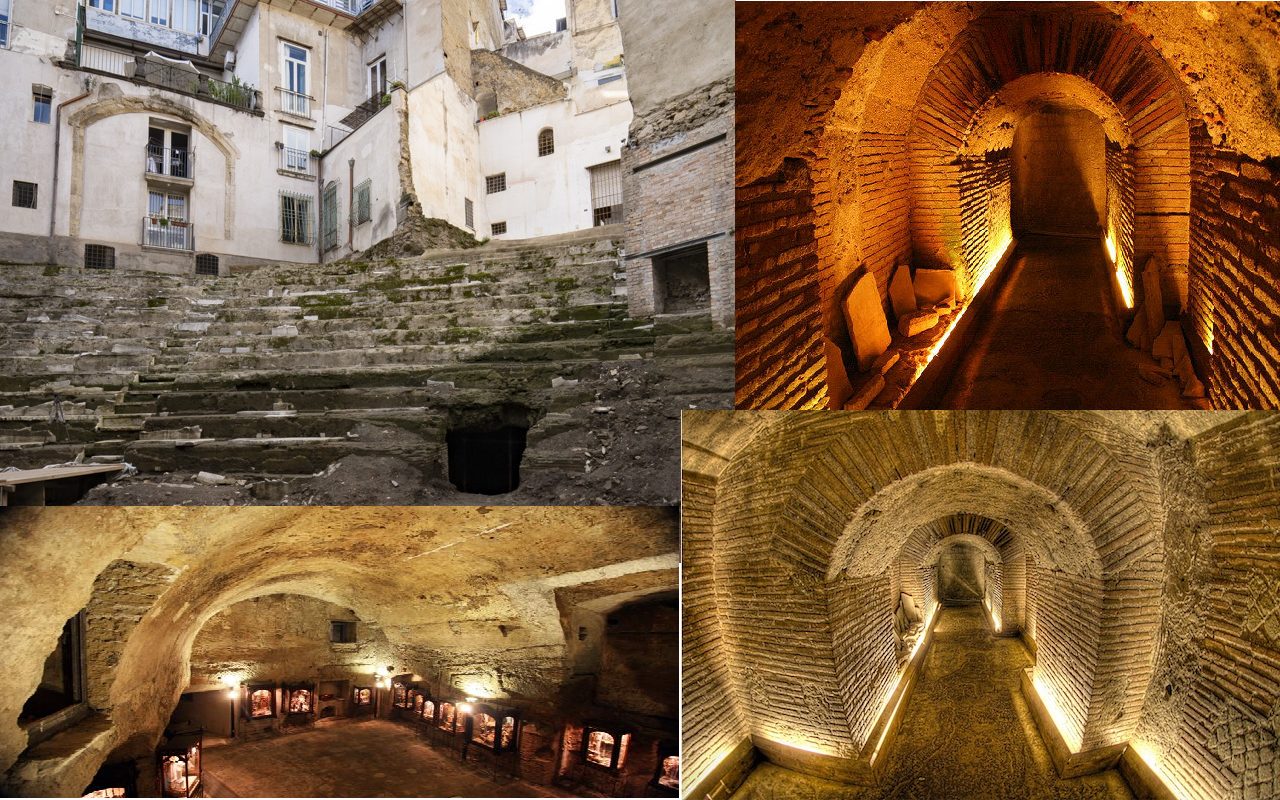 The Roman Theatre of Neapolis
Among the many wonders of Naples' historic centre stands the ancient Roman Theatre of Neapolis, between what are now...Read more
-
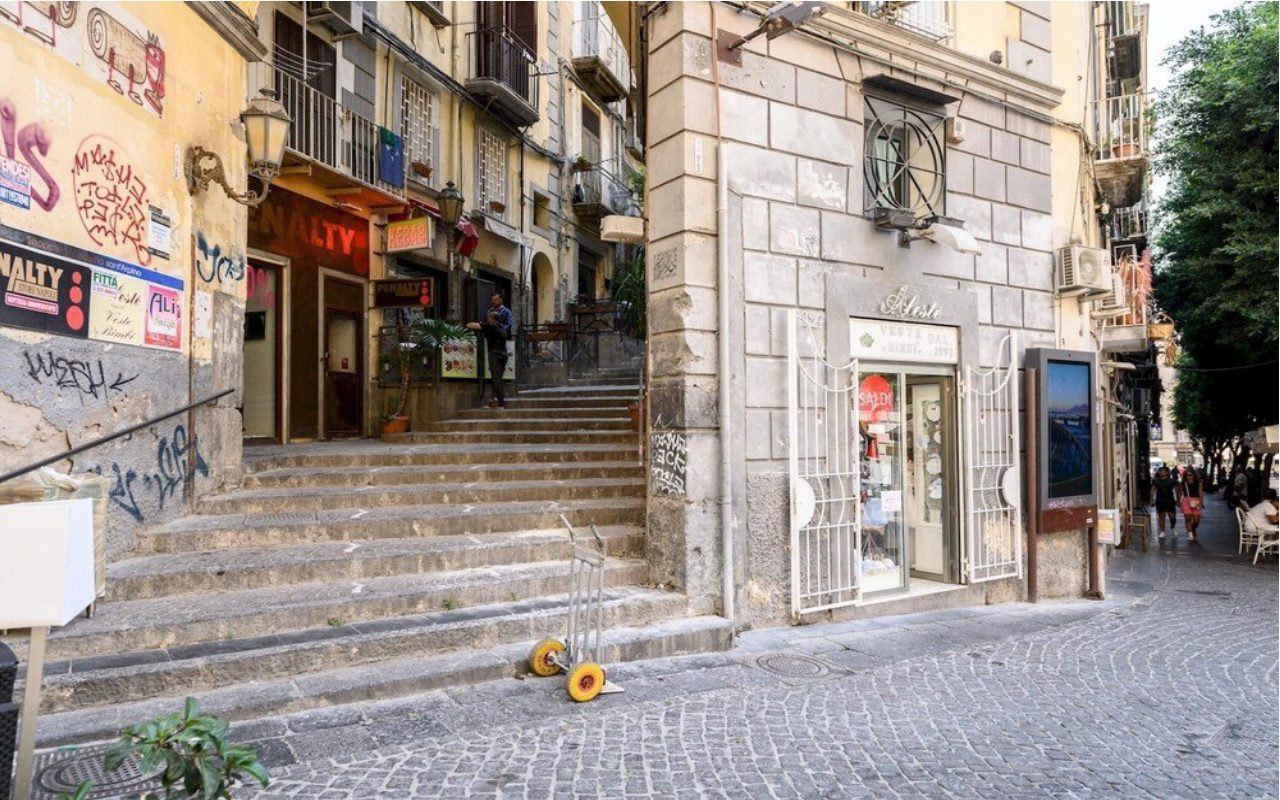 Discover Vicoletto Sant'Arpino: History and Beauty of Naples
There are corners of Naples that tell incredible stories, that take your breath away and make it unique, sincere and...Read more
-
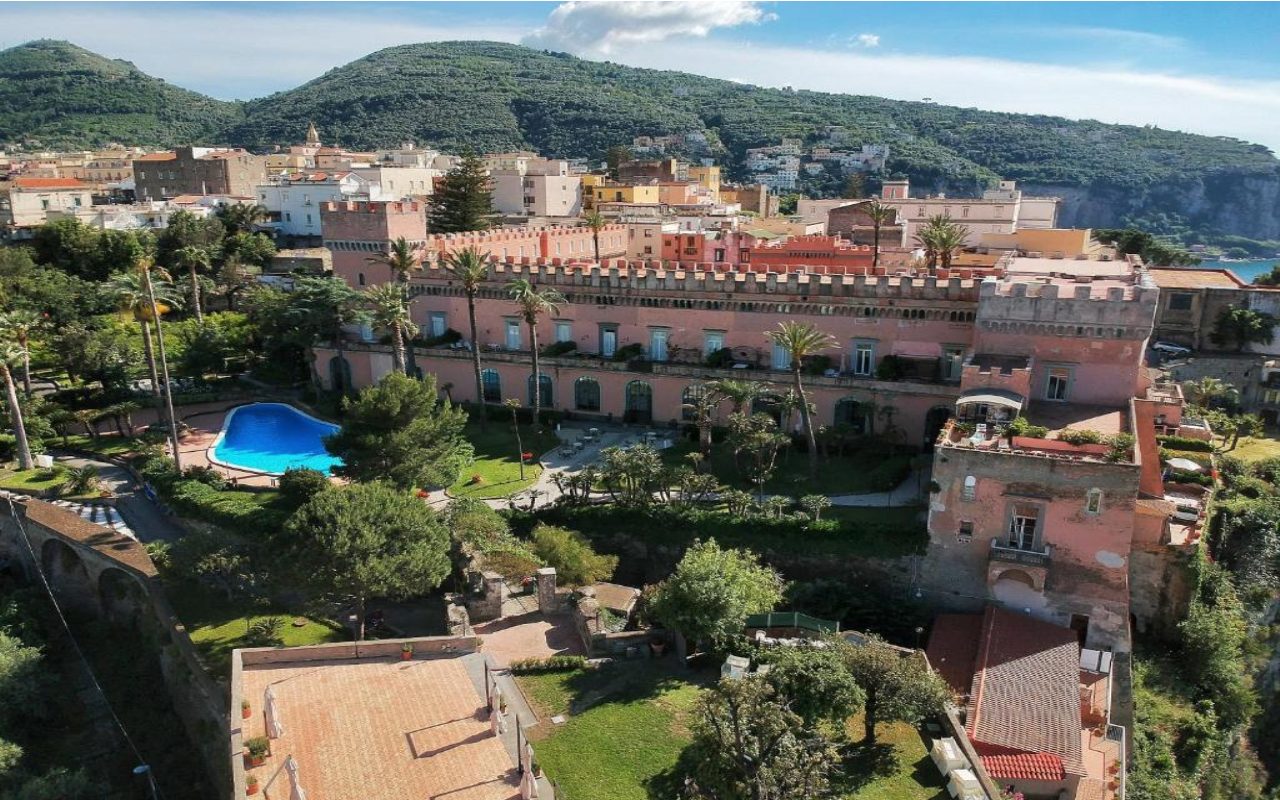 Giusso Castle: the legends of Vico Equense
Built at the end of the 13th century, Giusso Castle was designed as both a military fortress and a residence.Read more
-
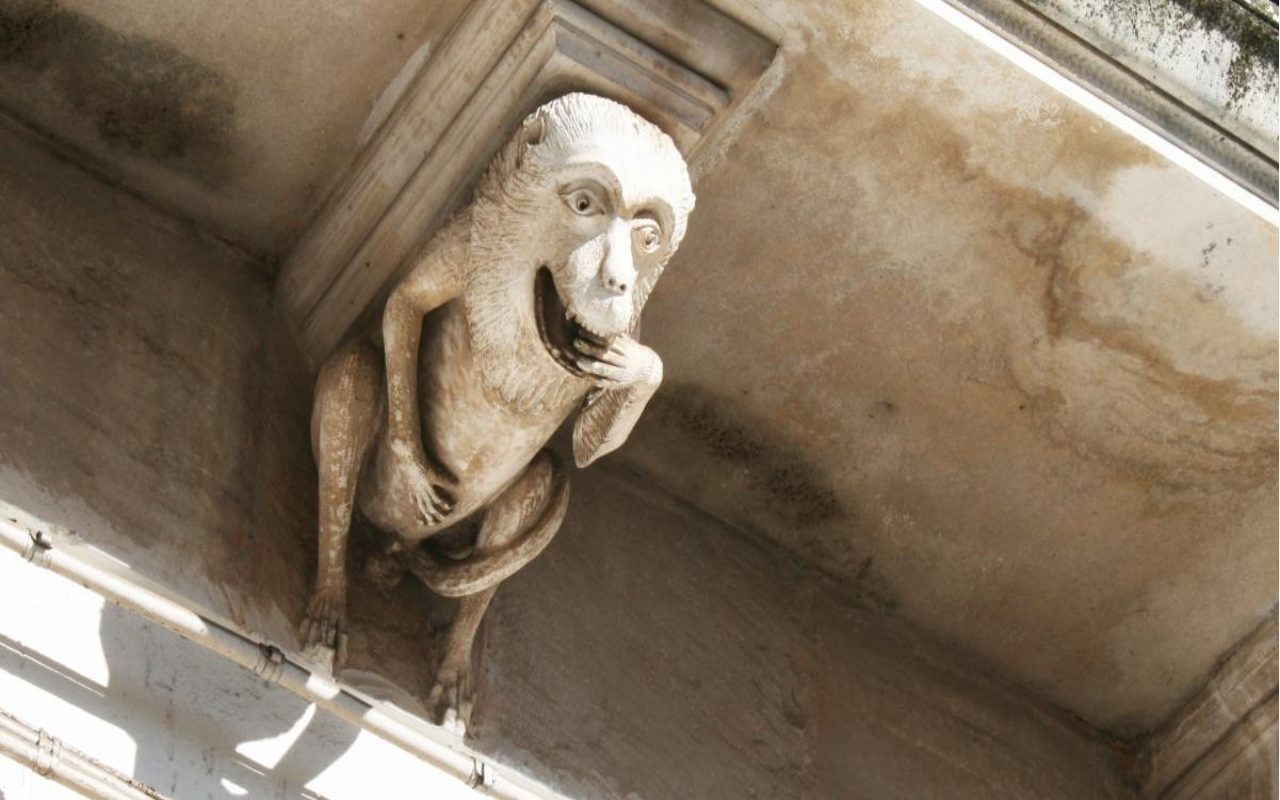 The apotropaic stone masks of lava rock and marble
Neapolitan apotropaic masks are truly fascinating works of art that can be admired on numerous historic buildings...Read more
-
 THE ROYAL PALACE OF CARDITELLO
The Tenuta Storica di Carditello (Historic Estate of Carditello), also known as the Reggia di Carditello (Royal...Read more
Leave a comment