



In Naples, a graduation is never a private affair: it's a neighbourhood celebration. Here's how to choose an original...
Latest posts
-
 Original Neapolitan graduation gift: ideas for the graduate (him and her)Read more
-
 Asso 'e mazze: meaning and history of the Neapolitan ace of clubsRead more
The strongest card on the green table becomes, in Naples, the most elegant way to say who really calls the shots....
-
 Michelina Di Cesare, the brigantessa who defied a kingdomRead more
Born poor in Terra di Lavoro, Michelina Di Cesare chose the maquis and the rifle against a newly united Italy. A...
-
 Neapolitan Hoodies: The Autumn 2026 Style GuideRead more
When the air turns crisp, in Naples people don't just reach for a hoodie: they reach for a piece of identity. Here's...
-
 Maradona Stadium: City Council allocates €50 million for Euro 2032Read more
The City Council has allocated €50 million for the redevelopment of the Diego Armando Maradona stadium, ahead of...
-
 Pizza Maxima 2026: Franco Pepe Is Once Again Best Pizzeria in ItalyRead more
At the fifth edition of Pizza Maxima, the Oscars of Italian pizza, Franco Pepe confirms his title as Best Pizzeria in...
-
 ‘L’acqua è poca e ‘a papera nun galleggia’: what it meansRead more
When the means are few, so is the result. Let's discover the most realistic Neapolitan saying there is.
-
 Avanti Scugnizzi: the story of the year's most loved T-shirtRead more
One word, ‘scugnizzo’ (Neapolitan street kid), and it holds the whole of Naples inside it. We tell you how the year's...
-
 'Chi chiagne fotte a chi ride': what it means and why it's truer than everRead more
At the market, at the counter, in the family: there's always someone who complains and gets more. It's the sharp...
-
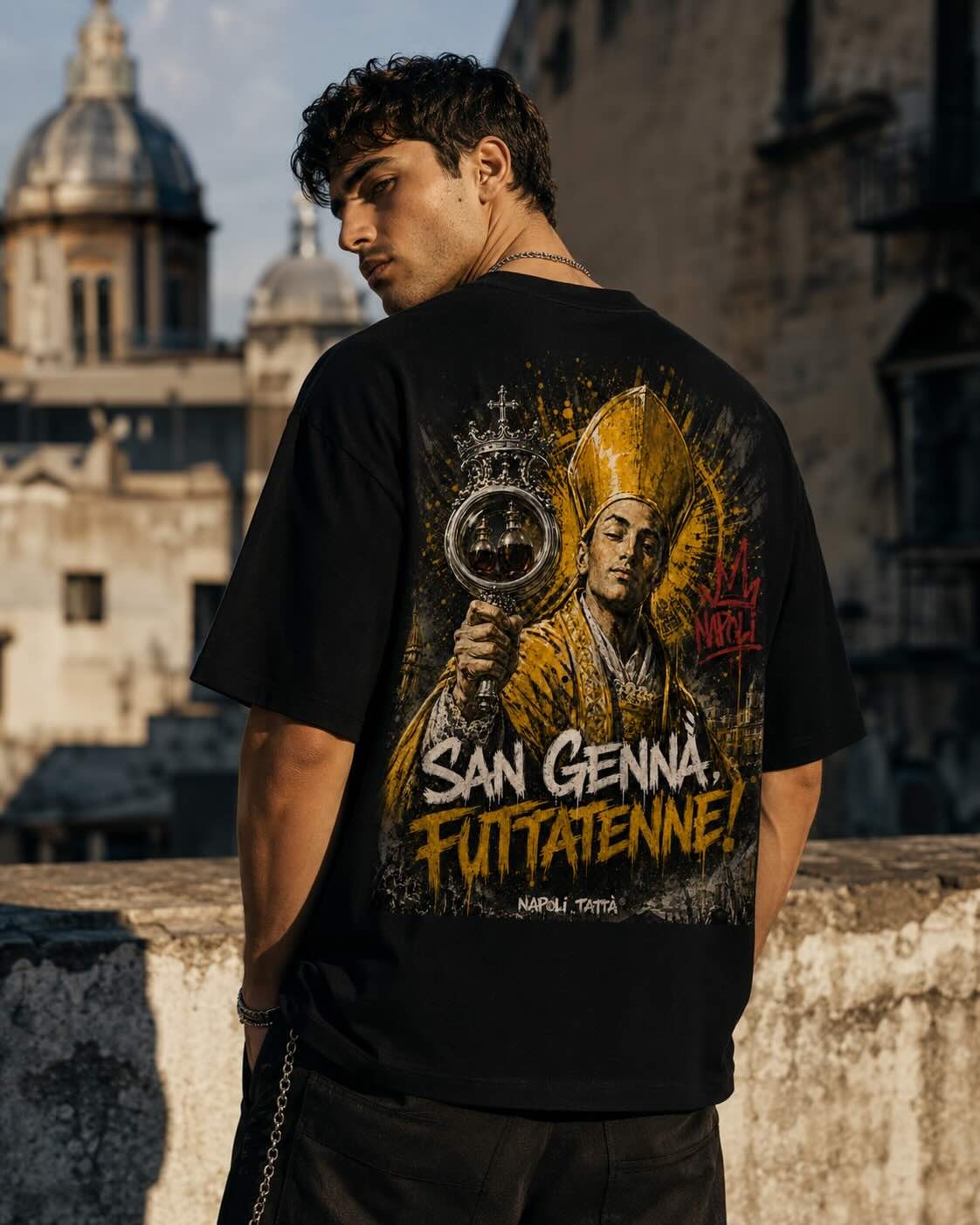 San Gennà, futtatenne! (Saint Januarius, don't worry about it!) San Gennaro, 19 September and the patron saint's t-shirtRead more
Who San Gennaro was, the miracle of the blood that liquefies, and the feast on 19 September. Plus that close,...
Blog categories
Search in blog
Archived posts
Discover Naples' Hidden Alleys: A Guide to 7 Treasures
Discover the magic of Naples through its 7 most characterful alleys! Getting lost among the narrow, picturesque streets of this fascinating city is an unmissable experience.
Vicolo del Cerriglio is an enchanting corner of Naples, tucked between the old port and the characterful Vicolo di Santa Maria la Nova. Renowned for its extraordinary narrowness, this alley holds a fascinating story linked to the famous painter Caravaggio. In the darkness of the night of 24 October 1609, Caravaggio stepped out of the Locanda del Cerriglio (still open and active today) and was brutally attacked by four men who slashed his face with a knife, leaving him in such a critical state that his life was feared for. Only thanks to the swift intervention of the innkeeper, who promptly called the authorities, did the attackers vanish into thin air. The motives behind this violent assault on Caravaggio remain a mystery to this day, though it is thought it may have been sparked by an affront to his honour. The name "Cerriglio" has ancient roots and is believed to derive from an old cluster of oak trees called "ceriglie" in Neapolitan dialect, which once marked the boundary of the medieval quarter. This magical alley is a true treasure of history and culture, not to be missed when visiting Naples.
San Gregorio Armeno is known the world over as the "street of nativity scenes". Every year, during the Christmas period, countless visitors flock to this street to admire the splendid terracotta figurines, a true masterpiece crafted by skilled Neapolitan artisans. One of these master craftsmen is Marco Ferrigno, regarded as a pioneer in the art of terracotta work in Naples. However, San Gregorio Armeno is not just about nativity scenes — it is also a testament to the ancient Greek and Roman city. In the past, this street was one of the main thoroughfares connecting the decumanus maximus, today's Via Tribunali, to the lower decumanus, now known as Spaccanapoli, representing the two main roads of ancient Neapolis. This area is steeped in history, with ancient churches and evocative underground caves that can still be visited today.
Vico Scassacocchi
This picturesque alley was chosen as the main location for the TV film "Napoli Milionaria" (Millionaire Naples), inspired by Eduardo De Filippo's 1945 play and directed by Luca Miniero. Here you'll find the distinctive home of the protagonists: Don Gennaro Jovene (played by Massimiliano Gallo) and his wife Amalia (played by Vanessa Scalera). In the original film "Napoli Milionaria" too, the character Pasqualino Miele (played by Totò) lives on the fifth floor of number 17, Vico Scassacavalli. This ancient alley runs between Via dei Tribunali and Spaccanapoli and was often chosen by De Filippo as the backdrop for his works, such as "Quei figuri di trent'anni fa" (Those Characters from Thirty Years Ago). But what is the origin of this curious name, "Scassacavalli" (horse-breaker)? According to some theories, it may be linked to the narrowness of the alley, which caused the wheels of horses and carriages passing through it to break (hence "scassacavalli"). Other theories suggest that, in the past, the alley was home to small shops selling horse and carriage spare parts at bargain prices.
Vico Freddo a Rua Catalana (Cold Alley at Rua Catalana)
Also known as the "cool alley" because of its shaded position, sheltered by the surrounding buildings, which keep direct sunlight from ever reaching it. The sea breeze drifting in from the coast keeps it cool and damp, even during the most scorching summers. From the mid-1300s, the alley became the district of tinsmiths, rag-and-bone dealers and cork craftsmen, at the request of the Queen of Naples, Joanna I of Anjou, who invited artisans from various nations to boost trade. Rua Catalana was assigned to Spanish craftsmen. Even today, the alley is home to artisan workshops specialising in tin and other humble materials. In 1997, the artist Riccardo Dalisi breathed new life into this alley, transforming it into an open-air museum of contemporary art, thanks to the collaboration of all the local craftsmen.
Vico del Fico al Purgatorio (Fig Tree Alley at the Purgatory)
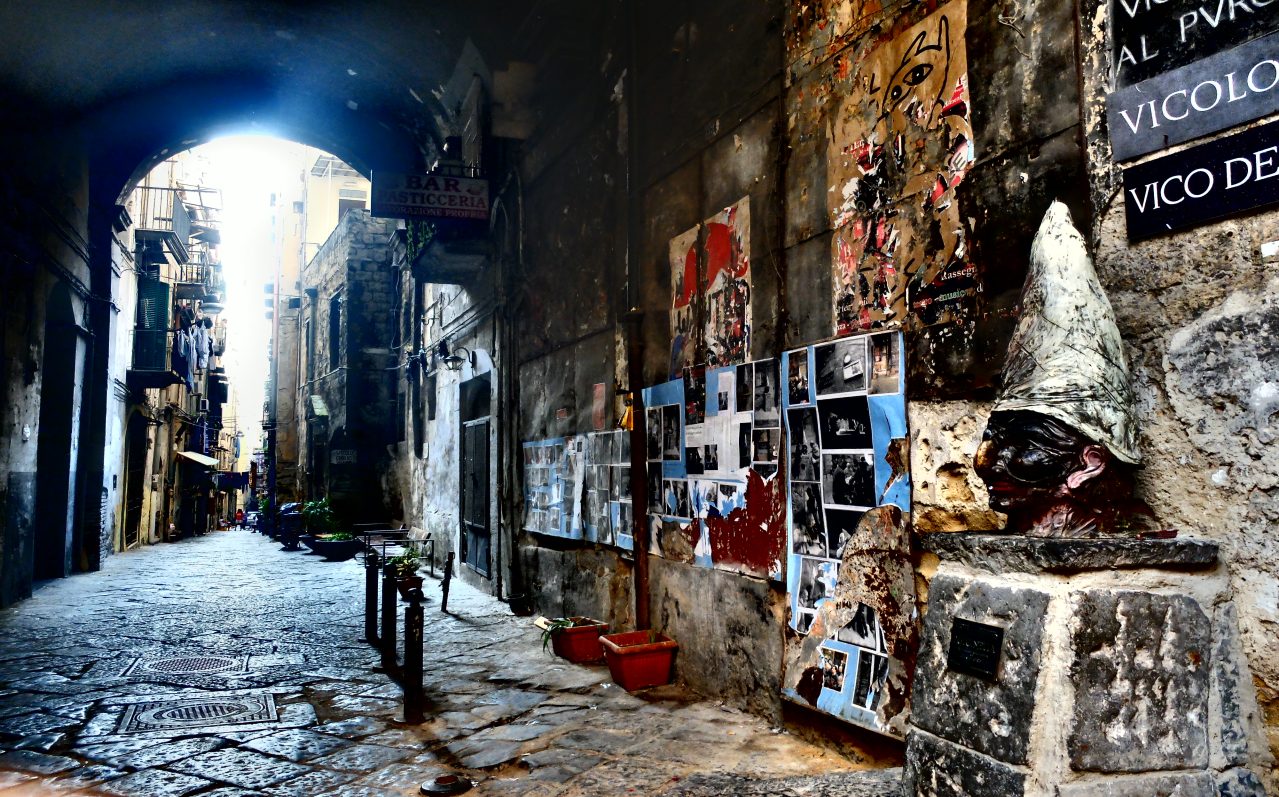
An ancient alley linking two important streets of Naples, Via dei Tribunali and Via San Biagio dei Librai, better known as "Spaccanapoli". This alley is famous for its historic Baroque Church of Purgatorio ad Arco, also known as the church of the souls of Purgatory. Often called "'e cape 'e morte" (the skulls), the church is a place of worship dedicated to souls suspended between heaven and hell. One of the main attractions of this alley is the statue of Pulcinella, an icon of Neapolitan tradition. The work, cast in bronze and set on a stone plinth, was donated to the city by the artist Lello Esposito in 2012. The statue of Pulcinella has become one of the best-known images of Naples' historic centre and is considered a symbol of good luck for those who rest a hand on the tip of his nose. Right near this statue stands the Teatro Instabile Napoletano, known as "T.I.N", which is actively engaged in restoring and reviving the whole surrounding area.
Vico dei Panettieri (Bakers' Alley)
A small, picturesque alley linking Via dei Tribunali to Via San Biagio dei Librari, known as "the heart of the bakers". The alley takes its name from the fact that it once housed the old ovens where warm, fragrant bread was baked. This used to be the beating heart of bread-making craft in Naples. Even today, walking along this alley, you can breathe in the aroma of freshly baked bread wafting from the traditional bakeries that still keep the ancient tradition alive. Vico dei Fornaioli is also famous for its colourful murals depicting scenes of everyday life and famous figures from the city. These vibrant works of urban art make the alley a fascinating spot and an iconic image of Naples, well worth admiring and photographing.
Vico Totò
In the charming Vico Portacarrese a Montecalvario, just a few steps from Via Toledo, lies a place that enchants everyone: Vico Totò. This little alley has been transformed into a genuine open-air museum, a true celebration of Neapolitan artists and their cultural legacy. Murals, photographs and posters adorn the walls, depicting the unforgettable Totò, the talented Nino Taranto and the brilliant Peppino De Filippo, breathing life into this unique place. The first mural to come to life was the image of Totò dressed as a woman, inspired by the film "Totò truffa '62" (Totò the Con Man '62), created by the artist Lino Ozon. Later came works such as the Humanheroes by Luca Carnevale and many more besides. Another not-to-be-missed attraction of the alley is the reproduction of the fake print shop "Lo Turco", famous for the amusing scene in the film "La banda degli onesti" (The Band of Honest Men), displayed on what is now a closed shop. Walking through Vico Totò, you can breathe in the art, the energy and the unique spirit of Naples and its extraordinary artists.
Posted in:
Places in Naples
Related posts
-
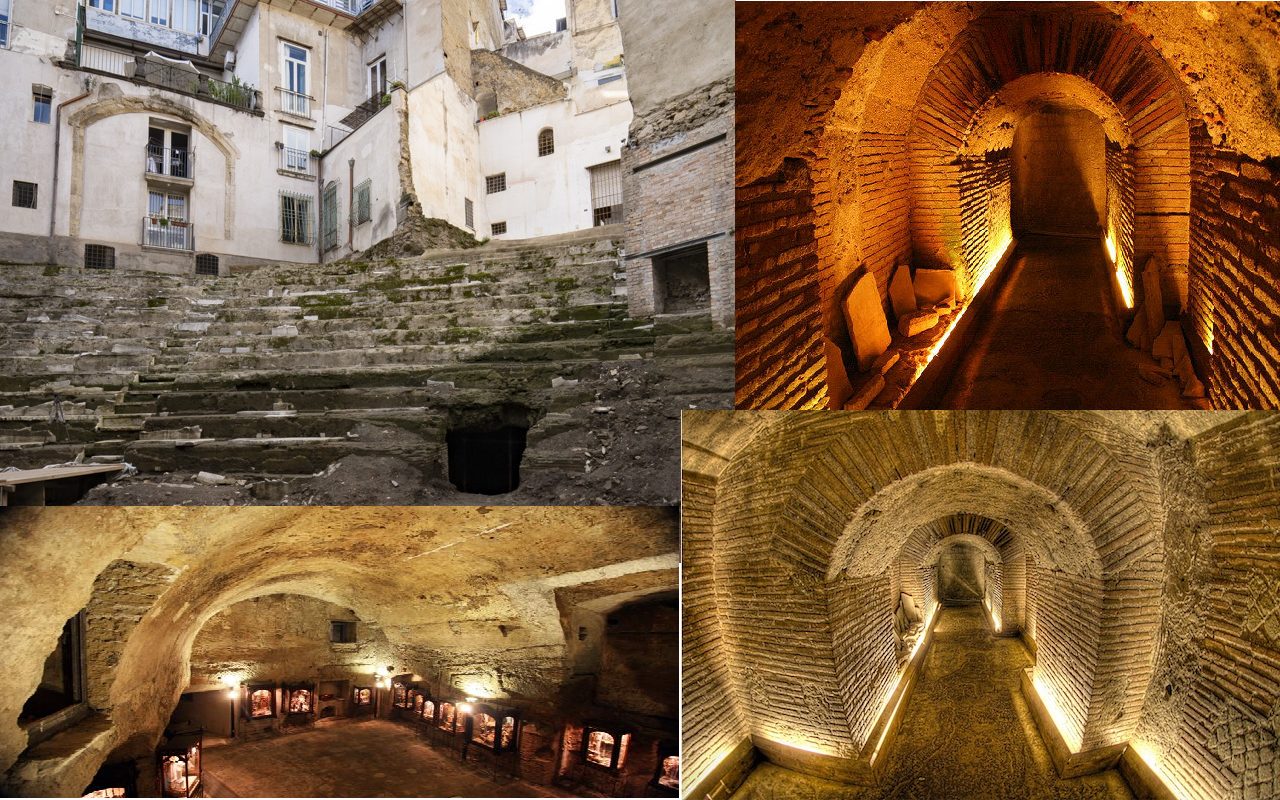 The Roman Theatre of Neapolis
Among the many wonders of Naples' historic centre stands the ancient Roman Theatre of Neapolis, between what are now...Read more
-
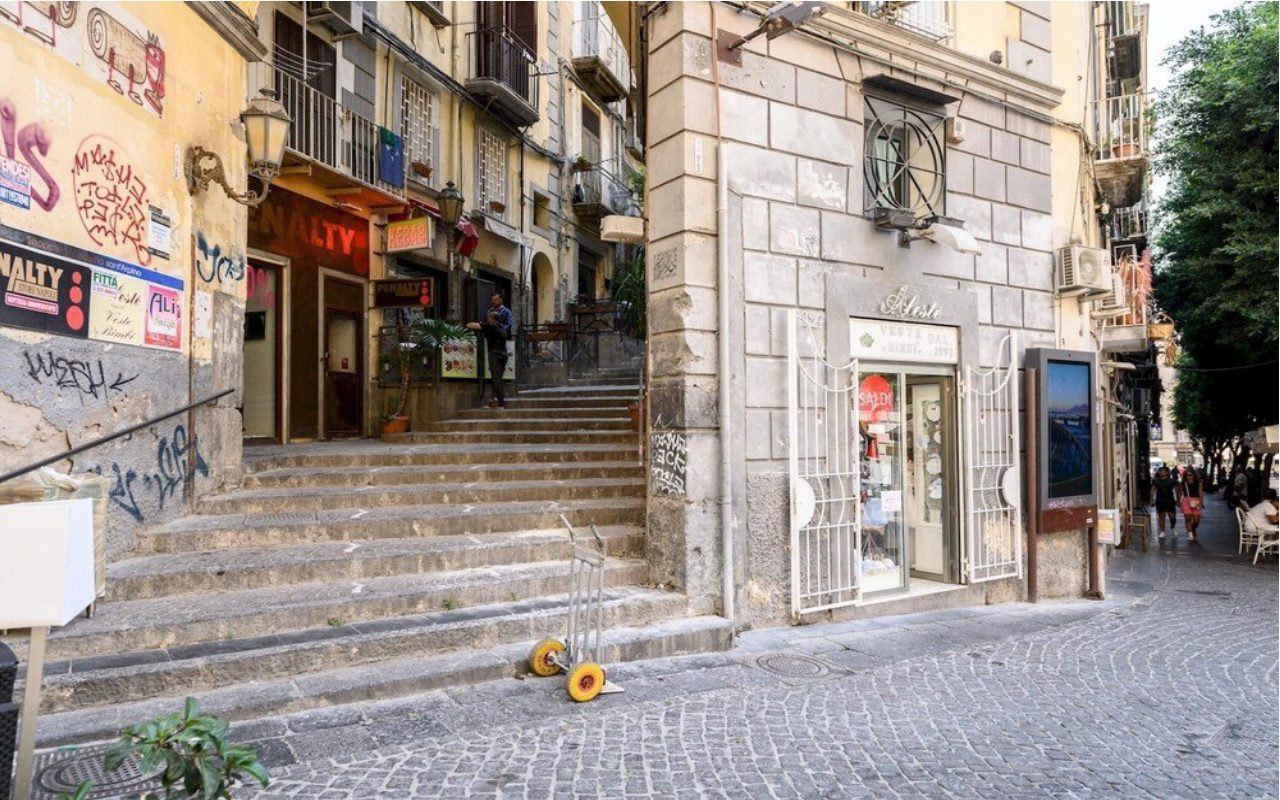 Discover Vicoletto Sant'Arpino: History and Beauty of Naples
There are corners of Naples that tell incredible stories, that take your breath away and make it unique, sincere and...Read more
-
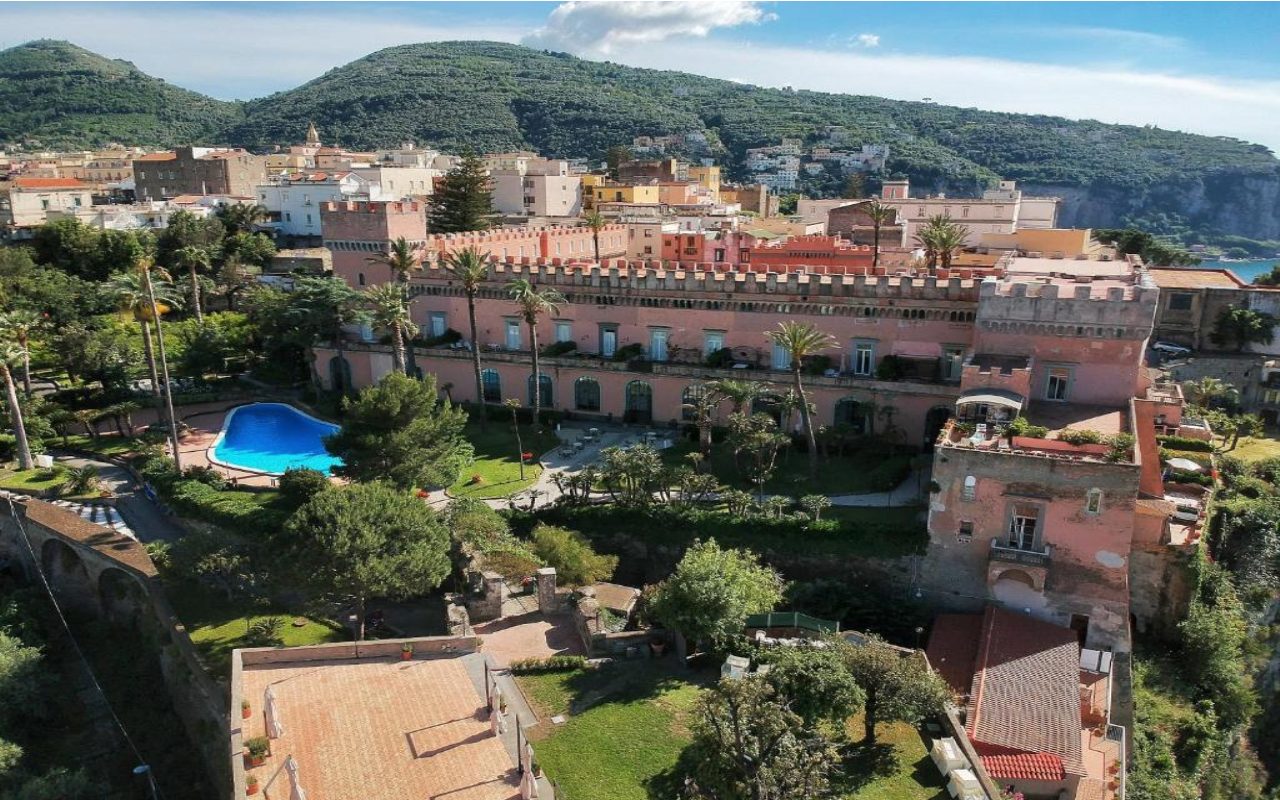 Giusso Castle: the legends of Vico Equense
Built at the end of the 13th century, Giusso Castle was designed as both a military fortress and a residence.Read more
-
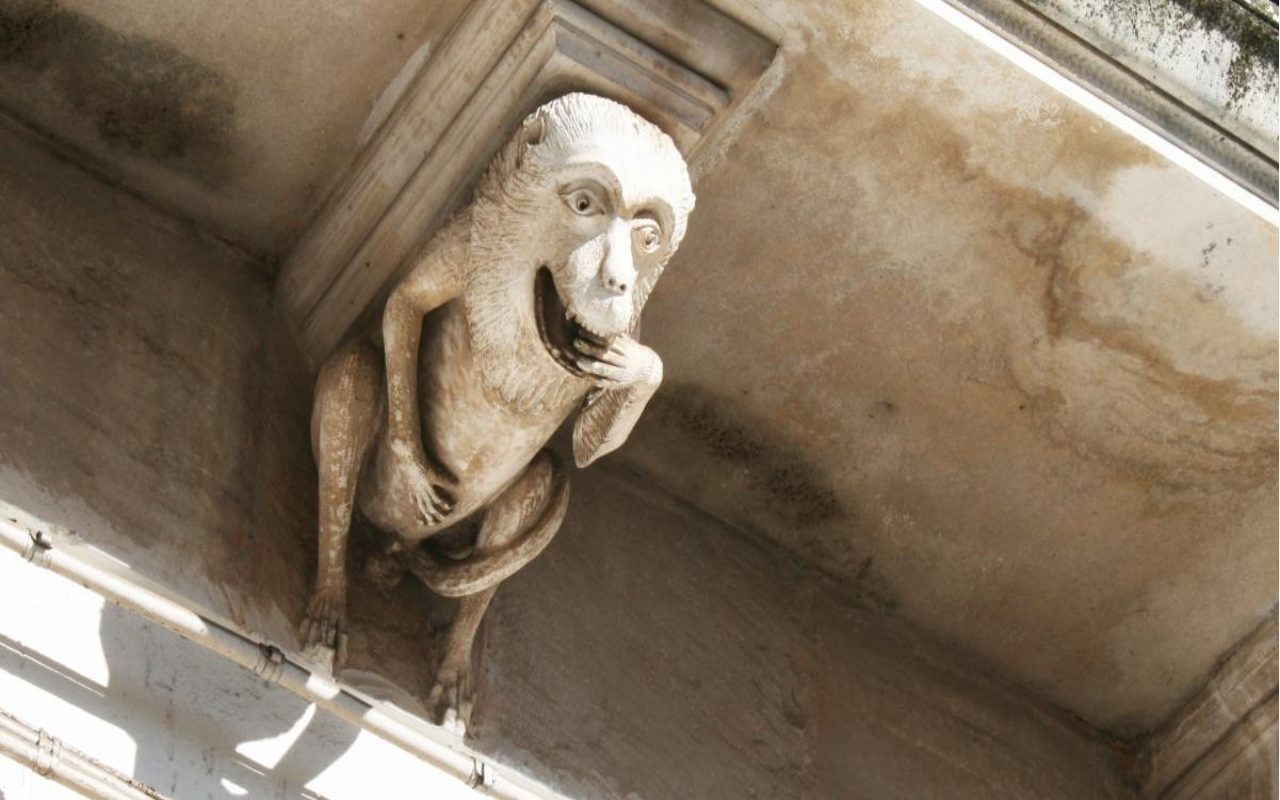 The apotropaic stone masks of lava rock and marble
Neapolitan apotropaic masks are truly fascinating works of art that can be admired on numerous historic buildings...Read more
-
 THE ROYAL PALACE OF CARDITELLO
The Tenuta Storica di Carditello (Historic Estate of Carditello), also known as the Reggia di Carditello (Royal...Read more
Leave a comment