



In Naples, a graduation is never a private affair: it's a neighbourhood celebration. Here's how to choose an original...
Latest posts
-
 Original Neapolitan graduation gift: ideas for the graduate (him and her)Read more
-
 Asso 'e mazze: meaning and history of the Neapolitan ace of clubsRead more
The strongest card on the green table becomes, in Naples, the most elegant way to say who really calls the shots....
-
 Michelina Di Cesare, the brigantessa who defied a kingdomRead more
Born poor in Terra di Lavoro, Michelina Di Cesare chose the maquis and the rifle against a newly united Italy. A...
-
 Neapolitan Hoodies: The Autumn 2026 Style GuideRead more
When the air turns crisp, in Naples people don't just reach for a hoodie: they reach for a piece of identity. Here's...
-
 Maradona Stadium: City Council allocates €50 million for Euro 2032Read more
The City Council has allocated €50 million for the redevelopment of the Diego Armando Maradona stadium, ahead of...
-
 Pizza Maxima 2026: Franco Pepe Is Once Again Best Pizzeria in ItalyRead more
At the fifth edition of Pizza Maxima, the Oscars of Italian pizza, Franco Pepe confirms his title as Best Pizzeria in...
-
 ‘L’acqua è poca e ‘a papera nun galleggia’: what it meansRead more
When the means are few, so is the result. Let's discover the most realistic Neapolitan saying there is.
-
 Avanti Scugnizzi: the story of the year's most loved T-shirtRead more
One word, ‘scugnizzo’ (Neapolitan street kid), and it holds the whole of Naples inside it. We tell you how the year's...
-
 'Chi chiagne fotte a chi ride': what it means and why it's truer than everRead more
At the market, at the counter, in the family: there's always someone who complains and gets more. It's the sharp...
-
 San Gennà, futtatenne! (Saint Januarius, don't worry about it!) San Gennaro, 19 September and the patron saint's t-shirtRead more
Who San Gennaro was, the miracle of the blood that liquefies, and the feast on 19 September. Plus that close,...
Blog categories
Search in blog
Archived posts
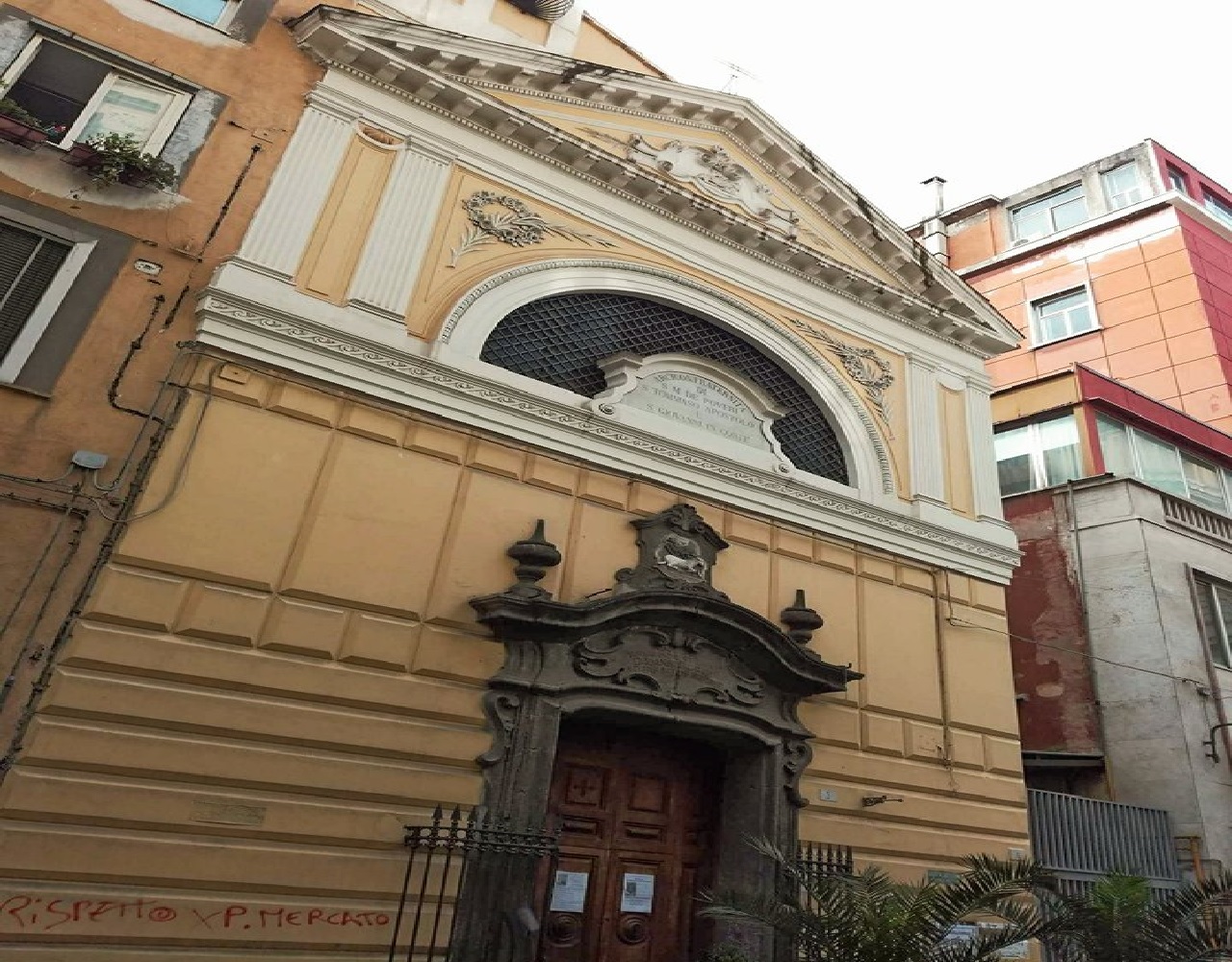
Chiesa di San Giovanni in Corte (Church of St John in the Courtyard)
The first record of a place of worship dedicated to St John in that area is found in a document from the year 923, which attests to its existence, sited a foris sub muro publico regioni Portenobensis. The specification "in corte" ("in the courtyard") was probably due to a pre-existing curtis, and was later kept to distinguish it from the subsequent church of San Giovanni a Mare (St John at the Sea).
The Chiesa di San Giovanni in Corte (Church of St John in the Courtyard) is a church in Naples, located on via San Giovanni in Corte.
History
In the years that followed, the dukes of Naples Giovanni and Sergio donated the church to the Benedictine order; it remained the property of the abbey of Cava de' Tirreni until the end of the fifteenth century, when Cardinal Oliviero Carafa, in his capacity as commendatory abbot of Cava, transferred it to the diocese of Naples. Several works of rebuilding and enlargement date back to that period, and probably also its new dedication.
At the end of the nineteenth century, as part of the Risanamento (urban renewal) plan, the complex was reduced in size to make way for a new street, and was given a new façade.
The church is the seat of the parish of Sant'Arcangelo agli Armieri (St Michael the Archangel at the Armourers').
The title of Sant'Arcangelo agli Armieri belonged to two historic buildings: the first, which stood on the old via degli Armieri (Armourers' Street), erased by the Risanamento (the site of the church can be identified in the middle of the carriageway of corso Umberto), and not far from San Giovanni in Corte, was part of an ancient Benedictine monastery and had already been deconsecrated by the time of the late-nineteenth-century works; indeed the church, already noted in 1872 by Galante as lacking artistic elements of value, was not included in the list of religious buildings to be demolished and was treated as an ordinary building.
The second church arose precisely as a result of the Risanamento: built in neo-Gothic style, it stood on via Carlo Troya, very close to via Marina, and was the seat of the Congregation dedicated to the archangel. It was hit by bombing during the Second World War and was demolished in the 1970s.
Description
The building has a single nave with a barrel-vaulted ceiling; six chapels, three on each side, open onto the nave through round arches set on pillars. The lower part of the façade is rusticated, while the upper part features four pilasters and a pediment with a moulded cornice and a decorated tympanum. The portal, dating from 1738, is particularly notable.
The interior once housed numerous works of art, in particular a tavola di Ognissanti (All Saints panel) from 1455 and the Baroque altarpiece of the high altar, depicting the Madonna coi santi Ippolito e Cassiano (Madonna with Saints Hippolytus and Cassian), from the school of Francesco Solimena.
The church, situated near the parish of Sant'Eligio Maggiore, has recently undergone restoration.
Posted in:
Places in Naples
Related posts
-
 The Roman Theatre of Neapolis
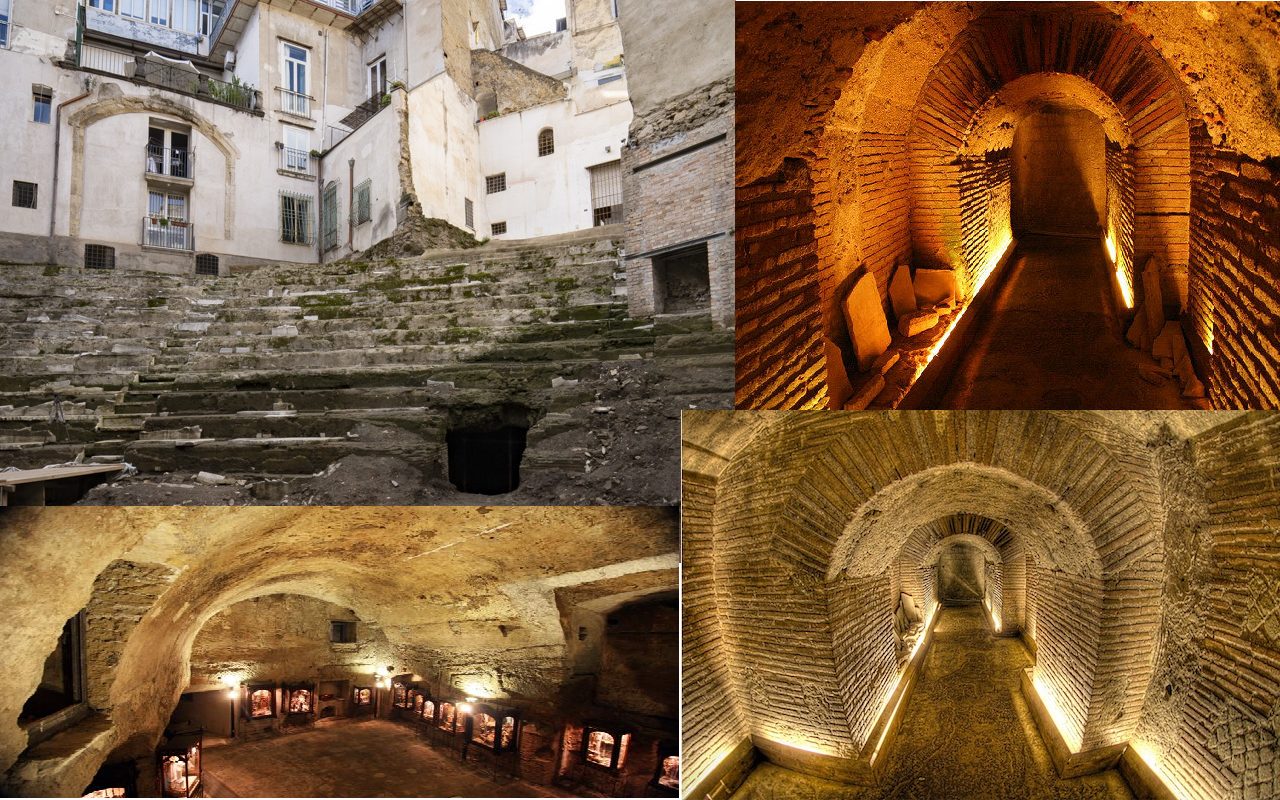
Among the many wonders of Naples' historic centre stands the ancient Roman Theatre of Neapolis, between what are now...Read more
-
 Discover Vicoletto Sant'Arpino: History and Beauty of Naples
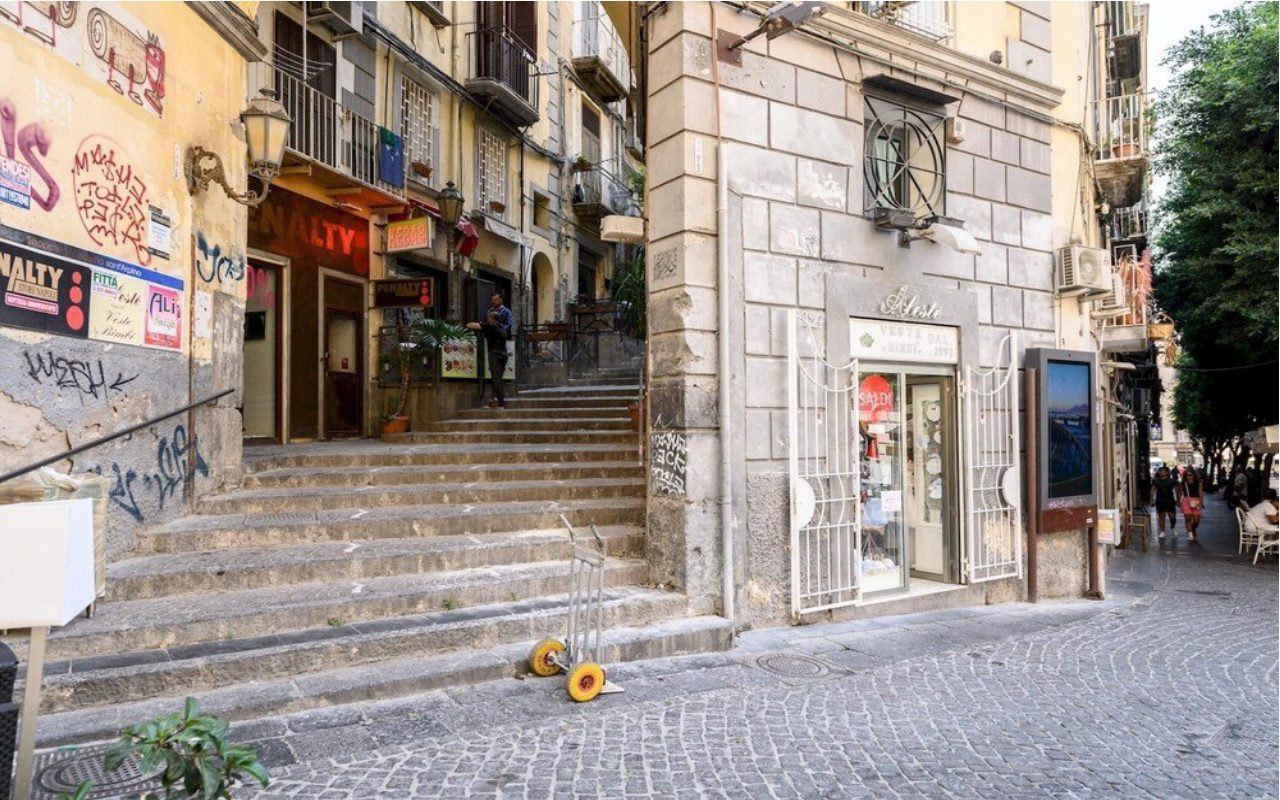
There are corners of Naples that tell incredible stories, that take your breath away and make it unique, sincere and...Read more
-
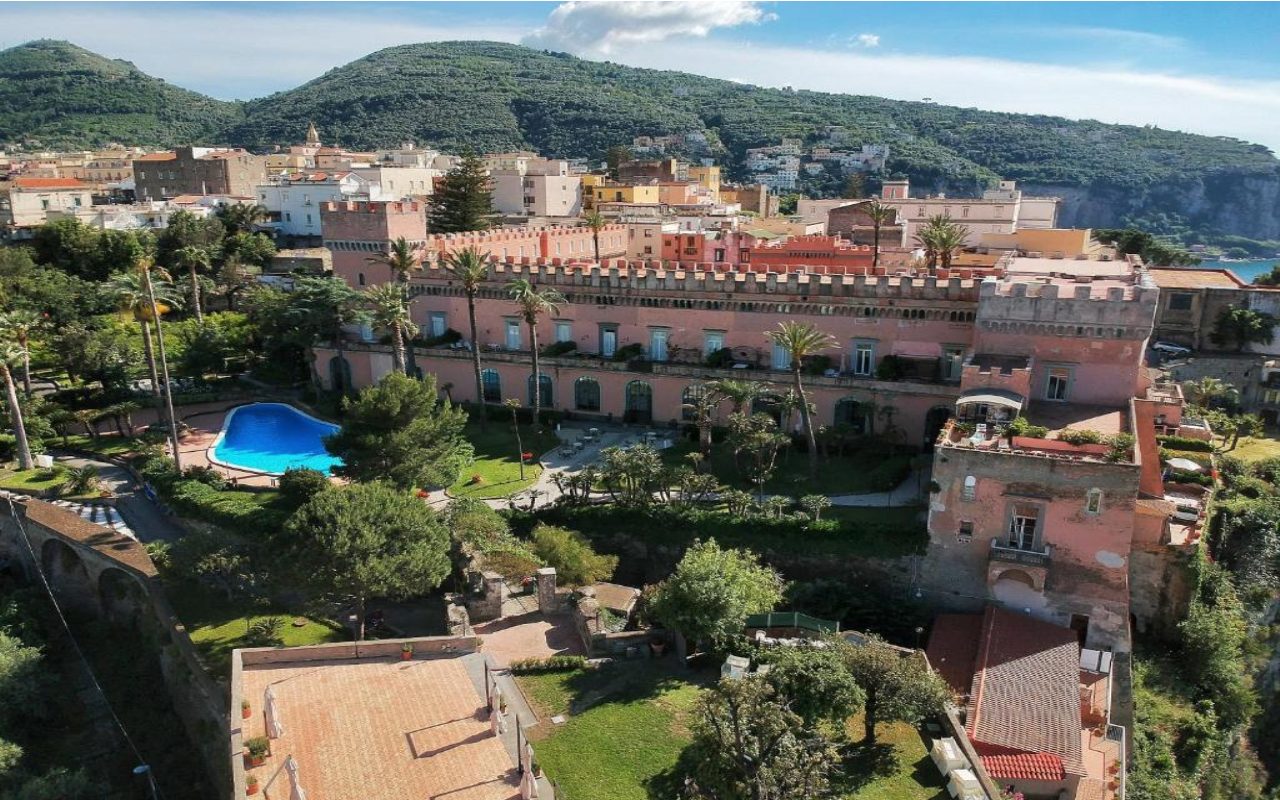 Giusso Castle: the legends of Vico Equense
Built at the end of the 13th century, Giusso Castle was designed as both a military fortress and a residence.Read more
-
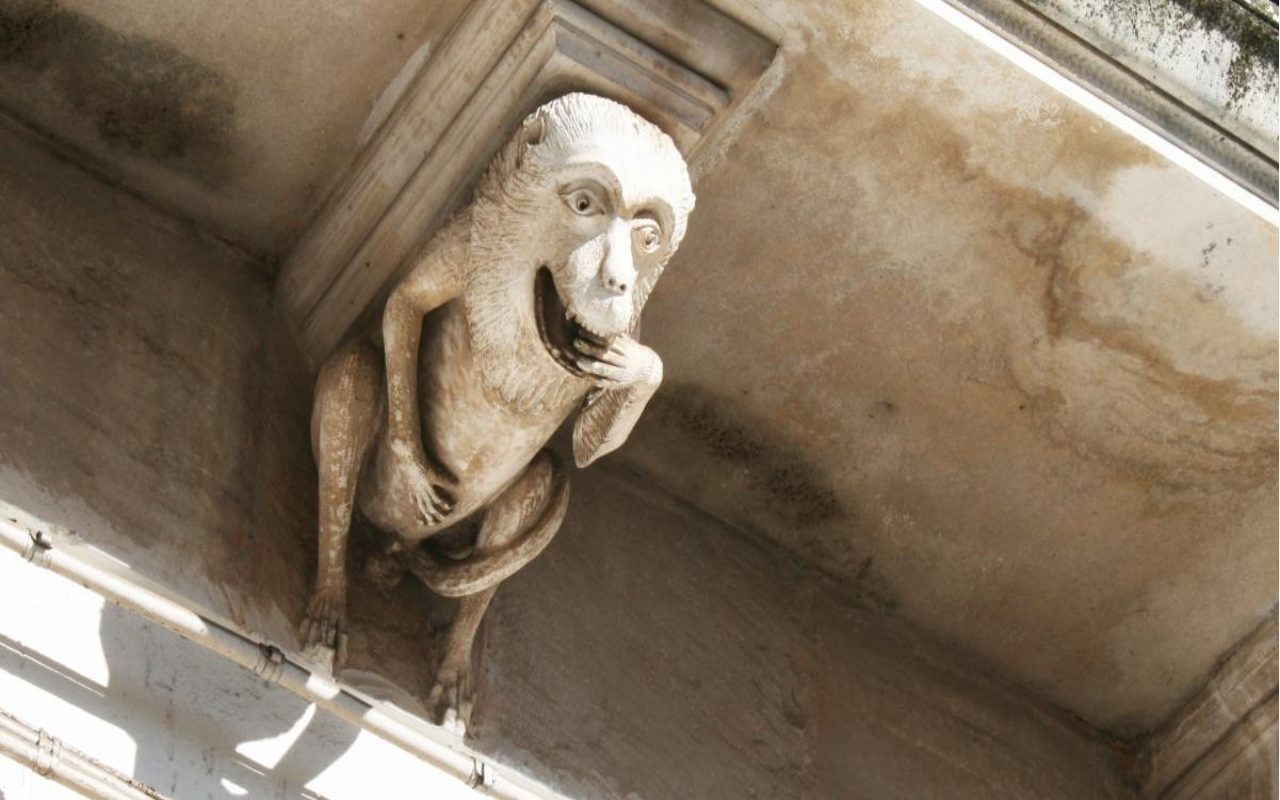 The apotropaic stone masks of lava rock and marble
Neapolitan apotropaic masks are truly fascinating works of art that can be admired on numerous historic buildings...Read more
-
 THE ROYAL PALACE OF CARDITELLO
The Tenuta Storica di Carditello (Historic Estate of Carditello), also known as the Reggia di Carditello (Royal...Read more
Leave a comment