



In Naples, a graduation is never a private affair: it's a neighbourhood celebration. Here's how to choose an original...
Latest posts
-
 Original Neapolitan graduation gift: ideas for the graduate (him and her)Read more
-
 Asso 'e mazze: meaning and history of the Neapolitan ace of clubsRead more
The strongest card on the green table becomes, in Naples, the most elegant way to say who really calls the shots....
-
 Michelina Di Cesare, the brigantessa who defied a kingdomRead more
Born poor in Terra di Lavoro, Michelina Di Cesare chose the maquis and the rifle against a newly united Italy. A...
-
 Neapolitan Hoodies: The Autumn 2026 Style GuideRead more
When the air turns crisp, in Naples people don't just reach for a hoodie: they reach for a piece of identity. Here's...
-
 Maradona Stadium: City Council allocates €50 million for Euro 2032Read more
The City Council has allocated €50 million for the redevelopment of the Diego Armando Maradona stadium, ahead of...
-
 Pizza Maxima 2026: Franco Pepe Is Once Again Best Pizzeria in ItalyRead more
At the fifth edition of Pizza Maxima, the Oscars of Italian pizza, Franco Pepe confirms his title as Best Pizzeria in...
-
 ‘L’acqua è poca e ‘a papera nun galleggia’: what it meansRead more
When the means are few, so is the result. Let's discover the most realistic Neapolitan saying there is.
-
 Avanti Scugnizzi: the story of the year's most loved T-shirtRead more
One word, ‘scugnizzo’ (Neapolitan street kid), and it holds the whole of Naples inside it. We tell you how the year's...
-
 'Chi chiagne fotte a chi ride': what it means and why it's truer than everRead more
At the market, at the counter, in the family: there's always someone who complains and gets more. It's the sharp...
-
 San Gennà, futtatenne! (Saint Januarius, don't worry about it!) San Gennaro, 19 September and the patron saint's t-shirtRead more
Who San Gennaro was, the miracle of the blood that liquefies, and the feast on 19 September. Plus that close,...
Blog categories
Search in blog
Archived posts
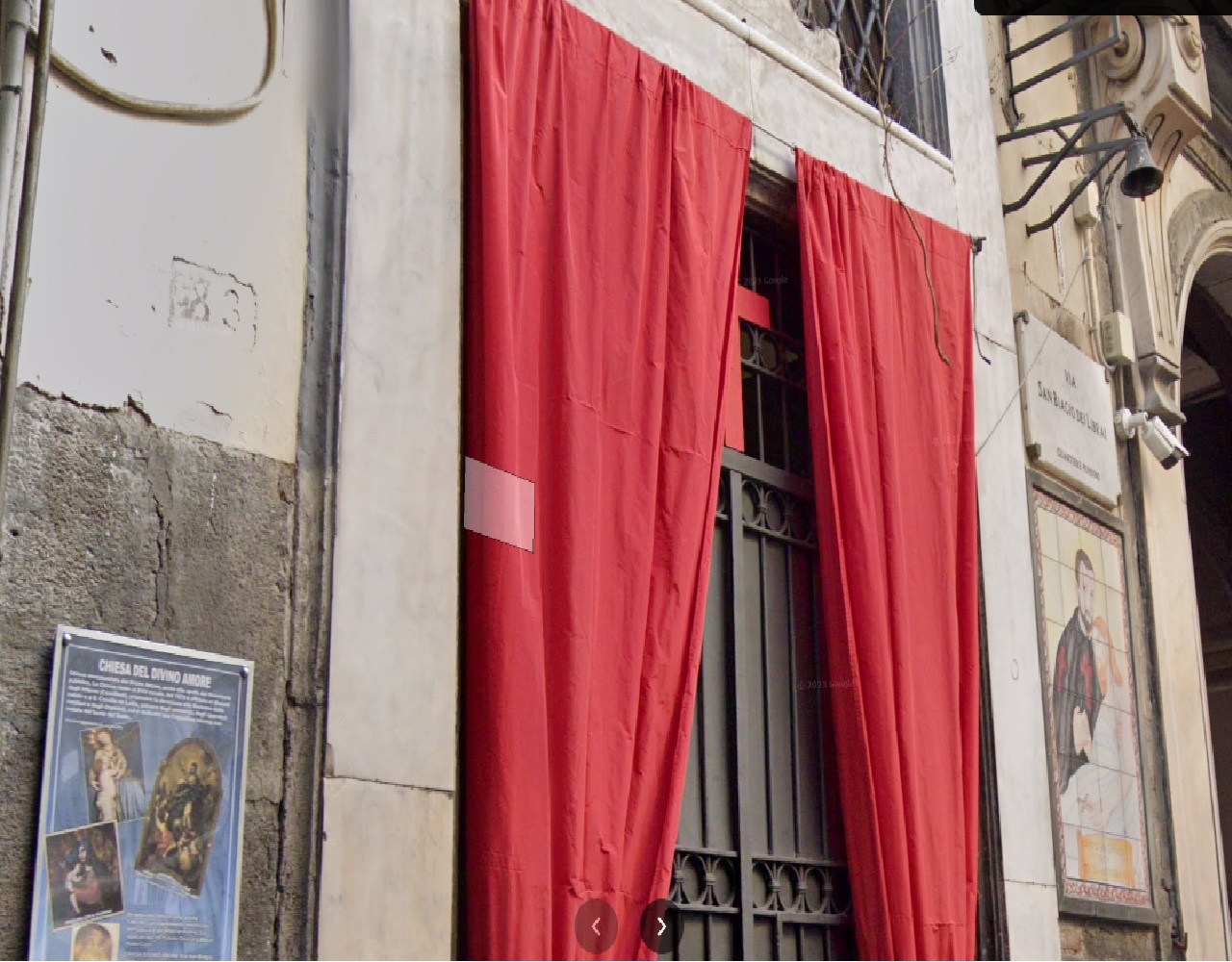
Chiesa del Divino Amore (Church of the Divine Love)
The history of the church is similar to that of the convent. The building stands on the site of Palazzo Villani, whose family member Beatrice Villani decided to have the place of worship built there. The church was rebuilt by Giovanni Battista Manni in the early 18th century according to a Greek cross plan; Manni's design gave the structures harmony and proportion.
The Chiesa di Santa Maria del Divino Amore (Church of Saint Mary of the Divine Love, or Chiesa di San Camillo) is a monumental church in the city of Naples, located between Piazzetta del Divino Amore, Via del Grande Archivio, Via de Blasiis and Vicoletto Paparelle al Pendino.
The church
The church does not have a grand façade, as the temple was built upon pre-existing sixteenth-century structures: for example, the corridor leading into the church corresponds to the atrium of the old palace. Inside, the partial marble and stucco decoration is the work of the creative genius Ferdinando Sanfelice, among which the majestic altar in inlaid marble stands out. The paintings were made by Francesco De Mura, Andrea Mattei and Giuseppe Mastroleo.
The cloister
It was built in the 17th century by Francesco Antonio Picchiatti, transforming Palazzo Villani into an enclosed convent. It was never considered of great artistic value, although the marble in some parts was notably precious; consequently, during the restoration later carried out by Ferdinando Sanfelice, the structure underwent considerable changes.
Quite different was the regard in which the local aristocracy of the time was held, so much so that most of the convent's residents came from wealthy families, who were well inclined to offer large dowries both for their daughters' taking of the veil and for their upkeep.
The transformation of the street layout carried out during the Risanamento (the great urban renewal of Naples) destroyed the western side of the building, which had previously been abandoned following the suppression of 1866. The remaining section was used as offices, a nursery and a family counselling centre.
Posted in:
Places in Naples
Related posts
-
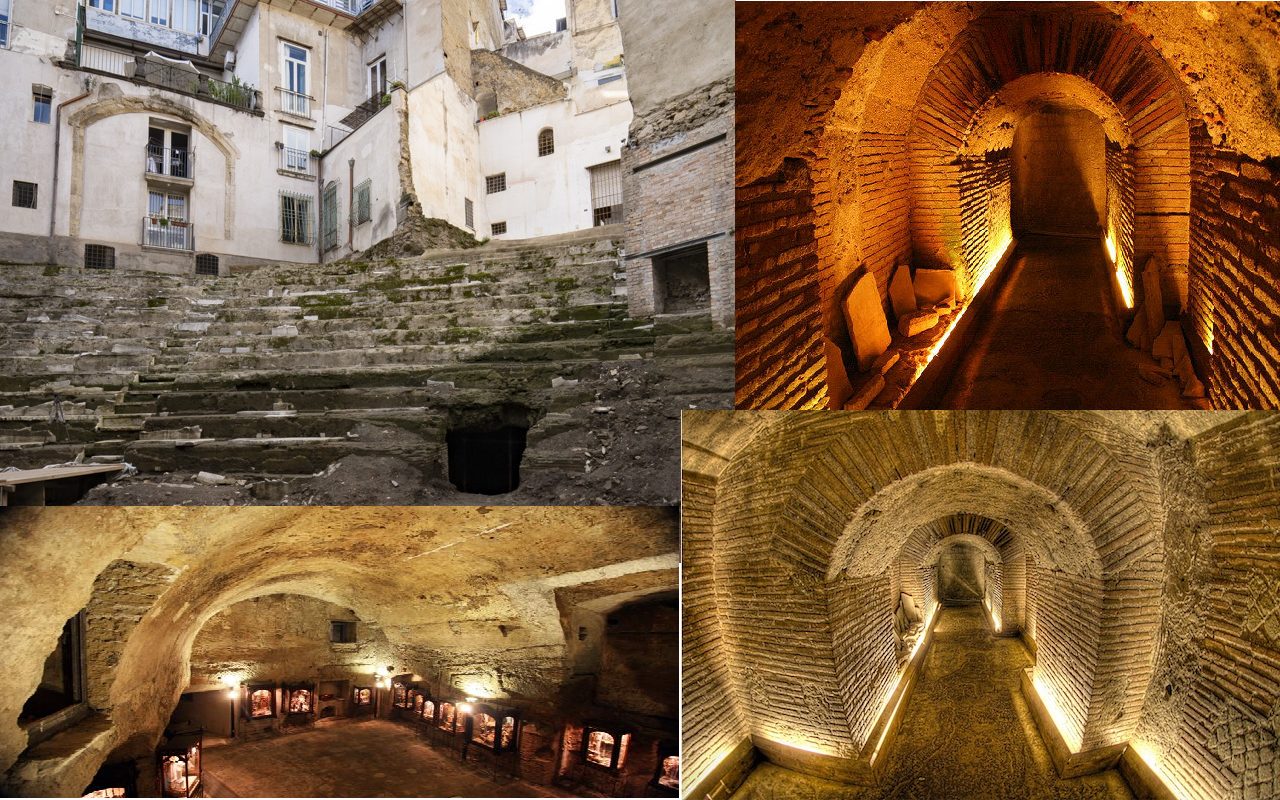 The Roman Theatre of Neapolis
Among the many wonders of Naples' historic centre stands the ancient Roman Theatre of Neapolis, between what are now...Read more
-
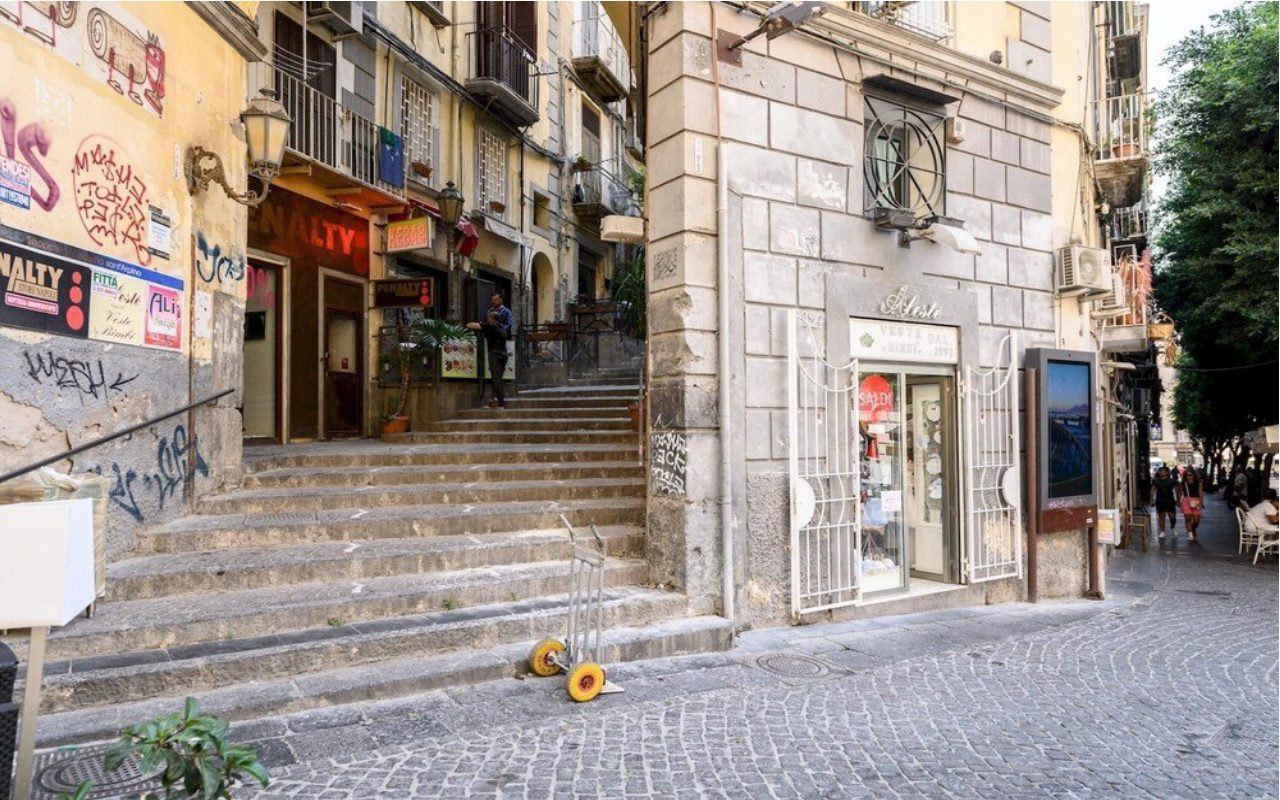 Discover Vicoletto Sant'Arpino: History and Beauty of Naples
There are corners of Naples that tell incredible stories, that take your breath away and make it unique, sincere and...Read more
-
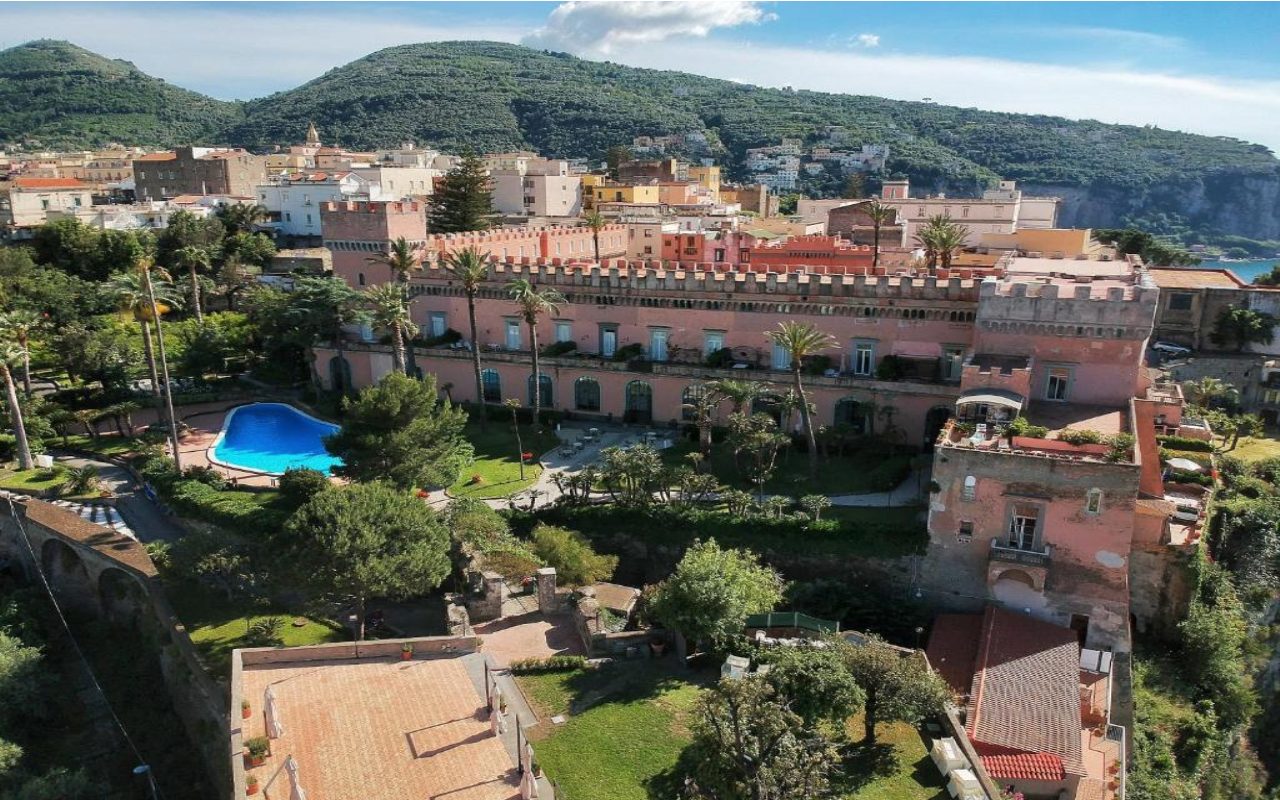 Giusso Castle: the legends of Vico Equense
Built at the end of the 13th century, Giusso Castle was designed as both a military fortress and a residence.Read more
-
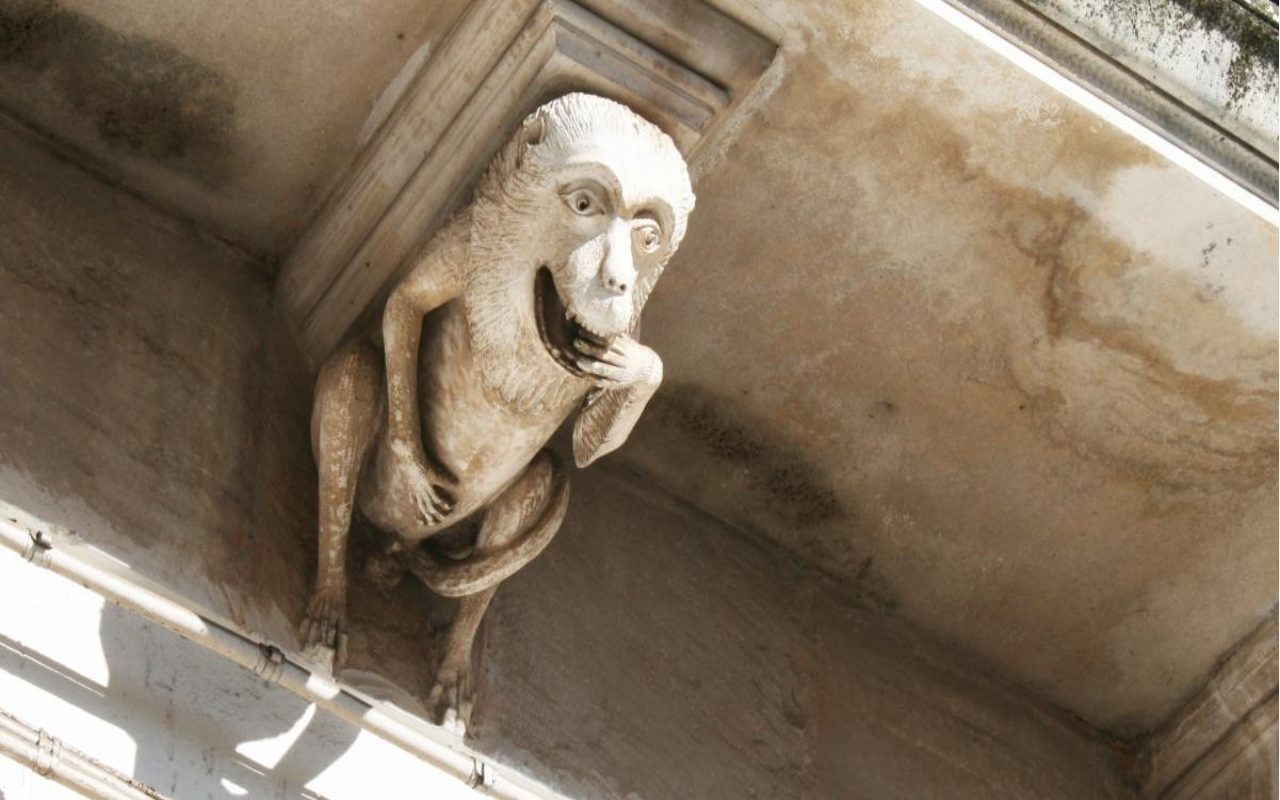 The apotropaic stone masks of lava rock and marble
Neapolitan apotropaic masks are truly fascinating works of art that can be admired on numerous historic buildings...Read more
-
 THE ROYAL PALACE OF CARDITELLO
The Tenuta Storica di Carditello (Historic Estate of Carditello), also known as the Reggia di Carditello (Royal...Read more
Leave a comment