



Nata povera in Terra di Lavoro, Michelina Di Cesare scelse la macchia e il fucile contro l'Italia appena unita. Una...
Latest posts
-
 Michelina Di Cesare, la brigantessa che sfidò un regnoRead more
-
 Neapolitan Hoodies: The Autumn 2026 Style GuideRead more
When the air turns crisp, in Naples people don't just reach for a hoodie: they reach for a piece of identity. Here's...
-
 Maradona Stadium: City Council allocates €50 million for Euro 2032Read more
The City Council has allocated €50 million for the redevelopment of the Diego Armando Maradona stadium, ahead of...
-
 Pizza Maxima 2026: Franco Pepe Is Once Again Best Pizzeria in ItalyRead more
At the fifth edition of Pizza Maxima, the Oscars of Italian pizza, Franco Pepe confirms his title as Best Pizzeria in...
-
 ‘L’acqua è poca e ‘a papera nun galleggia’: what it meansRead more
When the means are few, so is the result. Let's discover the most realistic Neapolitan saying there is.
-
 Avanti Scugnizzi: the story of the year's most loved T-shirtRead more
One word, ‘scugnizzo’ (Neapolitan street kid), and it holds the whole of Naples inside it. We tell you how the year's...
-
 'Chi chiagne fotte a chi ride': what it means and why it's truer than everRead more
At the market, at the counter, in the family: there's always someone who complains and gets more. It's the sharp...
-
 San Gennà, futtatenne! (Saint Januarius, don't worry about it!) San Gennaro, 19 September and the patron saint's t-shirtRead more
Who San Gennaro was, the miracle of the blood that liquefies, and the feast on 19 September. Plus that close,...
-
 'O purpo se coce int'a ll'acqua soja: what it means (o purpo se coce meaning)Read more
Someone has wronged you, and instead of reacting, you wait in silence with a smile? Here's the Neapolitan proverb...
-
 Cazzimma: meaning, origin and why it can't be translatedRead more
There's a word that explains everything in Naples and can't be translated into any language. It's called cazzimma,...
Blog categories
Search in blog
Archived posts
Palazzo Zevallos and the Gallery of Entertainment
The building was commissioned by Giovanni Zevallos, a wealthy Spanish merchant who, in 1635, entrusted its construction to Cosimo Fanzago for his family.
In the heart of the Neapolitan city, in the historic centre of Naples, on Via Toledo, stands a celebrated monumental palace.
This is Palazzo Zevallos, or Palazzo Colonna di Stigliano, also known as Palazzo Zevallos Stigliano.
Adding to the building's importance is the presence, inside it, of the eponymous museum Gallery owned by the Intesa San Paolo group, opened in 2007, which forms part of the Gallerie d'Italia (Galleries of Italy).
The history
The building was commissioned by Giovanni Zevallos, a wealthy Spanish merchant who, in 1635, entrusted Cosimo Fanzago with its construction for his family.
At the end of the century, it passed into the hands of a second wealthy dynasty, this time Italian, that of the Colonna di Stigliano, also important enough to be mentioned in the building's name.
Various well-to-do owners then took turns over time as owners of the building or of parts of it, dividing it up.
With the arrival of the twentieth century, however, the Banca Commerciale Italiana began buying up the various sections that had been created, reuniting the palace into a single whole.
The structure
The building's history, passed from hand to hand, from culture to culture, has given it a blend of styles and tastes.
At the time of the Bank's unification of the property, Luigi Platania was entrusted with the task of making it harmonious, giving it a liberty tone, with a Baroque and nineteenth-century flavour.
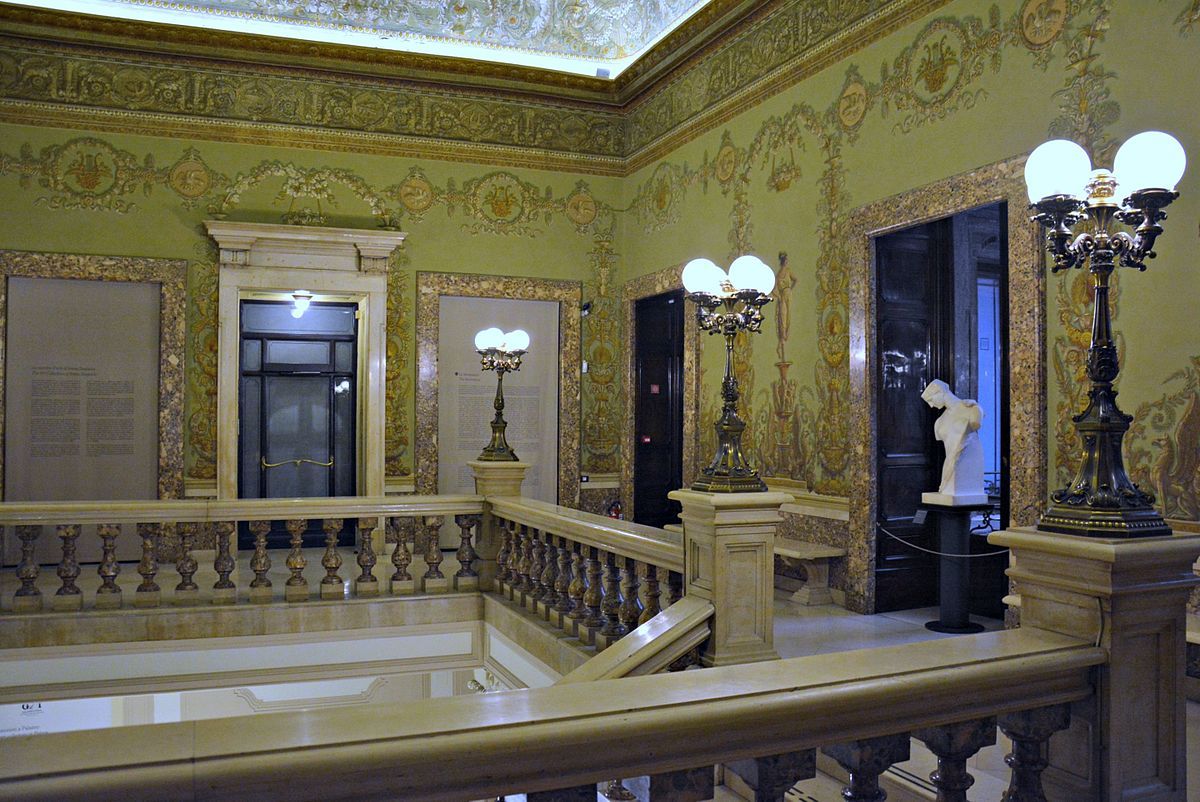
Today it presents a majestic portal depicting the noble coats of arms of the time, beyond which one finds a hall in an eclectic style decorated with wall paintings by Ezechiele Guardascione and covered by a decorated skylight.
The central hall allows access to the upper floor, known as the piano nobile (main floor), by means of a monumental grand staircase, in nineteenth-century style, enriched with large lamps and gilded stuccoes. The vault and the walls are also decorated, representing a classic example of the building's heterogeneity, being in different styles.
The floor before us is the one that makes up the famous Gallery, which boasts 120 works, arranged chronologically through the various rooms — from the Room of the Cherubs to the Room of the Stuccoes, passing through the Room of the Birds, then reaching the Pompeian Room, ending with the Room of Fidelity — reproducing the history of Neapolitan art from the seventeenth to the nineteenth century, with particular attention to the school of Posillipo and Resina (the foremost representatives of landscape painting in Naples at the time).
Hidden among the multitude of rooms is the work that, more than any other, brings renown to the building: the Martyrdom of Saint Ursula, a silent legacy left to the Campanian capital by a great artist, the last work of Caravaggio, produced just a few weeks before his death, in 1610.
The worldly Gallery
The Gallery of Palazzo Zevallos Stigliano, moreover, is not confined to a cold display of art, but presents itself as a dynamic and versatile protagonist of the social and cultural life of Naples, made a centre of interest by the many events it organises and promotes.
Making the most of the wonderful location it enjoys, it indeed becomes the venue for scheduled appointments that intertwine with concerts hosted among statues and paintings, sometimes different ones, the result of temporary exhibitions permitted there with the approval of the cultural institutions.
Posted in:
Places in Naples
Related posts
-
 The Roman Theatre of Neapolis
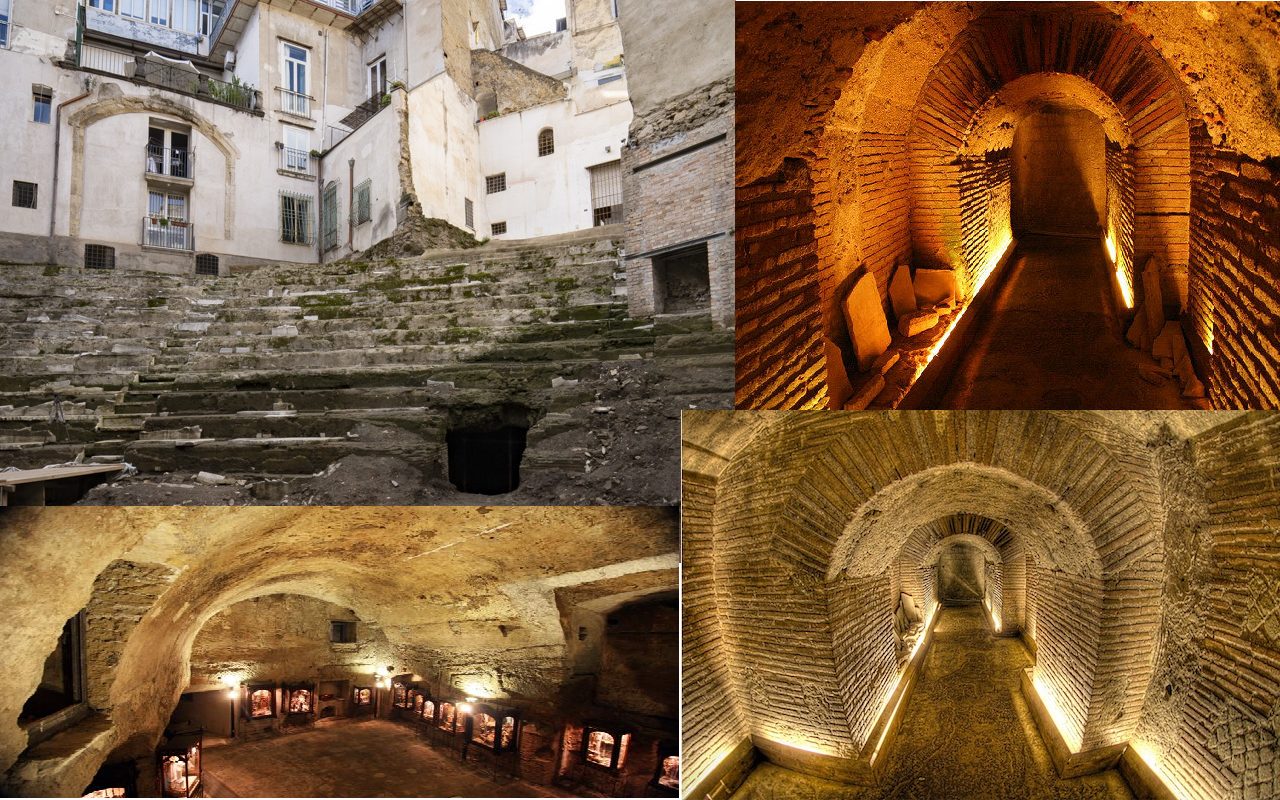
Among the many wonders of Naples' historic centre stands the ancient Roman Theatre of Neapolis, between what are now...Read more
-
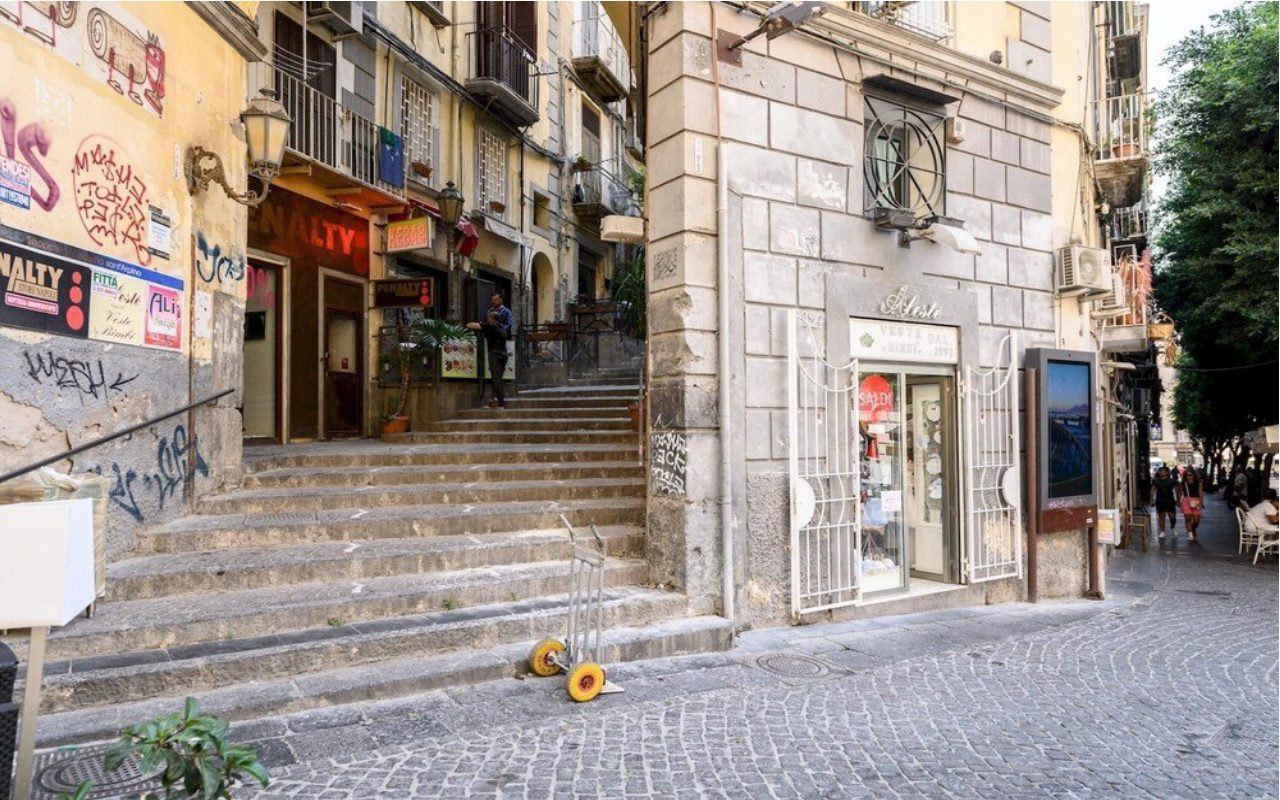 Discover Vicoletto Sant'Arpino: History and Beauty of Naples
There are corners of Naples that tell incredible stories, that take your breath away and make it unique, sincere and...Read more
-
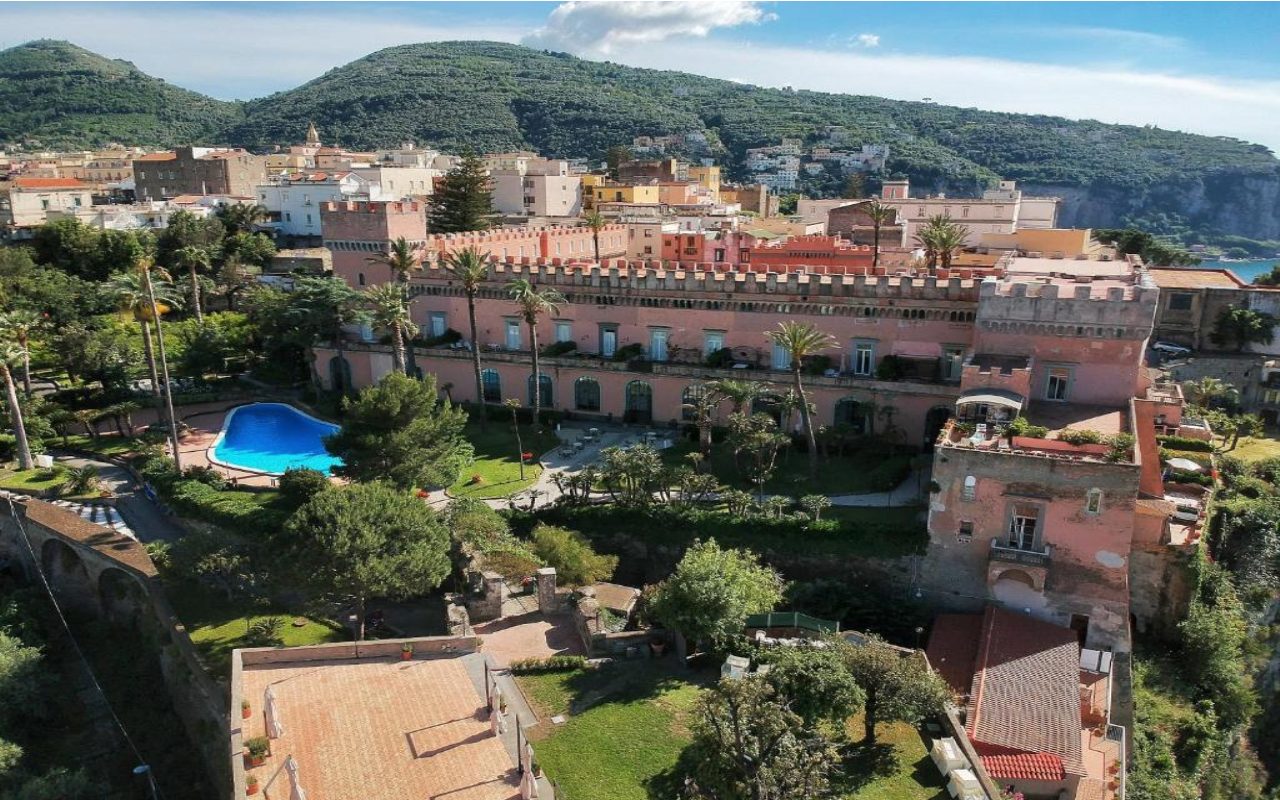 Giusso Castle: the legends of Vico Equense
Built at the end of the 13th century, Giusso Castle was designed as both a military fortress and a residence.Read more
-
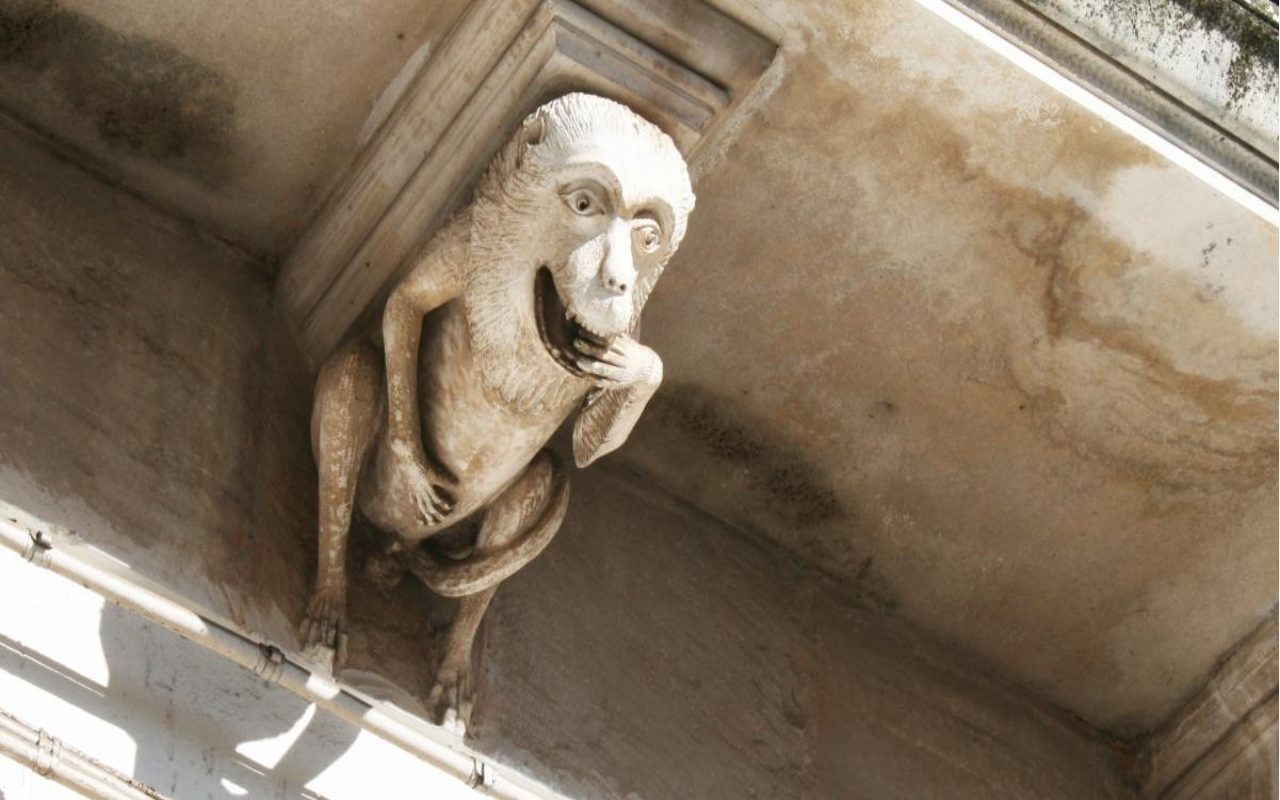 The apotropaic stone masks of lava rock and marble
Neapolitan apotropaic masks are truly fascinating works of art that can be admired on numerous historic buildings...Read more
-
 THE ROYAL PALACE OF CARDITELLO
The Tenuta Storica di Carditello (Historic Estate of Carditello), also known as the Reggia di Carditello (Royal...Read more
Leave a comment