



Born poor in Terra di Lavoro, Michelina Di Cesare chose the maquis and the rifle against a newly united Italy. A...
Latest posts
-
 Michelina Di Cesare, the brigantessa who defied a kingdomRead more
 -
 Neapolitan Hoodies: The Autumn 2026 Style GuideRead more
When the air turns crisp, in Naples people don't just reach for a hoodie: they reach for a piece of identity. Here's...
-
 Maradona Stadium: City Council allocates €50 million for Euro 2032Read more
The City Council has allocated €50 million for the redevelopment of the Diego Armando Maradona stadium, ahead of...
-
 Pizza Maxima 2026: Franco Pepe Is Once Again Best Pizzeria in ItalyRead more
At the fifth edition of Pizza Maxima, the Oscars of Italian pizza, Franco Pepe confirms his title as Best Pizzeria in...
-
 ‘L’acqua è poca e ‘a papera nun galleggia’: what it meansRead more
When the means are few, so is the result. Let's discover the most realistic Neapolitan saying there is.
-
 Avanti Scugnizzi: the story of the year's most loved T-shirtRead more
One word, ‘scugnizzo’ (Neapolitan street kid), and it holds the whole of Naples inside it. We tell you how the year's...
-
 'Chi chiagne fotte a chi ride': what it means and why it's truer than everRead more
At the market, at the counter, in the family: there's always someone who complains and gets more. It's the sharp...
-
 San Gennà, futtatenne! (Saint Januarius, don't worry about it!) San Gennaro, 19 September and the patron saint's t-shirtRead more
Who San Gennaro was, the miracle of the blood that liquefies, and the feast on 19 September. Plus that close,...
-
 'O purpo se coce int'a ll'acqua soja: what it means (o purpo se coce meaning)Read more
Someone has wronged you, and instead of reacting, you wait in silence with a smile? Here's the Neapolitan proverb...
-
 Cazzimma: meaning, origin and why it can't be translatedRead more
There's a word that explains everything in Naples and can't be translated into any language. It's called cazzimma,...
Blog categories
Search in blog
Archived posts
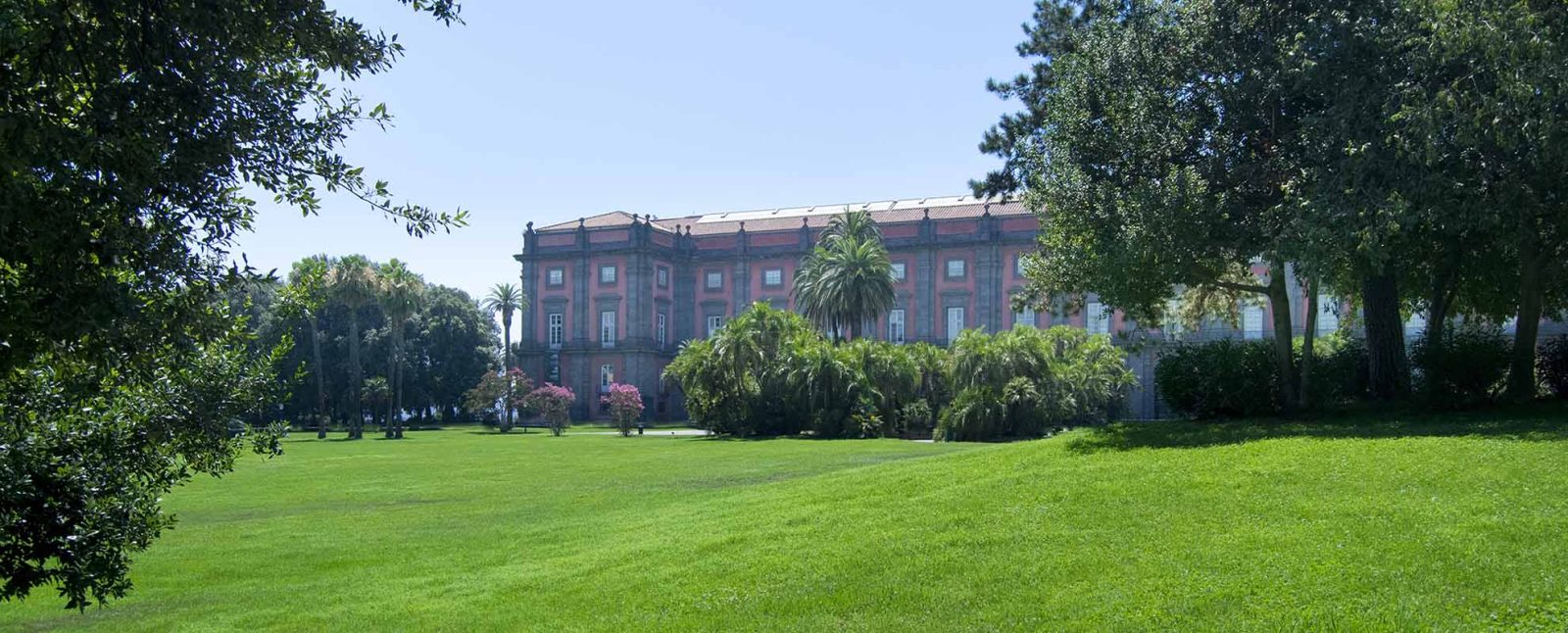
The Royal Palace of Capodimonte and the Hermitage of the Capuchins
In 1742, under the architect Ferdinando Sanfelice, work also began on laying out the hundred and twenty-four hectares of the adjoining park: from an elliptical clearing opening in front of the palace, the architect had five avenues set out, from which smaller paths branched off crossing the woodland.
Commissioned by Charles of Bourbon, initially to house the rich and precious Farnese collection, the Royal Palace of Capodimonte soon became one of the historic residences of the Bourbons of Naples, as well as of the Bonapartes, the Murats and the Savoys.
A little history
After two centuries under Spanish viceroyalty, in 1734, with Charles of Bourbon's accession to the throne, Naples finally became once again the capital of an independent kingdom. Among the sovereign's new ideas was that of building a new palace to house a collection of works of art, the so-called Farnese collection, begun by Pope Paul III in the sixteenth century and continued by his descendants, inherited from his mother Elisabetta Farnese and still divided between Rome and Parma.
The chosen site was the hill of Capodimonte, a wooded area of Naples, rich in game, since the sovereign also intended to combine the museum's purpose with a place to stay during hunting parties.
To this was added the restoration of buildings already present in the garden, such as a tapestry works, a porcelain factory, a royal printing house, an arms factory and various farms.
Even with the accession to the throne of Ferdinand I of the Two Sicilies, the works continued, however, to proceed slowly; the situation was finally resolved with the arrival on the scene of the architect Ferdinando Fuga.
The Hermitage of the Capuchins
The park took on its final form with the construction of the Hermitage of the Capuchins, a church, far from the frenzy and noise of the city, commissioned by Ferdinand IV of Bourbon, between 1816-17. The complex is L-shaped in architecture and the entrance consists of a portal with a portico decorated with frescoes depicting "San Francesco d'Assisi che riceve le stigmate" (Saint Francis of Assisi receiving the stigmata), by an unknown artist. Usually used as the private chapel of the sovereigns, on special occasions the public was also allowed to enter.
Since 1950, it has housed the private institution "Opera della salute del Fanciullo" (Work for Children's Health), and today special (and exceptional) visits are organised for enthusiasts and devotees of Neapolitan history.
Posted in:
Places in Naples
Related posts
-
 The Roman Theatre of Neapolis
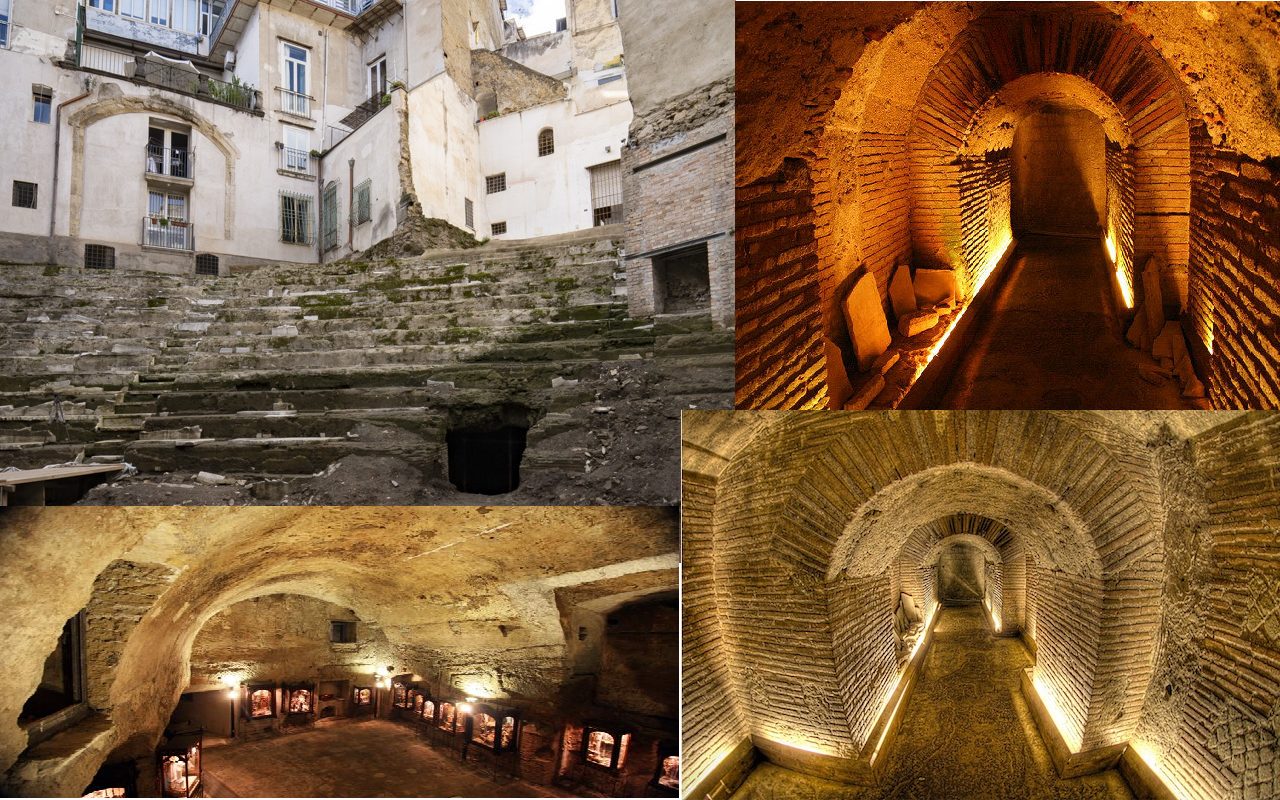
Among the many wonders of Naples' historic centre stands the ancient Roman Theatre of Neapolis, between what are now...Read more
The Roman Theatre of Neapolis
Among the many wonders of Naples' historic centre stands the ancient Roman Theatre of Neapolis, between what are now...Read more -
 Discover Vicoletto Sant'Arpino: History and Beauty of Naples
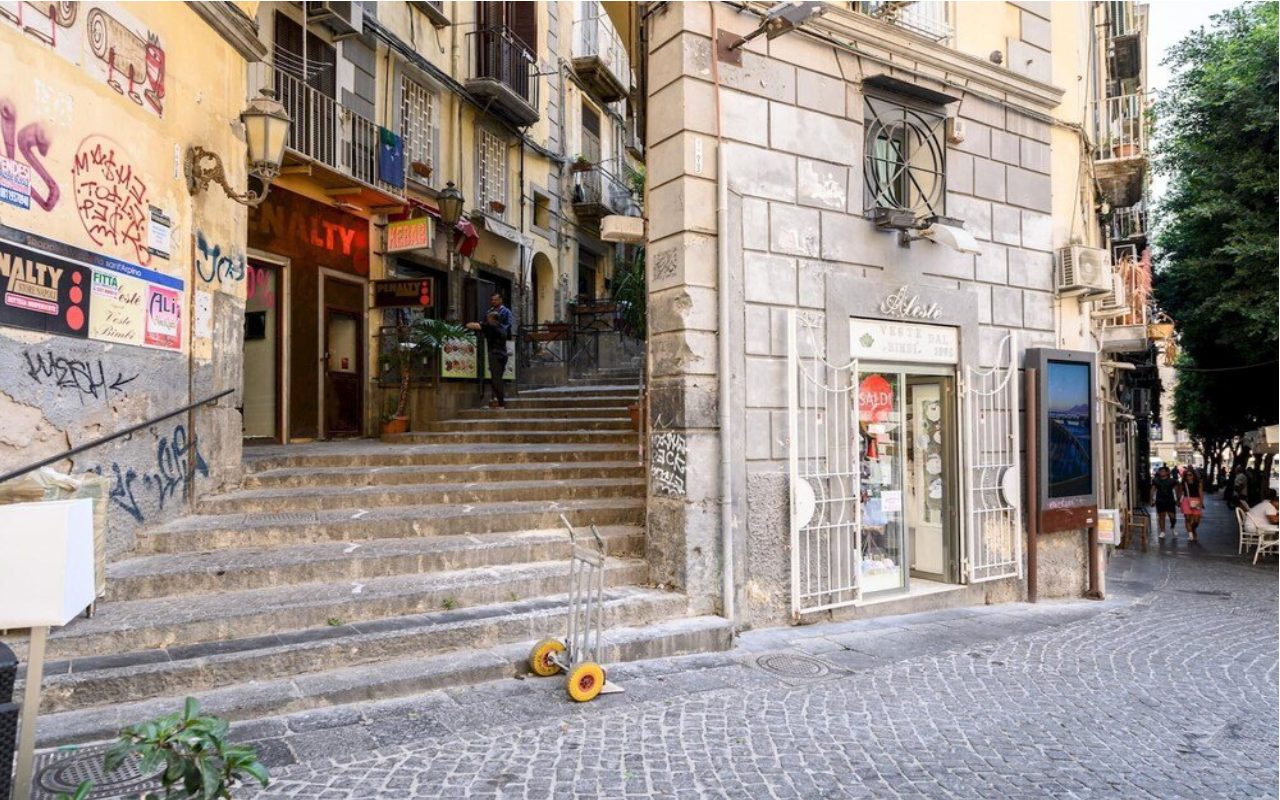
There are corners of Naples that tell incredible stories, that take your breath away and make it unique, sincere and...Read more
Discover Vicoletto Sant'Arpino: History and Beauty of Naples
There are corners of Naples that tell incredible stories, that take your breath away and make it unique, sincere and...Read more -
 Giusso Castle: the legends of Vico Equense
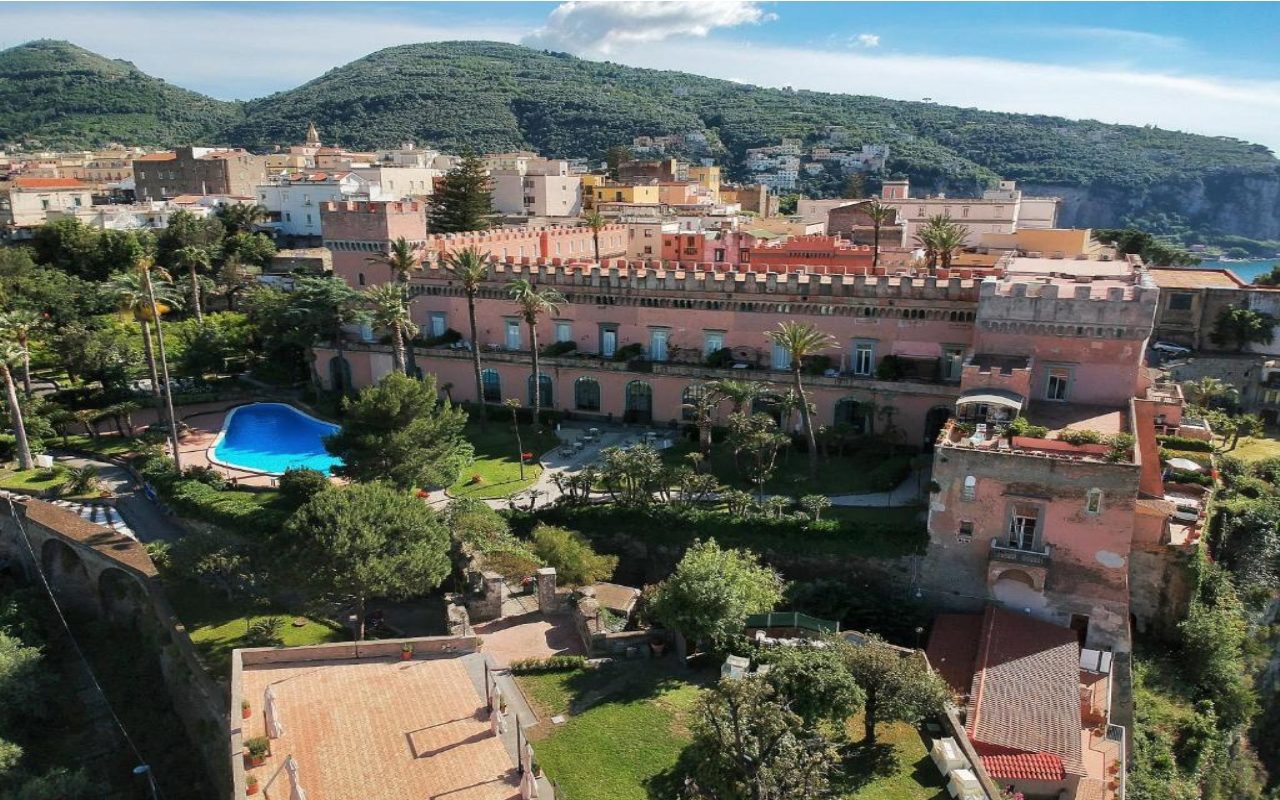
Built at the end of the 13th century, Giusso Castle was designed as both a military fortress and a residence.Read more
Giusso Castle: the legends of Vico Equense
Built at the end of the 13th century, Giusso Castle was designed as both a military fortress and a residence.Read more -
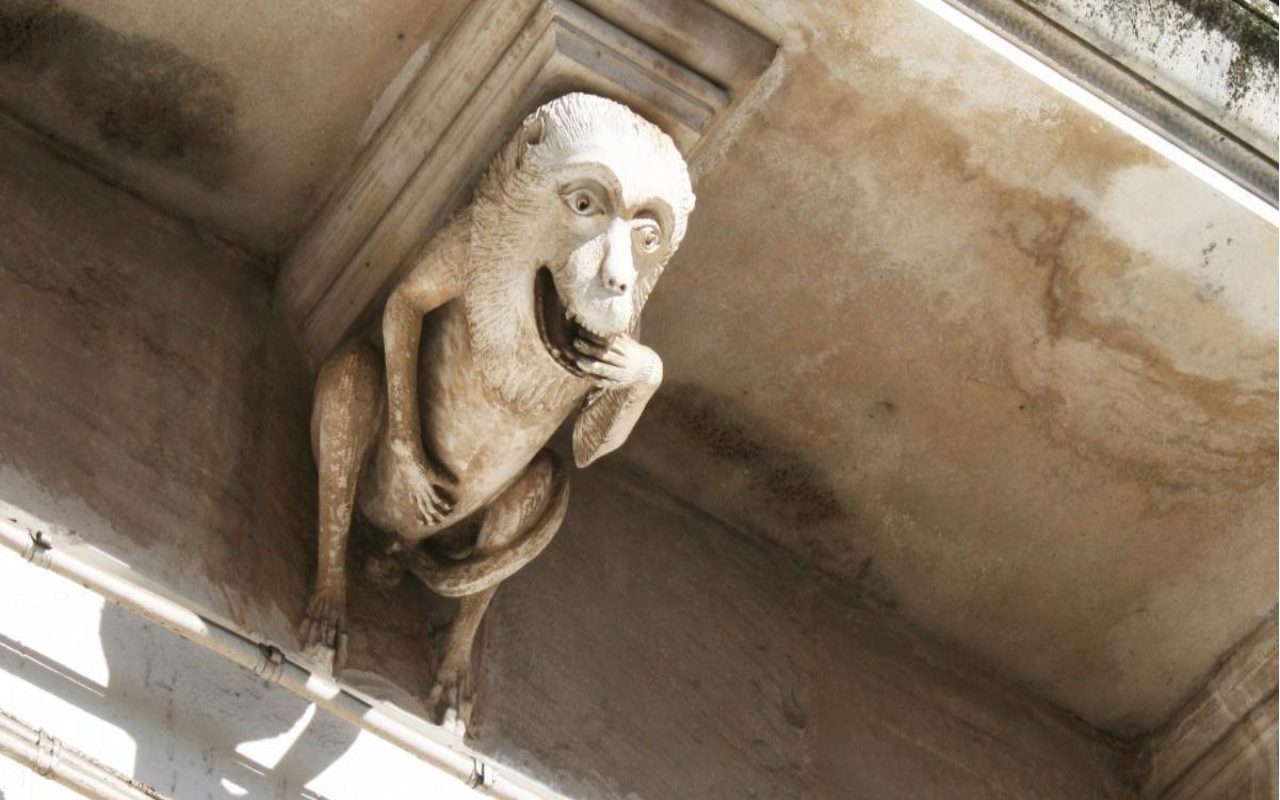 The apotropaic stone masks of lava rock and marble
Neapolitan apotropaic masks are truly fascinating works of art that can be admired on numerous historic buildings...Read more
The apotropaic stone masks of lava rock and marble
Neapolitan apotropaic masks are truly fascinating works of art that can be admired on numerous historic buildings...Read more -
 THE ROYAL PALACE OF CARDITELLO
The Tenuta Storica di Carditello (Historic Estate of Carditello), also known as the Reggia di Carditello (Royal...Read more
THE ROYAL PALACE OF CARDITELLO
The Tenuta Storica di Carditello (Historic Estate of Carditello), also known as the Reggia di Carditello (Royal...Read more
Leave a comment