



In Naples, a graduation is never a private affair: it's a neighbourhood celebration. Here's how to choose an original...
Latest posts
-
 Original Neapolitan graduation gift: ideas for the graduate (him and her)Read more
-
 Asso 'e mazze: meaning and history of the Neapolitan ace of clubsRead more
The strongest card on the green table becomes, in Naples, the most elegant way to say who really calls the shots....
-
 Michelina Di Cesare, the brigantessa who defied a kingdomRead more
Born poor in Terra di Lavoro, Michelina Di Cesare chose the maquis and the rifle against a newly united Italy. A...
-
 Neapolitan Hoodies: The Autumn 2026 Style GuideRead more
When the air turns crisp, in Naples people don't just reach for a hoodie: they reach for a piece of identity. Here's...
-
 Maradona Stadium: City Council allocates €50 million for Euro 2032Read more
The City Council has allocated €50 million for the redevelopment of the Diego Armando Maradona stadium, ahead of...
-
 Pizza Maxima 2026: Franco Pepe Is Once Again Best Pizzeria in ItalyRead more
At the fifth edition of Pizza Maxima, the Oscars of Italian pizza, Franco Pepe confirms his title as Best Pizzeria in...
-
 ‘L’acqua è poca e ‘a papera nun galleggia’: what it meansRead more
When the means are few, so is the result. Let's discover the most realistic Neapolitan saying there is.
-
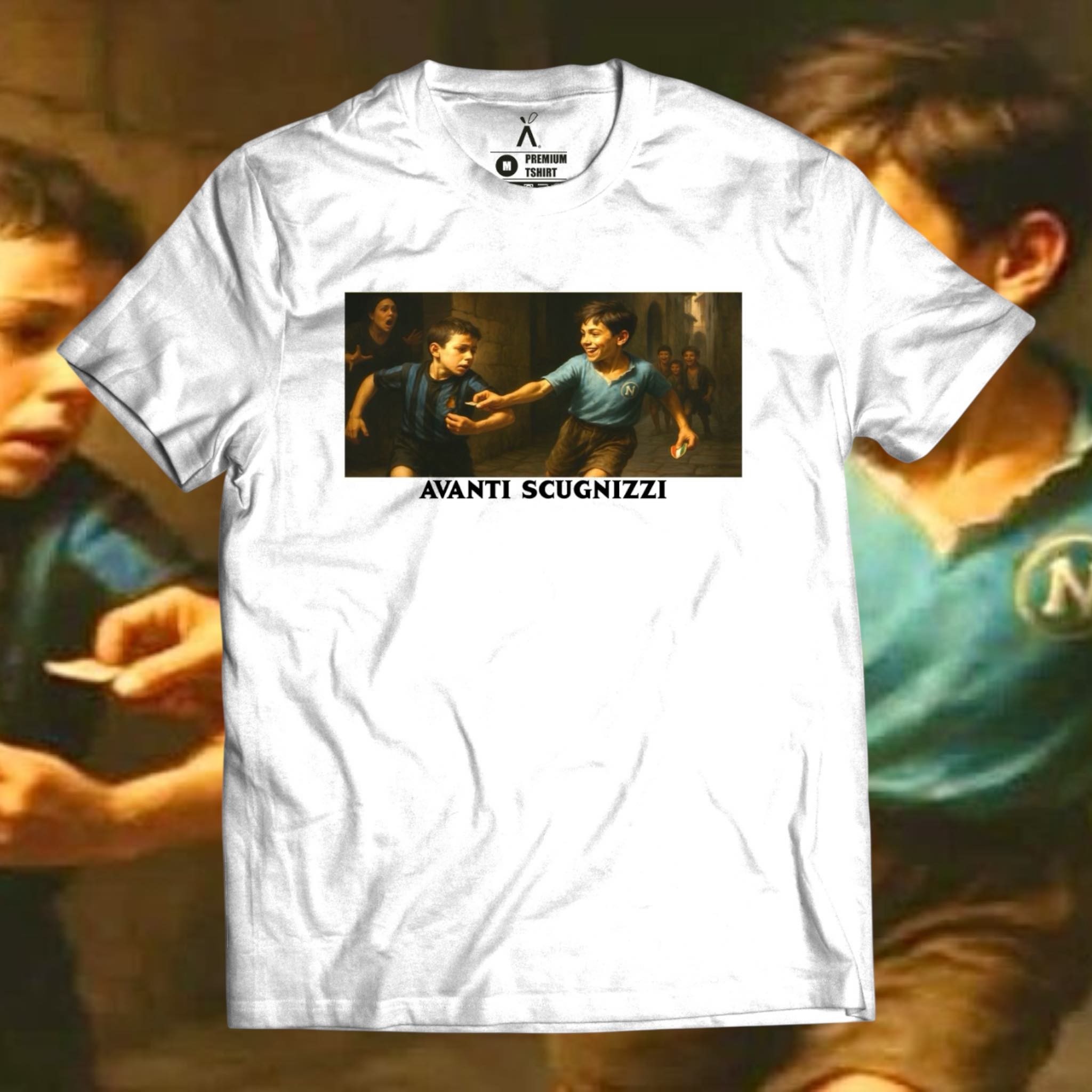 Avanti Scugnizzi: the story of the year's most loved T-shirtRead more
One word, ‘scugnizzo’ (Neapolitan street kid), and it holds the whole of Naples inside it. We tell you how the year's...
-
 'Chi chiagne fotte a chi ride': what it means and why it's truer than everRead more
At the market, at the counter, in the family: there's always someone who complains and gets more. It's the sharp...
-
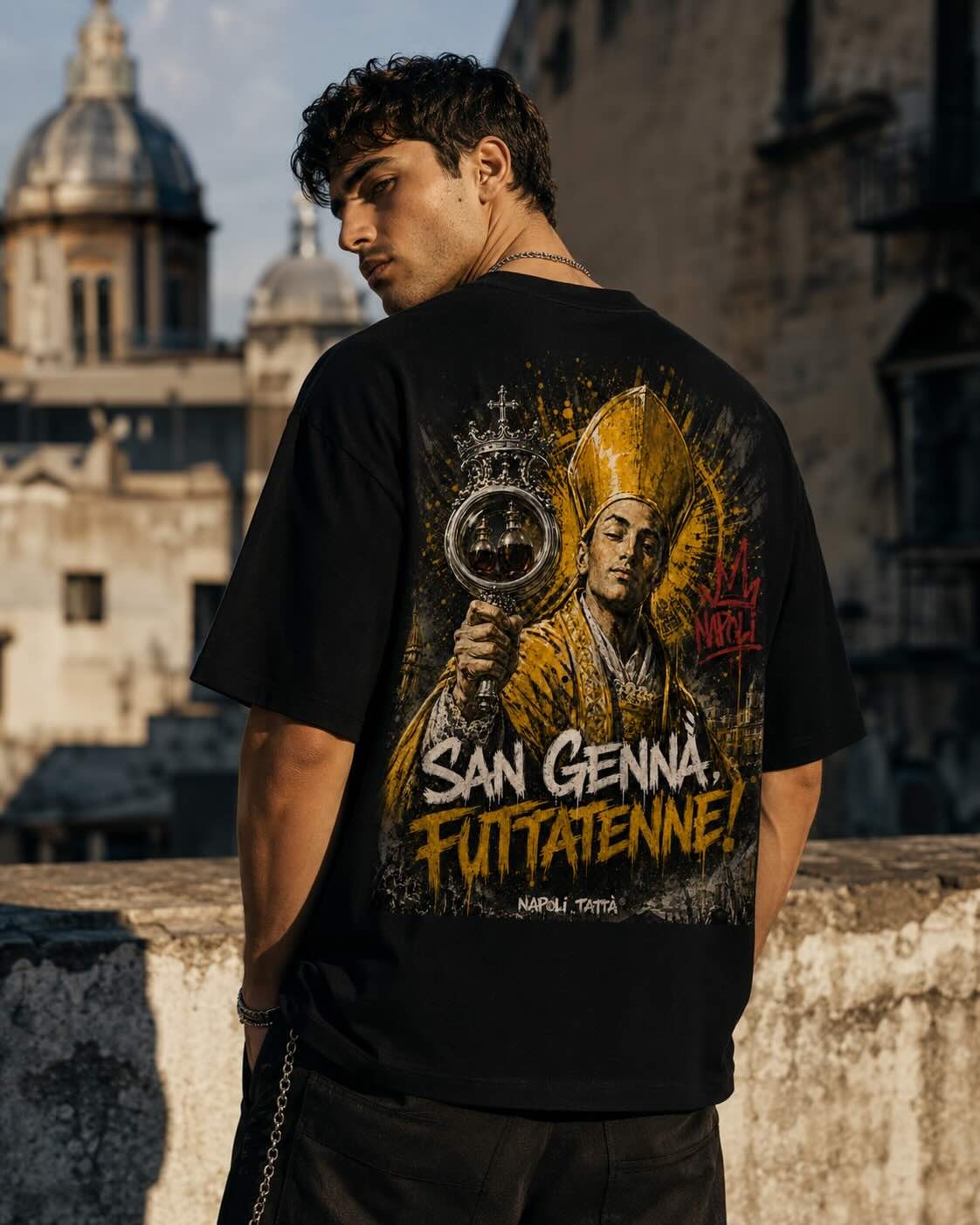 San Gennà, futtatenne! (Saint Januarius, don't worry about it!) San Gennaro, 19 September and the patron saint's t-shirtRead more
Who San Gennaro was, the miracle of the blood that liquefies, and the feast on 19 September. Plus that close,...
Blog categories
Search in blog
Archived posts
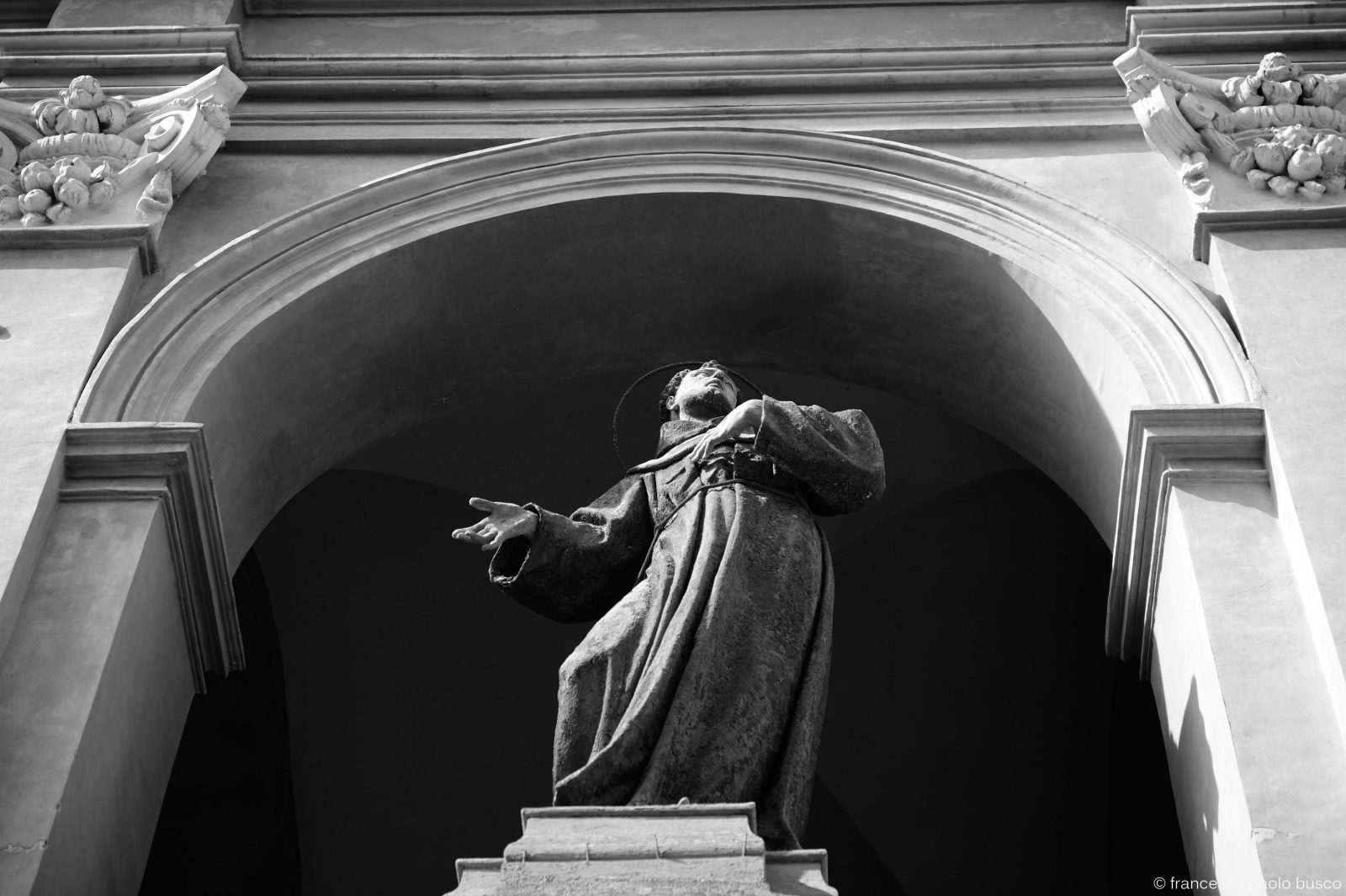
The Complex of San Francesco degli Scarioni, a Prato legacy
Leonardo Scarioni was a merchant of Prato origin who moved to Naples and spent the rest of his life there, dying without leaving any heirs.
Walking along via Arco Mirelli, in Naples, one comes across a place of worship of considerable size: the Complex of San Francesco degli Scarioni.
Historical background
Leonardo Scarioni was a merchant of Prato origin who moved to Naples and spent the rest of his life there, dying without leaving any heirs.
It was therefore his wish to invest his considerable wealth in the very place where he had chosen to spend his final years, using it to create a religious building, a convent, specifically a Franciscan one, that would serve as a home for around sixty nuns from his hometown, welcoming them into the Campanian capital that had adopted him, thereby leaving behind, in this way, a fusion of his two worlds.
This is how the Complex came into being, with the task of realising his vision entrusted to Giovan Battista Nauclerio, who, after seventeen years of work, in 1721, oversaw a solemn inauguration, delivering to the city the fruits of his labours.
The structure
It appears as a colossus in Baroque style, its façade dominated by an impressive wooden statue depicting Saint Francis.
A symbol of the building, chronologically later than the erection of the complex, the wooden statue is placed above the entrance gate, towering over the whole edifice and welcoming visiting worshippers.
Inside, where one finds a Greek cross floor plan, devotion to the saint is strong and unmistakable.
Indeed the main altar is dominated by a painting, the work of Francesco De Mura, dating from 1773, which depicts him at the moment he receives indulgence from the hands of Christ and the Virgin.
There are, however, dedications within the structure that also concern other prominent figures of the Catholic Church.
In the sacristy, for example, a panel by Marcus Laurus is preserved, dating from two centuries before the aforementioned painting, in which the Crucified Christ addresses Saint Thomas.
As for the side altars, the left one is adorned with the painting of the Adoration of the Shepherds by Antonio Sarnelli, placed above its summit, from the same year as De Mura's painting of the father of the Franciscans, while for the right one, the task falls to the Immaculate Conception, a work by Paolo De Matteis.
Also worthy of note are the Chapel of the Nativity Scene, adorned with frescoes produced by one of the convent's residents, a nun, Maria Eleonora Zarrini, and the Sorrowful Madonna, a work of wax modelling whose merits are attributed to Giovanni Francesco Pieri.
Also important to the Franciscan building is an organ housed within it, dating back to 1721.
Posted in:
Places in Naples
Related posts
-
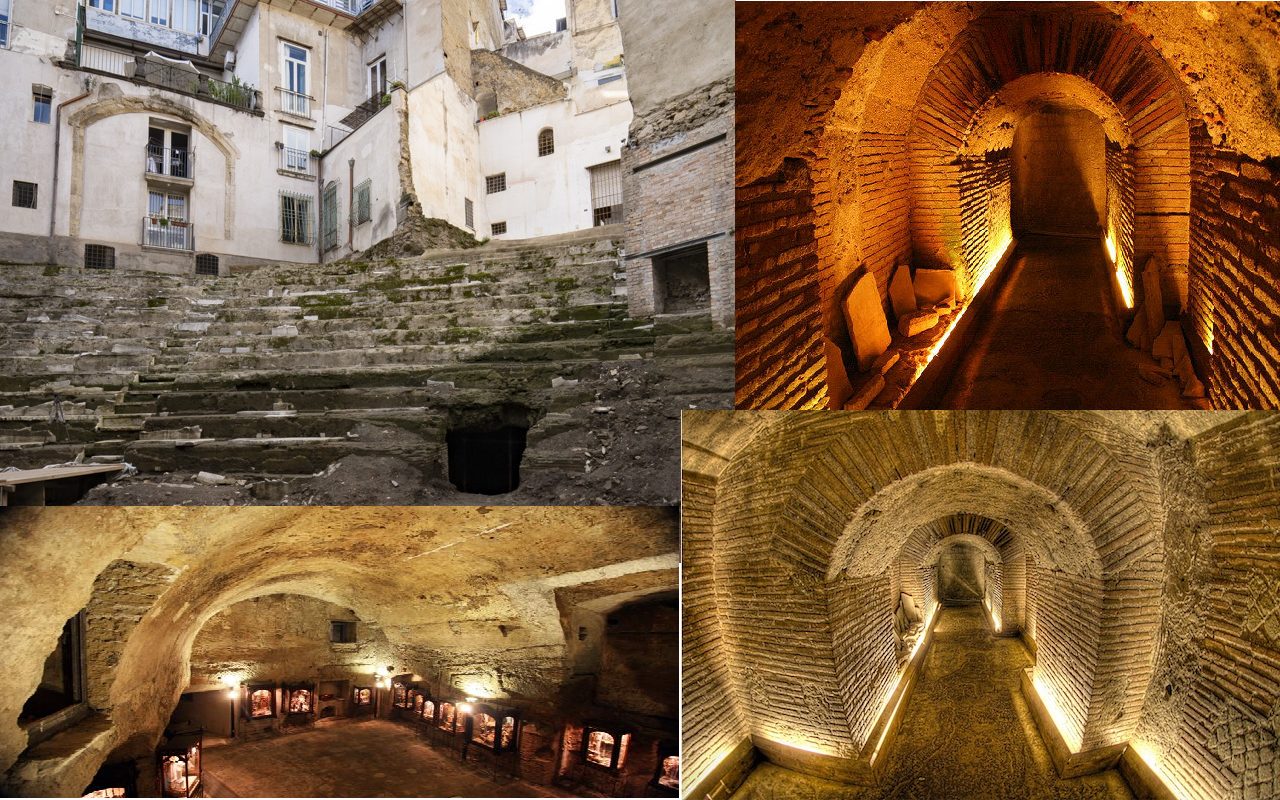 The Roman Theatre of Neapolis
Among the many wonders of Naples' historic centre stands the ancient Roman Theatre of Neapolis, between what are now...Read more
-
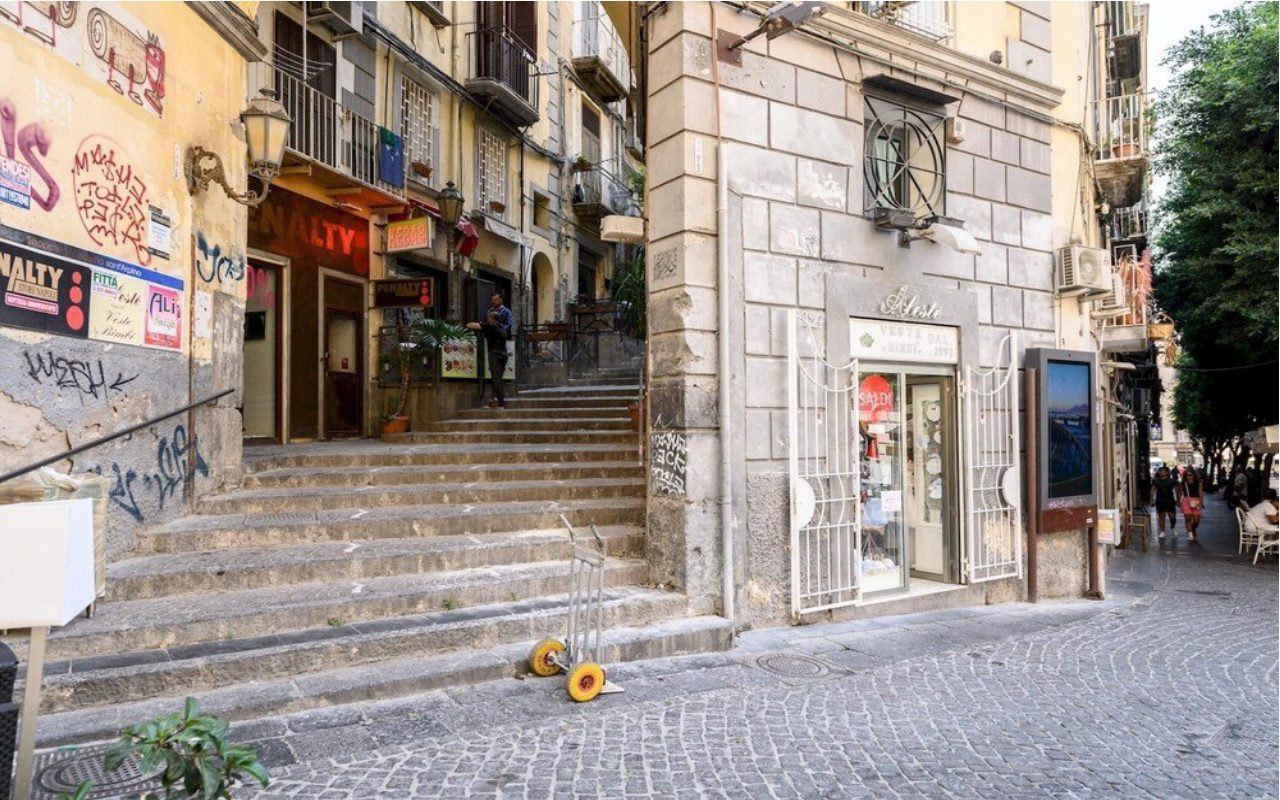 Discover Vicoletto Sant'Arpino: History and Beauty of Naples
There are corners of Naples that tell incredible stories, that take your breath away and make it unique, sincere and...Read more
-
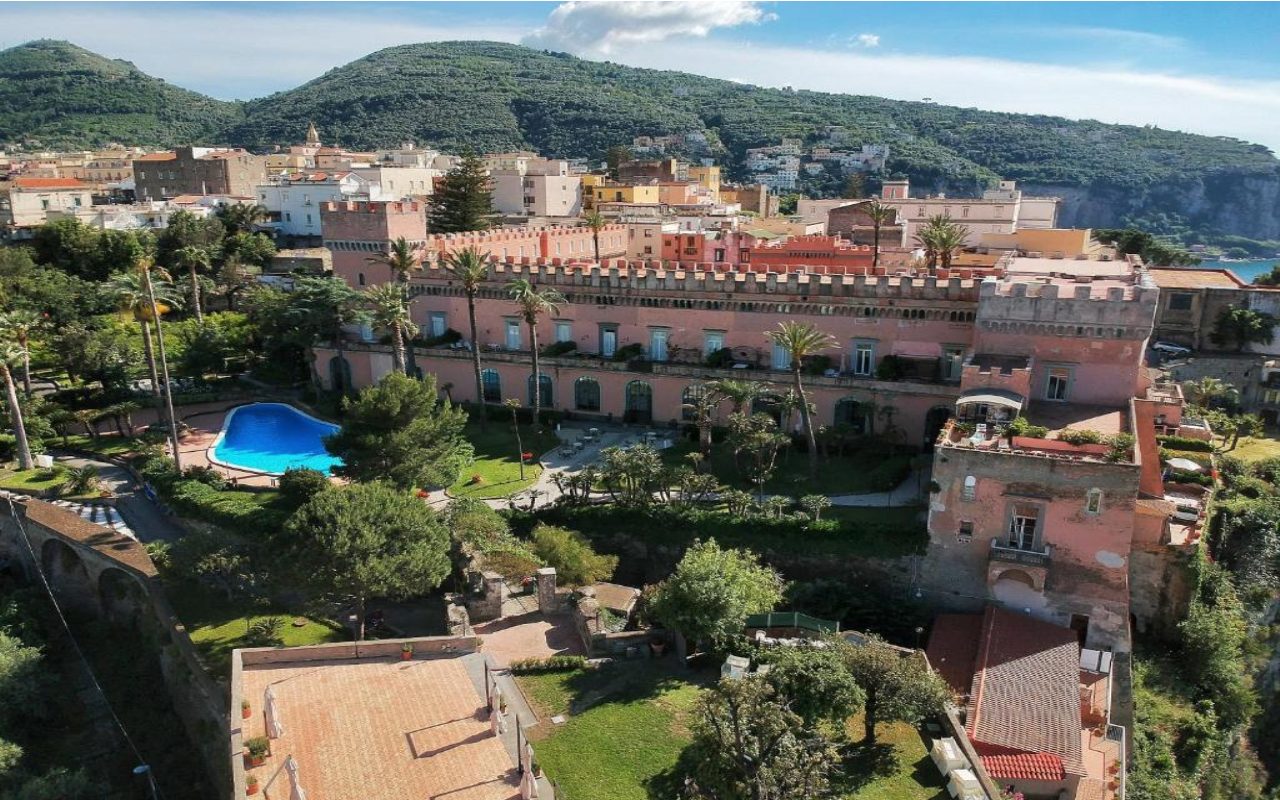 Giusso Castle: the legends of Vico Equense
Built at the end of the 13th century, Giusso Castle was designed as both a military fortress and a residence.Read more
-
 The apotropaic stone masks of lava rock and marble
Neapolitan apotropaic masks are truly fascinating works of art that can be admired on numerous historic buildings...Read more
-
 THE ROYAL PALACE OF CARDITELLO
The Tenuta Storica di Carditello (Historic Estate of Carditello), also known as the Reggia di Carditello (Royal...Read more
Leave a comment