



Nata povera in Terra di Lavoro, Michelina Di Cesare scelse la macchia e il fucile contro l'Italia appena unita. Una...
Latest posts
-
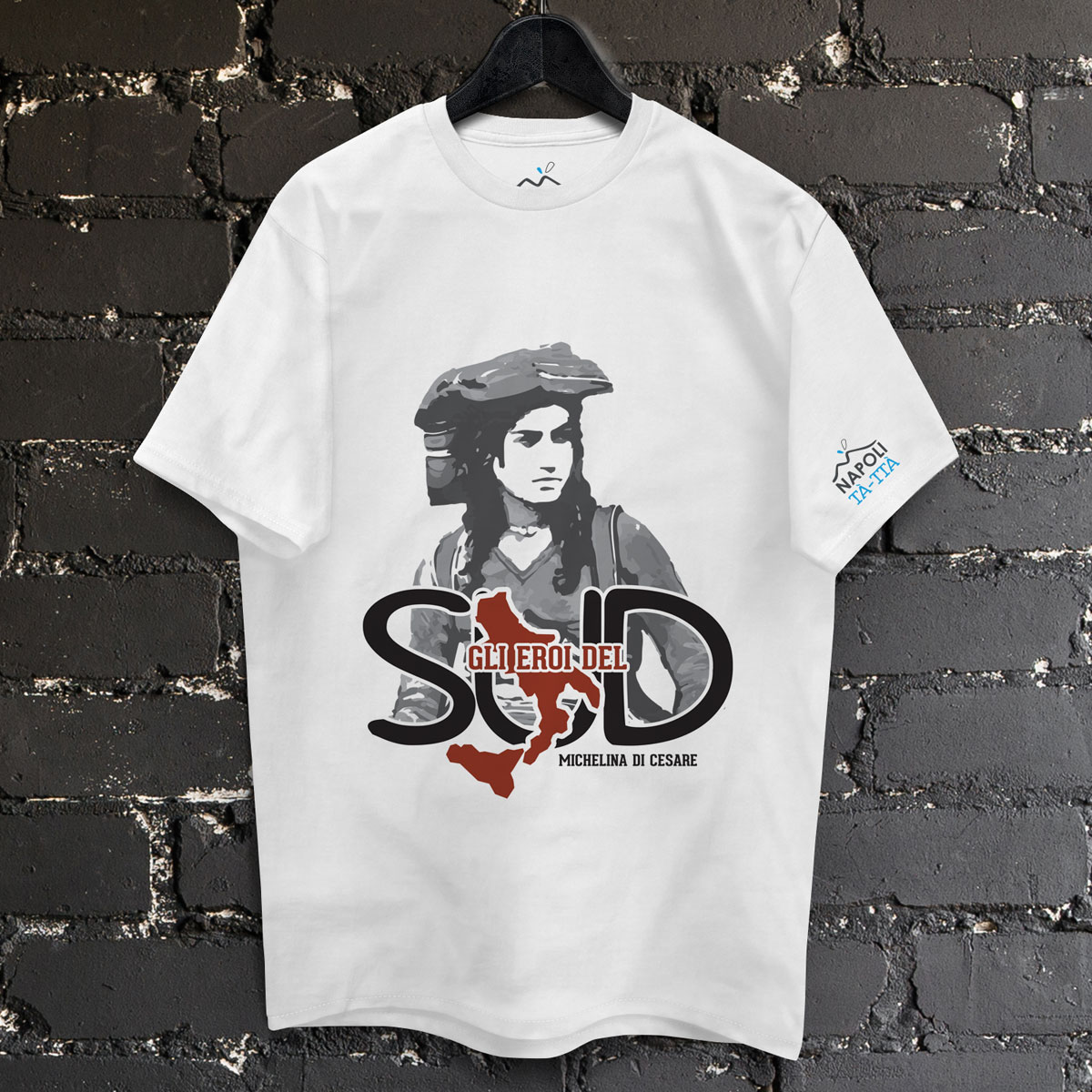 Michelina Di Cesare, la brigantessa che sfidò un regnoRead more
-
 Neapolitan Hoodies: The Autumn 2026 Style GuideRead more
When the air turns crisp, in Naples people don't just reach for a hoodie: they reach for a piece of identity. Here's...
-
 Maradona Stadium: City Council allocates €50 million for Euro 2032Read more
The City Council has allocated €50 million for the redevelopment of the Diego Armando Maradona stadium, ahead of...
-
 Pizza Maxima 2026: Franco Pepe Is Once Again Best Pizzeria in ItalyRead more
At the fifth edition of Pizza Maxima, the Oscars of Italian pizza, Franco Pepe confirms his title as Best Pizzeria in...
-
 ‘L’acqua è poca e ‘a papera nun galleggia’: what it meansRead more
When the means are few, so is the result. Let's discover the most realistic Neapolitan saying there is.
-
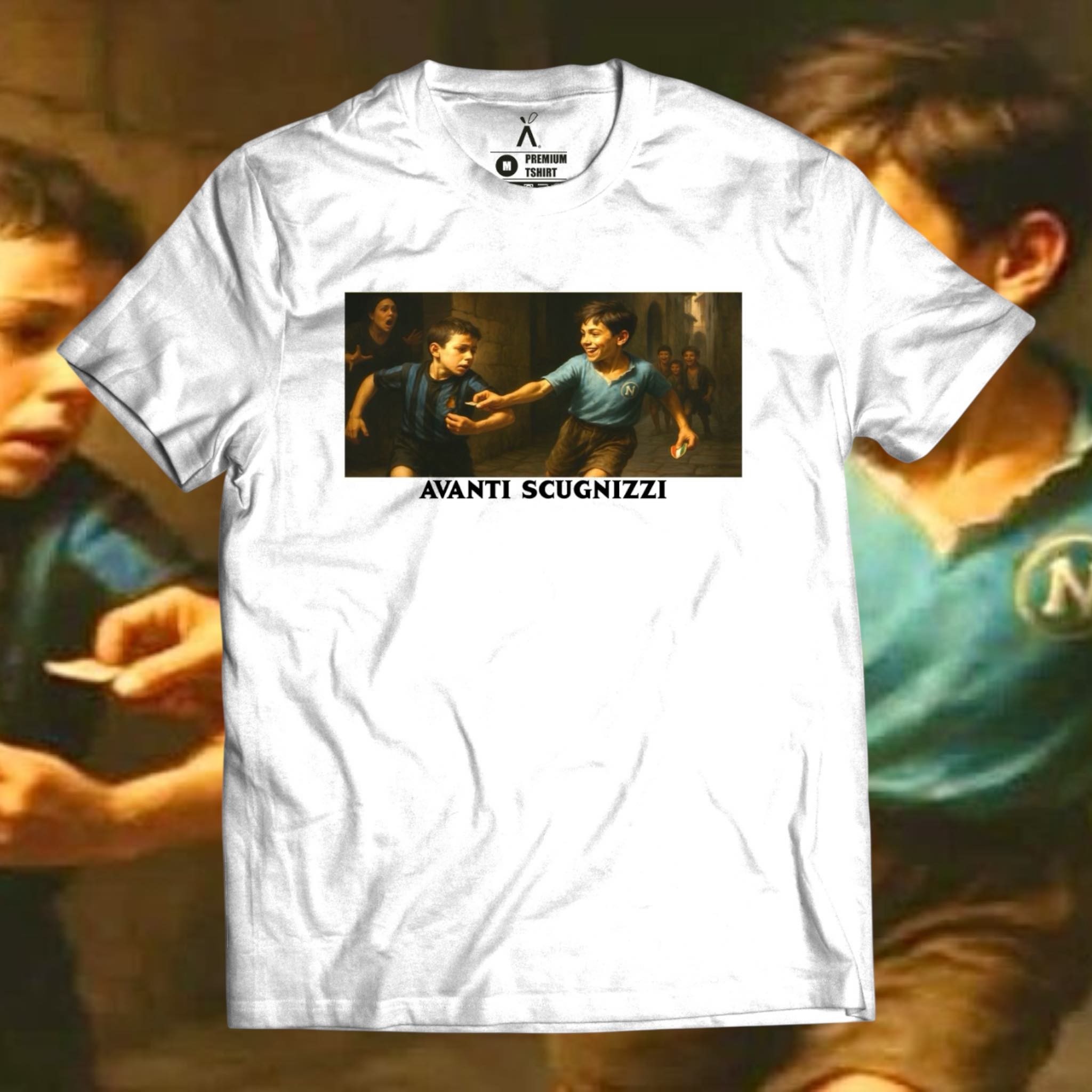 Avanti Scugnizzi: the story of the year's most loved T-shirtRead more
One word, ‘scugnizzo’ (Neapolitan street kid), and it holds the whole of Naples inside it. We tell you how the year's...
-
 'Chi chiagne fotte a chi ride': what it means and why it's truer than everRead more
At the market, at the counter, in the family: there's always someone who complains and gets more. It's the sharp...
-
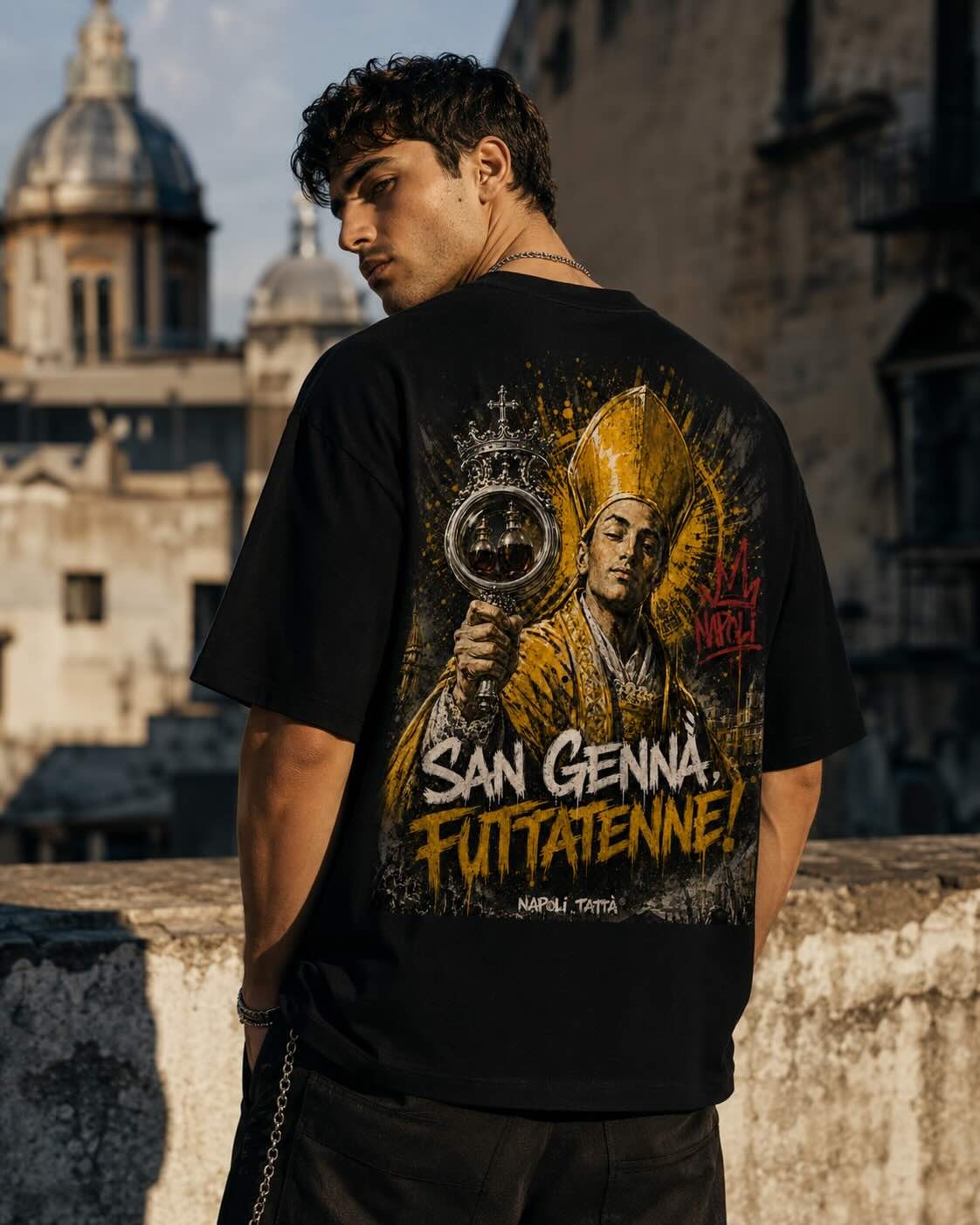 San Gennà, futtatenne! (Saint Januarius, don't worry about it!) San Gennaro, 19 September and the patron saint's t-shirtRead more
Who San Gennaro was, the miracle of the blood that liquefies, and the feast on 19 September. Plus that close,...
-
 'O purpo se coce int'a ll'acqua soja: what it means (o purpo se coce meaning)Read more
Someone has wronged you, and instead of reacting, you wait in silence with a smile? Here's the Neapolitan proverb...
-
 Cazzimma: meaning, origin and why it can't be translatedRead more
There's a word that explains everything in Naples and can't be translated into any language. It's called cazzimma,...
Blog categories
Search in blog
Archived posts
Neapolitan Day: the squares of Naples
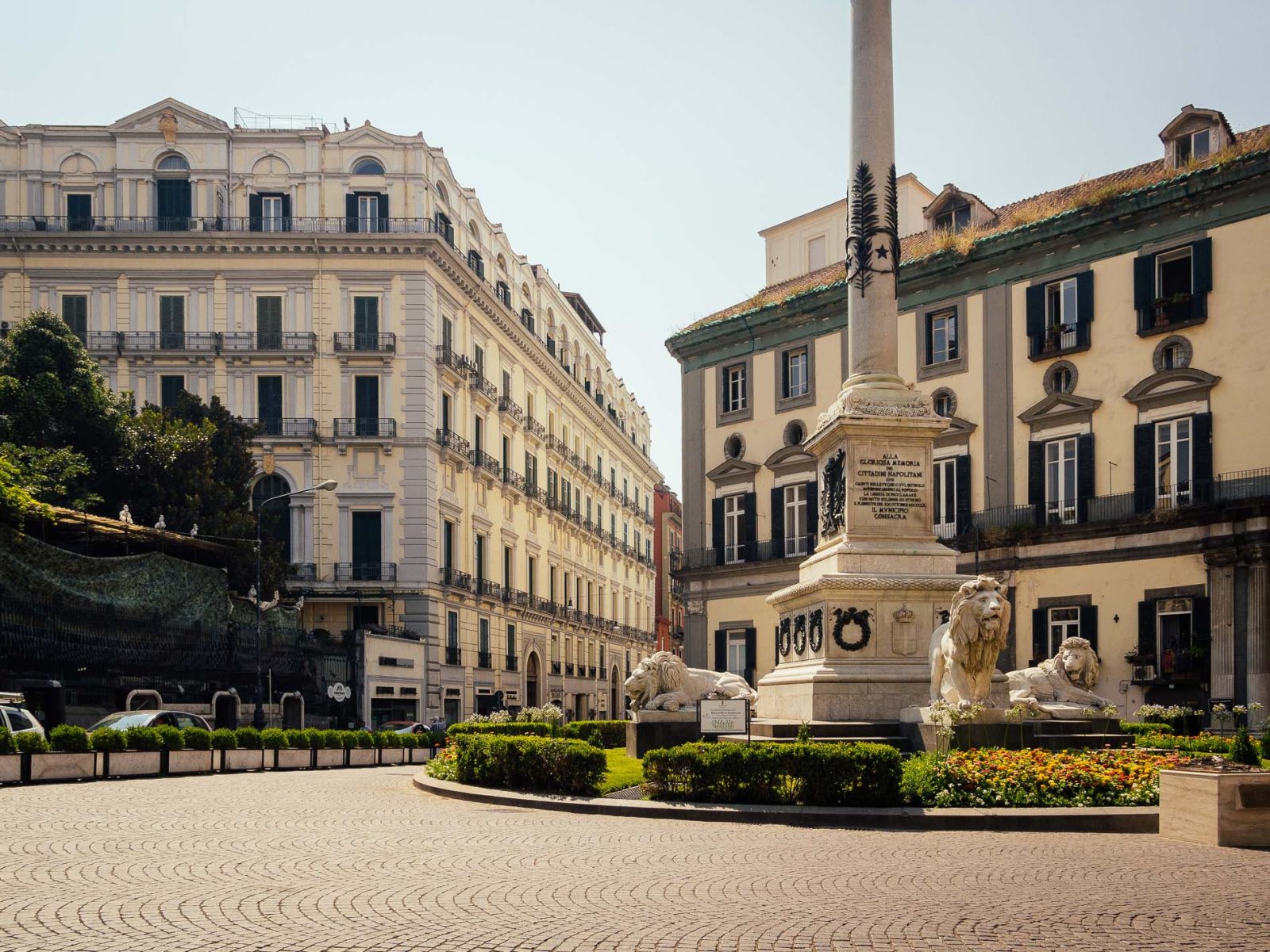
Located in the historic area of the city, a short distance from the seafront, in the Chiaia district, one of the wealthiest in the metropolis, Piazza dei Martiri is considered one of the most "in" spots along the route.
Between museums, parks and churches, Naples offers plenty of opportunities to anyone wishing to spend a day immersed in culture.
Beyond the classic routes, some might fancy a different kind of tour, one that, perhaps, leads into the beating heart of the city, for instance, through symbolic and important places. We have therefore tried to put together a tour to do in a single day, featuring the squares you simply cannot miss!
Piazza dei Martiri
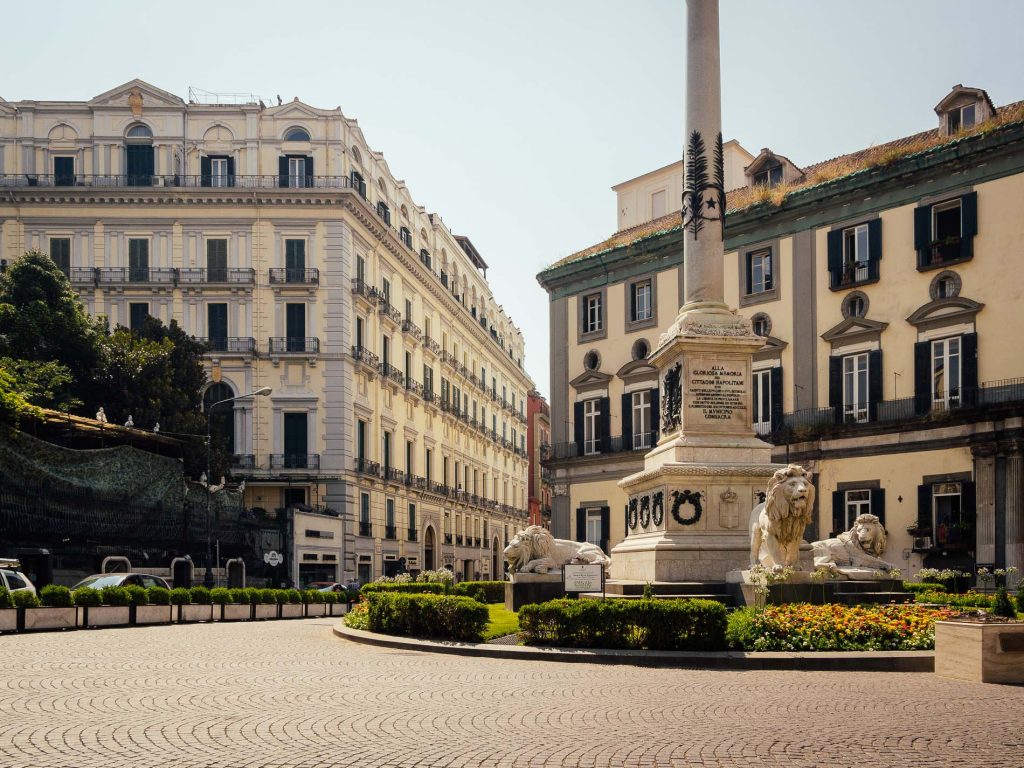
Located in the historic area of the city, a short distance from the seafront, in the Chiaia district, one of the wealthiest in the metropolis, Piazza dei Martiri is considered one of the most "in" spots along the route. It is dominated by the column dedicated to all the Neapolitans who died for freedom throughout the history of Naples, although it was originally intended for the Madonna della Pace (Our Lady of Peace), commissioned by Ferdinand II to mark the peace regained after the uprisings of 1848. It was created by Luigi Catalani, but later modified and embellished through the work of Errico Alvino, the architect who opened, in 1853, via della Pace (today via Domenico Morelli).
Piazza del Gesù
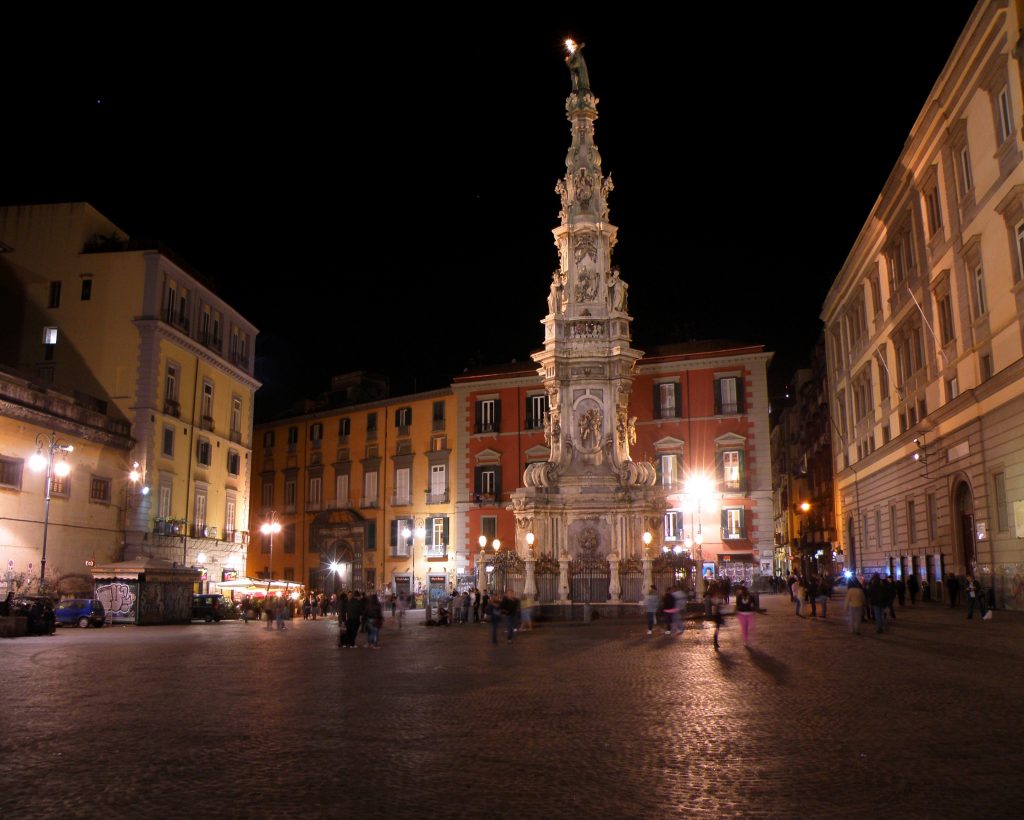
Positioned along the lower decumanus, it is a symbol of the historic centre of Naples. The square takes its name from the sixteenth-century Chiesa del Gesù Nuovo (Church of the New Jesus), with its striking rusticated façade featuring three large portals, one for each interior nave. It is on the church's façade that a plaque is fixed, bearing the inscription explaining why the historic centre of Naples was awarded UNESCO World Heritage status. An essential feature of the square is, without doubt, the Baroque spire dedicated to the Immaculate Conception. A short distance away stands another of the city's most important churches: the basilica of Santa Chiara.
Piazza Bellini
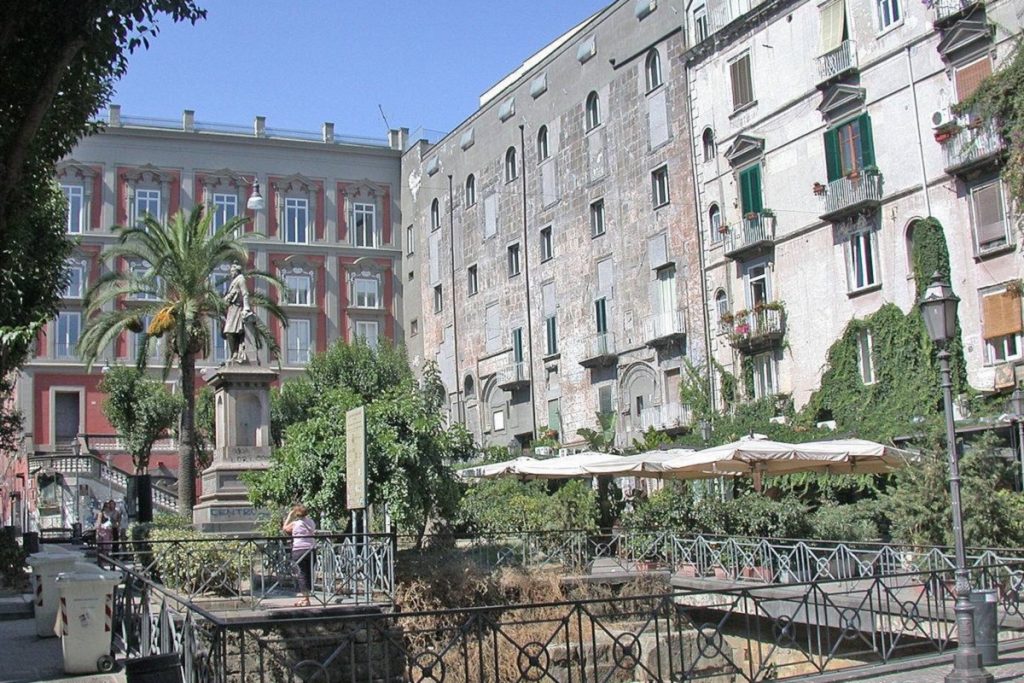
Now a firm favourite gathering spot for countless young people, Piazza Bellini sits along the upper decumanus and is one of the most frequented squares in the city thanks to the great number of bars and cafés overlooking it. It has always been one of the main hubs of intellectual life, surrounded as it is by numerous university buildings and very close to the Academy of Fine Arts and the San Pietro a Majella Conservatory, where, in fact, Vincenzo Bellini once studied. The whole square is enclosed by monumental sixteenth- and seventeenth-century buildings, offering the city of Naples important traces of Baroque architecture and Renaissance art. Here we can also find some remains of the walls of Greek Neapolis, uncovered partly in 1954 and later again in 1984.
Piazza Dante
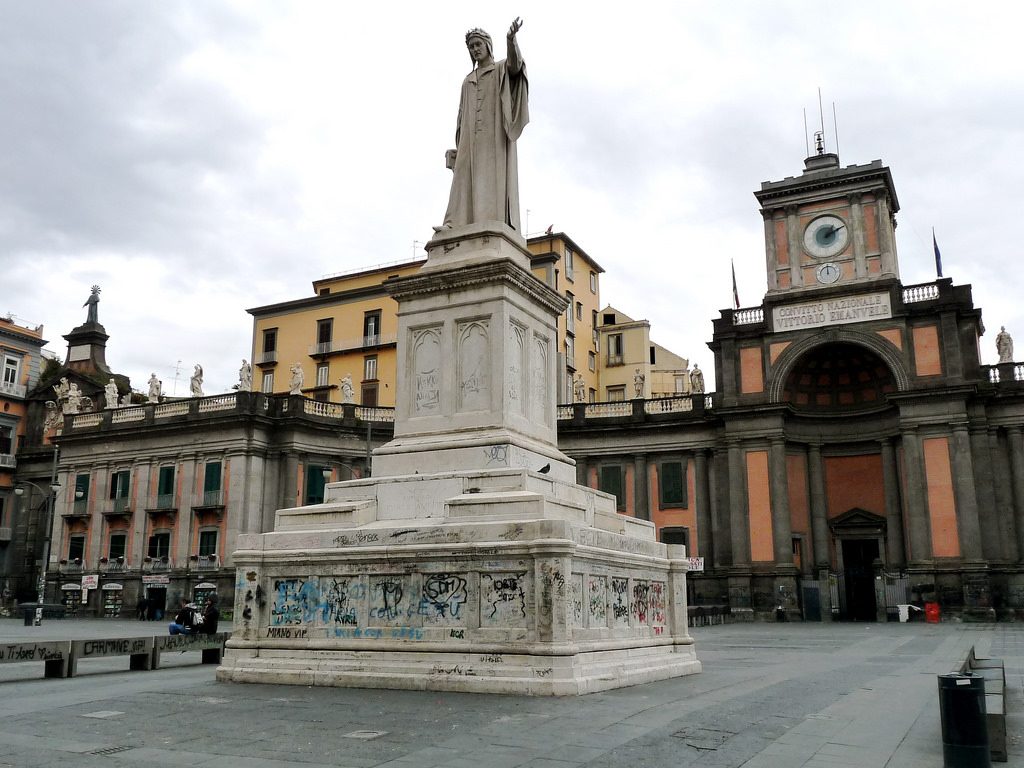
Marking the start of via Toledo, this is one of the most important squares. Its present-day appearance is the result of a transformation of the original design by Luigi Vanvitelli who, between 1757 and 1765, drew up a semicircle intended to house the equestrian statue of Charles III of Bourbon (the Foro Carolino). A distinctive feature of Piazza Dante, one that makes it unique and a must-see stop for tourists and students alike, is Port'Alba, the ancient gateway to the city's upper decumanus, home to age-old pizzerias, bookshops and craft workshops. Dominating the centre of the square, we also find the statue of Dante Alighieri, dating from 1871 and sculpted by Tito Angelini.
Piazza del Plebiscito (featured image)
With a surface area of around 25,000 square metres, it is one of the largest squares in the city and in Italy. Bounded by four buildings — the church of San Francesco di Paola, the Royal Palace, Palazzo Salerno and the Palazzo della Foresteria — it lies at the foot of the Pizzofalcone hill, at the end of via Toledo, just past Piazza Trieste e Trento. Originally it was simply a wide open space where popular festivals were held, but then, with the construction of the Royal Palace and the church of San Francesco di Paola, with its elliptical colonnade, it gradually took on a leading role, eventually becoming the symbolic square of the city. At its centre stand two equestrian statues depicting the founder of the dynasty, Charles III of Bourbon, and his son, Ferdinand I of the Two Sicilies, both gazing towards the Royal Palace. Popular tradition has it that, starting from the entrance to the palace, anyone who manages to walk between the two statues with their eyes closed can call themselves a true Neapolitan.
Posted in:
Places in Naples
Related posts
-
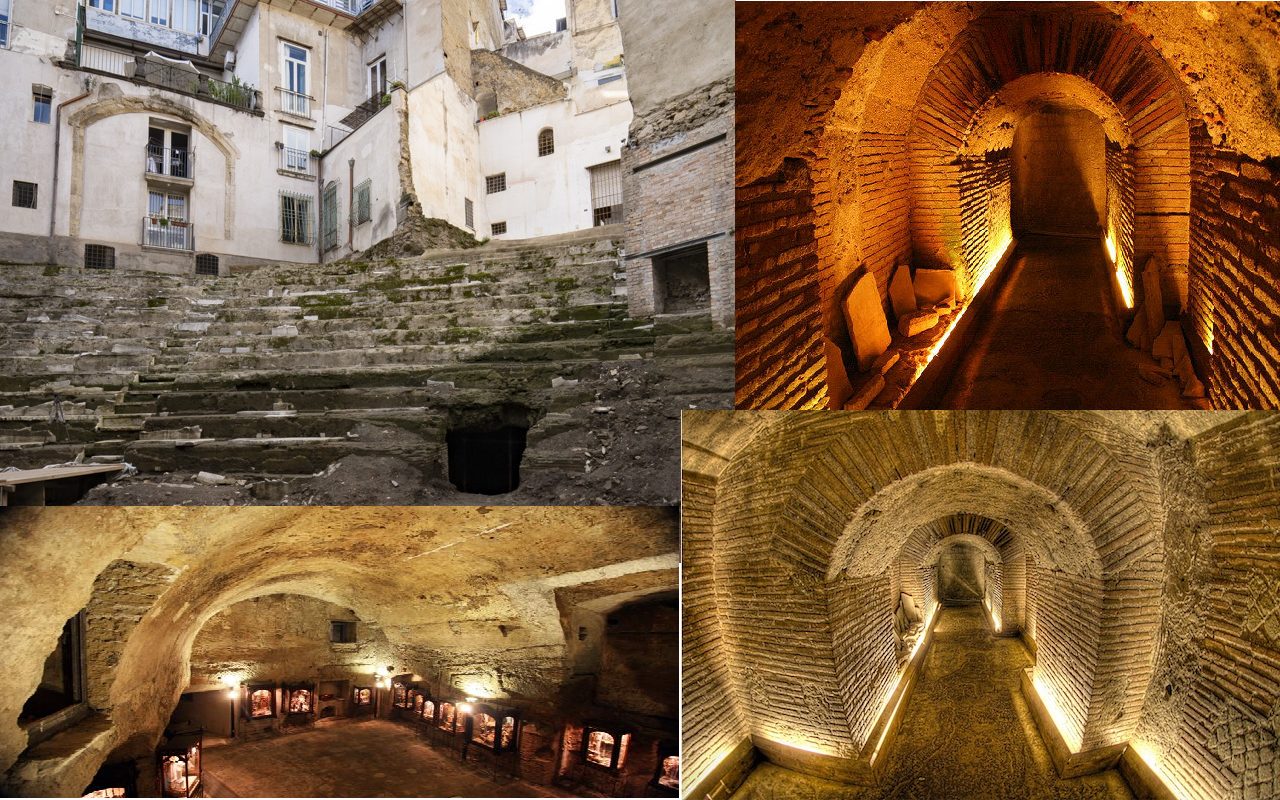 The Roman Theatre of Neapolis
Among the many wonders of Naples' historic centre stands the ancient Roman Theatre of Neapolis, between what are now...Read more
-
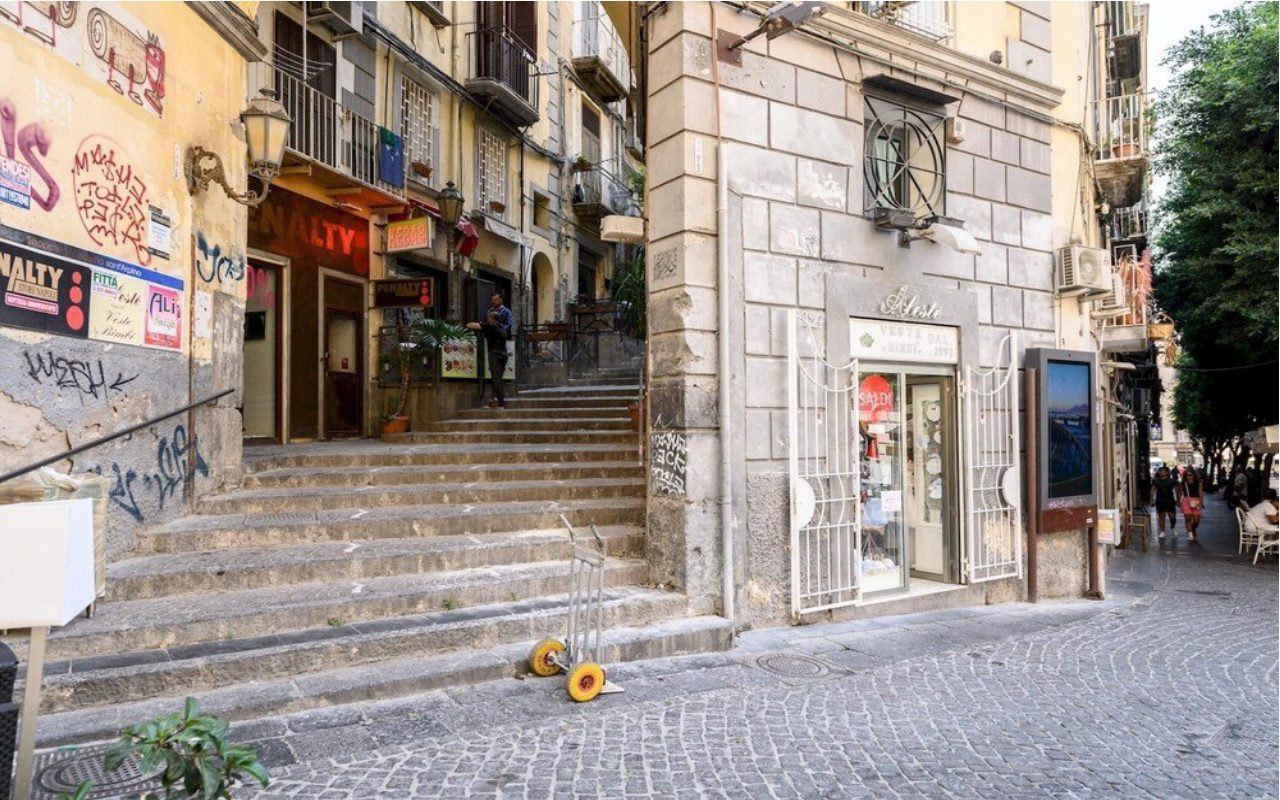 Discover Vicoletto Sant'Arpino: History and Beauty of Naples
There are corners of Naples that tell incredible stories, that take your breath away and make it unique, sincere and...Read more
-
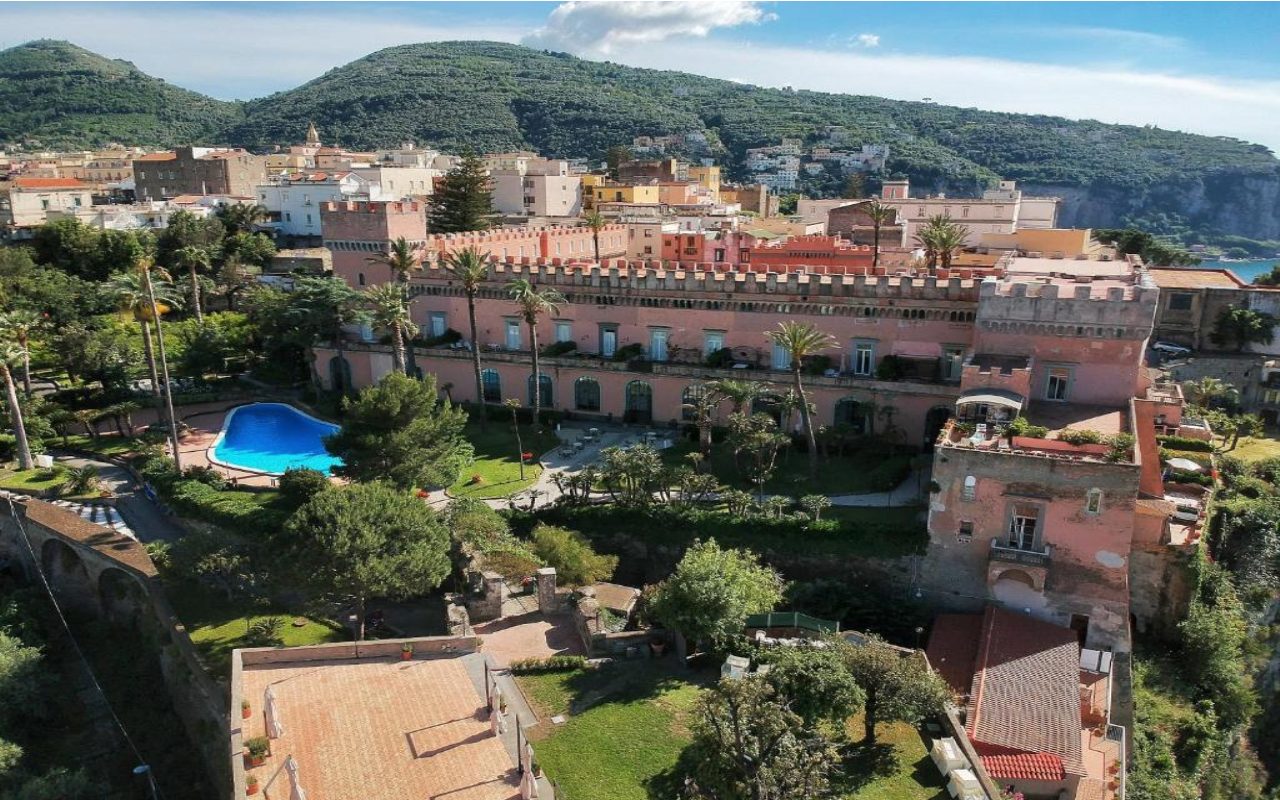 Giusso Castle: the legends of Vico Equense
Built at the end of the 13th century, Giusso Castle was designed as both a military fortress and a residence.Read more
-
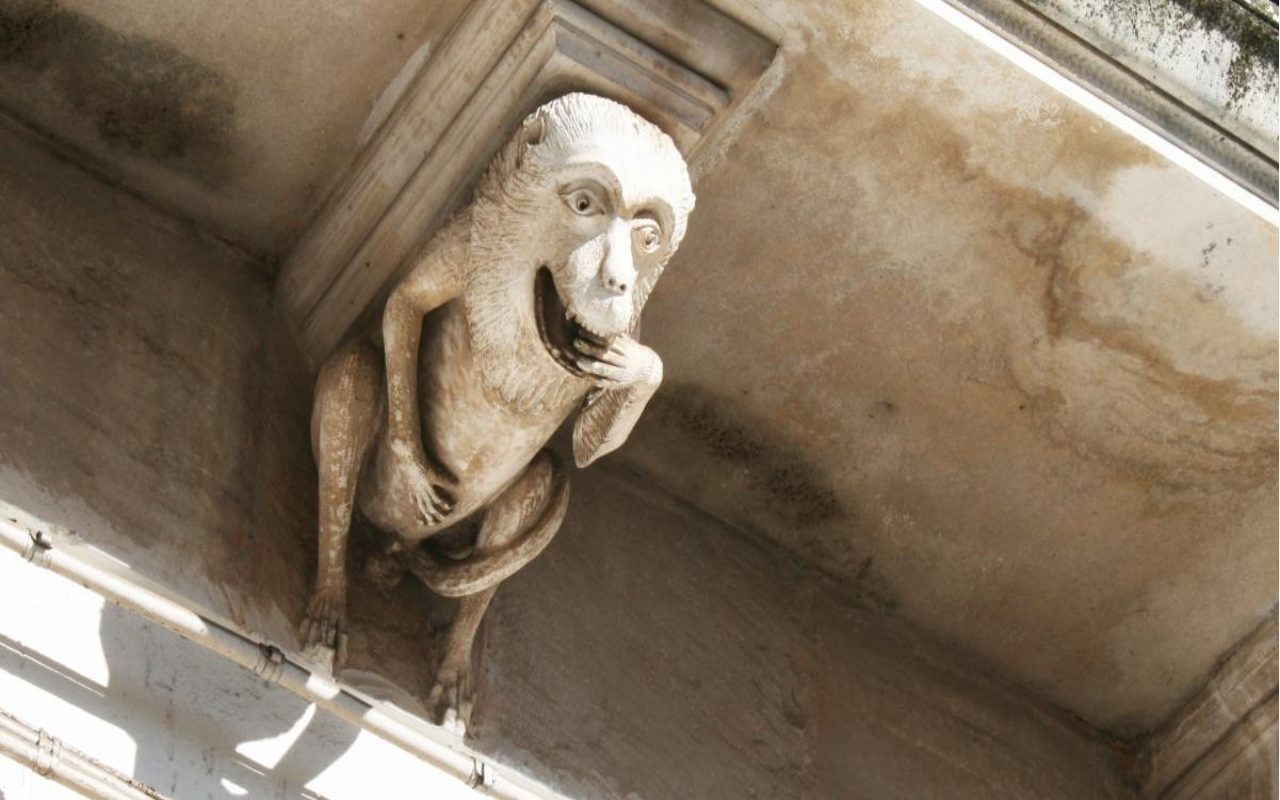 The apotropaic stone masks of lava rock and marble
Neapolitan apotropaic masks are truly fascinating works of art that can be admired on numerous historic buildings...Read more
-
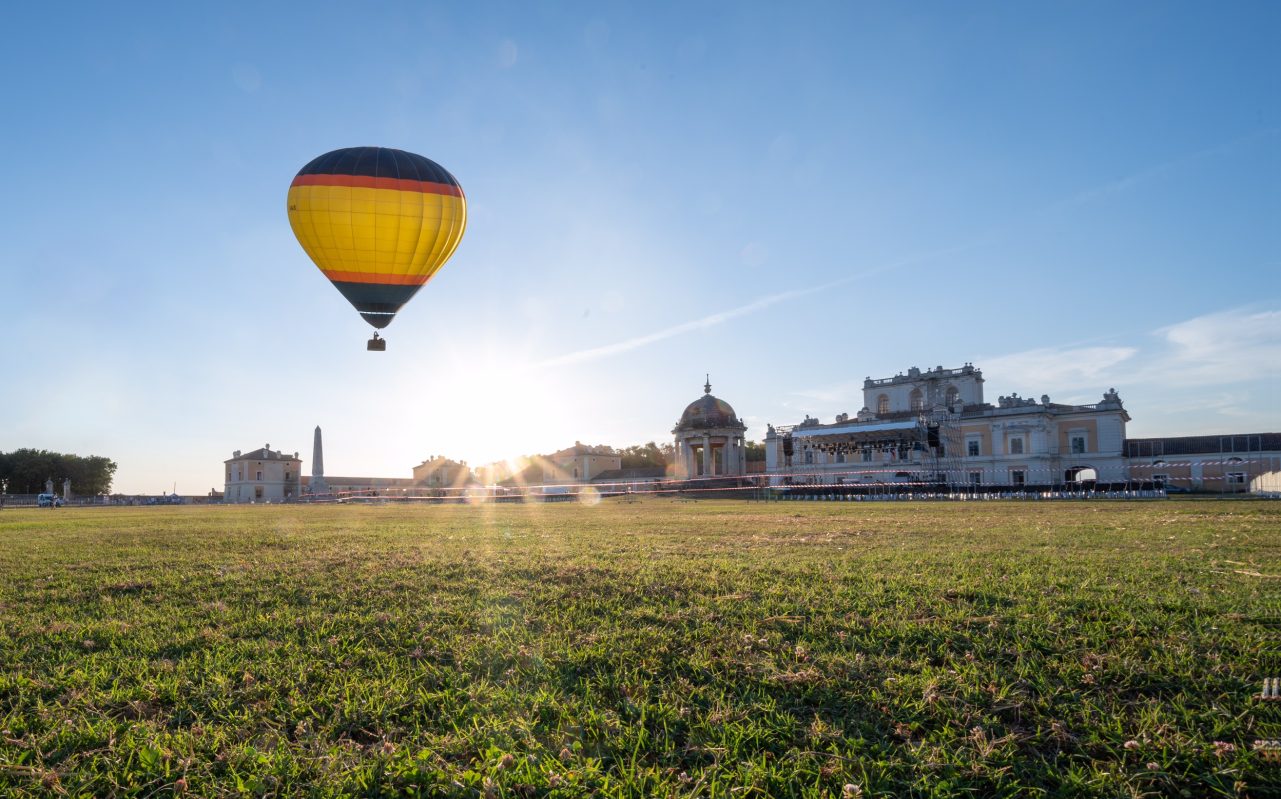 THE ROYAL PALACE OF CARDITELLO
The Tenuta Storica di Carditello (Historic Estate of Carditello), also known as the Reggia di Carditello (Royal...Read more
Leave a comment