



In Naples, a graduation is never a private affair: it's a neighbourhood celebration. Here's how to choose an original...
Latest posts
-
 Original Neapolitan graduation gift: ideas for the graduate (him and her)Read more
-
 Asso 'e mazze: meaning and history of the Neapolitan ace of clubsRead more
The strongest card on the green table becomes, in Naples, the most elegant way to say who really calls the shots....
-
 Michelina Di Cesare, the brigantessa who defied a kingdomRead more
Born poor in Terra di Lavoro, Michelina Di Cesare chose the maquis and the rifle against a newly united Italy. A...
-
 Neapolitan Hoodies: The Autumn 2026 Style GuideRead more
When the air turns crisp, in Naples people don't just reach for a hoodie: they reach for a piece of identity. Here's...
-
 Maradona Stadium: City Council allocates €50 million for Euro 2032Read more
The City Council has allocated €50 million for the redevelopment of the Diego Armando Maradona stadium, ahead of...
-
 Pizza Maxima 2026: Franco Pepe Is Once Again Best Pizzeria in ItalyRead more
At the fifth edition of Pizza Maxima, the Oscars of Italian pizza, Franco Pepe confirms his title as Best Pizzeria in...
-
 ‘L’acqua è poca e ‘a papera nun galleggia’: what it meansRead more
When the means are few, so is the result. Let's discover the most realistic Neapolitan saying there is.
-
 Avanti Scugnizzi: the story of the year's most loved T-shirtRead more
One word, ‘scugnizzo’ (Neapolitan street kid), and it holds the whole of Naples inside it. We tell you how the year's...
-
 'Chi chiagne fotte a chi ride': what it means and why it's truer than everRead more
At the market, at the counter, in the family: there's always someone who complains and gets more. It's the sharp...
-
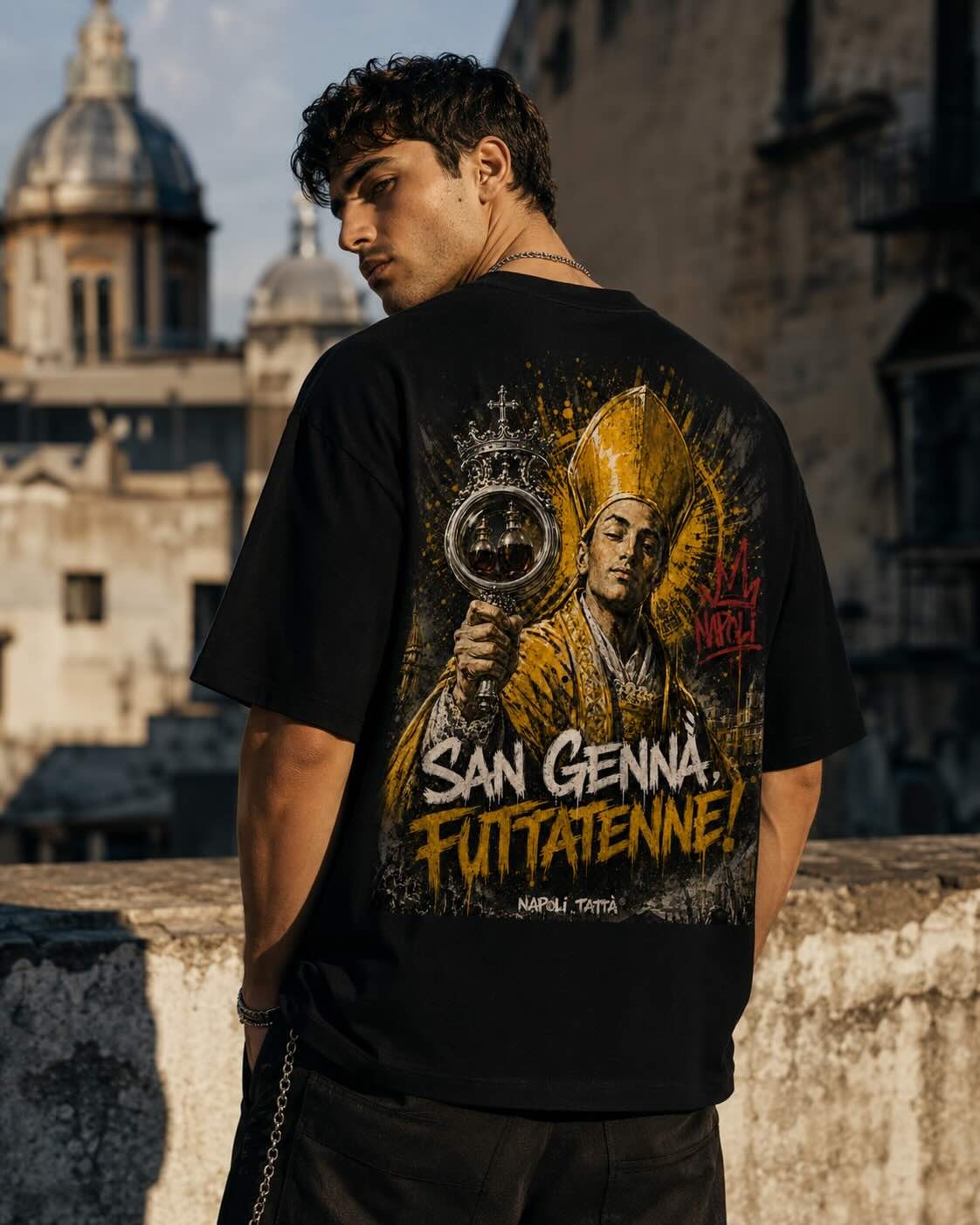 San Gennà, futtatenne! (Saint Januarius, don't worry about it!) San Gennaro, 19 September and the patron saint's t-shirtRead more
Who San Gennaro was, the miracle of the blood that liquefies, and the feast on 19 September. Plus that close,...
Blog categories
Search in blog
Archived posts
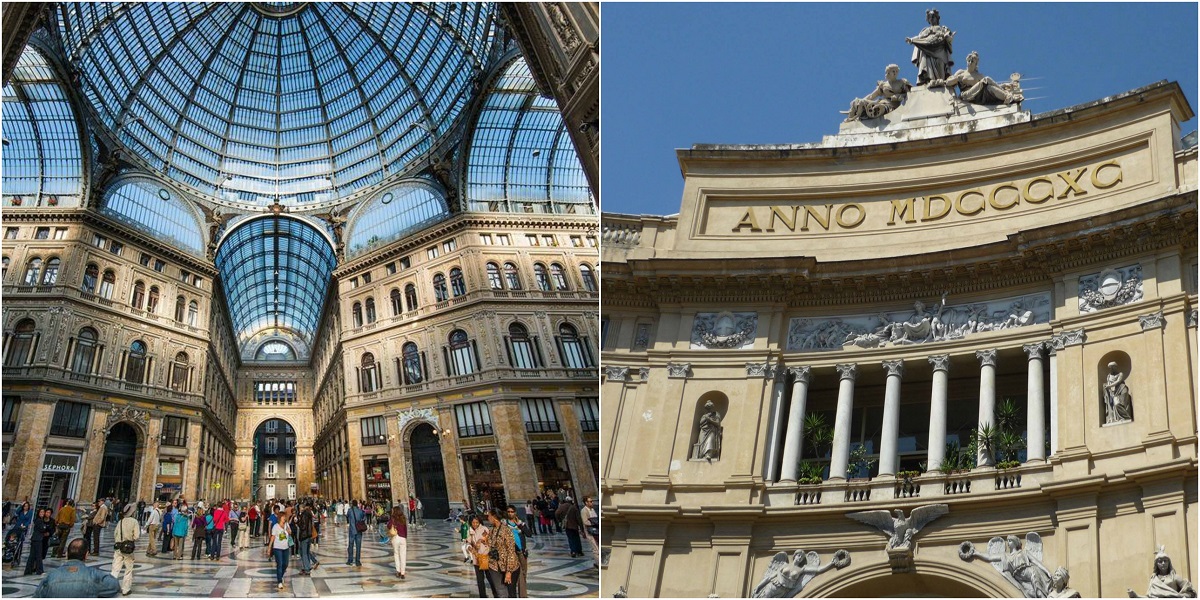
The Galleria Umberto I, symbol of Naples' Risanamento
It stands between Piazza Trieste e Trento and Via Toledo, where once there were only parallel streets connected by small alleyways that did not enjoy a good reputation: here, in fact, taverns and houses of ill repute were located, where crimes of every kind were committed.
by Alessia Giannino
The Galleria Umberto I is what is today considered the principal work of Naples' Risanamento (urban renewal).
It stands between Piazza Trieste e Trento and Via Toledo, where once there were only parallel streets connected by small alleyways that did not enjoy a good reputation: here, in fact, taverns and houses of ill repute were located, where crimes of every kind were committed. By the end of the nineteenth century decay had reached its peak, and in those alleys six-storey buildings had been erected where, it must be said, strict hygiene was hardly the rule. This led to the spread of cholera, and only when the situation began to spiral out of control did the government think of stepping in.
The Law for the Risanamento
In 1885 the law for the Risanamento of Naples was approved, and thanks to it, the area of Santa Brigida was completely reclaimed. The chosen project was that of engineer Emmanuele Rocco, later taken up by Antonio Curri and finally expanded by Ernesto di Mauro: it called for the construction of a four-armed gallery, intersecting in an octagonal crossing covered by a dome. To this end, on 1 May 1887 all the surrounding buildings were demolished, except Palazzo Capone, and a few months later work began.
The Galleria Umberto I was inaugurated three years later, precisely on 19 November 1890. From the very start it was considered an important commercial hub, thanks also to its proximity to Via Toledo, Via Santa Brigida and Via Medina. Among other things, it was built in a strategic position, surrounded by other important monumental works: the Teatro San Carlo, Piazza Plebiscito, the Palazzo Reale (Royal Palace) and the Maschio Angioino (Angevin Castle).
The interior
Inside the Galleria Umberto I we can admire the entrances of four buildings structured across three floors. The building also housed, for over fifty years, the sciuscià (shoe-shine boys), the city's shoe-shiners: in fact, some time ago, having one's shoes polished inside the gallery was a custom among the chic gentlemen of Naples.
Today this ritual has almost disappeared, although it is still possible to find a veteran sciuscià (shoe-shine man), who has remained precisely to carry on the tradition.
Even nowadays, the Galleria Umberto I remains, also thanks to its location, an important commercial landmark, attracting not only local residents but also, and above all, tourists.
Posted in:
Places in Naples
Related posts
-
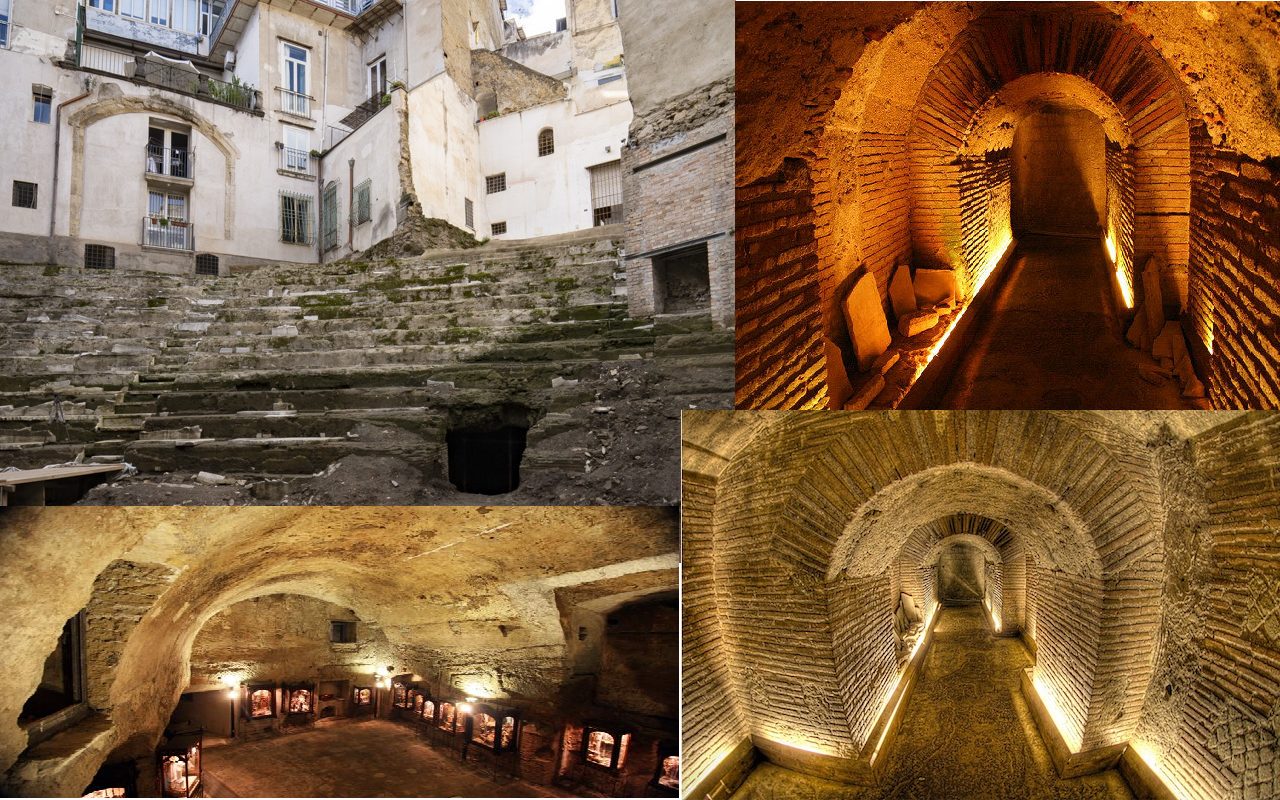 The Roman Theatre of Neapolis
Among the many wonders of Naples' historic centre stands the ancient Roman Theatre of Neapolis, between what are now...Read more
-
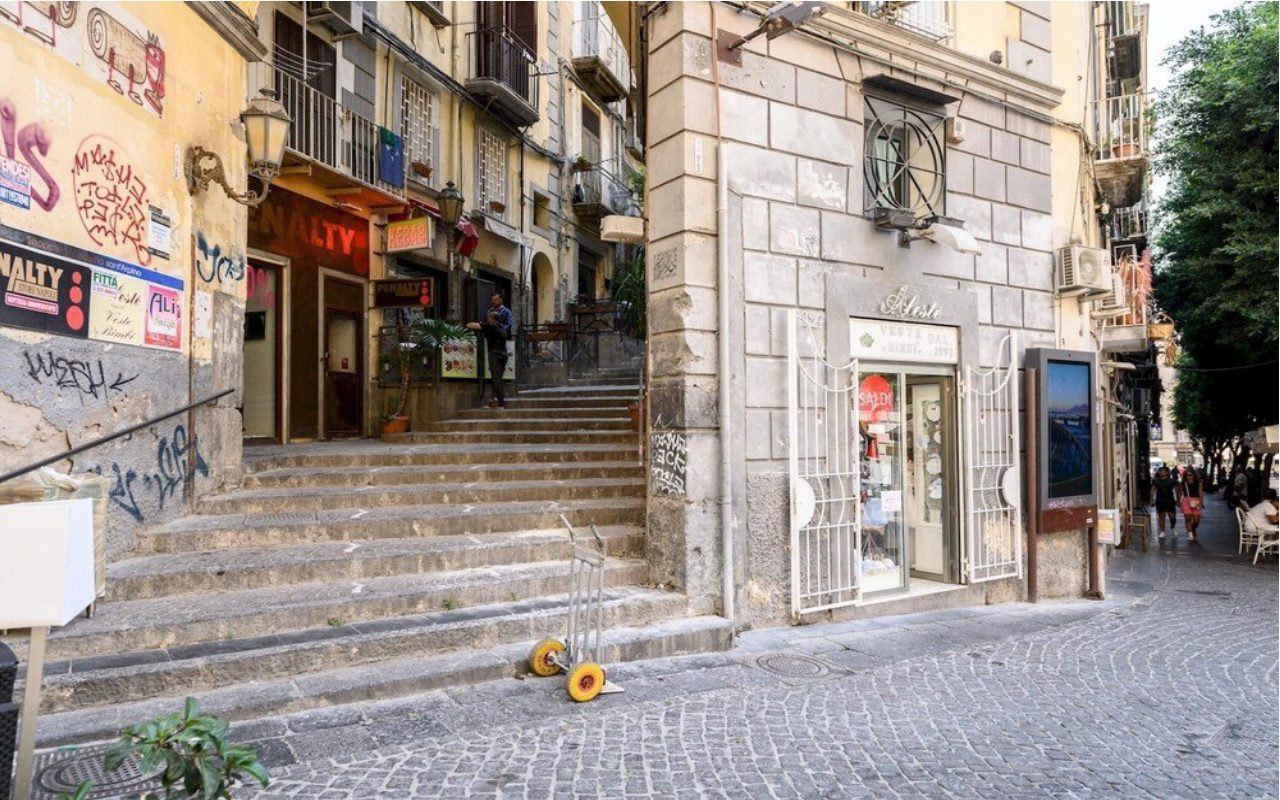 Discover Vicoletto Sant'Arpino: History and Beauty of Naples
There are corners of Naples that tell incredible stories, that take your breath away and make it unique, sincere and...Read more
-
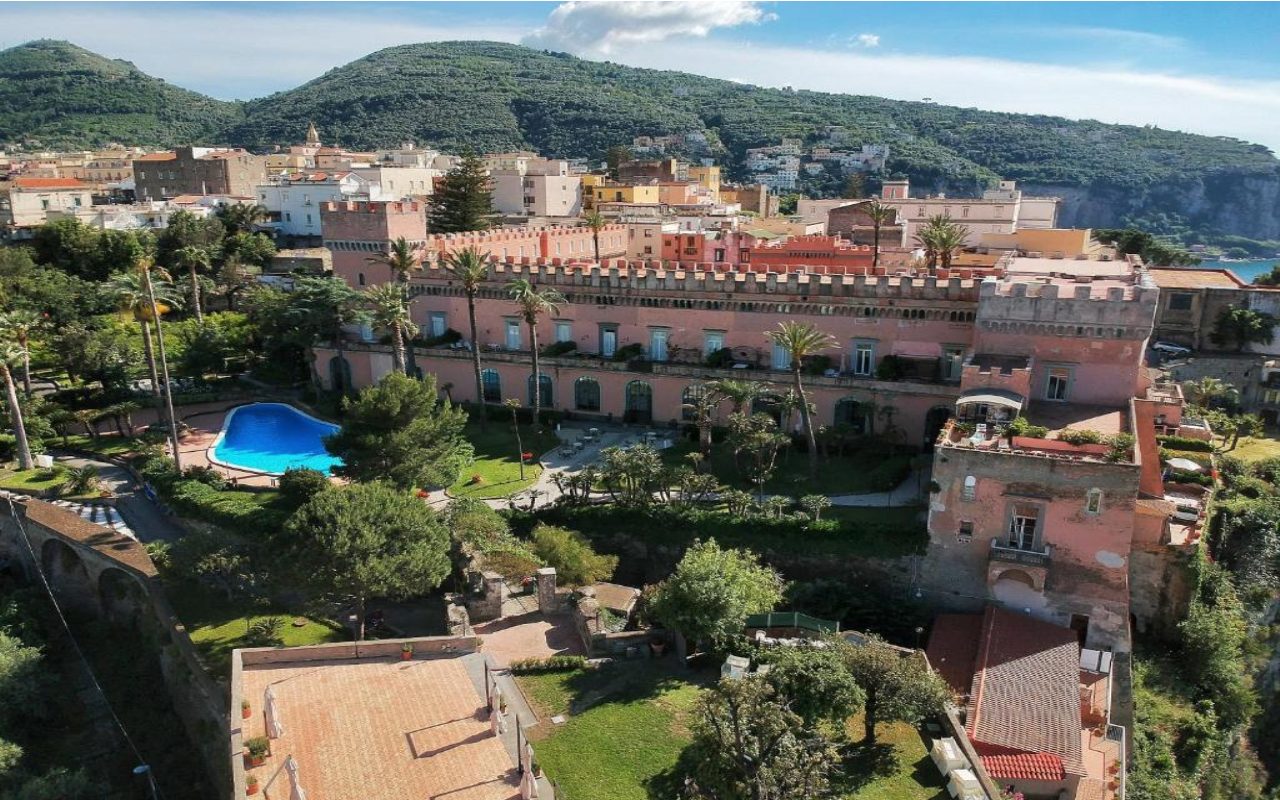 Giusso Castle: the legends of Vico Equense
Built at the end of the 13th century, Giusso Castle was designed as both a military fortress and a residence.Read more
-
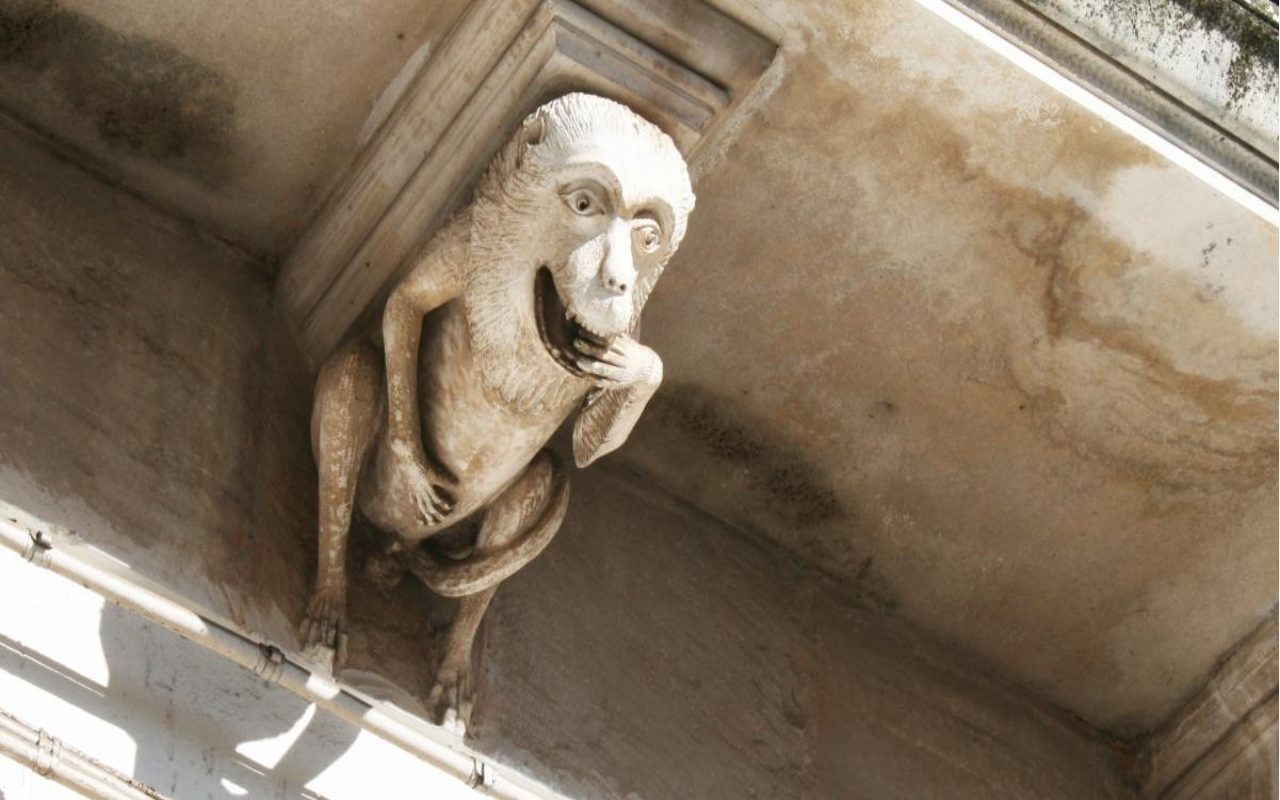 The apotropaic stone masks of lava rock and marble
Neapolitan apotropaic masks are truly fascinating works of art that can be admired on numerous historic buildings...Read more
-
 THE ROYAL PALACE OF CARDITELLO
The Tenuta Storica di Carditello (Historic Estate of Carditello), also known as the Reggia di Carditello (Royal...Read more
Leave a comment